

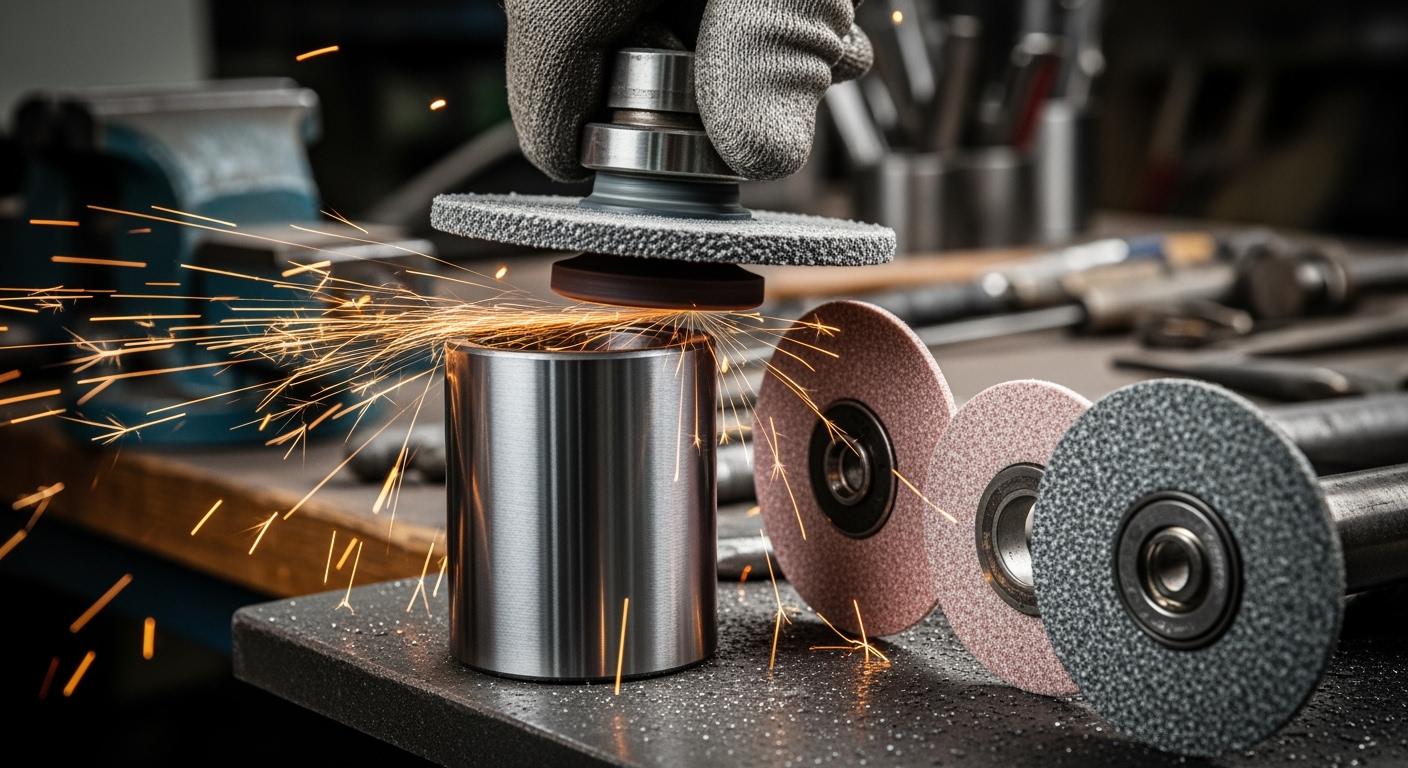
You need the right grinding wheel for bearing steel if you want high-quality results. CBN grinding wheels stand out as the top choice, especially when you need precision and durability. Aimgrind’s experience shows that premium vitrified CBN wheels work best for grinding bearing raceways and rolling elements. You may also consider aluminum oxide, ceramic, zirconia alumina, or diamond grinding wheels for certain needs. Always match your grinding wheel to the unique properties and requirements of bearing steel.
Key Takeaways
- CBN grinding wheels are the best choice for bearing steel due to their precision and durability.
- Always match your grinding wheel to the specific properties of the bearing steel for optimal results.
- Regularly maintain and dress your grinding wheels to keep them sharp and effective.
- Use proper coolant to prevent overheating and extend the life of your grinding wheels.
- Aimgrind offers customized grinding solutions to fit your specific needs and improve performance.
Bearing Steel and Grinding Wheel Selection
Properties of Bearing Steel
You often find bearing steel in high-stress environments. This material has a high carbon and chromium content, which gives it impressive hardness and wear resistance. Because of these properties, bearing steel can handle heavy loads and repeated motion without losing its shape. You need to use the right grinding wheel to achieve a smooth finish and precise dimensions. The hardness of bearing steel means that only certain types of grinding wheels, such as CBN, aluminum oxide, or ceramic, can perform effective cutting and stock removal. These wheels use hard abrasive particles to cut through tough surfaces and maintain a long tool life. You also benefit from grinding wheels that create compressive residual stress, which helps prevent fatigue and early failure.
Grinding Challenges
Grinding bearing steel presents several challenges. You must control heat during the process because this material is sensitive to high temperatures. If you use the wrong grinding wheel or incorrect parameters, you may see surface burns, cracks, or unwanted changes in the steel’s microstructure. Researchers have found that grinding burns can change the hardness and cause residual stresses in the steel. You may also notice that grinding at high spindle power can alter the surface of the material. To avoid these problems, you need grinding wheels that resist thermal damage and provide efficient cutting. CBN grinding wheels are highly resistant to heat and require less frequent dressing, making them ideal for hardened materials. Aluminum oxide wheels also offer good performance for general grinding tasks.
Tip: Always match your grinding wheel to the specific needs of your bearing steel application. Aimgrind uses a comprehensive approach to diagnose your grinding challenges, match the right parameters, and optimize samples. This ensures you get the best results for cutting, removal, and surface finish.
Types of Grinding Wheels for Bearing Steel
You have many options when choosing grinding wheels for bearing steel. Each type offers unique performance characteristics. You need to understand the differences to select the best grinding wheel for your application. The table below shows how the main types of grinding wheels compare for bearing steel:
| Grinding Wheel Type | Performance Characteristics |
|---|---|
| CBN (cubic boron nitride) | Very high effectiveness for carburising steel, bearing steel, tool steel, stainless steel |
| Aluminum Oxide | Suitable for rough grinding and general cutting tasks |
| Ceramic | High hardness, ideal for precision grinding and creating new cutting points |
| Zirconia Alumina | Toughness and durability, good for heavy stock removal and aggressive cutting |
| Diamond | Excellent for hard materials, best for non-ferrous metals and ceramics |
CBN Grinding Wheels from Aimgrind
You get unmatched precision and durability when you use CBN grinding wheels from Aimgrind. These superabrasive wheels deliver consistent performance and superior durability. CBN wheels maintain their shape and size, which ensures you achieve accurate grinding results every time. You benefit from excellent thermal conductivity, which helps dissipate heat and prevents thermal damage to bearing steel. This feature is crucial when you need to avoid burning or cracking during cutting.
Note: CBN grinding wheels maintain dimensional accuracy, which is critical for precision applications. Their ability to resist wear ensures a sharp edge is preserved during grinding.
You notice that CBN wheels outlast conventional abrasive wheels. This reduces downtime in high-volume manufacturing. You also see that CBN wheels provide a sharp edge for cutting and stock removal. Aimgrind offers CBN wheels in vitrified, resin, and electroplated bonds. You can choose the bond type that matches your grinding needs. Aimgrind’s formula design and customization help you optimize grinding wheel performance for your specific equipment and process.
- CBN wheels are primarily for sharpening edges rather than grinding profiles.
- The grinding process with CBN wheels focuses on metal removal and edge quality.
- Aimgrind’s CBN wheels deliver long lifespan and high grinding efficiency for bearing steel.
Aluminum Oxide and Ceramic Wheels
You often use aluminum oxide grinding wheels for rough grinding and general cutting tasks. Aluminum oxide provides high hardness, which enables quick cutting into workpiece surfaces. You achieve efficient stock removal and enhanced processing speed. Ceramic wheels offer stable cutting performance and maintain their effectiveness while reducing heat generation. You find ceramic aluminum oxide especially useful for precision grinding on difficult materials like bearing steel. These superabrasives create new cutting points, which helps you maintain a sharp wheel and consistent removal rates.
- Aluminum oxide is suitable for various grinding operations.
- Ceramic aluminum oxide is ideal for precision grinding and tough materials.
- Both types of grinding wheels help you achieve stable cutting and efficient removal.
Zirconia Alumina and Diamond Grinding Wheels
You choose zirconia alumina wheels when you need toughness and durability. These superabrasive wheels handle heavy stock removal and aggressive cutting. You use them for applications that require high removal rates and long-lasting performance. Diamond grinding wheels provide excellent cutting ability for hard materials. You find diamond grinding wheels best for non-ferrous metals and ceramics. They offer superior hardness and cutting efficiency, but you use them less often for bearing steel because they excel with materials like carbide and glass.
- Zirconia alumina wheels are tough and durable, ideal for heavy removal tasks.
- Diamond grinding wheels are perfect for hard materials and precise cutting.
Tip: Aimgrind can customize grinding wheels for your specific needs. You get personalized formula design and parameter matching. This ensures your grinding wheel fits your equipment and delivers optimal cutting and removal performance.
You have many types of grinding wheels to choose from. Aimgrind’s superabrasives, including CBN, aluminum oxide, ceramic, zirconia alumina, and diamond grinding wheels, help you achieve the best results for bearing steel. You can rely on Aimgrind’s expertise and customization to match the grinding wheel to your application.
Key Factors for Choosing a Grinding Wheel
Abrasive Material
Choosing the right abrasive material plays a key role in grinding bearing steel effectively. You should consider the material you want to grind first. For steels and steel alloys like bearing steel, aluminum oxide and zirconia alumina are excellent choices. These abrasives cut through hard surfaces efficiently. Next, think about how much stock you need to remove. Coarser abrasives remove more material quickly, while finer abrasives work better on hard-to-penetrate surfaces. The size of the grinding contact area also matters. Larger areas benefit from coarser grit and softer wheels, while smaller areas require finer grit and harder wheels. Finally, consider the grinding pressure and your machine’s horsepower. Harder grade wheels suit machines with higher horsepower, while softer grades fit lower horsepower machines.
Grit Size and Hardness
Grit size affects both the cutting performance and the surface quality of your bearing steel components. Larger grit sizes help you remove stock faster but may leave a rougher surface. Smaller grit sizes provide a smoother finish and better precision grinding. You want to balance grit size to avoid damaging the surface or causing deformation. The hardness of the material also influences your choice. Higher surface hardness improves wear resistance and fatigue life, which is critical for bearing steel. Proper grinding parameters help you maintain surface integrity, including roughness and dimensional accuracy. This balance ensures your components perform well under stress and last longer.
Bond Type and Wheel Shape
The bond type holds abrasive grains together and affects grinding wheel performance. Vitrified bonds offer rigidity and precision, making them ideal for hardened steels like bearing steel. Resinoid bonds provide toughness and work well for high-speed and rough grinding tasks. Rubber bonds give flexibility and excellent finishes, often used in polishing or centerless grinding. The wheel shape should match the geometry of your bearing steel parts. For example, cup wheels suit flat surfaces, while cylindrical wheels fit shafts or rollers. Choosing the right bond and shape helps you achieve efficient cutting and longer wheel life.
Tip: Aimgrind offers a comprehensive service process to help you select the perfect grinding wheel. They diagnose your grinding needs, match parameters, and optimize samples. This approach ensures your grinding wheels fit your equipment and deliver the best cutting and stock removal performance.
Tips for Grinding Wheel Performance and Longevity
Proper Wheel Selection
You need to choose the right grinding wheel for bearing steel to get the best results. Select wheels that match the hardness and shape of your workpiece. Vitrified CBN wheels work well for precision and durability. You can use advanced grinding wheels for better performance and less wear. Adjust feeds and speeds to improve throughput and extend wheel life. Aimgrind offers customized solutions to help you match grinding wheels to your equipment and process. You can rely on their expertise to optimize stock removal and surface finish.
Tip: Check coolant flow and placement. Proper coolant helps prevent thermal damage and keeps the grinding wheel sharp.
Maintenance and Dressing
You must maintain and dress your grinding wheel regularly. Inspect wheels every month for damage, accuracy, and balance. Dress the wheel often to keep its shape and sharpness. Daily visual checks help you spot cracks or chips early. Keep a maintenance log to track inspections and dressing cycles. Proper coolant management reduces heat and friction, which extends wheel life. Routine inspections can lower machine downtime and improve grinding quality.
- Dress the grinding wheel to maintain precision.
- Use coolant to reduce heat and prevent wheel clogging.
- Log maintenance activities to extend grinder life.
Note: Aimgrind’s commitment to quality means you get support for maintenance and sample optimization.
Safety Practices
You must follow safety practices when using grinding wheels. Inspect and test each wheel before use. Make sure the machine speed does not exceed the wheel’s maximum speed. Avoid excessive force when mounting wheels. Do not overtighten nuts and screws. Stop the coolant supply before stopping the wheel. Always wear personal protective equipment like goggles and gloves.
| Common Issue | Description | Solution with Vitrified Wheels |
|---|---|---|
| Grinding Burn | Excessive heat damages the workpiece surface | Controlled porosity improves coolant flow |
| Wheel Loading | Chips clog the wheel surface | Porous structure allows chip removal |
| Inconsistent Surface Finish | Uneven wheel wear causes poor results | Stable abrasive distribution improves finish |
| Excessive Wheel Wear | Fast wear increases costs | Strong grain retention extends wheel life |
| Chatter Marks | Vibration marks affect accuracy | Rigid bond reduces vibration |
Safety first: Always check grinding wheels for damage and wear before starting any grinding task.
You achieve the best results for bearing steel by selecting CBN grinding wheels and following Aimgrind’s expert guidance. Match the wheel type to your application and material properties.
- Choose the right abrasive, bond, grit, and wheel shape.
- Test wheel options and balance them before full-scale use.
- Maintain and dress wheels regularly.
- Inspect for cracks and wear protective gear.
Aimgrind helps you customize grinding solutions and supports ongoing maintenance. Stay safe and keep your grinding wheels in top condition.
FAQ
What makes CBN grinding wheels the best for bearing steel?
You get the best results with CBN grinding wheels because they cut hard materials like bearing steel quickly. These wheels resist heat and wear. You achieve a smooth finish and keep your parts accurate.
Can you use diamond grinding wheels for bearing steel?
You can use diamond wheels for some tasks, but they work better on non-ferrous metals and ceramics. For bearing steel, CBN wheels give you better performance and longer life.
How often should you dress a grinding wheel?
You should dress your grinding wheel when you notice a drop in cutting performance or surface finish. Regular dressing keeps the wheel sharp and helps you avoid defects.
Why is it important to match the grinding wheel to the material?
You need to match the grinding wheel to the material because material type determines grinding wheel type. This helps you avoid burns, cracks, and poor finishes. You get better results and longer wheel life.
Does Aimgrind offer custom grinding wheel solutions?
You can get custom grinding wheels from Aimgrind. The team helps you choose the right wheel for your machine and process. You receive support for parameter matching and sample optimization.
Contact Us
For More Grinding Solution or Customized Abrasive Tools