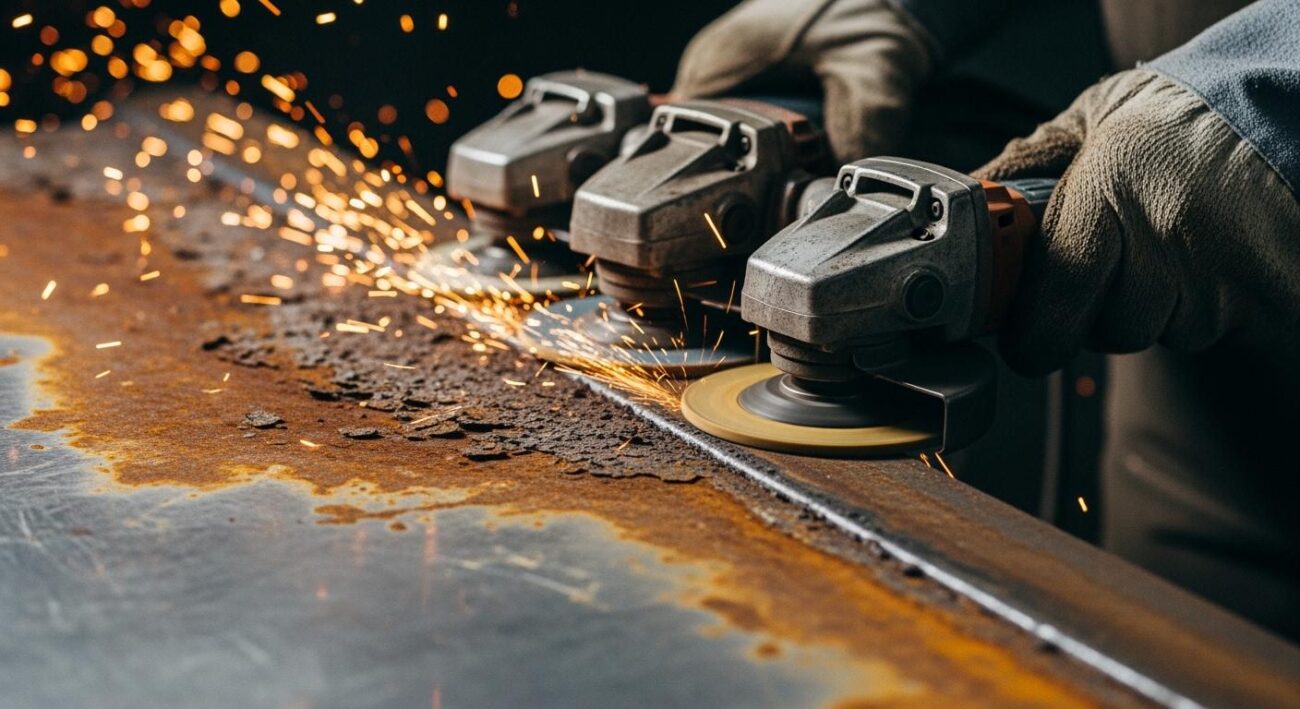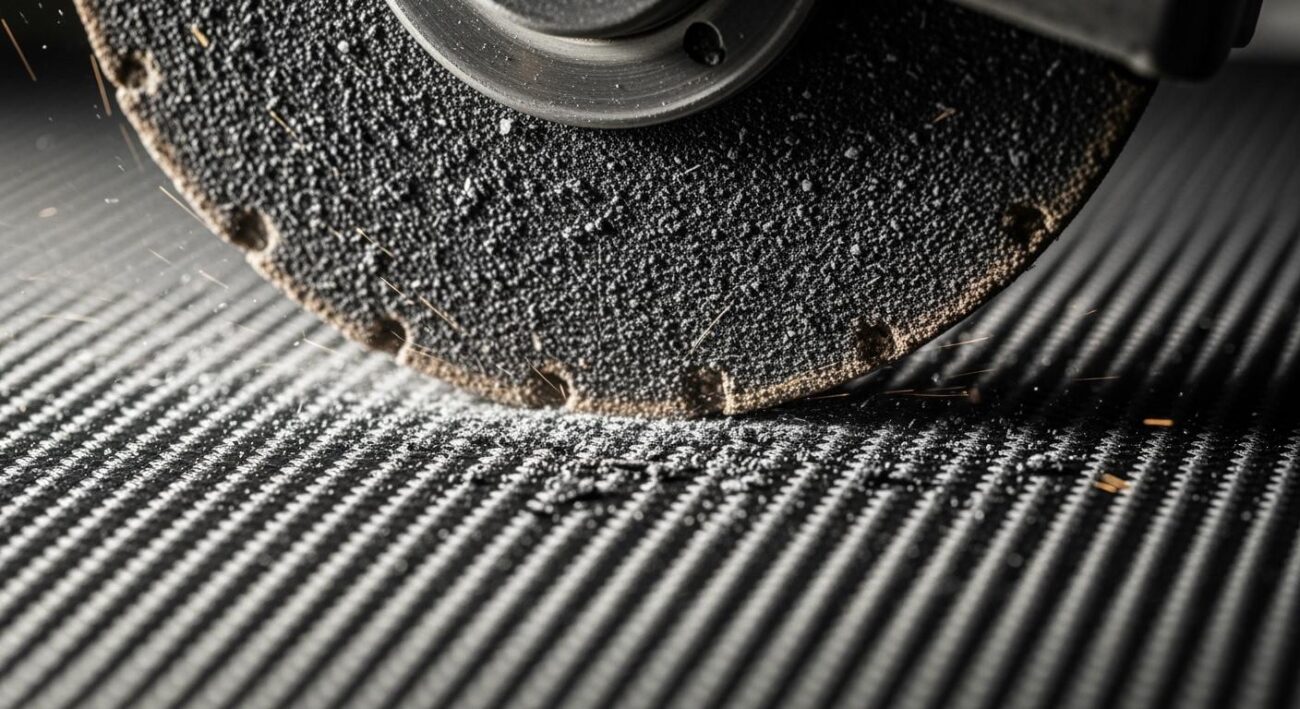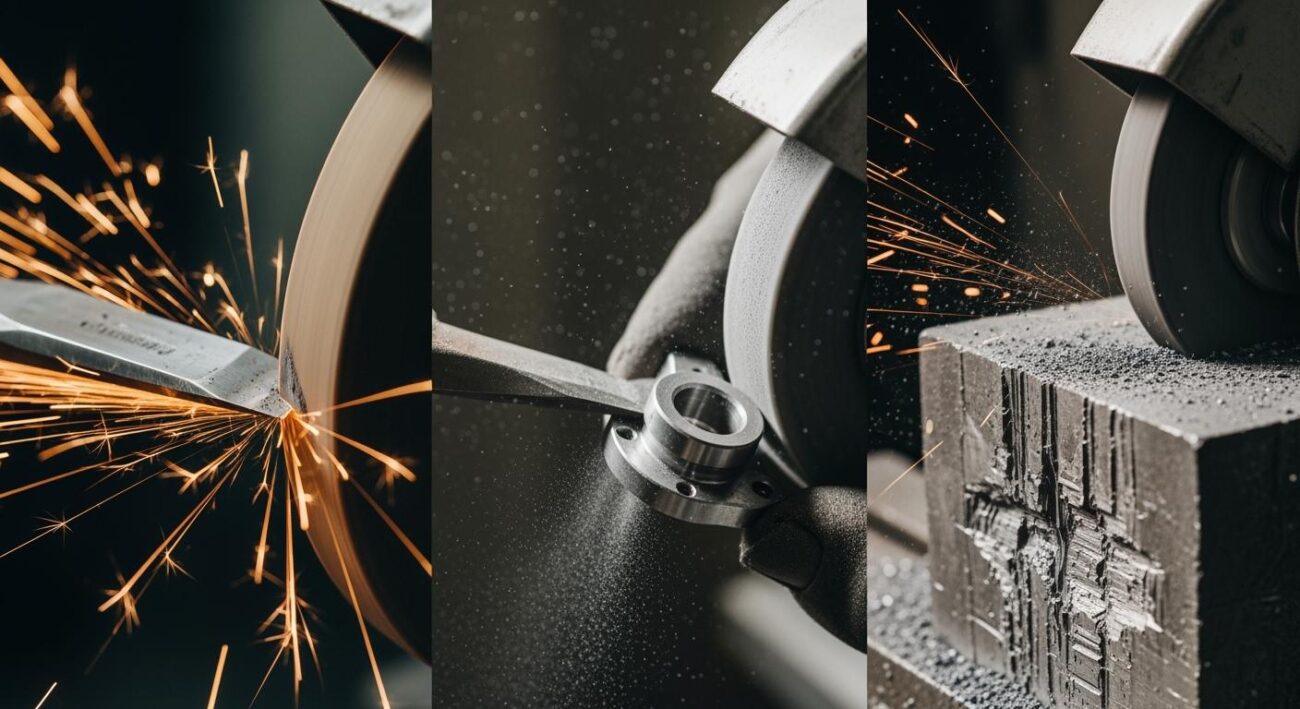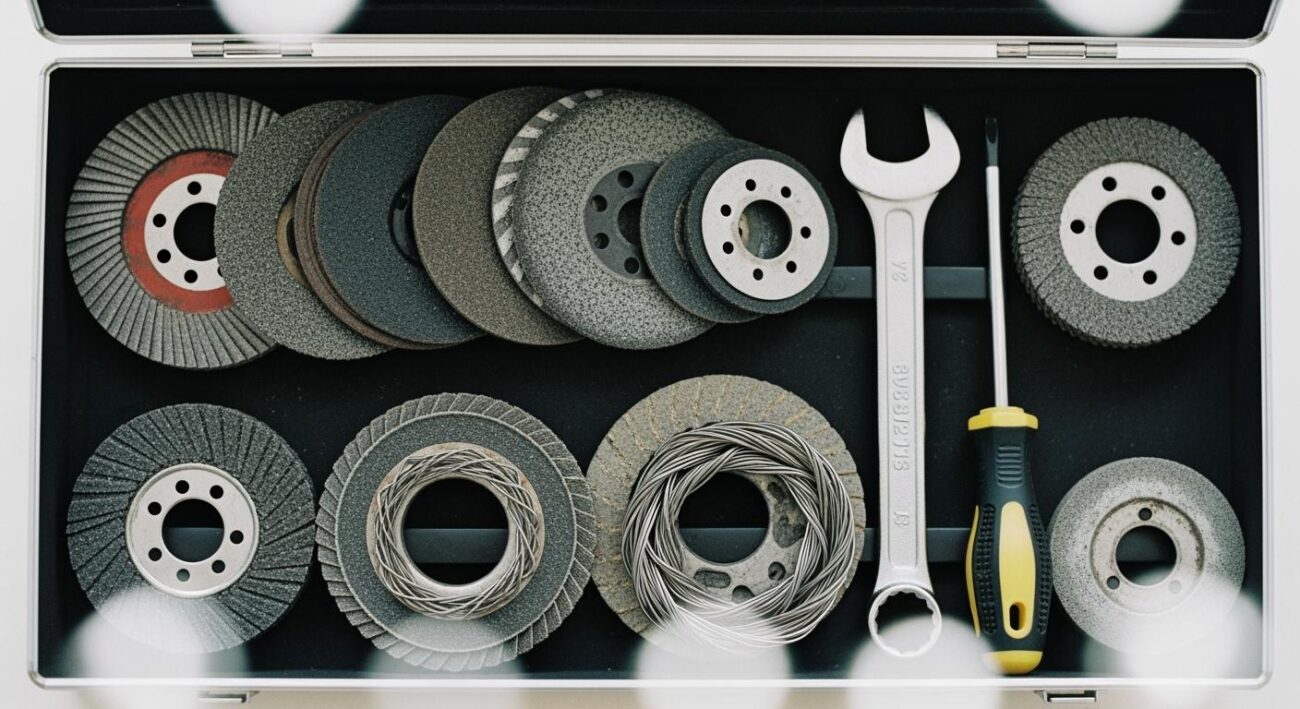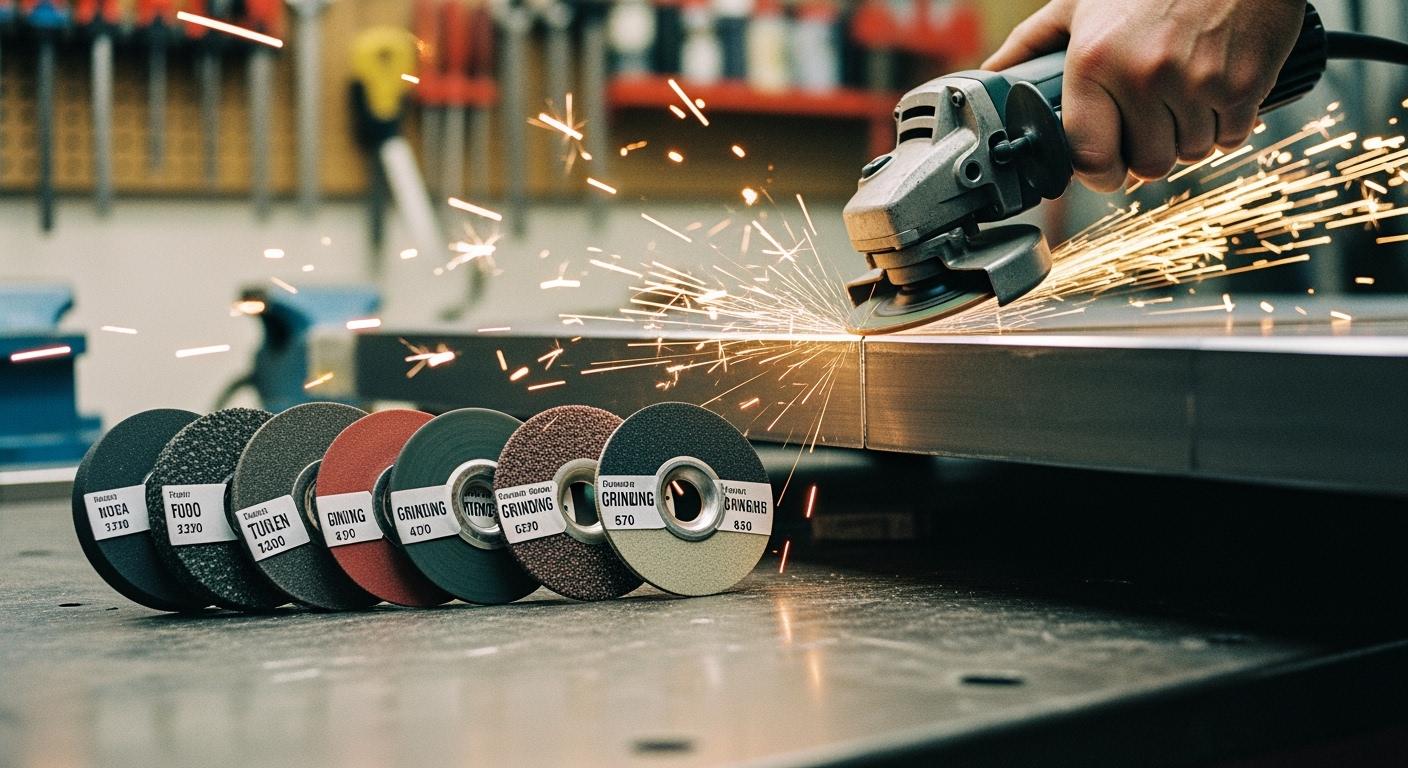
You get the best results in thick plate bevel grinding when you use diamond grinding wheels, especially for hard alloys and ceramics. Choosing the right grinding wheel depends on your plate material and the job you need to do. Aimgrind helps you find the perfect match for your process. Their custom solutions make your grinding work smoother and more efficient.
Key Takeaways
- Choose diamond grinding wheels for the best results on hard alloys and ceramics. They cut fast and last long.
- Zirconia alumina wheels offer greater cutting power and durability for heavy-duty beveling tasks. They maintain a steady cut rate under pressure.
- Ceramic wheels provide a cooler grinding experience and consistent finishes, making them ideal for tough jobs on thick steel plates.
- Always match your grinding wheel to the material type for optimal performance. This ensures better results and longer wheel life.
- Use proper safety gear and check your grinding wheel for damage before use. This helps prevent accidents and injuries.
Grinding Wheel Types for Thick Plate Beveling
When you start bevel grinding on thick plates, you need to know the main types of grinding wheels. Each type has its own strengths and works best for certain materials and jobs. Let’s look at the most common types of grinding wheels you will find in weld grinding and beveling.
Aluminum Oxide Grinding Wheels
Aluminum oxide grinding wheels are a popular choice for many shops. You see them used for general metal grinding because they are affordable and easy to find. Here is a quick look at their main features:
| Characteristic | Description | Implication for Thick Plate Bevel Grinding |
|---|---|---|
| Durability | Aluminum oxide is hard and durable, providing a sharp initial cut. | Suitable for initial grinding but may dull quickly. |
| Cost-effectiveness | Offers exceptional value and consistent performance. | Economical choice, but longevity is a concern. |
| Dulling tendency | Tends to dull over time, lacking cut-rate compared to other grains. | Unsuitable for prolonged use on thick materials. |
| Longevity | Lacks the longevity of some other grains. | May require frequent wheel changes during thick plate grinding. |
You can use this grinding wheel for short jobs or when you want to save money. If you need to grind thick plates for a long time, you may need to change wheels often.
Zirconia Alumina Wheels
Zirconia alumina wheels give you more power and last longer than aluminum oxide. You can use them for heavy-duty beveling and weld grinding. Here are some reasons why many people choose this abrasive:
- Zirconia abrasives provide greater cutting power than aluminum oxide across all metal types.
- These wheels offer faster and more consistent cutting, along with a longer lifespan in heavy-duty applications.
- The design of zirconia discs continuously exposes fresh abrasive material, which means you get better cutting efficiency and a finer finish.
- You can remove more material quickly and keep a steady cut rate, even under higher pressure.
If you want a grinding wheel that works hard and lasts longer, zirconia alumina is a smart choice for thick plate beveling.
Ceramic Wheels
Ceramic wheels are a newer type of abrasive. They work well for tough jobs and thick steel plates. You get several advantages when you use ceramic wheels:
| Advantage | Description |
|---|---|
| Micro-fracturing | Ceramic abrasives are designed to micro-fracture under pressure, providing new cutting edges. |
| Cooler grinding | This property leads to reduced heat generation during the grinding process. |
| Longer wheel life | The durability of ceramic wheels contributes to their longevity compared to other abrasives. |
| Better finish consistency | Ceramic wheels maintain a consistent finish on demanding materials, crucial for high-quality work. |
You can use ceramic wheels when you want a cooler grind and a smooth, even finish. They last longer and keep working well, even on thick plates.
Diamond Grinding Wheels by Aimgrind
Diamond grinding wheels stand out when you need to grind hard alloys, ceramics, or composite materials. Aimgrind’s diamond grinding wheels give you top performance for thick plate beveling. You get a wheel that cuts fast, stays sharp, and lasts a long time. These wheels use a strong diamond abrasive layer, which means you can grind tough materials with less effort.
Aimgrind offers diamond grinding wheels in different bond types, such as resin, metal, and vitrified. You can pick the right wheel for your machine and your job. These wheels keep their shape and give you a high-quality finish every time. You can use them for both wet and dry grinding. If you need a custom size or shape, Aimgrind can make it for you.
When you choose Aimgrind’s diamond grinding wheels, you get:
- Fast material removal and less downtime for wheel changes.
- Consistent, precise bevels on hard alloys and ceramics.
- A grinding wheel that works well for high-precision jobs in aerospace, tooling, and electronics.
If you want the best results for thick plate bevel grinding, Aimgrind’s diamond grinding wheels are a top choice.
CBN Wheels
CBN wheels, or cubic boron nitride wheels, are another advanced option for bevel grinding. You use these wheels when you need to cut through tough materials quickly and get a smooth finish. Here is what you can expect:
- CBN wheels enhance material removal rates due to their superior hardness, allowing for quicker cutting through tough materials, which is essential for thick plate bevel grinding.
- They provide excellent surface finishes, ensuring high-quality results with minimal defects, crucial for components requiring precision.
You can rely on CBN wheels for fast, clean bevels on hard metals. They work well for high-volume or precision grinding jobs.
Tip: When you pick from the different types of grinding wheels, always match the wheel to your plate material and the finish you want. This helps you get the best results and keeps your grinding wheels working longer.
Pros and Cons of Grinding Wheels
Performance and Efficiency
You want your grinding wheel to work fast and give you a good finish. Different types of grinding wheels perform in different ways. The table below shows how each wheel type compares when you use it for thick plate beveling or weld grinding:
| Wheel Type | Finish Quality | Grinding Speed | Tool Life | Cost per Job |
|---|---|---|---|---|
| Depressed-center (Al2O3) | Rough to moderate | Fast | Moderate | Low |
| Depressed-center (Ceramic) | Moderate to fine | Fast | Long | Medium |
| Flap disc (Zirconia) | Fine | Medium | Medium | Low to medium |
| Flap disc (Ceramic) | Very fine | Medium | Long | Medium to high |
| Cutting disc | N/A (cut only) | Very fast | Short-medium | Low |
You can see that ceramic and zirconia wheels give you a finer finish and last longer. Aluminum oxide wheels cut quickly but may not give you the best surface.
Durability and Lifespan
You need a grinding wheel that lasts through tough jobs. The hardness of the abrasive and the bond type affect how long your wheel will last. Diamond wheels stand out for their long life, especially when you grind hard materials. Using coolant helps your wheel last longer. Coolant cools the wheel, flushes away chips, and reduces the need to slow down to prevent burns. You get less wear and fewer wheel changes.
- Grinding creates a lot of heat. Coolant keeps the wheel and workpiece cool.
- Coolant also helps you grind faster and with less damage to your plate.
- You spend less time dressing the wheel because it loads up less.
Cost and Value
You want value from your grinding wheels. Some wheels cost more at first but save you money over time. Ceramic and diamond wheels last longer and need fewer changes. You spend less on replacements and downtime. Zirconia wheels give you a good balance of price and performance. Aluminum oxide wheels cost less but wear out faster. When you choose the right wheel for your job, you save money and get better results.
Tip: Always match your grinding wheel to your material and job needs. This helps you get the best value and performance.
Material and Wheel Choice
Choosing the right grinding wheels starts with knowing your plate material. The material type determines grinding wheel type and performance. You need to match the wheel to the steel, stainless, or hard alloy you are working with. Each material has its own hardness and grinding challenges.
Carbon Steel Plates
You often work with carbon steel in fabrication and welding. Carbon steel plates require wheels that can handle heavy stock removal and resist wear. Ceramic wheels give you the best performance on hard metals and stainless. They stay sharp and last longer under pressure. Zirconia wheels work well for carbon steel, offering efficient grinding and a lower cost. You can use Type 27 wheels for beveling, which maintain their shape and cut quickly.
The 3M™ Cubitron™ II Depressed Center Grinding Wheel cuts a 45º angle into carbon steel plates before welding. It works fast and lasts longer in high-pressure jobs.
- Ceramic wheels: Best for hard metals and stainless, longer service life.
- Zirconia wheels: Efficient for carbon steel, more affordable.
Stainless Steel Plates
Stainless steel needs wheels that prevent heat damage and contamination. Ceramic wheels grind stainless fast and keep the plate cool. You avoid discoloration and get a smooth finish. Some wheels, like Tiger INOX, use white aluminum oxide grains for a clean cut and long life. You want contaminant-free wheels to protect your stainless steel.
| Plate Material | Grinding Wheel Type | Key Features |
|---|---|---|
| Stainless Steel | Tiger Ceramic | Fastest grind rate, innovative ceramic alumina grain, prevents heat damage. |
| Tiger INOX | Contaminant-free, white aluminum oxide grains, fast cut rate, long product life. | |
| Carbon Steel | Tiger Ceramic | Versatile, cool-cutting, minimal discoloration on workpieces. |
| Tiger Zirc | High-performance, zirconia alumina grain for optimal results. | |
| Tiger AO | Hard resin bond, aluminum oxide grains for clean and sharp cuts. |
Hard Alloys and Ceramics
Hard alloys and ceramics have high hardness. You need specialized wheels for these materials. Diamond wheels work best for hard alloys and ceramics. They cut brittle materials with light pressure and precise technique. Carbides and ceramics require diamond abrasives and special grinding parameters.
| Material | Hardness (HRC) | Abrasive Type | Grinding Characteristics |
|---|---|---|---|
| Ceramics | 65-80+ | Diamond | Brittle materials requiring light cuts and specific grinding techniques |
| Carbides | 75-90 | Diamond | Extremely hard, requiring diamond wheels and specialized grinding parameters |
Aimgrind can customize grinding wheels for your specific material. You get wheels designed for your plate’s hardness and your grinding process. Custom wheels help you achieve better results and longer wheel life.
Tip: Always check the hardness of the material before choosing your grinding wheel. Custom solutions from Aimgrind ensure you get the right wheel for every job.
Grinding Wheel Selection Factors
Grit Size and Hardness
You need to pay attention to grit size and hardness when you select a grinding wheel for thick plate beveling. Grit size affects how fast you can grind and the quality of your edge. Finer grit sizes create thinner and more manageable burrs. This helps you get a cleaner edge and makes the grinding process smoother. Coarser grits remove material faster but leave larger burrs. These burrs can make your edge rough and harder to finish. Hardness grade tells you how tough the wheel is. Softer wheels cut faster but wear out quickly. Harder wheels last longer but may grind slower. You should choose the right balance for your job.
Wheel Shape and Bond Type
You must consider wheel shape and bond type for metalworking applications. Different shapes fit different beveling tasks. Type 1 wheels are flat and work well for surface grinding. Type 27 wheels have a depressed center and are good for angle grinding. Type 28 and 29 wheels have unique shapes for special bevels. Bond type affects wheel performance. Vitrified bonds give you strong wheels for heavy-duty jobs. Resinoid bonds offer flexibility and shock resistance. Rubber bonds provide smooth finishes. You should check the wheel label for maximum operating RPM and hardness grade.
- Factors to consider when selecting a grinding wheel:
- Wheel shape and type number (Type 1, 27, 28, 29)
- Maximum operating RPM printed on the wheel label
- Abrasive material and grit range
- Bond type (vitrified, resinoid, rubber)
- Hardness grade (A through Z scale)
- Guard compatibility with your angle grinder
- Material compatibility (ferrous, non-ferrous, masonry)
Machine Compatibility
You must match your grinding wheel to your machine. The wrong wheel can cause accidents and damage your equipment.
Using the wrong wheel on the wrong tool is one of the most common causes of abrasive wheel accidents. The match between wheel type, wheel size, maximum RPM, and tool spindle speed is non-negotiable.
You should always check the wheel size, RPM rating, and spindle speed. Make sure your wheel fits your grinder guard. This keeps you safe and helps your grinding wheel last longer.
Bevel Grinding Tips and Best Practices
Wheel Speed and Pressure
You can improve your bevel grinding results by controlling wheel speed and pressure. If your grinder has variable speed, slow it down for better control. Stand close to your machine so you can see your work and guide the wheel accurately. Move your upper body side to side using your legs, not just your arms. This gives you smoother passes and reduces fatigue. Try to grind both sides of the plate equally. Make five or six passes on one side, then switch to the other. This keeps the bevel even and prevents stress on the plate. For better control of plunge lines, use a carbide faced file guide. These habits help you achieve a consistent bevel and make finishing and surface prep easier.
Safety Guidelines
Grinding thick plates creates risks, so you must protect yourself. Always wear the right personal protective equipment (PPE). The table below shows what you need:
| PPE Item | Specification | Notes |
|---|---|---|
| Eye Protection | ANSI Z87.1 / EN166 safety glasses + face shield | Use both for full protection |
| Hearing Protection | NRR 25+ earmuffs or earplugs | Needed for long grinding sessions |
| Gloves | Cut-resistant, leather palm | Protects from sparks and sharp edges |
| Respiratory Protection | FFP2/N95 minimum, P100/FFP3 for silica | Use when dust extraction is not enough |
| Protective Clothing | Non-synthetic, close-fitting | Prevents burns from sparks |
| Footwear | Steel-toe, metatarsal guard rated | Required in industrial settings |
You should also check your grinding wheel for cracks or damage before each use. Improper mounting or damaged wheels can burst and cause injury. Watch out for kickback, which happens if the wheel catches in the workpiece. Take breaks to avoid vibration problems in your hands and arms. Grinding produces fine dust, so always use proper ventilation or a respirator.
Maximizing Wheel Life
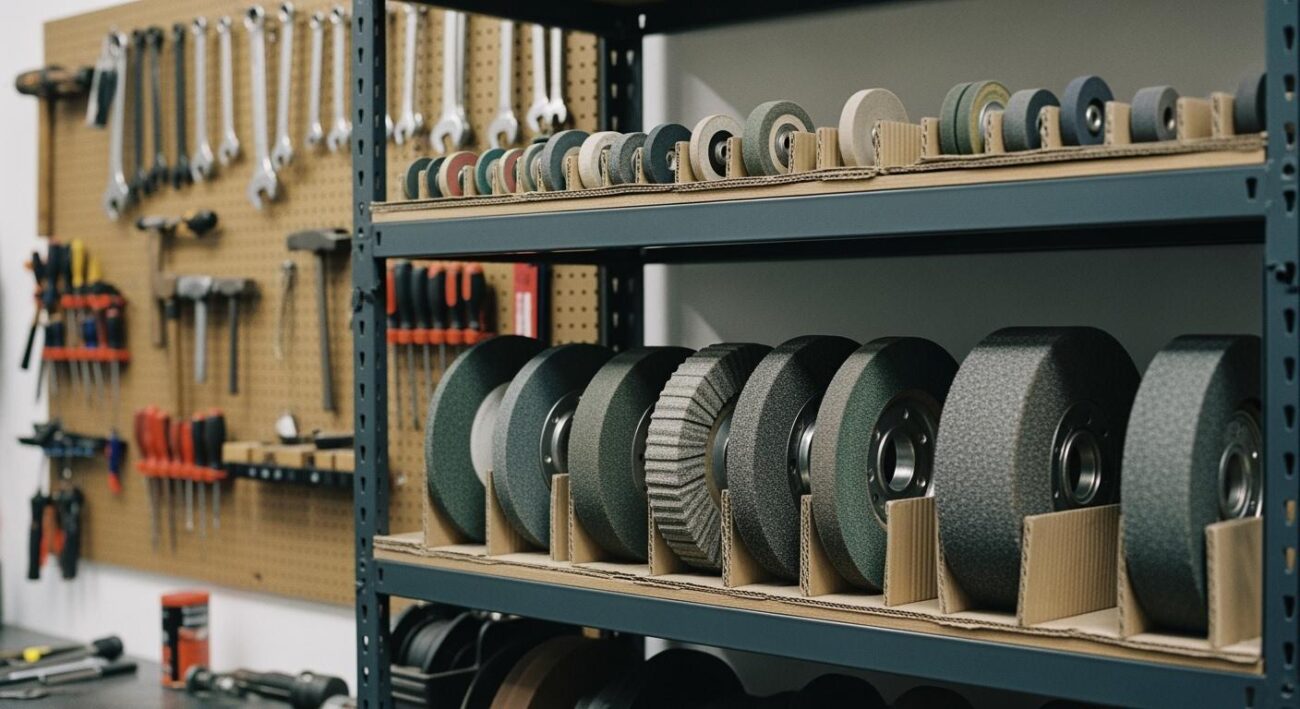
You can make your grinding wheels last longer with a few simple steps. Use the correct wheel for your material and application. Avoid pushing too hard—let the wheel do the work. Keep your grinding angle steady and avoid side loading. Clean your wheel regularly to prevent loading and glazing. Use coolant or water if your process allows, as this reduces heat and wear. Store your wheels in a dry, safe place away from impacts. These habits help you get the most value from your grinding wheels and keep your work safe and efficient.
You get the best results in thick plate bevel grinding when you match your grinding wheel to your plate material and job. Aimgrind’s diamond grinding wheels help you achieve a smooth surface finish and make rust and coating removal easier. You can choose from different wheel shapes, bond types, and hardness grades. The table below shows key criteria for wheel selection:
| Criteria | Description |
|---|---|
| Wheel Shape and Type Number | Type 1, 27, 28, 29 |
| Maximum Operating RPM | Printed on the wheel label |
| Abrasive Material and Grit Range | Different materials serve various applications |
| Bond Type | Vitrified, resinoid, rubber |
| Hardness Grade | A through Z scale |
| Guard Compatibility | Ensure compatibility with your angle grinder |
| Material Compatibility | Ferrous, non-ferrous, masonry |
- You should treat wheel selection as a step-by-step process.
- You avoid wasted wheels and accidents when you check RPM ratings and compatibility.
Aimgrind offers custom grinding solutions for demanding beveling tasks. You can contact their experts for tailored recommendations.
FAQ
What is the best grinding wheel for beveling hard alloys?
You should use a diamond grinding wheel. Diamond wheels cut hard alloys quickly and give you a smooth finish. They last longer than other wheels. You can ask Aimgrind for custom options.
How do I know which grit size to choose?
You pick grit size based on your finish needs. Coarse grits remove material fast. Fine grits give you a smoother edge. For beveling, start with coarse, then switch to fine for finishing.
Can I use the same wheel for carbon steel and stainless steel?
You should not use the same wheel for both. Stainless steel needs a wheel that prevents contamination. Use a separate wheel for each material to get the best results and avoid rust.
How do I make my grinding wheel last longer?
Use light pressure and let the wheel do the work. Clean your wheel often. Store it in a dry place. Use coolant if possible. These steps help your wheel last longer.
Contact Us
For More Grinding Solution or Customized Abrasive Tools