

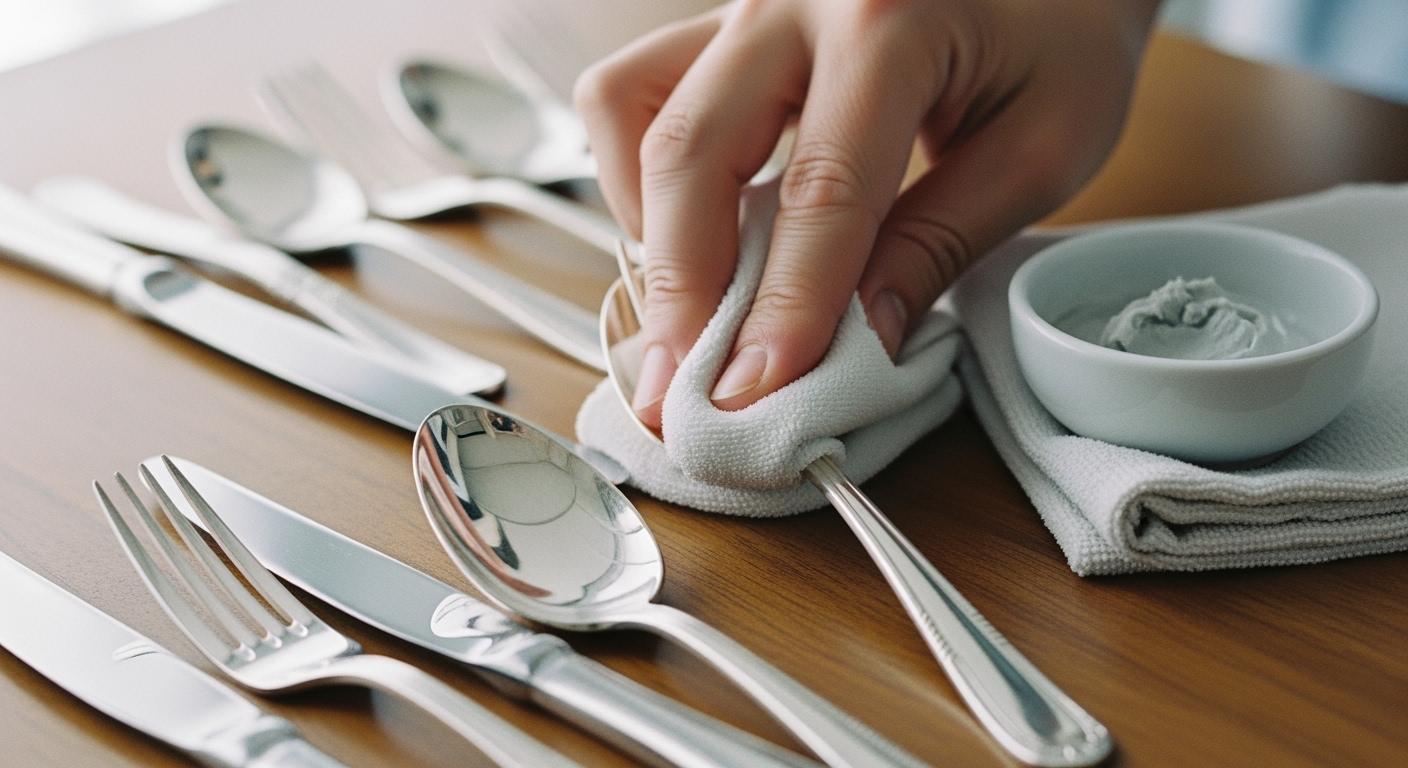
You can prevent discoloration by choosing gentle, non-abrasive tools like Aimgrind Polishing Wheels. Store silver in a low-humidity place and use airtight containers. Always clean cutlery soon after using it. Handle silver less to avoid oils. Routine care helps your silver stay bright and beautiful for years.
Key Takeaways
- Use gentle, non-abrasive tools like Aimgrind Polishing Wheels to avoid scratching your silverware.
- Store silver in airtight containers in low-humidity areas to prevent tarnish and discoloration.
- Clean silver cutlery soon after use to remove acids from food that can cause tarnish.
Prevent Discoloration Tips
Dos for Polishing Silver
You can prevent discoloration by following a few simple steps every time you polish your silverware. Always choose gentle, non-abrasive tools. Aimgrind Polishing Wheels work well because they polish without scratching the surface. Use mild silver cleaning products, such as special creams, foams, or pastes. These products remove tarnish slowly and safely. Take your time and do not rush the process.
Wear fitted nitrile gloves to protect your hands and keep oils off the silver. Apply polishing agents with soft cloths, cotton balls, or swabs. Replace them when they turn black. For mild tarnish, white or methylated spirit can help. After polishing, use a soft cloth or cotton ball dipped in distilled water to remove any leftover residue. Always dry your silverware completely after cleaning. Moisture can cause discoloration if left on the surface.
Tip: Use a liquid solution of pure, conservation-grade calcium carbonate with a lint-free cloth. This gentle method removes tarnish without harming the silver.
You should also keep silver away from foods that contain a lot of sulfur. Eggs, onions, garlic, and some leafy greens can cause tarnish quickly. If you use silverware with these foods, wash and clean it right away. This step helps prevent discoloration and keeps your silver bright.
Don’ts to Avoid Tarnish
Some habits can make silver tarnish faster. Do not store silver near vents or windows. Airflow can speed up tarnishing. Never wrap silver in plastic. Plastic can break down and leave stains on your silverware. Avoid washing silver in the dishwasher. The detergents and high heat can corrode the surface and cause discoloration.
Keep silverware away from moisture and humidity. Damp air helps chemical reactions happen faster, which leads to tarnish. In humid places, silver tarnishes much more quickly. Oily salts from your skin can also react with silver, especially if you handle it often. Try to touch silverware as little as possible.
Foods high in sulfur, like eggs and onions, react with silver and form a black layer called silver sulfide. This reaction is one of the main reasons silver turns black. Even mayonnaise and some household items can speed up tarnishing. Always clean your silverware after it comes into contact with these substances.
If you want to prevent discoloration, avoid harsh chemicals like ammonia or chemical dips. These products can strip the patina and damage the finish. Instead, use gentle methods for cleaning tarnished silverware. Start with the least abrasive polish and soft cloths to keep your silver looking its best.
By following these dos and don’ts, you can use the best tarnished silver cleaning method and keep your silverware shining. Regular care and the right tools make it easy to prevent discoloration and tarnish.
Polishing Techniques
Preparing Silver Cutlery
You should always prepare your silver before polishing. This step helps prevent tarnish and keeps your silverware looking its best. Follow these steps:
- Rinse your silver cutlery right after use. This removes acids from foods that can cause tarnish.
- Use a pH-neutral dishwashing detergent with a soft microfiber cloth. This avoids scratches on the silver surface.
- Dry each piece immediately with a lint-free towel. Water spots can lead to discoloration.
- Store your silverware in a safe place to keep it free from scratches and tarnish.
Using Aimgrind Polishing Wheels
Aimgrind Polishing Wheels help you achieve a fine finish on your silver. You can use these wheels with different compounds for the best results. Here is a step-by-step guide:
- Start with 80 or 150 grit greaseless compound on a felt or muslin wheel to remove rust and pits.
- Move to 200 or 240 grit on a sewn muslin wheel to smooth out scratches.
- Use 300 or 320 grit to further refine the surface.
- Apply 400 or 600 grit for a finer finish.
- Blend scratches with a cut and color bar on sisal wheels for a satin look.
- Brighten the silver with a blending bar on a muslin wheel.
- Finish with white rouge on a loose muslin wheel for a mirror shine.
- Wipe down your silverware with a clean, dry cloth to remove any residue.
Safe Polishing Methods
You can keep your silver bright by using safe methods for cleaning tarnished silverware. Choose gentle products that are non-toxic and safe for food contact. Regular polishing helps prevent tarnish and keeps your silverware shining. Wash your silver soon after use to reduce the risk of tarnish. Some people use silver cleaners with anti-tarnish additives or apply a light layer of beeswax to protect the surface.
Chemical dips can damage silver and cause pitting. These defects make silver absorb tarnish faster and can harm the finish.
By following these steps and using the right tarnished silver cleaning method, you can keep your silverware clean and beautiful for years.
Mistakes to Avoid
Abrasive Materials
You should avoid abrasive materials when you polish silver. These materials can scratch the surface and make your silver lose its shine. Some cleaning cloths contain grit that can leave marks. Scouring pads also damage silverware. Chemical dips like Tarn-X strip away layers and change the appearance. If you want to keep your silver bright, use gentle tools and soft cloths. Always choose methods for cleaning tarnished silverware that protect the surface.
Tip: Never use rough sponges or pads. They cause scratches and make tarnish harder to remove.
Over-Polishing
Polishing silver too often can cause problems. Each time you polish, you remove a tiny layer of silver. If you polish silver plated cutlery many times, you wear through the plating. The base metal shows, and your silverware loses its shine and durability. You should only polish when you see tarnish. Daily use of silver flatware means you rarely need to polish. This keeps your silver looking good and prevents damage.
- Over-polishing exposes the base metal.
- The cutlery becomes less attractive and weaker.
Improper Cleaning Products
Some cleaning products harm silver. Chemical dip solutions should not stay on silverware for long. Always rinse well after using any dip. Do not use dips for heavy tarnish removal. They can leave a dull finish. Dishwashers use high heat and strong detergents. These conditions cause silver to corrode and develop blemishes. Bleach, abrasives, sulfur compounds, and high-pH ingredients in detergents increase tarnish and damage. You should clean silver by hand with gentle soap and water. Choose a tarnished silver cleaning method that keeps your silver safe.
Note: Hand-washing protects silver from harsh chemicals and keeps it bright.
Storing Silver Cutlery
Ideal Storage Conditions
You need to store silver in the right way to keep it bright and free from tarnish. Good storage reduces exposure to air, moisture, and materials that speed up tarnishing. You can use different methods to protect your silver. The table below shows some of the best options:
| Storage Method | Description |
|---|---|
| Proper storage | Reduces exposure to air, moisture, and harmful materials. |
| Good storage boxes | Lined with antioxidant fabric to slow down tarnishing. |
| Anti-tarnish cloth | Covers silver to block sulfur in the air. |
| Airtight containers | Keep out moisture and sulfur compounds. |
| Tarnish-preventive bags | Made with silver particles to attract tarnish-making gases. |
| Fabric by the yard | Lines drawers or cupboards for a tarnish-free area. |
You should always choose a storage method that keeps silver away from air and moisture. Anti-tarnish cloths and bags work well because they stop sulfur from reaching the silver. This helps you keep your silver looking new.
Moisture Prevention
Moisture is one of the main reasons silver tarnishes. You can take steps to keep silver dry and shiny:
- Store silver in its original velvet- or wood-lined chest.
- Make sure each piece is clean, dry, and polished before you pack it away.
- Wrap bundles in soft cloth before placing them in a padded box.
- Use a desiccant like baking soda or chalk to absorb moisture.
- Choose tarnish-resistant fabric such as felt or flannel.
- Avoid plastic bags because they trap moisture and contain sulfur.
- Store silver in airtight or low-oxygen spaces.
Tip: Always check for hidden moisture in handle joints before storing silver. Even a small amount of moisture can cause tarnish.
Routine Maintenance
You cannot stop silver from tarnishing completely, but you can slow it down with regular care. Wash cutlery soon after use to reduce tarnishing. Dry each piece right away with a microfiber cloth. Inspect for hidden moisture before you store silver. Only store silver when it is completely dry. Use a tarnished silver cleaning method when you see dullness. Clean silver with a specialized cleaner to keep it bright. Store silver in a box or drawer away from fire. Regular cleaning and polishing help silver keep its shine. Silver that you use often stays brighter and needs less care.
Note: Routine maintenance is the best way to keep silver beautiful for years.
You can keep silver bright by following a simple routine. Use Aimgrind Polishing Wheels for a gentle shine. Store silver in a dry place. Try this checklist for caring for silver:
- Use silver often.
- Wash silver by hand.
- Dry silver right away.
- Keep silver away from certain foods.
- Store silver in low humidity.
- Use a tarnished silver cleaning method when needed.
Regular care helps silver last for years.
FAQ
How often should you polish silver cutlery?
You should polish silver when you see tarnish. Regular use helps silver stay bright. The best way to clean tarnished silver is gentle polishing with soft tools.
What is the best way to clean tarnished silver?
The best way to clean tarnished silver is to use Aimgrind Polishing Wheels and a mild cleaner. You protect silver from scratches and remove tarnish safely.
Can you clean tarnished silverware with household items?
You can clean tarnished silverware with baking soda and water. This method removes tarnish from silver. Always rinse and dry silver well to prevent more tarnish.
Contact Us
For More Grinding Solution or Customized Abrasive Tools