
How to use a diamond truing tool for grinding wheels

Get a flat, concentric grinding wheel by using a diamond truing tool. Brace the tool on the rest, angle it 10-15°, and make light, steady passes to fix vibration.
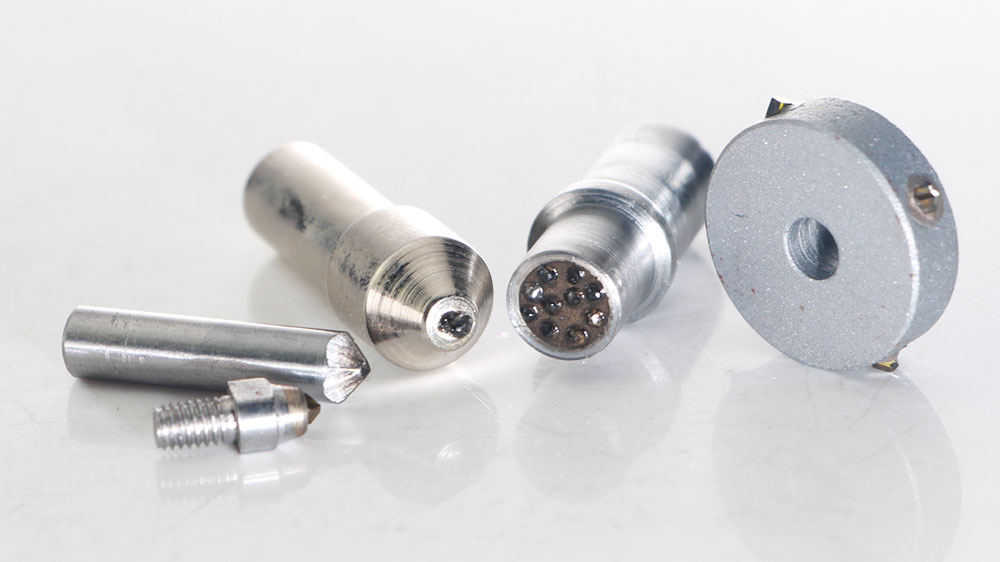
Get a flat, concentric grinding wheel by using a diamond truing tool. Brace the tool on the rest, angle it 10-15°, and make light, steady passes to fix vibration.
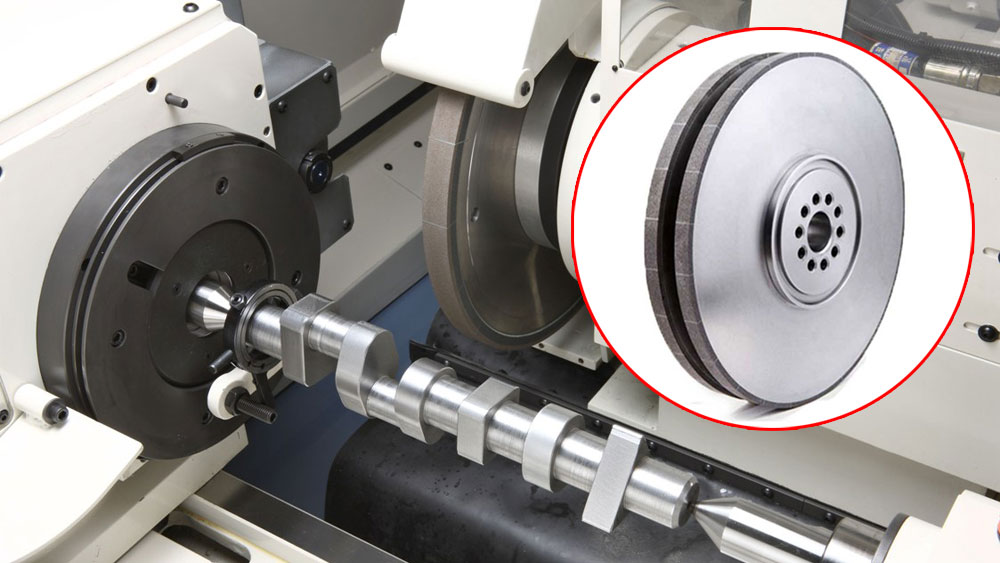
Vitrified bond grinding wheels are used in automotive, aerospace, bearing, and tool & die industries for high-precision tasks like grinding crankshafts and turbine blades.
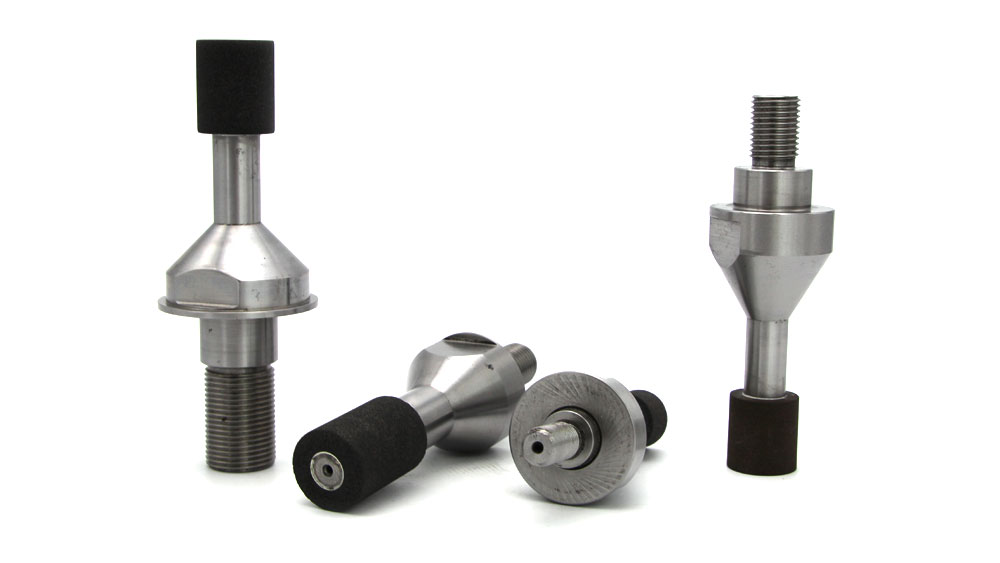
Choose the right vitrified bond grinding wheel by matching the abrasive to your material, defining finish goals, and aligning with your machine’s speed and feed rates.
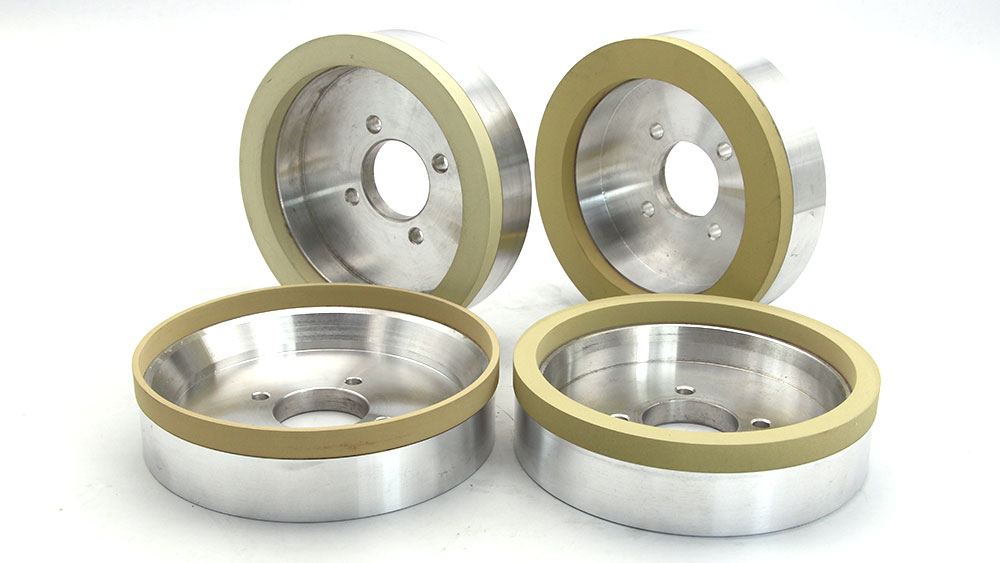
Safely use and maintain your vitrified bond grinding wheel with proper ring tests, mounting, and dressing to prevent cracks and ensure peak grinding performance.
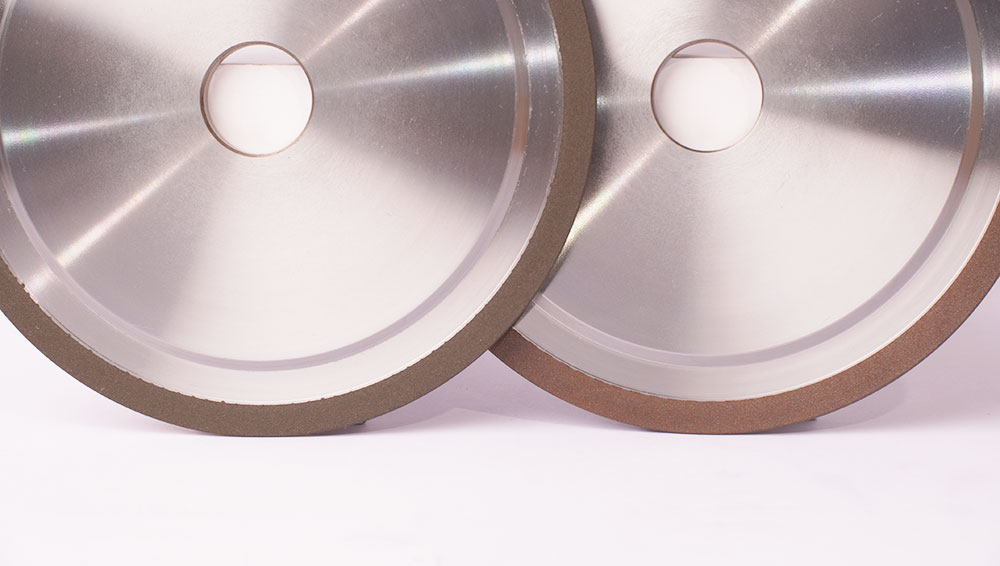
Compare the main types of precision grinding wheels: Vitrified for steels, Resinoid for high-speed tasks, Electroplated for composites, and Diamond for carbide.
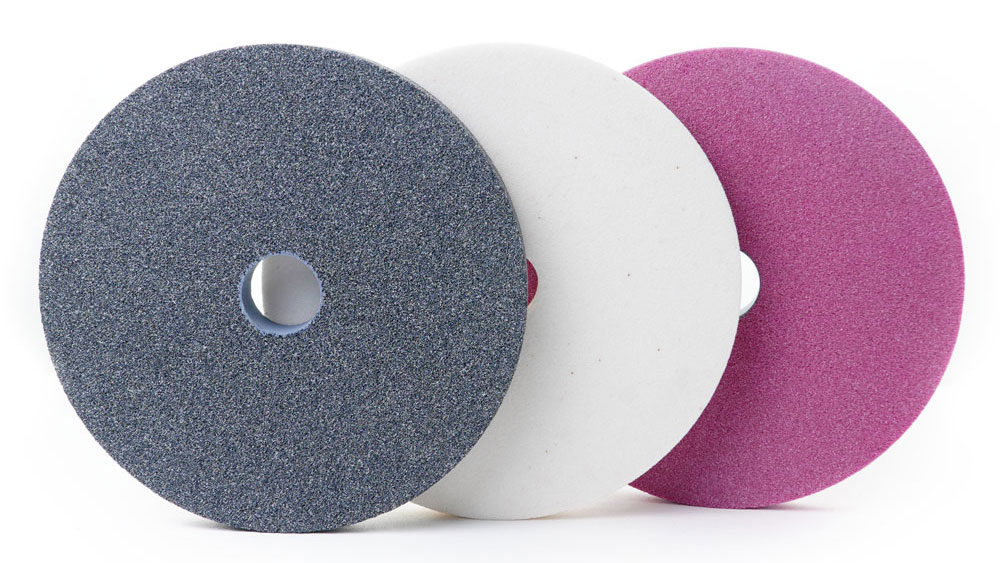
Get professional results with your aluminum oxide grinding wheel. Always inspect for cracks, match the wheel’s RPM to the grinder, and use proper guards and PPE.
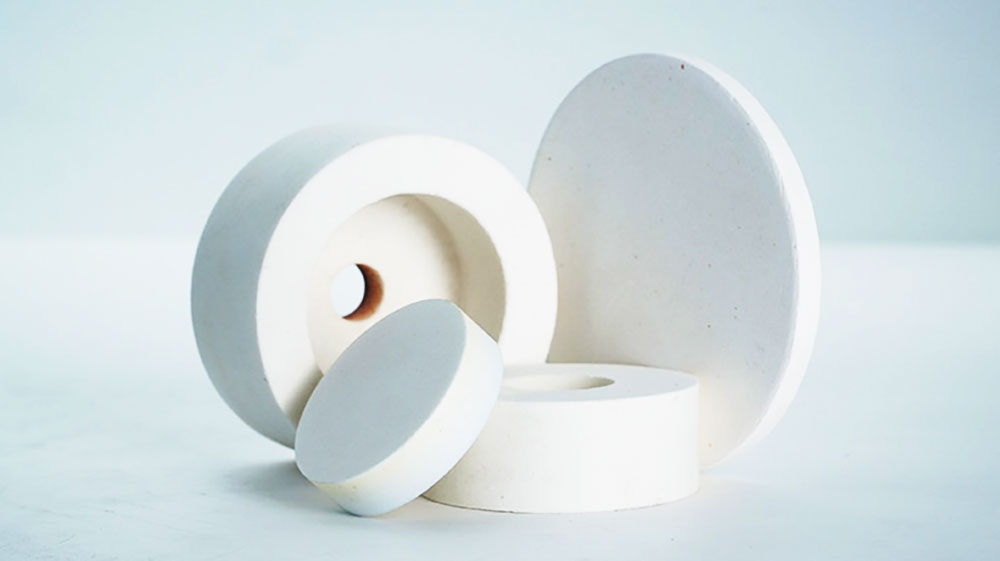
Review the top 10 aluminum oxide grinding wheels for heavy removal, precision work, and tool sharpening. Our guide helps you pick the right wheel for your job.
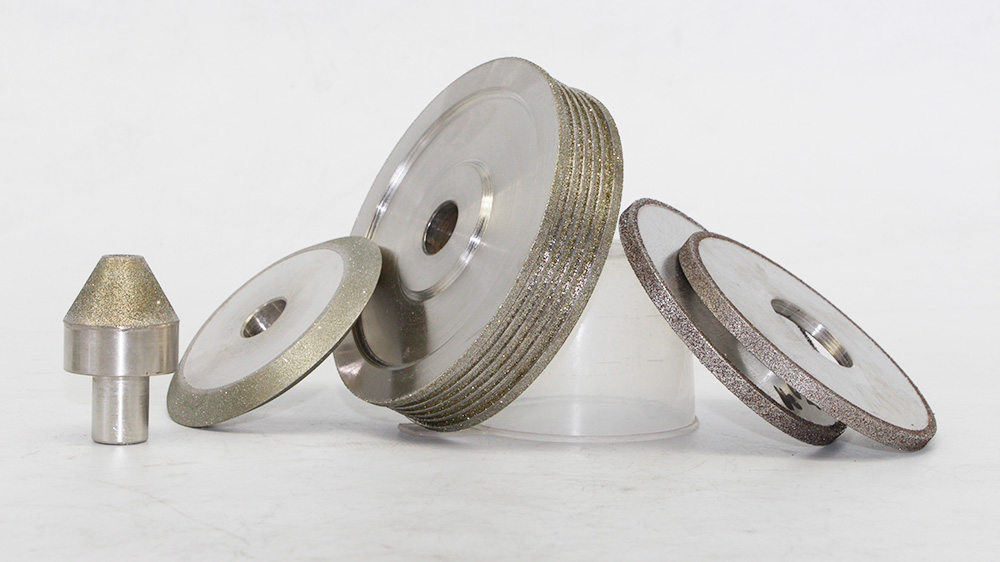
Select the right precision grinding wheel by matching the abrasive to your material, balancing grit size for finish, and choosing the correct bond for the job.
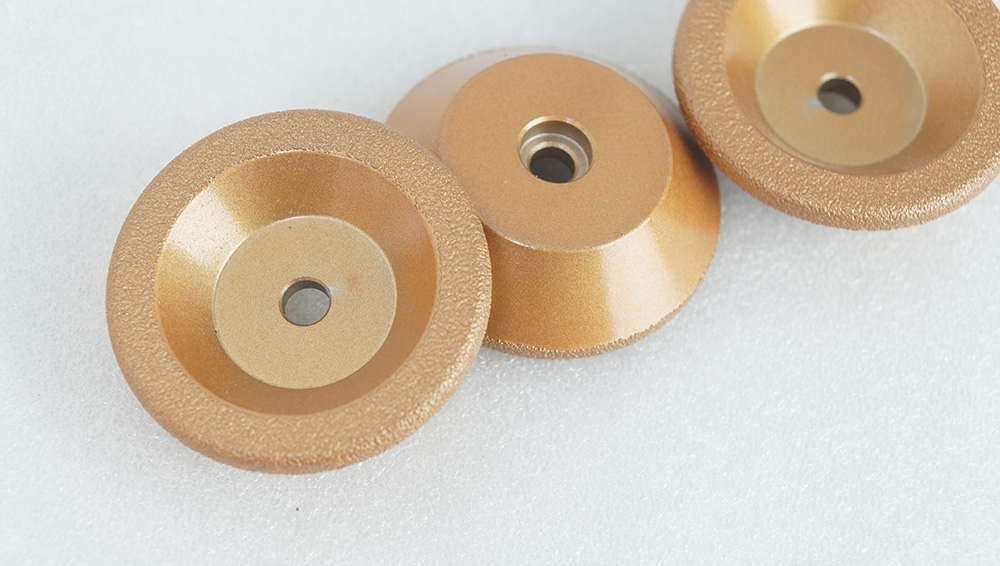
A brazed bond grinding wheel is best for cast iron due to its strong bond, which boosts removal rates by 30% and extends wheel life for superior cost-effectiveness.
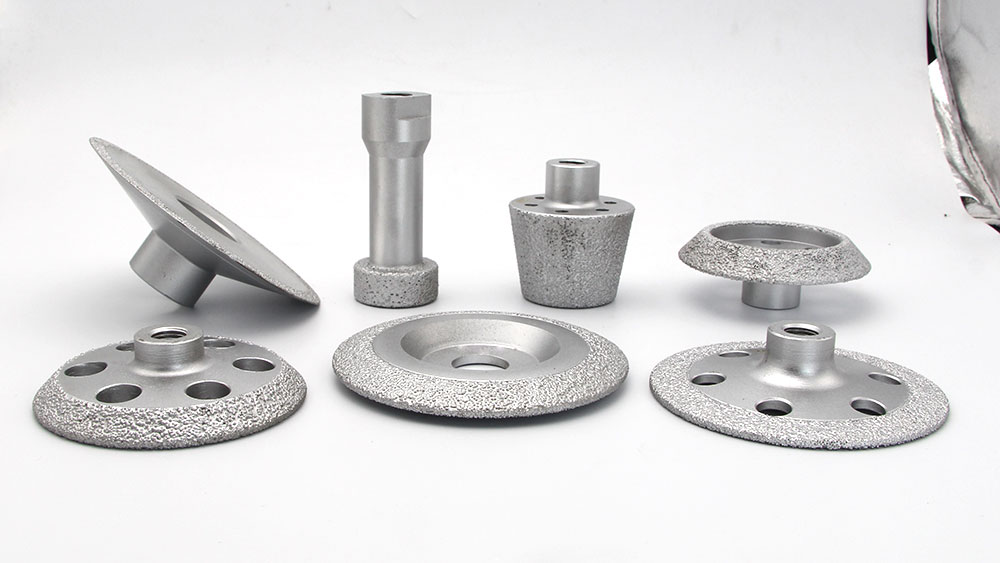
Choose the right brazed bond grinding wheel by matching the abrasive to your material (diamond or CBN), selecting the correct grit size, and verifying wheel shape.
No account yet?
Create an Account