
What is the most popular abrasives for grinding wheels?

Aluminum oxide is the most popular abrasive for grinding wheels due to its low cost and versatility with ferrous metals. Other popular abrasives include silicon carbide.
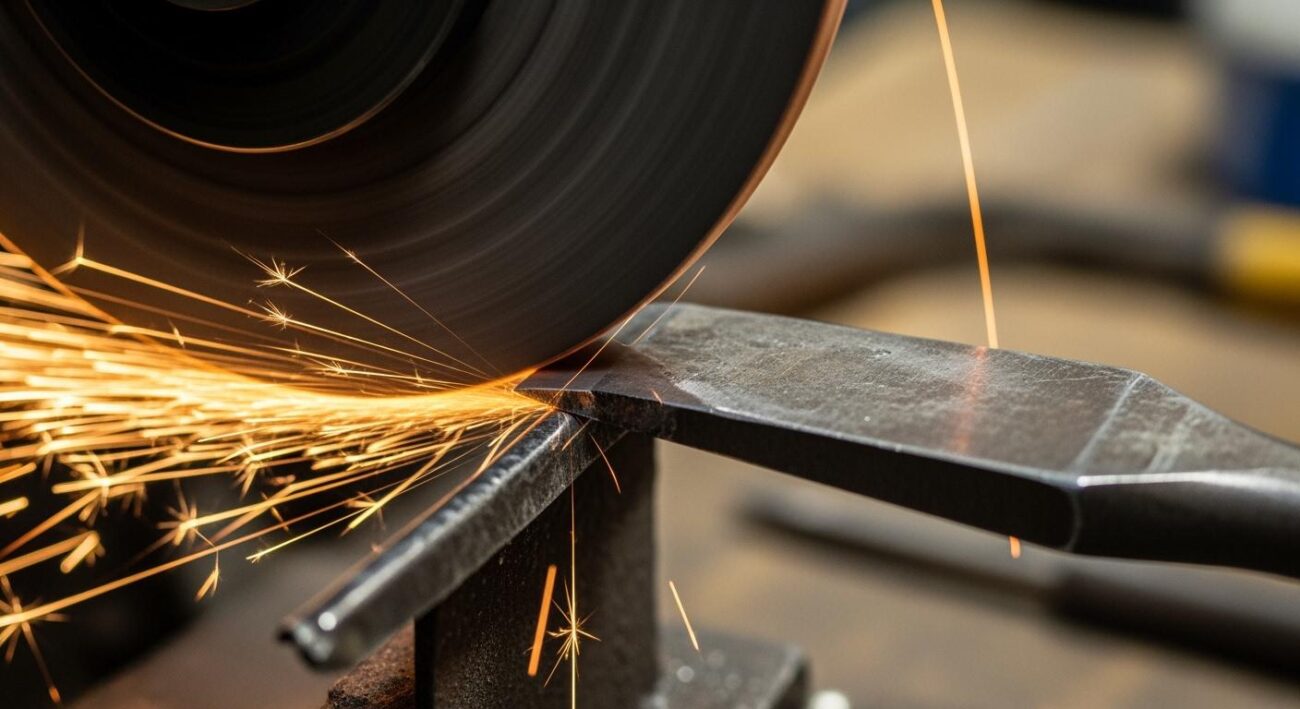
Aluminum oxide is the most popular abrasive for grinding wheels due to its low cost and versatility with ferrous metals. Other popular abrasives include silicon carbide.
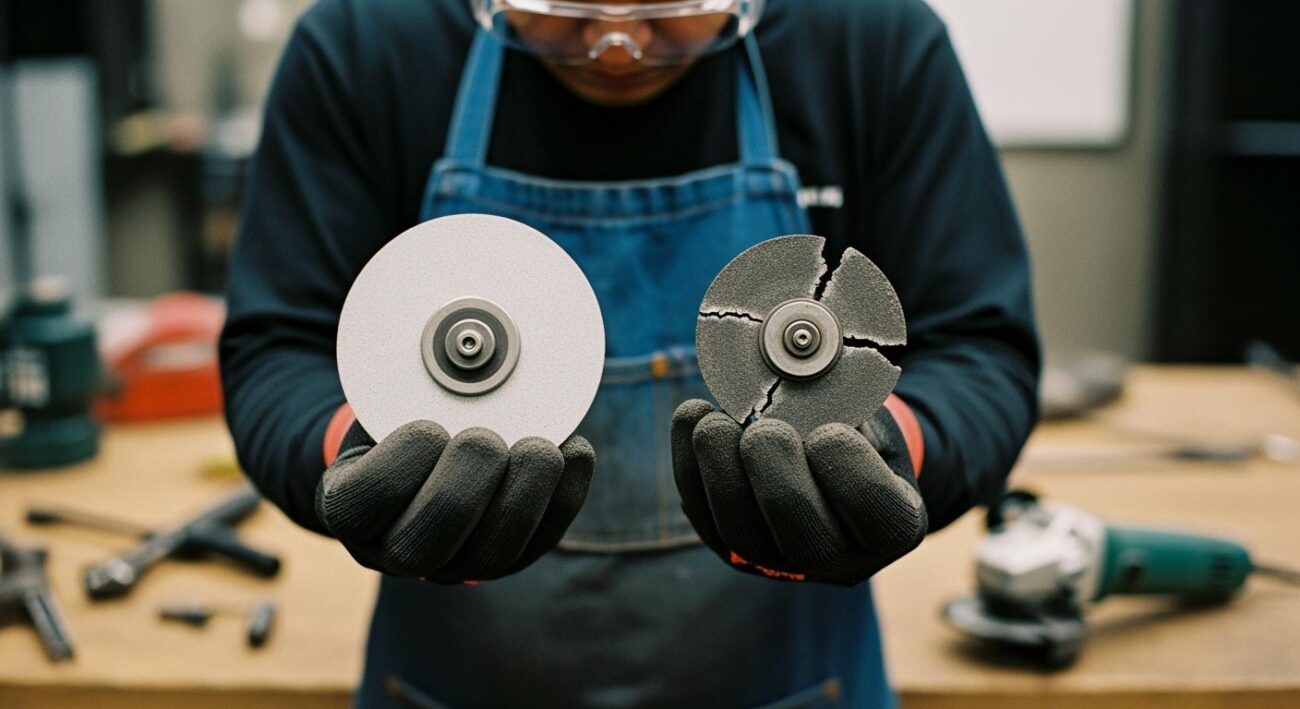
Replace a grinding wheel if it’s cracked, chipped, or past its expiration date. Other key signs include excessive vibration, slow cutting, and a glazed surface.

Never use a conventional wheel for soft, non-ferrous metals like aluminum or copper, or for materials like wood, plastic, and rubber. Grinding these causes clogging.

The principal parameters of a grinding wheel are its abrasive material, grain size, grade, structure, and bond type, which define its cutting performance.
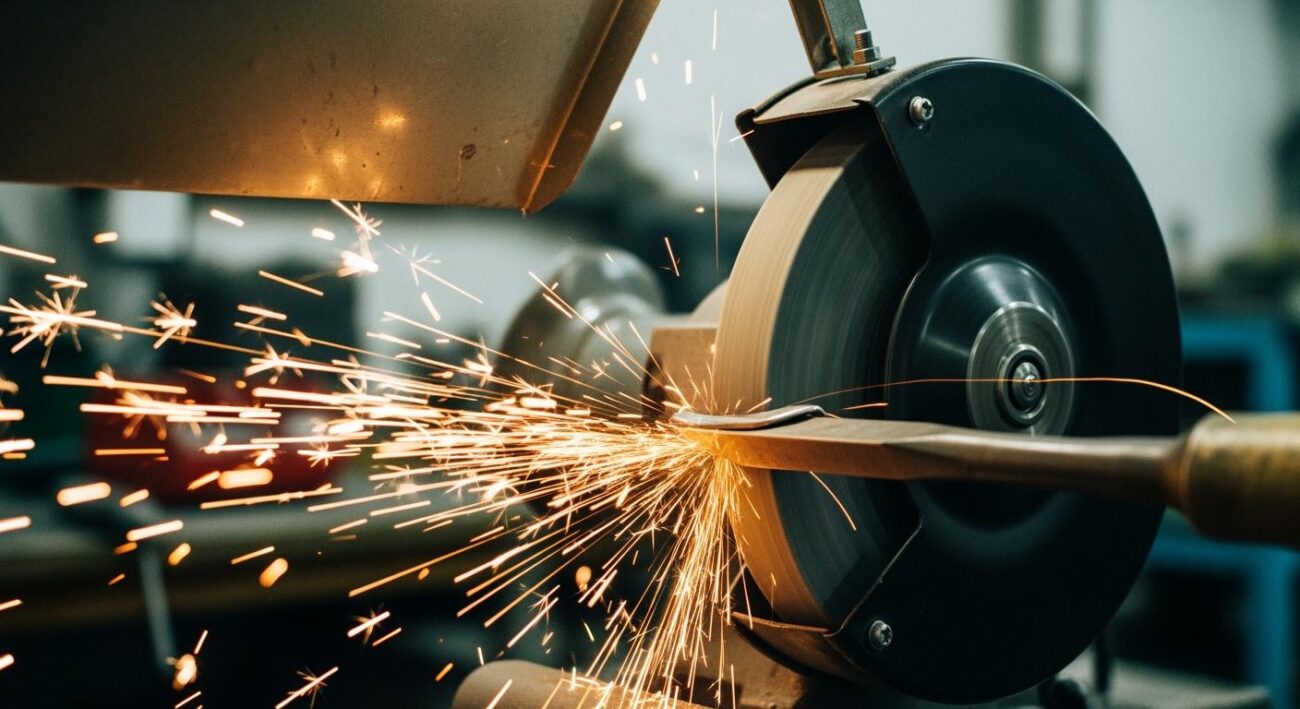
The maximum operating speed of a grinding wheel is the fastest, safest speed set by the manufacturer, marked in RPM on the wheel’s label. Exceeding this limit can cause a catastrophic explosion.

The lifespan of a metal bond grinding wheel is affected by abrasive choice (diamond vs. CBN), bond hardness, and operational factors like speed, feed rate, and coolant use.

Optimize your metal bond grinding wheel by selecting the right abrasive, setting precise speeds and feeds, and performing regular truing, dressing, and cleaning.

A metal bond grinding wheel is ideal for hard materials due to its superior bond strength, wear resistance, and high thermal conductivity, ensuring precision.

An electroplated grinding wheel’s durability comes from a strong nickel bond securing a single layer of superabrasives, ensuring high wear resistance and long life.
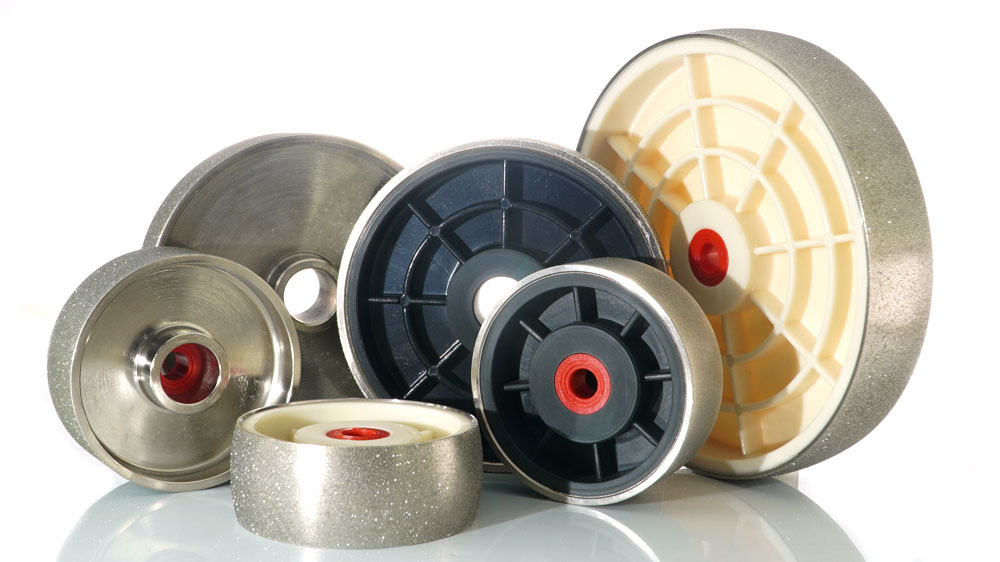
Aerospace, automotive, medical, and electronics industries rely most on the electroplated grinding wheel for its precision in shaping hard materials like superalloys.
No account yet?
Create an Account