
How to avoid material adhesion and surface burning when grinding titanium alloys?

Avoid material adhesion and surface burning in titanium alloy grinding by using super hard abrasives, optimal parameters, and effective cooling methods.
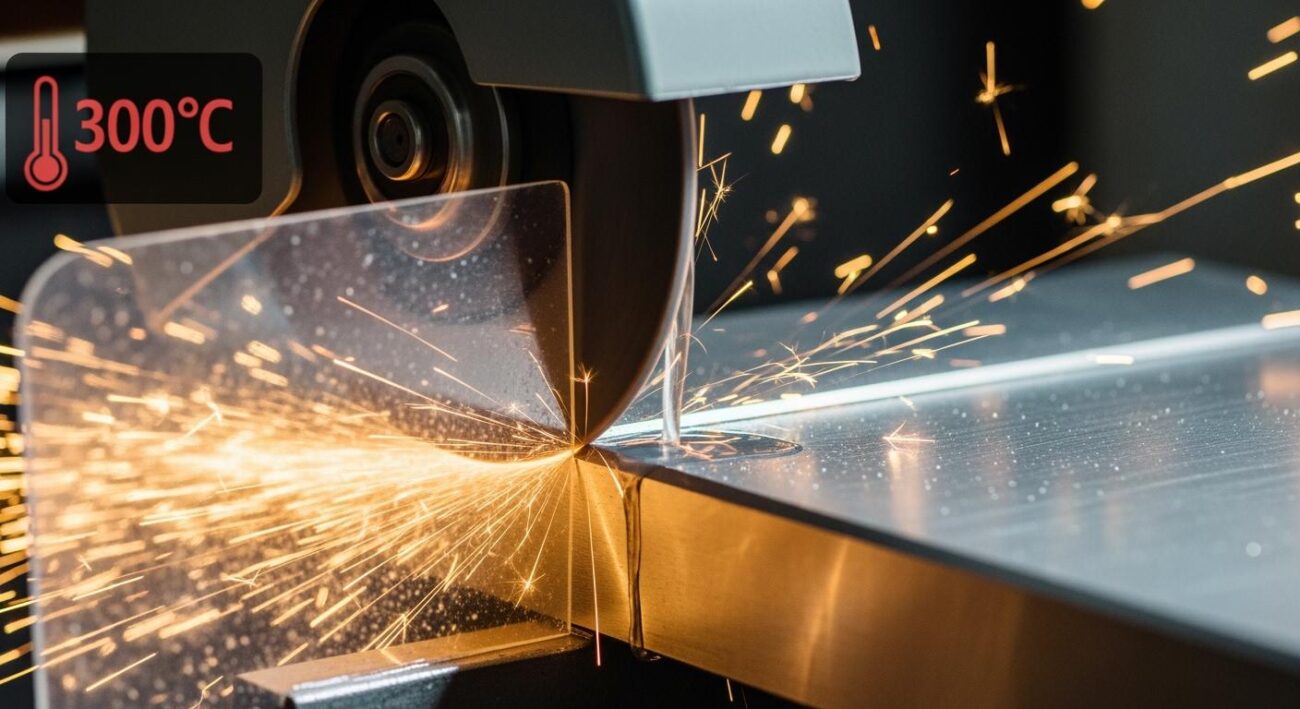
Avoid material adhesion and surface burning in titanium alloy grinding by using super hard abrasives, optimal parameters, and effective cooling methods.
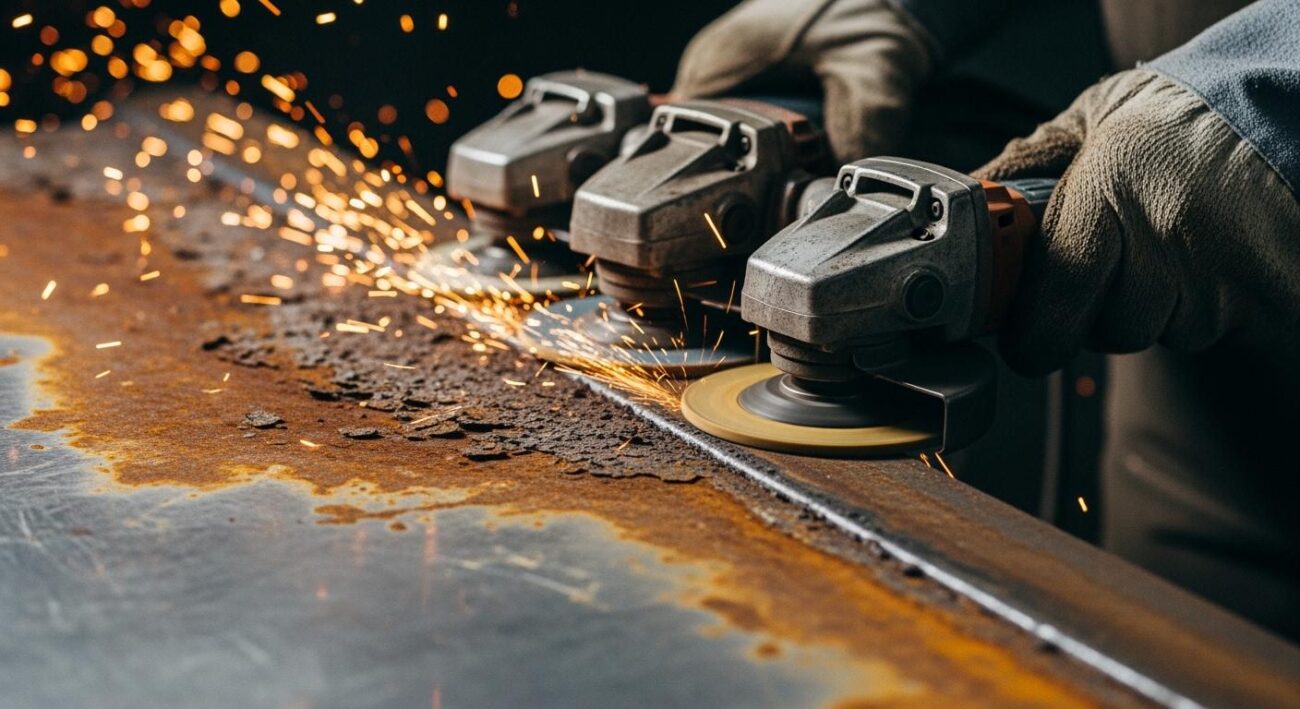
Grinding wheels with coarse grit, ceramic, or diamond abrasives work best for heavy rust removal, offering fast results and durability.
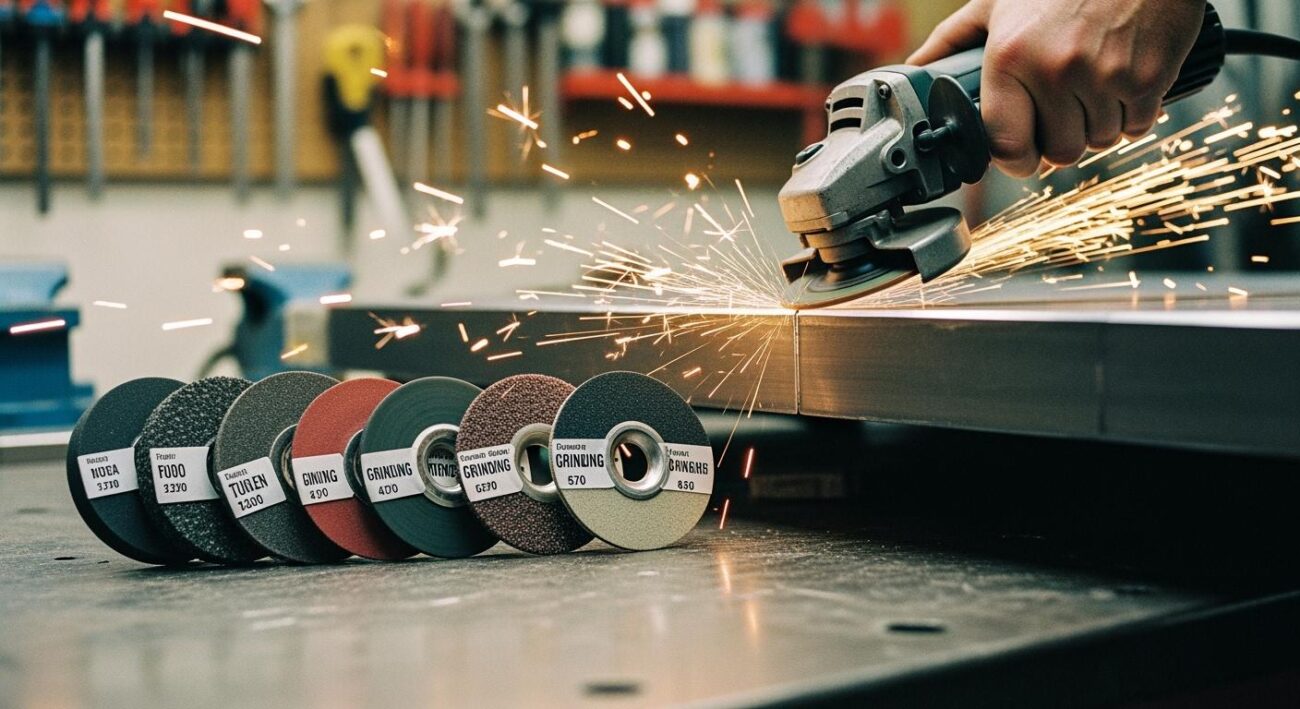
Grinding wheels like diamond, ceramic, and zirconia alumina offer top performance for thick plate bevel grinding, ensuring fast cuts and long wheel life.
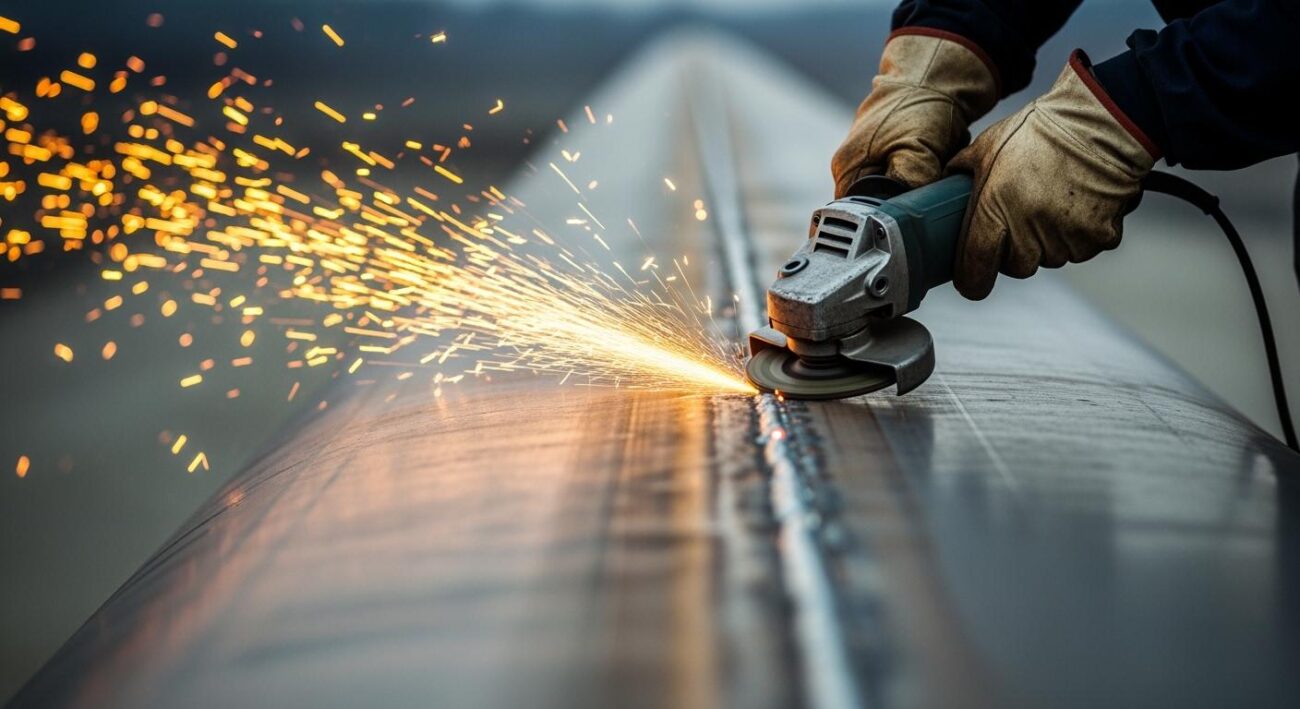
Grind long hull welds quickly with diamond wheels, correct grit, and proper angle for fast, smooth results and improved weld quality.
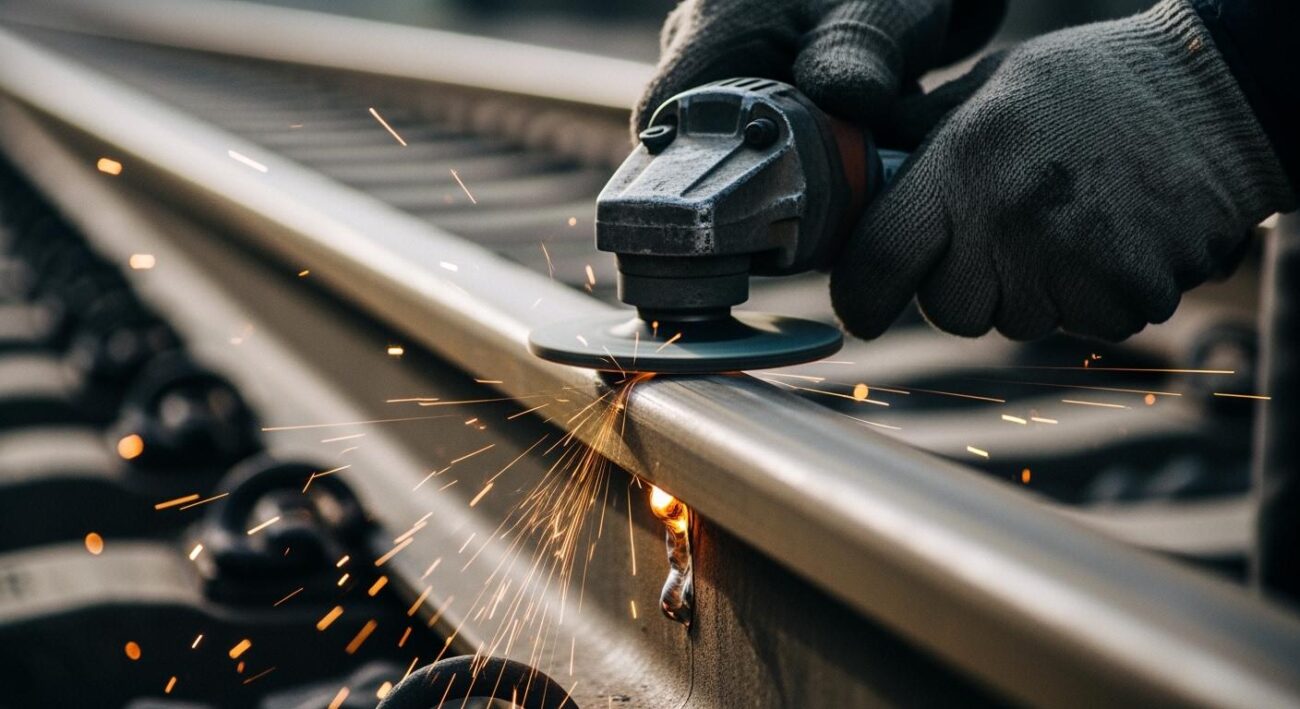
Achieve smoothness and strength in rail weld joints by using proper grinding tools, careful inspection, and balanced techniques for lasting rail performance.
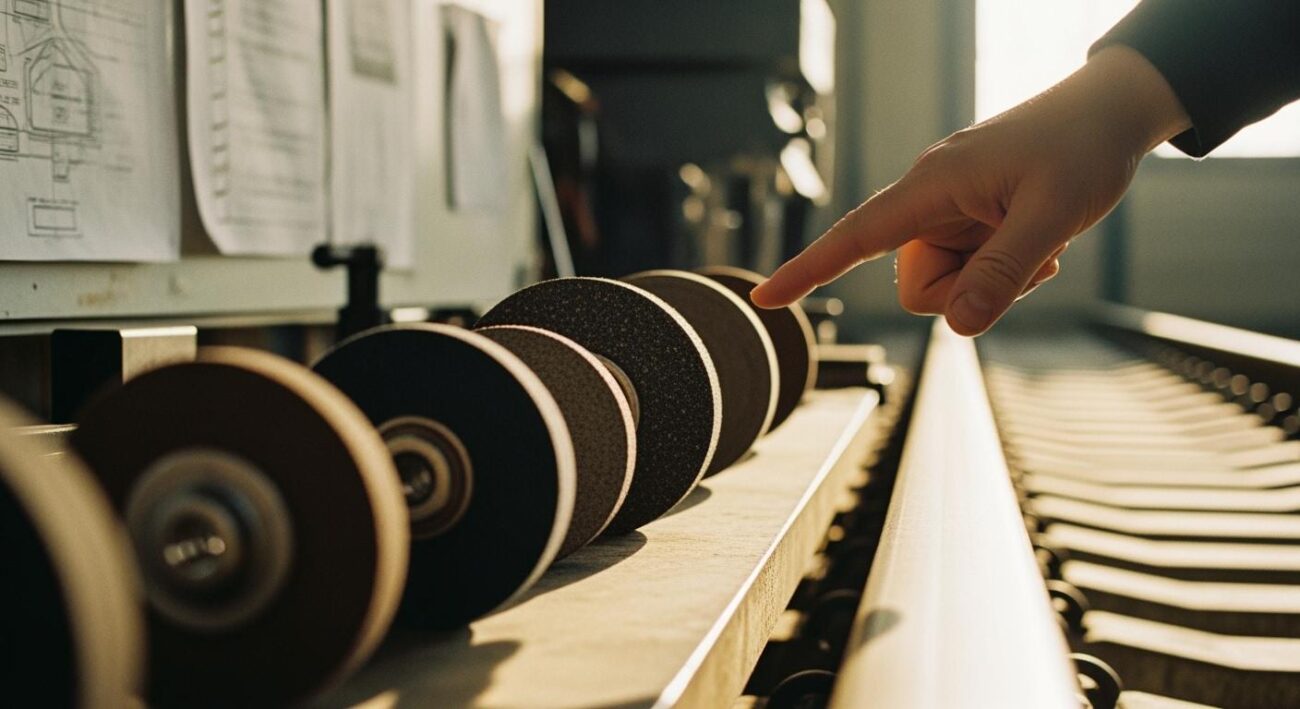
Select grinding wheels by matching rail material, grit size, and operation needs to ensure efficient preventive rail grinding and longer rail life.
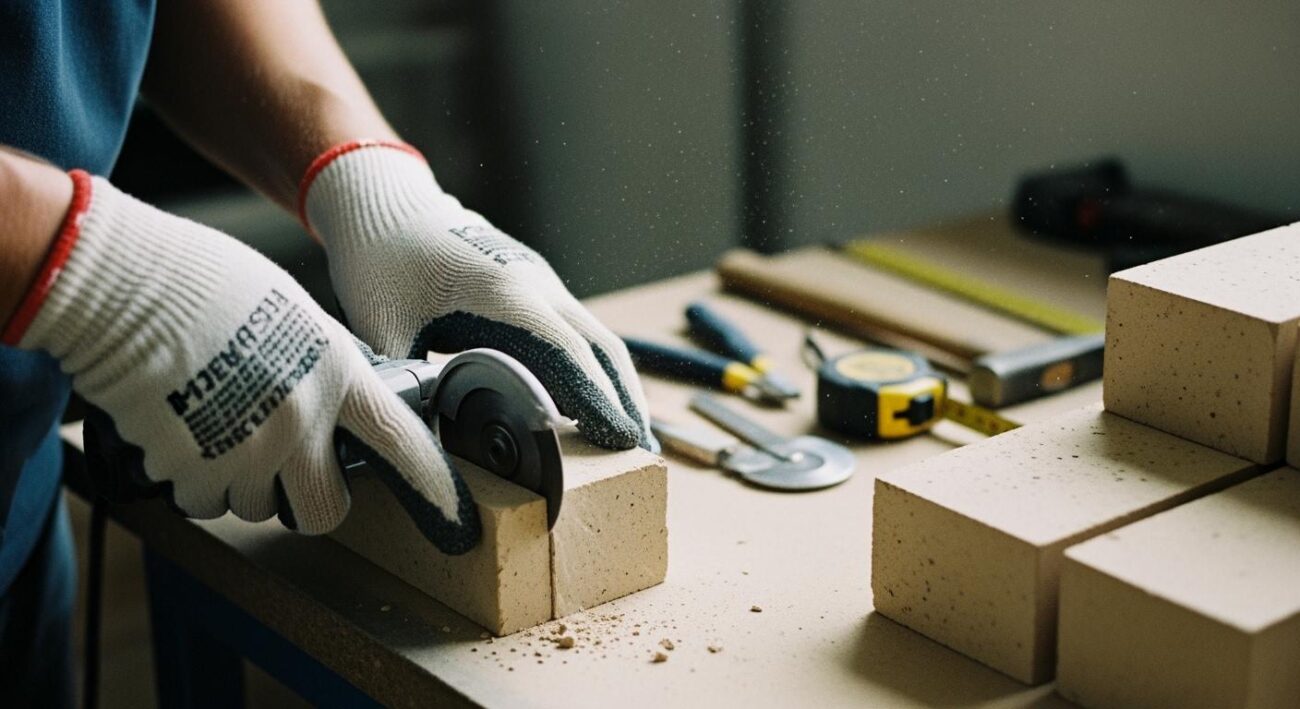
Reduce chipping when cutting and grinding refractory bricks by using proper tools, correct grit size, and steady technique for smooth, clean edges.
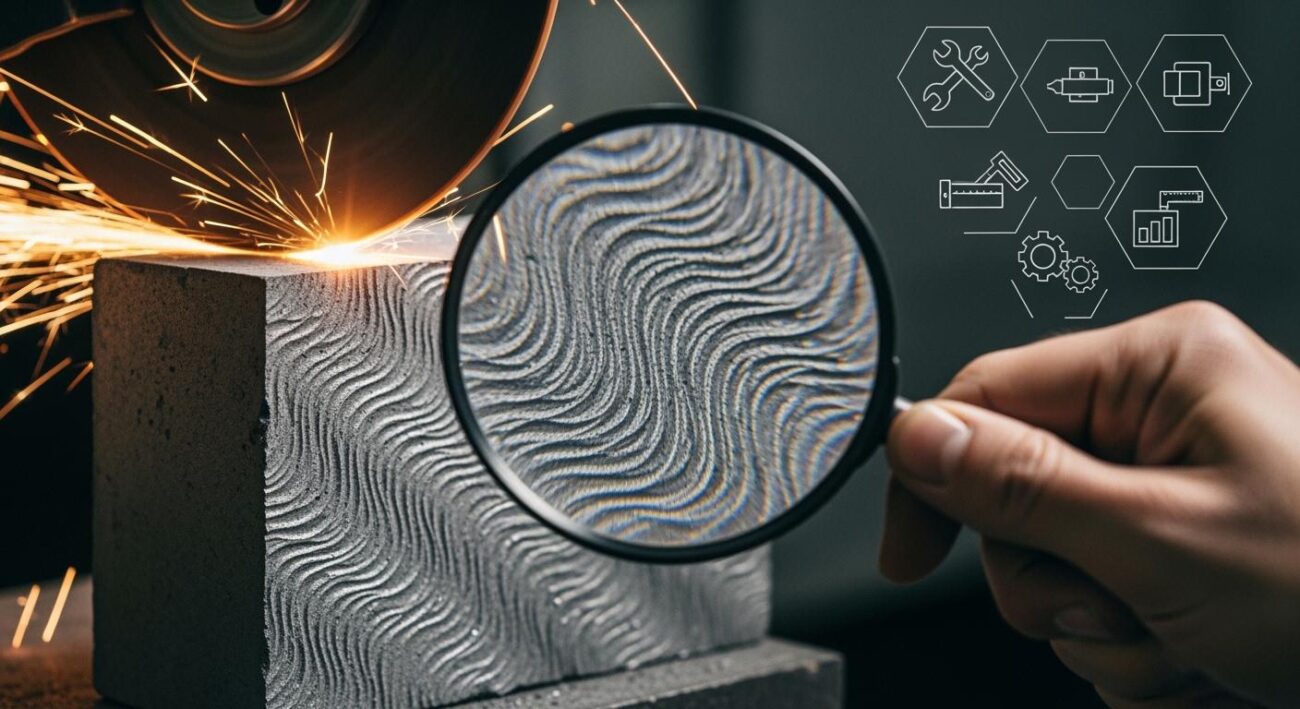
Address chatter marks in grinding high-hardness refractory materials by optimizing machine setup, using super hard abrasives, and adjusting process parameters.
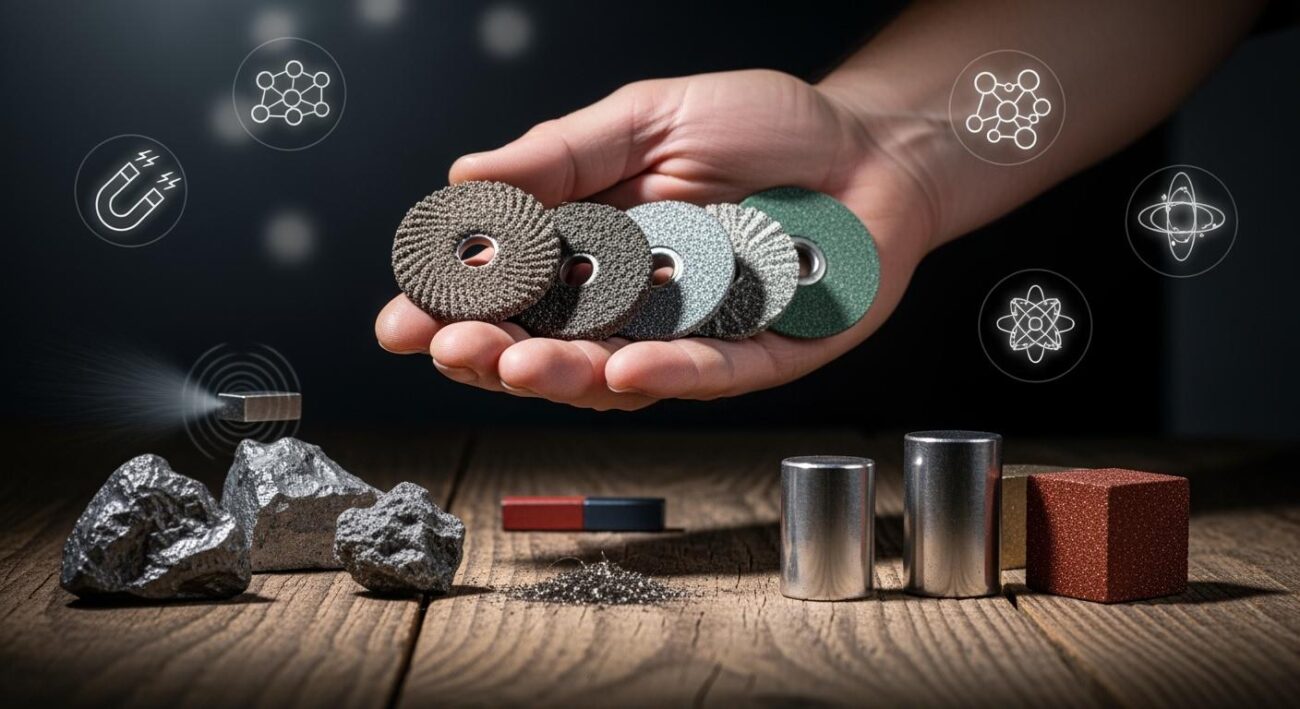
Select grinding wheels for magnetic materials by matching wheel type, bond, and grit to your material for better efficiency, durability, and finish.
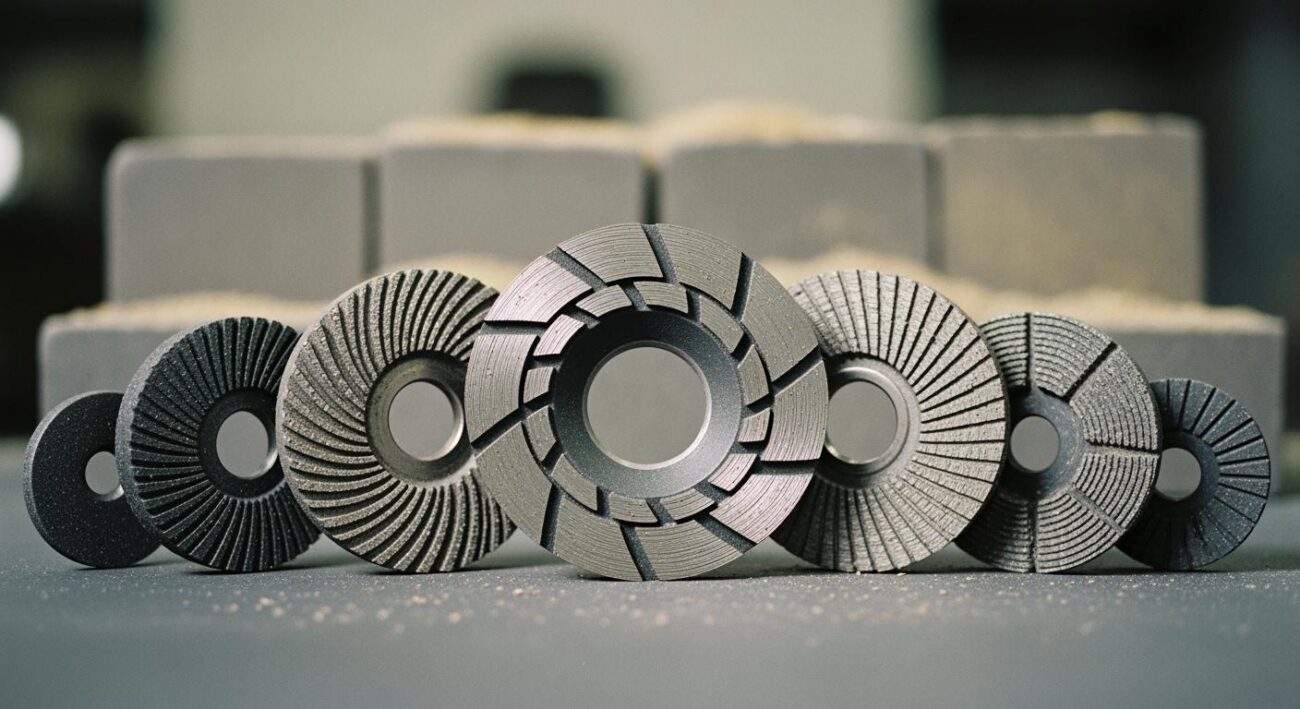
Metal bond diamond wheel offers the highest wear resistance for refractory processing, ensuring durability, long life, and consistent grinding performance.
No account yet?
Create an Account