
How to Select and Use a Grinding Wheel for Sharpening Drills?

For sharpening drills made of HSS, use a 60-80 grit aluminum oxide wheel. For cobalt or carbide, use a diamond wheel. Grind a 118° point angle on the wheel face.
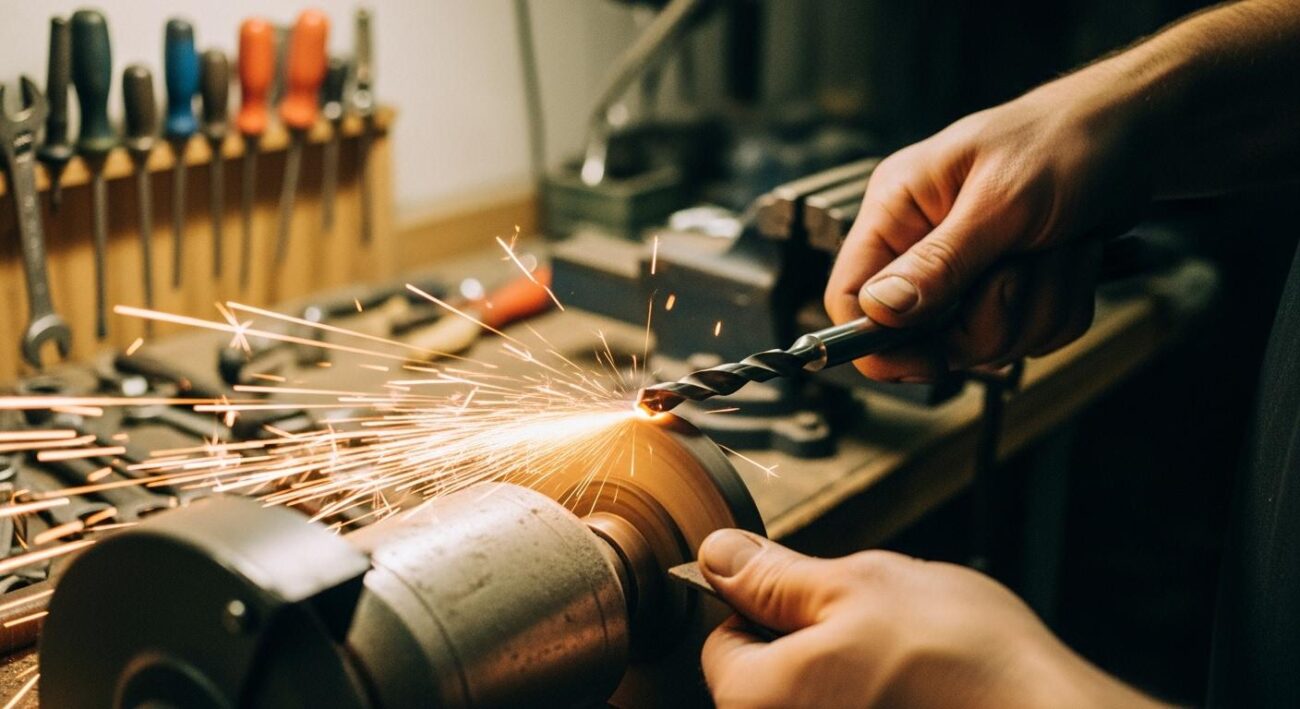
For sharpening drills made of HSS, use a 60-80 grit aluminum oxide wheel. For cobalt or carbide, use a diamond wheel. Grind a 118° point angle on the wheel face.
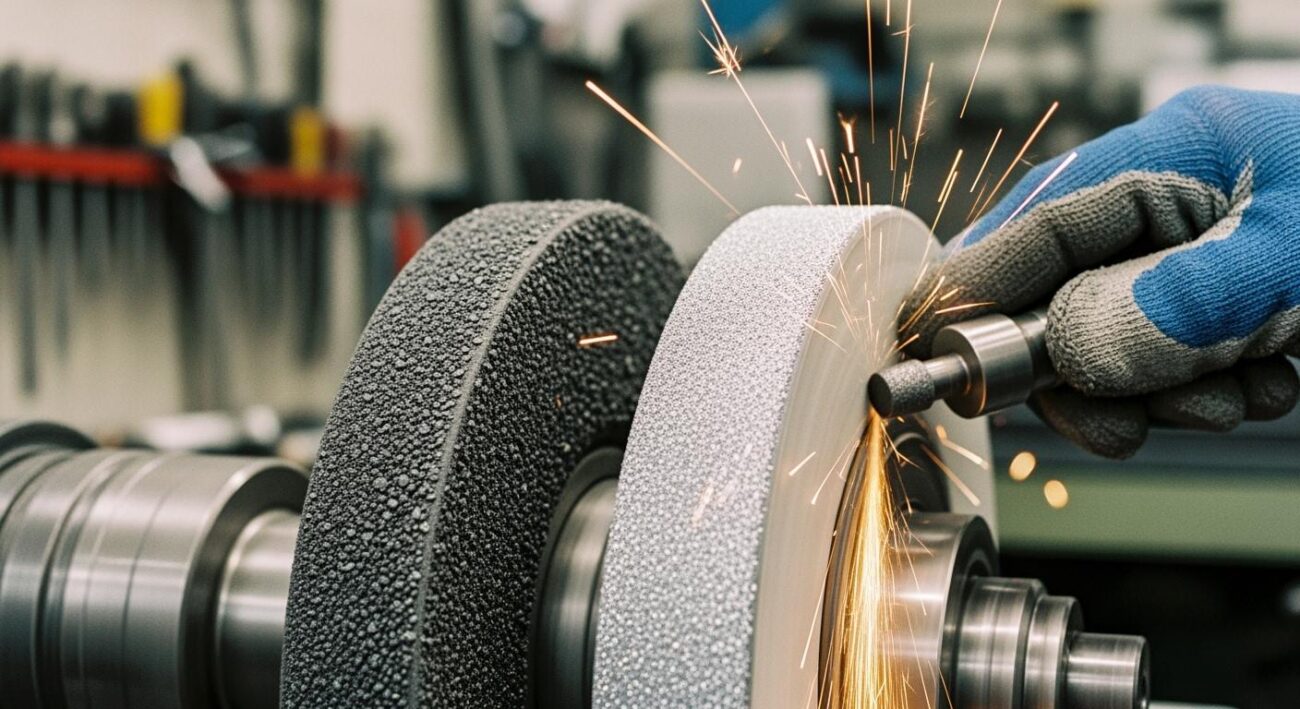
Fix grinding wheel loading with practical strategies. Use a softer grade, coarser grit wheel, optimize speeds, and apply coolant correctly to prevent clogging.

No, it is not safe to use an angle grinder with wood cutting blades. The tool’s high RPM and lack of safety features cause violent kickback and blade shatter.

No, not all grinding wheels can be dressed. Conventional wheels need dressing to restore sharpness, but superabrasive wheels require conditioning to expose grit.
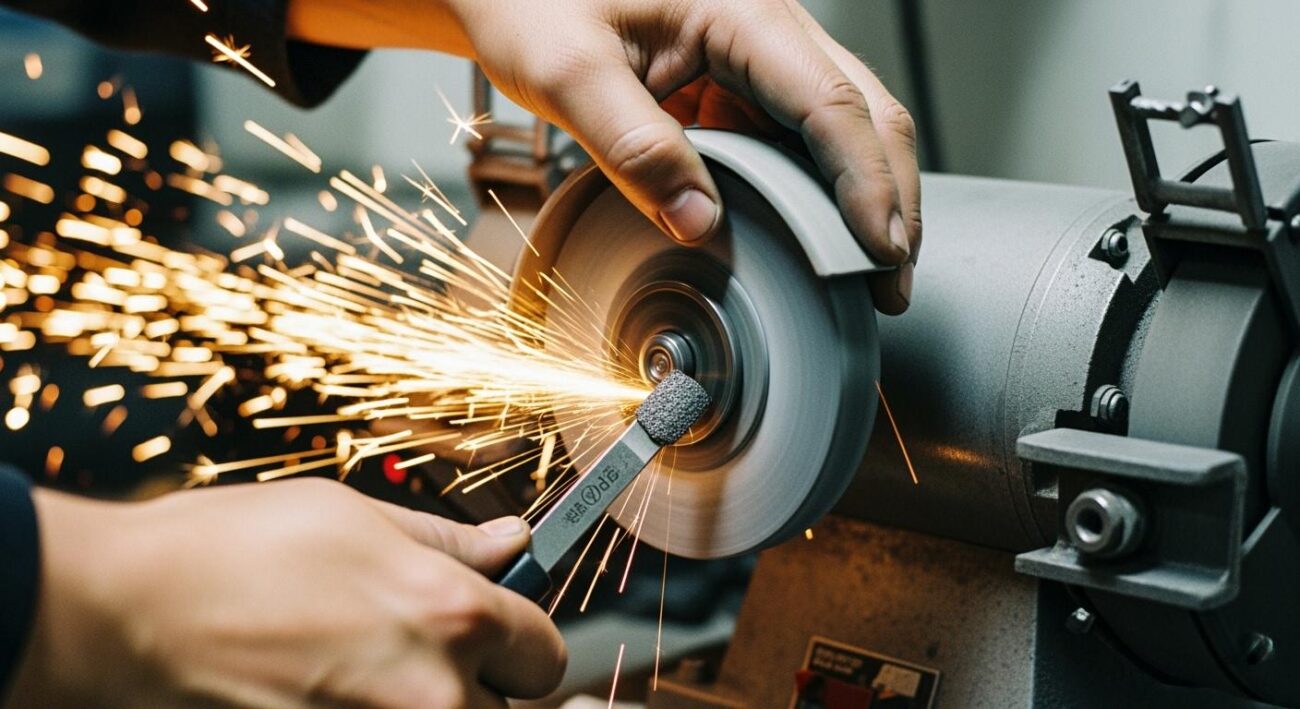
Dress a grinding wheel by using a dressing tool to clean and true its surface. Brace the tool on the tool rest and move it smoothly across the spinning wheel to remove glazing and restore a flat, sharp cutting face.
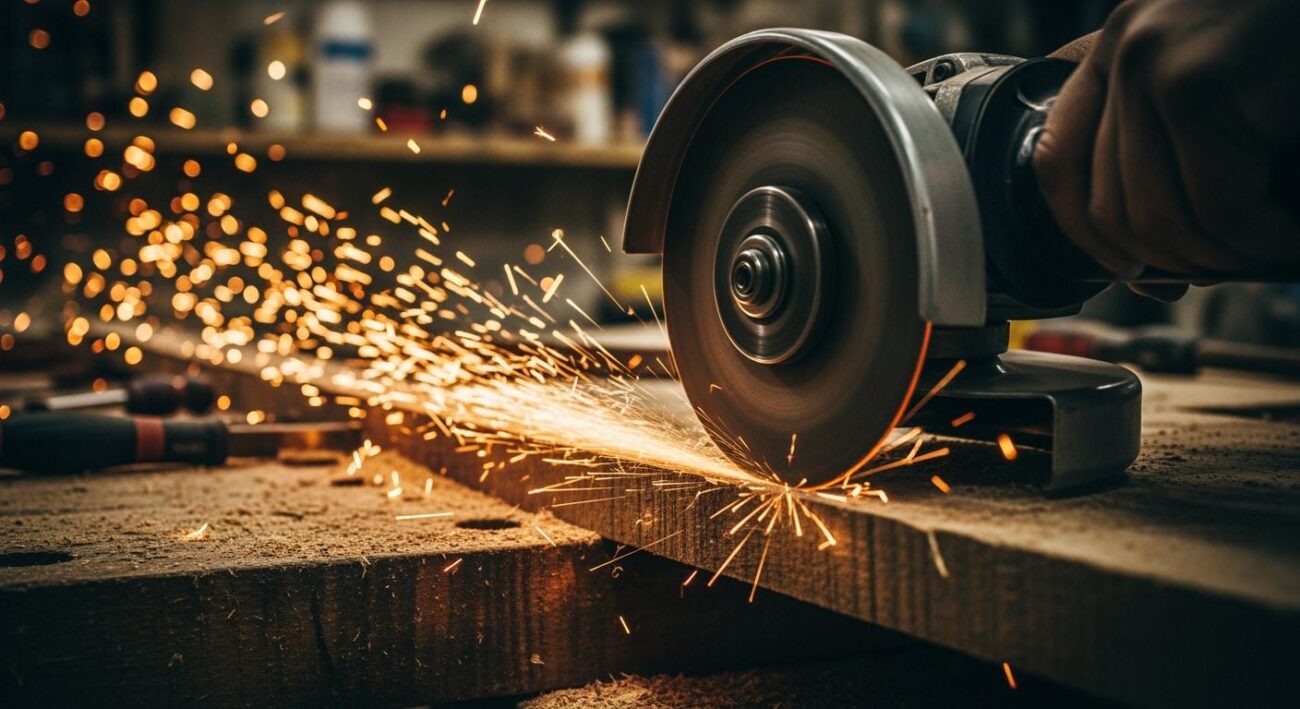
No, you must never use a standard cutoff grinder wheel on wood. It causes dangerous kickback and can shatter, leading to serious injury. Use a specialized blade.
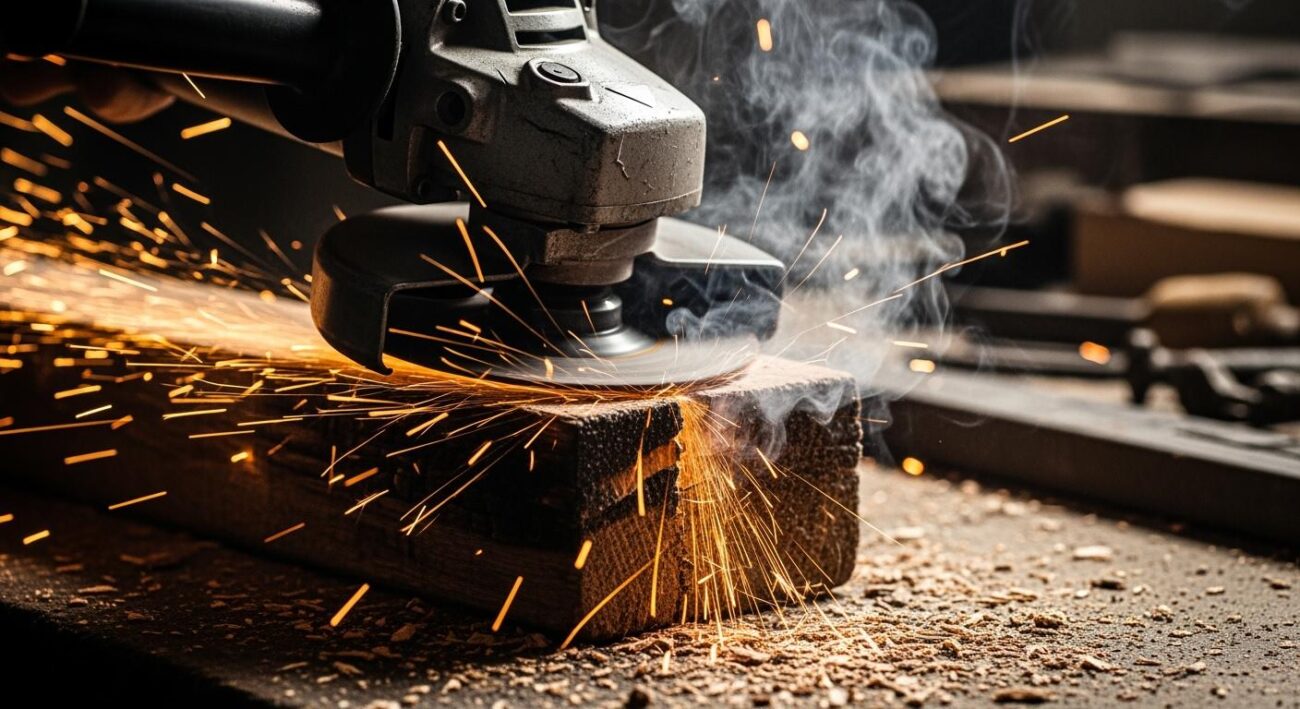
No, you should never use a metal grinding wheel on wood. It creates a serious fire risk, clogs the wheel, and causes dangerous kickback. Use flap discs instead.
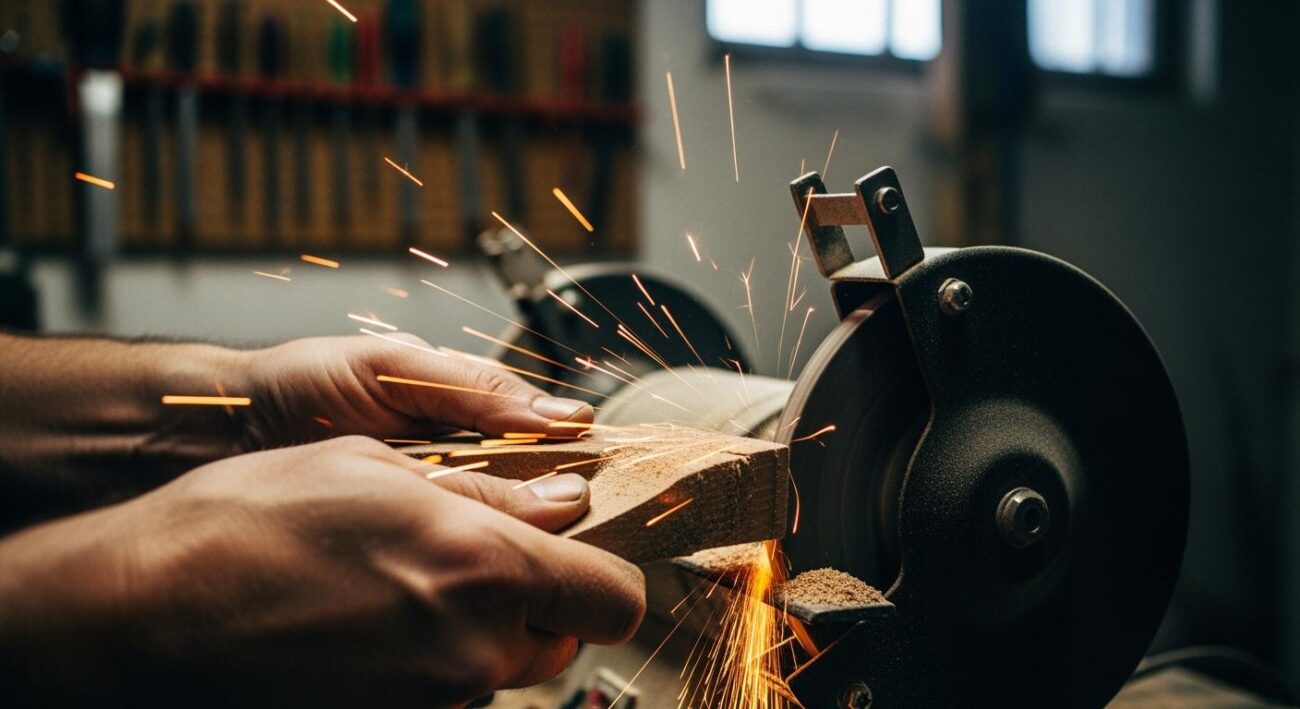
Using a bench grinder for wood is dangerous and ineffective, causing burning and kickback. Its true value is sharpening tools like chisels, not shaping wood.
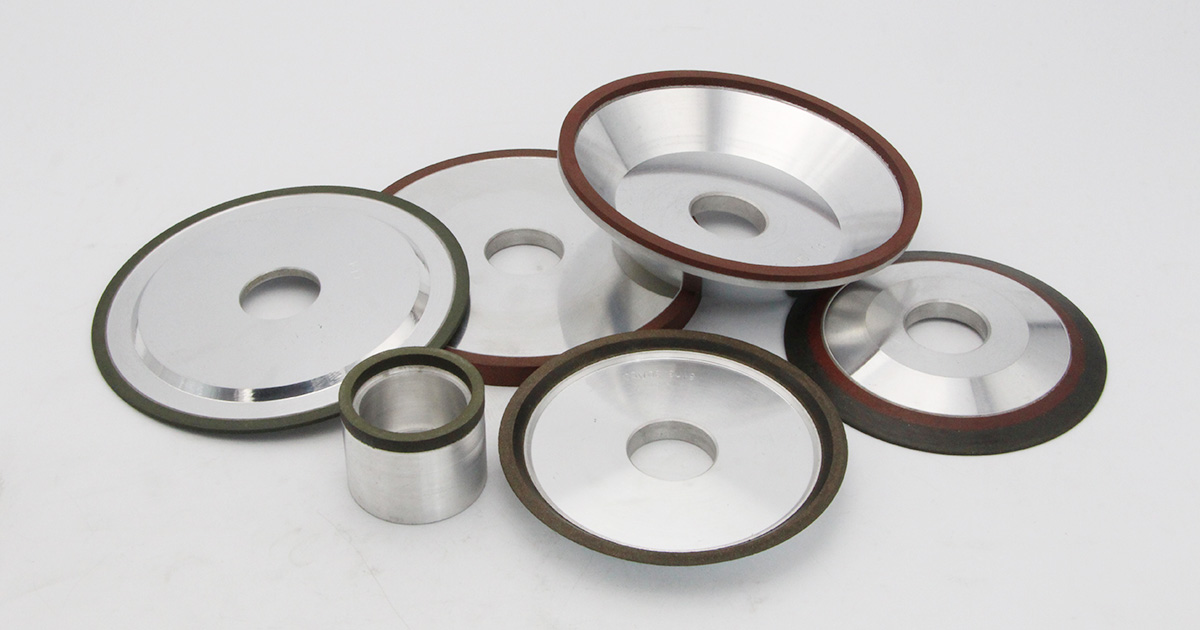
No, you should never grind on the side of a standard grinding wheel. It’s not designed for side pressure and can shatter, causing serious injury. Use the right wheel.
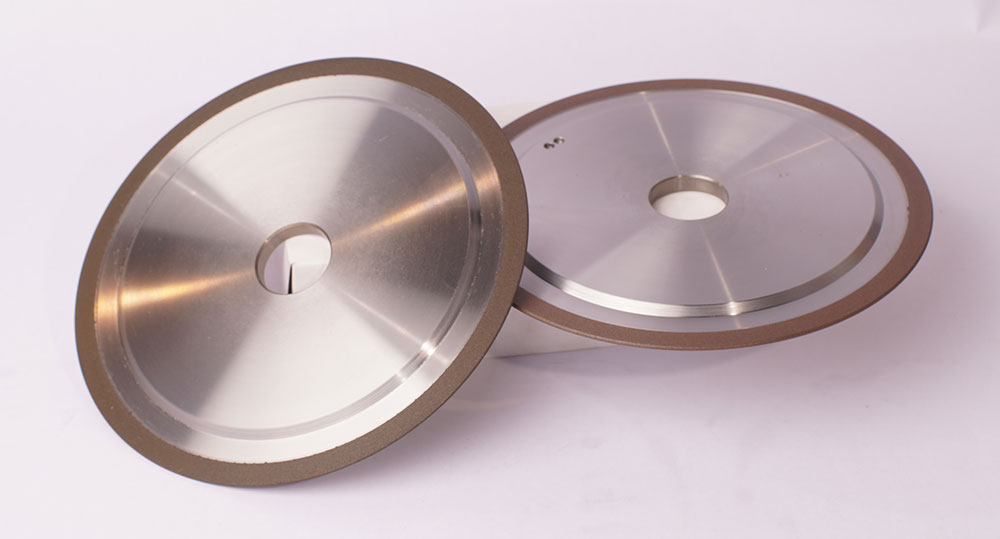
Avoid grinding soft metals like aluminum, wood, plastics, and rubber. These materials cannot be ground safely, as they clog the wheel, create fire risks, and release toxic fumes.
No account yet?
Create an Account