
How to sharpen a chainsaw chain?

Sharpen a chainsaw chain with a round file and guide. Secure the bar, mark a tooth, and file each cutter with firm, even strokes at the correct angle.

Sharpen a chainsaw chain with a round file and guide. Secure the bar, mark a tooth, and file each cutter with firm, even strokes at the correct angle.

A soft grinding wheel is used for hard materials because its bond releases dull grains, creating a self-sharpening effect that prevents heat damage and glazing.
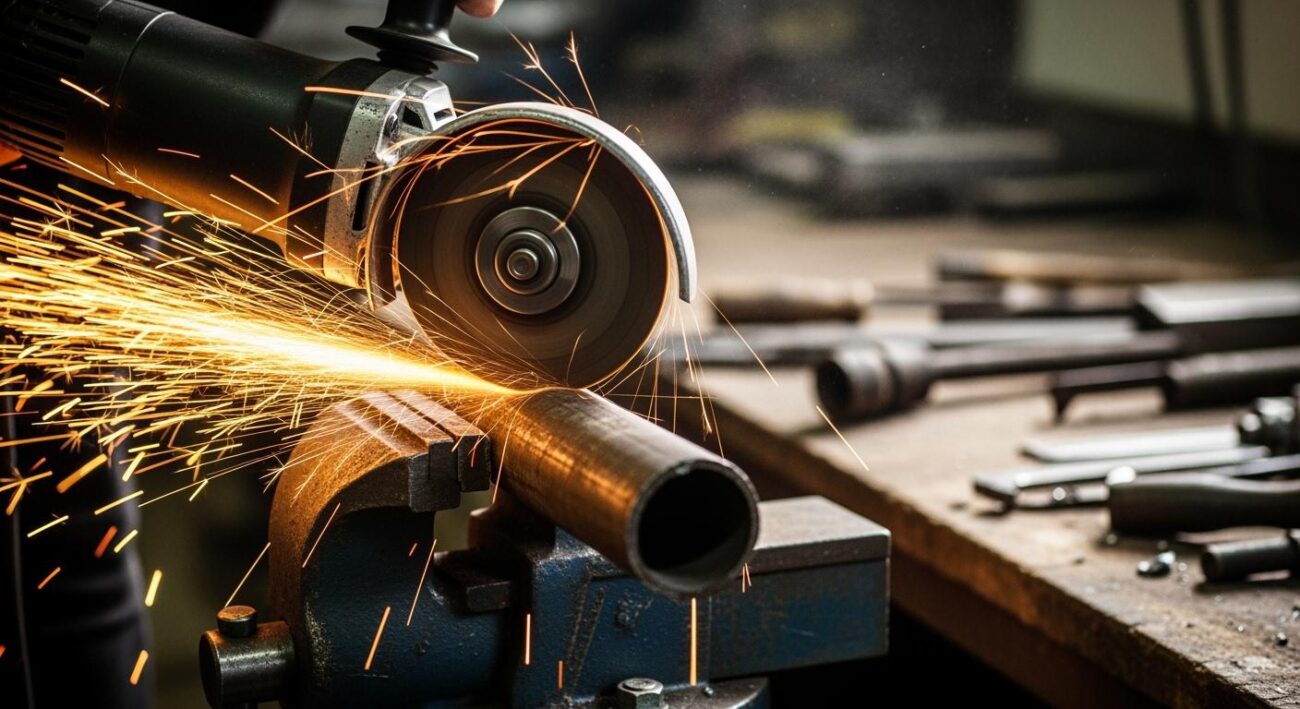
Yes, a metal cutting disc is designed for an angle grinder. For safe, effective cuts, ensure the disc’s RPM rating matches your tool and always use a safety guard.
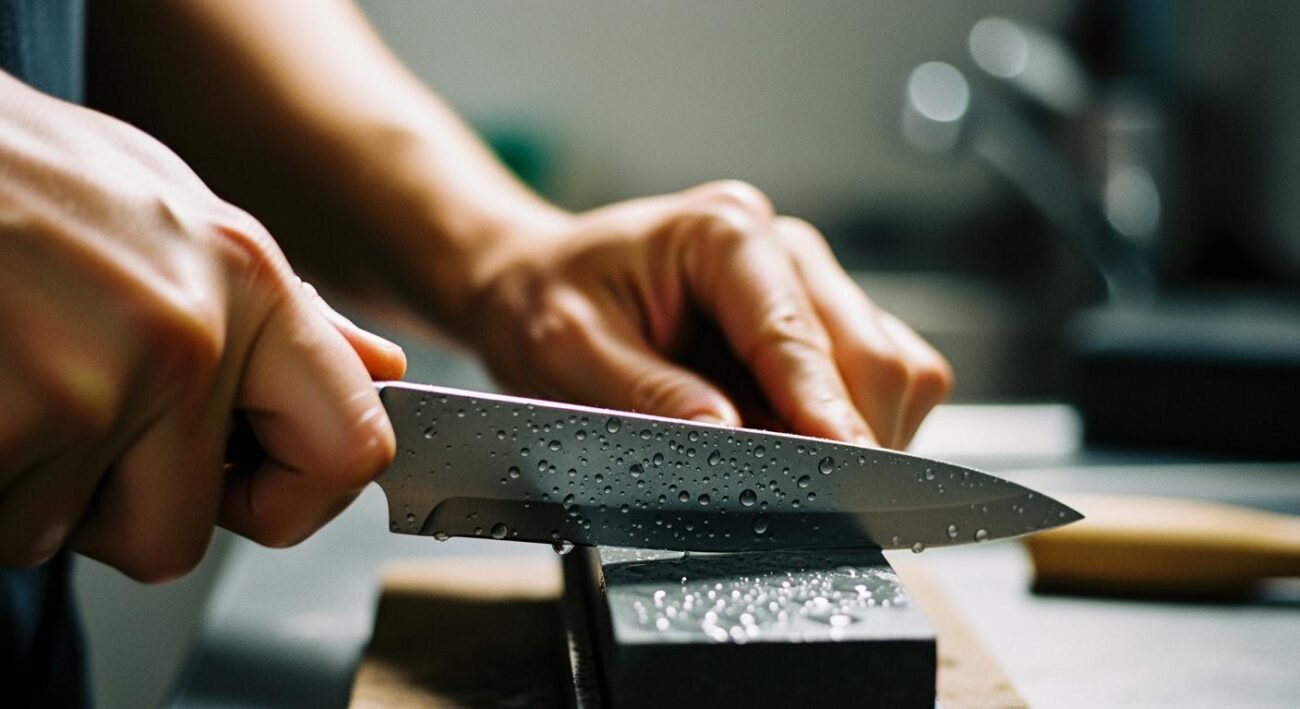
To sharpen a knife with a grinding stone, first find the correct angle (15-20°). Grind one side until a burr forms, then repeat on the other side to create a new edge.
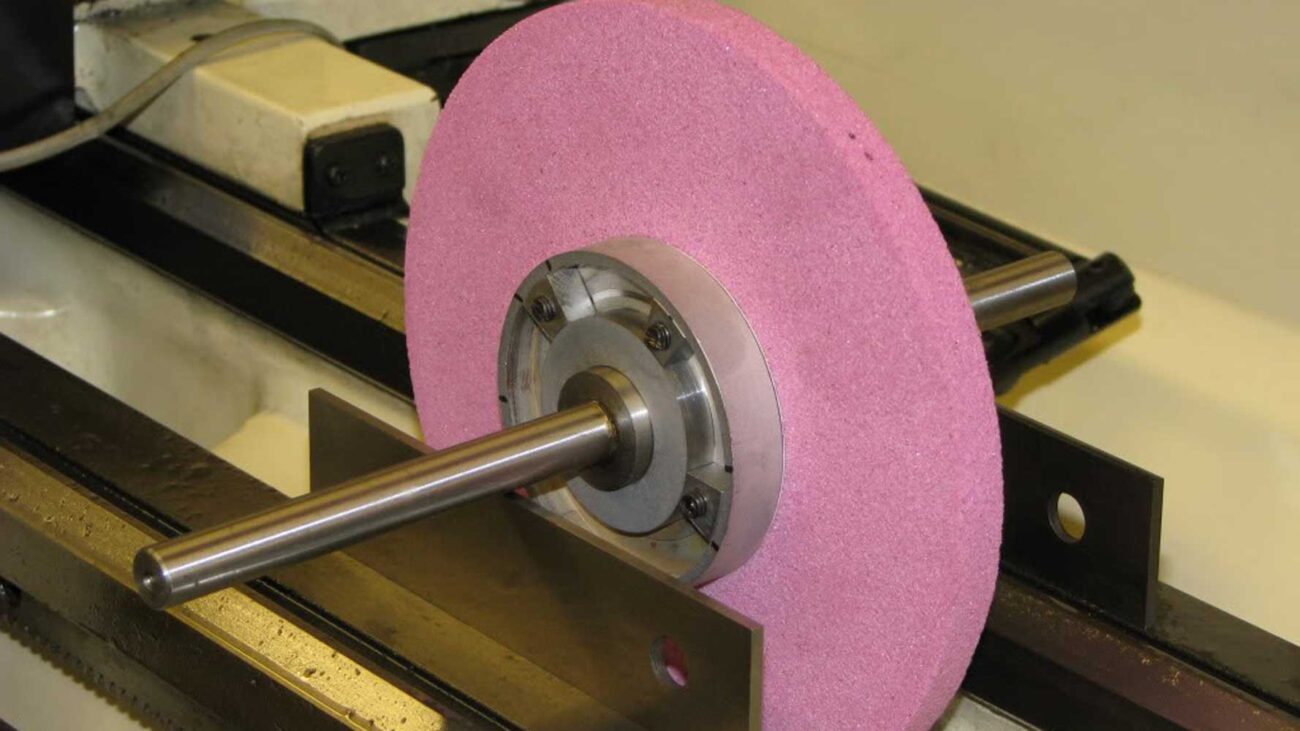
To keep a grinding stone in balance, use specialized balancing washers. These come as manually adjusted static washers for precision or automatic self-balancing ones.
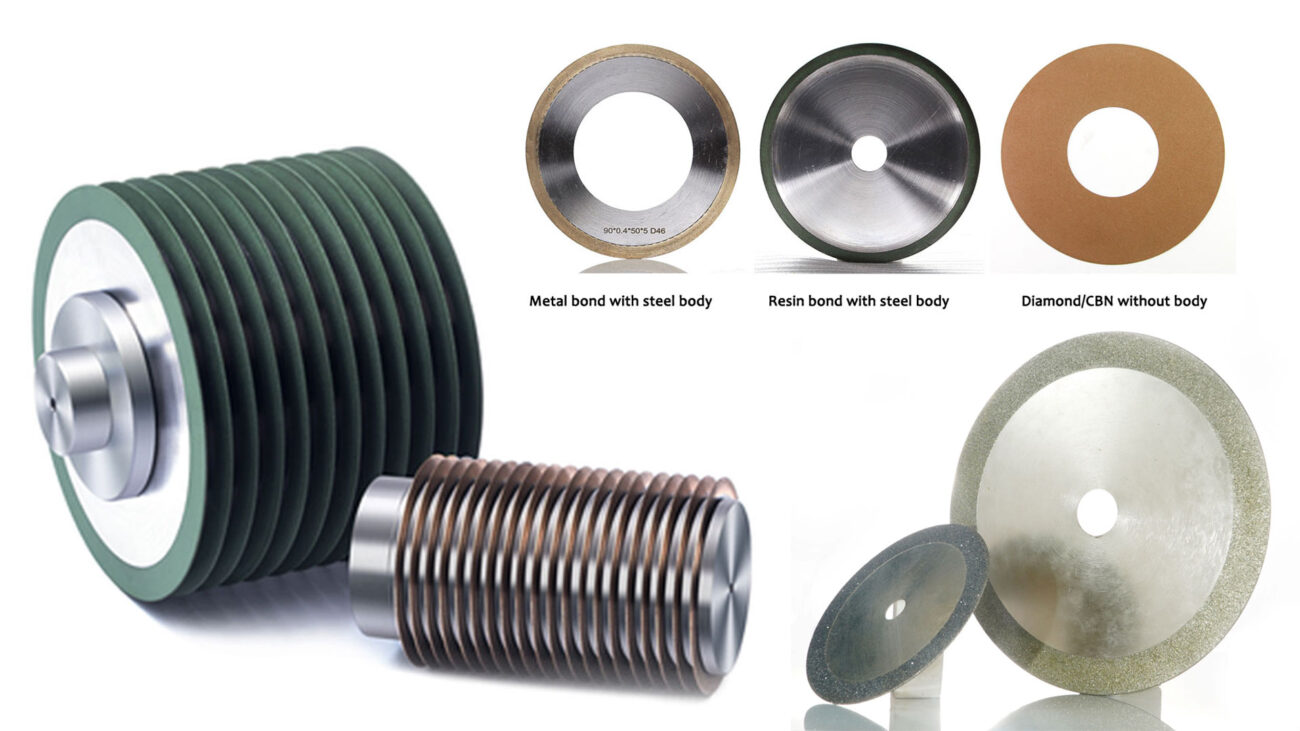
For stainless steel, use a thin (.045″) cut off wheel with zirconia, ceramic, or white aluminum oxide abrasives. Always choose a wheel marked ‘INOX’ to prevent rust.
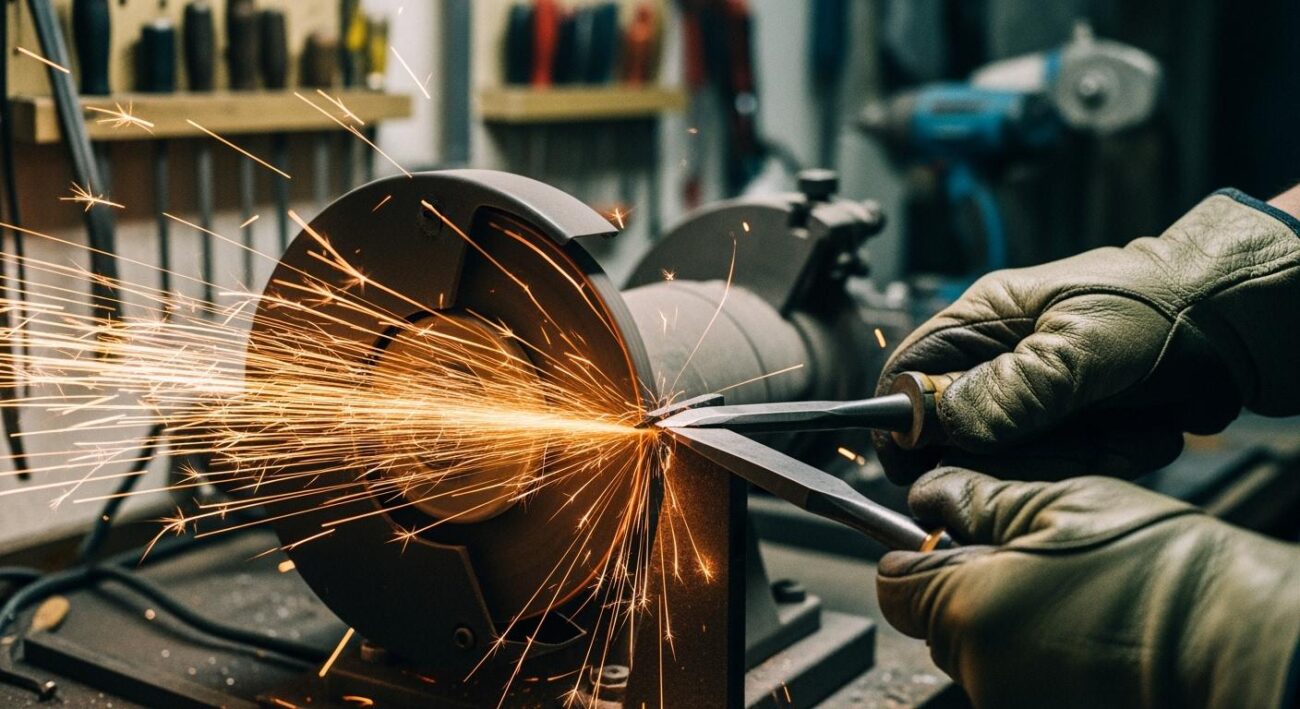
A mounted grinding wheel is used for sharpening tools, deburring edges, precision shaping, and cleaning rust. Its top uses include weld blending and polishing metal.
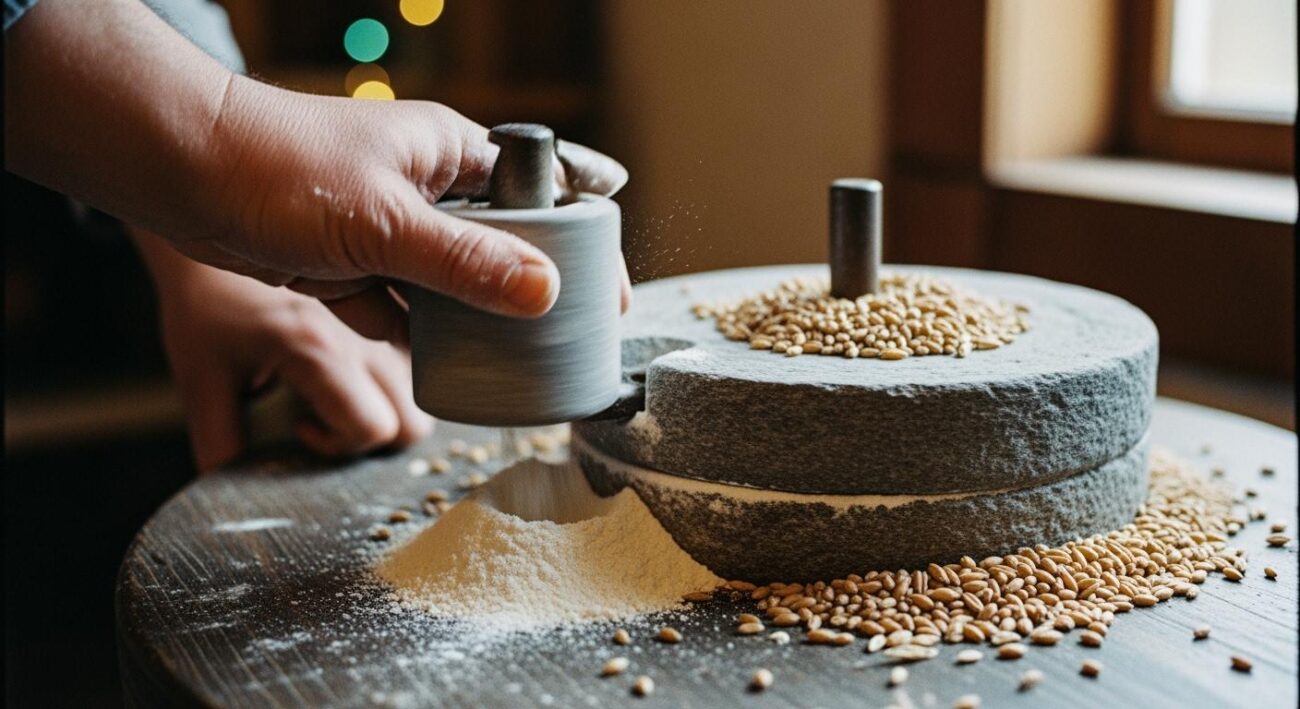
The best stones to grind grains are hard, abrasive rocks like granite, basalt, and especially French buhrstone, which was prized for its self-sharpening texture.
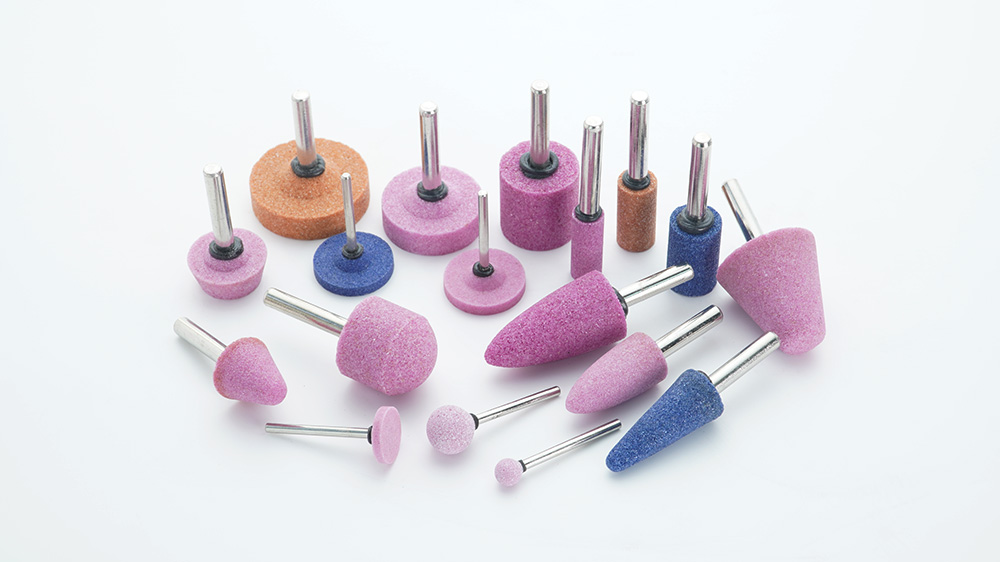
Is your mounted grinding wheel wearing out too fast? This is often caused by excessive pressure, incorrect speed, or a mismatch between the wheel and material.
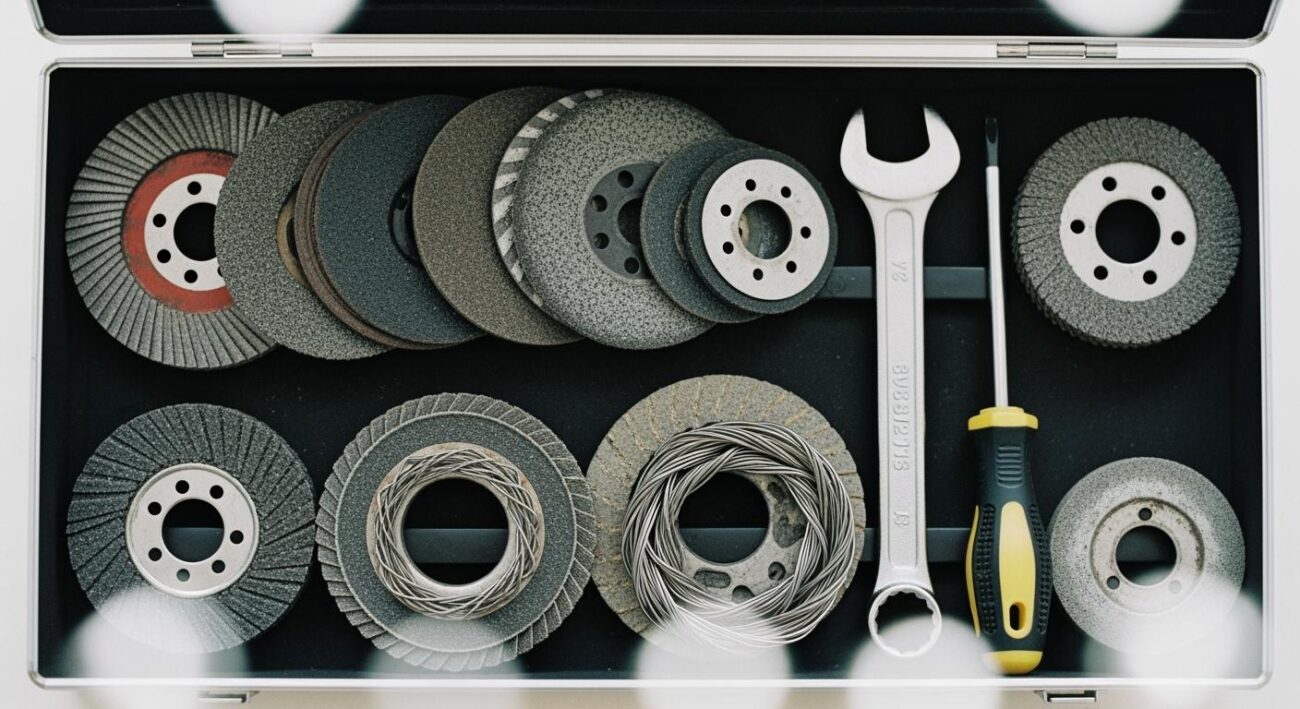
Equip your toolbox with the five essential grinding wheels for any DIY job. This guide covers the right wheels for metal, masonry, cleaning, and finishing.
No account yet?
Create an Account