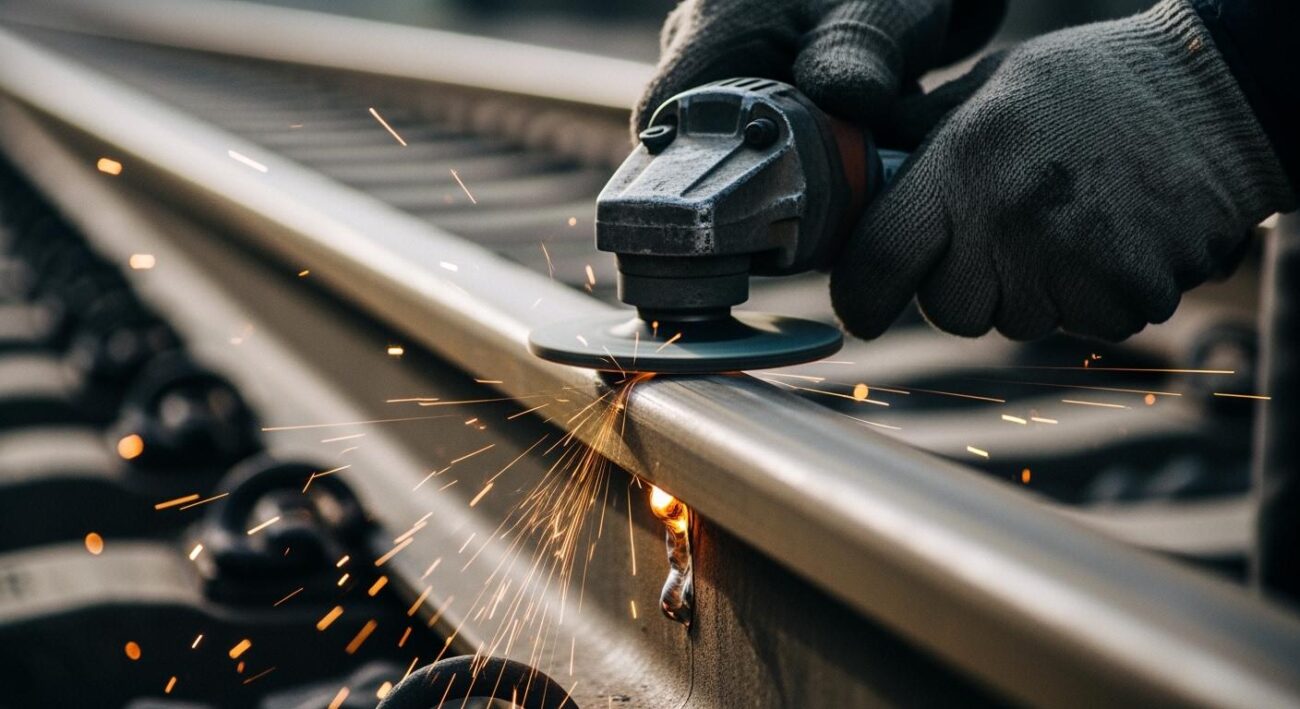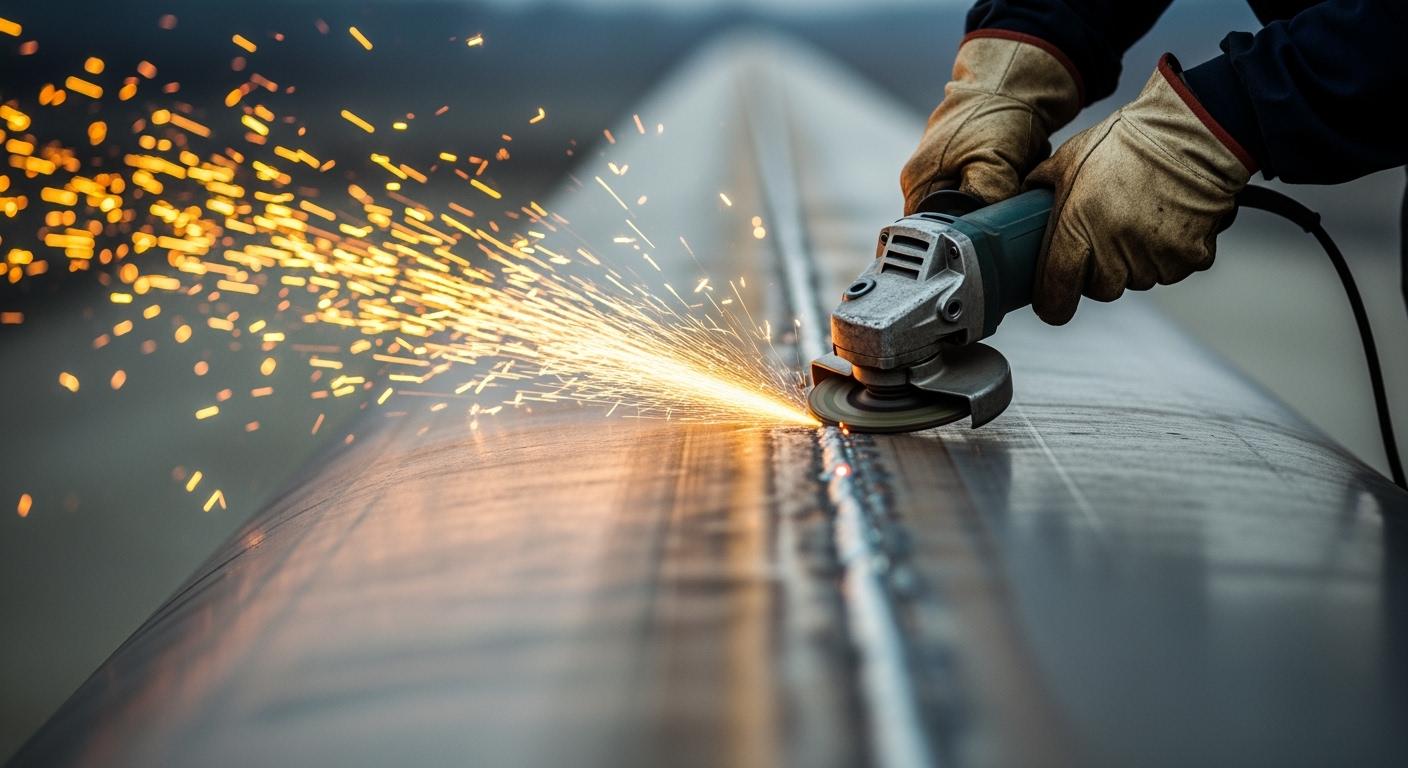
If you want to grind long hull welds quickly, you should use Aimgrind’s diamond grinding wheels. These wheels give you fast grinding and a smooth weld finish. You need the right abrasive and the correct grinding technique to save time and effort. Grinding requires you to balance speed, safety, and weld quality. Choose your grinding tools with care to make your work easier and safer.
Key Takeaways
- Use Aimgrind diamond grinding wheels for fast and smooth weld grinding. They provide better material removal and longer lifespan than traditional wheels.
- Select the right grinder and abrasive for your specific hull material. This ensures effective grinding and a quality finish.
- Follow a proper grit progression: start with coarse grit for heavy welds, then medium grit for blending, and finish with fine grit for a smooth surface.
- Maintain a grinding angle of 5 to 15 degrees for optimal weld removal and finish quality. This helps extend the life of your grinding wheels.
- Always wear appropriate PPE and conduct safety checks on your equipment before starting. This keeps you safe and enhances your grinding efficiency.
Tool and abrasive selection for grinding long hull welds
Choosing the right tool for the job makes grinding long hull welds much easier. You need to match your grinder and abrasive to the material and weld size. Aimgrind offers customized grinding solutions that help you get the best results. Their diamond grinding wheels give you fast material removal and a smooth finish. You can use these wheels on hard alloys, ceramics, and composites. Aimgrind’s team helps you select the right wheel for your equipment and process. This support boosts productivity and ensures effective grinding.
Choosing the right grinder
You need a powerful grinder to handle long welds on ship hulls. Most shipbuilders use high-speed grinders with large wheels. These grinders remove welds quickly and keep the surface flat. The HGP-4260 model is a common choice. It uses a 180mm (7 Inch) wheel and runs at 8,000 RPM. You need an inverter for the 400Hz / 200V power supply. The table below shows the main features:
| Specification | Detail |
|---|---|
| Model | HGP-4260 |
| Wheel Size | 180mm (7 Inch) |
| Frequency / Voltage | 400Hz / 200V (Requires Inverter) |
| No Load Speed | 8,000 RPM (High Speed Type) |
You should check that your grinder matches the wheel size and speed. Aimgrind diamond grinding wheels fit most standard grinders. You can ask Aimgrind for custom sizes if you need them.
Why Aimgrind diamond grinding wheels stand out
Aimgrind diamond grinding wheels give you the right tool for the job. They have extreme hardness and cut through tough welds fast. You get a higher material removal rate and a longer wheel lifespan than traditional wheels. This means you spend less time grinding and change wheels less often. The table below compares diamond wheels to traditional wheels:
| Feature | Diamond Grinding Wheels | Traditional Grinding Wheels |
|---|---|---|
| Hardness | Extreme hardness, capable of cutting through hard materials | Lower hardness, suitable for softer metals |
| Material Removal Rate (MRR) | Achieves faster material removal rates | Requires more passes, less efficient |
| Lifespan | Retains cutting edge longer, reducing downtime | Shorter lifespan, more frequent replacements |
You can use Aimgrind wheels for both wet and dry grinding methods. They work well on stainless steel, aluminum, and other hull materials. You get consistent performance and a better weld finish.
Tip: Using Aimgrind diamond grinding wheels helps you avoid deep scratches and distortion. You keep the weld area strong and corrosion-resistant.
Grit progression for fast weld removal
You need to follow the right grit progression for effective grinding. Start with a coarse grit to knock down the heavy weld bead. Move to a medium grit to level and blend the surface. Finish with a finer grit or flap disc to remove scratches and prep for paint. The table below shows the recommended grit sizes:
| Grit Size | Purpose |
|---|---|
| Coarse (24–36) | For knocking down the heavy weld bead. |
| Medium (60–80) | For leveling and initial blending. |
| Finer (120+) | For removing the scratch pattern and prepping for paint. |
You should use stainless steel grinding discs for steel hulls. Aluminum grinding wheels work best for aluminum hulls. Flexible grinding wheels help you grind curved surfaces without damage.
- Stainless Steel (SS) Grinding Discs: Used for stainless steel components, crucial for corrosion resistance in shipbuilding.
- Aluminum Grinding Wheels: Specialized for aluminum components.
- Flexible Grinding Wheels: Ideal for curved surfaces, allowing smooth material removal.
Coarser grits remove material faster but can cause deeper scratches and heat distortion. Finer grits give you a smoother finish and protect the base metal. The choice of abrasive affects the weld appearance and corrosion resistance. You need to use the right tool for the job and follow the correct grinding methods to get the best results.
Note: Aimgrind offers product customization. You can get wheels that fit your grinder and match your grinding methods. This helps you maintain speed and quality for every weld.
How to grind long hull welds efficiently
Setting the correct grinding angle
You need to set the right angle when you grind long hull welds. The grinding angle affects how fast you remove the weld and how smooth the finish looks. Aim for an angle between 5 and 15 degrees. This range helps you keep the grinding wheel in contact with the weld without digging into the surface. You get a better finish and extend the life of your grinding wheels.
| Grinding Angle | Effect on Finish Quality | Effect on Consumable Lifespan |
|---|---|---|
| 5-15 Degrees | Improves finish quality | Extends lifespan of consumables |
Keep your grinder steady. Hold the wheel at the correct angle. Move along the weld bead in a straight line. You avoid gouging the surface and keep the weld area flat. This method improves consistency and makes the process more efficient.
Tip: Use Aimgrind diamond grinding wheels for better control and faster grinding. You get a clean finish and save time.
Step-by-step grinding technique
You need a clear process to grind long hull welds quickly and safely. Follow these steps for effective grinding:
- Inspect the weld and surface. Look for high spots and uneven areas.
- Choose the right Aimgrind diamond grinding wheel. Start with a coarse grit for heavy weld removal.
- Set your grinder to the correct speed. Make sure the wheel fits your machine.
- Hold the grinder at a 5-15 degree angle. Apply steady pressure. Move along the weld bead in a smooth motion.
- Grind down a weld in sections. Work from one end to the other. Overlap each pass to keep the surface flat.
- Switch to a medium grit wheel. Blend the weld area into the surrounding surface.
- Check your progress often. Look for imperfections or deep scratches.
- Use lighter pressure as you finish. This helps you avoid heat buildup and distortion.
You improve grinding efficiency by following these steps. Aimgrind diamond grinding wheels help you remove material fast and keep the finish smooth. You avoid common mistakes like over-grinding or leaving uneven spots. You maintain productivity and get a consistent finish every time.
Note: Always check the weld area for flatness. Use a straight edge or gauge to measure the surface. This helps you achieve effective grinding and a quality finish.
Using flap discs for finishing
After you grind long hull welds with diamond wheels, you need to finish the surface. Flap discs help you remove scratches and blend the weld area. They adapt to tight corners and curved surfaces. You get a smooth finish and prepare the hull for painting.
| Feature | Benefit |
|---|---|
| Curved Edge Profile | Adapts to tight corners and weld beads, minimizing over-grinding. |
| Dual Functionality | Allows switching from flat grinding to fillet weld cleanup in one pass. |
| Precision and Efficiency | Removes material quickly and accurately, reducing tool changes. |
Choose flap discs with the right grit size. Start with 80 grit for blending. Move to 120 grit for final finishing. You achieve a flat surface and remove the scratch pattern. Flap discs help you keep the weld area strong and corrosion-resistant.
Tip: Use Aimgrind flap discs for finishing. You get high consistency and a smooth finish. This step improves the look and durability of the hull.
You need to follow the correct process for grinding down a weld and finishing the surface. Aimgrind diamond grinding wheels and flap discs help you maintain speed and quality. You avoid imperfections and achieve a flat, smooth finish every time.
Safety practices for fast grinding
Essential PPE and safe handling
You need to protect yourself every time you start grinding. Safety gear helps you avoid injuries and keeps you focused on the job. The right PPE lets you work fast without slowing down your process. Check the table below for the most effective PPE items for grinding long hull welds:
| PPE Item | Purpose |
|---|---|
| Auto-darkening welding helmet | Protects eyes from harmful light and sparks during grinding and welding. |
| Safety glasses | Provides additional eye protection from side impacts and debris. |
| Flame-resistant jacket and pants | Shields against molten spatter and heat exposure. |
| Insulated welding gloves | Ensures hand protection from high temperatures and allows dexterity. |
| Respiratory protection | Limits exposure to harmful fumes and particles during grinding. |
| Steel-toe safety footwear | Protects feet from heavy objects and molten metal. |
| Hearing protection | Essential in noisy environments to prevent hearing loss. |
You should always wear these items when grinding. Aimgrind diamond grinding wheels help you work safely because they resist breakage and stay sharp. You get reliable performance and fewer interruptions. You keep your hands steady and your eyes protected. You maintain efficiency and avoid accidents.
Tip: Keep your workspace clean. Remove loose tools and debris before you start grinding. This helps you move freely and reduces the risk of tripping.
Quick safety checks
You need to check your equipment before every grinding session. Inspect your grinder for loose parts and damaged cords. Make sure the wheel fits tightly and spins smoothly. Look for cracks or chips on the grinding wheel. Aimgrind diamond grinding wheels offer extra durability, so you spend less time worrying about wheel failure.
Test your PPE for proper fit. Adjust your helmet and glasses so they cover your eyes. Check your gloves for holes or wear. Make sure your respirator works and fits snugly. You keep your safety gear ready and your grinding process smooth.
You should check the weld area for sparks and hot spots. Move flammable materials away from your workspace. You keep your grinding area safe and maintain consistency in your work.
Note: Aimgrind diamond grinding wheels give you confidence. You grind faster and safer, knowing your tools are built for tough jobs.
Maintaining speed and weld quality
Monitoring spark flow and finish
You can check spark flow and finish to control the grinding process. Spark flow shows how much material you remove and helps you spot uneven welds. A steady spark pattern means you use the right angle and pressure. You should watch the sparks as you move the grinder along the weld. If sparks scatter or fade, adjust your tool or speed.
You need to inspect the surface after each pass. Look for a smooth finish with no deep scratches or rough spots. Proper surface preparation and joint design help you achieve the required finish for hull welds. Clean surfaces free from contaminants and optimized joint geometries improve consistency. Post-weld treatments like stress relief annealing and surface finishing boost durability and help you meet standards set by maritime classification societies.
- Clean the surface before grinding.
- Use the correct grinding angle for a flat finish.
- Check the weld area for smoothness and consistency.
Adapting to different hull materials
You must adjust your grinding process for different hull materials. Steel, aluminum, and composites need special grinding techniques. The table below shows how you can adapt your process:
| Hull Material | Grinding Technique Adjustments |
|---|---|
| Steel | Use dedicated steel cutting discs to avoid contamination. |
| Aluminum | Employ Superflex Non-Ferrous range discs specifically designed for aluminum. |
| Composites | Select abrasives that are compatible with composite materials to ensure effective grinding without damage. |
Aimgrind supports you with parameter matching and process optimization. You can choose grinding wheels that fit your material and equipment. This helps you maintain productivity and achieve a quality finish.
Avoiding common mistakes
You can avoid mistakes that slow down grinding and affect weld quality. The table below lists common mistakes and how to prevent them:
| Common Mistakes | Recommendations |
|---|---|
| Improper Tool Selection | Maintain a stable grinding tool angle |
| Excessive Grinding Pressure | Match grinding speed to the material type |
| Ignoring Cooling Measures | Regularly clean abrasive tools |
You should select the right tool for each process. Keep a steady angle and avoid too much pressure. Clean your abrasive tools often to keep the surface finish consistent. Aimgrind helps you match parameters and optimize your grinding process for every weld.
Tip: You can improve finish and productivity by following these steps. Aimgrind’s support ensures you get the best results with every grinding process.
When to consider automation for hull weld grinding
Automated grinding systems overview
You may find manual grinding works well for small projects or repairs. Large shipyards and high-volume production lines often need faster and more consistent results. Automated grinding systems help you achieve these goals. These systems use machines to move the grinder along the weld. You get steady speed and pressure. This leads to a uniform finish across long welds.
Automation reduces the need for many workers. You can set up the system and let it run with minimal supervision. This approach helps you save time and labor costs. Automated systems also improve safety. Workers spend less time near sparks and moving parts.
Tip: If you handle long welds on many hulls each week, automation can boost your productivity and quality.
Manual vs. automated grinding
You should compare manual and automated grinding before making a decision. Manual grinding gives you flexibility. You can adjust your technique for each weld. However, it depends on the skill and stamina of the operator. Automated grinding delivers steady results and higher output. You can see the main differences in the table below:
| Feature | Manual Grinding | Automated Grinding |
|---|---|---|
| Speed | Low to medium output depending on operator | High and continuous production capability |
| Quality | Varies based on operator skill | Consistently high precision with automation |
| Labor Costs | High dependency on manual operation | Low labor involvement, mostly supervision |
You may choose manual grinding for custom jobs or repairs. Automation suits large-scale projects where you need speed and repeatability.
Aimgrind supports both manual and automated grinding solutions. You can get customized diamond grinding wheels for hand-held grinders or automated systems. Aimgrind’s team helps you match the right wheel to your process, so you get the best results every time.
Note: If you want to upgrade your grinding process, Aimgrind can help you select and optimize tools for both manual and automated setups.
You can grind long hull welds quickly by following these steps:
- Apply steady pressure and use the correct angle.
- Adjust your technique for each material.
- Use the pull-lift-repeat method over weld seams.
- Start with coarse grit, then switch to finer grit.
- Choose a grinder with the right amperage.
- Keep sparks flowing away from the workpiece.
Aimgrind diamond grinding wheels help you work faster and safer. See the benefits below:
| Benefit | Description |
|---|---|
| Ultra-hard abrasive | Handles tough welds with ease. |
| Long service life | Lasts much longer than resin wheels. |
| High grinding efficiency | Removes material quickly and keeps dimensions stable. |
| Eco-friendly | Produces less dust and heat. |
Checklist: Use Aimgrind wheels, follow proper technique, wear PPE, and check your grinder.
Contact Aimgrind for customized grinding solutions that fit your needs.
FAQ
How do you choose the right grit for grinding hull welds?
You should start with a coarse grit like 36 for heavy welds. Move to medium grit for blending. Finish with a fine grit or flap disc for smoothness. This method gives you a flat and clean surface.
Can you use Aimgrind diamond grinding wheels on aluminum hulls?
Yes, you can use Aimgrind diamond grinding wheels on aluminum. These wheels work well on many metals and composites. You get fast grinding and a smooth finish without clogging.
What safety steps should you follow when grinding welds?
You should always wear PPE. Use safety glasses, gloves, and a respirator. Check your grinder and wheel before starting. Keep your workspace clean to avoid accidents.
Tip: Always inspect your grinding wheel for cracks or damage before use.
How do Aimgrind diamond grinding wheels compare to traditional wheels?
| Feature | Aimgrind Diamond Wheels | Traditional Wheels |
|---|---|---|
| Lifespan | Longer | Shorter |
| Grinding Speed | Faster | Slower |
| Surface Finish | Smoother | Rougher |
You get better results and save time with Aimgrind wheels.
Contact Us
For More Grinding Solution or Customized Abrasive Tools