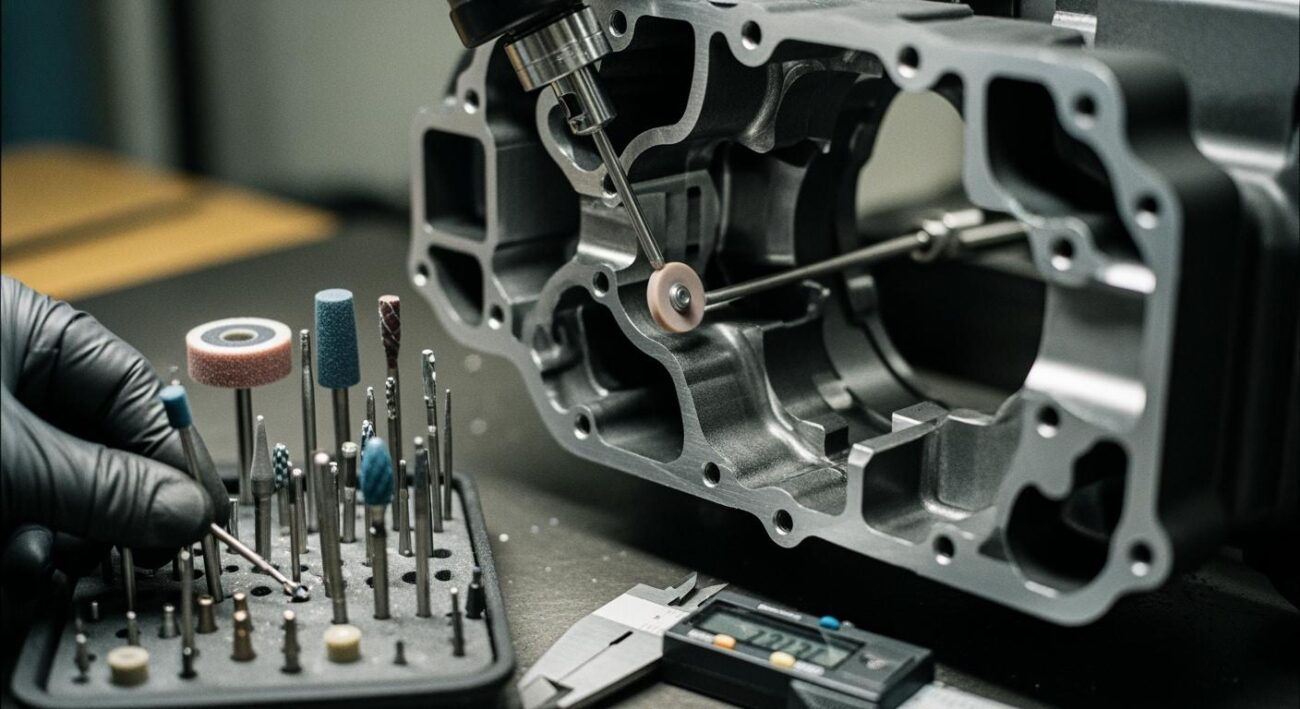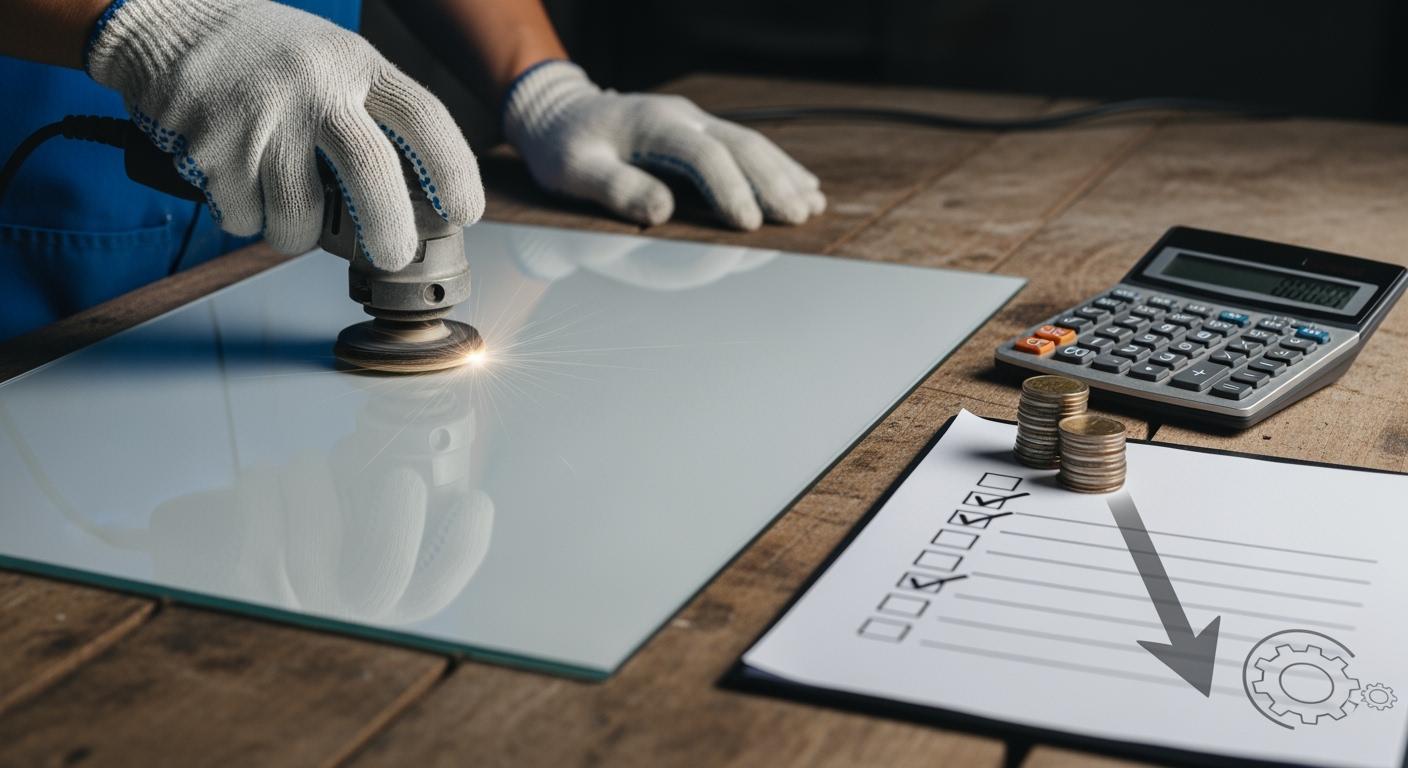
You can reduce overall costs in glass processing by making smart choices with your grinding tools. Start by using advanced abrasives that improve efficiency and deliver more savings. Select grinding tools from Aimgrind for better performance and longer life. Focus on process improvements and regular tool checks to reduce costs right away. Look for both quick wins and long-term strategies to keep your grinding operation strong.
Key Takeaways
- Choose advanced abrasives to improve efficiency and reduce costs in glass processing.
- Conduct regular tool audits to identify high-performing tools and minimize replacements.
- Engage operators in maintenance discussions to gain insights that enhance tool usage and quality.
- Utilize digital monitoring to track tool performance and predict maintenance needs, preventing costly downtime.
- Optimize your grinding process by analyzing data to select the best abrasives for each glass type.
Key Cost Drivers in Glass Processing
Tool Changeover and Downtime
You face many challenges when working with glass. One of the biggest issues is tool changeover. Every time you stop your machine to switch grinding tools, you lose valuable time. This downtime adds up and increases your total operating costs. If you use the wrong abrasive for your glass type, you may need to change tools more often. For example, using a harder bond for softer glass like soda lime glass helps the edge stay sharp longer. This means fewer stops and lower costs. When you match your tools to the glass, you keep your edge quality high and reduce surface defects.
Tool Life and Replacement
The life of your grinding tools affects your costs. If your tools wear out quickly, you spend more money on replacements. The type of glass you process changes how long your edge lasts. Harder glass, such as quartz, needs a softer bond to keep the edge from glazing. This choice improves cutting and keeps your grinding tools working longer. When you use the right abrasive, you get fewer glass scratches and better edge finishes. This leads to cost reductions and helps you avoid common defects.
Rework and Scrap Rates
Rework and scrap rates can hurt your bottom line. If your glass has surface defects or glass scratches, you may need to redo the work or throw away the piece. These problems often come from poor edge quality or the wrong grinding tools. Each time you see defects, you lose time and materials. By choosing the right abrasive and keeping your edge sharp, you lower the risk of surface defects. This means less rework, fewer scraps, and better results in your glass processing.
Review and Optimize Abrasive Tool Usage
Comprehensive Tool Audit
You need to start with a tool audit. Look at every grinding tool used in your glass processing line. Check the condition of each tool. Record how often you replace them. Compare the performance of different tools. Make a list of tools that wear out quickly. Find out which tools give the best results for your glass products. Use this information to spot patterns. You can see where you lose money and where you get the best value. A tool audit helps you make smart choices for future purchases.
Process Parameter Analysis
Analyze your process parameters to find hidden problems. You can use models like DMAIC to break down your glass production steps. Collect data about tool performance and defects. Study how each grinding tool behaves with different types of glass. Look for root causes that affect tool efficiency. Try the Taguchi technique to adjust process settings. You can reduce defects and lower costs by finding the best parameters. Here are some ways process parameter analysis helps:
- Identify major glass product types and common defects.
- Reveal process behaviors that impact grinding tool life.
- Optimize settings to cut down on glass defects and costs.
Operator and Maintenance Engagement
Talk to your operators and maintenance teams. They work with glass every day. They know which grinding tools last longer. Ask them about tool failures and common issues. Listen to their suggestions for improving tool usage. You can use their feedback to change your grinding process. Train your team to spot early signs of tool wear. Encourage regular checks and quick action when problems appear. When you involve your staff, you get practical insights that save money and improve glass quality.
Strategies to Reduce Overall Costs with Aimgrind
Selecting the Right Abrasives for Glass
You can reduce overall costs in glass processing by choosing the right abrasives for your application. The selection process involves more than just looking at the price tag. You need to consider several cost components that affect your bottom line. The table below shows the main factors you should review when picking abrasives for glass edge grinding machines, water jet edge grinding machines, and cnc edging machines.
| Cost Component | Description |
|---|---|
| Materials | The type of abrasive, such as diamond or aluminum oxide, changes the cost and performance. |
| Labor | Labor costs depend on your region and can affect the total cost of using grinding tools. |
| Manufacturing Overhead | Indirect costs like utilities and rent add to the price of abrasives. |
| Tooling | Specialized tooling for glass edge grinding machines may require a higher initial investment. |
| Quality Control (QC) | High QC standards can reduce surface defects and scratches, leading to long-term savings. |
| Logistics | Shipping costs change based on distance and method, impacting your final price. |
| Margin | Suppliers add a profit margin, which you can negotiate for better deals and more savings. |
When you select Aimgrind’s super hard abrasives, you get a product designed for durability and high efficiency. These abrasives help you achieve a sharp edge, reduce surface defects, and minimize scratches. You also see fewer tool changes, which means less downtime and more production. This approach leads to significant time and cost savings in your glass processing line.
Benefits of Super Hard Abrasives
Super hard abrasives from Aimgrind give you many advantages over conventional options. You see better results in less time, which helps reduce overall costs. Here are some key benefits:
- You improve operational efficiency because these abrasives keep your edge sharp for longer.
- You spend less time cleaning up, as super hard abrasives produce less dust and fewer particles.
- You get a cleaner surface finish, which means fewer surface defects and scratches.
- You enhance the profile of your glass edge, making it easier to apply coatings and achieve quality processing.
- You enjoy significant time and cost savings because you need fewer replacements and less maintenance.
Many companies choose super hard abrasives for their glass edge grinding machines and water jet edge grinding machines. These tools help you maintain high speed and quality, even in demanding environments. You can trust Aimgrind to deliver consistent results and reduce costs across your operation.
Preventive Maintenance and Training
You can extend the life of your grinding tools and reduce overall costs by focusing on preventive maintenance and operator training. Well-trained operators know how to use glass edge grinding machines and cnc edging machines correctly. They follow standard procedures, which helps prevent mistakes that cause surface defects and scratches.
Regular maintenance checks help you spot early signs of tool wear. You can replace or adjust tools before they cause problems. Training your team ensures everyone understands how to get the best performance from each tool. This leads to fewer breakdowns, less downtime, and more savings. You also see significant time and cost savings when your staff knows how to handle grinding tools properly.
Cutting Optimization and Process Adjustments
You can reduce costs and enhance efficiency by making smart adjustments to your edge grinding process. Start by analyzing data from your glass processing line. Look for patterns in tool wear, edge quality, and surface finish. Use this information to select the best abrasive for each job, not just the cheapest option.
Here are some proven strategies:
- Analyze your process data to find the right abrasive for each glass type and edge requirement.
- Choose abrasives based on application, which leads to better results and more savings.
- Minimize downtime by planning tool changes and maintenance during low-production periods.
- Adjust your process settings to maintain high speed and reduce surface defects and scratches.
When you optimize your cutting and grinding process, you get a sharper edge, better surface quality, and fewer defects. This approach helps you reduce overall costs and achieve significant time and cost savings in every step of glass processing.
Leveraging Technology and Data
Digital Monitoring of Tool Performance
You can use digital monitoring to track how your glass tools work every day. This technology gives you real-time data about your grinding process. You see when your tools need attention before they cause surface defects or scratches. Many glass factories use systems that watch energy use and tool wear. For example, Guardian Glass improved their cost control by keeping their power factor high. They saved 4% on costs by using digital monitoring. You can also check your utility bills and spot errors quickly. This helps you avoid extra charges and keeps your glass processing line running smoothly.
Predictive Maintenance with Data Analytics
You can use data analytics to predict when your tools need maintenance. Sensors collect information about cutting forces and spindle loads during glass grinding. This data helps you plan repairs before you see surface defects or scratches. Predictive maintenance lets you forecast tool life and adjust your process for better results. You can refine your cutting settings to improve efficiency and reduce downtime. When you act early, you avoid big problems and keep your glass products free from defects.
Predictive maintenance is changing how you manage your tools. You stay ahead of failures, save money, and keep your glass processing efficient.
Automation in Glass Processing
Automation has changed the way you handle glass. Machines now polish edges and cut glass with high accuracy. Automated systems keep the surface smooth and reduce the risk of scratches. You get better results than manual work. Automated edge polishing tools create even bevels and perfect surface finishes. These machines can cut glass to tight tolerances, making your process more efficient. You can process 150–200 sheets per shift, while manual work handles only 40–50. Waste drops by up to 20%, which lowers your raw material costs and disposal fees. Automation helps you keep your glass free from defects and improves your bottom line.
| Advancement Type | Description |
|---|---|
| Eco-friendly abrasives | New abrasives help the environment and boost product performance. |
| Improved manufacturing processes | Better ways to make glass abrasives give you higher quality and fewer defects. |
| Grinding efficiency | You get faster grinding, less dust, and better surface quality. |
| Automation and smart technologies | Automated systems make your glass processing faster and more reliable. |
Real-World Results and Case Studies
Cost Reduction Success Stories
You can see real savings when you use the right tools for glass. Many companies have lowered their costs by switching to Aimgrind’s super hard abrasives. One factory used to change edge tools every shift. After they started using Aimgrind, they changed edge tools only once a week. This change saved them money and time. Another company had trouble with glass edge quality. They often saw scratches and defects. Aimgrind helped them select the best edge grinding wheels. The company saw fewer defects and less rework. Their costs dropped because they wasted less glass.
Tip: Track your edge tool changes and glass defects. You can spot patterns and find ways to cut costs.
Improved Efficiency with Aimgrind Solutions
You can boost efficiency in glass processing with Aimgrind solutions. One glass manufacturer wanted a sharper edge and a cleaner finish. Aimgrind designed a custom edge grinding wheel for their glass processing line. The new wheel kept the edge sharp for longer. The company processed more glass sheets each day. They saw less downtime and fewer edge tool replacements. Another team used Aimgrind’s edge grinding wheels for water jet glass cutting. Their edge quality improved, and they finished glass jobs faster.
Here is a table showing the improvements:
| Company | Edge Tool Change Frequency | Edge Quality | Glass Defects | Efficiency Gains |
|---|---|---|---|---|
| Factory A | Weekly | High | Low | 15% |
| Factory B | Bi-weekly | Very High | Very Low | 20% |
You can achieve similar results. Aimgrind helps you get a sharp edge, reduce glass defects, and improve efficiency in every step of glass processing.
You can lower costs in glass processing by choosing the right abrasive tools and optimizing your process. Aimgrind’s super hard abrasives help you achieve long-term savings and better glass quality. You see more savings when you restore glass surfaces instead of replacing them. Advanced abrasives give you higher cutting speeds and longer tool life. You reclaim and reuse abrasive materials for even more savings.
- Professional glass restoration prevents waste and brings more savings.
- Super-abrasives enable precise grinding for glass and reduce costs.
- Innovations in abrasive coatings help your glass tools last longer.
| Benefit | Description |
|---|---|
| Improved Efficiency | Automated machines process glass faster and bring more savings. |
| Reduced Defect Rates | High precision in glass edging lowers waste and increases savings. |
| Optimized Labor | Automation lets your team focus on complex glass tasks for more savings. |
You should review your glass process and use these strategies for immediate and long-term savings. Contact Aimgrind to get customized grinding solutions for your glass needs.
FAQ
What makes super hard abrasives different from regular grinding tools?
You get super hard abrasives made with diamond or CBN grains. These materials last much longer than regular abrasives. You see less tool wear and better results in your grinding process.
How often should you replace your abrasive tools?
You should check your tools regularly. Replace them when you notice a drop in performance or visible wear. Using Aimgrind’s super hard abrasives means you change tools less often.
Can you use Aimgrind abrasives on all types of glass?
Yes, you can use Aimgrind abrasives on many types of glass. These tools work well for building, furniture, auto, and optical glass. You get smooth edges and fewer defects.
Why is preventive maintenance important for abrasive tools?
You keep your tools working longer with preventive maintenance. Regular checks help you spot problems early. You avoid costly breakdowns and keep your production line running smoothly.
How does digital monitoring help reduce costs?
You use digital monitoring to track tool performance in real time. This helps you plan maintenance and avoid sudden failures. You save money by reducing downtime and improving efficiency.
Contact Us
For More Grinding Solution or Customized Abrasive Tools