

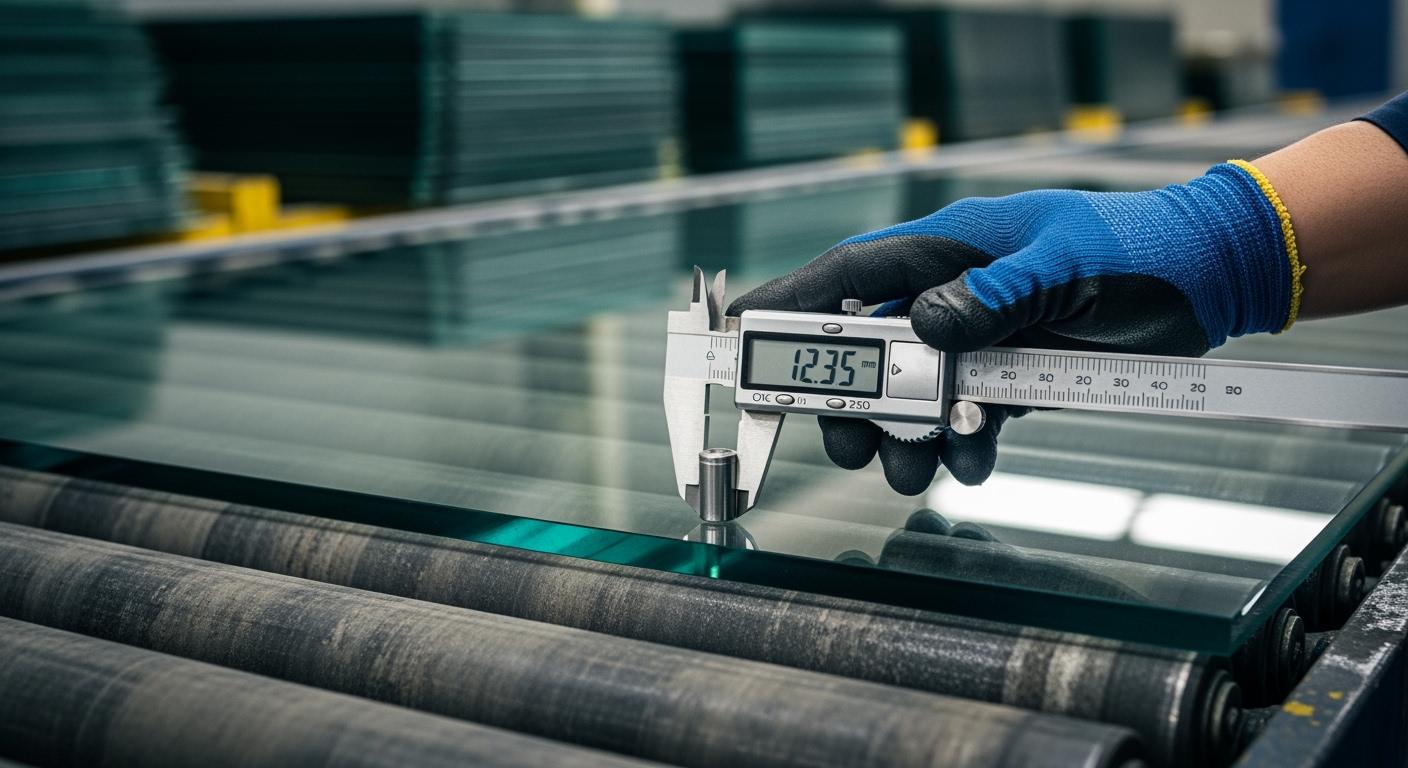
You need to maintain dimensional consistency for high-volume glass edging if you want top results. Dimensional consistency helps you create glass products that fit perfectly every time. When you work with glass, even a small error in edging can cause big problems. Precise machine calibration keeps your glass edges straight and smooth. If you skip quality checks, you may see uneven glass edging or parts that do not match. Dimensional consistency in glass edging builds trust with customers. You achieve this by using advanced grinding technology, following strict standards, and checking every step. Dimensional consistency makes your glass edging process reliable and efficient.
Key Takeaways
- Maintain precise machine calibration to ensure consistent glass edging results.
- Implement regular quality checks to avoid defects and build customer trust.
- Train operators to spot issues early and follow best practices for edging.
- Use advanced grinding technology and Aimgrind diamond wheels for better quality.
- Establish a strong maintenance schedule to prevent problems and ensure accuracy.
Why Dimensional Consistency Matters in Glass Edging
Product Quality Impact
You want every piece of glass to meet strict standards. Dimensional consistency in glass edging quality helps you achieve this goal. When you keep the thickness of each glass panel uniform, you avoid problems with fit and function. If the thickness varies, the glass may not fit into frames or assemblies. Uneven thickness can also weaken the glass, making it more likely to break. You need smooth, even edges to prevent chipping and cracking. High glass edging quality means you deliver products that look good and last longer. Customers notice when the thickness and edges are perfect. They trust your glass because it meets their needs every time. Consistent glass edging quality also helps you avoid returns and complaints. You build a strong reputation by focusing on thickness and edging precision.
Production Issues
Dimensional inconsistency in glass edging creates many problems during production. You may see more manual touch-ups and rework. For example, manual touch-up is needed on 32–44% of quartz prism blanks when thickness and edging do not match the target. Labor costs rise by $14.70 per hour for each unit that needs rework. You also face more edge chipping defects, especially when feed rates go above 0.12 mm/rev on budget machines. Quality control and metrology limitations increase costs because you need extra inspections to catch thickness and edging errors. Cumulative stress from thermal steps can cause thickness drift, which means more quality checks and possible rework. If you work with glass and metallic conductors, thermal expansion can cause via diameters to change by 15-20% from the required thickness. This is costly, especially for high-density glass applications. You can avoid these issues by focusing on glass edging quality and keeping thickness and edges consistent.
Factors Affecting Glass Edging Quality
Glass Type and Material
You need to know that not all glass types behave the same during edging. Some glass materials are more likely to show dimensional drift. This can happen because of contour shifts or tolerance failures from batch to batch. Several things can cause this, such as fixture drift, alignment changes, or thermal drift during long production runs. To reduce these problems, you should:
- Tighten fixturing and alignment on your edging line.
- Build safe margins into your process window.
- Add inspection feedback to catch issues early.
These steps help you keep consistent thickness and avoid costly errors. Aimgrind can help you diagnose which glass types in your process are most at risk and suggest the right grinding wheel parameters for each material.
Machine Calibration
Your glass edging machine must stay accurate to deliver consistent results. Regular calibration is key. You should check the position of the grinding wheels, the speed of the conveyor belt, and the pressure applied during edging. Here are some best practices:
- Perform a full calibration every month as part of preventive maintenance.
- Do quick calibration checks when you change a grinding wheel or notice any change in edge quality or thickness.
| Maintenance Task | Frequency |
|---|---|
| Daily maintenance (cleaning, lubrication) | Daily |
| Weekly maintenance (wheel inspection, tension checks) | Weekly |
| Monthly calibration (positioning accuracy ±0.1mm) | Monthly |
Aimgrind’s team can help you set up a calibration schedule that matches your production needs.
Grinding Wheel Quality
The quality of your grinding wheel affects every edge you produce. You want wheels that keep their shape and deliver a smooth finish. Key performance indicators include bond system, modulus values, molding pressure, bond content, firing temperature, and grain quality. The table below shows what to look for:
| Factor | Description |
|---|---|
| Bond Systems | Vitrified and resinoid bonds affect performance metrics. |
| Modulus Values | Vitrified: 25–70 GPa; Resinoid: 15–35 GPa. |
| Molding Pressure | Higher pressure means denser, stronger wheels. |
| Bond Content | More bond material makes a harder, stiffer wheel. |
| Firing Temperature | Proper firing ensures strong bonds. |
| Grain Type and Quality | High-quality grains improve performance. |
| Automated Inspection Speed | Fast inspection keeps quality high in production. |
Aimgrind’s diamond grinding wheels give you the edge in maintaining consistent thickness and high-quality finishes. You can rely on their expertise to match the right wheel to your glass and machine.
Operator Skill
Even with the best machine and wheels, your results depend on operator skill. You should train your team to spot issues early and follow best practices for edging. Skilled operators can adjust settings, check for consistent thickness, and respond quickly to any drift in dimensions. Aimgrind supports your team with guidance on process optimization and troubleshooting.
Tip: Regular training and clear process guidelines help your operators maintain top performance in glass edging.
Steps to Ensure Dimensional Consistency
Calibration and Monitoring
You need to start with proper calibration if you want to keep the finished size of your glass consistent. Calibration helps your machine deliver the same results every time. You should follow these steps for best results:
- Place your glass edging machine on a solid, stable foundation. This keeps the machine from shifting during high-volume production.
- Check that the machine frame stays level. A level frame helps you control the finished size of every glass piece.
- Inspect the conveyor chain’s rubber blocks for wear. Worn blocks can change the transport height and affect the finished size.
- Replace any worn blocks right away. This step keeps your glass at the correct height for edging.
You also need strong monitoring strategies for ensuring consistency. Monitoring helps you catch problems before they affect your finished size. Here are some ways to monitor your process:
- Use visual inspection to spot any issues with the glass during edging.
- Measure the cutting dimensions in real time with laser devices. This helps you control the size of each glass piece.
- Analyze the cutting force with sensors. Changes in force can signal problems with the grinding process.
- Monitor the cutting speed. Keeping the right speed helps you control the quality and size of the glass.
- Detect vibration with sensors. Too much vibration can cause defects in the finished size.
- Evaluate the surface roughness. Smooth surfaces mean your grinding process is under control.
Tip: Combine calibration and monitoring to keep your glass edging process stable, even when you work with high volume.
Process Control
You need strong process control to keep your glass edging results consistent. Process control means you check and adjust every step to keep the finished size right. You can use several methods to control your process and improve quality control in the grinding process. The table below shows some common methods:
| Method | Description |
|---|---|
| Laser Measurement | Confirms dimensional accuracy before releasing completed spacer frames. |
| Integrated Quality Control | Uses laser measurement, pressure monitoring, and optical inspection to verify seal integrity and dimensional accuracy. Achieves 99.8% defect detection rates. |
| Data Collection Systems | Tracks every process parameter for each unit produced, enabling rapid problem identification and optimization of process parameters. |
You should use these methods to control the size of your glass and keep your volume control on track. Laser measurement checks the finished size before you move to the next step. Integrated quality control uses several checks at once, so you catch almost every defect. Data collection systems help you spot trends and fix problems fast. These strategies for ensuring consistency help you keep your glass edging process reliable, even when you work with large volume.
Note: Good process control means you can handle more volume without losing quality or size accuracy.
Maintenance Schedule
You need a strong maintenance schedule to keep your machine working well. Regular maintenance of the machine helps you control the finished size and quality of your glass. Preventive maintenance keeps your equipment in top shape and supports volume control. The table below shows how different maintenance tasks help you keep dimensional accuracy:
| Aspect of Preventive Maintenance | Impact on Dimensional Accuracy |
|---|---|
| Routine inspections | Verify machine geometry remains within specification |
| Precision measuring instruments | Detect wear patterns before they compromise part accuracy |
| Cleaning procedures | Remove abrasive particles that accelerate wear |
| Genuine replacement parts | Maintain original equipment performance specifications |
| Documentation of measurements | Establish baseline performance and track degradation trends |
You should inspect your machine often. Use precision tools to check for wear. Clean your machine to remove grinding dust and particles. Always use genuine parts when you replace anything. Keep records of your measurements to track changes over time. This schedule helps you control the size of your glass and keep your volume control steady.
Reminder: Maintenance is not just about fixing problems. It is about preventing them and keeping your glass edging process smooth.
By following these steps—calibration, monitoring, process control, and maintenance—you can keep your glass edging process consistent, even at high volume. You will see better control, fewer defects, and more reliable finished size in every batch.
Advanced Solutions for Glass Edging Quality
CNC Automation
You can achieve high precision in glass fusing and edging by using CNC automation. This technology lets your machine follow the same instructions for every piece of fused glass. The result is repeatable and accurate edging, with precision reaching 0.005 mm to 0.01 mm. Manual fusing and edging depend on the operator’s skill, which can lead to mistakes and uneven results. CNC automation reduces human error and keeps your fused glass consistent. You will see less waste and better product quality. When you use CNC machines for glass fusing, you can trust that each fused glass piece will meet your standards every time.
Intelligent Monitoring
Intelligent monitoring systems help you keep control over your glass fusing and edging process. These systems give you real-time feedback and help you spot problems before they affect your fused glass. The table below shows some features of intelligent monitoring systems:
| Feature | Description |
|---|---|
| Real-time monitoring | Provides live insights from production data to detect defects immediately. |
| Predictive maintenance | Analyzes sensor data to prevent system failures and optimize maintenance. |
| Automated visual inspection | Uses machine learning to find cracks and bubbles in real time. |
| Quality management system | Tracks data to ensure consistent quality and spot trends. |
| Multi-line overview | Gives a full view of all production lines for better management. |
You will notice several benefits when you use intelligent monitoring systems:
- Improved product quality with fewer defects in fused glass.
- Enhanced production efficiency, which saves costs.
- Increased market share because customers trust your fused glass quality.
These systems help you maintain the quality of the grinding wheels and keep your glass fusing process stable.
Aimgrind Diamond Grinding Wheels
You need the right tools for perfect glass fusing and edging. Aimgrind diamond grinding wheels give you the edge in fused glass production. The quality of the grinding wheels matters for every fused glass project. Aimgrind offers wheels that keep their shape and deliver smooth, even edges. You can use these wheels for both fusing and edging, and they work well with CNC machines and intelligent monitoring systems. Aimgrind’s service process includes optimal grinding parameters selection, parameter matching, and sample optimization. This means you get wheels that fit your machine and your fused glass needs. You will see better results in every fused glass batch. Aimgrind helps you achieve high-quality fused glass with fewer defects and more reliable results.
Tip: Choose Aimgrind diamond grinding wheels for your glass fusing and edging process. You will see the difference in quality and consistency.
You can achieve dimensional consistency in high-volume glass edging by following proven best practices:
| Best Practice | Description |
|---|---|
| Precise Machine Calibration | Calibrate your edging machine regularly to keep accuracy high. |
| Quality Control in the Grinding Process | Use inspection tools to check surface finish and edge profile. |
| Optimal Grinding Parameters Selection | Pick the right settings for your glass type and edging needs. |
| Regular Maintenance of the Machine | Clean, lubricate, and replace parts to keep your machine running well. |
| Automation and CNC Technology | Use CNC systems for better control and faster production. |
| Intelligent Monitoring Systems | Watch for temperature or vibration changes to catch problems early. |
Advanced grinding wheels, like Aimgrind’s, help you keep your results consistent. You get better surface finishes and fewer errors. Strict quality control and modern technology make your process more efficient. Take time to review your current setup. Aimgrind can help you improve your glass edging results.
FAQ
What causes dimensional inconsistency in glass edging?
You may see inconsistency from worn machine parts, poor calibration, or low-quality grinding wheels. Operator mistakes can also cause problems. Regular checks and using high-quality tools help you keep every glass piece the right size.
How often should you calibrate your glass edging machine?
You should calibrate your machine at least once a month. If you notice changes in edge quality or thickness, check it sooner. Regular calibration keeps your results accurate and reduces waste.
Why choose Aimgrind diamond grinding wheels for glass edging?
Aimgrind diamond grinding wheels give you precise, smooth edges. You get longer wheel life and less downtime. Aimgrind matches each wheel to your machine and glass type, so you see better results every time.
Can automation improve dimensional consistency?
Yes! Automation, like CNC machines, helps you get the same results for every glass piece. You reduce human error and increase production speed. Automation makes your process more reliable and efficient.
Contact Us
For More Grinding Solution or Customized Abrasive Tools