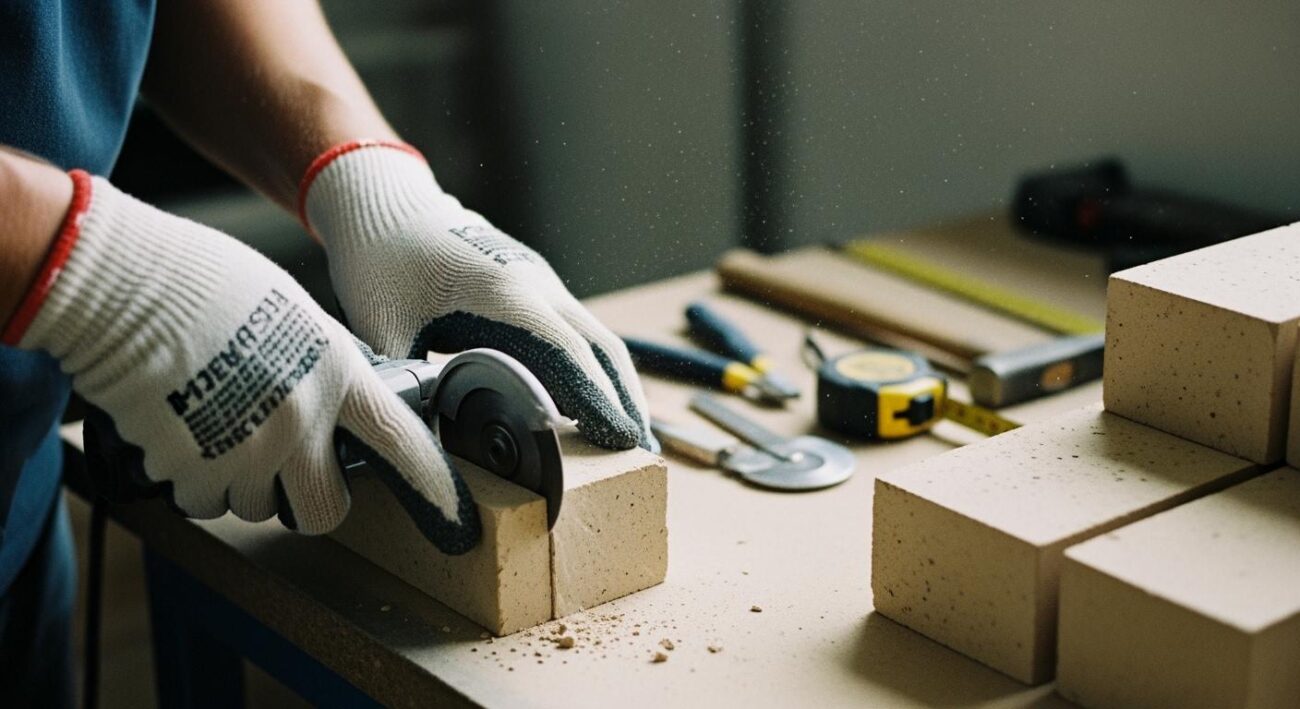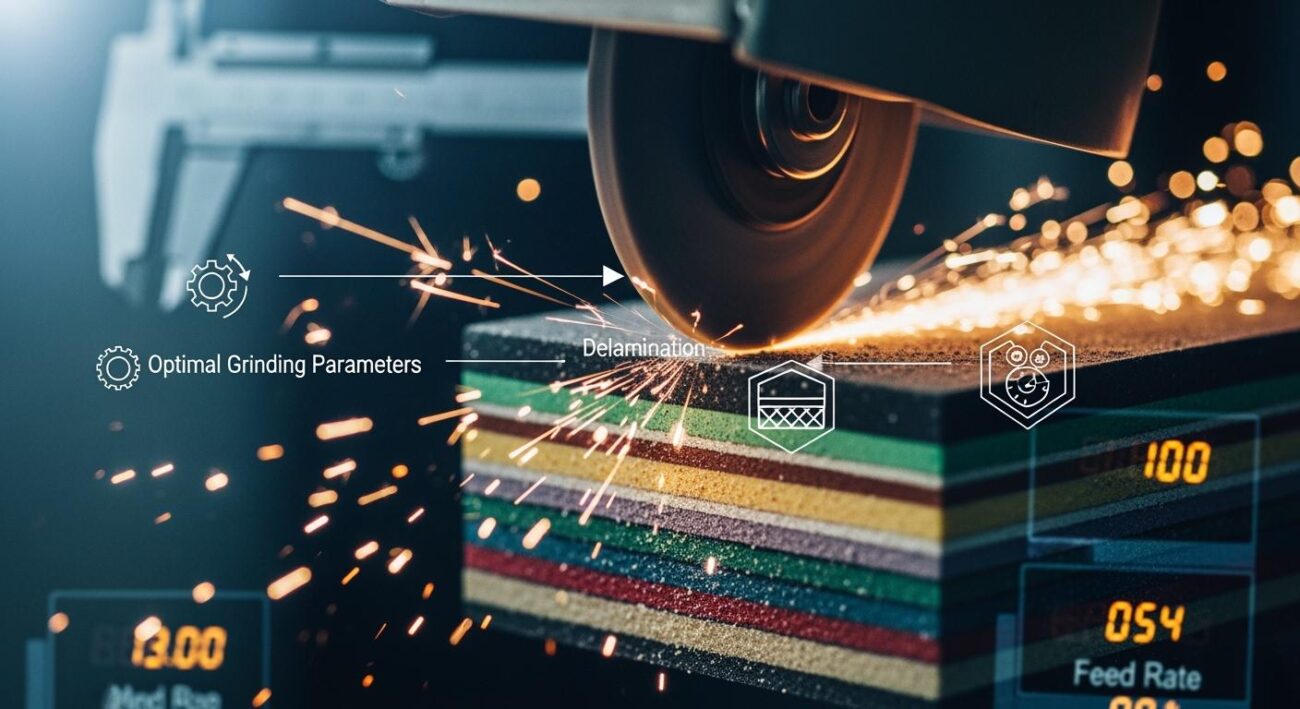
Different ceramics need different grinding methods. You must match the grinding process to the ceramic’s hardness, brittleness, and use. If you use diamond grinding wheels from Aimgrind, you get better results than with conventional wheels. The table below shows how these tools improve grinding efficiency and precision for ceramic materials:
| Feature | Diamond Grinding Wheels | Conventional Wheels |
|---|---|---|
| Service Life | Up to 80x longer | Shorter |
| Grinding Efficiency | Higher | Lower |
| Precision | Ultra-high | Standard |
| Material Handling | Tough and brittle | Limited |
| Eco-friendliness | Minimal dust, odor, heat | More waste |
For optimal grinding processes, always consider both the ceramic material and its application.
Key Takeaways
- Different ceramics require specific grinding methods based on their hardness and brittleness. Always match the grinding process to the ceramic’s properties for optimal results.
- Diamond grinding wheels outperform conventional wheels in efficiency and precision. Consider using Aimgrind’s diamond wheels for better performance in ceramic applications.
- Adjust grinding parameters like speed and feed rate according to the ceramic type. This helps achieve a smooth finish and reduces the risk of damage.
- Consult with experts or manufacturers for tailored advice on grinding techniques. Their insights can help you select the right tools and methods for your specific ceramic needs.
- Regularly analyze the surface finish and dress grinding wheels to maintain performance. This practice ensures high-quality results and prolongs tool life.
Why Ceramics Need Different Grinding Methods
Material Properties Affecting Grinding
You will notice that each ceramic has its own unique set of properties. Hardness, brittleness, and microstructure all play a big role in how you approach grinding. Ceramics are much harder than metals. This means you need special grinding methods and tools to shape or finish them. For example, you often use diamond grinding wheels or cubic boron nitride (CBN) wheels for the hardest ceramics. These tools help you achieve the right results without damaging the ceramic.
When you work with ceramics, you must think about more than just hardness. High hardness can make ceramics last longer during grinding, but it also makes them more brittle. If you use the wrong grinding methods, you risk chipping or breaking the ceramic. The microstructure of each ceramic also affects how it responds to grinding. Some ceramics, like zirconia, have high toughness and density. You need to use specific grinding techniques to avoid tool wear and to keep the ceramic from cracking.
You cannot use a one-size-fits-all approach for grinding ceramics. Each ceramic type needs its own grinding method. You must consider the ceramic’s hardness, the finish you want, and the application. The right grinding methods help you avoid tool wear, control heat, and remove material efficiently.
- Main reasons you need different grinding methods for ceramics:
- Hardness of the materials
- Desired surface finish
- Specific applications of the ceramics
- Tool wear considerations
- Heat generation
- Material removal rates
Challenges in Ceramic Grinding
Grinding ceramics comes with many challenges. You must manage tool wear, control the surface finish, and keep the grinding process efficient. Heat can build up quickly, which may damage the ceramic. Fracture toughness is another concern. If the ceramic cannot handle stress, it may break during grinding.
Tip: Always match your grinding method to the ceramic’s properties to reduce these risks.
| Challenge | Description |
|---|---|
| Tool wear | The grinding tool wears down over time. |
| Surface roughness | Achieving a smooth finish on the ceramic is tough. |
| Material removal rate | Removing ceramic material efficiently is difficult. |
| Heat generation | Grinding creates heat that can harm the ceramic. |
| Fracture toughness | Ceramics may break if they cannot handle stress. |
You must understand these challenges in ceramic grinding to choose the best grinding methods for each ceramic type. This knowledge helps you get better results and avoid costly mistakes.
Types of Ceramics in Grinding Applications
Alumina Ceramics
You often see alumina ceramic in many industries. This ceramic has high hardness and resists heat. You use it for spark plugs, furnace tubes, and cutting tools. Alumina ceramic is easy to grind with diamond wheels. You find it in paints, coatings, lithium batteries, and electronics. You also use it for pump parts, seals, and bearings. Alumina ceramic is common in precision grinding because it gives a smooth finish and lasts long.
Zirconia Ceramics
Zirconia ceramic stands out for its toughness and wear resistance. You use it for cutting tools, dental implants, and artificial joints. This ceramic is brittle and needs special grinding methods. Diamond grinding wheels help you avoid cracks and keep the surface smooth. You may use advanced techniques like ductile mode grinding or ultrasonic grinding to protect the ceramic. Zirconia ceramic is popular in medical and engineering fields.
Silicon Carbide Ceramics
Silicon carbide ceramic has high strength and thermal conductivity. You use it for rocket nozzles, heat exchangers, and bearings. This ceramic is hard and abrasive. You need advanced grinding methods like ultrasonic or jet milling. These methods help you get fine particles and keep the ceramic pure. Silicon carbide ceramic is important in aerospace and electronics. You must control the microstructure to balance toughness and hardness.
Porcelain Ceramics
Porcelain ceramic is used for general grinding and fine finishes. You find it in tiles, insulators, and laboratory equipment. Alumina, zirconia, and silicon carbide media help you grind porcelain ceramic. You must watch for microcracks and wheel wear. Smaller balls give finer outputs, while larger balls work for coarse materials. Porcelain ceramic is less tough than other types but still needs careful grinding.
Advanced Ceramics (e.g., Silicon Nitride, Mullite)
Advanced ceramic types include silicon nitride and mullite. These ceramics resist corrosion and thermal shock. You use them for bearings, seal rings, and cutting tools. Advanced ceramics are hard and brittle. You must use diamond grinding wheels and control the grinding force. Improper grinding can cause microcracks and subsurface damage. These ceramic types are common in high-tech industries like aerospace and defense.
Note: You see alumina, zirconia, and silicon carbide ceramics most often in precision grinding. These ceramic types need special grinding wheels and methods to get the best results.
| Ceramic Type | Core Characteristics | Typical Applications |
|---|---|---|
| Alumina Ceramic | High hardness, temperature resistance, excellent electrical insulation | Spark plugs, furnace tubes, cutting tools |
| Silicon Carbide Ceramic | High temperature strength, thermal conductivity, wear resistance | Rocket nozzles, heat exchangers, bearings |
| Silicon Nitride Ceramic | Self-lubricating, corrosion resistant, thermal shock resistant | Ceramic bearings, seal rings, cutting tools |
| Zirconia Ceramic | High toughness, wear resistant, biocompatible | Cutting tools, artificial joints, dental implants |
You must match the grinding method to the ceramic type. This helps you avoid damage and get a high-quality finish.
Grinding Methods by Ceramic Type
Grinding Methods for Alumina
You will find that alumina ceramic needs careful grinding techniques to achieve the best results. You can choose between wet and dry grinding methods. Wet grinding uses water or solvents as carriers. This method gives you finer and more uniform particles. It also lowers thermal stress on the ceramic and reduces wear on your ceramic grinding tools. Wet grinding makes cleaning easier, but you must dry the ceramic after the process.
Dry grinding uses direct mechanical force without liquids. This method works well for moisture-sensitive ceramics. You will notice that dry grinding generates more heat and can create uneven particle sizes. You need ceramic grinding tools with high impact resistance and low wear rates for this method. Always select the grinding technique that matches your ceramic’s needs and your desired finish.
- Wet grinding: Uses liquid carriers, produces fine, uniform particles, reduces tool wear, and lowers thermal stress.
- Dry grinding: Uses no liquids, suits moisture-sensitive ceramics, needs tools with high impact resistance, and can create more heat.
Grinding Methods for Zirconia
Zirconia ceramic stands out for its toughness and wear resistance. You must use special grinding techniques to avoid cracks and surface damage. Vitrified bond diamond wheels work best for zirconia. These ceramic grinding tools have a self-sharpening structure and handle high-speed grinding well. They also resist heat and wear, giving you precise control over the ceramic grinding process.
For the best results, use diamond grinding wheels with an average grain size of less than 25 microns. This size helps you grind zirconia in a plastic mode. Plastic mode grinding reduces surface cracks and gives you a smoother finish. Always monitor your grinding parameters to protect the ceramic and extend the life of your tools.
- Use vitrified bond diamond wheels for high-speed, precise grinding.
- Choose diamond wheels with grain sizes under 25 microns to minimize cracks.
- Control grinding speed and pressure to avoid surface damage.
Grinding Methods for Silicon Carbide
Silicon carbide ceramic is very hard and abrasive. You need advanced grinding techniques to achieve high precision. Modern laser ablation methods help you control the microstructure and reduce thermal damage. You can also use ultrasonic and hybrid field processes. These techniques help you move from brittle fracture to ductile grinding, which lowers the risk of defects.
You should adjust air pressure, feed rate, and classifier speed to fine-tune particle size and yield. Fluidized bed jet mills help you keep the particle shape and minimize deformation. This step is important for the performance of the ceramic in its final use. Following these grinding techniques ensures you get high-quality, high-purity silicon carbide powder for advanced ceramics and electronics.
- Use laser ablation for precise microstructural control.
- Apply ultrasonic and hybrid field processes for low-damage grinding.
- Adjust grinding parameters to control particle size and shape.
- Use fluidized bed jet mills to maintain particle integrity.
Grinding Methods for Porcelain
Porcelain ceramic needs gentle grinding techniques to avoid microcracks and tool wear. You can use alumina, zirconia, or silicon carbide grinding media. Smaller grinding balls give you finer outputs, while larger balls work for coarser materials. Always monitor the ceramic grinding process to prevent damage.
You should use ceramic grinding tools that match the hardness and brittleness of porcelain. Keep the grinding speed moderate and check the surface finish often. This approach helps you achieve a smooth, high-quality finish without damaging the ceramic.
- Use alumina, zirconia, or silicon carbide grinding media.
- Select ball size based on desired particle size.
- Monitor grinding speed and surface finish to avoid microcracks.
Grinding Methods for Advanced Ceramics
Advanced ceramics like silicon nitride and mullite require specialized grinding techniques. You must use diamond-coated ceramic grinding tools for cutting and shaping. These tools handle the extreme hardness of advanced ceramics. Controlled toolpaths help you achieve precision and minimize errors during the ceramic grinding process.
Low-stress cutting techniques reduce mechanical and thermal shocks. You should use high spindle speeds (above 20,000 RPM) and low feed rates (10-50 mm/min) to minimize tool wear. Cooling and lubrication strategies, such as dry cutting or minimum quantity lubrication (MQL), help you manage the thermal sensitivity of these ceramics.
| Method | Description |
|---|---|
| Diamond Tooling | Uses diamond-coated tools for cutting hard ceramics. |
| Controlled Toolpaths | Follows specific paths for precise machining and fewer errors. |
| Low-Stress Cutting | Reduces mechanical and thermal shocks during grinding. |
| Machining Parameters | High spindle speeds and low feed rates to minimize tool wear. |
| Cooling & Lubrication | Uses dry cutting or MQL to manage heat and protect the ceramic. |
Role of Diamond Grinding Wheels from Aimgrind
You will see that matching the right ceramic grinding tools to your ceramic type is essential. Aimgrind’s diamond grinding wheels offer you the best performance for all types of ceramics. These wheels come in resin, metal, and vitrified bonds. You can use them for wet or dry grinding techniques, depending on your ceramic and application.
Aimgrind’s diamond grinding wheels provide high cutting efficiency and long service life. They help you achieve ultra-high precision and smooth finishes. You can choose custom sizes and grit levels to match your ceramic grinding process. Aimgrind’s expertise ensures that your grinding methods and tools fit your ceramic’s properties and your equipment.
Tip: Always consult with Aimgrind when you need help selecting the right grinding techniques and ceramic grinding tools for your specific ceramic. Their team can help you optimize your ceramic grinding process for better results.
Factors Influencing Ceramic Grinding Method Selection
Hardness and Brittleness
You must look at the hardness and brittleness of each ceramic before you choose a grinding method. Hardness affects how easy it is to cut or shape the ceramic. Brittleness shows how likely the ceramic is to crack or break. You may think harder ceramics always wear down grinding tools faster, but that is not always true. For example, zirconia has high hardness and toughness, so it can last longer than silicon carbide during grinding. You must check the hardness ratio between the ceramic and the grinding media. This helps you understand the grindability and grinding difficulty of the ceramic. If you use superabrasive grinding wheels, you can handle tough ceramics and reduce tool wear.
Grain Size and Microstructure
Grain size and microstructure change how a ceramic reacts to grinding. Fine grains make the ceramic smoother and easier to polish. Large grains can cause rough surfaces and more grinding difficulty. You must study the microstructure to pick the right grinding method. Some ceramics have grains that resist fracture, so you need superabrasive tools for precision grinding. If you work with technical ceramics, you must use grinding wheels that match the grain size and structure. This helps you get a high-quality finish and keeps the ceramic strong.
Application and Equipment Requirements
You must match the grinding method to the ceramic’s application and the equipment you use. Different machines and tools work better for certain ceramics. Look at the table below to see what factors matter most:
| Factor | Description |
|---|---|
| Ceramic Grinding Machine | A rigid and accurate machine tool is essential for achieving stability and precision in grinding. |
| Ceramic Grinding Tools | The choice of tools, such as grinding wheels, is crucial and depends on the type of ceramic material. |
| Coolant Selection | Proper coolant helps in cooling and reducing heat generation, improving accuracy and preventing damage. |
| Wheel Dressing | Regular dressing maintains wheel profile and performance, optimizing cutting action and surface finish. |
| Surface Finish Analysis | Analyzing surface finish helps assess quality and make adjustments to grinding parameters or tools. |
You must also think about contamination risk and bead size. For ultra-fine milling, you may need Y-TZP zirconia beads. If you want low iron contamination, high-purity alumina beads work best. Silicon carbide beads help you grind ultra-hard ceramics and stay stable in acid.
Custom Solutions from Aimgrind
You can get custom grinding solutions from Aimgrind. Aimgrind helps you match superabrasive grinding wheels to your ceramic and your equipment. Their team studies your ceramic’s hardness, grain size, and application. They design grinding wheels that fit your needs and improve grindability. Aimgrind offers support for precision grinding of ceramics in many industries. You can trust their experience to solve grinding difficulty and get the best results.
Tip: If you face challenges with ceramic grinding, contact Aimgrind for expert advice and custom solutions.
Tips for Choosing the Right Ceramic Grinding Method
Practical Selection Advice
You can improve ceramic grinding applications by following a few simple steps. Start by understanding the differences between ceramics. Each ceramic has unique properties that affect how you approach grinding. For example, zirconia is tough and needs diamond tools, while mullite works well with traditional CNC milling. You must select the right ceramic based on its thermal conductivity and wear resistance.
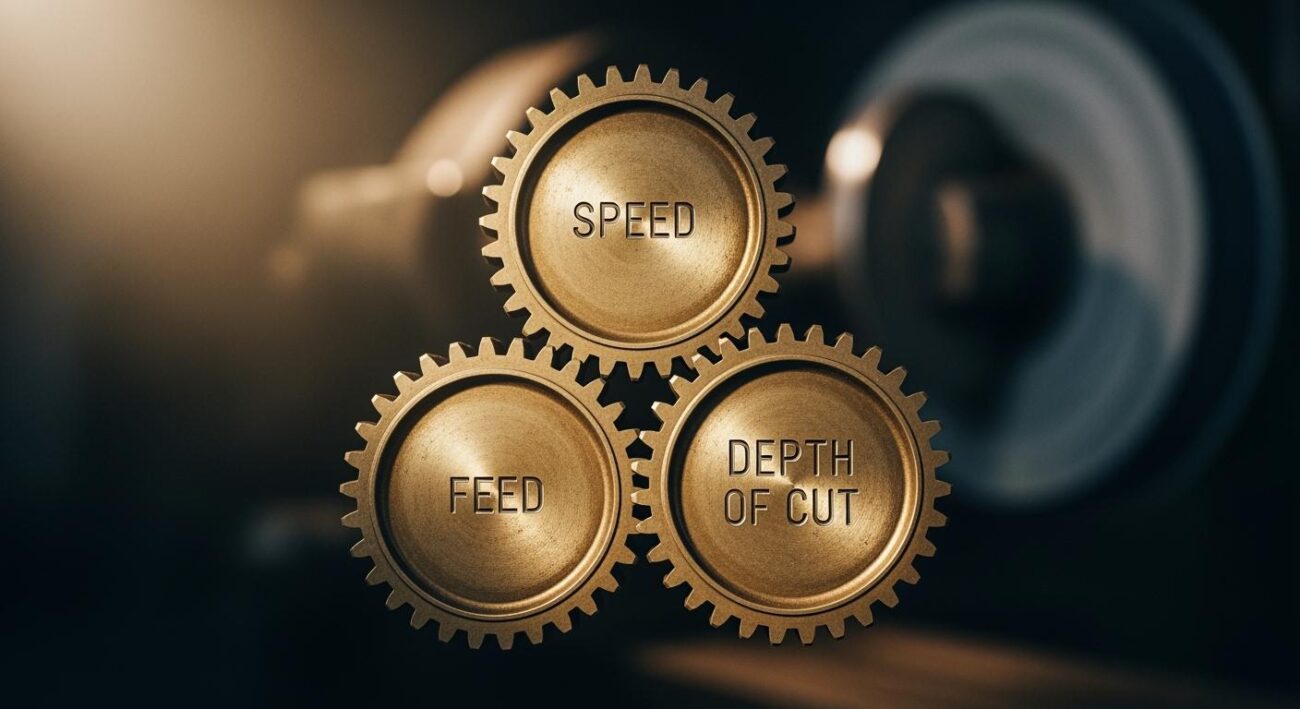
You should adjust grinding parameters for each ceramic. Change the grinding speed, feed rate, depth of cut, and wheel grit size to get the best results. Use coolants to manage heat and prevent thermal damage during ceramic grinding applications. Regular wheel dressing keeps your grinding wheel sharp and improves surface finish. Analyze the ground surface often and make adjustments as needed.
Here is a quick checklist for ceramic grinding applications:
- Understand material differences between ceramics.
- Select appropriate tools for each ceramic.
- Adjust grinding techniques based on ceramic properties.
- Use coolants to control heat.
- Dress grinding wheels regularly.
- Analyze surface finish and make changes.
Tip: Always match your grinding method to the ceramic type and application. This helps you avoid damage and achieve a high-quality finish.
Consulting with Experts and Manufacturers
You can get better results in ceramic grinding applications by consulting with experts and manufacturers. Specialists know how to handle ceramics with high hardness and brittleness. They provide advice on optimal grinding methods and machine settings for each ceramic. You gain access to custom solutions that improve surface finish and dimensional accuracy.
Aimgrind offers support for ceramic grinding applications. Their team helps you select the right grinding wheels and techniques for your ceramic. You can ask for tailored recommendations based on your ceramic’s properties and your equipment. Experts help you solve challenges in ceramic grinding applications and achieve the best results.
Note: Reach out to Aimgrind for personalized advice. Their experience in ceramic grinding applications ensures you get the right tools and methods for your ceramic.
You need to match the grinding method to each ceramic type for the best results. Every ceramic has unique properties, such as thermal conductivity and brittleness. You must select the right machining method and adjust CNC techniques to optimize your process. Specialized tools like Aimgrind diamond grinding wheels help you achieve high precision and reduce chipping.
- Understand the properties of ceramics before choosing a grinding method.
- Use diamond abrasives for dense ceramics and select the right grit size, bond type, and wheel speed.
- Consult manufacturers for complex ceramic grinding applications. They offer custom solutions and share the latest innovations.
- Stay updated on advancements in ceramic grinding technologies. Modern systems improve energy efficiency and product quality.
You can improve your ceramic grinding process by learning from experts and using advanced tools. Keep exploring new technologies to enhance your results.
FAQ
What makes ceramic grinding different from metal grinding?
You use a different process for ceramics because they are harder and more brittle than metals. The process needs special tools like diamond grinding wheels. You must control the process to avoid cracks and get a smooth finish.
How do you choose the right grinding wheel for ceramics?
You look at the ceramic type and the process you want. Diamond grinding wheels fit most ceramic grinding process needs. You match the wheel bond and grit size to your process and ceramic properties.
Can you use the same process for all ceramics?
You cannot use the same process for every ceramic. Each ceramic needs a unique process. You must adjust the process based on hardness, brittleness, and microstructure. The process changes to fit the ceramic and the application.
Why is the process important in ceramic grinding?
The process controls how you shape, finish, and protect the ceramic. A good process reduces tool wear and prevents damage. You get better results when you match the process to the ceramic type.
How does Aimgrind help with the ceramic grinding process?
Aimgrind offers custom grinding wheels and advice for your process. You get support for matching the process to your ceramic and equipment. Aimgrind helps you optimize the process for precision and efficiency.
Tip: Always review your process before starting ceramic grinding. The right process improves quality and saves time.
| Step in Process | What You Do |
|---|---|
| Material Selection | Choose the ceramic for your process |
| Tool Choice | Pick grinding wheels for your process |
| Parameter Setting | Adjust speed and feed for your process |
| Cooling | Use coolant in your process |
| Surface Check | Inspect finish after the process |
Contact Us
For More Grinding Solution or Customized Abrasive Tools