

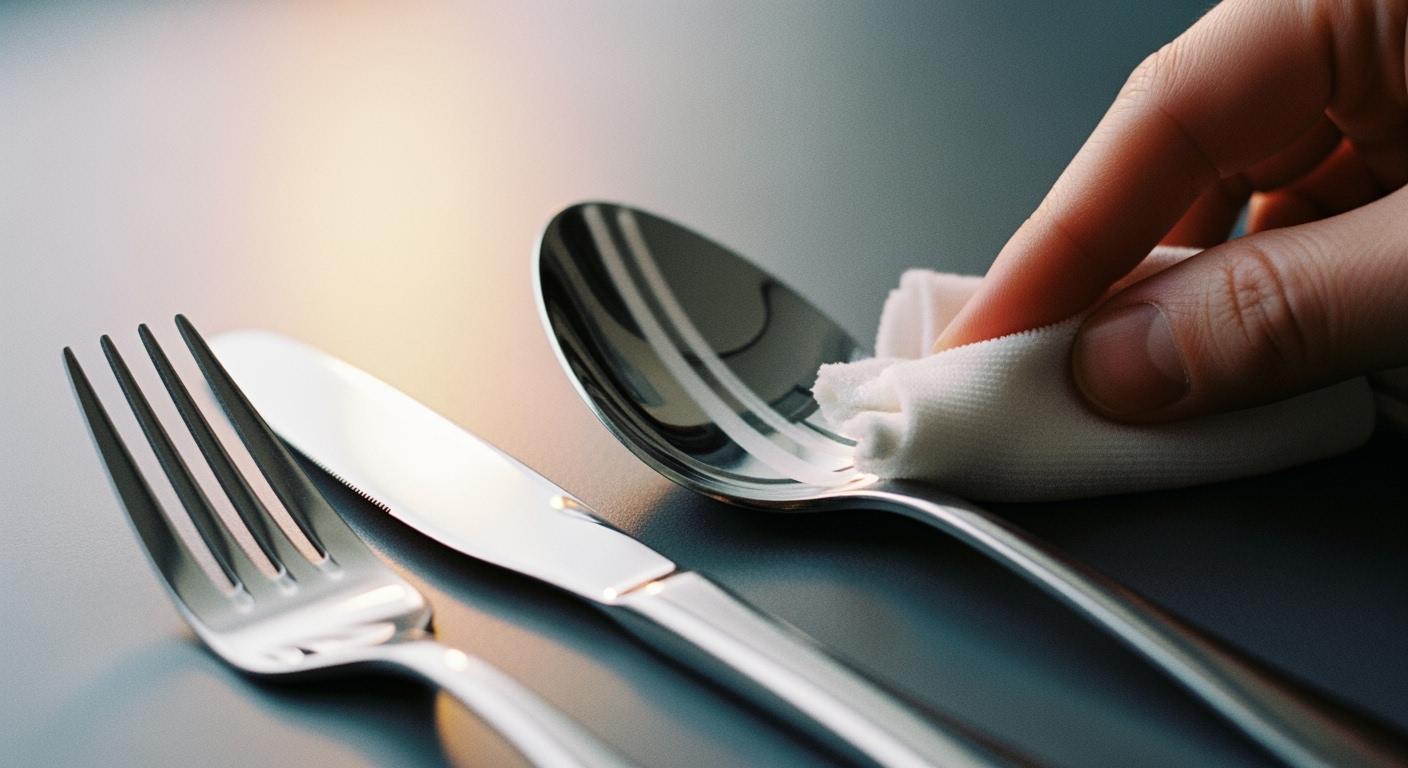
You can eliminate polishing marks on stainless steel cutlery by using gentle cleaning agents and proper polishing techniques. Many people find success with household items such as stainless steel cleaners, scratch removers, and microfiber cloths. Experts recommend always working along the grain of the steel to protect the surface. For a more professional finish, you can use specialized tools like Aimgrind Polishing Wheels. These methods are safe, effective, and easy for anyone to follow at home.
Key Takeaways
- Identify polishing marks by looking for fine lines, swirls, or dull spots on your cutlery. Good lighting helps spot these imperfections early.
- Use gentle cleaning methods like baking soda paste or specialized stainless steel cleaners to remove stains without scratching the surface.
- Always clean and polish along the grain of the steel to avoid creating new marks. This technique preserves the cutlery’s shine.
- Rinse and dry your cutlery immediately after use to prevent water spots and mineral deposits. Use a soft towel for drying.
- Regular maintenance with tools like Aimgrind Polishing Wheels can help achieve a professional finish and keep your cutlery looking new.
Identify Polishing Marks
What Polishing Marks Look Like
You can spot polishing marks on stainless steel cutlery by looking for fine lines, swirls, or cloudy patches on the surface. These marks often appear as light scratches that run in one direction or as dull spots that break up the shine. Sometimes, you may notice a rainbow-like effect or streaks that do not wash away with regular cleaning. If you hold your cutlery under a bright light, these imperfections become easier to see. Polished stainless steel shows scratches more clearly because of its shiny finish. Satin stainless steel hides small scratches and nicks better due to its textured surface.
Tip: Always check your cutlery in good lighting to spot any marks early. This helps you address them before they become harder to remove.
Causes of Polishing Marks
Many things can cause polishing marks on your stainless steel cutlery. Using rough or dirty cleaning pads can scratch the surface. Cleaning against the grain of the steel also leads to visible lines. Sometimes, using harsh chemicals or abrasive powders can leave behind dull spots or streaks.
Water quality plays a big role, too.
- Hard water contains minerals like calcium and magnesium. When water dries on your cutlery, these minerals leave behind cloudy spots and films.
- Even soft or moderately hard water can cause stains, but hard water makes the problem worse.
- If you let cutlery air dry, mineral deposits can become stubborn marks.
Different grades of stainless steel react differently. Polished finishes show scratches more, while satin finishes hide them better. Knowing what causes these marks helps you prevent them and keep your cutlery looking its best.
How to Eliminate Polishing Marks
Tools and Materials Needed
You need the right tools and materials to eliminate polishing marks from stainless steel cutlery. The best cleaning method depends on the type of stains and the finish of your cutlery. Here is a table that shows common methods and their steps:
| Method | Steps |
|---|---|
| Polishing Compound Method | 1. Choose an appropriate polishing compound. 2. Apply with a polishing pad or microfiber cloth. 3. Spread along the grain. 4. Remove residuals and examine results. |
| Sandpaper Method | 1. Start with coarse grit sandpaper. 2. Sand in the direction of the grain. 3. Use polishing products to restore shine. 4. Final polishing is required. |
| Method with Olive Oil | 1. Dab a clean towel with olive oil. 2. Buff in the direction of the grain. 3. Wipe away remaining oil. |
| Fine-Grit Sandpaper | Use 800-grit sandpaper to buff out scratches, scrubbing lightly in line with the grain. 400-grit soaked in water can also work, but caution is advised. |
Tip: Avoid abrasive pads like steel wool. Do not rub against the grain or in a circular motion. Stay away from chlorine-based cleaners. Do not apply heavy pressure. Always use a clean cloth.
Using Baking Soda Paste
Baking soda paste is an easy way to clean stains and eliminate polishing marks. You can mix baking soda with water to form a thick paste. Spread the paste on the affected area. Rub gently with a soft cloth along the grain. Baking soda is a mild abrasive. It lifts tough stains but can scratch the surface if you use it too often.
Here is a comparison of baking soda paste and commercial cleaners:
| Cleaning Method | Effectiveness on Polishing Marks | Long-term Maintenance | Protective Layer |
|---|---|---|---|
| Baking Soda Paste | Effective for tough stains | Not ideal | No |
| Commercial Cleaners | Designed for cleaning and shine | Ideal | Yes |
While baking soda is a popular cleaning method, it may not be the best for long-term shine. Its abrasive nature can cause tiny scratches. Commercial cleaners are designed to clean and protect stainless steel. They help maintain shine and prevent future stains.
Note: Baking soda is an easy way to clean, but you should use it sparingly. For lasting shine, choose a cleaner made for stainless steel.
Fine Sandpaper and Bar Keepers Friend
You can use fine sandpaper to eliminate polishing marks and stains. Choose sandpaper with grit P240 or higher. Aluminum oxide and silicon carbide are good materials for sandpaper. Wet the sandpaper with water. Rub gently along the grain. Do not use heavy pressure. After sanding, apply Bar Keepers Friend or another polishing product. Buff with a microfiber cloth to restore shine.
Alert: Always sand in the direction of the grain. Rubbing against the grain can make marks worse.
Aimgrind Polishing Wheels for Professional Results
Aimgrind Polishing Wheels offer a professional solution to eliminate polishing marks. These wheels are made for precision and durability. You can use them with standard polishing machines. They adapt to the surface and provide a smooth finish. Aimgrind Polishing Wheels work well for tough stains and deep marks. They save time and deliver consistent results.
Here is a comparison of DIY and professional solutions:
| Aspect | DIY Solutions | Professional Solutions |
|---|---|---|
| Initial Cost | Cost of the kit and add-ons | Cost per service appointment |
| Total Cost of Ownership | Includes rework and replacement costs | Fewer interventions needed over time |
| Edge Quality | Varies based on skill and learning curve | Generally higher and more consistent |
| Time Investment | Learning curve and prep time | Saves time in the long run |
Aimgrind Polishing Wheels help you eliminate polishing marks quickly. You get a high-quality finish with less effort. You can find more about these wheels at Aimgrind’s website.
Tip: For the best results, use Aimgrind Polishing Wheels along the grain. This method is safe and effective.
Rinsing and Drying Tips
Proper rinsing and drying prevent new stains and polishing marks. Rinse your cutlery right after use. This removes food particles and stops stains from forming. Dry your cutlery with a soft towel immediately after washing. Do not let cutlery air dry. Air drying can cause mineral deposits and water spots.
- Rinse immediately after use.
- Dry thoroughly with a soft towel.
- Avoid air drying.
Note: These steps are an easy way to clean and maintain your cutlery. You keep your stainless steel shiny and free from stains.
By following these steps, you can eliminate polishing marks and keep your cutlery looking new. Use gentle techniques and always work along the grain. Choose the right cleaning method for your needs. Aimgrind Polishing Wheels provide a professional and easy way to clean stainless steel cutlery.
Clean Stainless Steel Cutlery and Prevent Marks
Best Cleaning Practices
You can clean stainless steel cutlery and prevent marks by following a simple routine. Start by boiling water in a kettle. Lay a sheet of tin foil in your sink with the shiny side up. Arrange your cutlery on the foil, front side up. Sprinkle baking soda over the utensils. Pour white vinegar on the baking soda and let it foam. Pour boiling water over the mixture to boost cleaning. Soak if needed, then hand wash with dish soap and a gentle scrubber. Rinse and dry the utensils. This method helps you clean stainless steel utensils and keeps them shiny.
Flitz Metal Polish Paste works well for routine care. It cleans and protects without harsh abrasives. You can also use a gentle polishing paste made from baking soda and vinegar. Specialty stainless steel cleaners clean without scratching and leave a streak-free finish. For stubborn stains, use a paste of baking soda and water. For rust spots, mix baking soda and lemon juice.
Tip: Always dry your utensils after cleaning. This prevents water spots and keeps your cutlery looking new.
Safe Polishing Techniques
You protect your cutlery by using safe polishing techniques. Avoid abrasive cleaners or sponges. Be gentle when you clean stainless steel cutlery. Work in the direction of the grain, sometimes in circles. Always use soft cloths like microfiber. Shop for items with scratch-free surfaces. Regular polishing with Aimgrind Polishing Wheels gives you a professional finish and helps maintain quality.
| Technique | Benefit |
|---|---|
| Microfiber Cloth | Prevents scratches |
| Aimgrind Wheels | Delivers consistent shine |
| Gentle Pressure | Avoids new marks |
Storage and Handling Tips
You can prevent polishing marks by storing and handling your cutlery carefully. Use non-abrasive cleaning tools. Dry thoroughly after washing to stop water spots. Store cutlery so pieces do not touch each other. This minimizes the risk of surface markings.
- Use utensil trays or holders.
- Keep cutlery separated.
- Avoid stacking utensils.
You keep your clean stainless steel utensils looking their best by following these tips. Regular maintenance with Aimgrind Polishing Wheels ensures a lasting shine.
Common Mistakes and Maintenance
Errors to Avoid
You can keep your stainless steel cutlery looking new by avoiding common mistakes. Many people make errors that lead to scratches, stains, or dull spots. Here are some mistakes you should watch out for:
- Overcrowding cutlery in the dishwasher or storage causes scratches.
- Soaking cutlery for long periods can lead to corrosion and water spots.
- Using harsh or abrasive cleaners damages the polished surface.
- Mixing stainless steel with silver or aluminum items in storage or the dishwasher may cause stains from chemical reactions.
- Leaving cutlery exposed to acidic foods like tomato sauce or vinegar dulls and damages the surface.
- Air drying cutlery allows water spots and mineral deposits to form.
Tip: Rinse cutlery as soon as possible after use and dry it immediately to prevent water spots and stains.
Routine Care Tips
You can maintain a polished finish on your cutlery with a few simple steps. Manufacturers recommend these routine care tips:
- Clean cutlery in hot water with a mild, neutral detergent before first use and after each meal.
- Avoid synthetic detergents with chlorine or strong alkaline agents.
- Remove food residues quickly, especially those containing salt, lemon, vinegar, or tomatoes.
- Dry cutlery thoroughly after washing to prevent moisture that can cause corrosion.
- Buff cutlery at the end of cleaning with a soft cloth, moving along the grain to restore shine and prevent cloudy residue.
Regular washing and drying help keep your cutlery in pristine condition. Buffing after each cleaning session ensures a brilliant finish and reduces the risk of watermarks.
You can bring back the beautiful gloss to your stainless steel cutlery by using gentle cleaning methods and the right tools. Aimgrind Polishing Wheels help you achieve a professional finish with less effort. Follow these steps for best results:
- Use non-abrasive cloths and clean along the grain.
- Choose safe cleaners and rinse well.
- Dry cutlery immediately after washing.
- Inspect and polish regularly.
With proper care, your cutlery can last over a decade and stay spotless for years.
FAQ
How often should you clean stainless steel cutlery to prevent polishing marks?
You should make cleaning a daily habit. Wash your cutlery after every meal. Dry it right away. This routine keeps your cutlery shiny and helps you avoid polishing marks.
What is the safest way to remove tough stains during cleaning?
Use a baking soda paste for cleaning. Rub gently with a soft cloth. Always move along the grain. Rinse well. Dry with a towel. This method protects your cutlery from scratches.
Can you use dishwashers for cleaning stainless steel cutlery?
You can use a dishwasher for cleaning, but hand cleaning works best. Dishwashers may cause water spots or marks. Dry your cutlery right after the cycle ends. This step prevents new stains.
Why do you need to dry cutlery after cleaning?
Drying after cleaning stops water spots and mineral deposits. Use a soft towel. Do not let cutlery air dry. This simple step keeps your cutlery looking new.
How do Aimgrind Polishing Wheels help with cleaning and polishing?
Aimgrind Polishing Wheels make cleaning and polishing easy. You get a smooth, shiny finish. These wheels work well for deep marks. Use them with your regular cleaning routine for the best results.
Contact Us
For More Grinding Solution or Customized Abrasive Tools