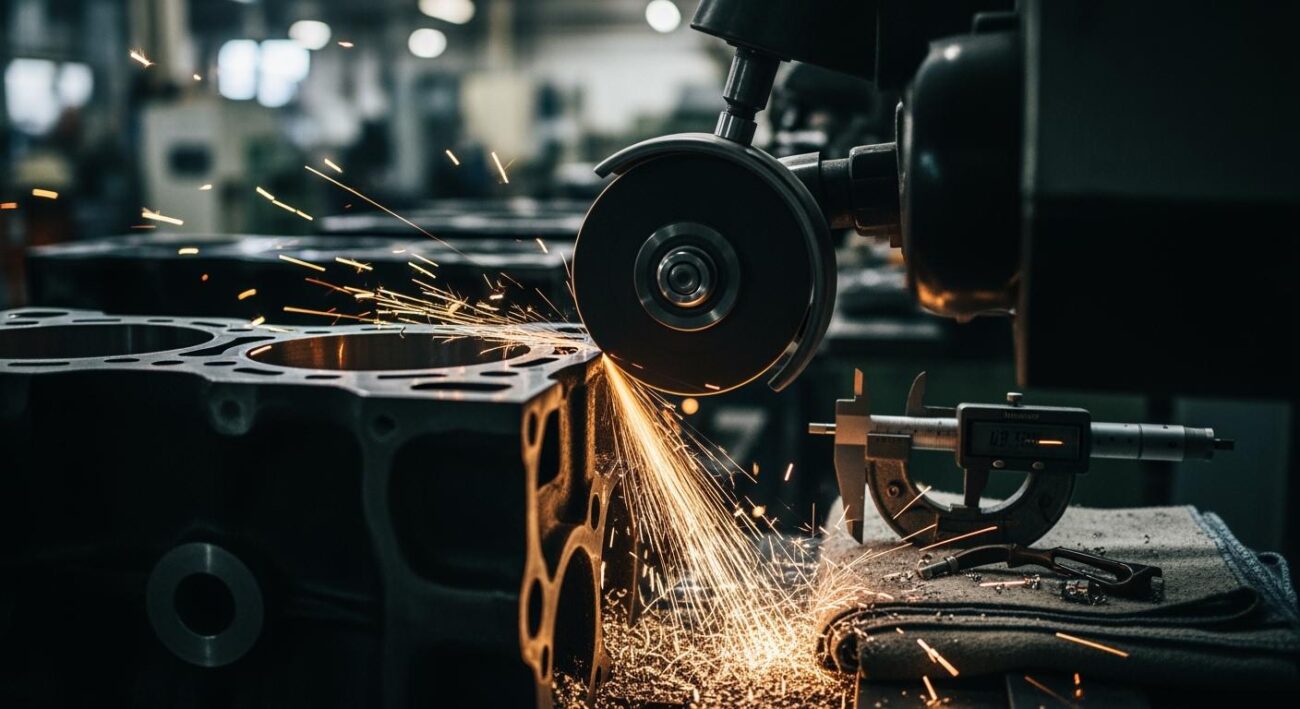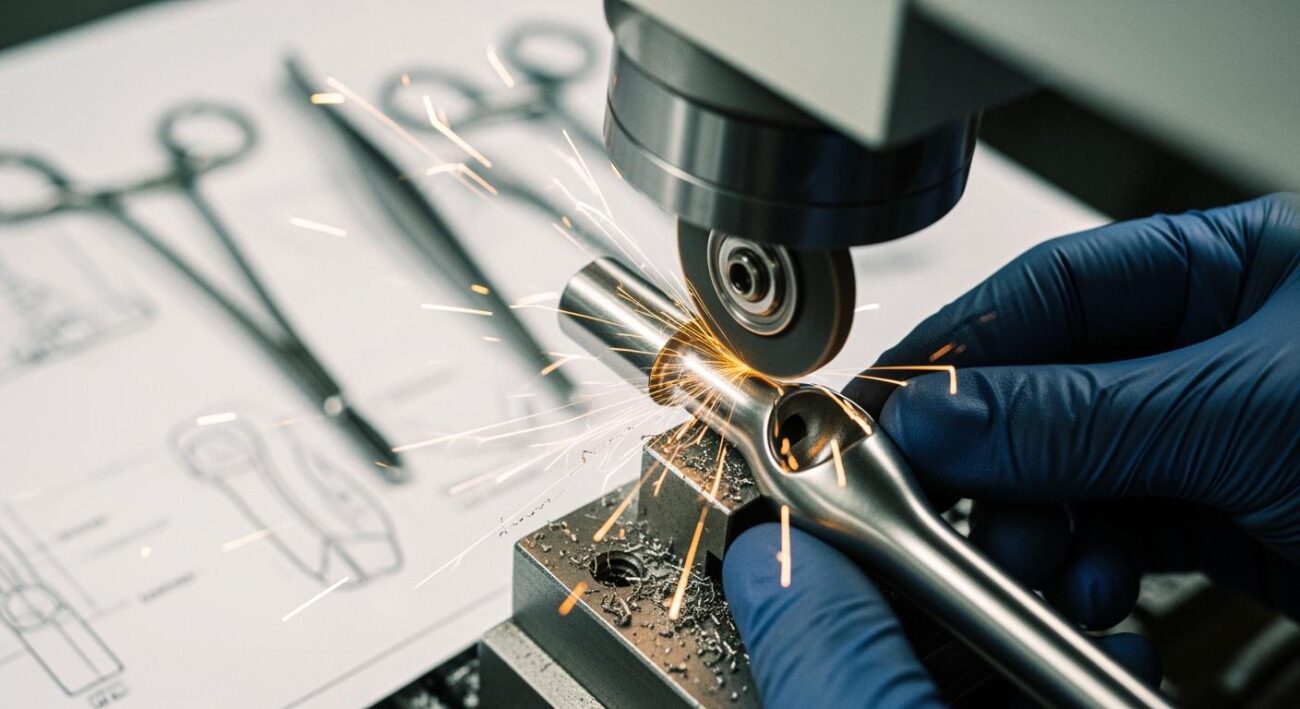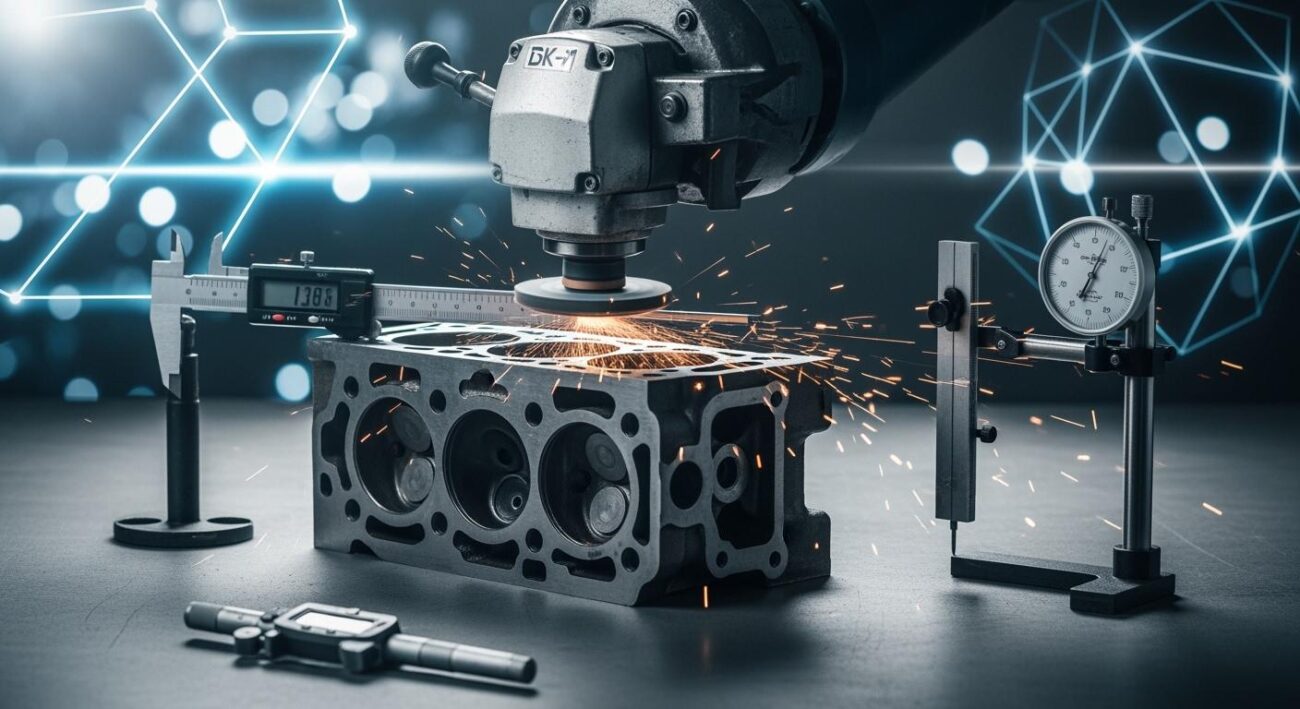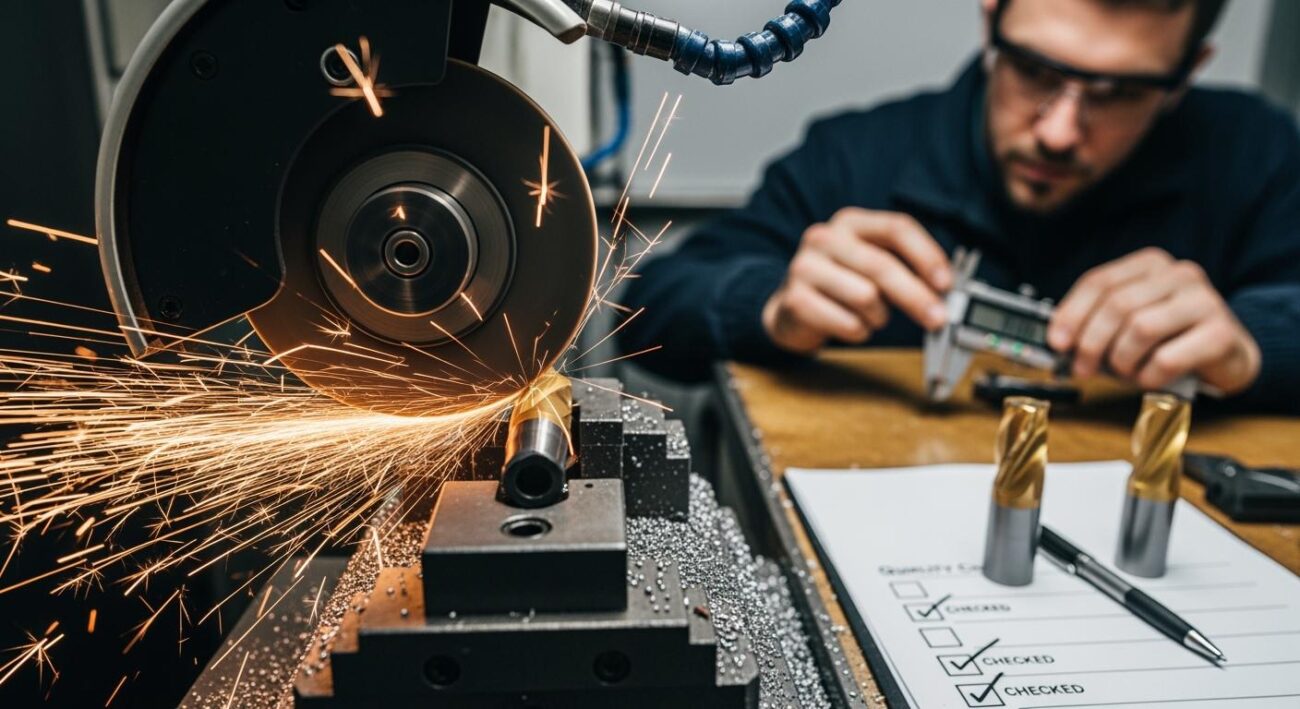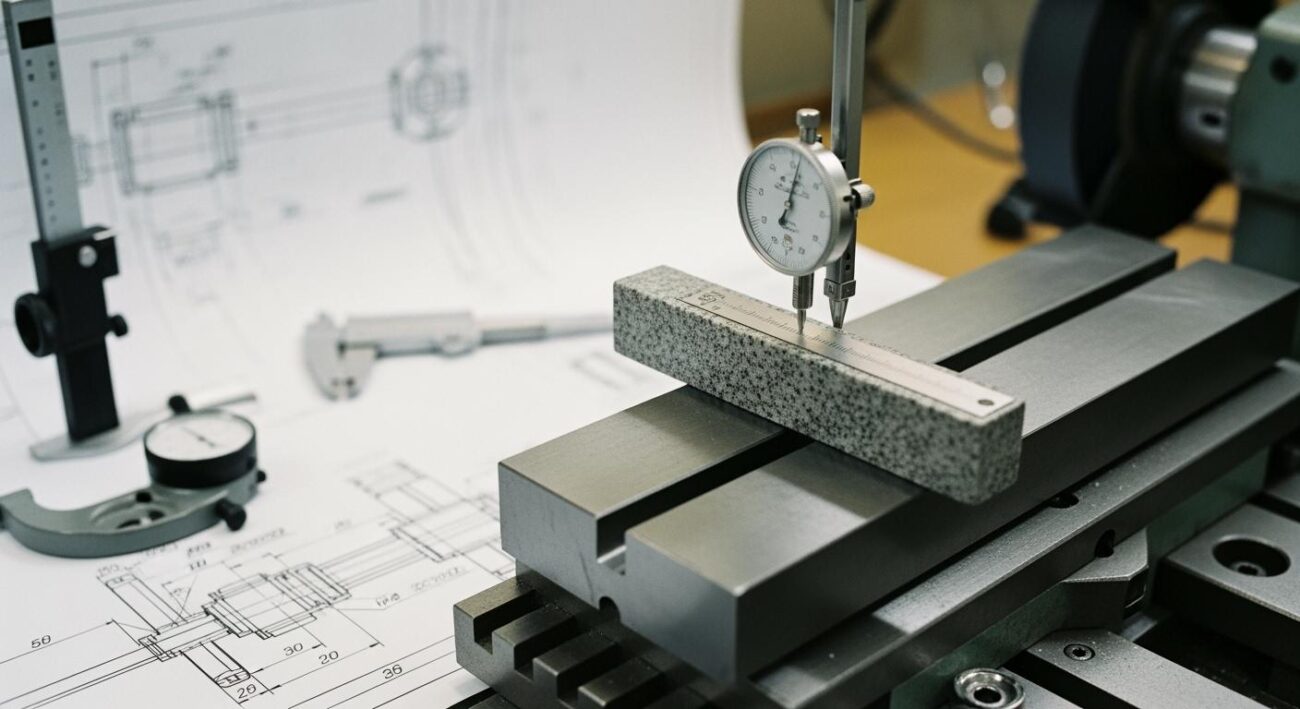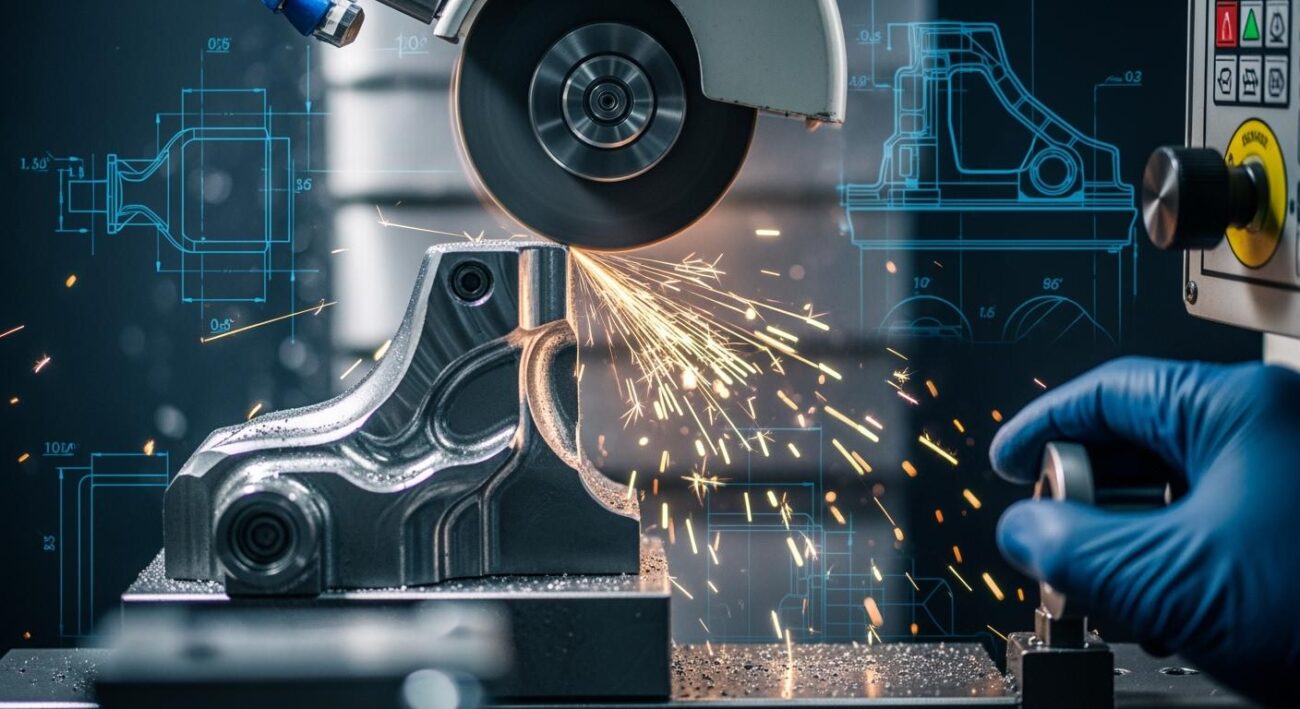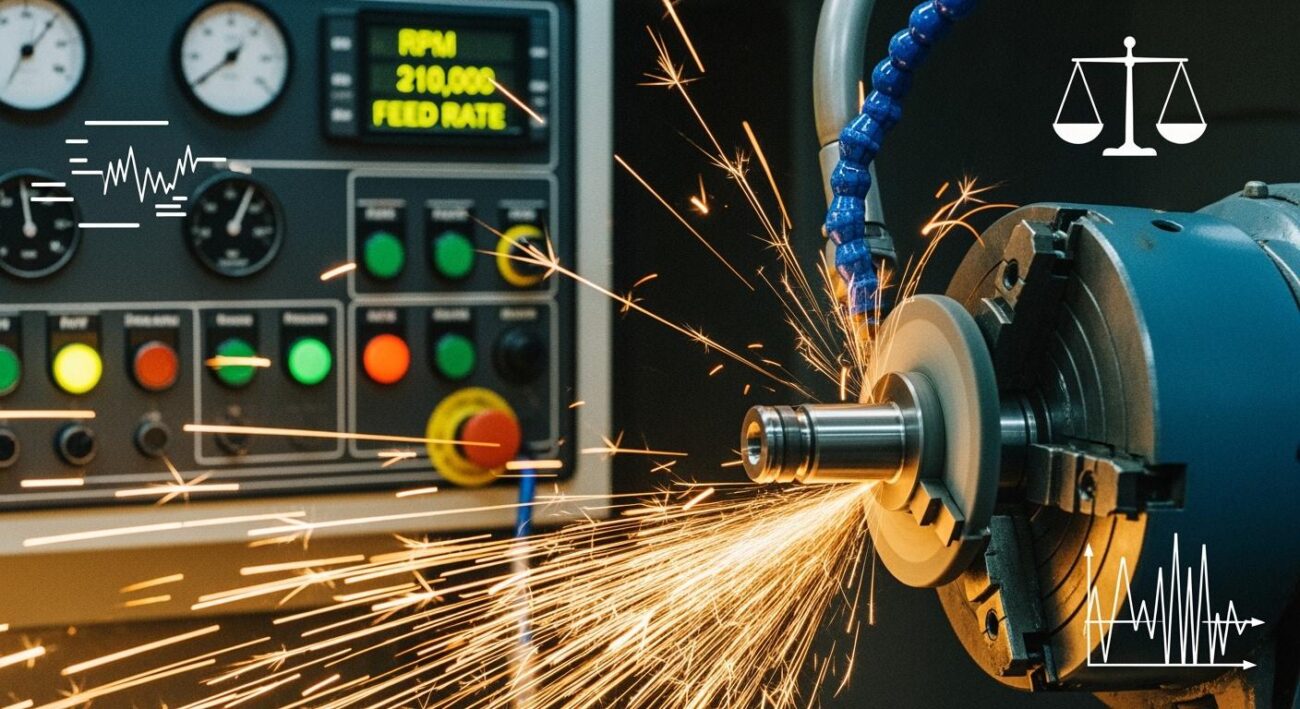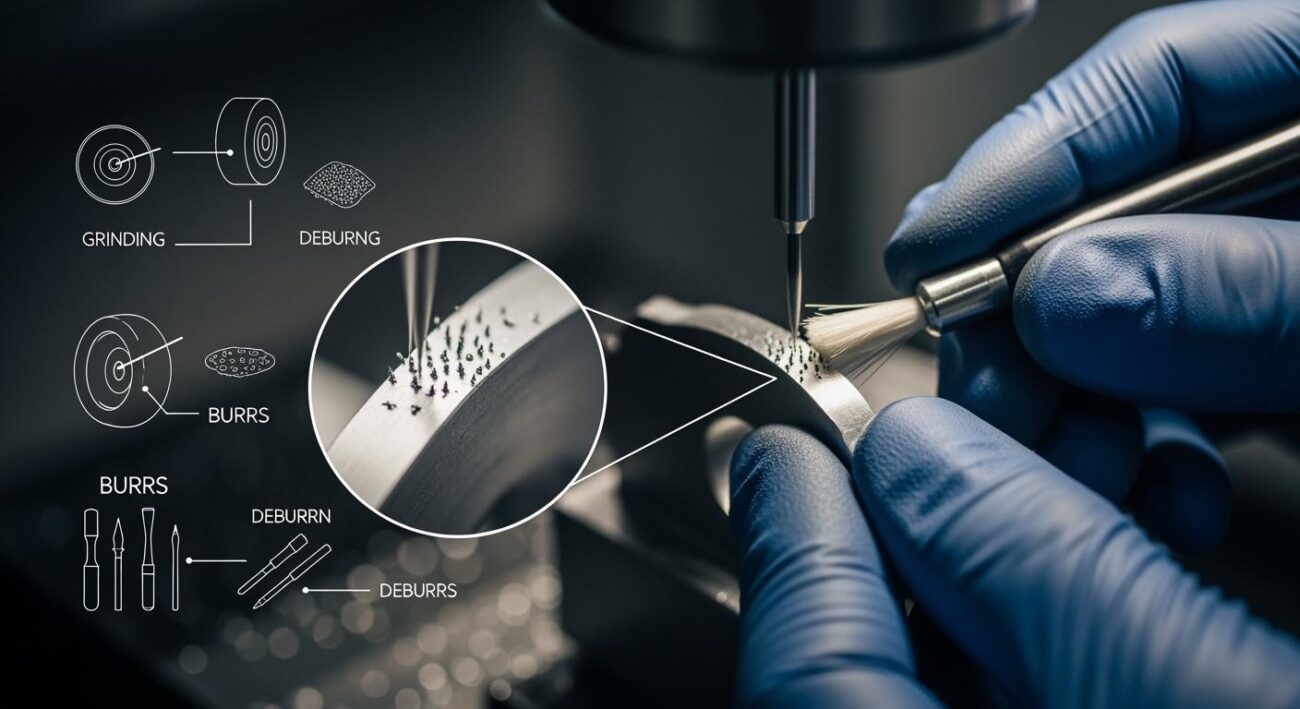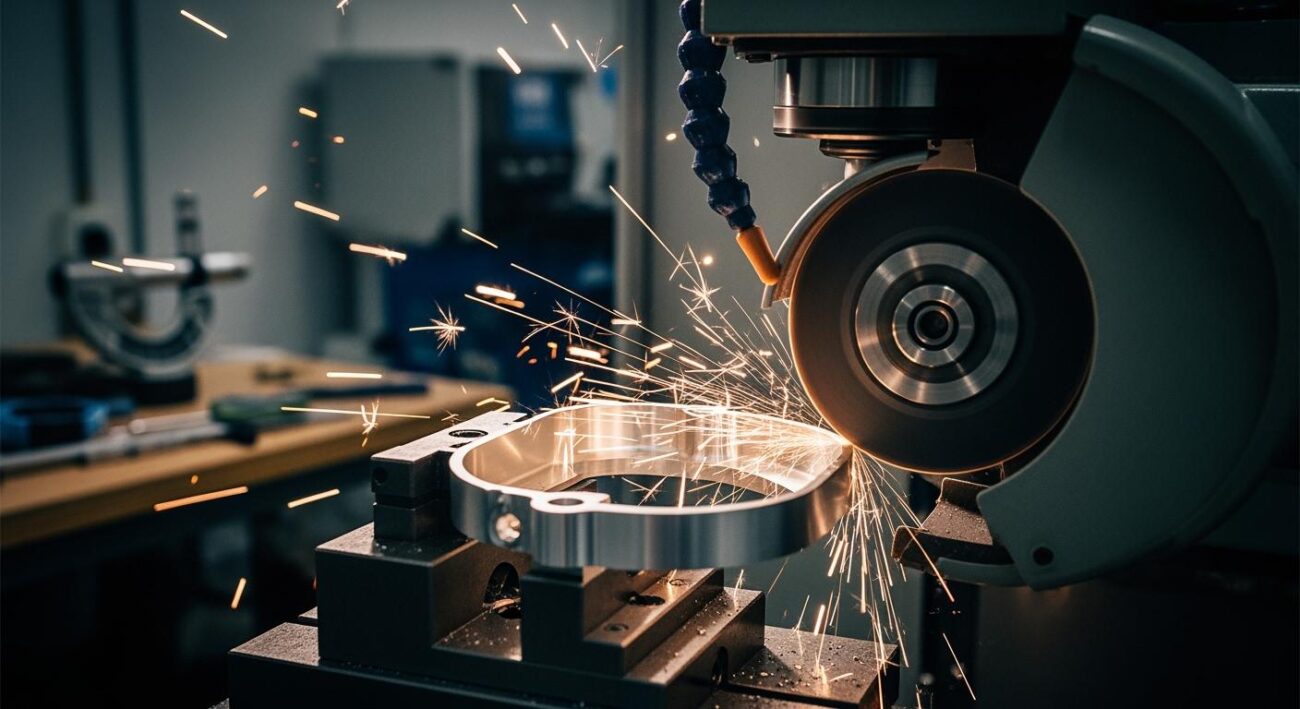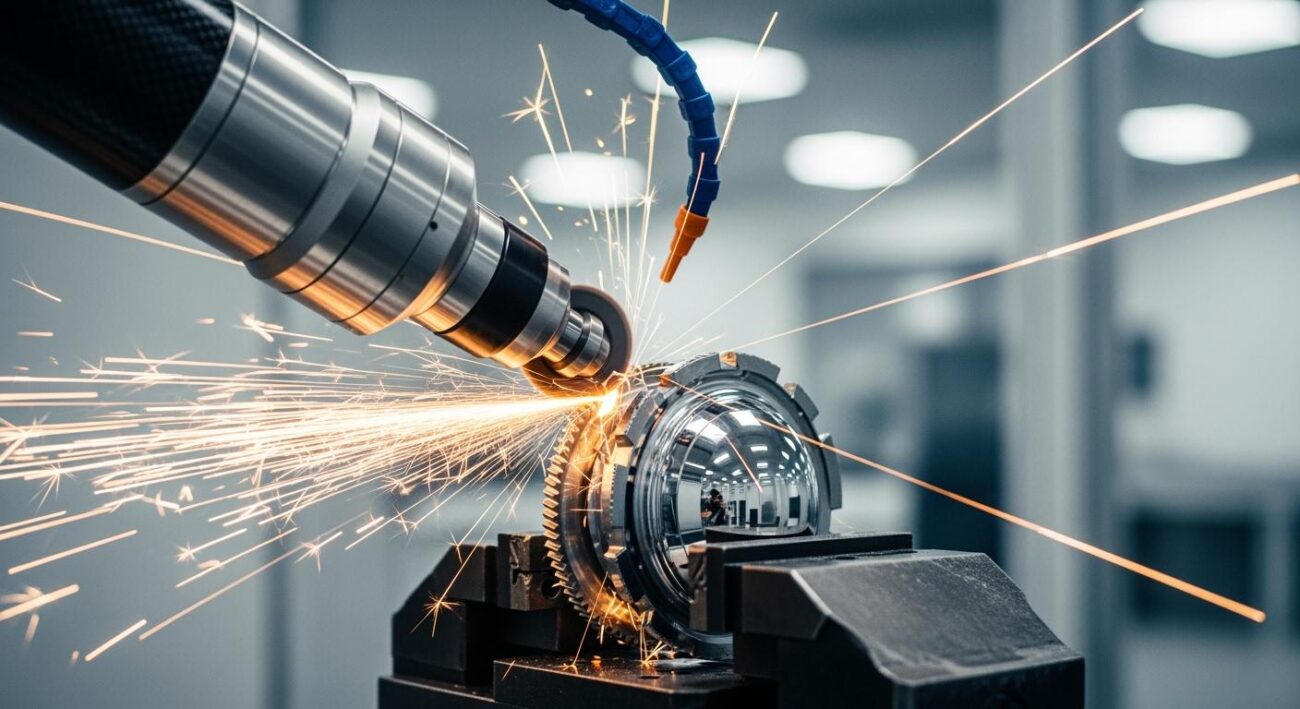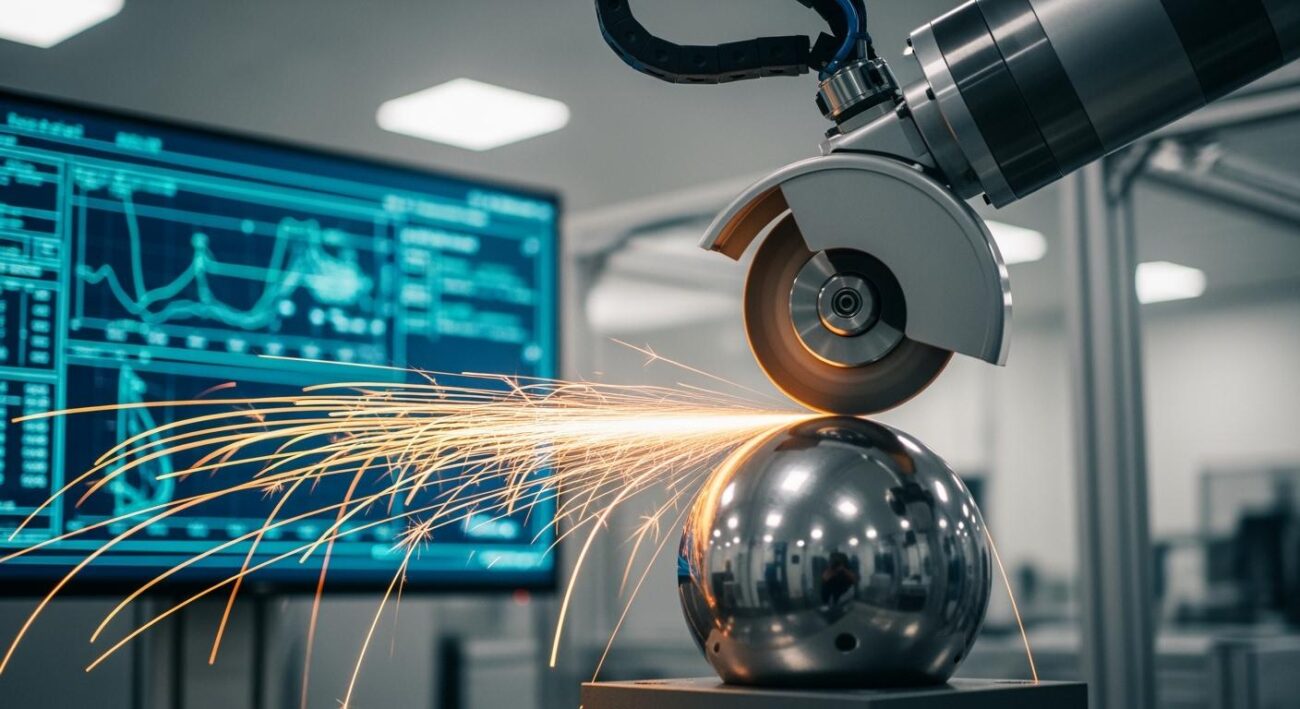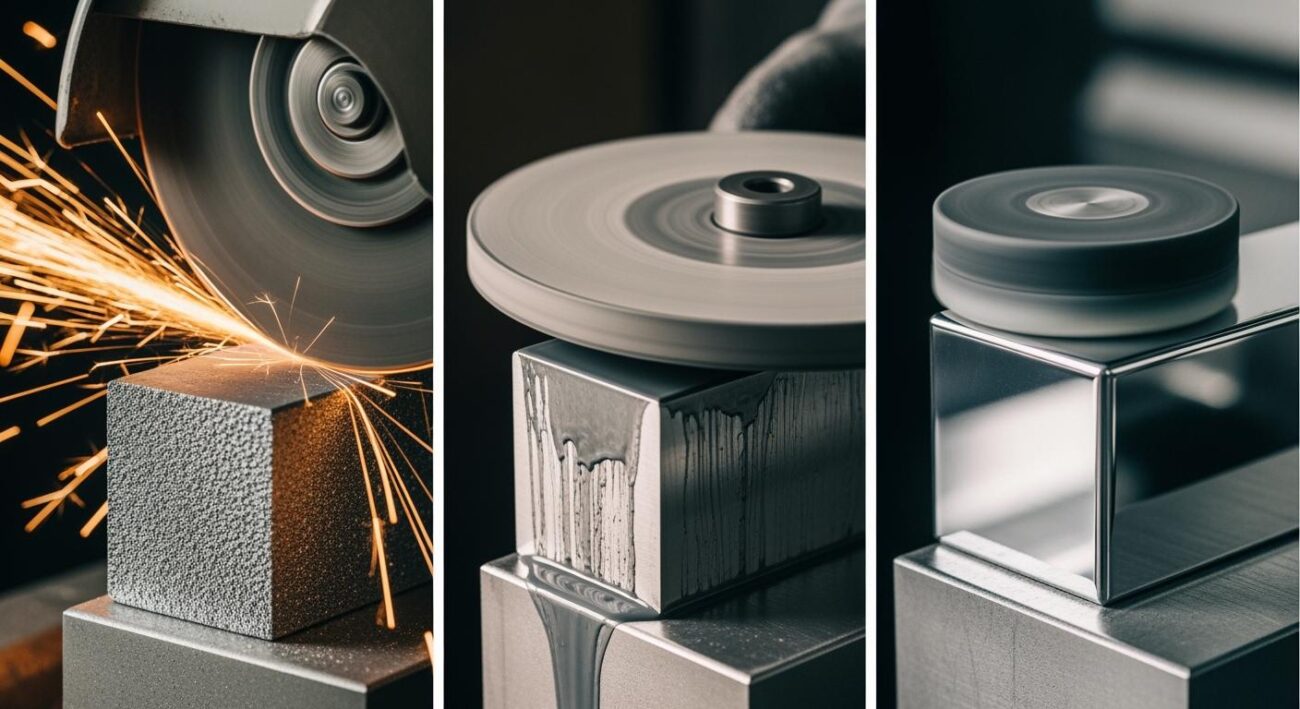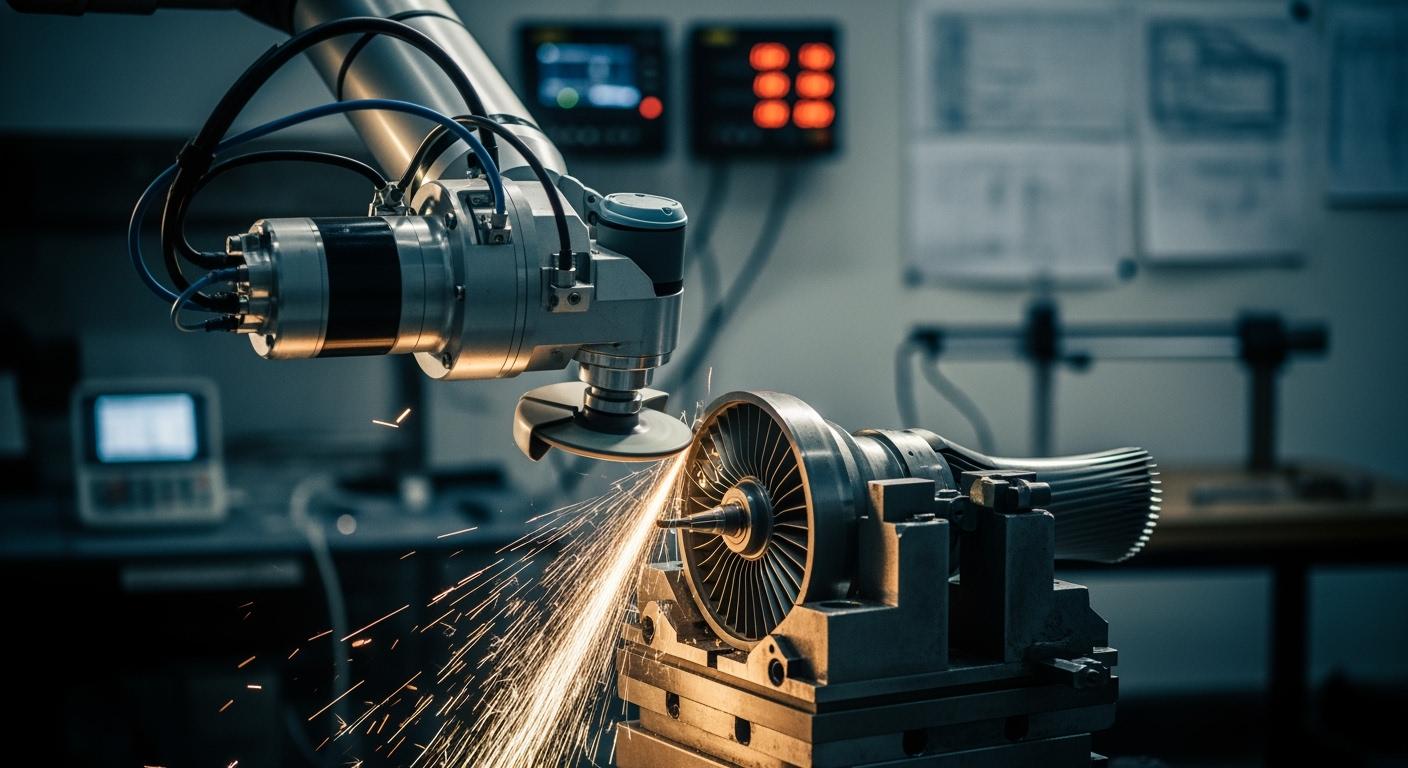
You achieve precision control in aerospace blade grinding by using specialized tools and advanced grinding machines. This process ensures each blade meets strict tolerances for shape and surface quality. Precision matters because even small errors can affect how a blade performs and how safe it is in flight. When you use advanced grinding technologies, you help extend the lifespan of aerospace blades.
- Cryogenically treated turbofan components show improved wear resistance and thermal stability.
- The lifespan of components can increase by 200-400% while keeping dimensional stability during thermal cycling.
- Advanced engine control systems help minimize degradation and extend service life.
Specialized brands like Aimgrind provide custom diamond grinding wheels that support these high standards in aerospace manufacturing.
Key Takeaways
- Precision control is crucial in aerospace blade grinding to ensure safety and performance. Even small errors can lead to serious issues.
- Advanced grinding machines and automation improve accuracy and efficiency. Use CNC technology and robotic systems for consistent results.
- Regular in-process measurement helps maintain quality. Real-time feedback allows for immediate adjustments, reducing defects.
- Utilize Aimgrind’s diamond grinding wheels for durability and precision. These tools enhance material removal and extend tool life.
- Follow strict industry standards and best practices to achieve high-quality aerospace components. Regularly review and upgrade your grinding processes.
Achieving Precision Control
Key Factors in Blade Grinding
You need to pay attention to several important factors when you want to achieve precision control in aerospace blade grinding. These factors help you create blades that meet strict standards for safety and performance. The table below shows the most critical factors and their descriptions:
| Factor | Description |
|---|---|
| Precision Tolerances | Aerospace parts often require extremely tight tolerances, sometimes as precise as ±0.005 mm. |
| Complex Geometries | The shapes of aerospace components are intricate, demanding advanced grinding techniques. |
| Difficult-to-Machine Materials | Aerospace materials are chosen for their strength and heat resistance, complicating the grinding process. |
| Surface Integrity | Maintaining the internal quality of materials at the surface is crucial for performance. |
| Machine Characteristics | Machines must be stiff and vibration-resistant to ensure precision during grinding. |
| Process Parameters | Key settings like wheel speed and depth of cut must be optimized for effective grinding. |
| Coolant Application | Effective heat management through coolant is essential to prevent damage to sensitive materials. |
| Operator Skill | Skilled operators are vital for understanding and managing the grinding process effectively. |
You also need to consider environmental conditions. Coolant type and temperature can change the surface quality of the blade. Dry machining may cause more heat damage. If you use the wrong coolant, you might get chemical contamination. Storing blades in humid places can lead to corrosion and damage the surface.
Common challenges include increased tool wear, poor surface finishes, vibrations, heat variations, and changes in cutting speed. These issues can affect the quality and accuracy of your grinding process.
Advanced Machinery and Automation
You can improve precision control by using advanced grinding machines. These machines have high stiffness, which helps absorb vibrations. Powerful spindles keep a steady speed, even when grinding tough materials. CNC technology, especially multi-axis machines, lets you shape complex parts like turbine blades with great accuracy.
Automation also plays a big role. Fully automated grinding cells reduce the need for manual work. Robotic-assisted grinding gives you high precision and uniform results. Advances in CNC grinding allow for faster operations and better productivity. Smart manufacturing systems help you monitor the process in real time and make automatic adjustments. Well-calibrated robotic cells can give you the same surface finish on every blade, making your production reliable and consistent.
Tip: Use advanced machinery and automation to achieve the highest level of precision control in your aerospace blade grinding operations.
Importance in Aerospace
Performance and Safety
You work in an industry where every detail matters. Aerospace blades must perform under extreme conditions. These include high wear, intense heat, and sudden pressure changes. You cannot afford mistakes because even small flaws can lead to serious problems.
- Aircraft and spacecraft face high wear and tear during flight.
- Intense heat and pressure changes test the strength of every blade.
- Minor flaws in a blade can cause catastrophic failures.
- Precision machining helps you meet tight tolerances for reliability and safety.
If you do not achieve the right level of accuracy, you may see:
- Excessive wear in bearing interfaces
- Increased vibration levels
- Improper blade tracking
- Potential flight control issues
Precision Control helps you avoid these risks. You keep your equipment safe and reliable when you focus on accuracy.
Industry Standards
You must follow strict industry standards when you grind aerospace blades. These standards help you maintain quality and safety. The table below shows two important standards:
| Standard | Description |
|---|---|
| ISO | International standard ensuring quality management in manufacturing. |
| AS9100 | Aerospace standard that specifies requirements for quality management systems in the aerospace industry. |
International aerospace standards push you to use advanced grinding technologies. These rules require you to achieve exact tolerances and surface finishes. You must use high-precision grinding methods. This focus on quality shapes how you choose machines and tools for your work.
Grinding Methods with Aimgrind Solutions
Diamond Grinding Wheels for Aerospace
You need tools that deliver accuracy and durability when you grind aerospace blades. Aimgrind’s diamond grinding wheels give you both. These wheels use a strong bond between the diamond grains and the wheel body. This bond keeps the wheel stable, even during tough jobs. You get fast material removal with less resistance, which means shorter cycle times and less heat on your parts.
Diamond grinding wheels are essential for shaping and finishing critical aerospace components like turbine blades and engine parts. You can trust these tools to give you the precision necessary for safety and reliability in flight. The table below shows the main advantages of using diamond grinding wheels in aerospace blade manufacturing:
| Advantage | Description |
|---|---|
| Strong Bond | The electroplating process creates a robust bond between diamond grains and the substrate, ensuring durability. |
| Free Cutting Action | These tools efficiently remove material with minimal resistance, leading to faster cycle times. |
| Long-term Cost Savings | The durability of these tools results in significant cost savings by reducing downtime and material wastage. |
Aimgrind’s diamond grinding wheels stand out for their exceptional hardness and wear resistance. You will notice that these wheels keep their edge much longer than traditional abrasive wheels. You do not need to dress them as often, which increases your productivity. Their high thermal conductivity helps move heat away from the blade, so you avoid damage during grinding.
You can choose from resin, metal, or vitrified bonds to match your specific needs. Aimgrind also offers custom sizes and formulations. If you face vibration, burn, or lifespan challenges, you can get a wheel designed just for your process. The table below shows how Aimgrind’s customization options address common aerospace grinding challenges:
| Challenge | Solution Provided |
|---|---|
| Vibration Control | Tailored grinding wheel options |
| Burn Prevention | Customized formulations |
| Lifespan Enhancement | Personalized selection and design |
Tip: Use Aimgrind’s custom diamond grinding wheels to solve your toughest grinding problems and achieve consistent Precision Control.
CNC and Adaptive Grinding
You need advanced machines to meet the strict tolerances in aerospace blade grinding. CNC grinding machines give you high-speed processing and keep your results accurate. You can control tolerances within ±0.002 mm, which is much tighter than in other industries. For turbine blades, you must keep dimensions within ±0.02 mm to ensure aerodynamic efficiency. Even a small error can increase fuel use by 1-2% per flight.
CNC machines with multi-axis capabilities let you grind complex shapes without moving the part by hand. This feature saves time and reduces mistakes. You get consistent results on every blade. Adaptive grinding technology uses advanced CNC control to guide the grinding wheel along complex paths. This approach is essential for creating the intricate shapes found in aerospace components.
Multi-axis CNC machines, such as 5-axis models, give you precise control over the grinding process. You can adjust the wheel’s position and angle to match the blade’s geometry. This flexibility helps you achieve the best surface quality and reduces manufacturing costs. You can also use smart manufacturing systems to monitor your process in real time. These systems help you keep Precision Control and improve your production efficiency.
- CNC grinding machines provide high-speed processing with accuracy.
- Multi-axis capabilities reduce manual adjustments and boost productivity.
- Adaptive grinding technology adjusts to complex blade shapes and materials.
In-Process Measurement
You must measure your blades during grinding to keep quality high. In-process measurement uses tools like coordinate measuring machines (CMM) with special probes. These machines check the shape and size of each blade with high accuracy. Some grinding cells use measuring devices designed for robotic processes. These devices can measure better than the required blade specifications.
Industrial robots play a big role in Precision Control. Their accuracy and repeatability help you get the same results every time. Real-time measurement systems give you instant feedback. They let your machines make automatic adjustments if something goes off track. The table below shows how real-time measurement systems help reduce defects:
| Feature | Benefit |
|---|---|
| Immediate feedback for machine adjustments | Maintains precise dimensions and prevents defects caused by drift |
| Early error detection during machining | Avoids costly rework or scrap, crucial in aerospace manufacturing |
| Automated in-line rejection of bad parts | Ensures only quality components reach assembly, reducing defects |
You can trust these systems to catch errors before they become big problems. Automated measuring systems help you reject out-of-spec parts right away. This step keeps your production line efficient and your final products safe.
Note: In-process measurement is your best tool for maintaining quality and reducing waste in aerospace blade grinding.
Quality and Precision Control
Inspection and Assurance
You must check every aerospace blade carefully to make sure it meets strict standards. Quality assurance starts with using accurate measuring devices. These tools help you find even the smallest errors. The table below shows important quality assurance protocols:
| Requirement | Specification |
|---|---|
| Accuracy of measuring device | At least 0.01 mm |
| Repeatability | Not less than 10% of airfoil tolerance |
| Feedback on blade condition | Continuous during grinding process |
Surface inspection technologies help you spot tiny defects that you cannot see with your eyes. High-resolution cameras collect images of each blade. Advanced models, like the Swin Transformer, can find micro-cracks, pitting, and other flaws as small as 0.12 mm. These systems work fast and can join automated workflows, which saves you time and improves defect detection.
Practical Tips for High Precision
You can take several steps to keep your grinding process accurate and reliable:
- Use advanced machines, such as multi-axis CNC grinders and precise measurement tools.
- Keep your workspace stable by controlling temperature and humidity.
- Add automation and real-time monitoring to reduce mistakes.
- Avoid common errors, such as delamination, fiber pull-out, and creating hazardous dust.
- Watch for micro-cracks, thermal damage, and changes in surface hardness.
Grinding plays a key role in making safe and reliable aerospace parts. By following these steps, you help ensure that every blade meets tight tolerances and has a smooth finish.
Tip: Always check for signs of grinding burn or surface changes. These can weaken the blade and cause problems later.
When to Consult Experts
You should ask for expert help in certain situations:
- You work with new or different materials that change how grinding works.
- The blade material becomes gummy or soft before heat treatment.
- You see heat problems, burns, or poor surface quality during grinding.
Aimgrind’s team can help you solve these challenges. They offer advice on choosing the right grinding wheel and process for your needs. When you want the best Precision Control, expert support makes a big difference.
Precision grinding is essential in the aerospace sector for achieving high levels of precision and superior surface finishes on critical components like turbine blades, ensuring compliance with engineering standards and enhancing strength.
You can improve your results by focusing on Precision Control. Use advanced grinding machines and Aimgrind’s diamond grinding wheels for better accuracy.
- Surface grinding gives you smooth finishes and longer blade life.
- Precision grinding removes flaws that cause cracks.
Start by reviewing your current process. Upgrade your tools and consult experts to reach higher standards.
FAQ
What makes diamond grinding wheels important for aerospace blade grinding?
You need diamond grinding wheels because they cut hard materials like titanium and ceramics with high accuracy. These wheels help you get smooth surfaces and keep tight tolerances. You can trust them for safety and performance in aerospace parts.
How do you choose the right grinding wheel for your process?
You should look at the material, blade shape, and grinding machine. Aimgrind helps you match the wheel bond and grit size to your needs. You can ask for custom solutions if you face special challenges.
Can you use Aimgrind’s diamond grinding wheels for both wet and dry grinding?
Yes, you can use Aimgrind’s diamond grinding wheels for wet or dry grinding. Wet grinding helps control heat and gives a better finish. Dry grinding works for some jobs but may cause more heat.
When should you ask for expert help in blade grinding?
You should contact experts if you see burns, cracks, or poor finishes. If you use new materials or have trouble with tool life, expert advice helps you solve problems fast.
Contact Us
For More Grinding Solution or Customized Abrasive Tools