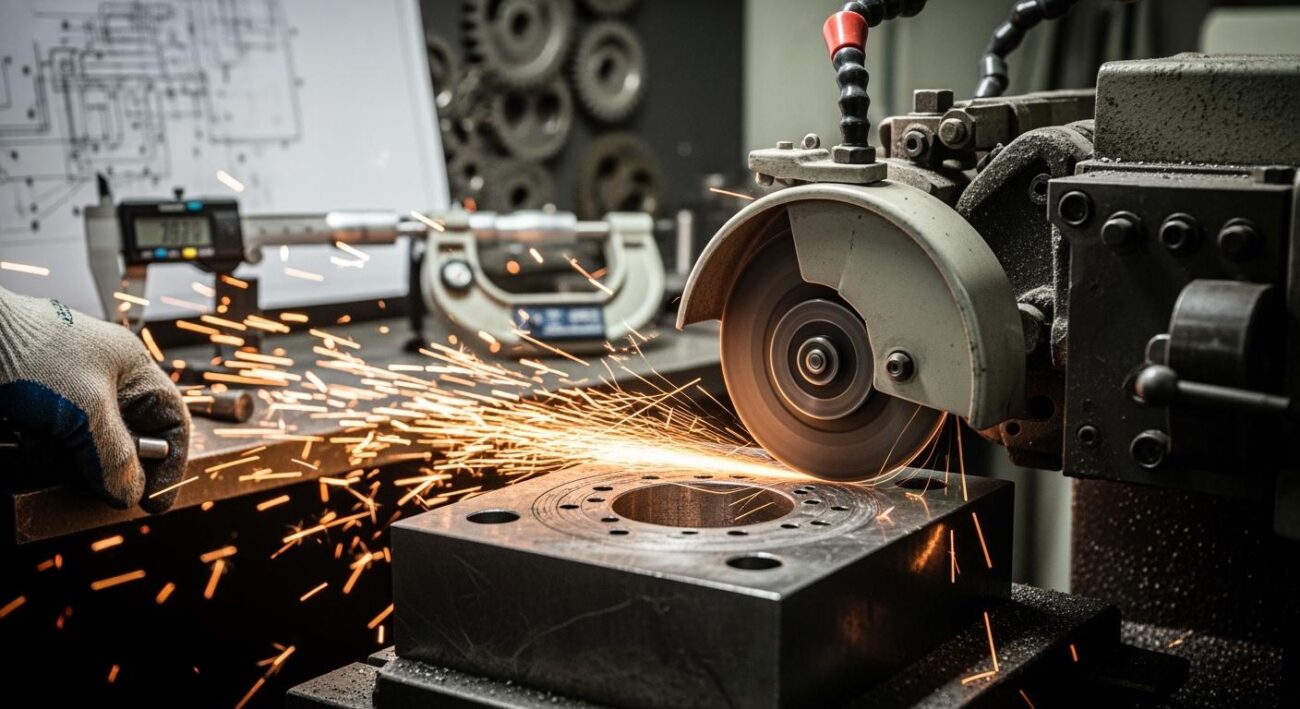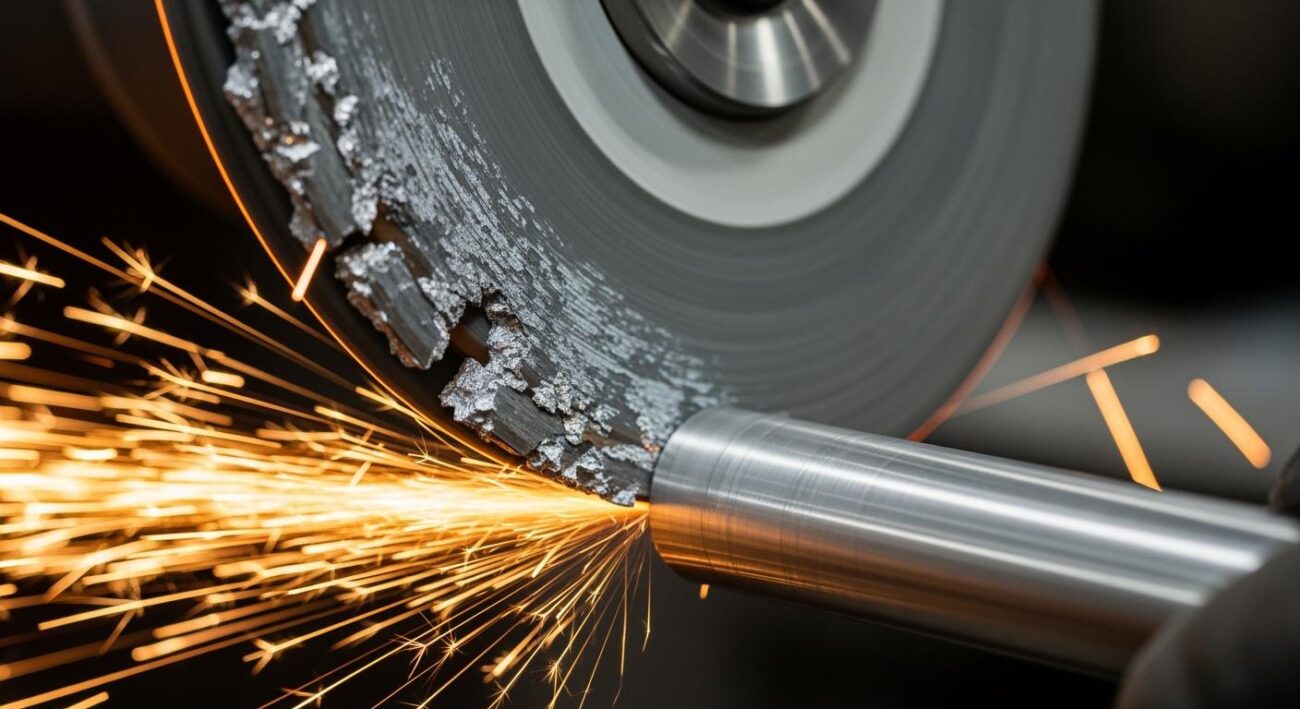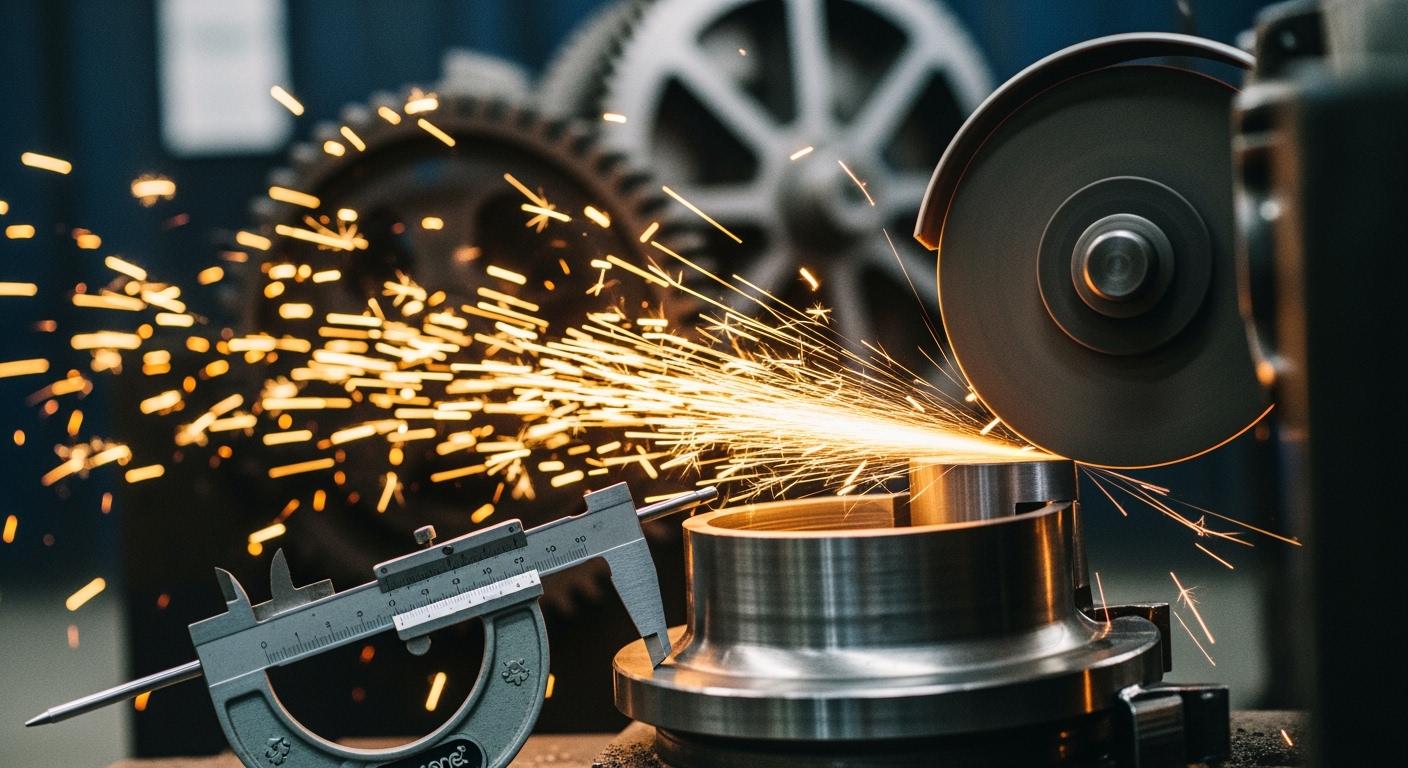
You can achieve durability and precision in steel grinding by using advanced tools and optimizing your processes. The mining and cement industries depend on efficient grinding for operational success, making durability essential for productivity. Automotive manufacturing demands high precision to ensure component performance and lifespan. Innovative solutions, such as Aimgrind’s diamond grinding wheels, help you improve performance, reduce costs, and deliver high quality in your steel applications.
Key Takeaways
- Choose advanced grinding tools like Aimgrind’s diamond wheels to enhance durability and precision in steel applications.
- Optimize machine settings, such as wheel speed and feed rate, to balance efficiency and quality in your grinding process.
- Implement proper cooling and lubrication to prevent heat damage and extend the life of your grinding wheels.
- Train your operators on best practices to improve safety, reduce downtime, and maintain consistent performance.
- Regularly review and maintain your grinding machines to ensure they operate at peak accuracy and reliability.
The Durability and Precision Dilemma in Metal Grinding
Defining Durability in Grinding
You face a constant challenge when you try to balance durability and precision in grinding. Durability means your grinding wheel must last through tough jobs without losing its shape or cutting power. Several factors affect durability, such as abrasive material, grit size, wheel hardness, bond type, and wheel shape. These features decide how well your wheel performs and how often you need to replace it. You can see how different regions set safety standards for grinding wheels in the chart below.
Precision Requirements in Steel Applications
Precision is just as important as durability. You need to meet strict requirements for dimensional tolerance, roundness, cylindricity, flatness, and surface finish. For example, steel grinding often demands tolerances as tight as ±0.01 mm and surface finishes as smooth as 1.6 µm. These standards ensure quality assurance for critical parts in industries like automotive, aerospace, and medical. You must select the right grinding wheel and process to achieve these results. Matching the abrasive to the material and the finish you want helps you reach your precision goals and maintain quality assurance.
Common Metal Grinding Challenges
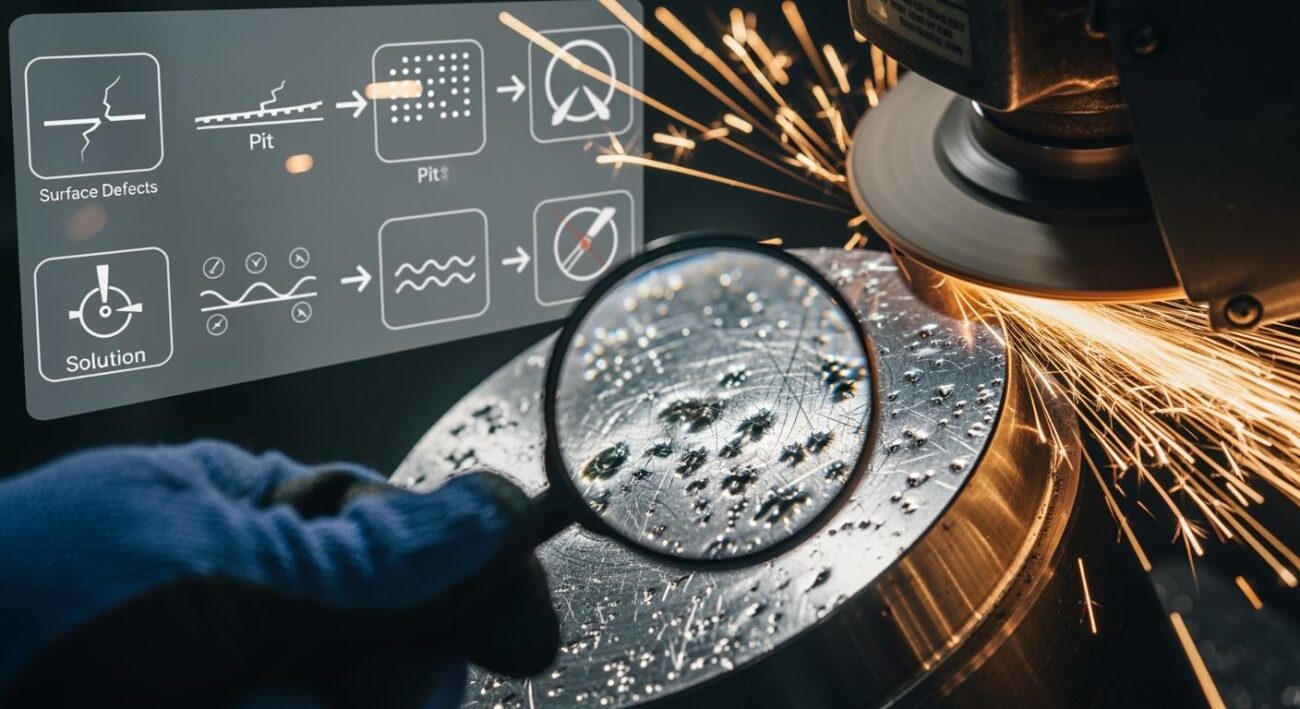
You encounter many metal grinding challenges in your daily work. These include workpiece deformation and precision challenges, wheel wear, and thermal damage and surface integrity issues. Grinding forces can cause workpiece deformation and precision challenges, making it hard to keep parts within tight tolerances. Dull wheels lead to more heat, which increases thermal damage and surface integrity problems. Heat buildup can also cause discoloration or micro-cracks, which lower the quality of your finished product. Each of these challenges affects your cost, production efficiency, and final quality.
| Factor | Description |
|---|---|
| Durability | Affects the efficiency and cost of the grinding operation. |
| Precision | Crucial for achieving desired surface quality and dimensional accuracy. |
| Grinding Parameters | Influence the relationship between production efficiency and operational costs. |
You can solve these challenges by choosing advanced grinding solutions. Aimgrind focuses on helping you overcome durability and precision dilemmas with innovative products and expert support.
Key Factors Influencing Grinding Performance
Grinding Wheel Materials and Bond Types
You need to choose the right grinding wheel for your surface grinder to achieve both durability and precision. The material and bond type of the wheel play a big role in grinding. Harder materials need harder bonds, like vitrified or metal, to hold the abrasive grains. Tough materials require strong bonds, such as resinoid, to handle high grinding forces. If you work with high tensile strength steel, you need a bond that allows sharp cutting to avoid heat buildup. The table below shows how different properties affect your choice:
| Property | Impact on Bond Choice |
|---|---|
| Hardness | Hard materials need harder bonds for your surface grinder. |
| Toughness | Tough materials require strong bonds for grinding. |
| Tensile Strength | High tensile strength needs sharp cutting actions for your surface grinder. |
| Thermal Conductivity | Poor conductors need bonds that keep grinding cool. |
| Chemical Reactivity | Reactive materials need stable bonds for safety and consistent performance. |
Aimgrind’s diamond grinding wheels give you consistent performance and high efficiency. You can use them on your surface grinder for hard alloys and steels. These wheels help you meet safety standards and keep your grinding process stable.
Machine Parameters and Process Optimization
You must set the right parameters on your surface grinder to get the best grinding results. Feed rate, depth of cut, and wheel speed all affect durability and precision. If you set these too high, you risk damaging your grinding wheel and workpiece. If you set them too low, you lose efficiency. You should also check the angle of your grinding wheel. A 30-degree angle works well for minimum quantity lubrication, while a 45-degree angle helps clean the wheel. Aimgrind’s diamond grinding wheels work well with many settings, giving you consistent performance and safety.
Cooling, Lubrication, and Environmental Controls
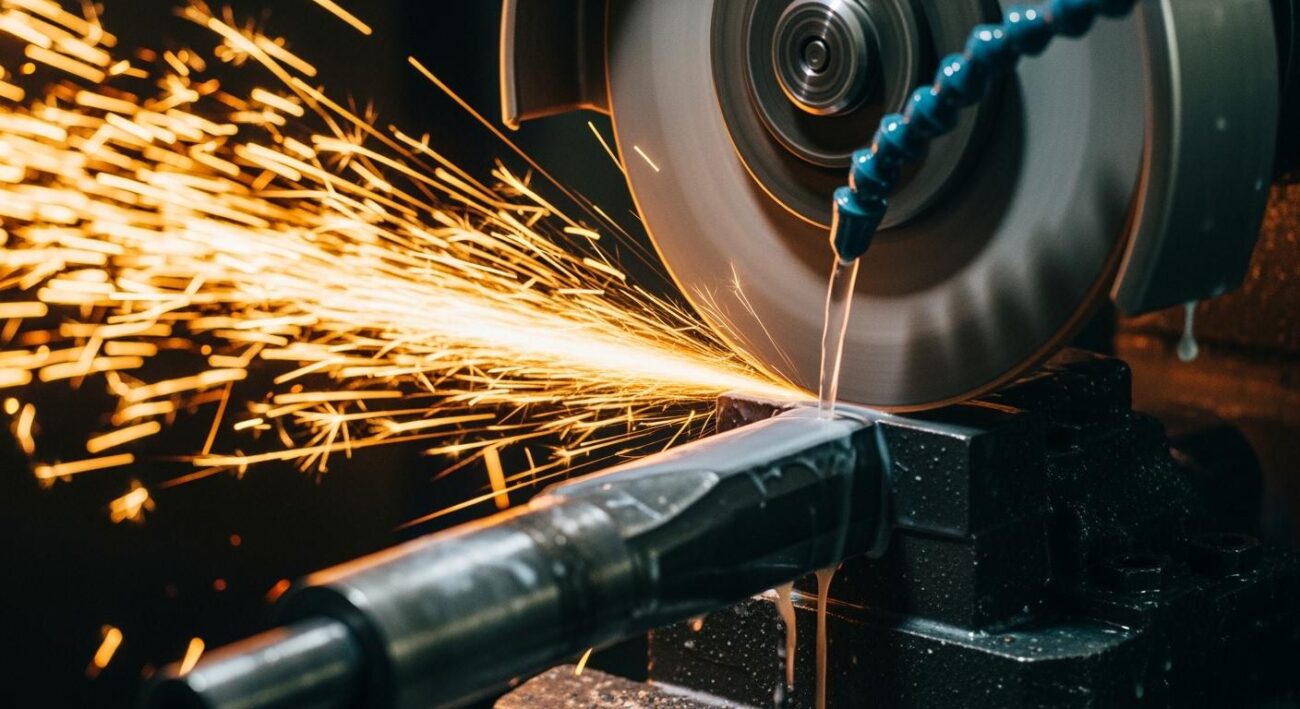
You need to use the right cooling and lubrication on your surface grinder to prevent heat damage and improve grinding efficiency. Good fluids help you get a better surface finish and longer wheel life. Advanced fluids also help you avoid downtime and keep your grinding safe. You should think about the environment, too. Emulsions can help with environmental issues, but you must balance cost and energy use. Always aim for high accuracy, low energy use, and safety in your grinding process.
Tip: Upgrading your grinding fluid can boost both efficiency and safety on your surface grinder.
Operator Training and Best Practices
You must train your operators to use the surface grinder safely and efficiently. Skilled operators can spot problems early and keep your grinding process running smoothly. Training helps reduce machine downtime, increase productivity, and use resources wisely. When your team knows best practices, you get consistent performance and meet safety standards every time you use your surface grinder.
Solutions for Enhanced Durability and Precision
Advanced Abrasives: Aimgrind Diamond Grinding Wheels
You can solve many challenges in modern grinding operations by choosing the right abrasive tool. Aimgrind’s diamond grinding wheels give you a strong advantage. These wheels use high-quality diamond abrasives and advanced bonding technology. You get consistent performance, even in heavy-duty grinding applications. The wheels keep their shape and sharpness, so you do not need to stop for frequent changes. This means you save on cost and reduce downtime.
Aimgrind offers customization services. You can match the wheel’s size, grit, and bond to your specific needs. This helps you avoid substandard grinding wheels that wear out quickly or cause poor surface finishes. With Aimgrind, you get rigorous quality control and support for your process. You achieve both durability and precision, which leads to better quality assurance and higher productivity.
Tip: Always choose grinding wheels from trusted brands like Aimgrind. This helps you avoid substandard grinding wheels and ensures safety in your workshop.
Optimizing Parameters for Steel Grinding
You need to set the right parameters to balance durability and precision in steel grinding. Start by adjusting the wheel speed. Find a speed that removes material quickly but does not wear out the wheel too fast. Use efficient coolant delivery to keep the grinding area cool. This reduces thermal damage and helps you maintain a high G ratio. Make sure your machine has enough power and stiffness. This supports optimal performance and safety.
A hybrid framework that combines Taguchi-based empirical modeling with NSGA-II optimization can help you improve grinding performance. This approach lets you optimize multiple objectives, such as surface roughness, grinding power, and grinding ratio, while considering dressing parameters. You can balance durability and precision in your steel grinding processes with this method.
You should also check your dressing parameters. Proper dressing keeps the wheel sharp and ready for each job. When you optimize these factors, you get better efficiency, lower cost, and improved quality.
Real-Time Monitoring and Automation
You can boost performance and safety in modern grinding operations by using real-time monitoring and automation. Many advanced systems now let you track grinding forces and surface topography in real time. These systems use signals from the CNC machine to give you high-precision data. You can see changes in grinding force and surface quality as they happen. This helps you react quickly to any problems and avoid substandard grinding wheels.
Many companies use new technologies to improve grinding. Some examples include:
- Cloud-based platforms that let you monitor and control grinding operations remotely.
- Digital Twin technology that creates a virtual copy of your process for testing and optimization.
- Edge computing systems that process data locally for fast decisions and better cybersecurity.
- AI applications that analyze grinding data in real time to improve quality and save energy.
These tools help you maintain quality assurance and safety. You can also reduce cost and improve efficiency by catching problems early.
Maintenance and Continuous Improvement
You must keep your grinding machines in top shape to achieve lasting durability and precision. Routine maintenance prevents breakdowns and keeps your machines accurate. A good maintenance program includes regular checks, cleaning, and accountability for each step. Cleaning removes swarf and other debris that can damage your equipment or lead to substandard grinding wheels.
Proper maintenance helps you keep grinding machines operating at peak accuracy and reliability. Continuous improvement practices can enhance efficiency and reduce downtime.
You should always look for ways to improve your process. Review your results, update your methods, and train your team. This focus on continuous improvement helps you meet new challenges and maintain high performance in modern grinding operations.
Actionable Strategies for Success
You can use these steps to balance durability and precision in your grinding process:
- Optimize wheel speed for the best mix of material removal and wheel life.
- Use efficient coolant systems to control temperature and protect your workpiece.
- Make sure your machines have enough power and stiffness for the job.
- Choose high-quality grinding wheels from trusted brands to avoid substandard grinding wheels.
- Train your team on best practices for safety and quality.
By following these strategies, you can solve common challenges, improve performance, and achieve better results in your steel grinding operations.
Case Studies and Recommendations
Success Stories with Aimgrind Solutions
You can see the benefits of Aimgrind solutions in real-world steel industry projects. One manufacturer improved grinding accuracy for automotive parts by switching to Aimgrind diamond grinding wheels. The team achieved close tolerances, which reduced assembly errors and improved part fit. Another company in the tooling sector used Aimgrind wheels to maintain consistent surface finishes on hard alloys. This helped them deliver products that met strict quality for the intended purpose. These examples show that choosing the right grinding method and tool can boost both durability and precision.
Practical Steps for Implementation
You can follow these steps to get the most from advanced grinding solutions:
- Review your current grinding process and identify areas for improvement.
- Select the right grinding wheel for your material and application.
- Set up your machine with proper leveling and calibration.
- Use automation strategies to increase efficiency and reduce errors.
- Optimize grinding forces and feed rates for your specific needs.
- Train your team on best practices and safety procedures.
- Inspect finished parts with accurate measuring tools.
Tip: Careful planning and tool selection help you achieve high performance and consistent results.
Avoiding Common Pitfalls in Metal Grinding
You can avoid common mistakes in grinding by staying aware of these issues:
- Lack of knowledge about grinding principles can lead to poor results.
- Incorrect machine setup may cause errors and reduce precision.
- Skipping safety steps puts you at risk for injury.
- Choosing the wrong wheel or neglecting maintenance lowers performance.
- Ignoring feed rates and vibrations can affect surface finish.
- Using the wrong inspection tools may hide quality problems.
You can improve your results by understanding these pitfalls and taking action to prevent them. This approach helps you deliver parts that meet high standards and perform well in their final use.
You can achieve both durability and precision in steel grinding by choosing advanced tools, optimizing your process, and focusing on continuous improvement. Aimgrind’s diamond grinding wheels give you reliable performance and custom options for your needs. To improve your results, you can use data-driven methods like:
- Tracking performance with metrics such as R2, RMSE, MAE, and SI
- Using machine intelligence for better parameter selection and energy savings
Stay committed to evaluating your process and making smart changes for long-term success.
FAQ
What materials can you grind with Aimgrind diamond grinding wheels?
You can use Aimgrind diamond grinding wheels on hard alloys, ceramics, and composites. These wheels also work well for steel and other tough materials.
How do you choose the right bond type for your grinding wheel?
You should match the bond type to your material and grinding process. Resin bonds suit high-speed jobs. Metal bonds give you extra durability. Vitrified bonds help with precision work.
Can you use Aimgrind diamond grinding wheels for both wet and dry grinding?
Yes, you can use these wheels for both wet and dry grinding. Wet grinding helps control heat and improves surface finish.
Why should you pick Aimgrind over other brands?
Aimgrind gives you custom solutions, high-quality products, and expert support. You get wheels that match your needs and improve your grinding results.
How do you maintain your grinding wheels for best performance?
Clean your wheels after each use. Check for wear or damage. Store them in a dry place. Regular maintenance helps you get the best results and keeps your workshop safe.