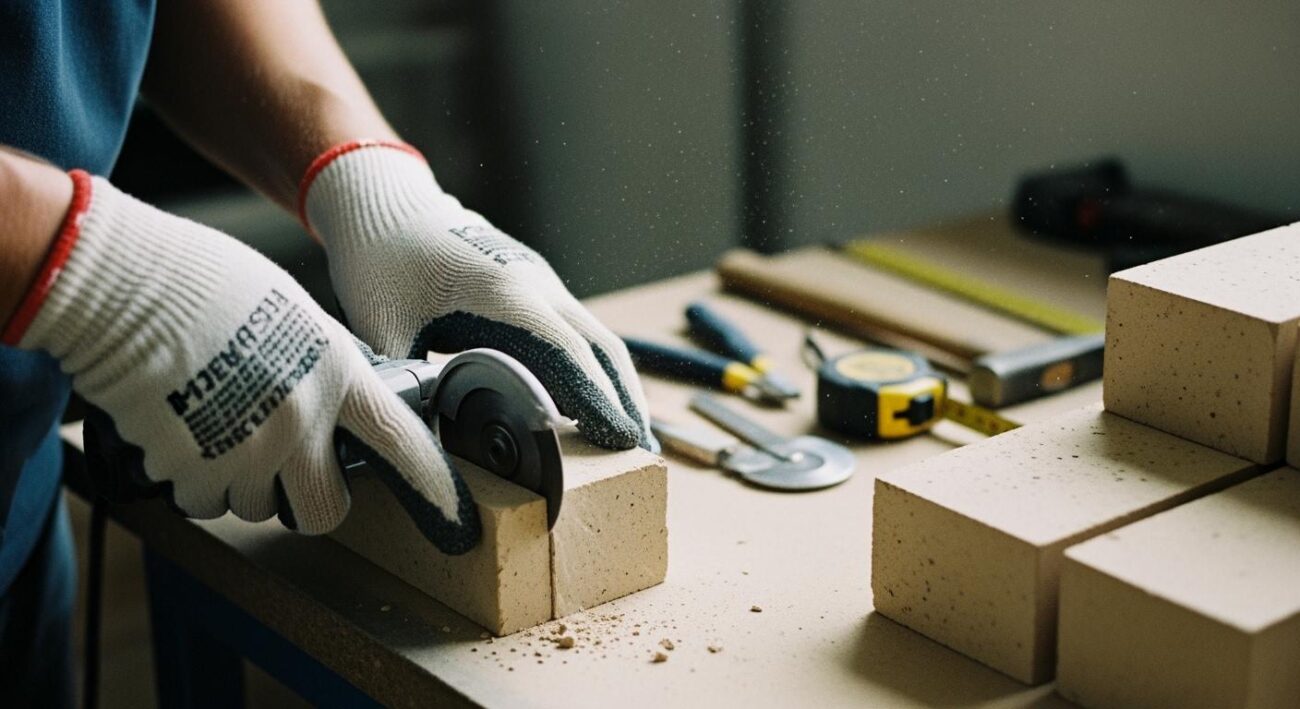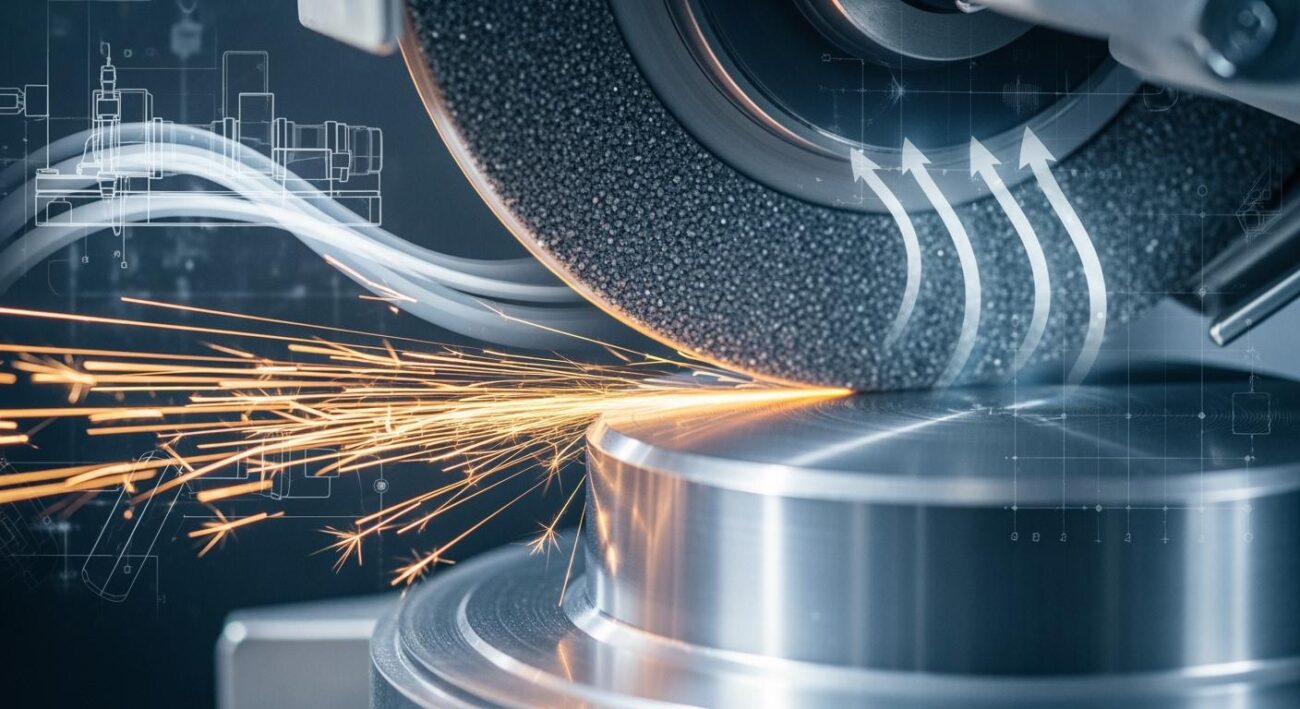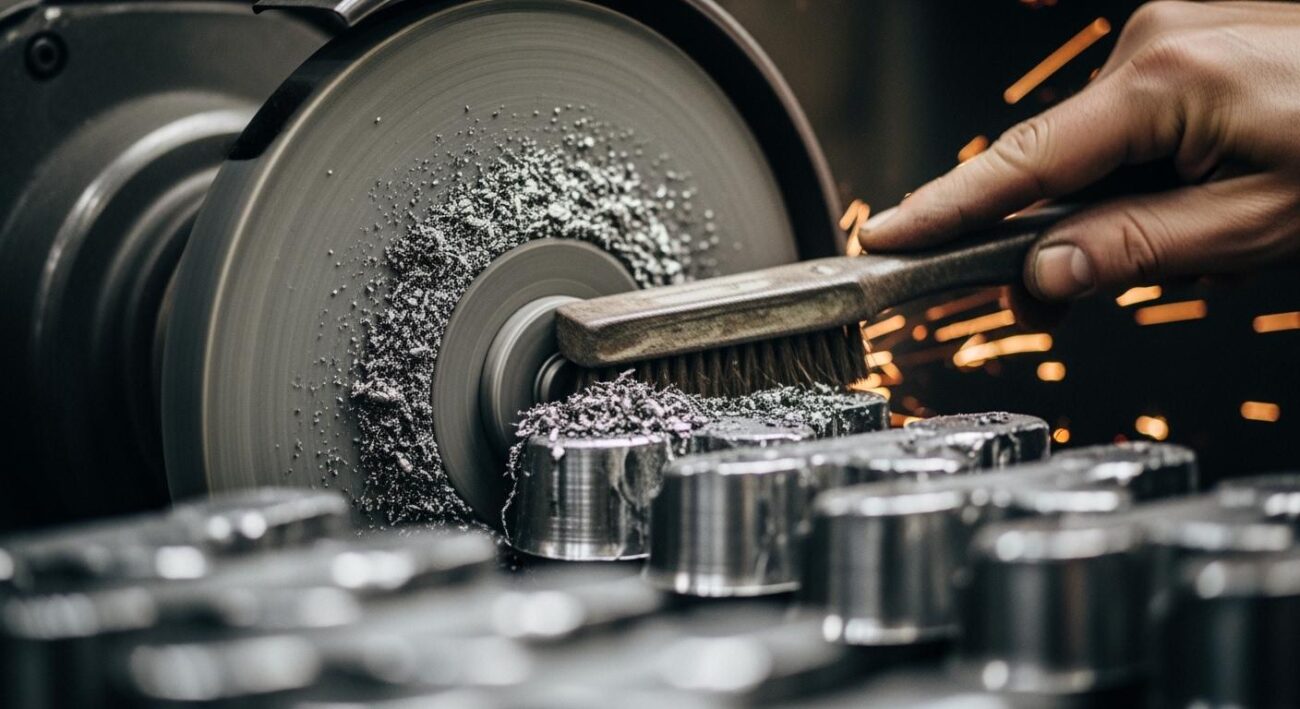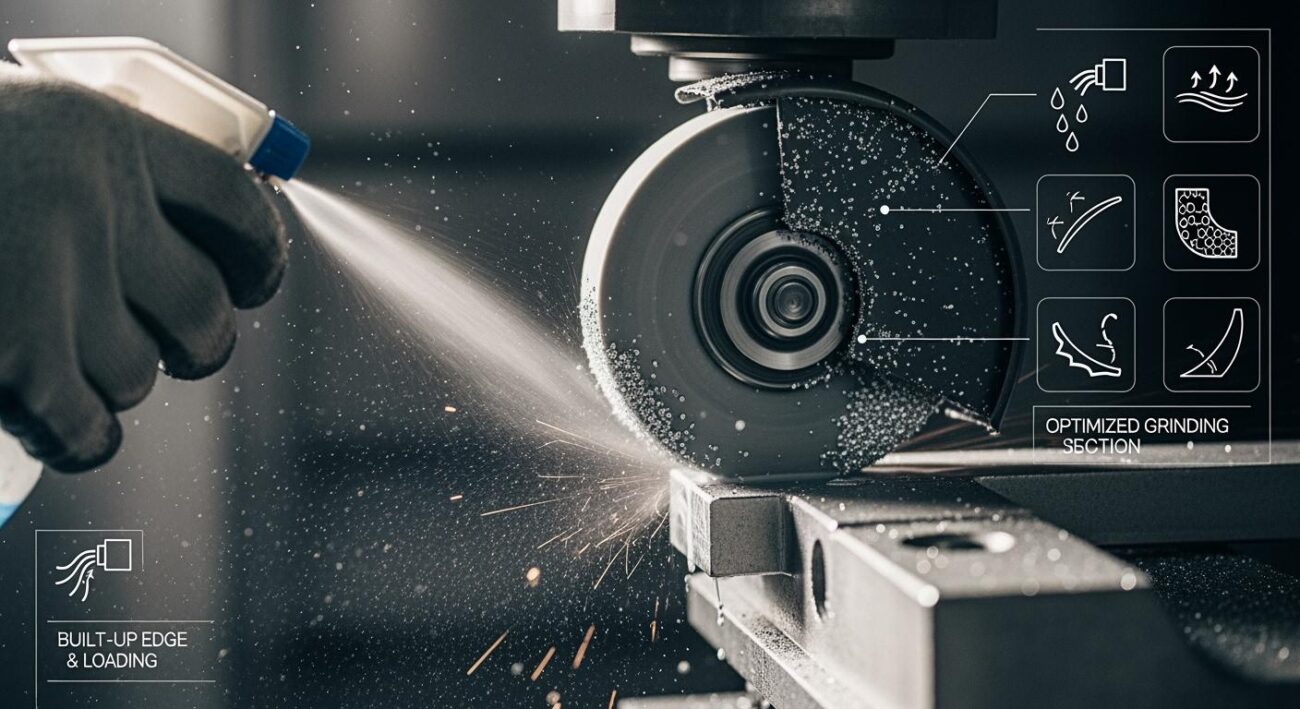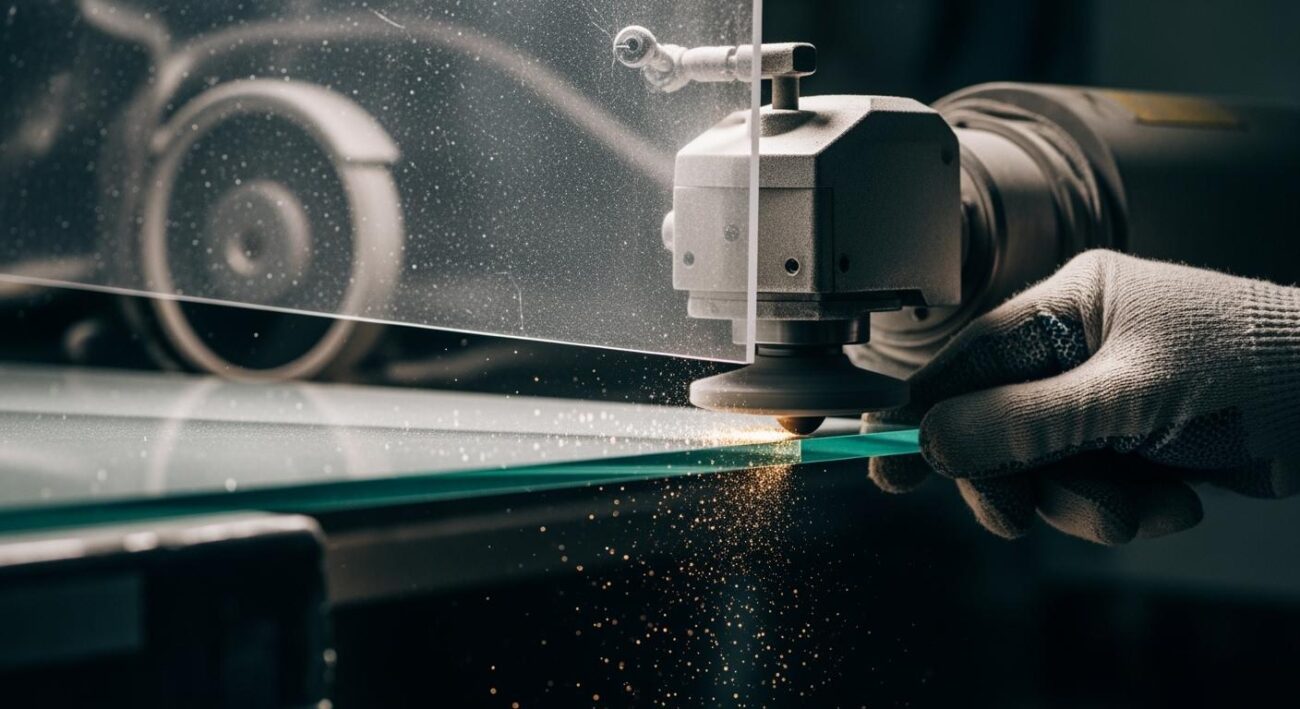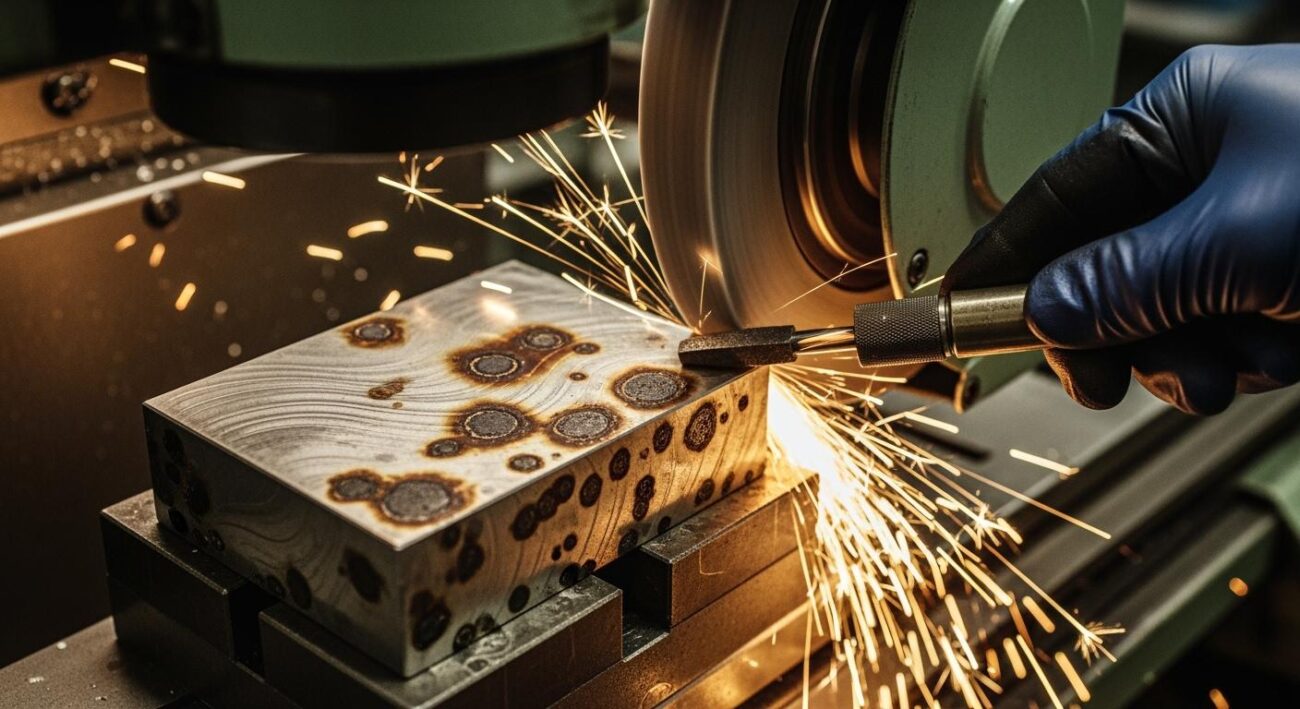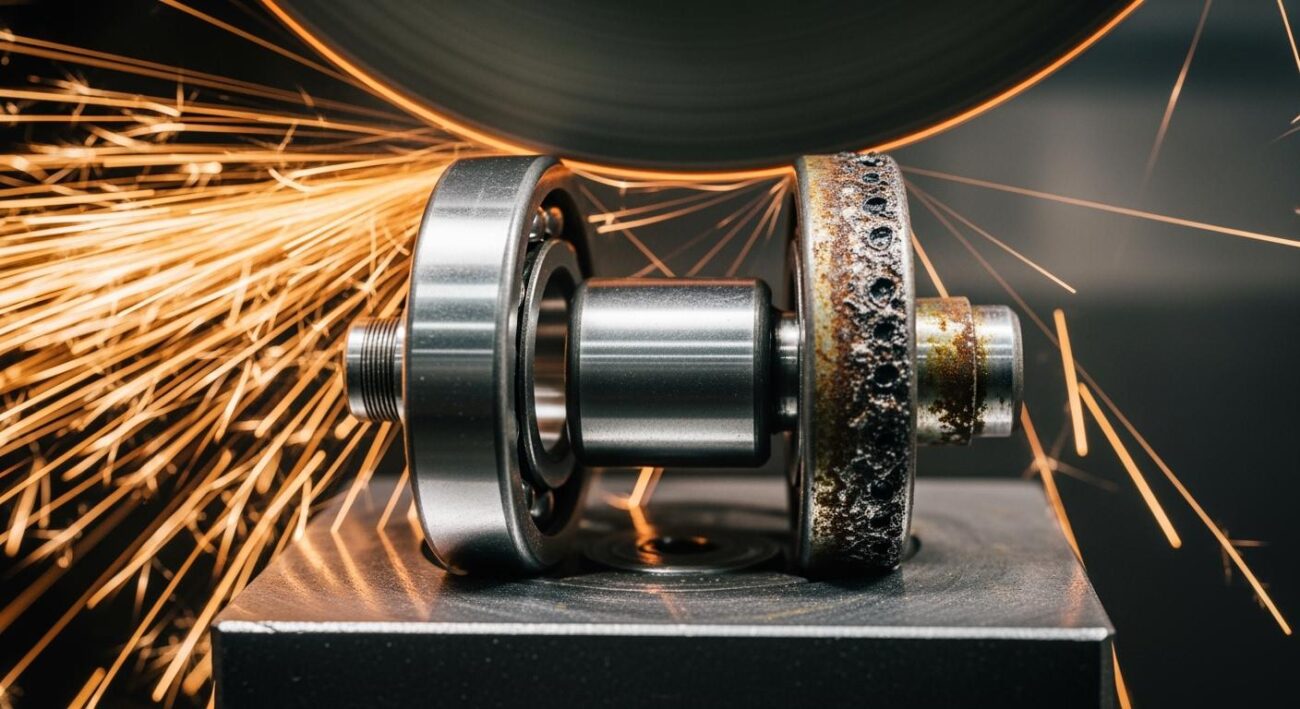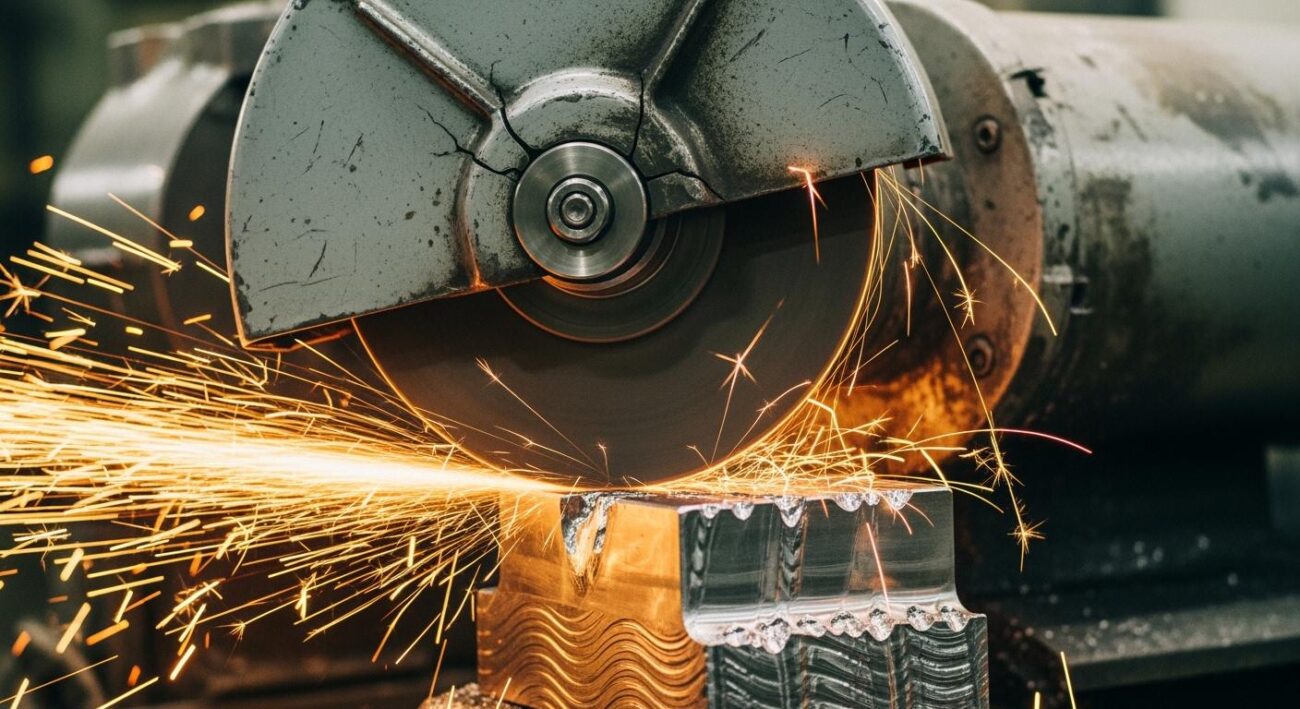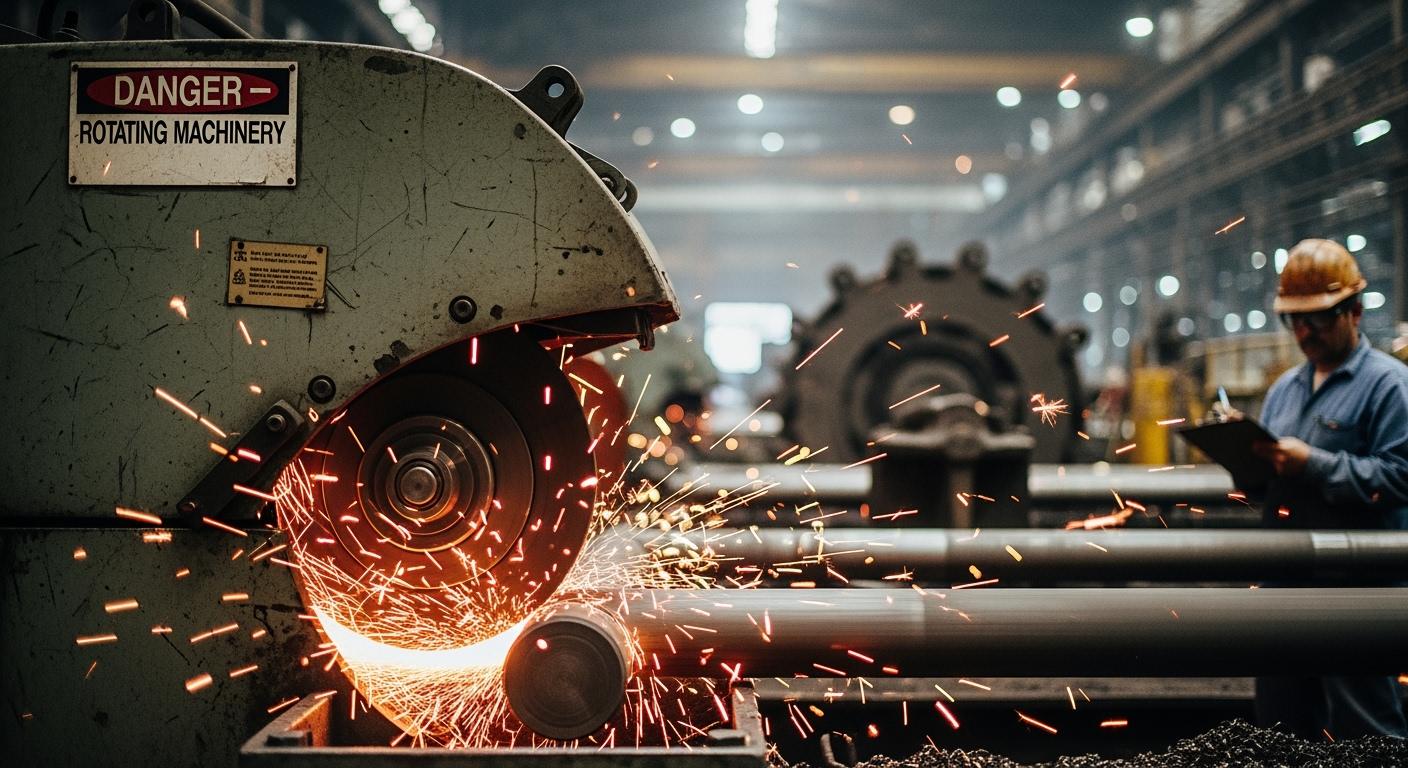
You face tough challenges in grinding operations for steel production. These challenges can affect safety, slow down work, and lower the quality of each finished product. The table below shows how key factors like casting speed, rolling temperature, and surface quality change based on process control and stability.
| Performance Parameter | Typical Range | Influencing Factors | Control Methods |
|---|---|---|---|
| Casting speed | 4-12 m/min | Steel composition, mold design | Real-time sensors, flow control valves |
| Rolling temperature | 1050-1150°C | Alloy type, rolling schedule | Infrared pyrometers, automated control |
| Cooling rate | 10-50°C/sec | Water spray, ambient | Inline sensors, adjustable spray |
| Surface quality | Minimal defects | Slag, process stability | Visual, inline defect detection |
You see grinding wheels used in nearly 62% of surface finishing tasks, especially as steel finishing lines process over 1 billion tons each year. Aimgrind brings you advanced grinding solutions, including CBN grinding wheels, to help you solve these problems and improve your results.
Key Takeaways
- Focus on precision and efficiency in grinding to enhance product quality and reduce defects.
- Choose the right abrasive wheels to prevent scoring and other surface defects in steel.
- Implement regular maintenance and inspections to minimize equipment downtime and improve productivity.
- Prioritize safety by using proper personal protective equipment and following best practices during grinding.
- Utilize advanced grinding solutions like Aimgrind’s CBN wheels to reduce vibration and improve operational efficiency.
Grinding Operations Challenges
Grinding operations in steelmaking and rolling come with many challenges. You must focus on precision, efficiency, and safety to get the best results. Industry experts point out several common challenges you face:
- Need for precision and efficiency in every grinding step
- High cost of research and development for advanced machines
- Integration of new technologies into your process
- Material-related issues like heat buildup and contamination
- Choosing the right abrasive products for different materials
Abrasive Selection Issues
Choosing the wrong abrasive can cause many problems in grinding. You may see defects like scoring or knife marks on steel surfaces. The table below shows how improper abrasive selection leads to defects and how you can prevent them:
| Defect Type | Causes | Prevention and Remedies |
|---|---|---|
| Scoring (Knife Marks) | Mismatch between roll speed, grinding wheel speed, Z-axis traverse speed, and grinding wheel feed rate. Sharp or defective grinding wheel edges. Insufficient cuts in semi-finish grinding, leaving defects from rough grinding. Excessive load in finish grinding. Excessive roll crown. | Optimize roll speed, Z-axis traverse speed, grinding wheel feed, and grinding wheel speed. Chamfer sharp grinding wheel edges; dress defective wheels until defects disappear. Follow standard grinding procedures for different roll types. Control number of passes and load in finish grinding; use softer wheels or reduce grinding wheel crown. |
You need to match the abrasive to your process to avoid these issues.
Material Compatibility
Grinding different steel materials brings more challenges. You must think about how abrasive particles, cooling lubricants, and recycling affect the steel. The table below explains some key points:
| Evidence Description | Details |
|---|---|
| Recycling Process | Grinding sludge contains abrasive particles and cooling lubricants, which can change material properties. |
| Material Properties | Recycling can alter the alloy mix, affecting how the steel tempers and its final structure. |
| Hardness and Strength | Recycled steel can reach the same hardness as new steel, but may have lower strength if contaminants remain. |
You must check material compatibility to keep your grinding results consistent.
Aimgrind’s Custom Solutions
Aimgrind understands your challenges in grinding operations. The brand creates custom grinding wheels that improve performance and durability for both hot and cold steel mills. You get wheels that focus on wear resistance, surface finish, and stock removal rates. Aimgrind’s expertise in matching abrasive types to your materials and processes helps you work more efficiently and lower your costs. You can trust Aimgrind to solve your common challenges with grinding and keep your production running smoothly.
Safety During Grinding
Operator Risks
You face many risks when you work with grinding operations in steel. Safety during grinding must always come first. Some of the most serious risks include:
- Noise exposure can damage your hearing over time.
- Hand-arm vibrations from tools can cause health problems like white finger syndrome and poor blood flow.
- Breathing in grinding greases and oils can lead to headaches or even long-term diseases, such as cancer.
- High-speed wheels can break if you do not handle them correctly, causing injuries.
You must stay alert to these risks every day. Always use the right safety during grinding to protect yourself.
Equipment Hazards
Grinding machines and tools bring their own hazards. You need to know what can go wrong so you can avoid accidents. The table below shows common equipment hazards and what they mean for you:
| Hazard Type | Description |
|---|---|
| Flying Debris | High-speed particles from grinding can cause injuries. |
| Noise | Loud equipment can lead to hearing loss. |
| Dust | Fine dust can harm you if you breathe it in or if it builds up. |
| Heat | Grinding creates heat, which can burn you or start a fire. |
| Equipment Failures | Machines that break down can cause accidents or injuries. |
You must check your equipment before each use. This helps you spot risks early and keep your work safe.
Aimgrind’s Safety Practices
Aimgrind cares about your safety during grinding. The brand designs grinding wheels to lower risks and make your job safer. You get products that reduce hand-arm vibrations, which helps protect your hands and arms from long-term harm. Aimgrind also uses materials that cut down on dust and noise, making your work area safer. The company teaches you best practices for grinding, such as wearing hearing protection and using guards on machines. Aimgrind’s team helps you choose the right wheel for your job, so you can avoid many risks linked to grinding operations. When you follow these safety steps, you protect yourself and your team from hazards every day.
Grinding Dust and Vibration
Health Impacts
You face many health hazards when you work with grinding dust in steel environments. Breathing in fine particles can cause long-term health hazards. You may develop respiratory diseases like pneumoconiosis or even silicosis. Some workers have suffered from lung cancer after years of exposure. Respirable dust can also lead to chronic heart and lung problems. You should know that grinding operations create not only abrasive particles but also thermal debris. This debris can burn your skin or damage your eyes. Vibration from grinding tools can cause arm vibration syndrome, which affects blood flow and nerve health. You must protect yourself from these risks every day.
- Prolonged exposure to grinding dust can lead to respiratory diseases, including pneumoconiosis.
- Arm vibration syndrome is a risk due to intense vibration exposure during manual grinding.
- High-density dust can compromise equipment accuracy and stability, affecting operational efficiency.
- Excessive vibrations can damage tools and workpieces, leading to inaccuracies in grinding processes.
- Thermal debris from grinding can cause burns and vision loss, impacting worker safety and efficiency.
- Exposure to silica dust from grinding processes is linked to serious health issues such as silicosis and lung cancer.
- Fine particulate matter and combustion byproducts contribute to chronic respiratory and cardiovascular diseases.
- Elevated exposure risks are noted during specific tasks like repairing blast furnaces and working in poorly ventilated areas.
Dust Control Solutions
You can reduce grinding dust and respirable dust by using proper extraction and ventilation systems. These systems help keep the air clean and protect your lungs.
Effective dust control solutions for grinding operations include source capture dust collectors, downdraft tables, and ambient air cleaners. These systems are designed to capture and isolate dust before it reaches the breathing zones of operators and nearby employees.
You should always check that your abrasive tools and machines have the right dust collection features. Regular cleaning and maintenance also help lower health hazards in your workspace.
Vibration Reduction with CBN Wheels
You can lower vibration risks by choosing the right abrasive wheels. CBN grinding wheels from Aimgrind offer a stable and balanced structure. These wheels reduce tool vibration and help you achieve smoother grinding results. Less vibration means fewer mistakes on your workpiece and less strain on your hands and arms. You get better control and higher quality when you use advanced abrasive products. Aimgrind’s CBN wheels help you work safely and efficiently in steel grinding environments.
Equipment Maintenance
Downtime Causes
You face many challenges when you try to keep grinding equipment running in steel production. Unplanned downtime often happens because of bearing failures and hydraulic system faults. These problems can stop your machines and slow your work. Lubrication issues also cause equipment failure. You need reliable lubrication to keep your machines working well. Heat, water, and contamination can damage bearings and rollers. Poor design and bad heat treatment can lead to fatigue fractures in rolls. Roll surface degradation is another common problem. These issues account for most unplanned downtime in steel mills. When your grinding machines stop, you lose efficiency and productivity.
Preventive Strategies
You can reduce downtime by using smart maintenance strategies. Many steel plants have seen big improvements by following these steps:
| Strategy | Result |
|---|---|
| Implement Comprehensive Preventive Maintenance | 42% reduction in equipment downtime and $3.2 million in annual savings. |
| Train Operators for Daily Pre-Shift Inspections | 19% improvement in equipment availability by catching problems early. |
| Maintain Strategic Spare Parts Inventory | $103 million projected savings over 20 years by having critical parts ready. |
| Deploy Predictive Maintenance Technologies | $185,000 loss prevented by finding engine failure weeks in advance. |
You should train your team to check grinding machines before each shift. You can keep spare abrasive parts on hand to avoid long waits. Using predictive maintenance tools helps you spot problems before they cause a breakdown. These steps boost efficiency and keep your abrasive tools working longer.
Aimgrind’s Support Services
Aimgrind helps you keep your grinding equipment in top shape. The brand offers support services that focus on maintenance and efficiency. You get advice on choosing the right abrasive wheels for your machines. Aimgrind’s team can help you set up preventive maintenance plans. They show you how to inspect and care for your abrasive tools. You also learn how to use personal protective equipment during maintenance. Aimgrind provides training on safe grinding practices and the correct use of personal protective equipment. You receive reminders to check your abrasive wheels and personal protective equipment before each use. Aimgrind’s support helps you improve efficiency, reduce downtime, and protect your team with the right personal protective equipment.
Personal Protective Equipment Compliance
PPE Selection
You need to choose the right ppe for grinding operations in steelmaking and rolling. Proper ppe selection keeps you safe from flying debris, dust, and heat. When you select ppe, you must look for a proper fit. The equipment should not be too loose or too tight. Quality matters, so always check if your ppe meets safety standards. You must use ppe that matches the job you do. For example, safety glasses or goggles protect your eyes from sparks and dust. Face shields guard your face from splashes and heat. Respirators help you avoid breathing in harmful dust and fumes, especially when extraction systems cannot remove all particles. Gloves protect your hands from cuts and chemicals. Ear protection keeps your hearing safe from loud grinding machines. Heat-resistant clothing and steel-toed boots protect you from burns and heavy objects. You must also make sure your ppe works well with other safety gear and does not create new hazards. Training on the correct use of ppe is essential for your safety.
Barriers to Use
Many workers do not use ppe all the time. Some think ppe is uncomfortable or not needed. Others believe that extraction systems alone can keep them safe, so they skip ppe. In some cases, workers do not get enough training on how to use ppe. You may see ppe as a last line of defense, not a main safety tool. This thinking can lead to accidents. Sometimes, ppe does not fit well or feels too hot, especially when extraction is not strong enough to cool the area. If you do not use ppe, you risk injury from dust, noise, and flying debris. You must remember that extraction and ppe work best together.
Improving Compliance
You can improve ppe compliance by making safety a habit. Leaders in your workplace should always wear ppe and set a good example. You should report near-misses and unsafe conditions. This helps everyone see hidden dangers. Workers must feel free to stop unsafe work if ppe or extraction is missing. Regular training helps you understand why ppe and extraction are important. You should use safety glasses, face shields, respirators, gloves, ear protection, heat-resistant clothing, and steel-toed boots every time you grind. Extraction systems must work well to remove dust and fumes, but you still need ppe for full protection. When you combine ppe with good extraction, you lower your risk of injury and keep your workplace safe.
Process Optimization
Identifying Bottlenecks
You need to spot bottlenecks in your grinding process to keep production moving smoothly. Bottlenecks slow down your work and can cause delays in steelmaking and rolling. You might notice that some machines work faster than others. Sometimes, a single grinding station takes longer than the rest. This can create a line of unfinished work. You should watch for signs like long wait times, frequent machine stops, or piles of unfinished steel parts. Use simple tracking charts or tables to record how long each step takes. This helps you see where problems start. When you find a bottleneck, you can focus on fixing it and improve your whole process.
Lean Grinding Practices
Lean grinding practices help you cut waste and boost efficiency. You can start by organizing your workspace. Keep tools and materials close to where you work. This saves time and reduces mistakes. Standardize your grinding steps so everyone follows the same process. You should check your grinding wheels and machines often. Replace worn parts before they cause problems. Use visual cues, like color-coded bins or labels, to keep things in order. Try to reduce extra movements and waiting times. When you follow lean practices, you make your grinding process faster and safer.
Continuous Improvement with Aimgrind
You can achieve better results by focusing on continuous improvement. Aimgrind supports you with advanced grinding solutions designed for steelmaking and rolling. The company works hard to develop high-quality grinding wheels that fit your needs. Aimgrind invests in research and development to keep products up to date with industry standards. You benefit from new technologies that make grinding more efficient and effective.
- Aimgrind creates grinding wheels tailored for your specific steelmaking and rolling needs.
- The team works on ongoing research and development to improve product quality.
- Advanced technologies in Aimgrind’s solutions help you work faster and with better results.
When you choose Aimgrind, you get support for every step of your grinding process. This helps you reach higher productivity and better product quality every day.
You face many challenges in grinding operations, such as equipment downtime, safety risks, and inconsistent product quality. Innovative tools like Aimgrind’s CBN grinding wheels help you improve safety, efficiency, and surface finish. You can benefit from high precision, reduced heat, and longer tool life. To improve your process, try these steps:
- Tune your process parameters and upgrade equipment.
- Perform routine and predictive maintenance.
- Troubleshoot issues quickly.
- Choose customized grinding solutions for better results.
Aimgrind supports you in reaching higher standards every day.
FAQ
What is the main benefit of using CBN grinding wheels in steelmaking?
You get faster cutting, cooler operation, and longer tool life. CBN wheels help you achieve high precision and reduce the risk of damaging your workpiece.
How can you reduce dust exposure during grinding?
You should use dust extraction systems and wear a proper respirator. Regular cleaning and good ventilation also help keep your workspace safe.
Why does vibration matter in grinding operations?
Vibration can cause mistakes and harm your hands or arms. You improve accuracy and protect your health by choosing balanced wheels like Aimgrind’s CBN wheels.
How do you choose the right abrasive for your process?
You need to match the abrasive to your material and grinding task. Aimgrind’s team can help you select the best wheel for your needs.
What should you check before starting a grinding job?
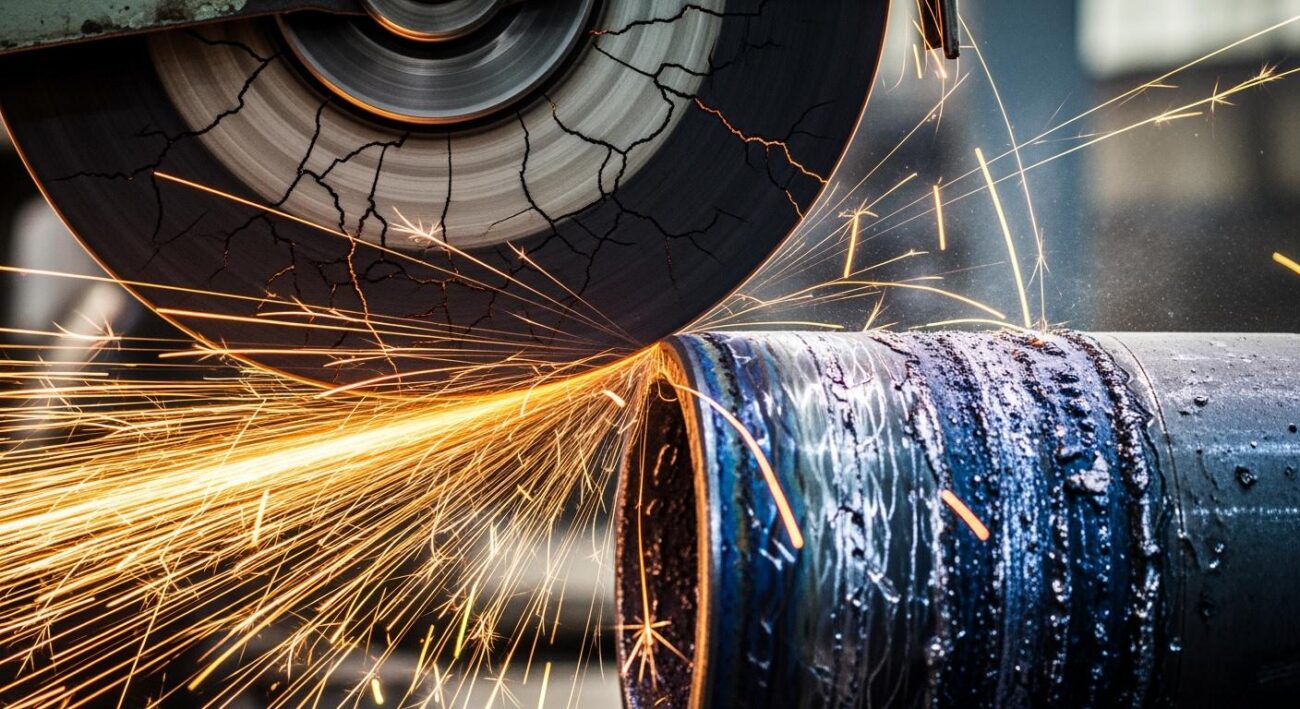
- Inspect your grinding wheel for cracks or damage.
- Wear all required personal protective equipment.
- Make sure your machine guards are in place.
Safety starts with careful preparation.
Contact Us
For More Grinding Solution or Customized Abrasive Tools