
Effective Grinding and Polishing Strategies for Complex Die Surfaces

Achieve a flawless finish on complex dies with effective grinding and polishing strategies. Use a multi-stage process with the right tools and quality control.
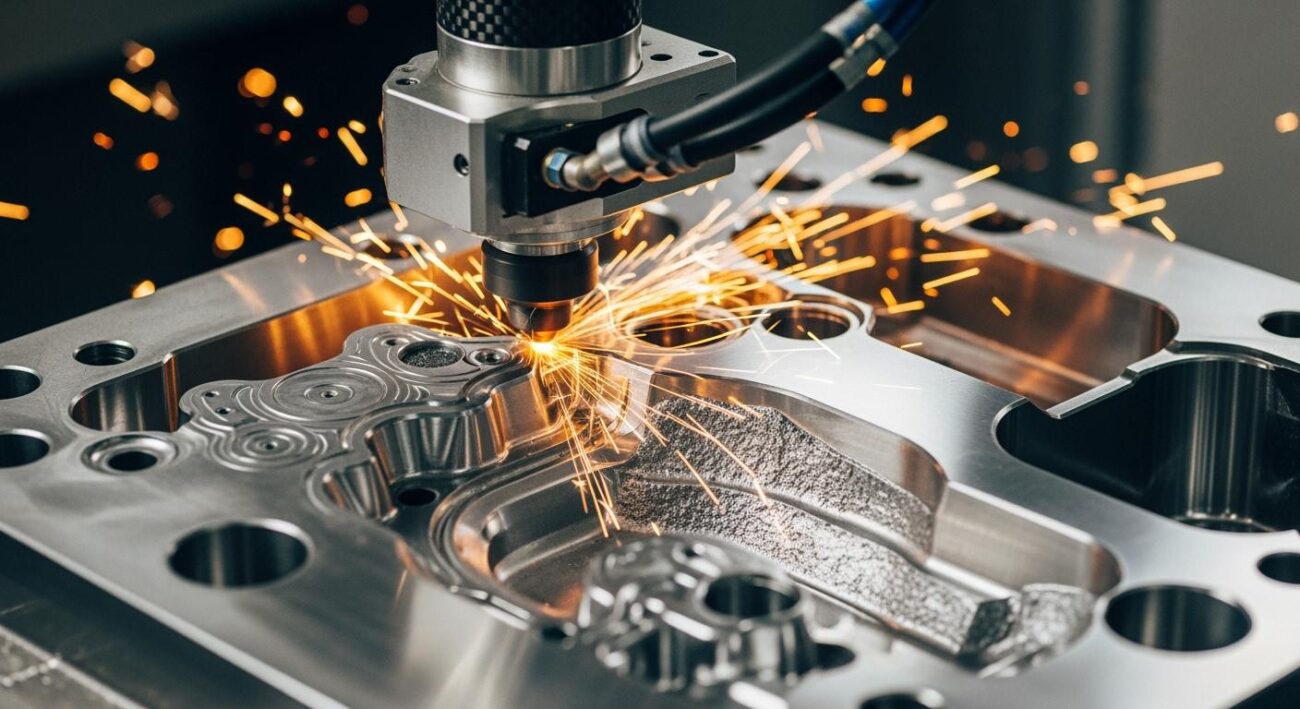
Achieve a flawless finish on complex dies with effective grinding and polishing strategies. Use a multi-stage process with the right tools and quality control.

Choose a vitrified bond grinding wheel for high-precision jobs and superior finishes. Opt for a resin bond for high-speed, heavy-duty work and rapid stock removal.
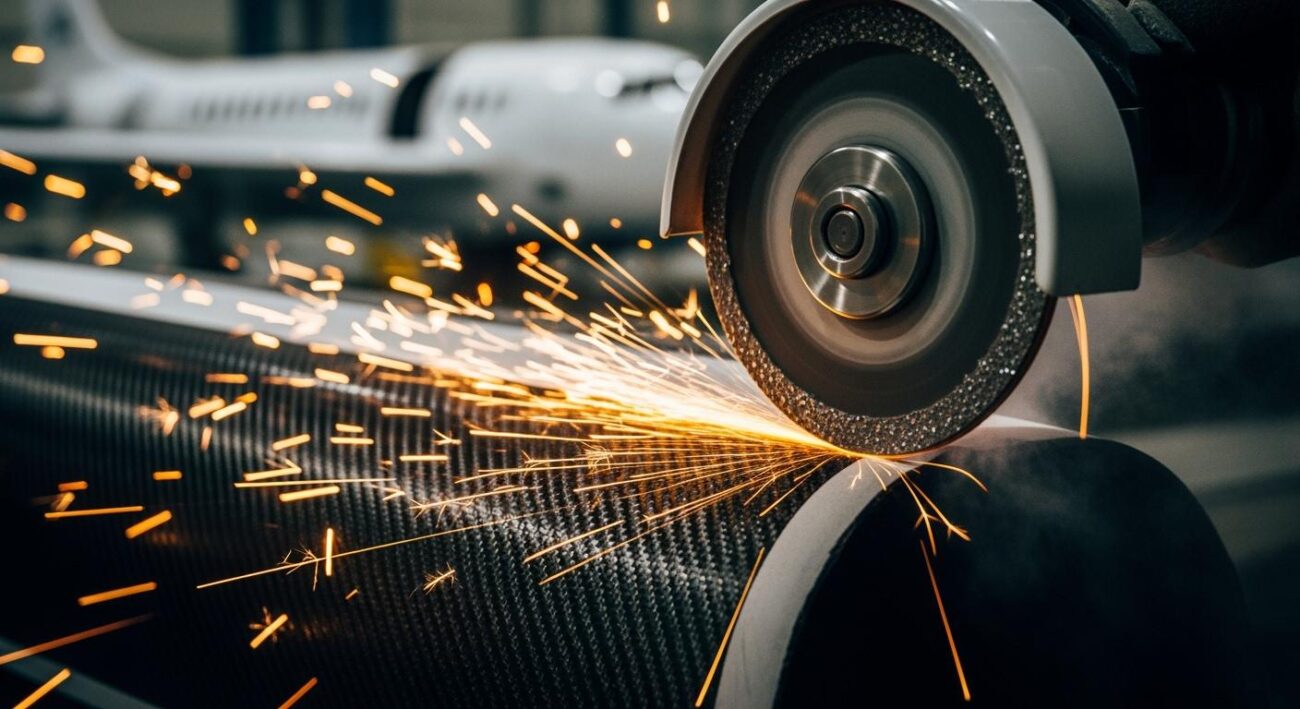
Select the best grinding wheel for aerospace composite materials by analyzing the material, abrasive, bond, wheel geometry, and operating parameters for precision.
A CBN wheel is your best option for hardened steels due to its chemical inertness with iron and superior thermal stability, preventing wear and ensuring precision.

Choosing grinding wheels requires matching the abrasive to your material, like aluminum oxide for steel or diamond for ceramics, and selecting the right grit for your desired finish.

Sharpen a chainsaw chain with a round file and guide. Secure the bar, mark a tooth, and file each cutter with firm, even strokes at the correct angle.

A soft grinding wheel is used for hard materials because its bond releases dull grains, creating a self-sharpening effect that prevents heat damage and glazing.
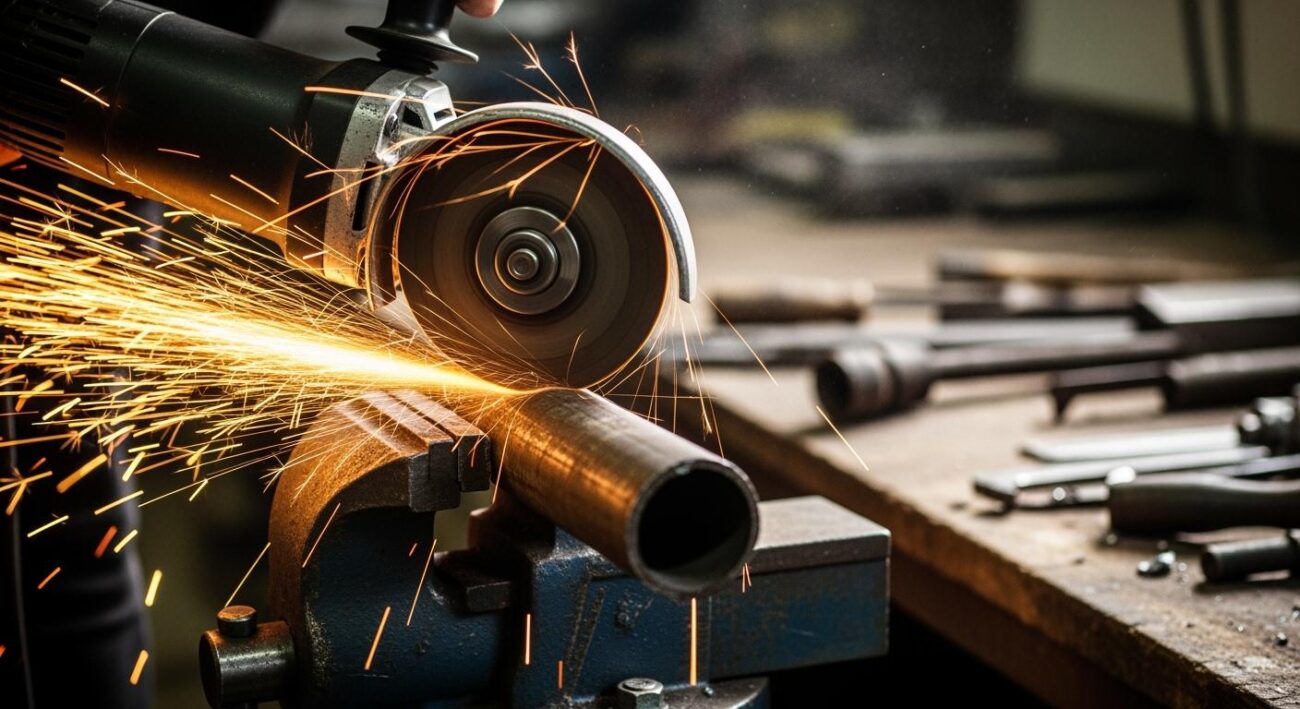
Yes, a metal cutting disc is designed for an angle grinder. For safe, effective cuts, ensure the disc’s RPM rating matches your tool and always use a safety guard.
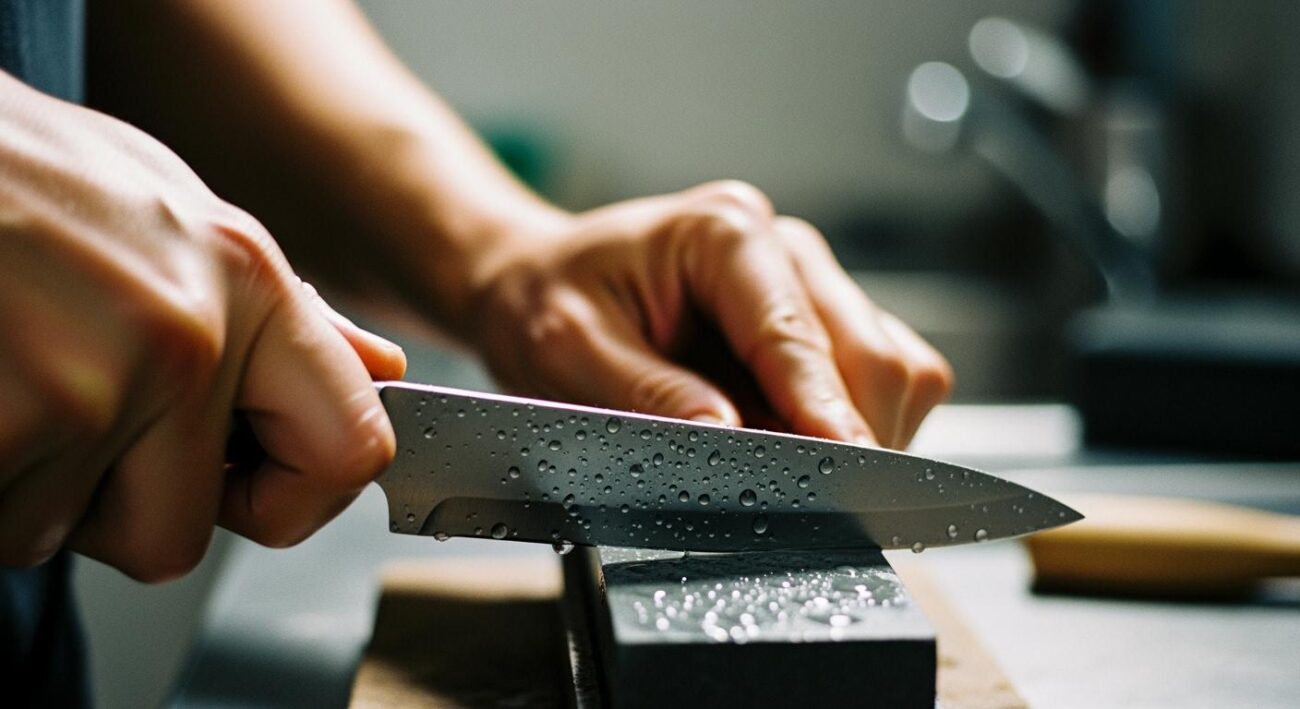
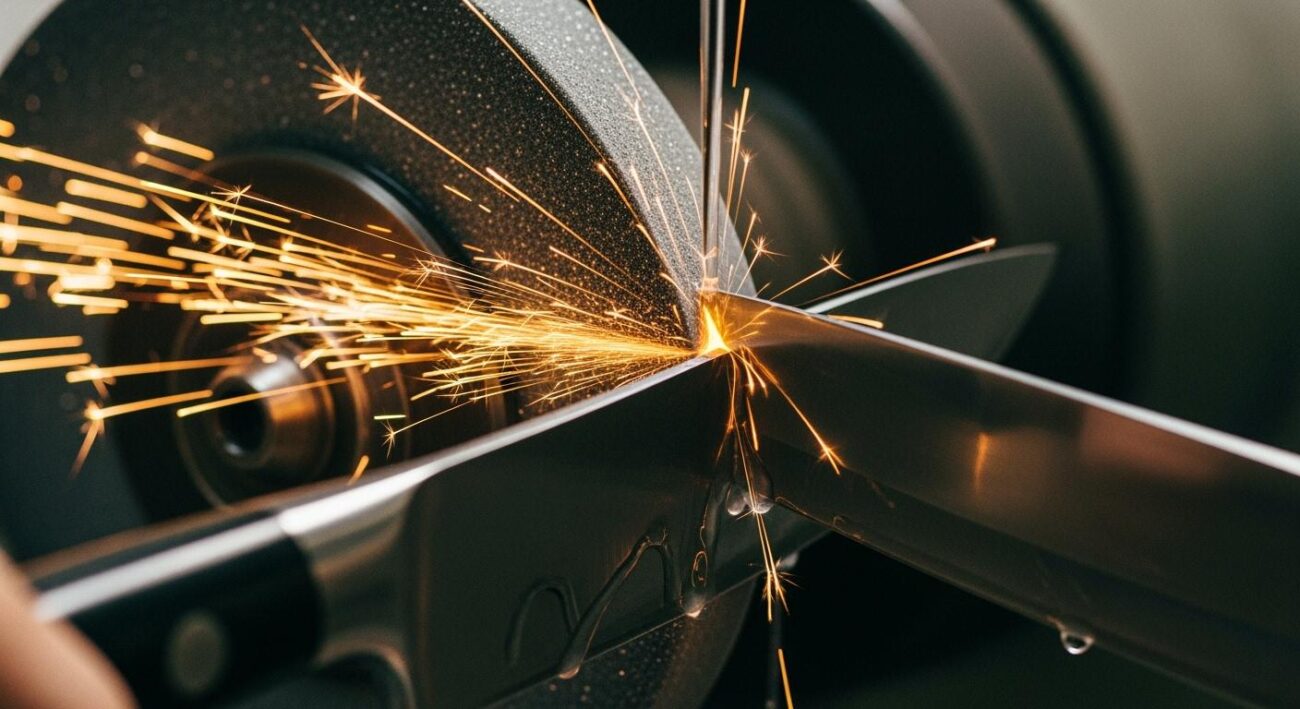
To sharpen a knife with a grinding stone, first find the correct angle (15-20°). Grind one side until a burr forms, then repeat on the other side to create a new edge.
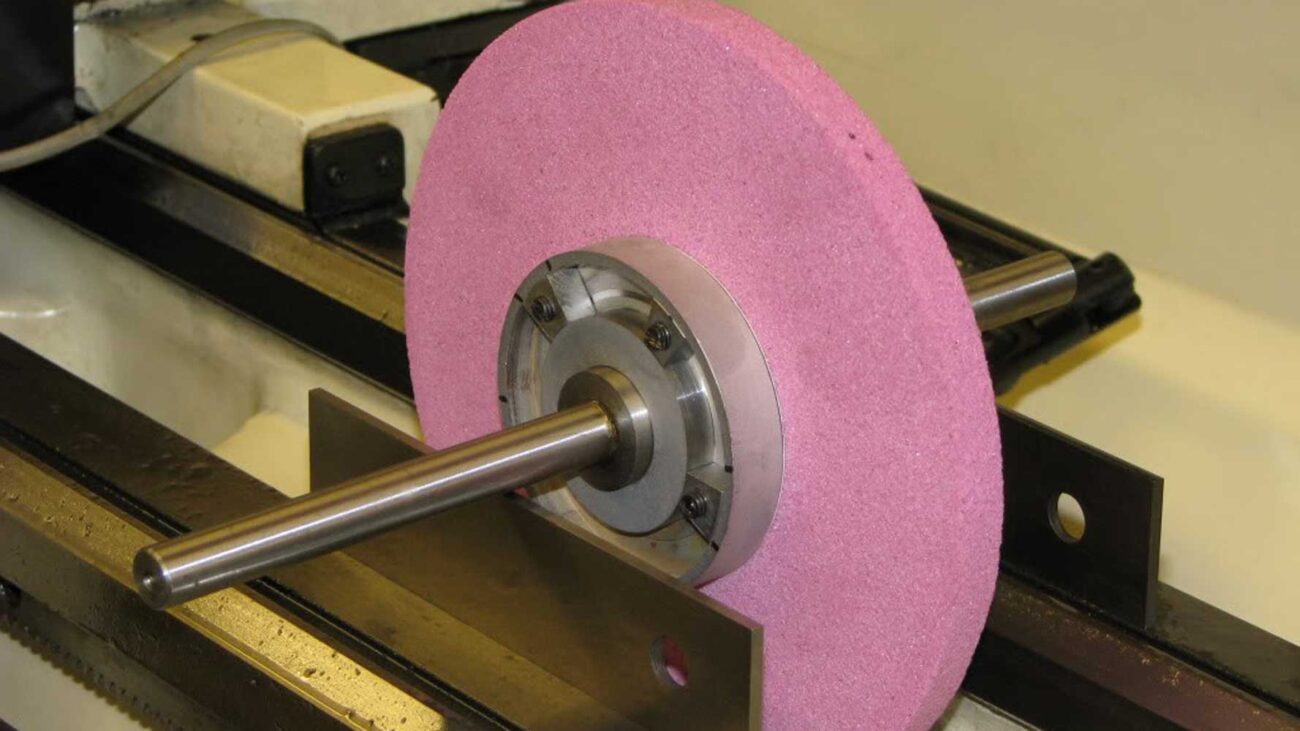
To keep a grinding stone in balance, use specialized balancing washers. These come as manually adjusted static washers for precision or automatic self-balancing ones.
No account yet?
Create an Account