Can you grind on the side of a grinding wheel?
No, you should never grind on the side of a standard grinding wheel. It’s not designed for side pressure and can shatter, causing severe injury. Only use wheels specifically rated for side grinding.
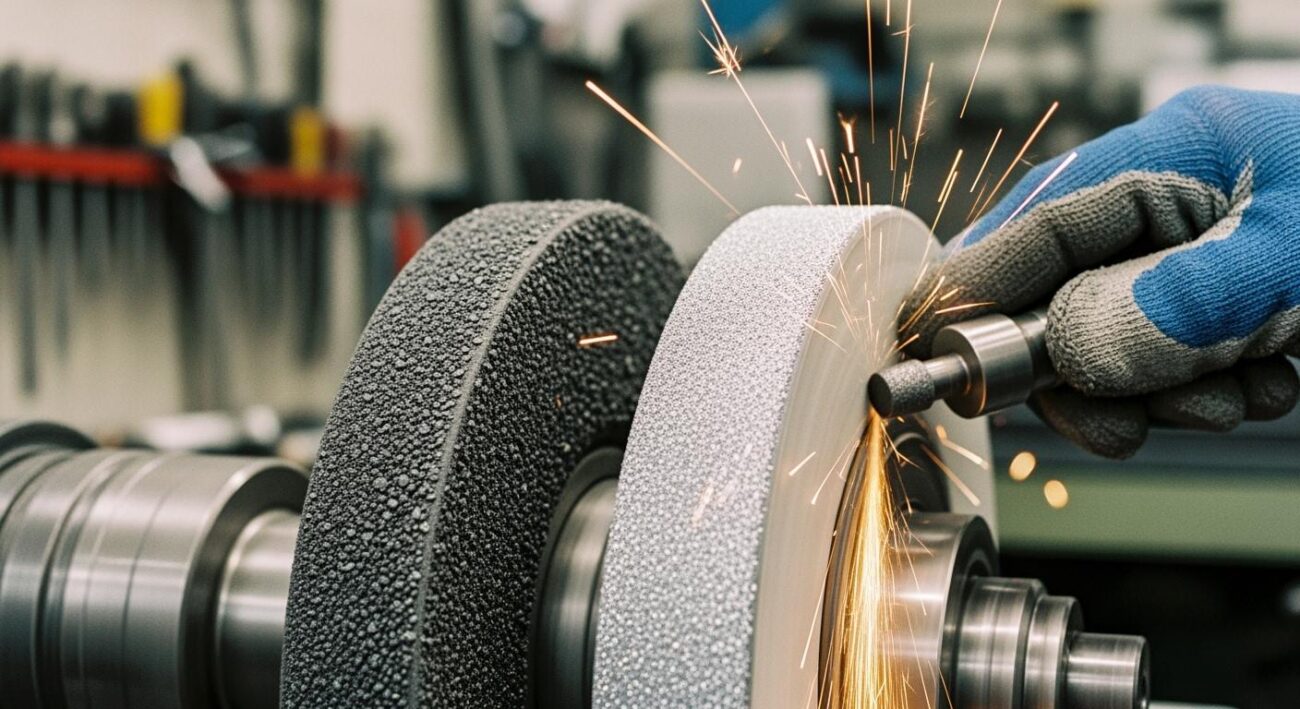
A grinding wheel is made from two main materials: an abrasive grain that cuts the workpiece and a bond that holds the grains. Common abrasives are aluminum oxide, silicon carbide, and superabrasives like diamond and CBN.
A standard grinding wheel should not be used on soft metals like aluminum, wood, plastics, or glass. Grinding these materials clogs the wheel and creates safety risks.
Yes, a grinding wheel does have an expiration date, typically 2-3 years from manufacture. Using an expired grinding wheel is unsafe due to weakened resin bonds.
Master the dos and don’ts of grinding wheels. Follow these essential safety rules for handling, inspecting, and using abrasive wheels to prevent breakage and injury.
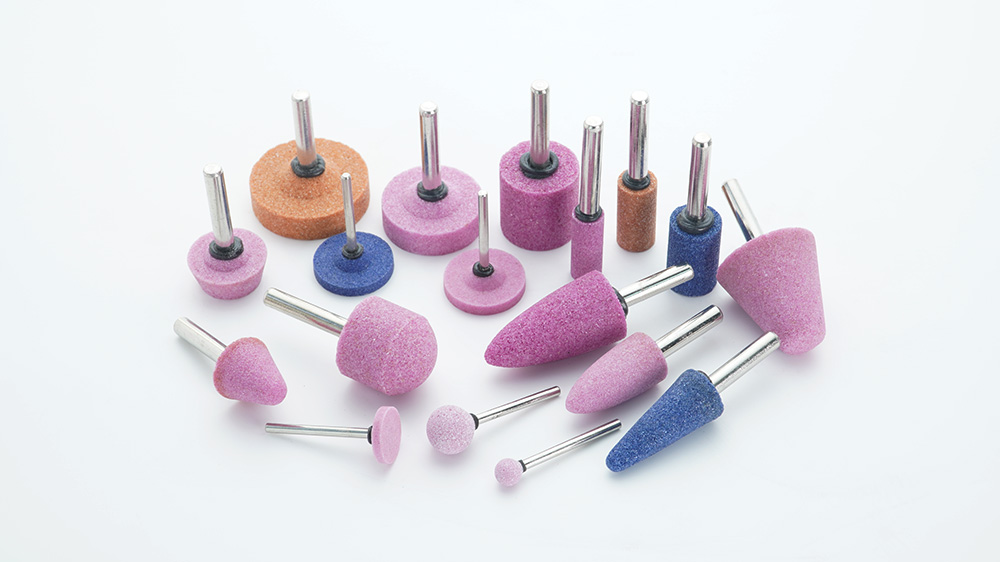
There are nine main types of grinding wheels, each with a unique shape for specific tasks like straight, cylinder, tapered, cup, dish, and saucer wheels.
As a grinding wheel wears, its diameter shrinks, reducing surface speed and making it act softer. This causes faster breakdown, glazing, and poor surface finish.
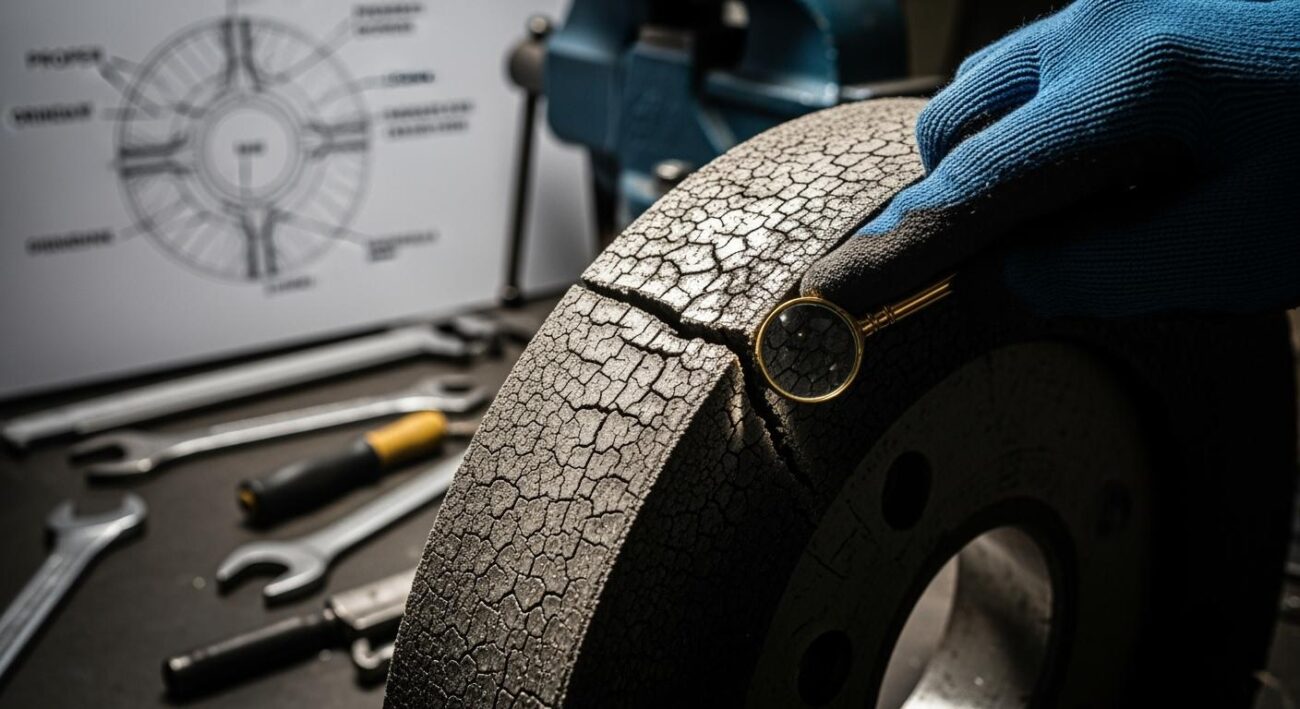
A grinding wheel is worn out if it has cracks or chips, causes excessive vibration, or has been ground down to its minimum usable diameter. Timely replacement is vital.
Before installing a grinding wheel, visually inspect it for cracks, perform a ring test for hidden damage, and verify its RPM and size match your grinder.
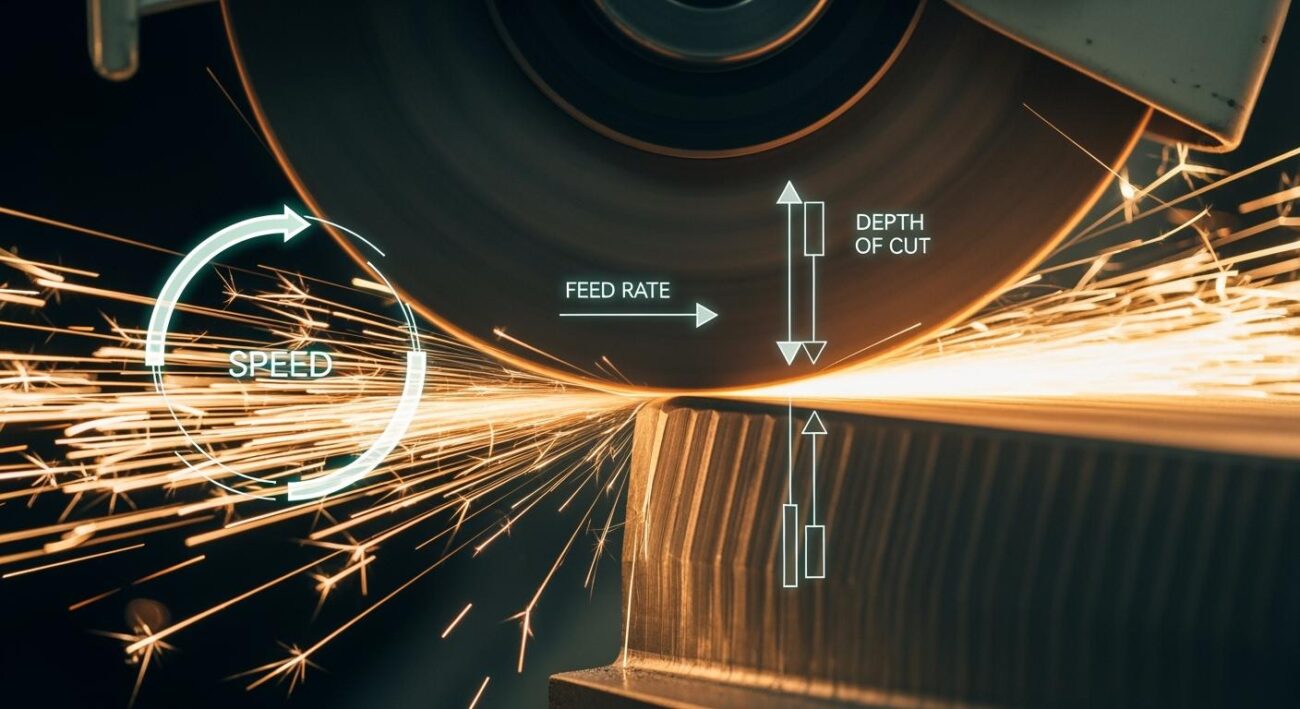
A grinding wheel’s life is determined by its design, operating conditions, and maintenance. Key factors include abrasive type, bond, grain size, speed, and coolant.
No account yet?
Create an Account