
5 Costly Mistakes That Are Shortening Your Surface Grinding Wheel Life

Avoid these 5 costly mistakes to extend your grinding wheel’s life. Using the wrong wheel, improper dressing, and poor coolant management lead to rapid wear.
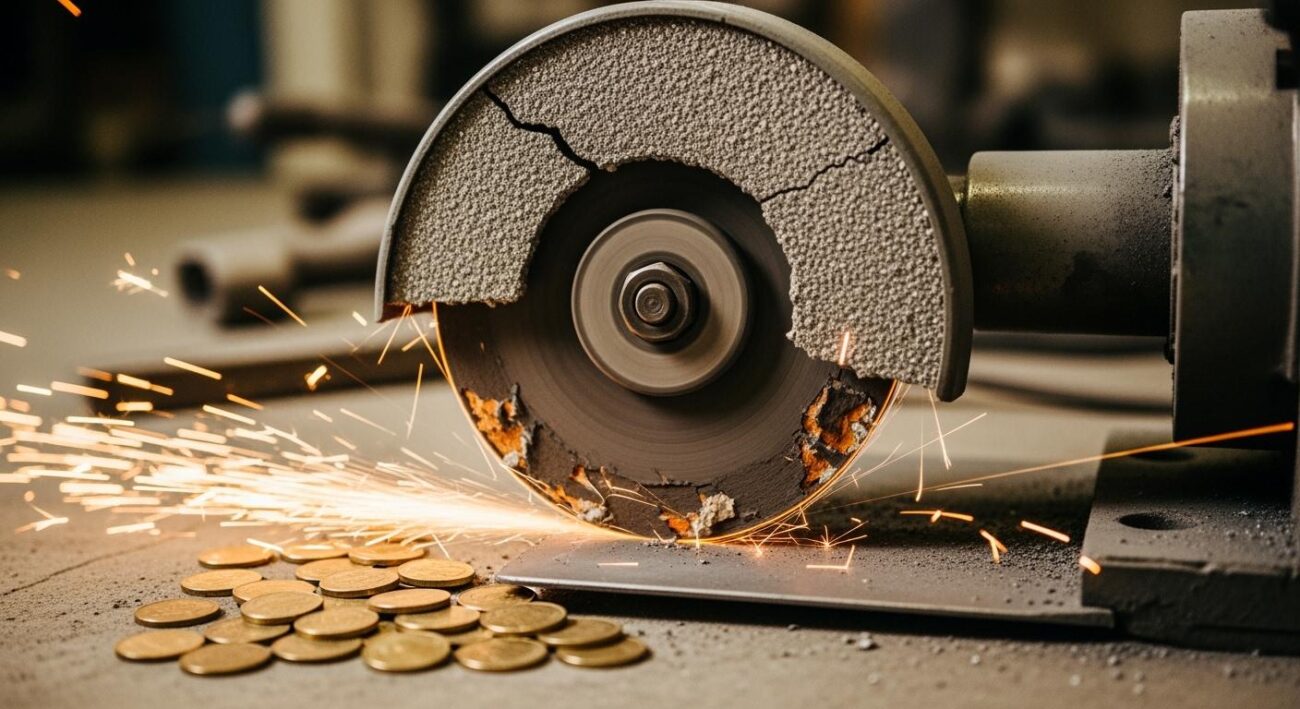
Avoid these 5 costly mistakes to extend your grinding wheel’s life. Using the wrong wheel, improper dressing, and poor coolant management lead to rapid wear.
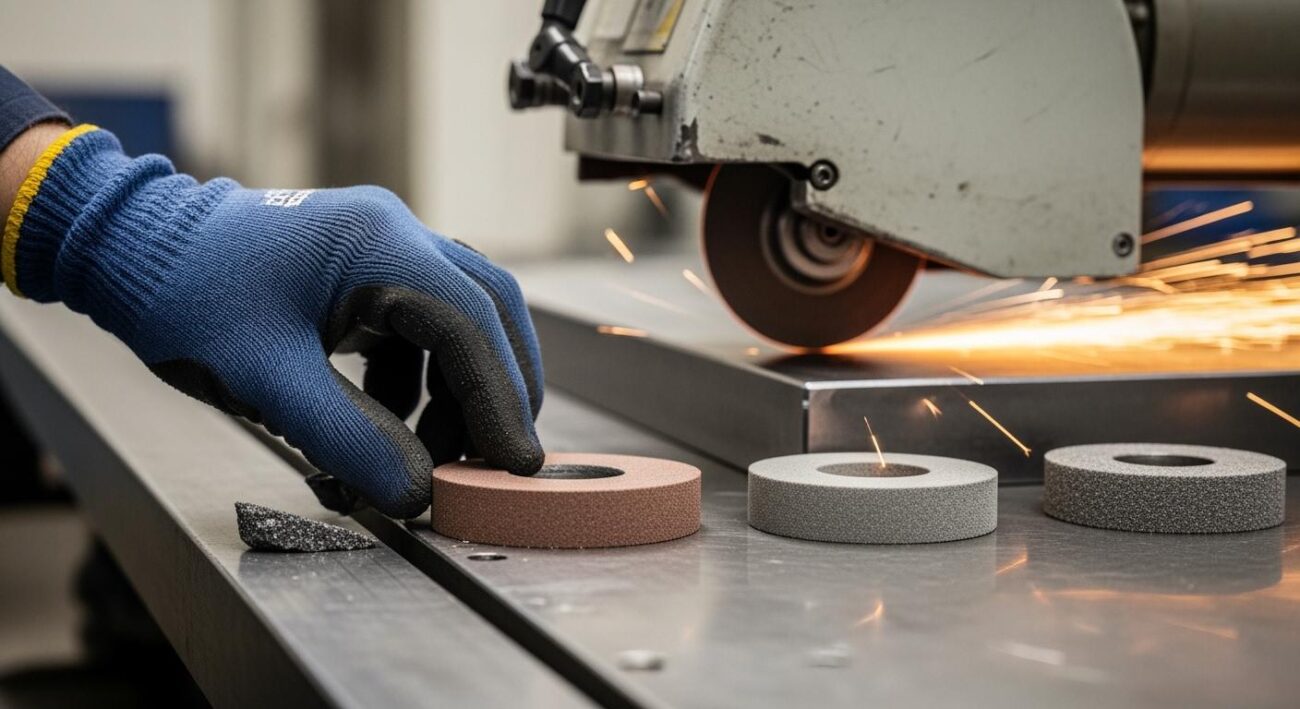
Select the right wheel for surface grinding by matching the abrasive to your material, grit to your finish, and grade to its hardness for efficient, precise results.
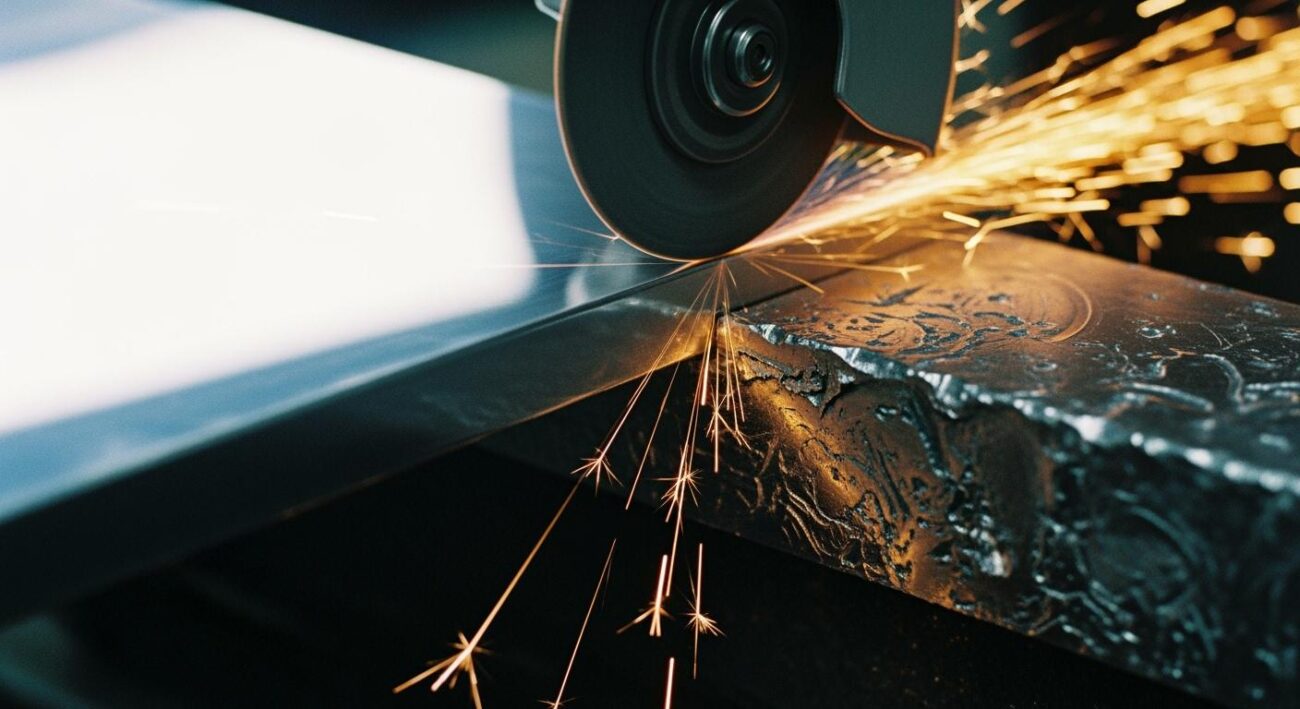
Excessive abrasive wheel feed speeds cause thermal damage, high surface roughness, and microcracks by shifting from cutting to rubbing, compromising part integrity.
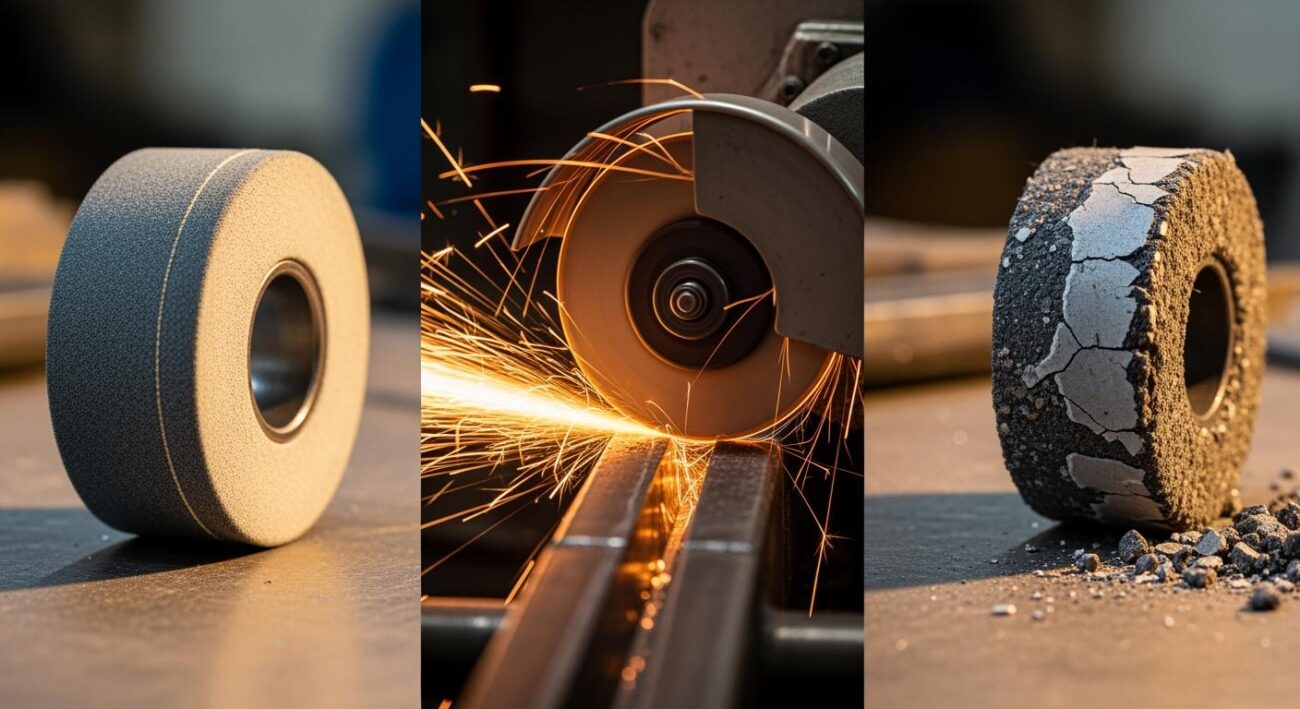
An excessive depth of cut accelerates grinding wheel wear by creating intense force and heat. This fractures abrasive grains and degrades the bond holding them.
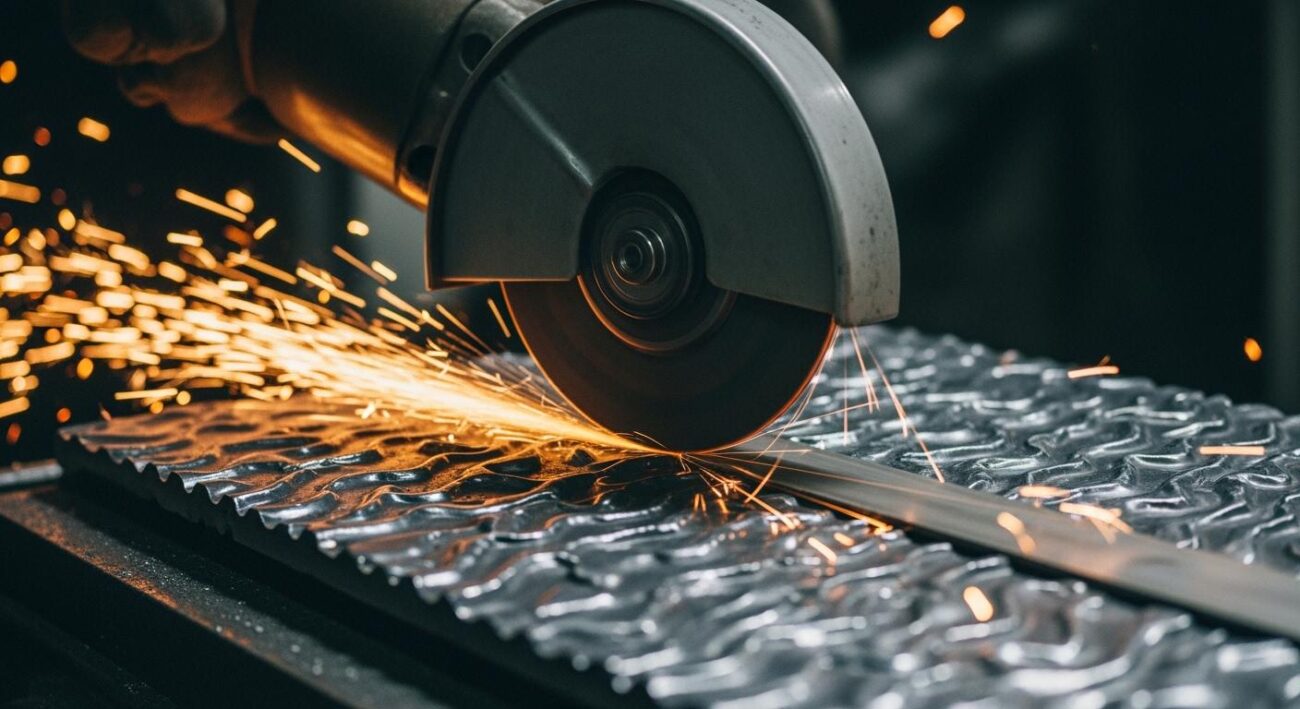
Eccentric abrasive wheel mounting causes severe grinding problems like vibration, chatter, and poor surface finish. Fix these issues by inspecting components, using proper mounting techniques, and truing the wheel to eliminate runout.
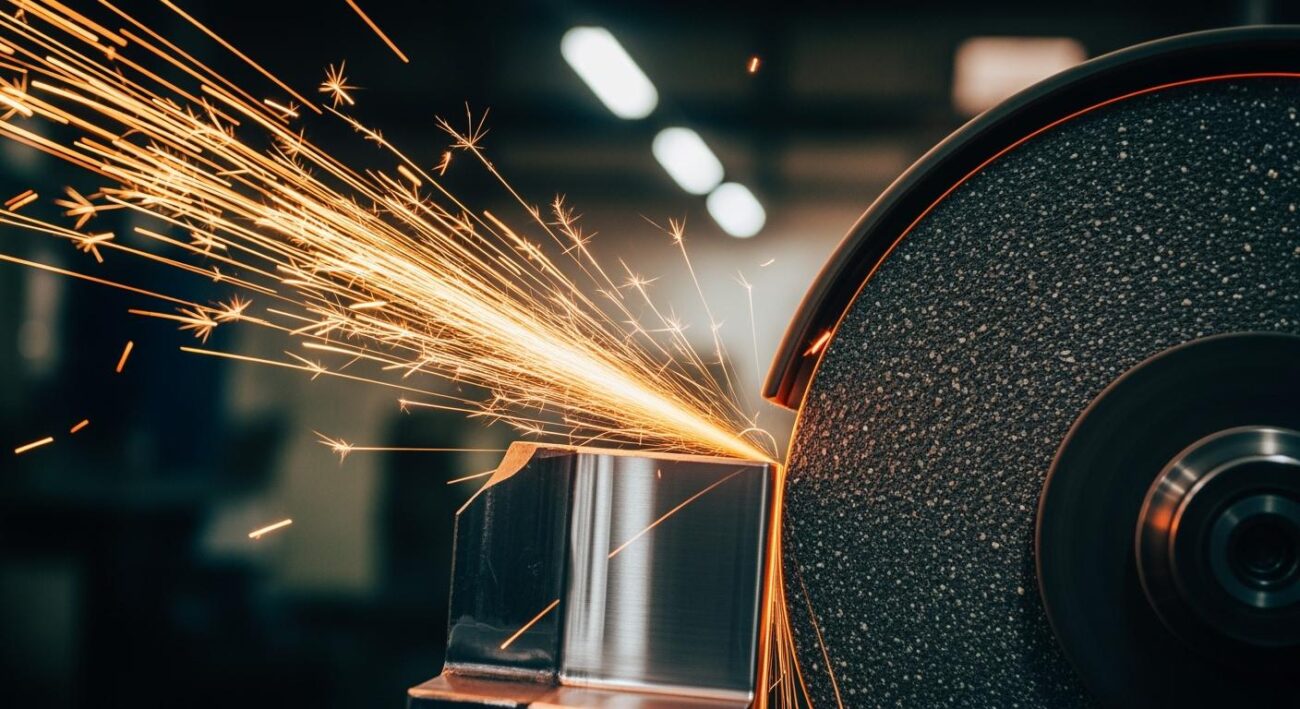
Grinding wheel hardness directly impacts efficiency by controlling self-sharpening. Use soft wheels for hard materials to expose new abrasives and hard wheels for soft materials to prevent premature wear. This choice optimizes material removal and finish.
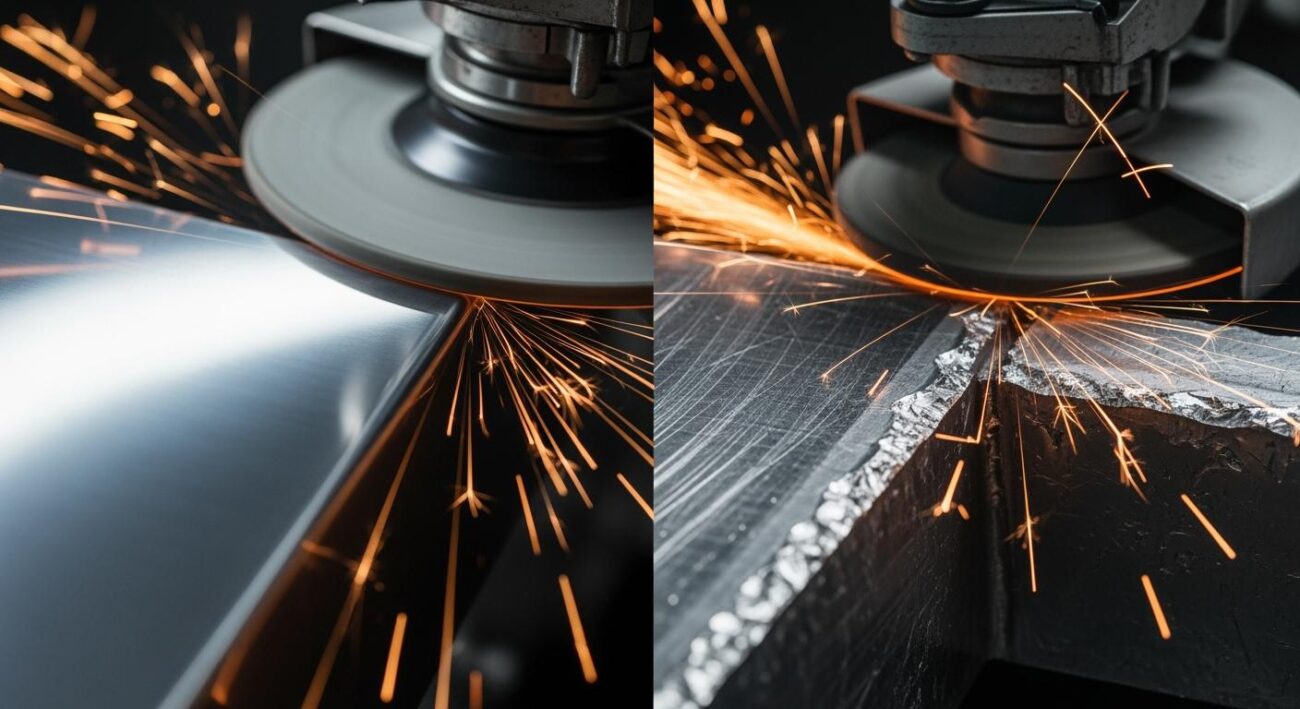
Fix surface roughness issues by selecting the right grinding wheel grit. A coarse grit causes deep scratches, while a fine grit can lead to thermal burn and chatter.
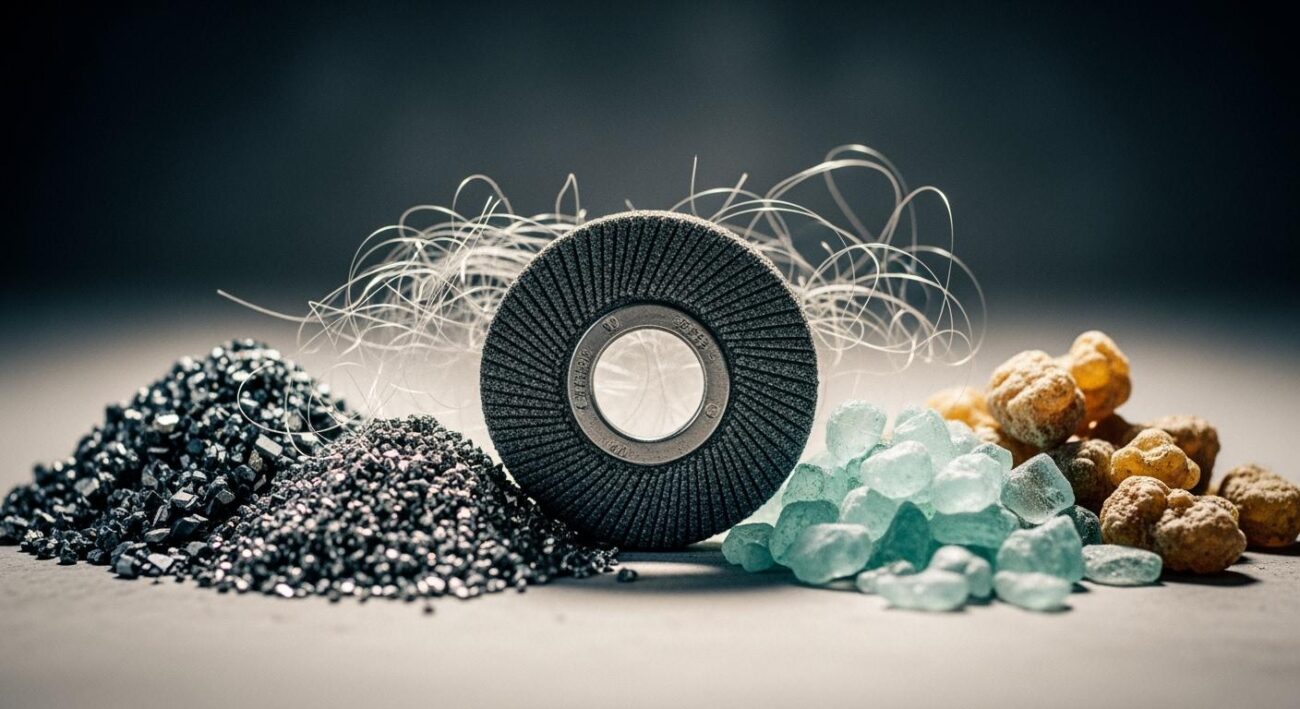
Grinding wheel manufacturing relies on abrasive grains (like aluminum oxide or diamond) for cutting and bonding agents (like vitrified or resin) to hold them.
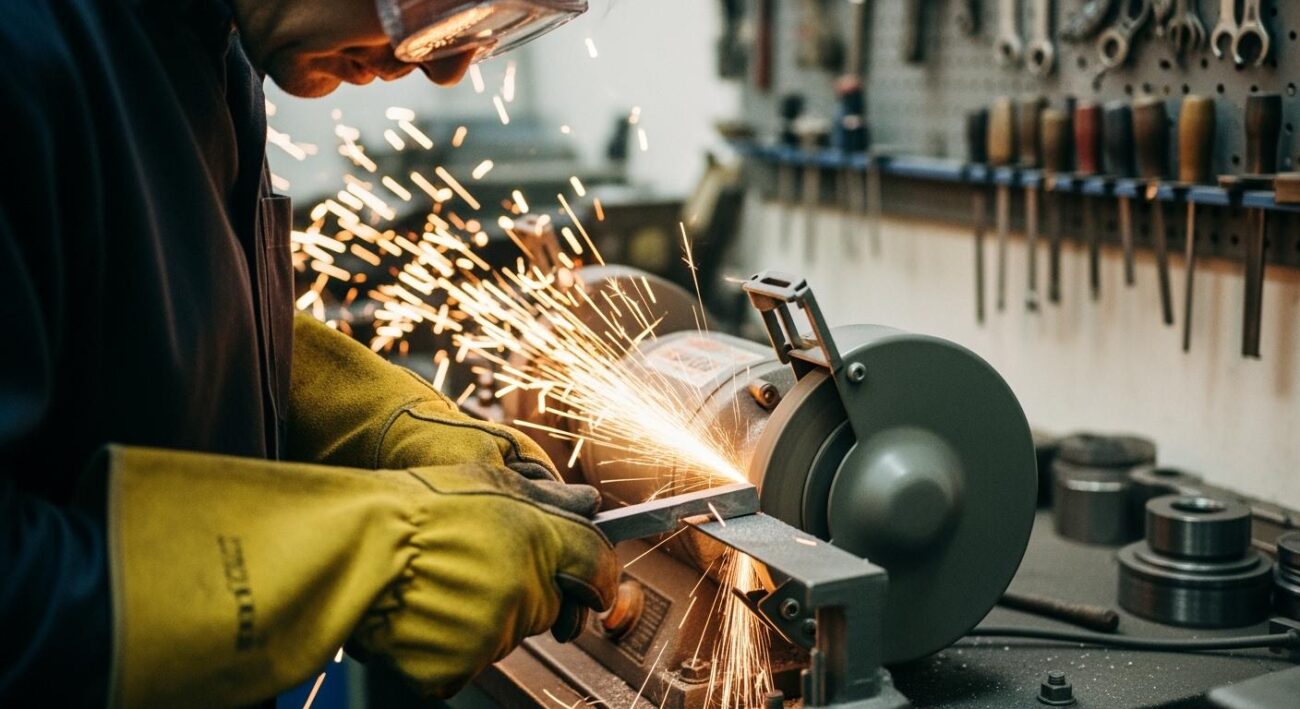
Essential for grinding wheel operators: Master wheel inspection, selection, and safety. This guide covers mounting, angles, and pressure for safe, effective work.
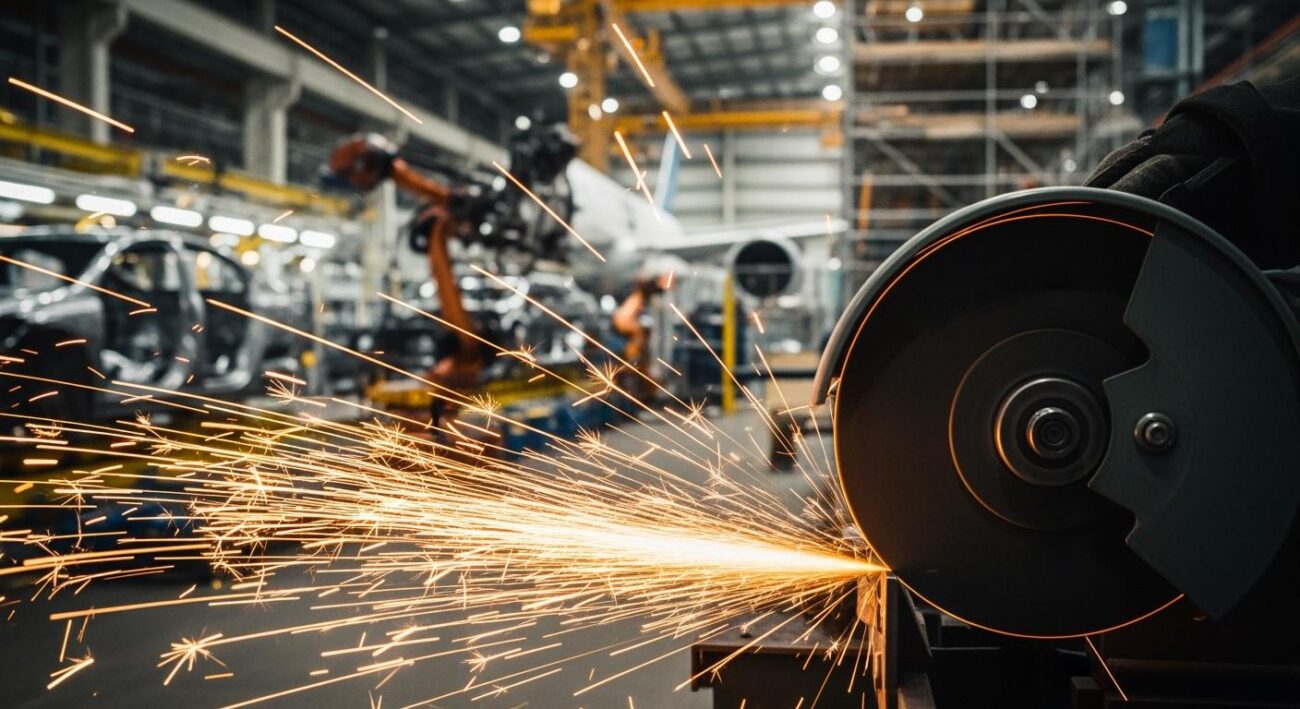
The automotive, aerospace, and medical industries demand the highest grinding wheel wear resistance for precision machining of superalloys, ceramics, and hardened steels.
No account yet?
Create an Account