
Why Does Cast Iron Clog Grinding Wheels?

Cast iron clogs grinding wheels because graphite fills the wheel’s pores, blocking cutting edges and reducing grinding efficiency and finish quality.
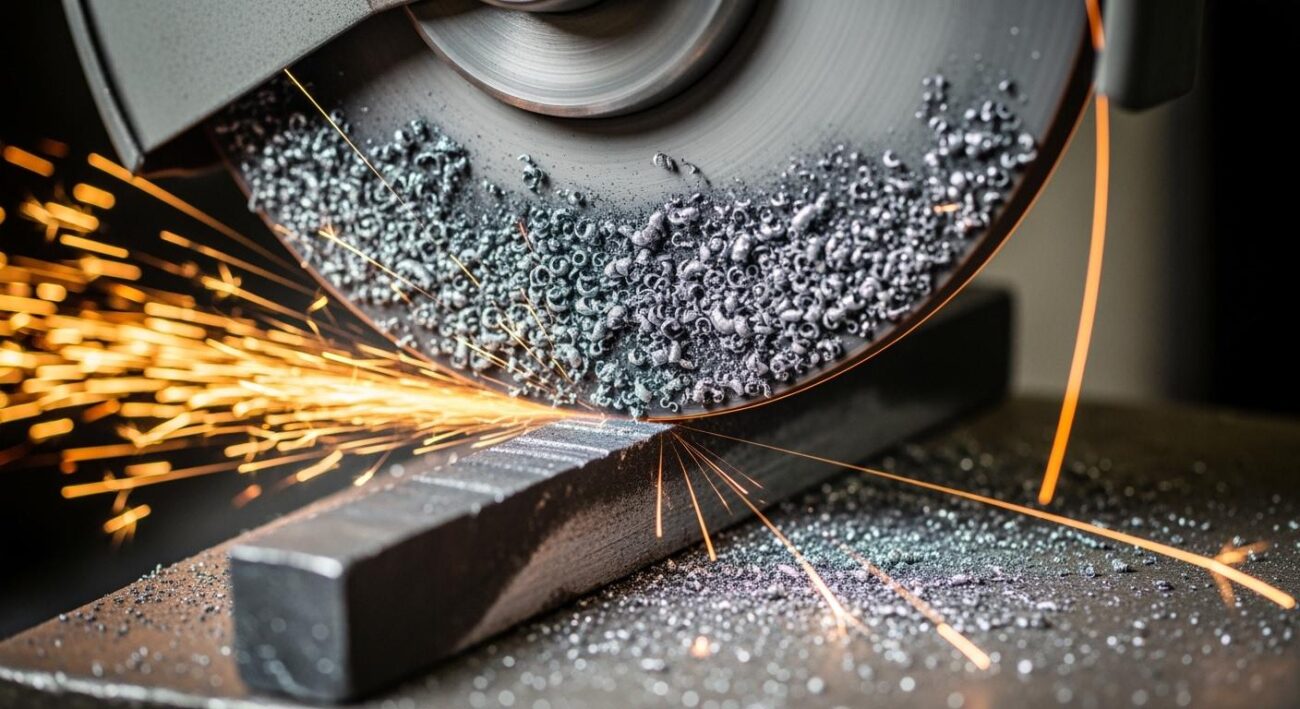
Cast iron clogs grinding wheels because graphite fills the wheel’s pores, blocking cutting edges and reducing grinding efficiency and finish quality.
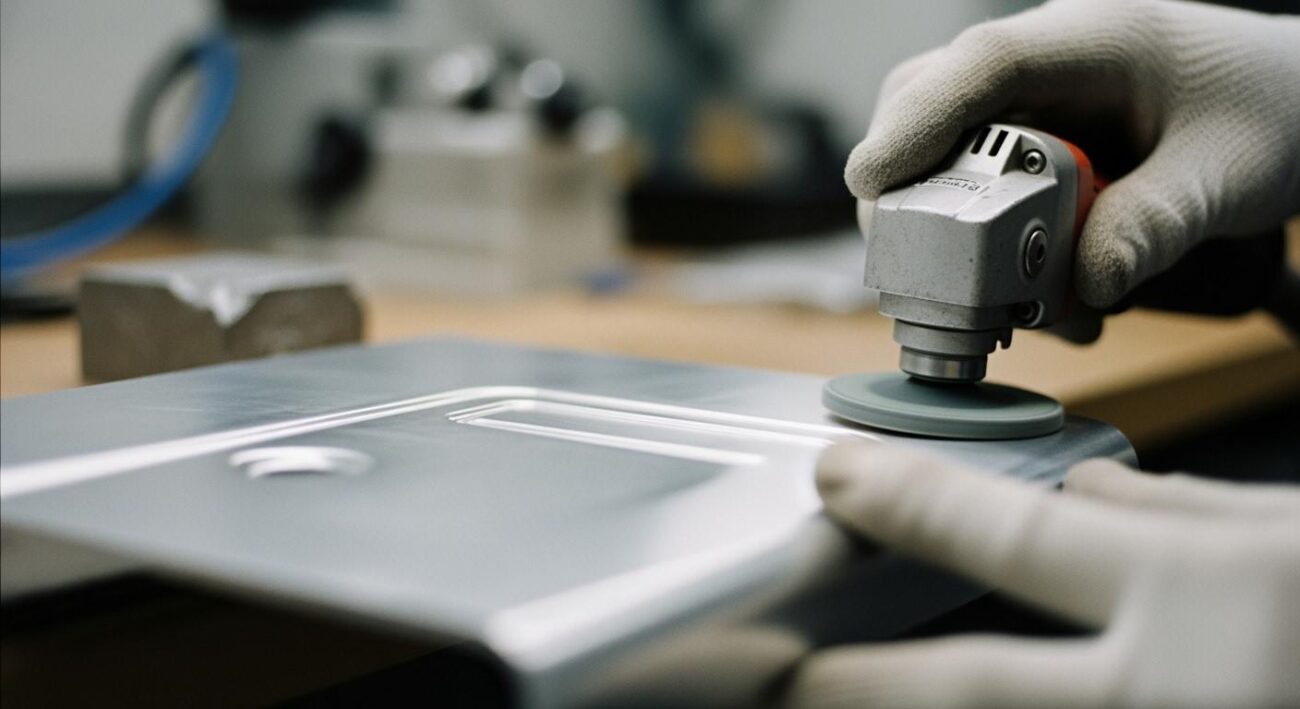
Avoid surface discoloration during silver grinding by controlling heat, using proper abrasives, and keeping tools clean for a flawless, untarnished finish.
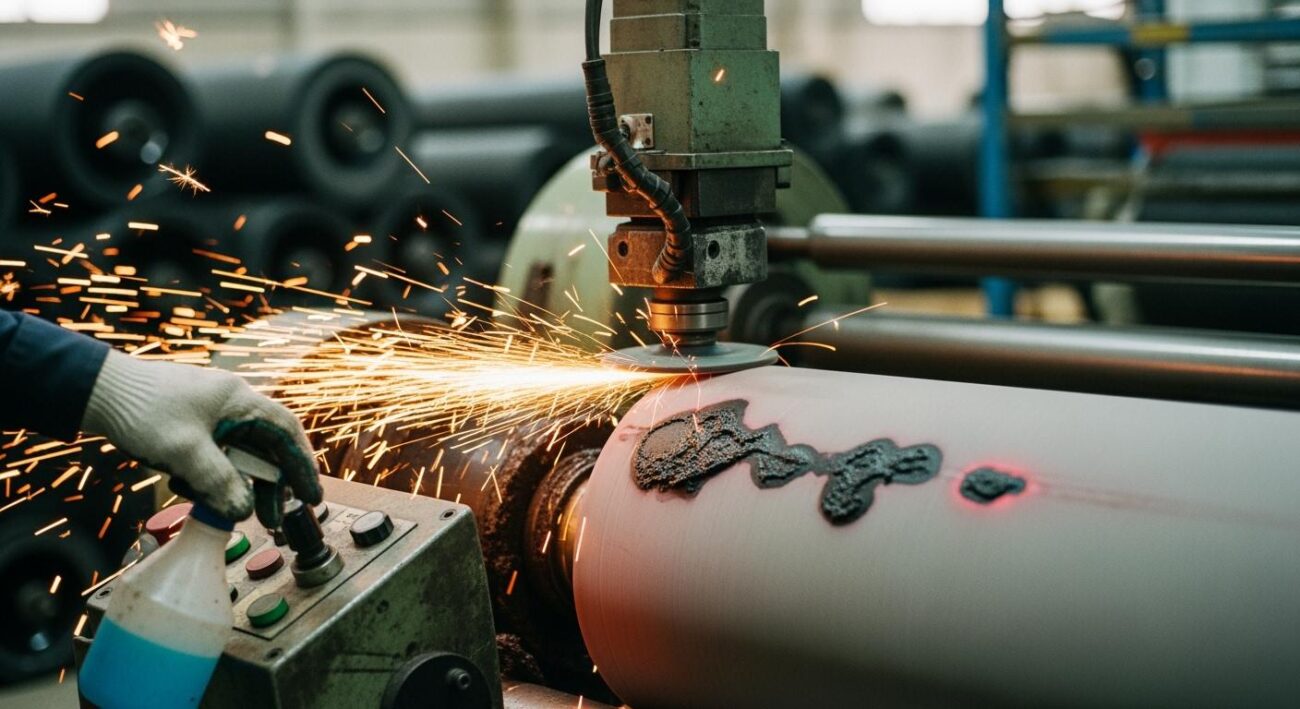
Avoid overheating and rubber buildup in rubber roller grinding by optimizing parameters, using proper coolant, and maintaining equipment regularly.

Grinding Solutions deliver precision, reliability, and compliance for aerospace and medical grade bearings, meeting strict industry standards and tolerances.
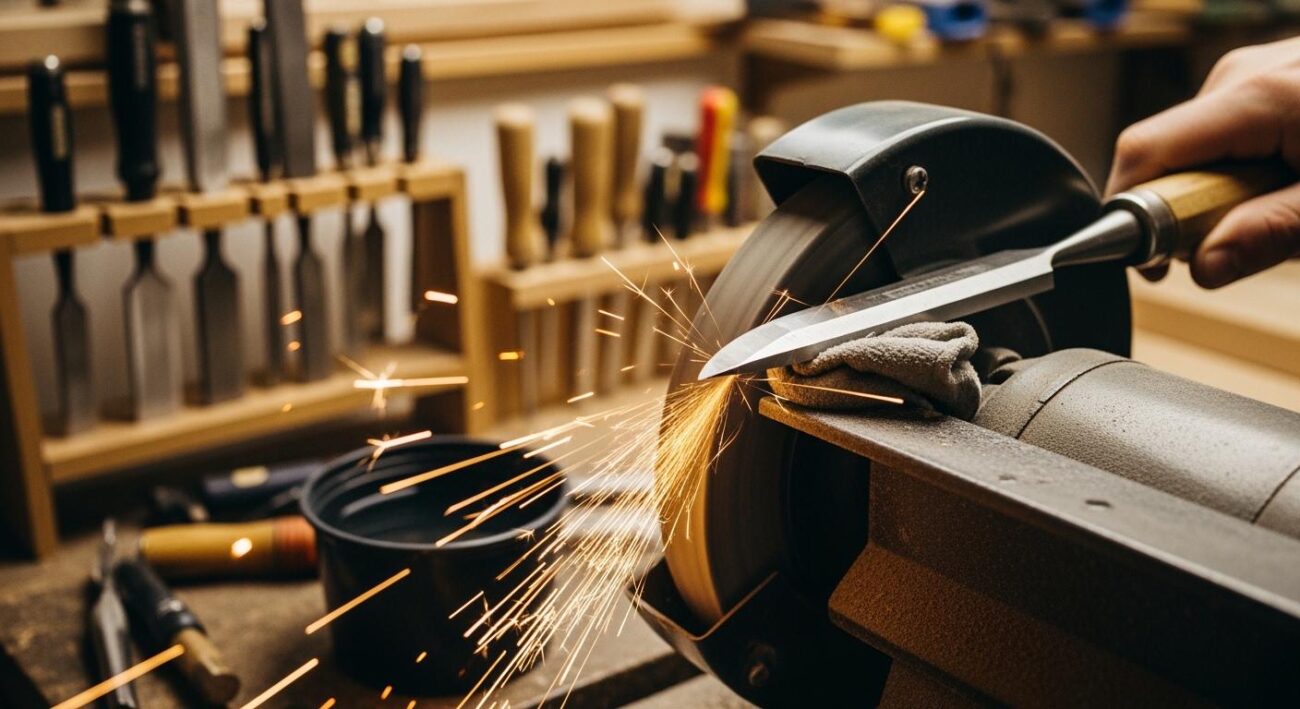
Prevent burning and edge softening in woodworking tool grinding with proper wheels, cooling, and steady techniques for sharper, longer-lasting tools.
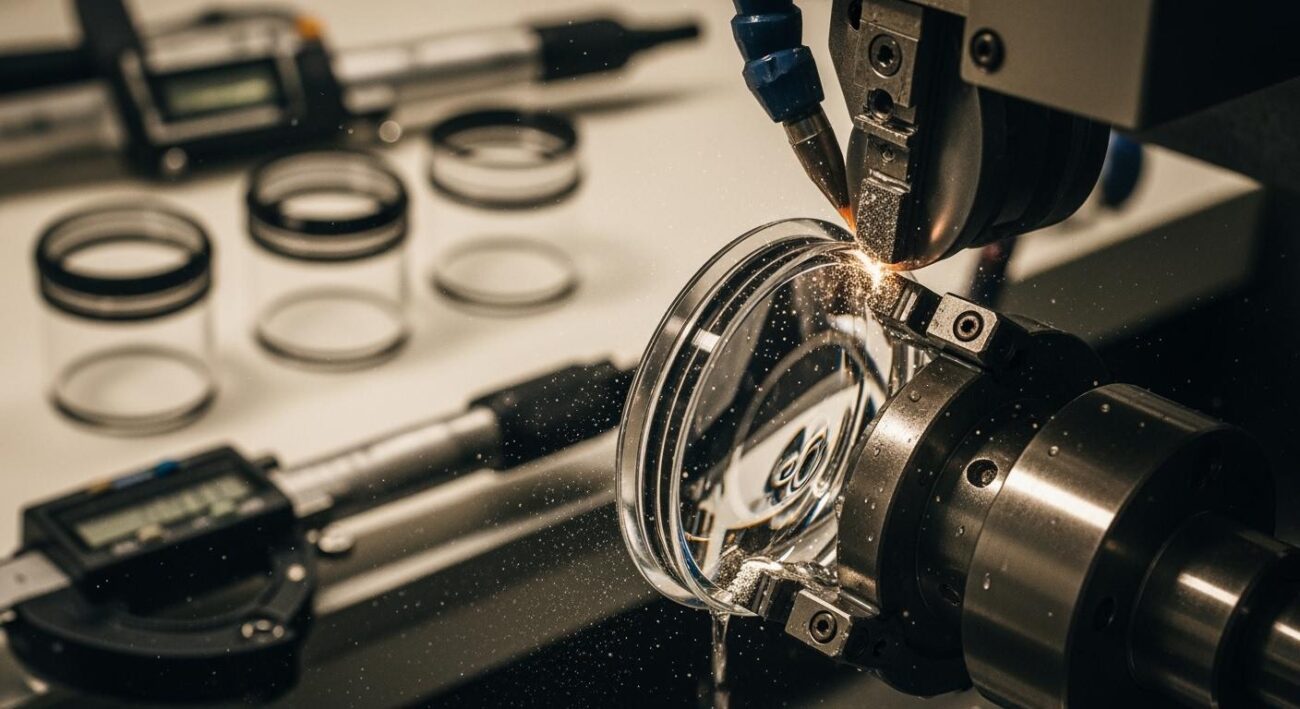
Improve Edge Grinding accuracy for optical lenses with precision machines, diamond wheels, optimized parameters, and routine maintenance.
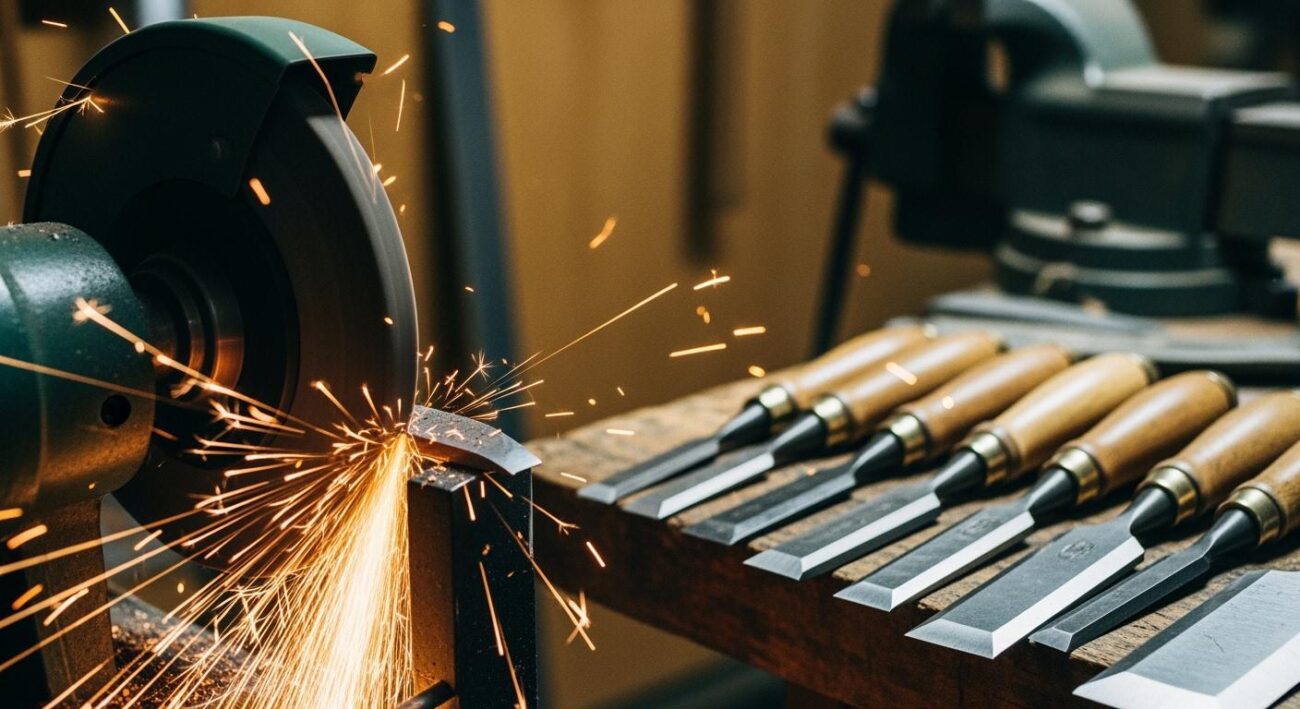
Choose the best grinding wheel for sharpening woodworking tools: aluminum oxide for steel, diamond for carbide, plus grit and shape tips for top results.
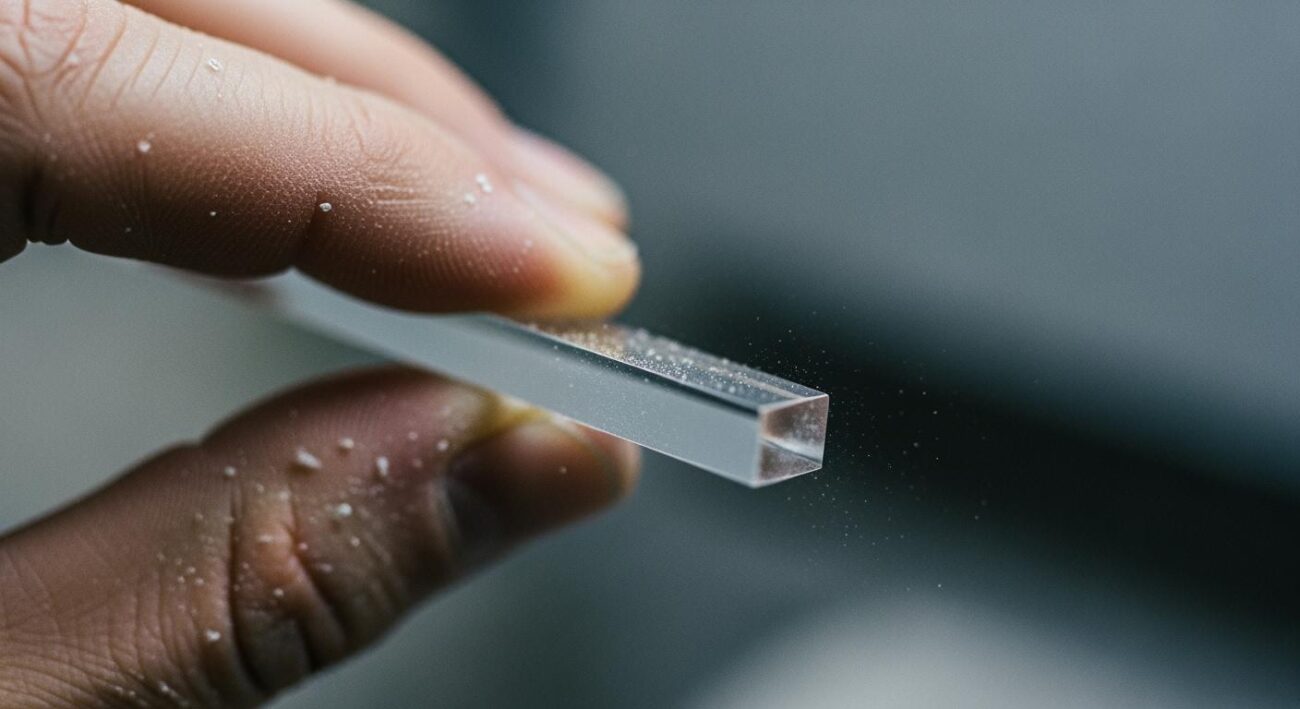
Achieve optical clarity and precision edges in glass grinding with the right diamond wheels, proper machine settings, and expert polishing techniques.

Prevent wafer grinding cracks, chipping, and subsurface damage by optimizing grinding parameters, using super hard abrasives, and proper wafer handling.
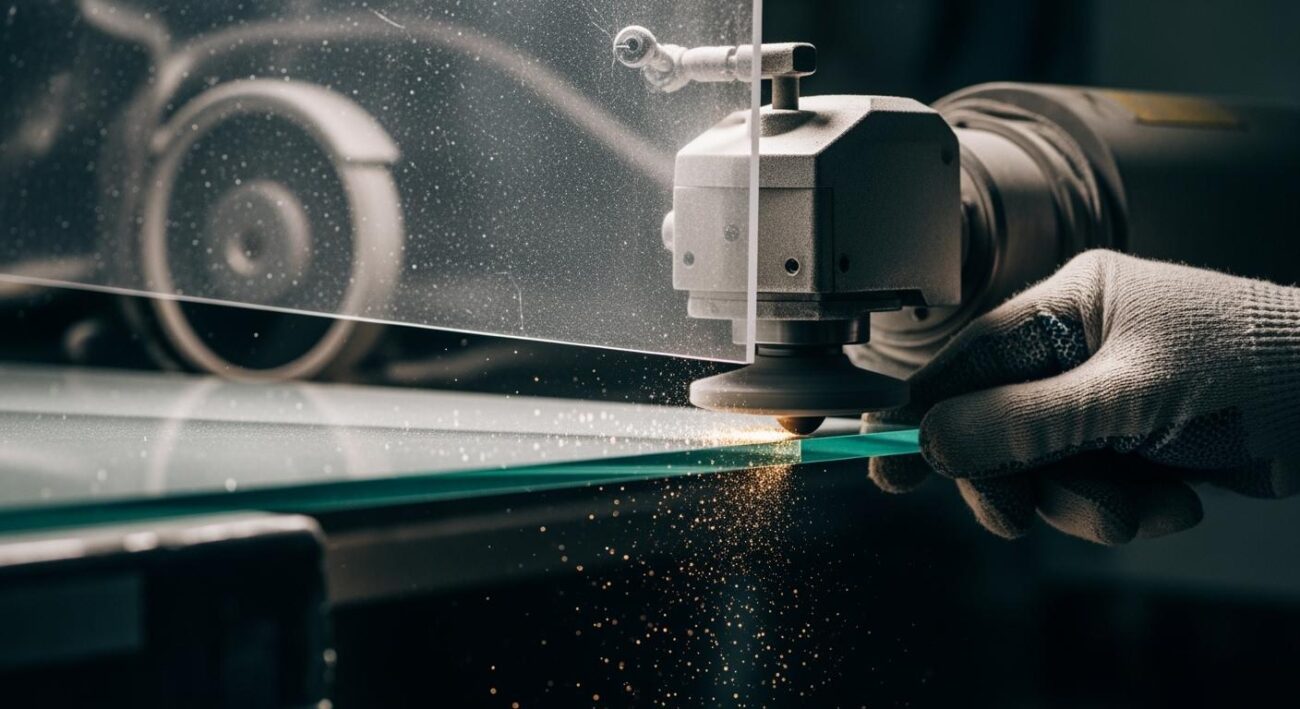
Prevent cracks and chipping in glass grinding by using quality tools, steady pressure, proper coolant, and the right techniques for flawless edges.
No account yet?
Create an Account