
Complete Grinding Wheel Configuration Scheme for Non-Ferrous Metals

Choose the ideal grinding wheel configuration for non-ferrous metals to boost efficiency, prevent loading, and achieve superior surface finishes.
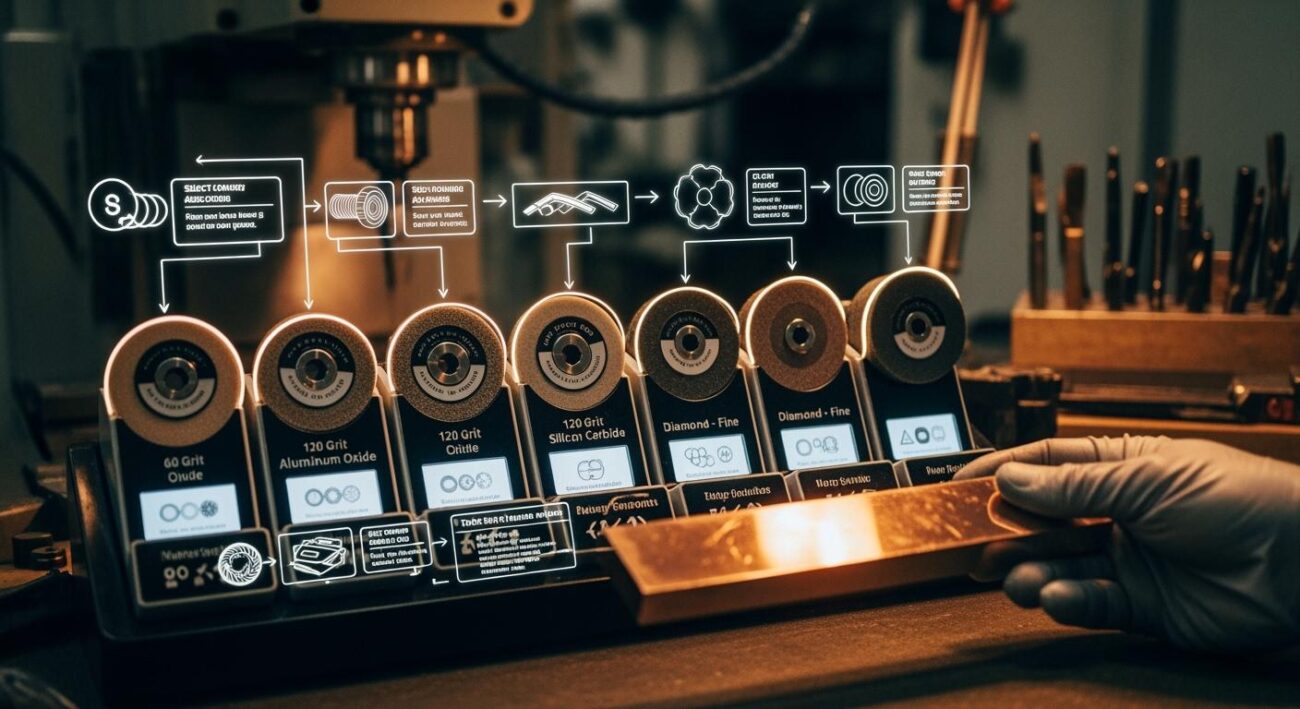
Choose the ideal grinding wheel configuration for non-ferrous metals to boost efficiency, prevent loading, and achieve superior surface finishes.
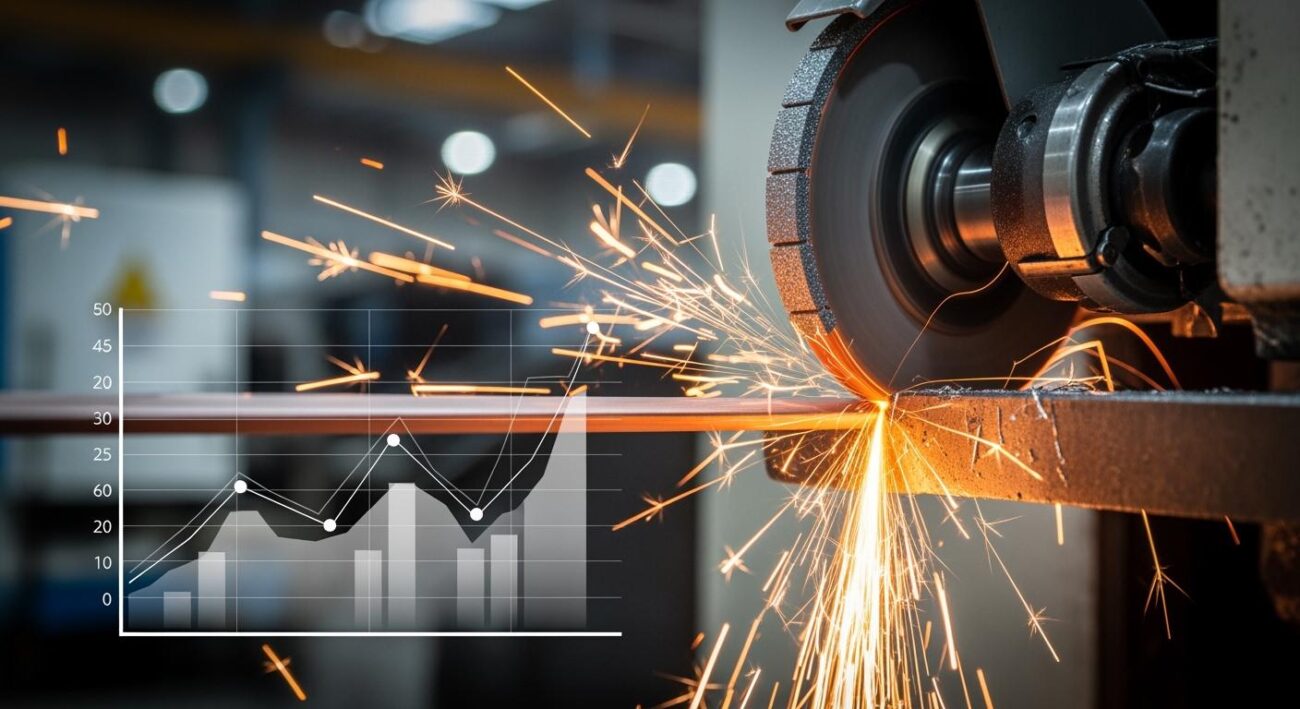
Economic analysis of superabrasive wheel grinding in non-ferrous metals highlights cost savings, longer wheel life, and improved productivity for manufacturers.
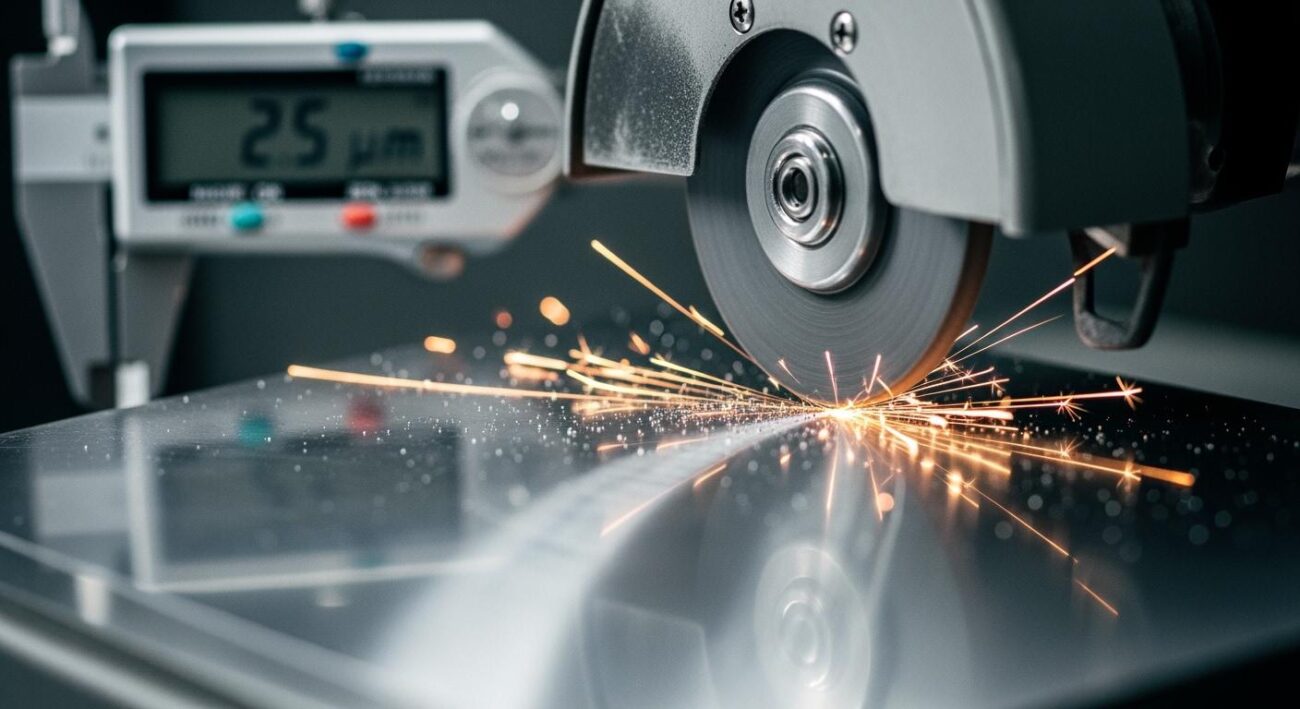
Ultra-Fine Grinding Wheel enables micron-level surface roughness with precise setup, optimal parameters, and accurate measurement for manufacturing success.
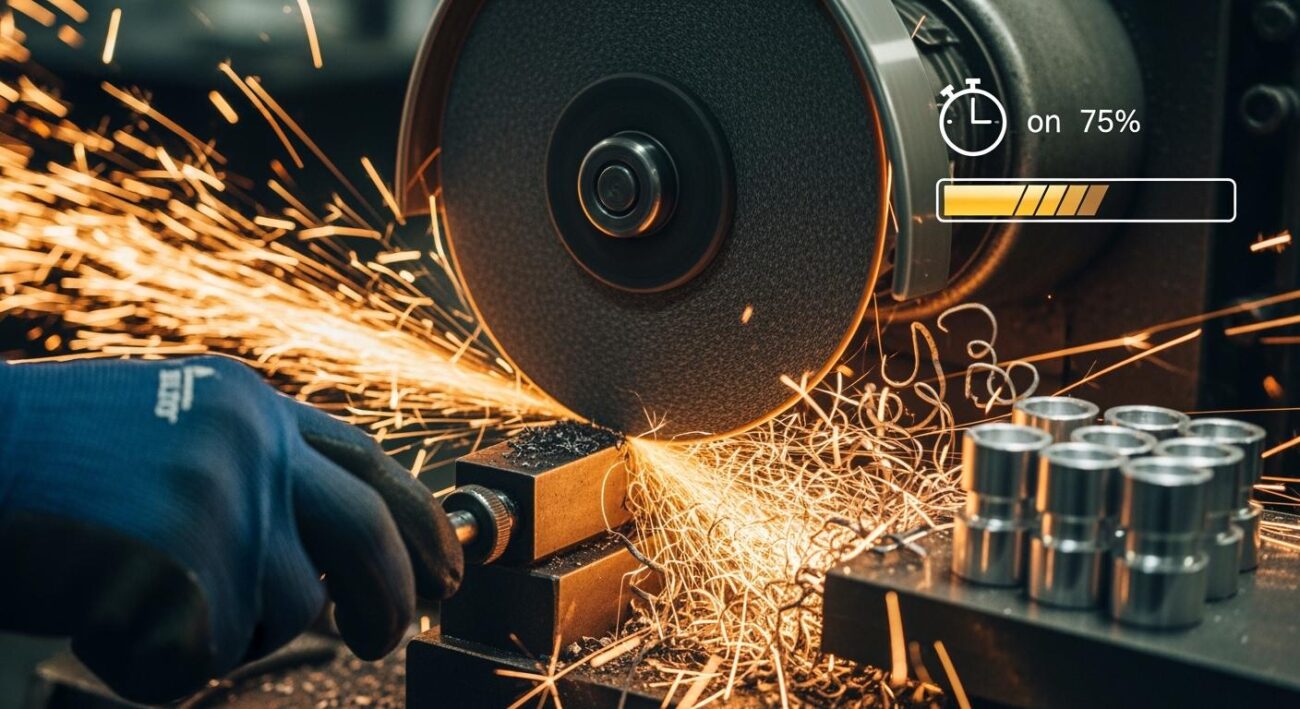
Improve efficiency in non-ferrous metal grinding by selecting the right wheel, using proper techniques, and maintaining equipment for longer wheel life.
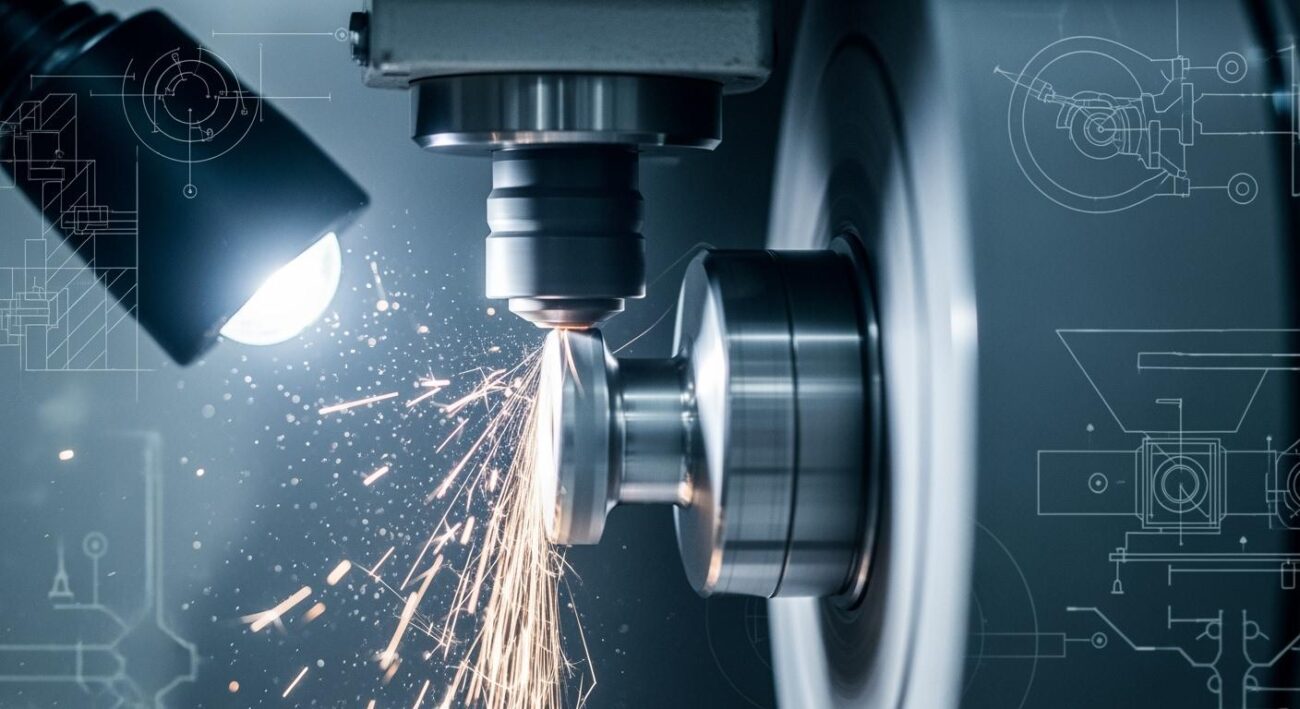
Achieve damage-free grinding of titanium and superalloys with advanced wheels, optimized cooling, and process control for superior surface quality.
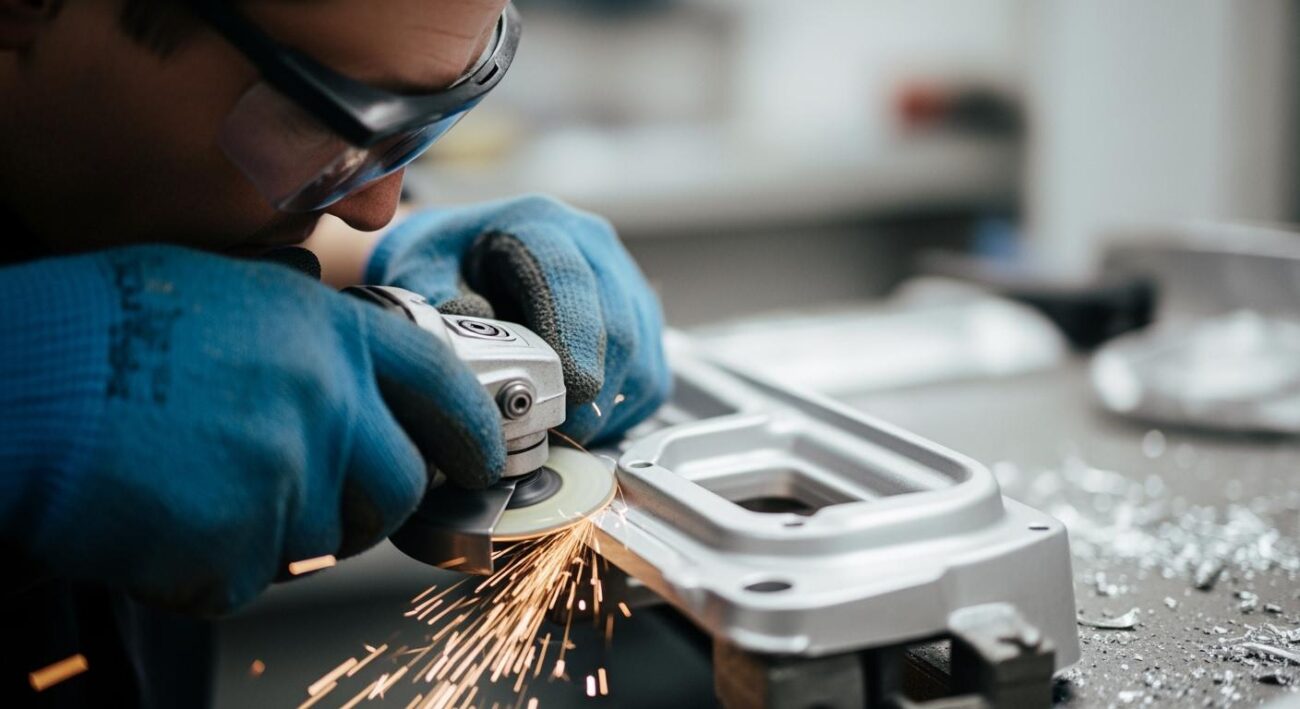
Safe Grinding Solutions for aluminum and magnesium alloys reduce fire, explosion, and dust risks with proper tools, dust control, and safety practices.
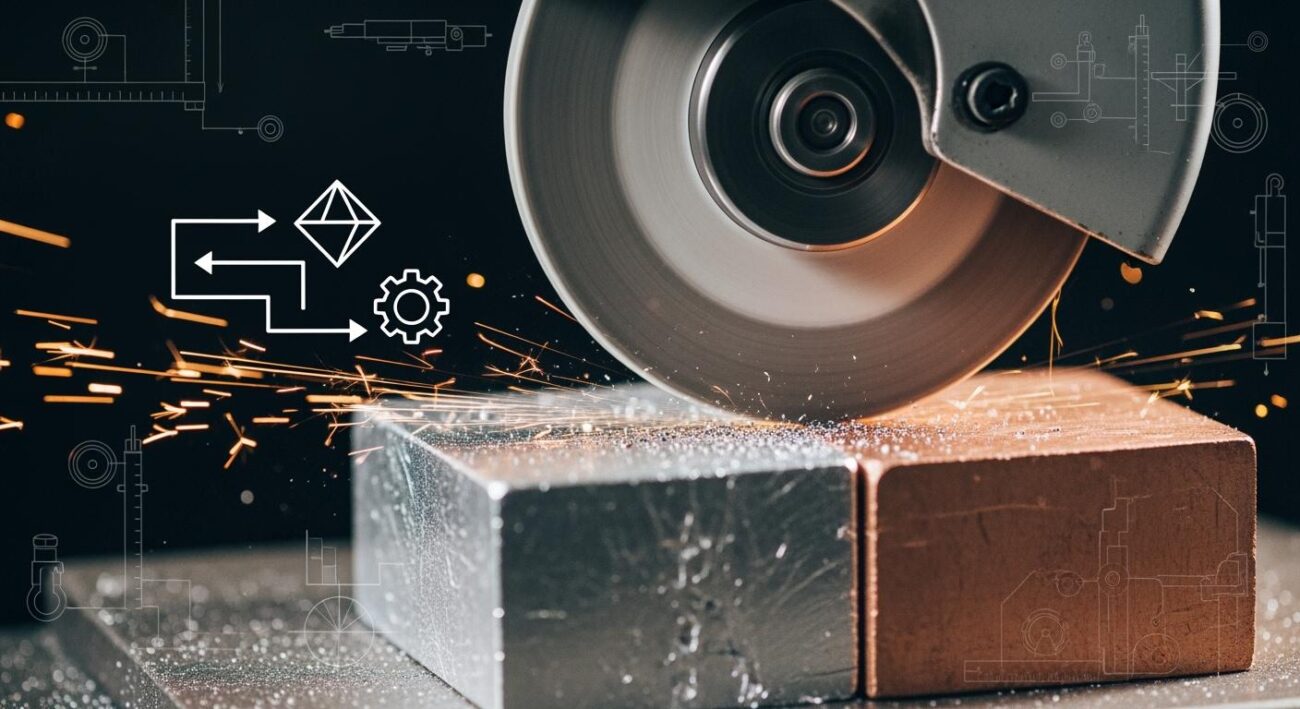
Grinding wheel selection for non-ferrous metals: match abrasive, grit, and bond to material properties for optimal finish, reduced loading, and tool life.
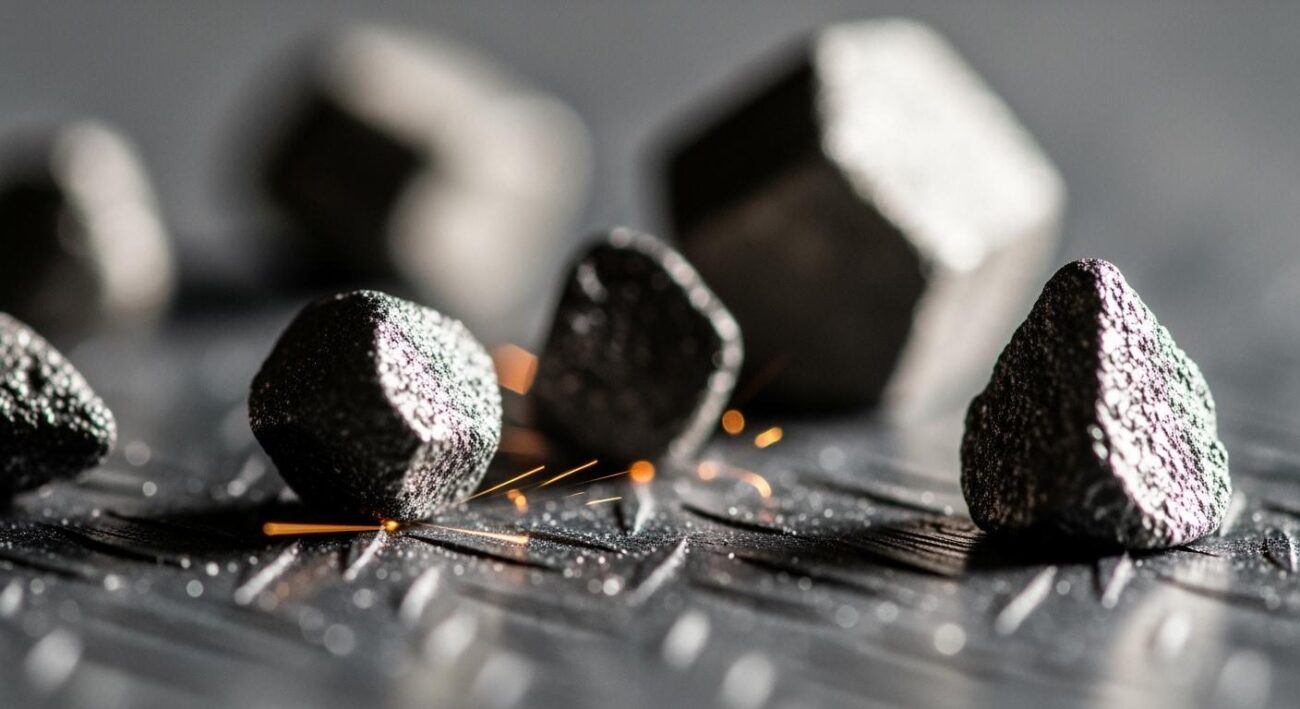
Abrasive grain shapes boost grinding efficiency in steel by improving material removal rates, surface finish, and wheel longevity for various applications.
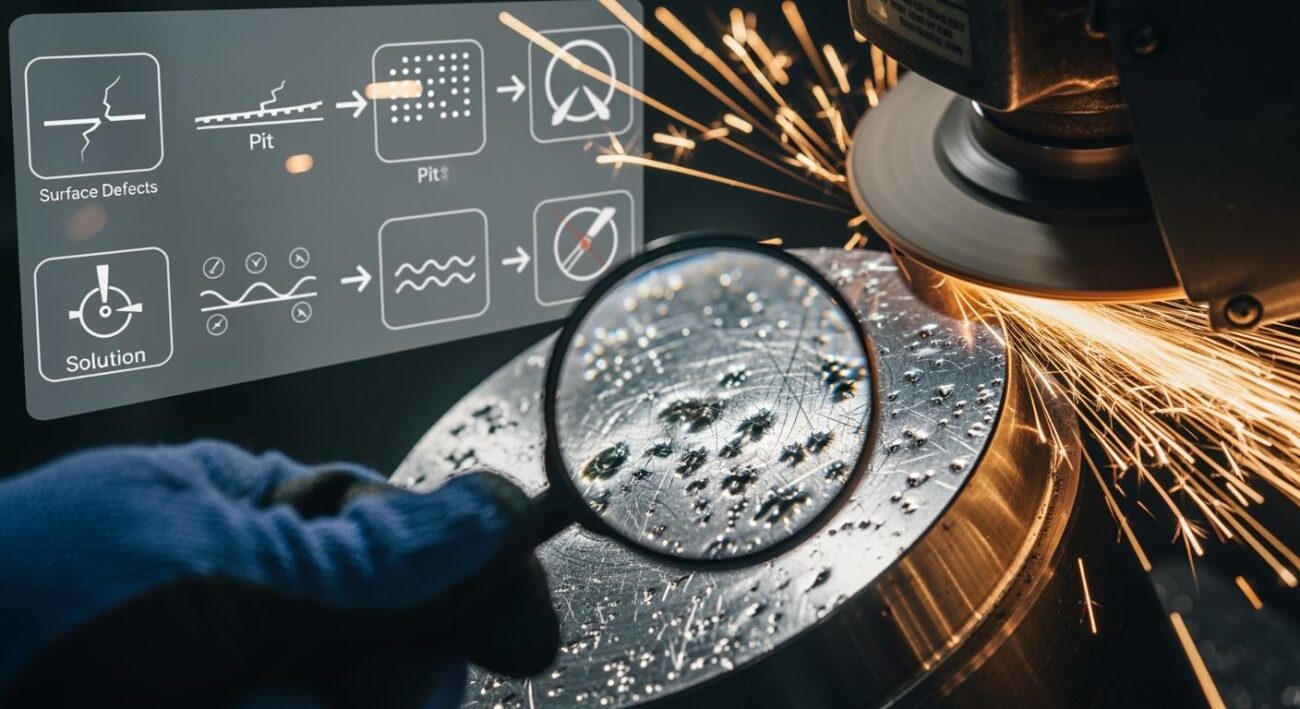
Troubleshooting Guide for common surface finish defects in steel grinding—identify, diagnose, and resolve imperfections for improved steel product quality.
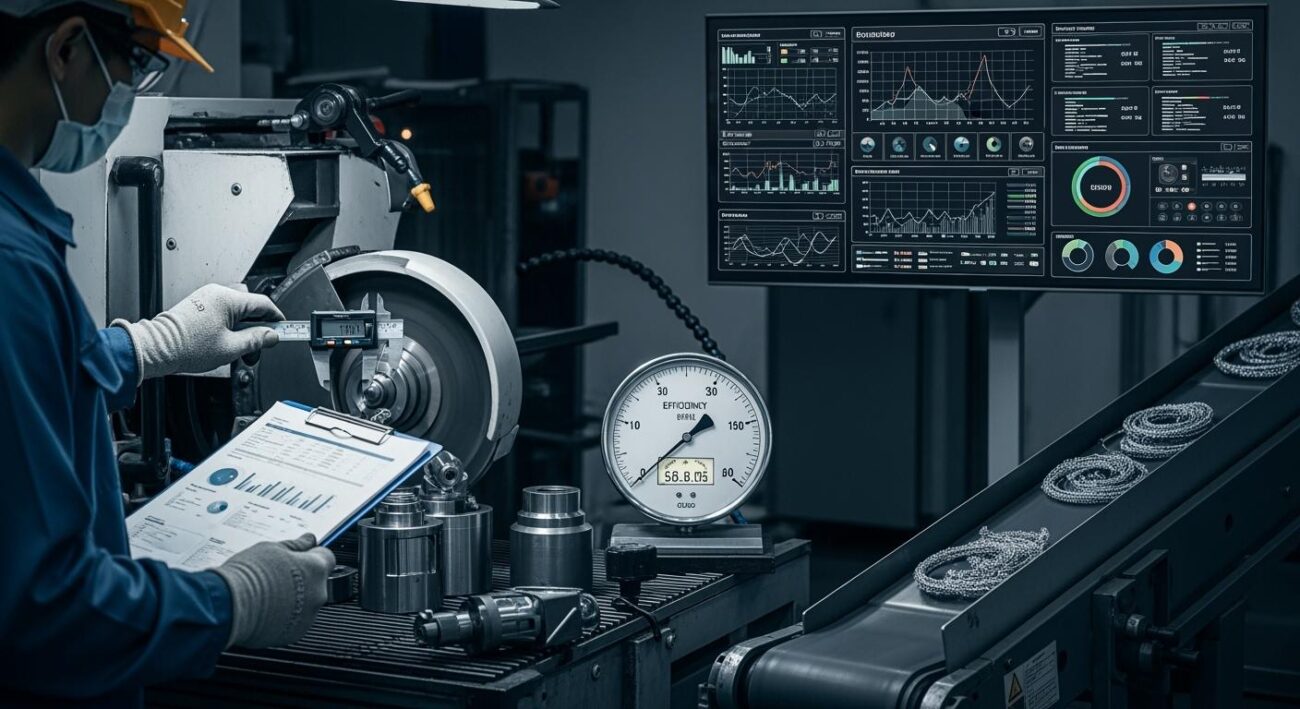
Measure grinding efficiency by tracking energy use and material removal. Improve results with optimized parameters and advanced grinding wheels.
No account yet?
Create an Account