
Tips for using aluminum oxide grinding wheels safely and effectively

Get professional results with your aluminum oxide grinding wheel. Always inspect for cracks, match the wheel’s RPM to the grinder, and use proper guards and PPE.
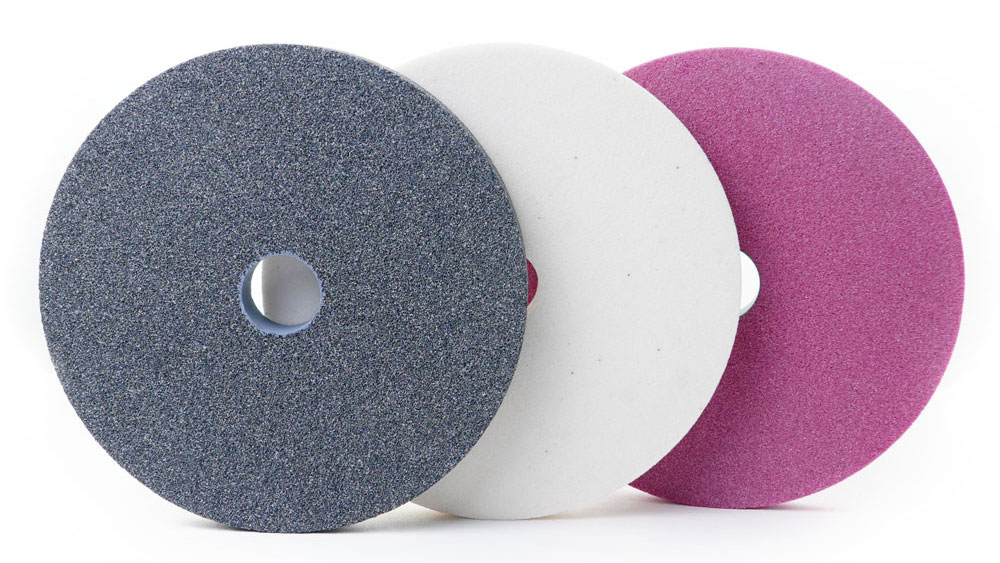
Get professional results with your aluminum oxide grinding wheel. Always inspect for cracks, match the wheel’s RPM to the grinder, and use proper guards and PPE.
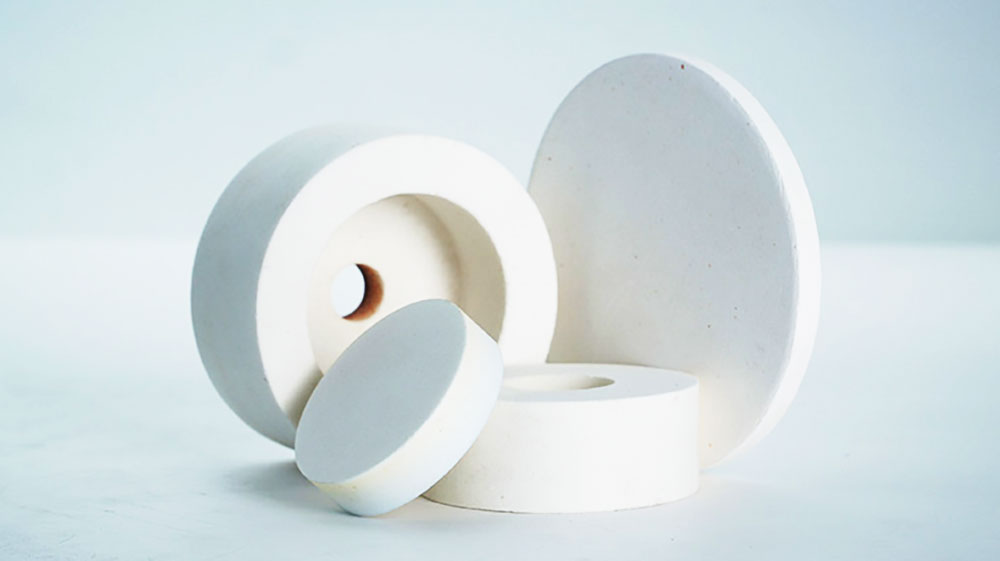
Review the top 10 aluminum oxide grinding wheels for heavy removal, precision work, and tool sharpening. Our guide helps you pick the right wheel for your job.
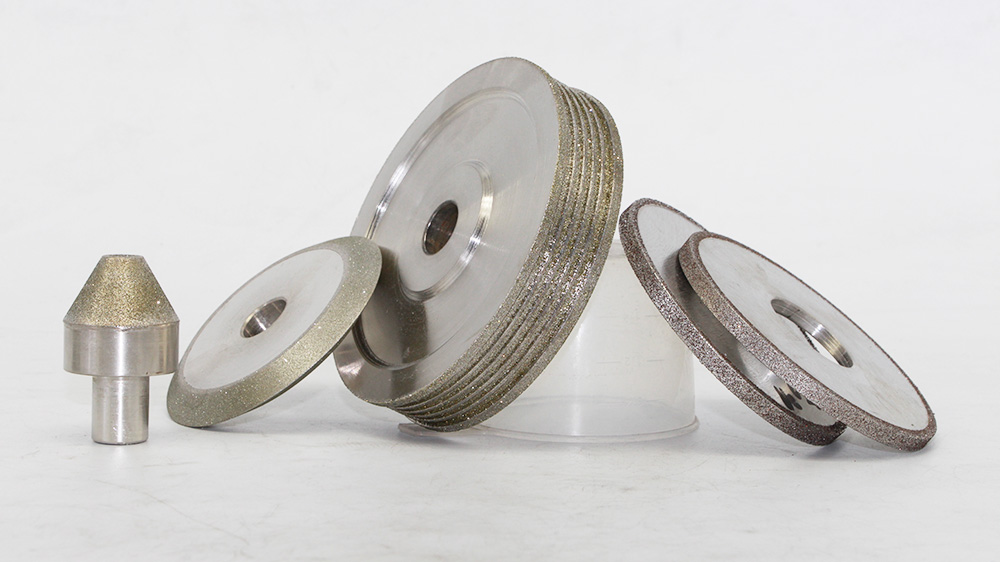
Select the right precision grinding wheel by matching the abrasive to your material, balancing grit size for finish, and choosing the correct bond for the job.
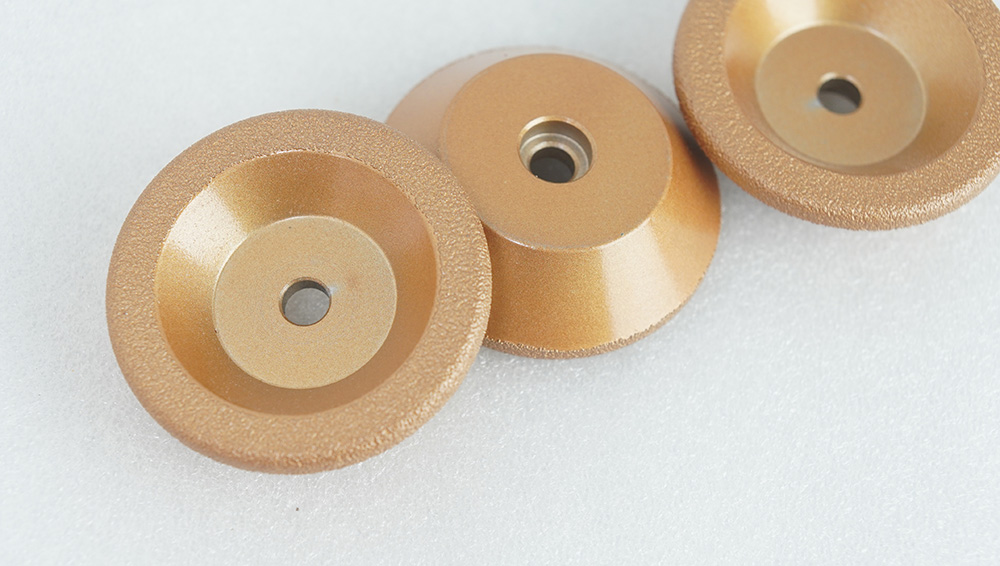
A brazed bond grinding wheel is best for cast iron due to its strong bond, which boosts removal rates by 30% and extends wheel life for superior cost-effectiveness.
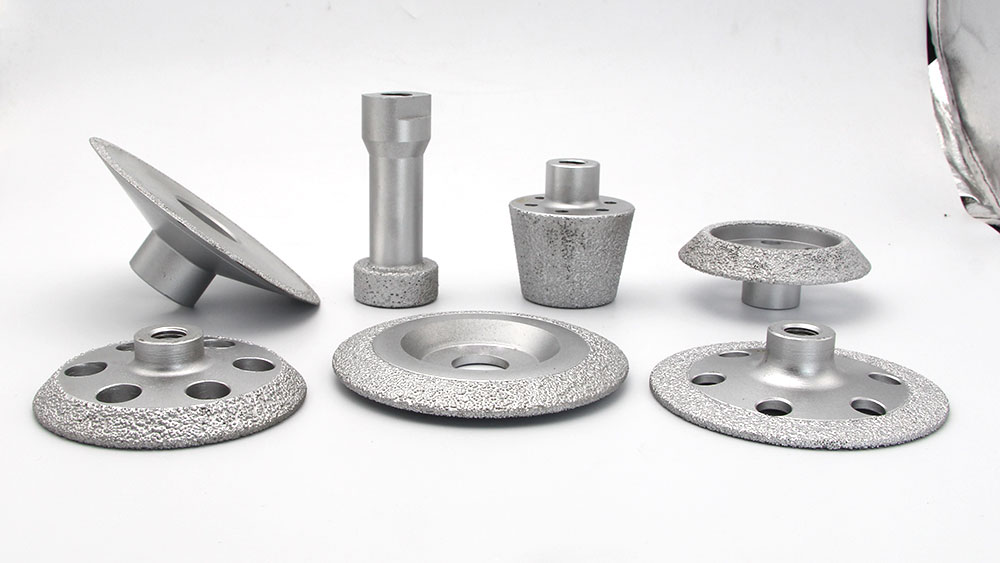
Choose the right brazed bond grinding wheel by matching the abrasive to your material (diamond or CBN), selecting the correct grit size, and verifying wheel shape.
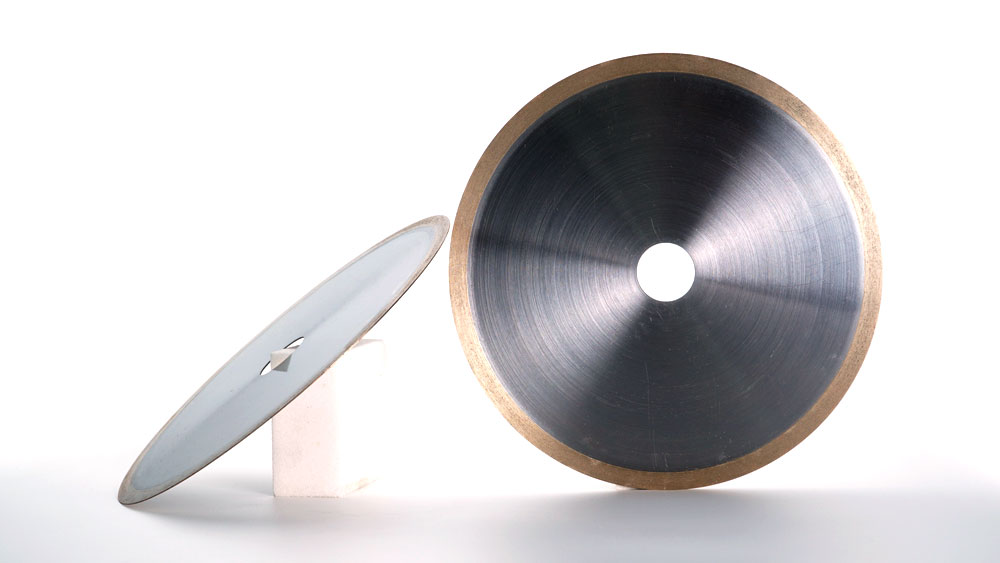
Get clean, fast cuts with a cut off wheel by following essential safety rules. Our guide covers PPE, proper 90° angle technique, and avoiding side pressure.
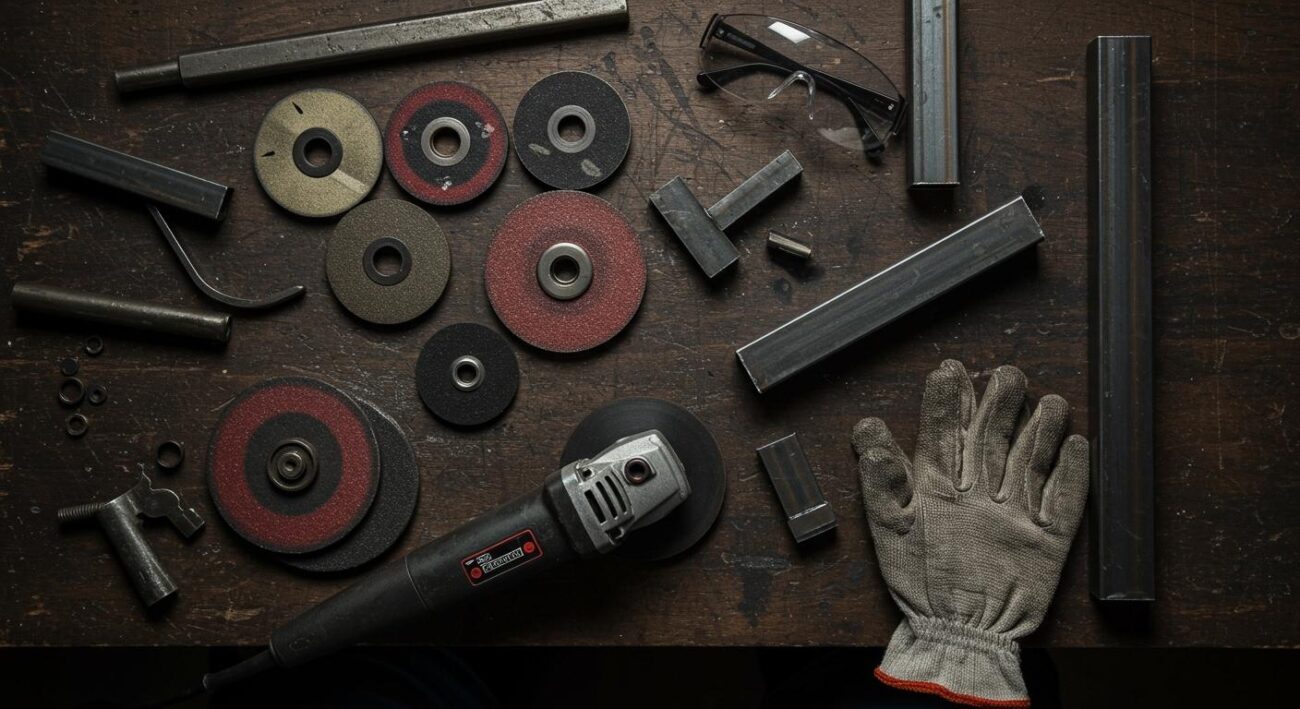
Choose the right cut off wheel by matching the abrasive to your metal—aluminum oxide for steel, zirconia for stainless. Select wheel type and thickness for your cut.
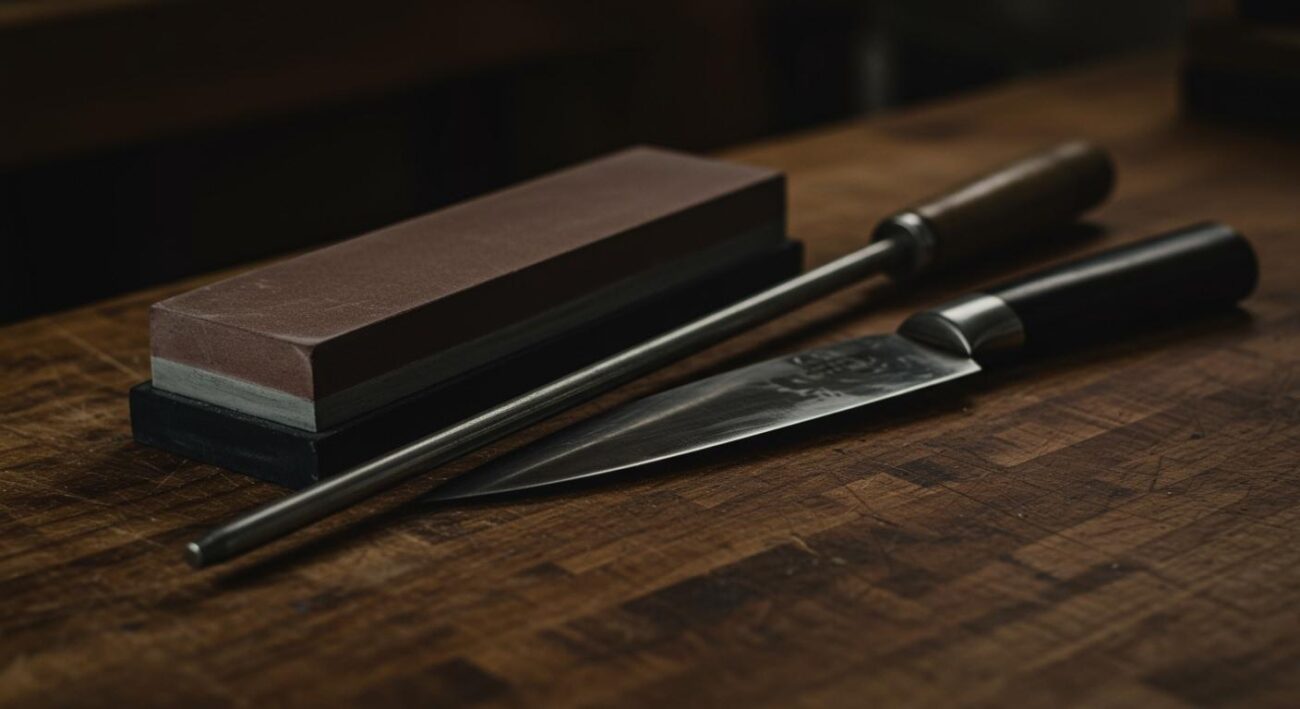
A sharpening stone grinds away metal to create a new edge on a dull knife. A honing stone realigns an existing edge for daily maintenance without removing steel.
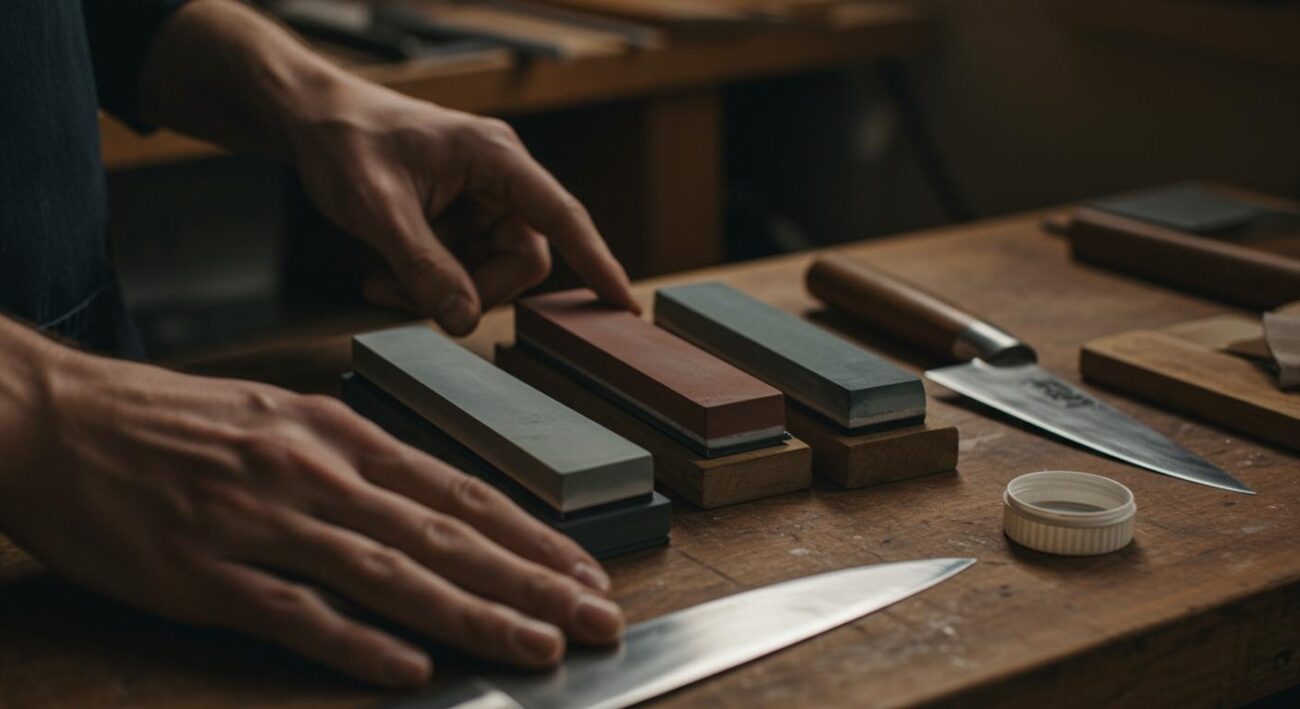
Choosing the right honing stone depends on your goal. Use coarse grits (<1000) for repairs, medium (1000-3000) for sharpening, and fine grits (4000+) for polishing.
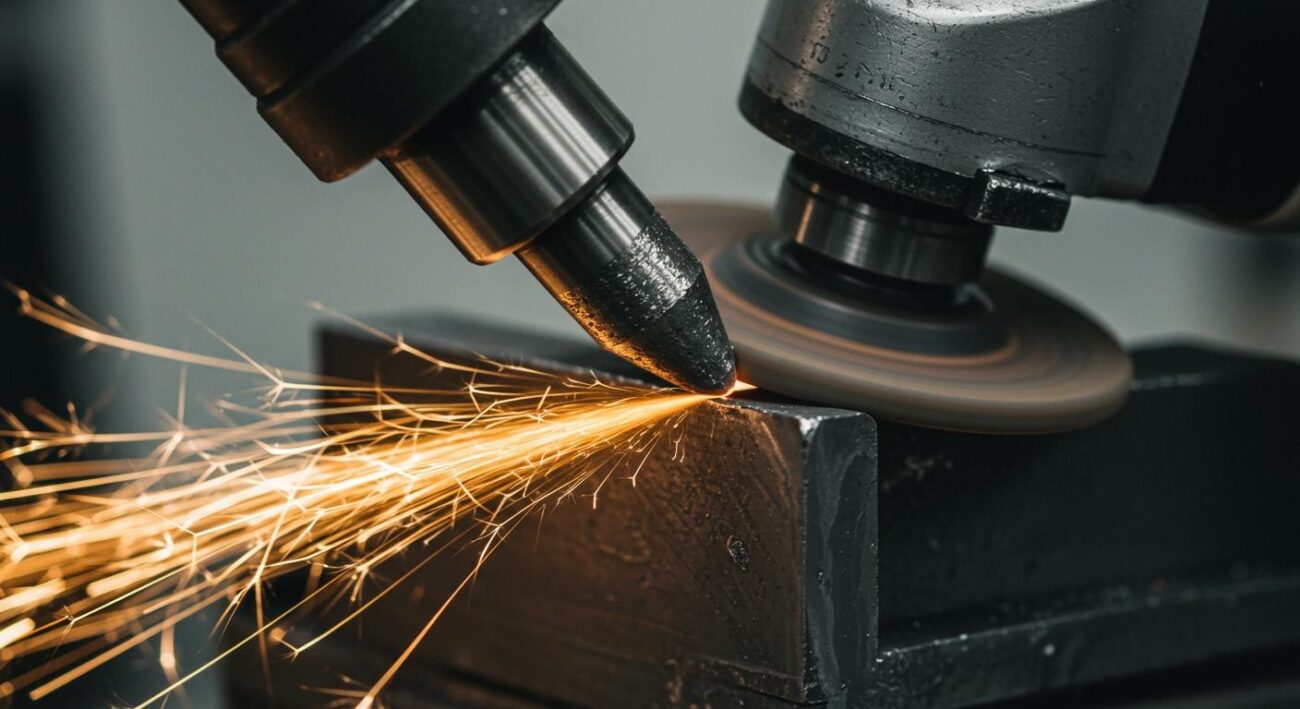
Achieve superior results with your diamond grinding pin by using high speeds with light pressure. This guide covers selecting the right grit, using coolant, and proper technique for a smooth, professional finish while extending tool life.
No account yet?
Create an Account