
Troubleshooting Common Defects in Stainless Steel Grinding

Address common defects in stainless steel grinding with solutions for taper, rough surfaces, cracks, and setup errors to improve quality and reduce downtime.
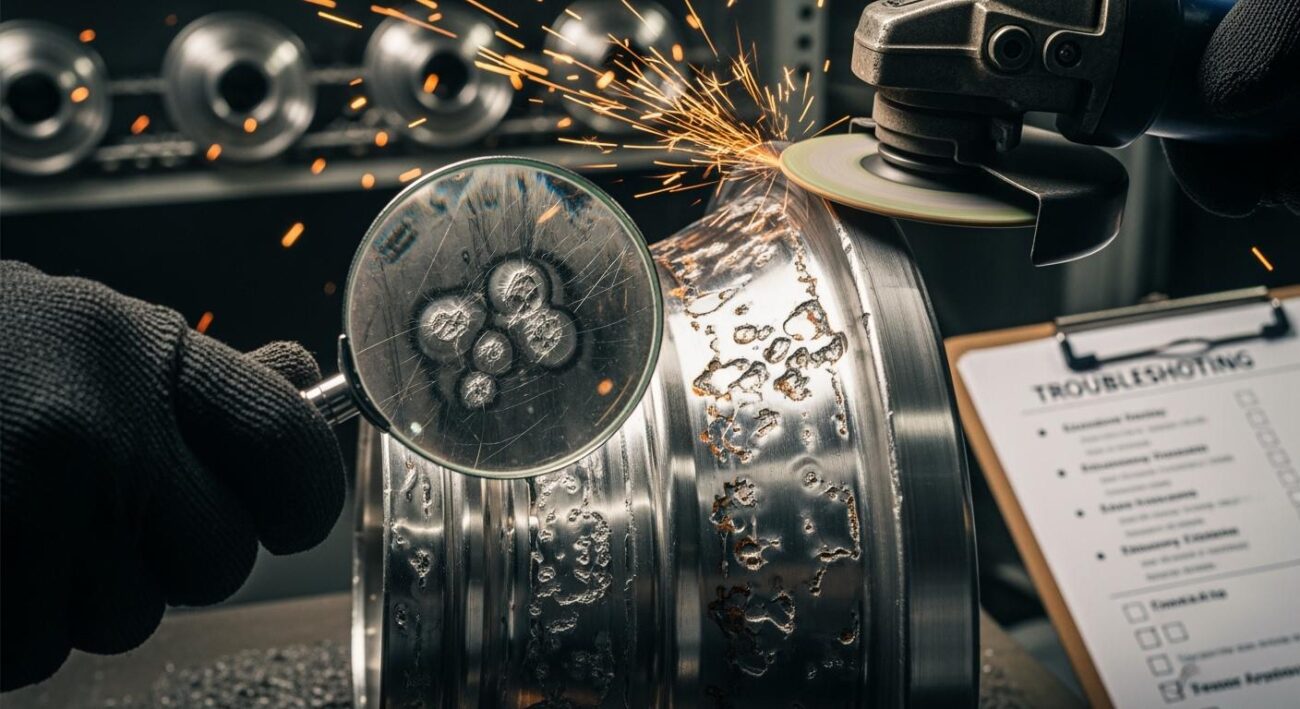
Address common defects in stainless steel grinding with solutions for taper, rough surfaces, cracks, and setup errors to improve quality and reduce downtime.
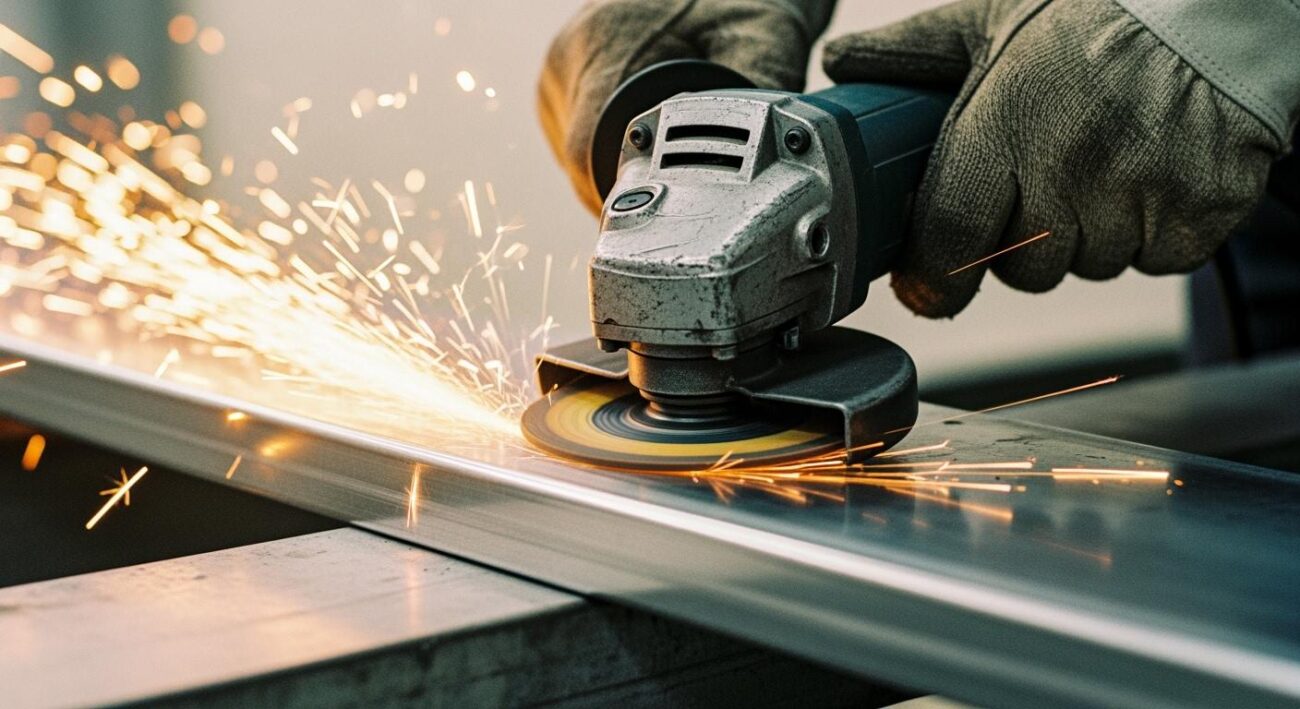
Grinding stainless steel is difficult due to its low thermal conductivity, which traps heat at the surface, causing burns, warping, and metallurgical damage.
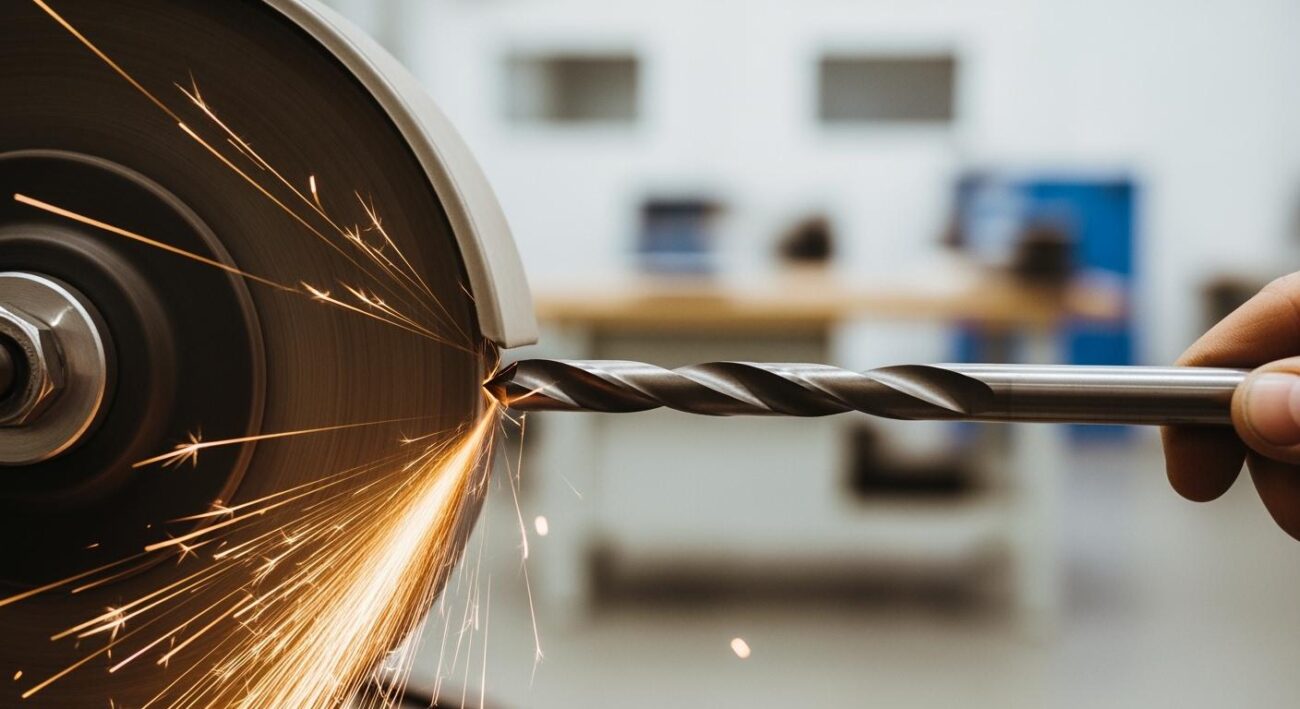
Extend grinding wheel life for HSS tools by selecting the right wheel (like CBN), optimizing speeds and coolant, and performing regular truing and dressing.
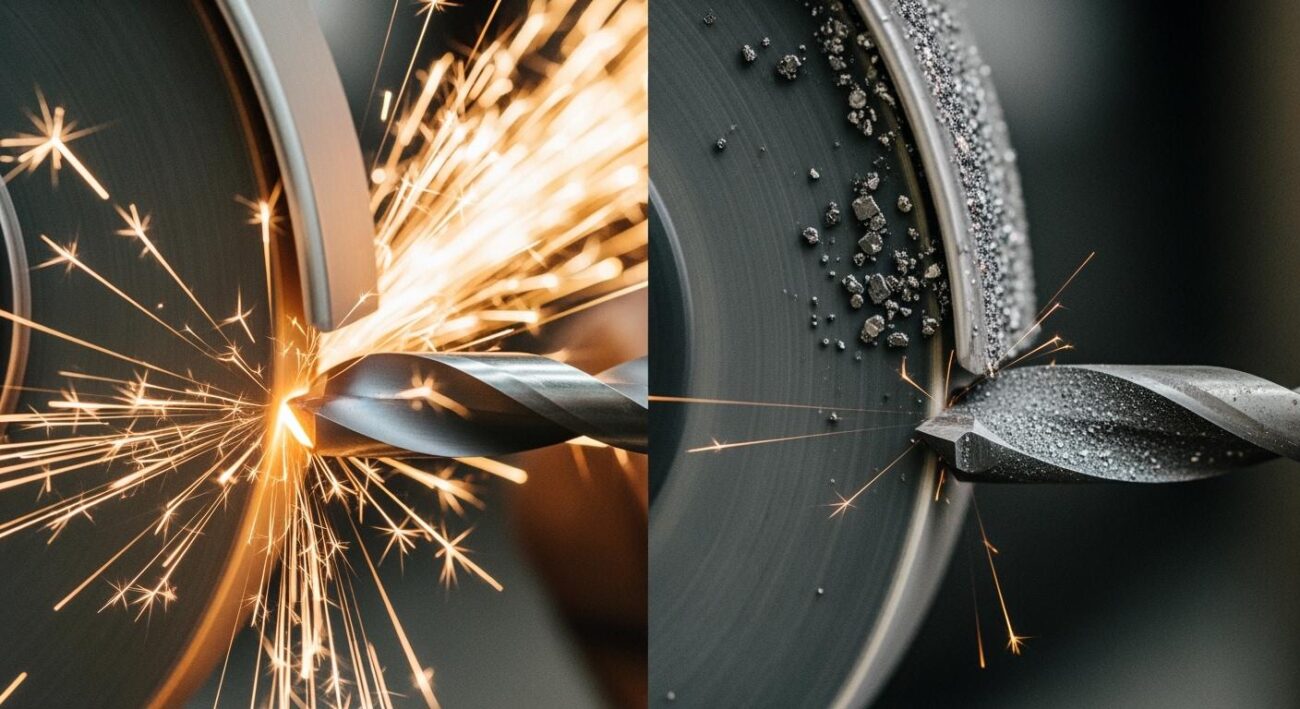
Prevent wheel loading in HSS grinding by using a porous CBN wheel, dressing it regularly, and applying proper coolant. These steps ensure a sharp cutting edge.
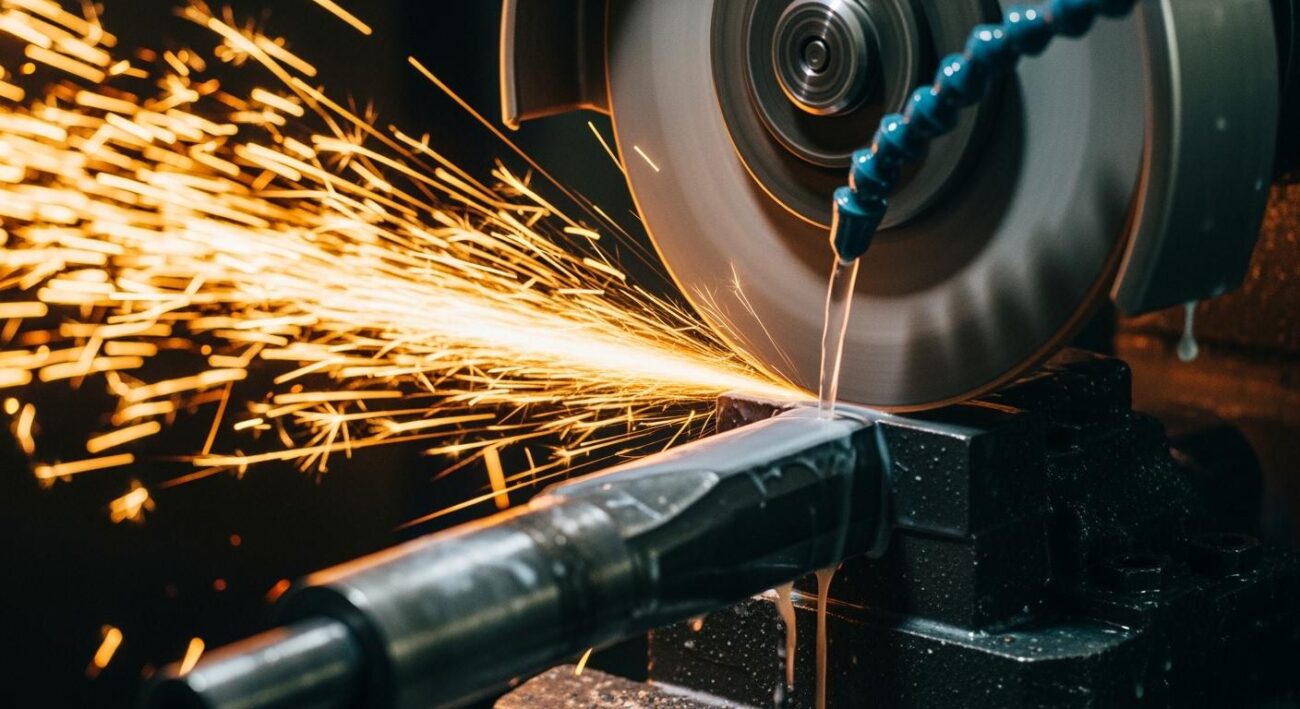
Achieve flawless HSS grinding with proper abrasive wheel selection. Use a friable aluminum oxide or CBN wheel with a high-pressure synthetic coolant to prevent burn.
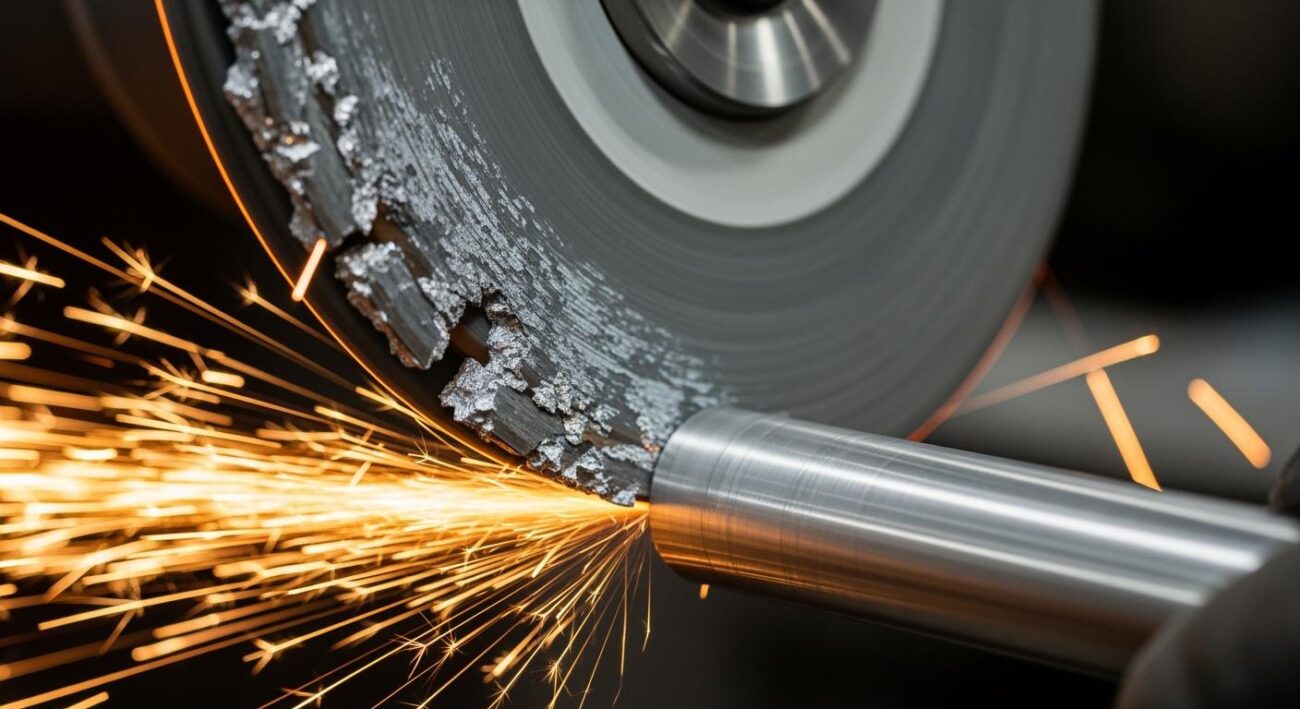
Stop rapid wheel wear in HSS grinding by selecting the right CBN wheel, optimizing machine parameters, and improving coolant application. These solutions prevent wear.
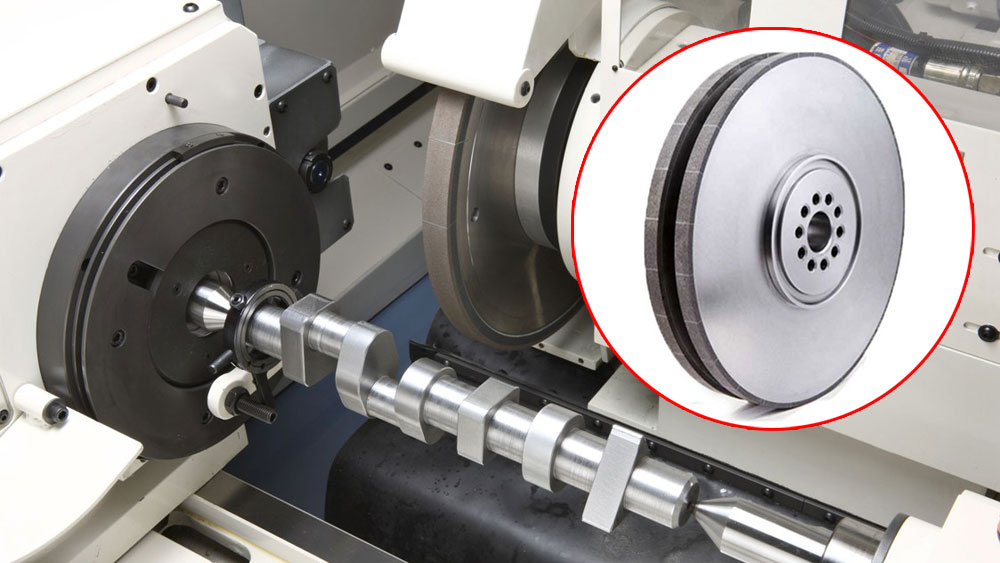
Achieve consistent quality in batch grinding by standardizing energy input, controlling temperature, and using high-quality abrasives for predictable results.
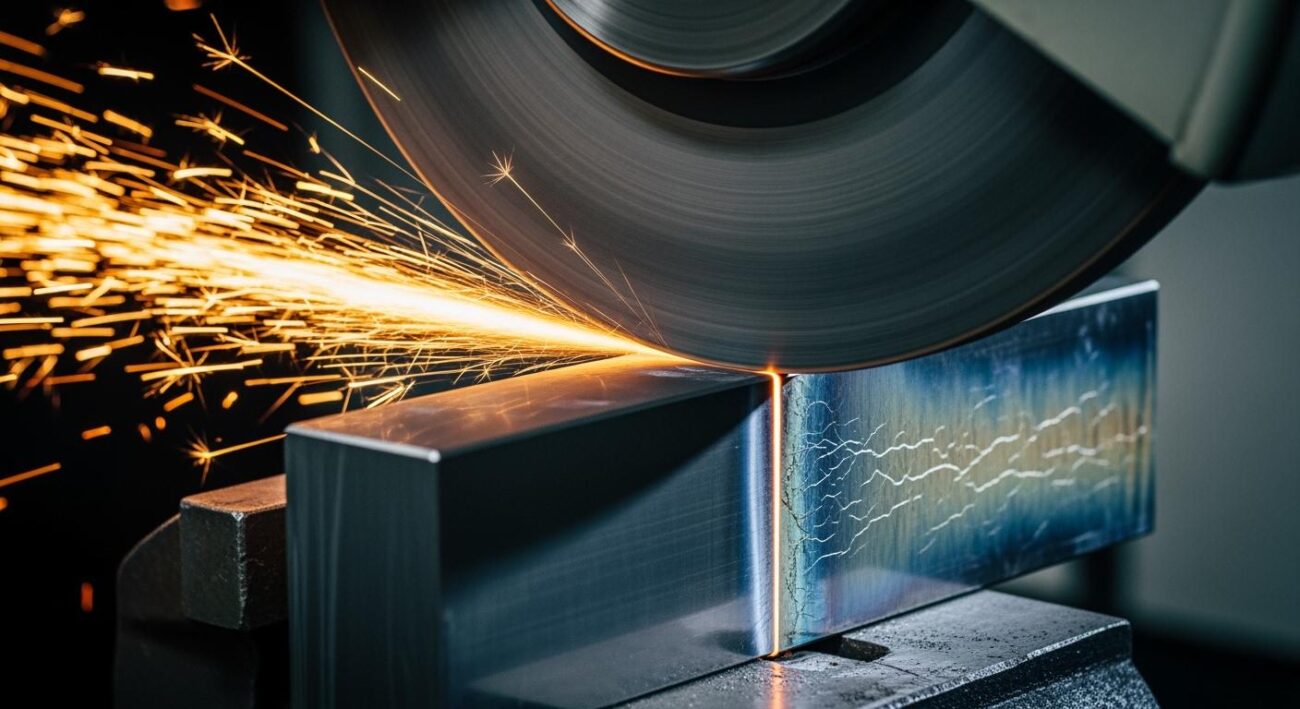
Creep-feed grinding offers high material removal and a superior finish for difficult materials but requires costly machinery and advanced cooling to prevent burn.

Selecting new CNC grinding machines requires evaluating core features like accuracy, spindle power, machine rigidity, and control system usability to ensure optimal performance.
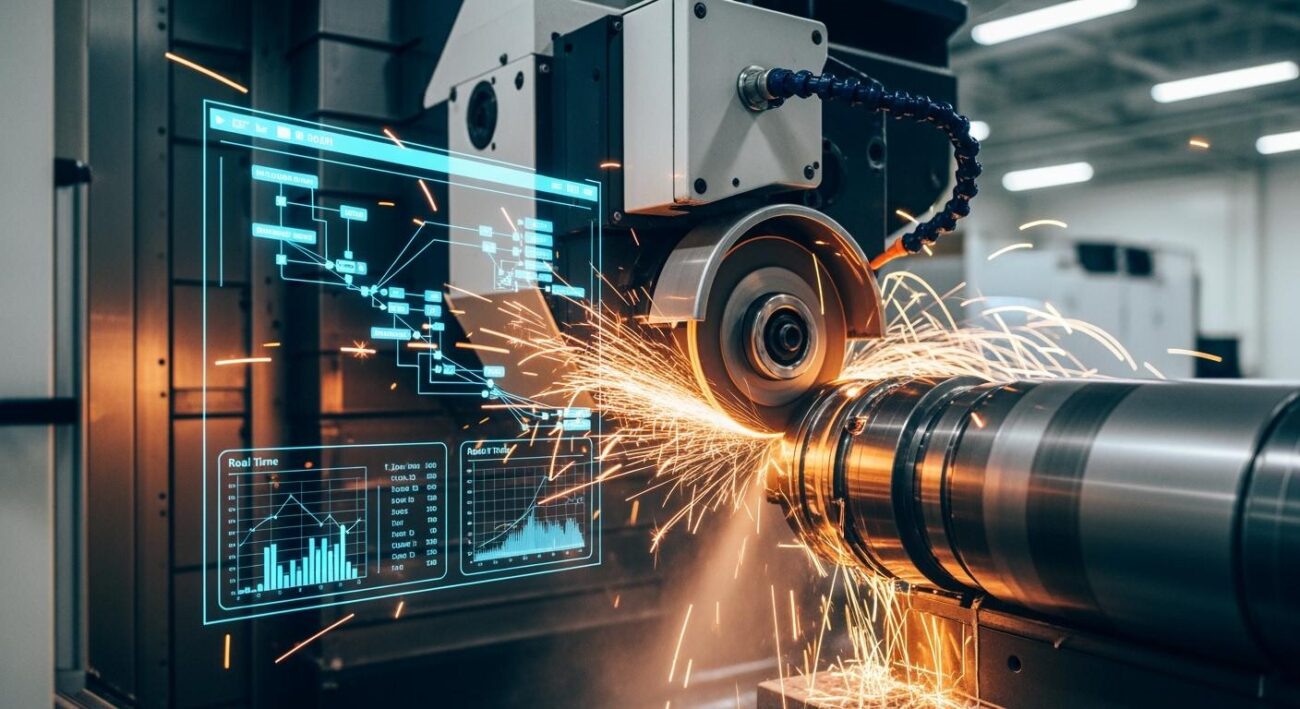
Master the 5-phase CNC grinding workflow for ultimate precision. This guide details the process from CAD/CAM planning and machine setup to final inspection.
No account yet?
Create an Account