
How to Select the Most Economical Grinding Wheels for Non-Ferrous Metal Processing

Select economical grinding wheels for non-ferrous metals by matching abrasive type, grit, and bond to your job for cost-effective results.
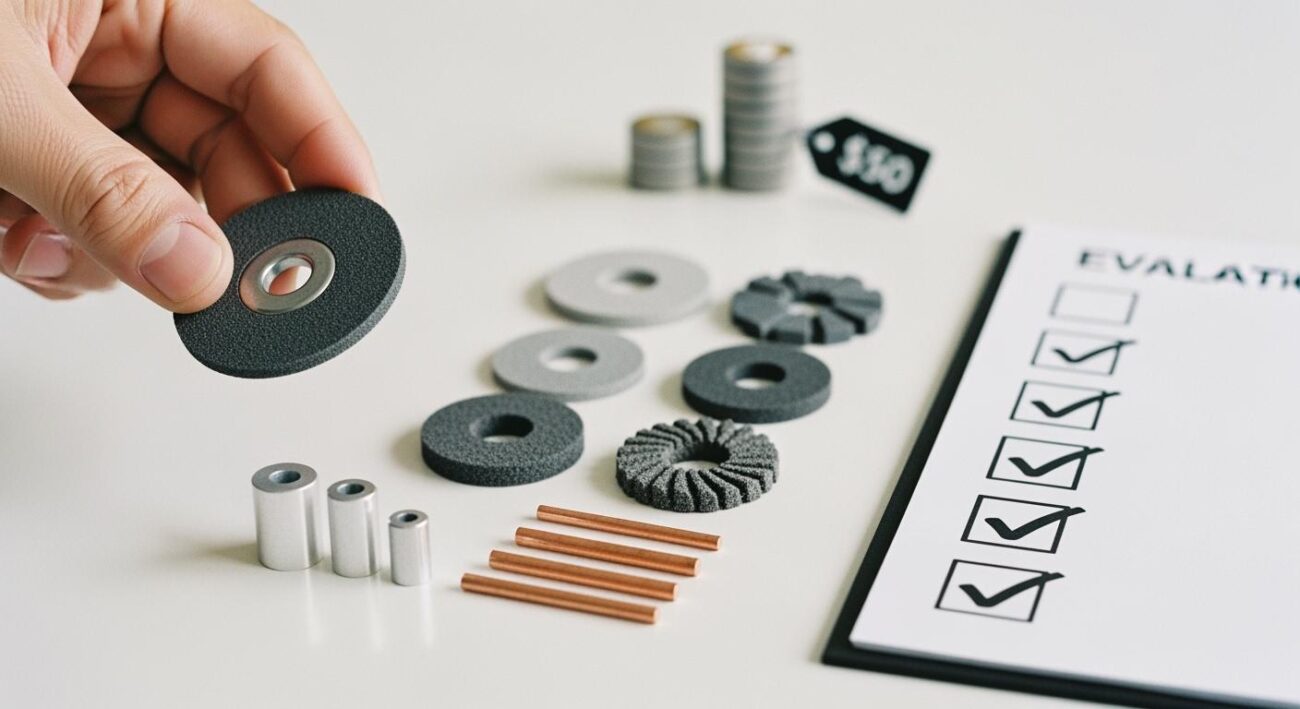
Select economical grinding wheels for non-ferrous metals by matching abrasive type, grit, and bond to your job for cost-effective results.
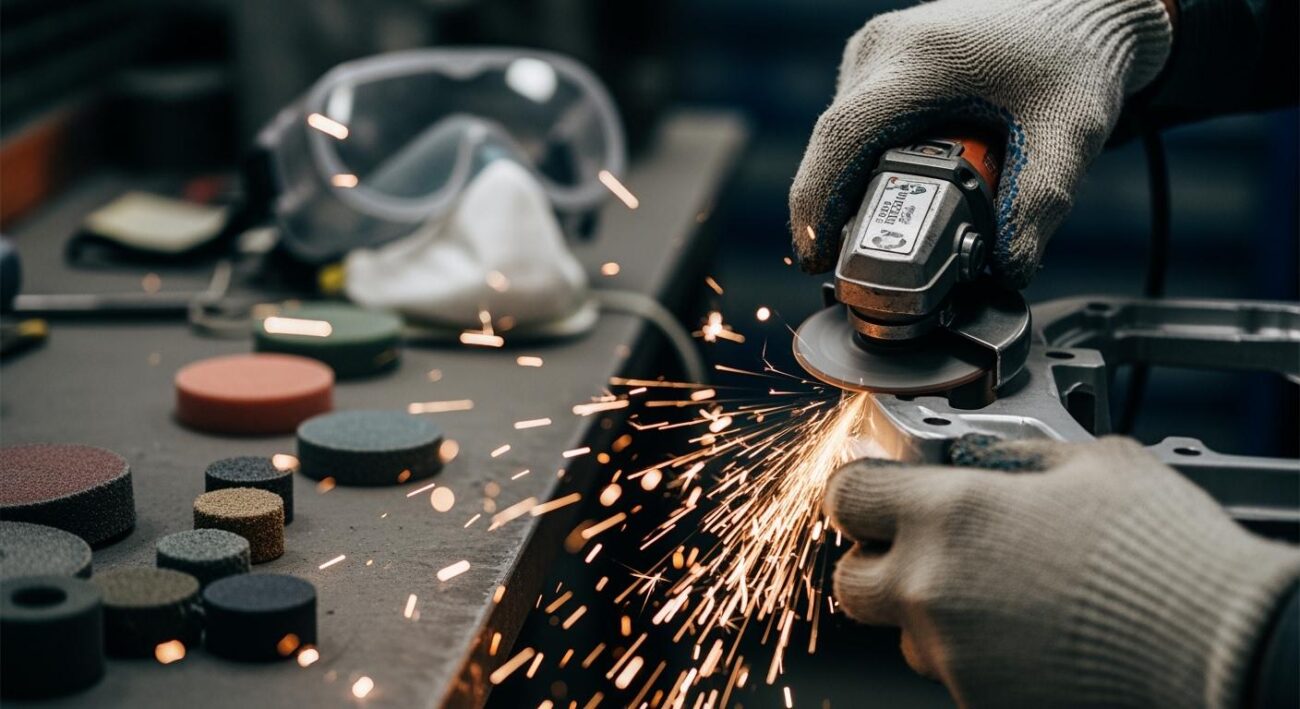
Abrasive Solutions for safe magnesium alloy grinding reduce fire risks, control dust, and ensure efficient results with diamond, CBN, and silicon carbide.
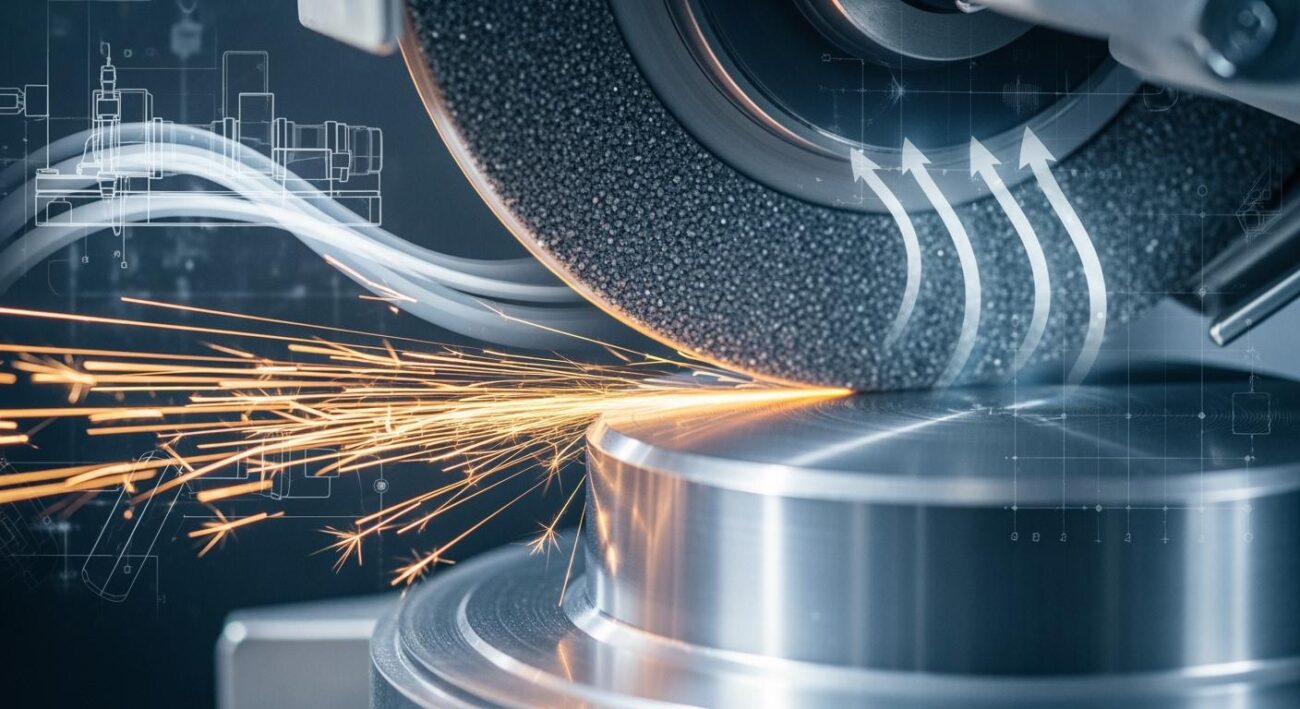
Achieve burn-free grinding of titanium alloys by optimizing wheel selection, cooling, and parameters to prevent heat damage and ensure surface integrity.
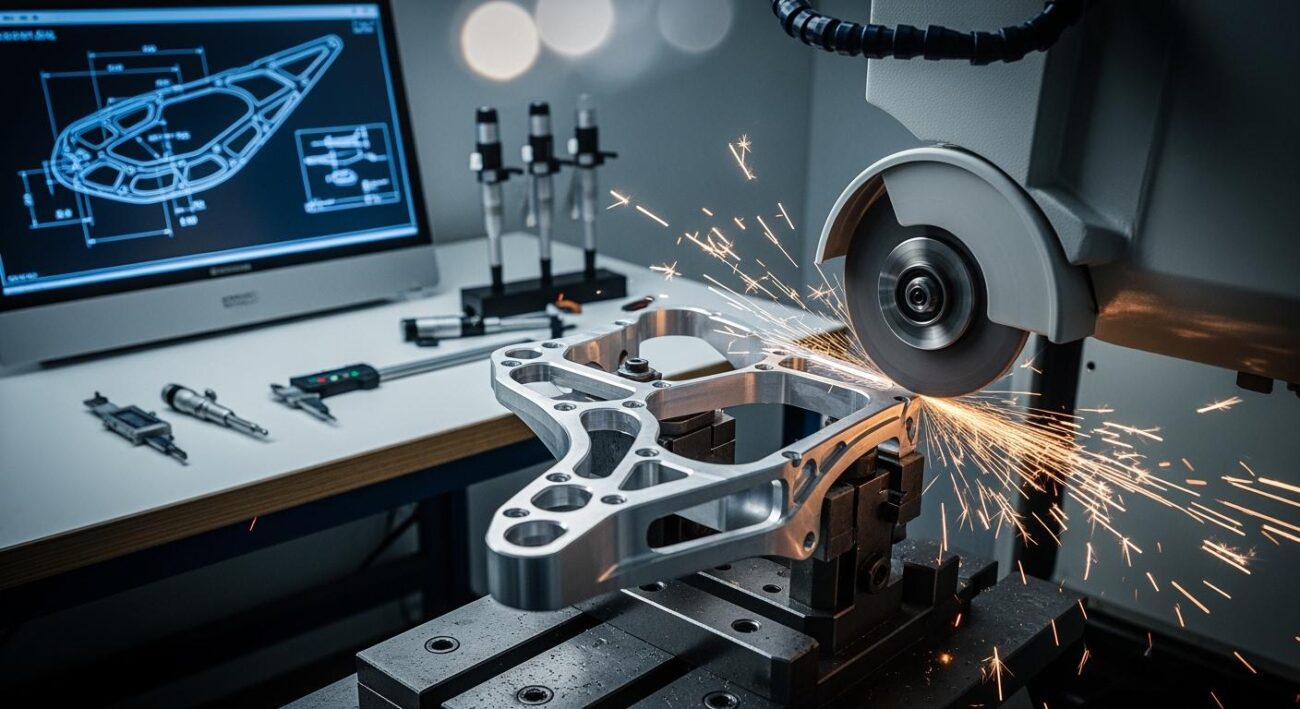
Achieve precision in thin-wall non-ferrous parts with distortion-control grinding, advanced cooling, and optimized workholding for minimal deformation.
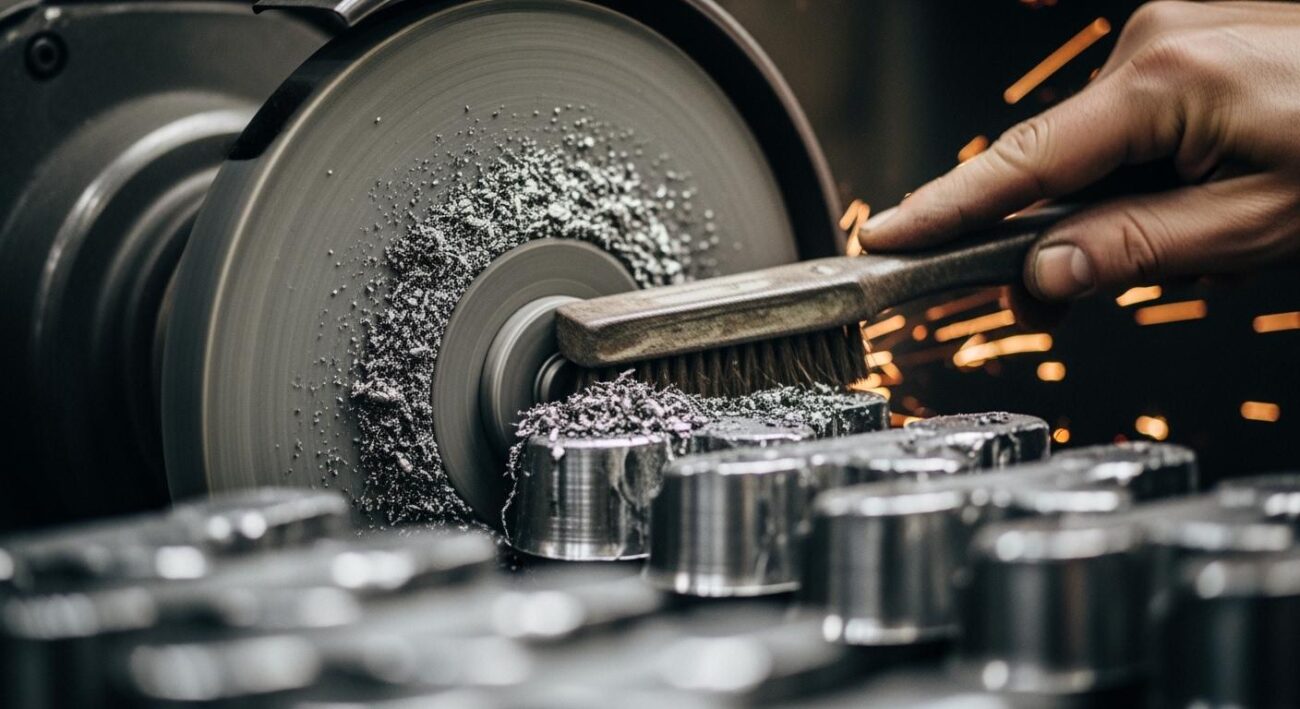
Overcome clogging in grinding soft, gummy metals by using open-coat abrasives, proper techniques, and regular wheel maintenance for smooth results.
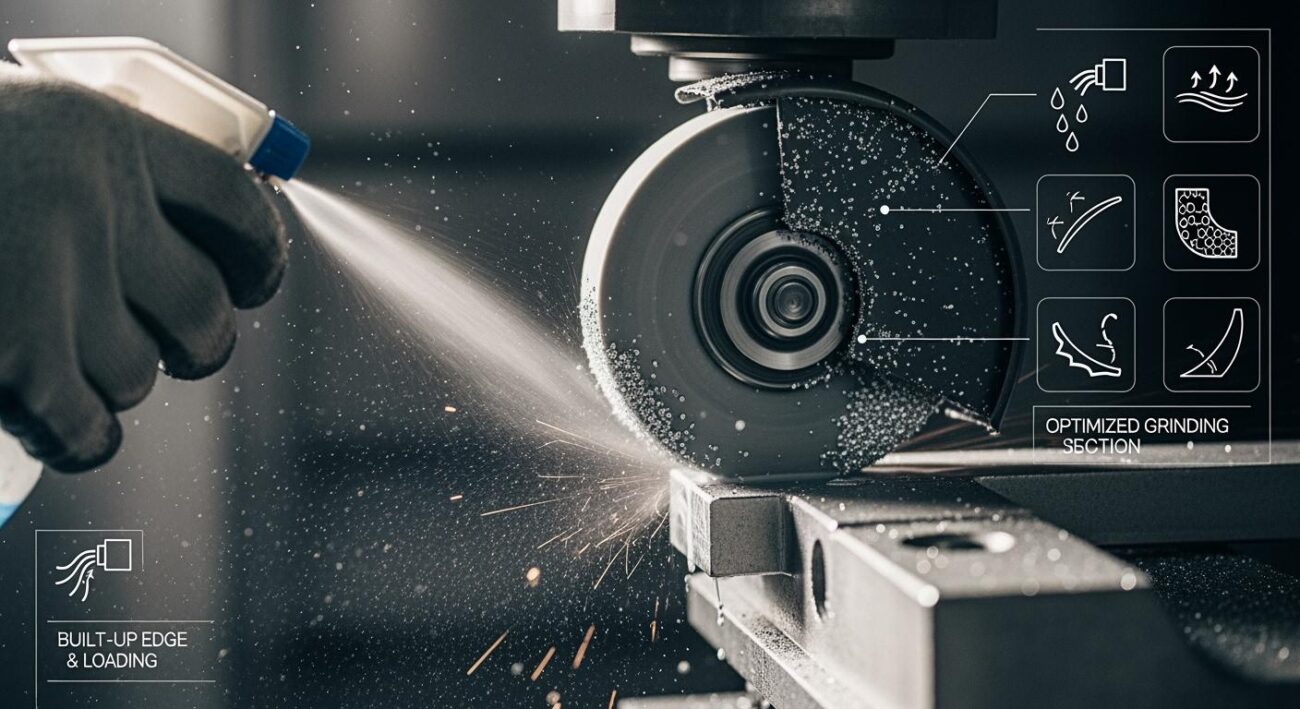
Prevent built-up edge and loading in aluminum grinding by using the right wheel, coolants, and process adjustments for cleaner cuts and longer tool life.
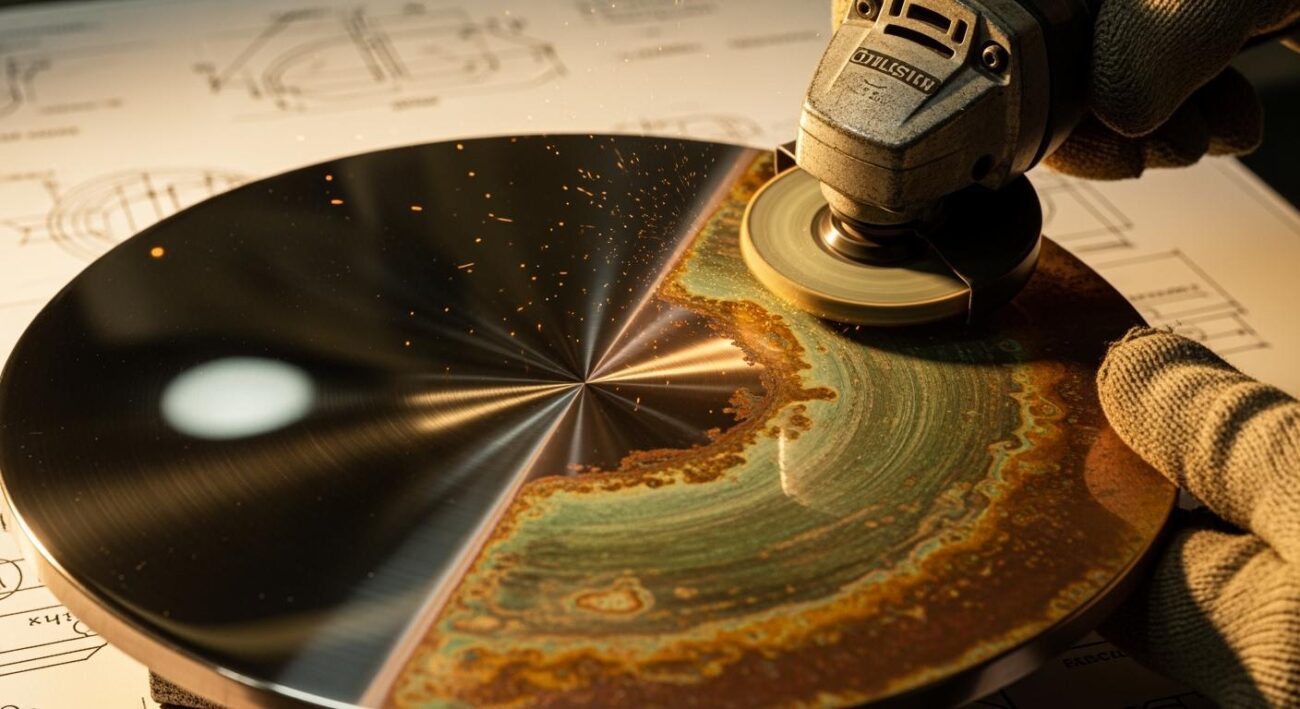
Prevent surface oxidation and color discrepancy in copper mirror grinding with proper cleaning, alloy selection, and protective treatments for lasting results.
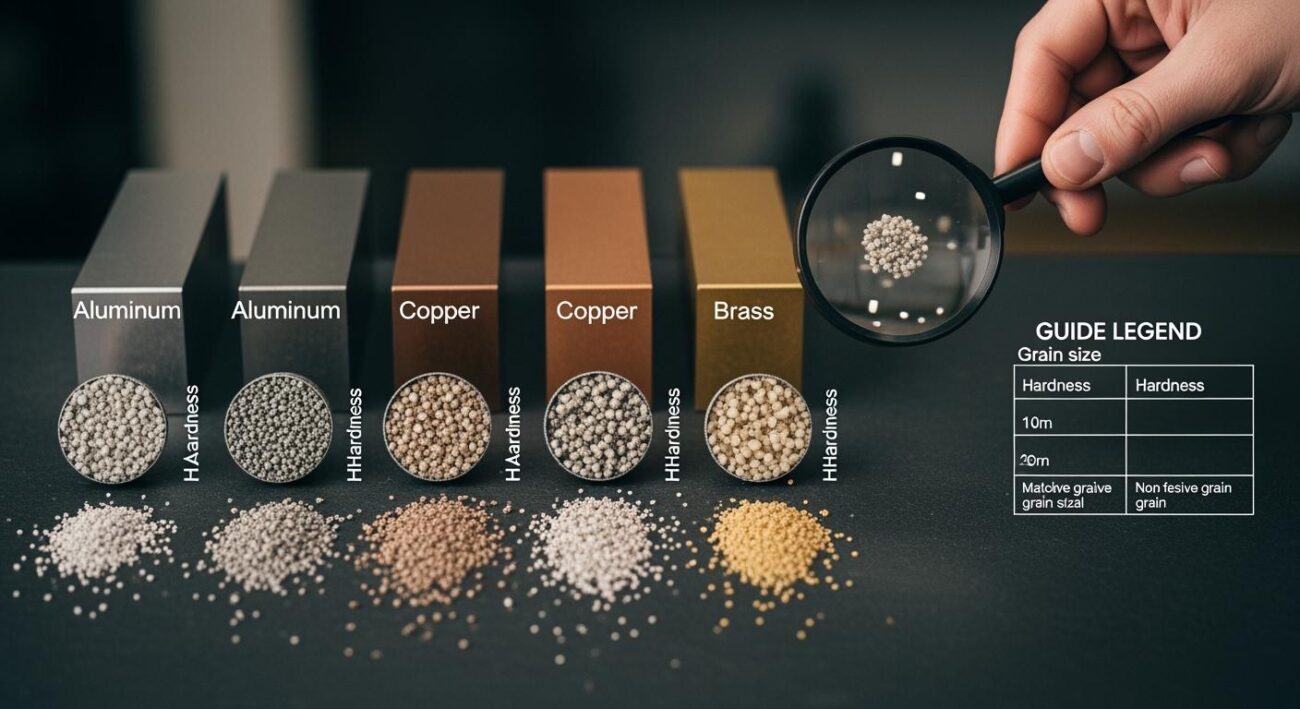
Abrasive grain size and hardness guide for non-ferrous metals—select the right grit for aluminum, copper, brass, bronze, and nickel alloys for optimal results.
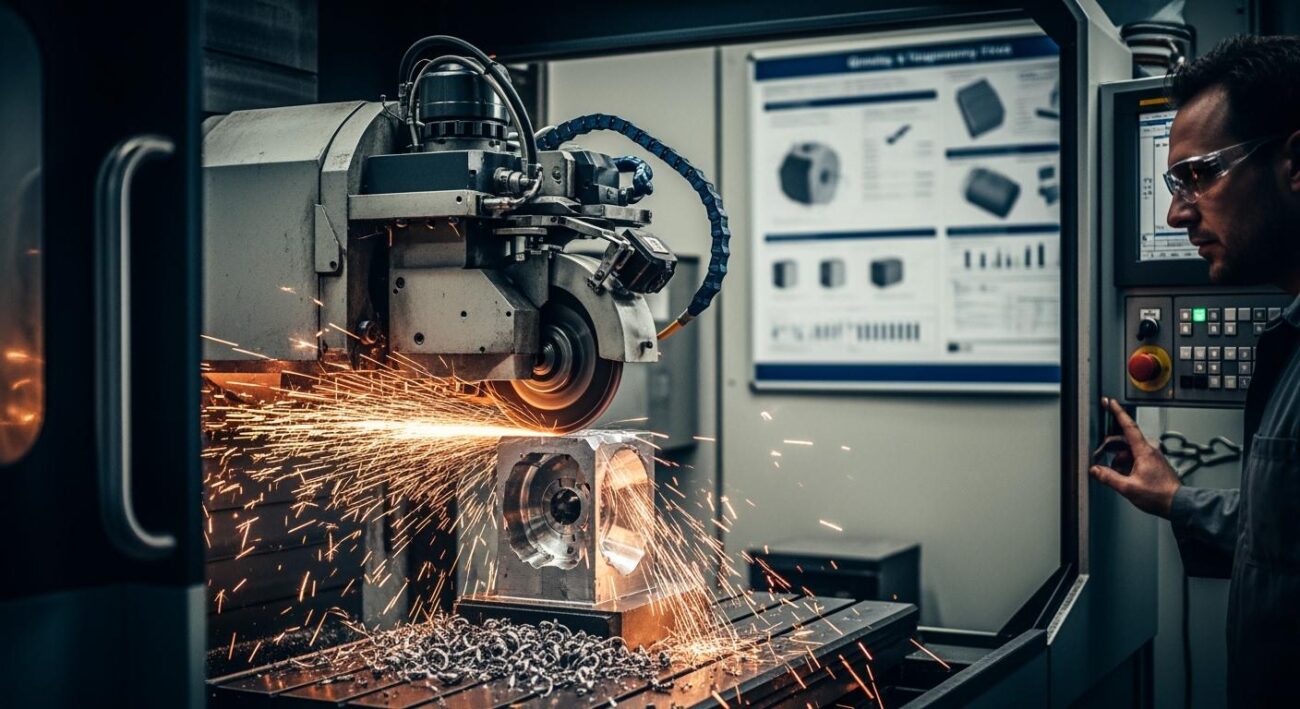
Efficient grinding solutions for aluminum/magnesium alloys prevent wheel loading, reduce heat, and extend tool life for optimal machining results.
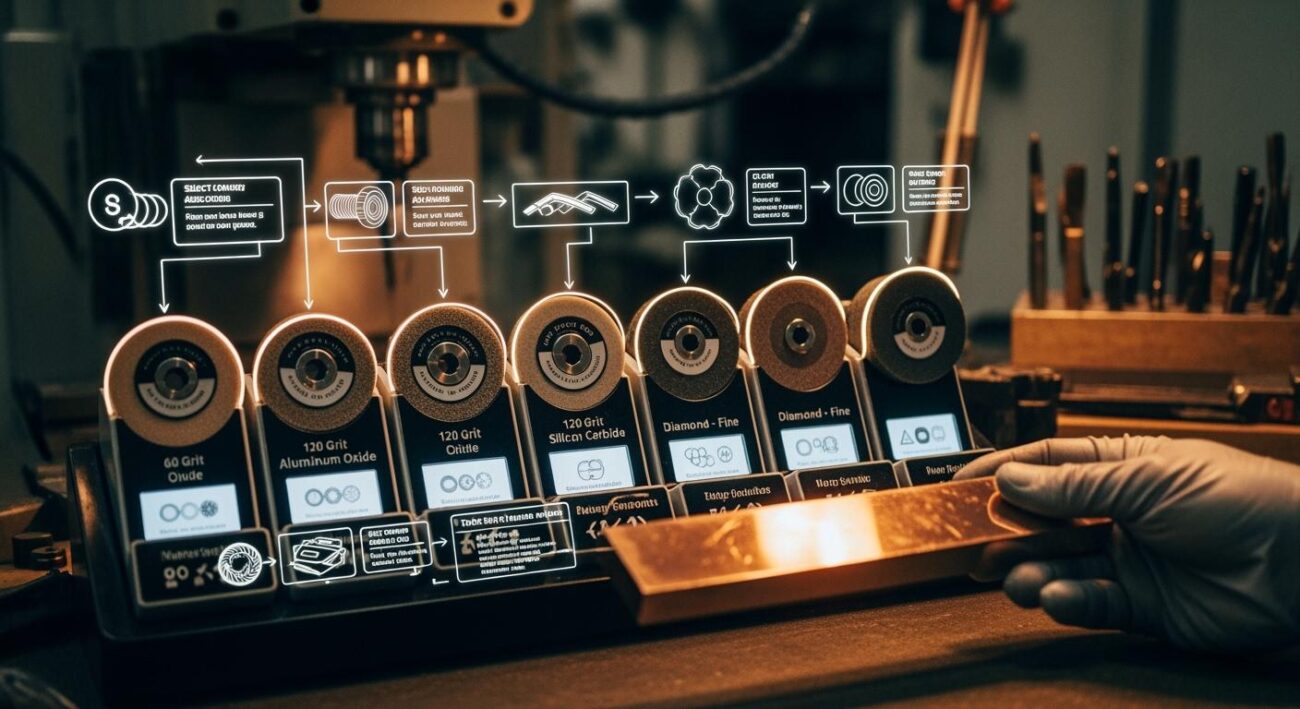
Choose the ideal grinding wheel configuration for non-ferrous metals to boost efficiency, prevent loading, and achieve superior surface finishes.
No account yet?
Create an Account