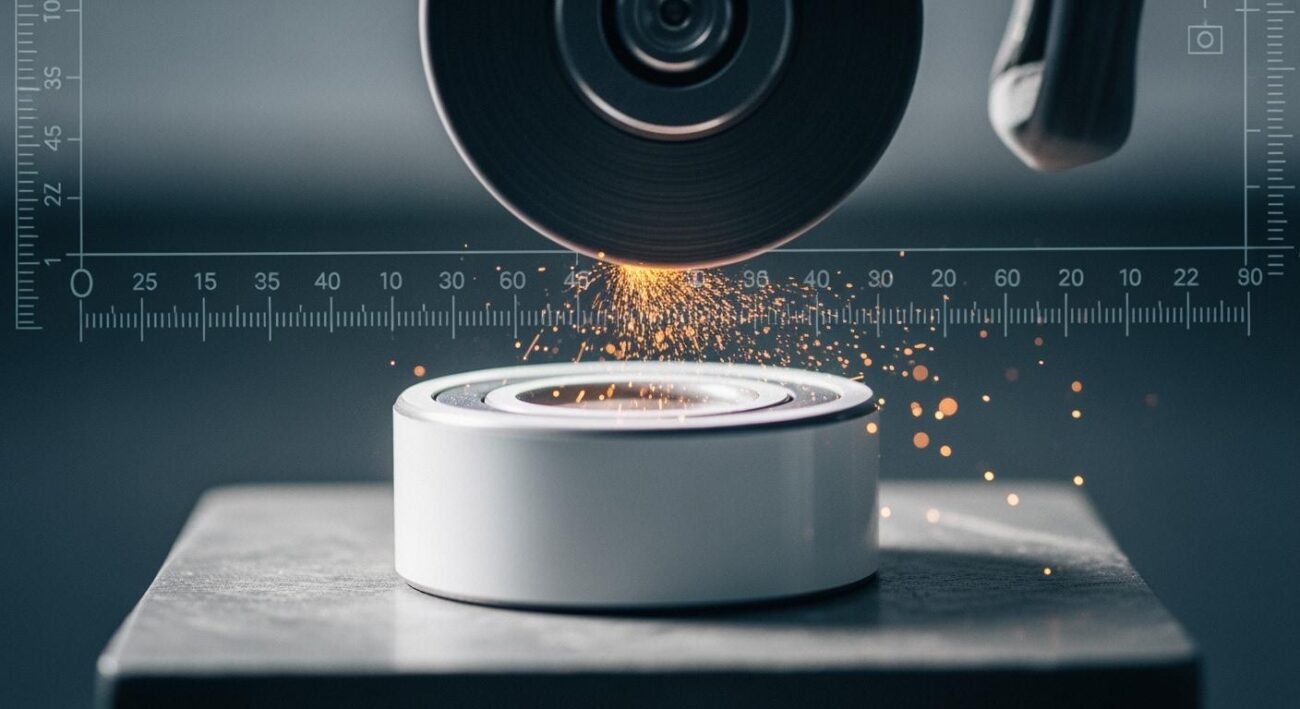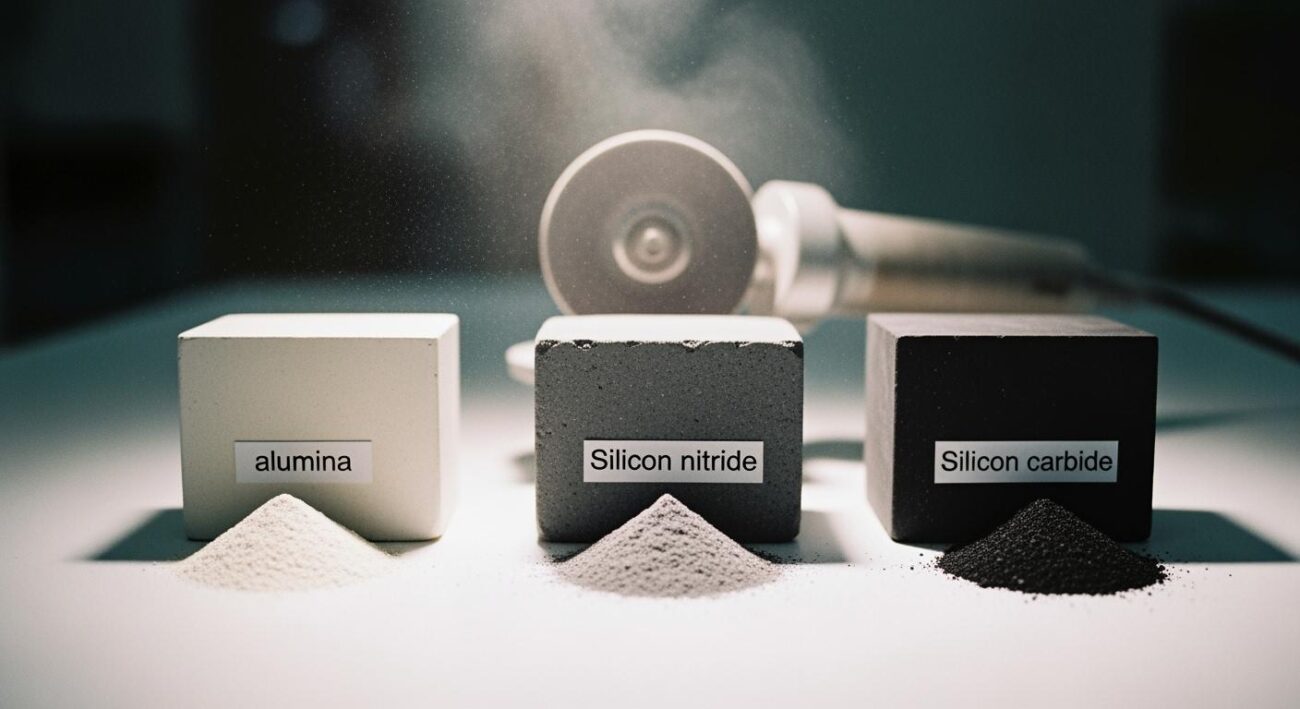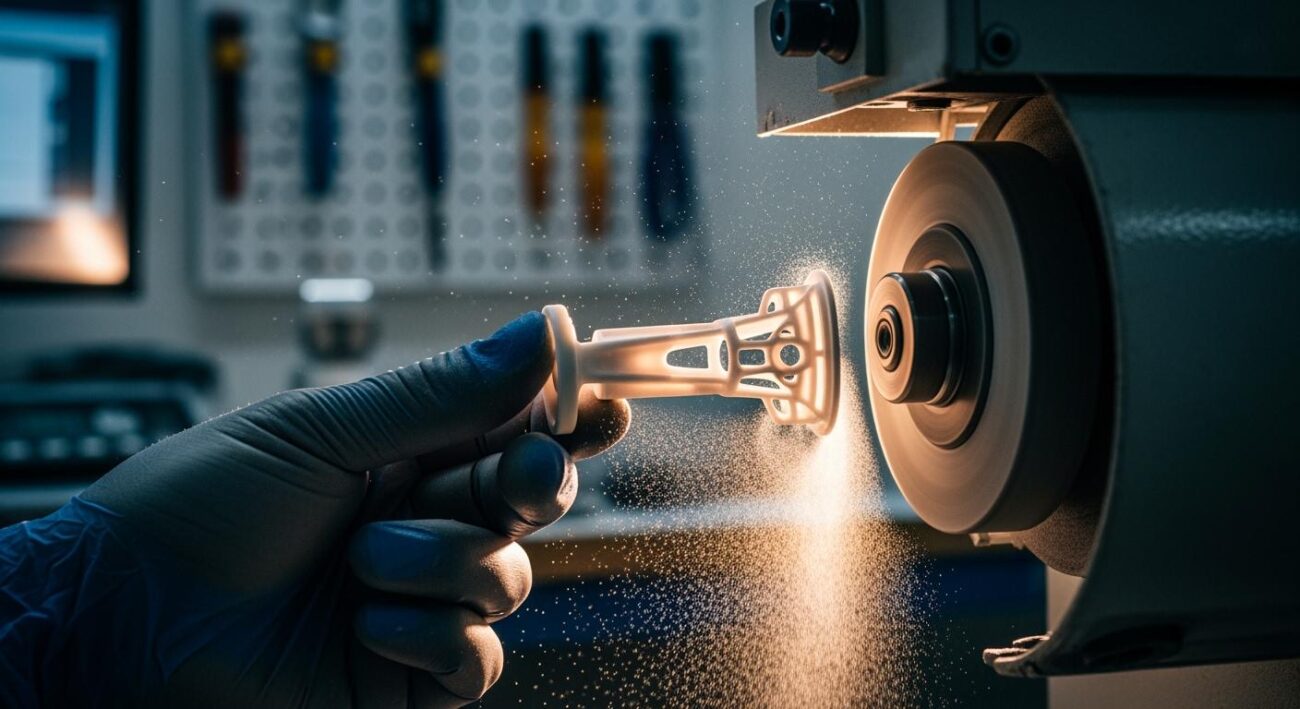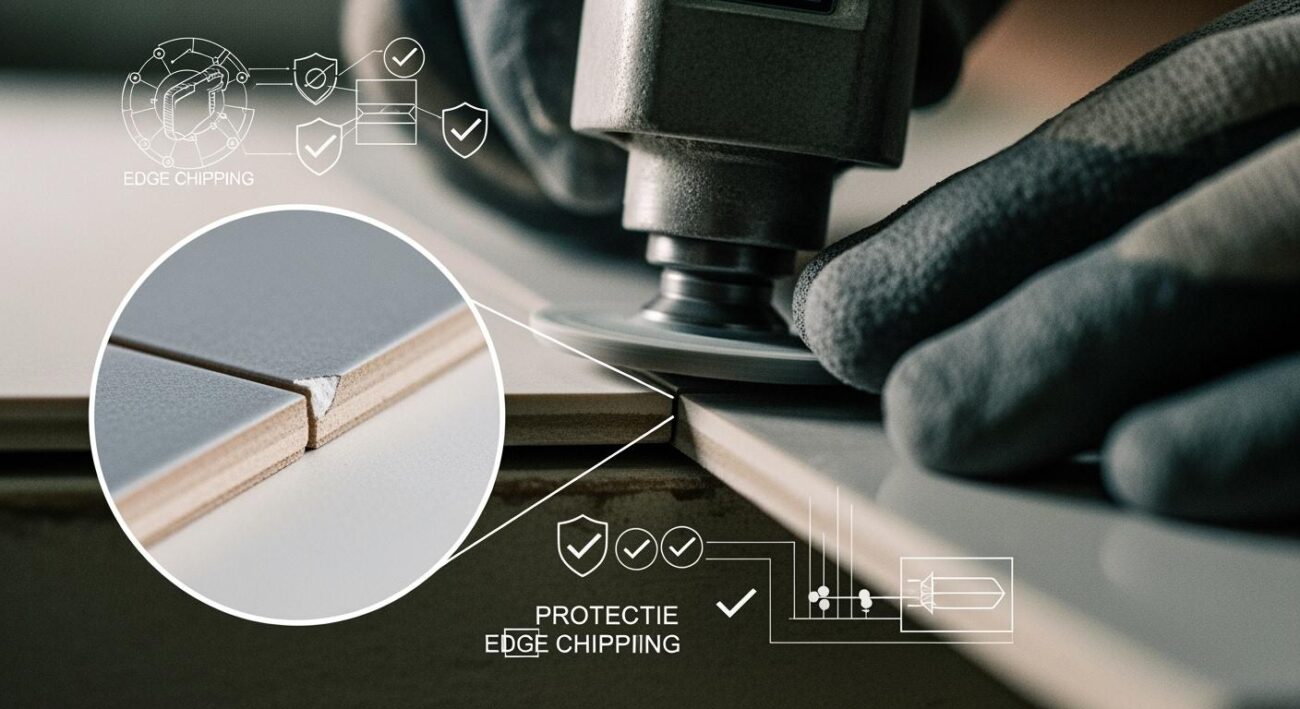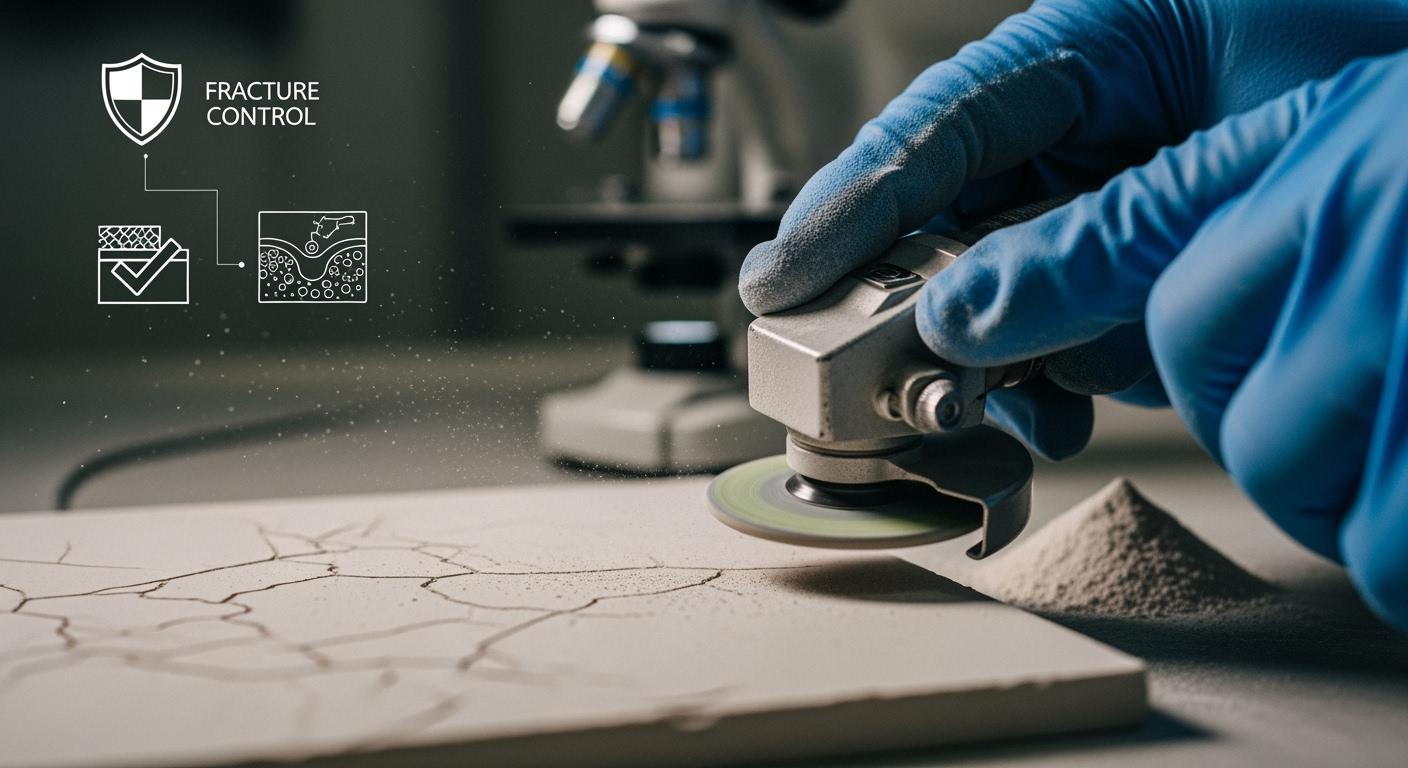
You can control brittle fracture in ceramic grinding by choosing the right abrasive and adjusting the grinding process. Using proper grinding techniques helps minimize damage and keeps ceramics strong. Aimgrind’s super hard abrasives let you achieve smooth finishes and reduce the risk of cracks. If you select the best grinding parameters, like wheel bond, abrasive shape, and coolant flow, you protect your parts from microcracks and stress.
| Grinding Parameter | Effect on Brittle Fracture |
|---|---|
| Wheel Bond | Softer wheels lower tool pressure, less damage |
| Abrasive Shape | Better cutting action, fewer microcracks |
| Coolant Flow | Less heat, lower fracture risk |
Key Takeaways
- Choose the right abrasive to minimize brittle fracture. Aimgrind’s super hard abrasives provide smooth finishes and reduce the risk of cracks.
- Adjust grinding parameters carefully. Softer wheel bonds and proper coolant flow help lower tool pressure and prevent heat buildup.
- Monitor your grinding process in real time. Use sensors to detect changes in temperature and vibration to catch issues early.
- Select materials with high toughness during design. This reduces mechanical stress and enhances the strength of your ceramic parts.
- Implement stress relief techniques. Gradual cooling and heat treatments help remove internal stresses and prevent cracks.
Brittle Fracture in Ceramic Grinding
What Is Brittle Fracture?
You may notice that brittle fracture happens when a material suddenly breaks without much warning. This type of fracture does not stretch or bend before it snaps. In grinding, brittle fracture often appears as cracks or chips on the surface of brittle materials. These cracks can start at weak spots and spread quickly. You see this most often in advanced ceramics and other brittle materials because they do not have high fracture toughness. When you grind these materials, the force can cause small cracks to grow. If you do not control the grinding process, brittle fracture can ruin the part.
Why It Matters for Brittle Materials
Brittle materials, like advanced ceramics, need special care during grinding. They have low fracture toughness, so they break easily if you do not use the right methods. Brittle fracture can shorten the life of your parts and make them weaker. You want to avoid this because even small flaws can lead to big problems. Here are some common reasons why brittle fracture affects the strength and service life of these materials:
- Inclusions: Foreign particles get trapped during manufacturing and create stress points.
- Bubbles or voids: Trapped gases form weak spots that can start cracks.
- Surface flaws: Scratches or micro-cracks often lead to failure.
- Internal stresses: Stresses left from processing can weaken the material.
- Compositional inhomogeneities: Changes in chemical makeup cause local weaknesses.
If you do not control brittle fracture, your grinding process can leave behind hidden cracks. These cracks grow over time and cause the part to fail. You need to understand how brittle fracture works so you can choose the best grinding tools and methods. This helps you protect brittle materials and get the best results from your grinding process.
Causes of Brittle Fracture During Grinding
Material Properties and Flaws
You need to understand how material properties affect brittle fracture during grinding. Ceramics have unique microstructures that play a big role in how they break. If you work with ceramics that have large grains or weak boundaries, you see a higher risk of brittle fracture. Internal residual stress can change how the material responds to grinding. When the modulus and hardness ratio is not balanced, the material becomes more prone to fracture. The angle of the indenter also impacts the way brittle fracture happens during grinding.
| Microstructural Characteristic | Effect on Brittle Fracture |
|---|---|
| Grain Size | Larger sizes increase susceptibility to brittle fracture |
| Interfacial Weakness | Weaker boundaries lead to higher risk of fracture |
| Internal Residual Stress | Influences transition from ductile to brittle behavior |
| Modulus/Hardness Ratio | Affects the balance between strength and toughness |
| Indenter Angle | Impacts the mode of fracture during grinding |
Grinding Parameters and Heat
You control brittle fracture by adjusting grinding parameters. If you use high grinding speeds or deep cuts, you increase the risk of fracture. Heat builds up during grinding and can cause cracks in brittle materials. You must keep grinding pressure low and use proper coolant flow. This reduces heat and helps prevent brittle fracture. When you set the right parameters, you protect the ceramic from sudden fracture and improve the quality of the finished part.
Tip: Always monitor grinding temperature. Excess heat can trigger brittle fracture and damage your ceramic components.
Tool Selection and Wear
Choosing the right grinding tool helps you avoid brittle fracture. Some ceramics, like SHYTZ, show a higher ductile removal mechanism compared to ATZ. This means you see fewer brittle outbreaks when you use the right grinding tool. If you use sintered metal bonds, you notice more brittle outbreaks and less ductile material removal. Ductile removal creates smooth grooves and lowers the risk of crack initiation. Deep cuts cause microgrooving and increase crack initiation due to high plastic deformations. You should check your grinding tool for wear because worn tools can cause more brittle fracture.
- SHYTZ ceramics show a 3–5% higher ductile removal mechanism than ATZ, depending on the grinding tool.
- Brittle outbreaks are 2-3% lower for SHYTZ than ATZ because ATZ has higher hardness and lower fracture toughness.
- Sintered metal bonds cause a 3–4% increase in brittle outbreaks and a 5–9% reduction in ductile material removal.
- Ductile removal minimizes crack initiation risk with smooth grinding grooves.
- Deeper cuts lead to microgrooving and more crack initiation due to high plastic deformations.
Control Methods for Brittle Fracture
Optimizing Grinding Parameters
You can control brittle fracture in ceramic grinding by adjusting key process parameters. Start by selecting a softer wheel bond. This lowers tool pressure and helps you avoid sudden cracks. Choose an angular abrasive shape to improve cutting action and reduce subsurface damage. Keep the grit concentration between 75 and 100 for the best results with brittle materials. Control the depth of cut so it stays at 60-80% of the height of the exposed grain. This prevents too much heat from building up and causing fracture. Make sure coolant velocity matches 80-110% of the wheel velocity. This keeps the grinding zone cool and stable.
Tip: Small changes in grinding parameters can make a big difference in damage control. Always check your settings before you start.
When you optimize these parameters, you control brittle fracture and protect your ceramic parts from hidden cracks. You also improve the surface finish and extend the life of your components.
Using Aimgrind Super Hard Abrasives
You need the right abrasive to control brittle fracture during grinding. Aimgrind’s super hard abrasives use diamond and CBN grains. These materials have very high hardness and last a long time. They keep their sharpness, so you get a smooth cut with less force. This reduces the risk of brittle fracture and helps with damage control.
Aimgrind offers different bond types, such as vitrified, resin, metal, and electroplated bonds. You can match the abrasive to your grinding needs. Super hard abrasives work well on ceramics because they resist wear and keep the grinding temperature low. This means you see fewer cracks and chips on your parts.
| Abrasive Type | Key Benefit for Damage Control |
|---|---|
| Diamond | Superior hardness, less fracture |
| CBN | High durability, smooth grinding |
| Vitrified Bond | Stable, cool grinding |
| Resin Bond | Fast, gentle material removal |
When you use Aimgrind’s super hard abrasives, you control brittle fracture and improve the quality of your finished ceramics.
Coolant and Lubrication Control
Coolant plays a big role in damage control during grinding. You must use enough coolant to absorb heat from the workpiece and abrasive grains. This keeps the surface temperature stable and prevents heat from reaching the core of the ceramic. If you do not control the heat, you can get grinding burn, which leads to cracks and micro-cracks.
- Coolant acts as a thermal barrier and keeps the grinding zone cool.
- It stops grinding burn and thermal shock, which can cause brittle fracture.
- Coolant preserves the hardness of your ceramic by preventing re-tempering.
Always check your coolant flow and make sure it matches the speed of your grinding wheel. Good coolant control helps you avoid brittle fracture and keeps your ceramics strong.
Monitoring and Early Detection
You can control brittle fracture by monitoring your grinding process in real time. Use sensors or visual checks to watch for changes in temperature, vibration, or sound. If you notice something unusual, adjust your grinding parameters right away. This helps you manage thermal stress and stop cracks before they grow.
Real-time monitoring gives you the power to control damage and keep your ceramics safe. You protect the structural integrity of your parts and reduce the risk of sudden brittle fracture. Early detection means you can fix problems before they cause serious damage.
Note: Regular monitoring and quick adjustments are key steps in damage control for brittle materials.
By following these control methods, you can manage brittle fracture in ceramic grinding. You keep your parts strong, improve surface quality, and reduce waste.
Preventing Damage in Brittle Materials
Design and Material Selection
You can prevent brittle fracture by making smart choices during the design stage. When you select ceramics for grinding, look for materials with high toughness and similar expansion rates. This helps reduce mechanical stress and keeps parts strong. You should also focus on microstructure engineering. Adding fiber reinforcement or controlled porosity lets the material absorb energy and deflect cracks. Protective coatings act as thermal barriers, spreading heat evenly and lowering the risk of subsurface damage. Optimizing ceramic composition improves resistance to thermal shock and reduces cracking.
| Design Strategy | Description |
|---|---|
| Material Selection | Choose materials that expand and contract similarly during thermal cycling. |
| Controlled Cooling | Use gradual cooling and thermal treatments to lower residual stresses. |
| Microstructure Engineering | Add mechanisms for crack deflection and energy absorption. |
| Protective Coatings | Apply coatings to distribute heat and reduce localized stress. |
| Composition Development | Enhance thermal shock resistance and reduce cracking susceptibility. |
Tip: Always match your ceramic material to the grinding process to minimize subsurface damage.
Stress Relief and Heat Treatment
You can use stress relief and heat treatment to protect ceramics from brittle fracture. Gradual cooling after grinding lowers thermal gradients and prevents subsurface damage. Thermal treatments help remove internal stresses that build up during manufacturing. When you control the cooling rate, you stop cracks from forming inside the material. Heat treatment also improves the microstructure, making the ceramic tougher and less likely to break during grinding. You should always check for residual stresses before starting the grinding process.
Reducing Stress Concentrations
You can reduce stress concentrations by refining the microstructure and adding reinforcements. These steps make ceramics more resistant to subsurface damage during grinding. Here are some engineering approaches:
- Refine microstructures to improve plastic deformability in ceramics.
- Use fibrous reinforcement to block crack propagation and boost reliability.
- Add whisker or elongated-grain reinforcement for higher fracture toughness.
- Apply phase transformation toughening to restrict crack growth.
When you use these strategies, you lower the risk of brittle fracture and keep your ceramic parts strong. You also protect the surface from subsurface damage caused by grinding. Always design your parts with smooth transitions and avoid sharp corners to spread stress evenly.
Note: Careful design and material selection help you control subsurface damage and improve grinding results.
You can control brittle fracture in ceramic grinding by choosing the right tools and adjusting your process. Aimgrind’s super hard abrasives help you achieve smooth finishes and strong parts. Advanced grinding solutions give you better efficiency and lower costs.
- You save money with fewer replacements.
- You get higher quality ceramic components.
- You improve your grinding process with less waste.
Start using these methods to protect your ceramics and boost your results.
FAQ
What causes brittle fracture during ceramic grinding?
You often see brittle fracture when you use too much force, high grinding speeds, or the wrong abrasive. Heat buildup and flaws in the ceramic also increase the risk. Always check your grinding parameters and tool condition.
How do Aimgrind super hard abrasives help reduce cracks?
Aimgrind super hard abrasives use diamond or CBN grains. These grains stay sharp and cut smoothly. You get less force and heat during grinding. This helps you avoid cracks and chips in your ceramic parts.
What is the best way to monitor for brittle fracture?
Tip: Use sensors to track temperature and vibration during grinding. You can also check the surface for small cracks after each pass. Early detection lets you adjust your process and protect your parts.
Can I use Aimgrind abrasives on other materials?
| Material | Suitable for Aimgrind Abrasives? |
|---|---|
| Ceramics | ✅ |
| Glass | ✅ |
| Metals | ✅ |
| Composites | ✅ |
You can use Aimgrind super hard abrasives on many materials, not just ceramics. They work well on glass, metals, and composites.
Contact Us
For More Grinding Solution or Customized Abrasive Tools