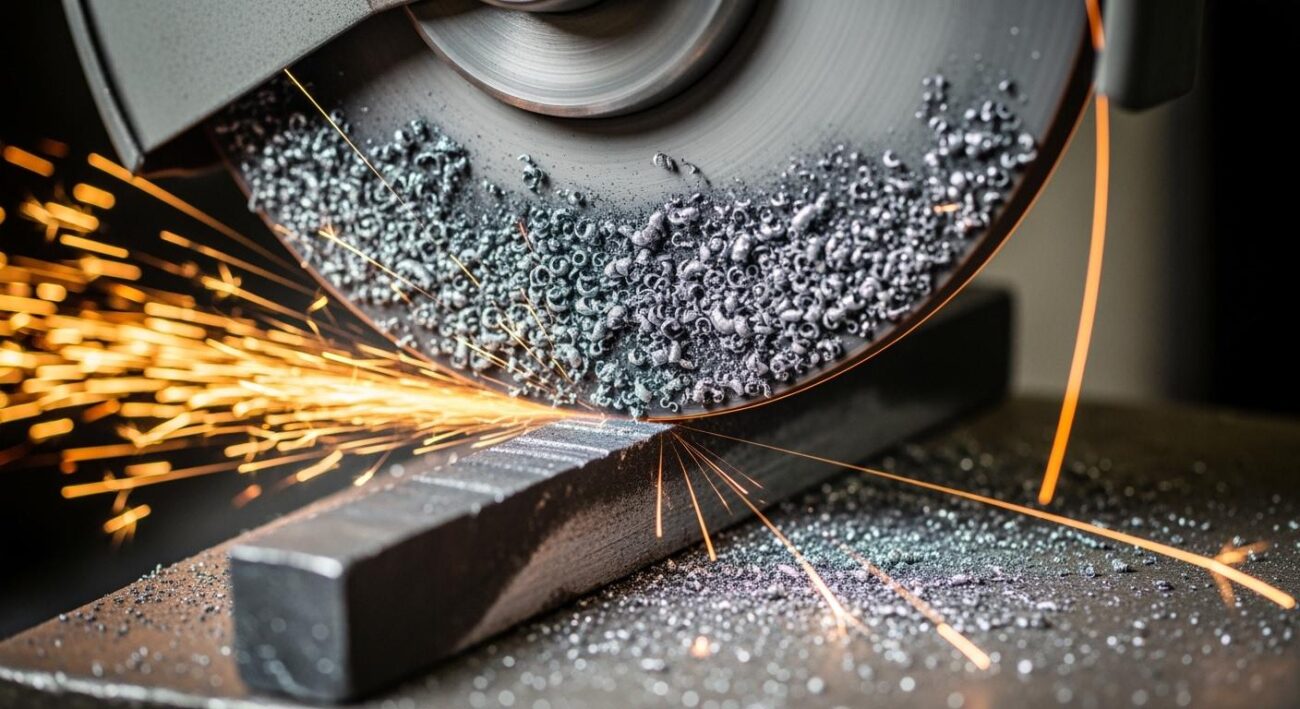
You face unique challenges when grinding cast iron. The material’s brittleness causes it to crack or chip easily. You may notice variable hardness in cast iron, which leads to inconsistent grinding results. Grinding often produces significant heat and abrasive debris. These issues differ from other materials and can damage your tools or the workpiece. Choosing the right grinding tools and solutions helps you achieve better results.
Key Takeaways
- Cast iron’s brittleness can lead to sudden fractures. Use careful grinding techniques and diamond abrasives to minimize damage.
- Variable hardness in cast iron affects grinding consistency. Adjust your grinding parameters to ensure even wear on tools and better results.
- Heat generation during grinding can cause cracking. Monitor temperatures and use cooling methods to protect both the workpiece and tools.
- Proper tool selection is crucial. CBN grinding wheels offer high heat resistance and longer life, making them ideal for cast iron.
- Dust control is essential for health and safety. Implement effective dust collection systems to protect yourself and maintain a clean workspace.
Cast Iron Properties
Brittleness and Fracture
You work with cast iron because it offers strength and durability. However, you must pay attention to its brittleness. Cast iron breaks easily when you apply force. You see sudden failures without warning. This can cause cracking or even catastrophic fracture during grinding. You need to use careful grinding techniques to avoid damage. If you handle cast iron parts roughly, you risk serious safety hazards. You should minimize preparation force and use diamond abrasives to prevent crack propagation.
- Brittleness leads to sudden and catastrophic failures without warning.
- Brittle failure poses serious safety hazards.
- Careful handling and grinding techniques are essential to minimize damage.
You often see gray cast iron in workshops. It has a flaky graphite structure that makes it even more brittle. You must preheat cast iron before grinding in some cases to reduce the risk of cracking.
Variable Hardness
Cast iron shows variable hardness across different sections. You notice that some areas feel softer while others resist grinding. This happens because cast iron contains a mix of phases and microstructures. You may find that the grinding wheel cuts easily in one spot but struggles in another. This inconsistency affects the surface finish and tool life.
Here is a table showing typical mechanical properties of cast iron:
| Property | Typical Range | Test Standard |
|---|---|---|
| Ultimate Tensile Strength | 350–1000 MPa | ASTM E8 |
| Yield Strength (0.2% offset) | 250–700 MPa | ASTM E8 |
| Brinell Hardness (BHN) | 170–280 | ASTM E10 |
You must adjust your grinding parameters to deal with these changes. If you ignore variable hardness, you risk uneven wear on your grinding tools and poor results on cast iron parts.
Unique Challenges in Grinding
Heat Generation
You face unique challenges when grinding cast iron. Heat generation stands out as a major concern. Grinding creates friction, which raises the temperature of the workpiece and the grinding wheel. Cast iron reacts to temperature changes quickly. If you do not control the temperature, you risk cracking and damaging cast iron parts. You must pay attention to the critical temperature during grinding. If you exceed this limit, you can cause residual stresses in the material. These stresses may lead to repair needs or even failure.
You can use cooling methods to manage heat. Cooling rate affects the quality of the surface and the durability of the cast iron. You may need to preheat cast iron before grinding to reduce the risk of sudden temperature changes. This step helps prevent cracking and improves the grinding process. Cooling also protects your tools and keeps the grinding environment safe.
Tip: Always monitor the temperature during grinding. Use cooling fluids to keep cast iron stable and avoid overheating.
Tool Wear and Maintenance
Grinding cast iron presents unique challenges for your tools. The abrasive nature of cast iron wears down grinding wheels quickly. You must check your tools often and replace them when needed. If you ignore tool wear, you risk poor surface finishes and increased downtime.
You also face high-density dust and large vibrations during grinding. These issues make maintenance harder. Vibration dampening becomes important for protecting your equipment and ensuring safety. You should clean your workspace regularly to remove dust and debris. This step keeps your tools in good condition and improves the grinding process.
Here is a table showing common maintenance tasks for grinding cast iron:
| Task | Frequency | Purpose |
|---|---|---|
| Tool inspection | Daily | Prevent tool failure |
| Dust removal | After grinding | Improve air quality |
| Vibration check | Weekly | Protect equipment |
| Cooling system check | Monthly | Maintain temperature |
Surface Finish Issues
You encounter unique challenges when aiming for a smooth surface on cast iron. Variable hardness makes it difficult to achieve consistent results. You may notice thickness and tilt variations on mold bonding surfaces. These changes affect the quality of the finished part.
Noise pollution in the grinding environment can distract you and reduce your focus. Difficulty in accessing and polishing concave surfaces adds to the challenge. You must use proper welding techniques and select the right grinding tools to improve surface finish. Cooling helps reduce surface defects and keeps the cast iron stable.
- High-density dust
- Large vibrations
- Difficulty polishing concave surfaces
- Changes in mold bonding surfaces
- Noise pollution
You must pay attention to these unique challenges. If you address them, you improve the quality of cast iron parts and reduce the need for repair.
Safety and Environmental Concerns
Dust and Chip Control
You encounter dust and chips every time you grind cast iron. Fine metal particles and dust become airborne during grinding. These particles can enter your lungs and cause health problems. Metal fumes may also appear, containing toxic substances. You must control dust to protect yourself and your workspace.
An effective dust collection system improves your environment. Advanced filtration technology keeps the air clean and safe. You see several benefits when you use proper dust control:
- Reduces industrial dust emissions
- Improves the production environment
- Enhances processing efficiency
- Lowers equipment maintenance costs
- Safeguards the occupational health of operators
Regulatory standards address environmental concerns in cast iron grinding. The table below shows how these standards impact your work:
| Standard | Impact |
|---|---|
| Reduction of hazardous air pollutants (HAP) | Addresses air quality concerns specific to cast iron grinding operations. |
| Implementation of work practice standards | Ensures proper scrap selection to minimize contaminants that could lead to HAP emissions. |
| Use of alternative materials | Encourages the use of non-HAP containing formulations in coating operations. |
| Energy efficiency improvements | Reduces overall energy consumption and associated emissions from power plants. |
Tip: Always monitor dust levels and use cooling to help manage temperature and reduce airborne particles.
Health and Safety Risks
You face health risks when you grind cast iron. Studies show that exposure to metal dust can harm your lungs. Long-term exposure may cause chronic respiratory diseases. You may notice a decline in lung function, such as forced expiratory volume and forced vital capacity. You must protect yourself from these risks.
Personal protective equipment (PPE) is essential. You need PPE to shield yourself from flying particles and metal dust. Standards exist for heavy grinding operations. For severe exposure, you must use extra protection. You also face risks from noise, heat, and inhalation of harmful vapors.
- Grinding operations involve risks from heavy flying particles.
- PPE standards are categorized based on the severity of exposure.
- For severe exposure, additional protective measures are recommended.
You must stay aware of critical temperature and residual stresses. These factors affect your safety and the quality of your work. Always follow safety guidelines and use proper equipment.
Best Practices and Solutions
Tool Selection (Aimgrind, CBN Grinding Wheels)
You need to select the right grinding tools for cast iron to avoid cracking and achieve crack free castings. Aimgrind offers CBN grinding wheels that meet the strict demands of gray cast iron and machined cast iron. These wheels provide high material removal rates, superior heat resistance, and long wheel life. You can see the advantages in the table below:
| Criteria | CBN Grinding Wheels Features |
|---|---|
| Abrasive Material | Cubic Boron Nitride (CBN) |
| Heat Resistance | Superior heat resistance, no hardness loss at high temperatures |
| Material Removal Rate | High material removal rate with consistent precision |
| Wheel Life | Longer wheel life compared to conventional & diamond wheels |
| Bond Types | Resin, Vitrified, Electroplated |
| Applications | Suitable for wet & dry grinding, ideal for hardened steel, bearing steel, HSS & nickel-based alloys |
Aimgrind’s expertise helps you diagnose grinding problems and customize solutions for your specific needs. You can rely on their support to match the right wheel to your equipment and process.
Process Optimization
You can improve grinding results by optimizing your process. Fine-tune cutting speeds and feeds to reduce tool wear and improve surface finish. Use coatings like titanium nitride or diamond-like carbon to lower friction. Consistent feed rates and shallow depths of cut help you avoid excessive vibration dampening and tool damage. Adjusting RPM to 25–30 m/s and keeping the depth of cut between 0.02–0.05 mm per pass will minimize heat and protect the workpiece. Dress your wheel every 8–10 parts for best results.
Tip: Preheat the cast iron before grinding to reduce the risk of cracking. Preheating the cast iron helps maintain temperature stability and supports sealing cracks during repair. Use the studding method or an insulating blanket for large repairs. Nickel-type electrode welding techniques can help you repair major breaks and achieve strong welds.
Coolant and Lubrication
Proper coolant and lubrication play a key role in cast iron grinding. Semisynthetic and low-oil synthetic coolants provide effective cooling and chip evacuation. Cooling improves tool life by preventing overheating and reducing friction. It also helps maintain surface quality and supports vibration dampening. The table below shows how coolant impacts your grinding process:
| Aspect | Impact on Tool Life and Surface Quality |
|---|---|
| Heat Dissipation | Improves tool longevity by preventing overheating. |
| Friction Reduction | Lowers wear on tools, enhancing their lifespan. |
| Chip Evacuation | Aids in maintaining surface quality by preventing clogging. |
You should always use proper coolant application to minimize tool wear and enhance the finish of your machined cast iron parts. Cooling also helps with sealing and welding, especially when working with high carbon content materials. Preheat and cooling steps are important for welding, milling, and repair tasks.
You face many challenges when grinding cast iron, such as brittleness, heat, and dust. You can overcome these problems with the right tools and smart practices. Aimgrind’s CBN grinding wheels help you work faster and keep your process steady. When you use advanced solutions, you get these benefits:
- You save money over time because the wheels last longer.
- You spend less time changing tools, so you finish jobs faster.
- You get smooth, precise results every time.
Stay safe and keep your work efficient by choosing the best grinding solutions.
FAQ
What makes cast iron difficult to grind?
You face challenges because cast iron is brittle and has variable hardness. These properties cause cracks, uneven wear, and tool damage. You must use the right grinding wheel and careful techniques to avoid problems.
How do you choose the best grinding wheel for cast iron?
You should select a CBN grinding wheel. It offers high heat resistance, long life, and precise results. Aimgrind provides custom solutions for your specific needs.
Tip: Match the wheel bond type to your grinding process for the best performance.
Why is dust control important during cast iron grinding?
You need dust control to protect your lungs and keep your workspace clean. Fine particles can cause health problems. Use dust collectors and wear proper masks for safety.
| Safety Step | Benefit |
|---|---|
| Dust collector | Cleaner air |
| Mask | Protects your lungs |
Can you use CBN grinding wheels for both wet and dry grinding?
Yes, you can use CBN grinding wheels for both wet and dry grinding. Wet grinding helps reduce heat and dust. Dry grinding works for quick jobs. Always follow safety guidelines.
Contact Us
For More Grinding Solution or Customized Abrasive Tools