

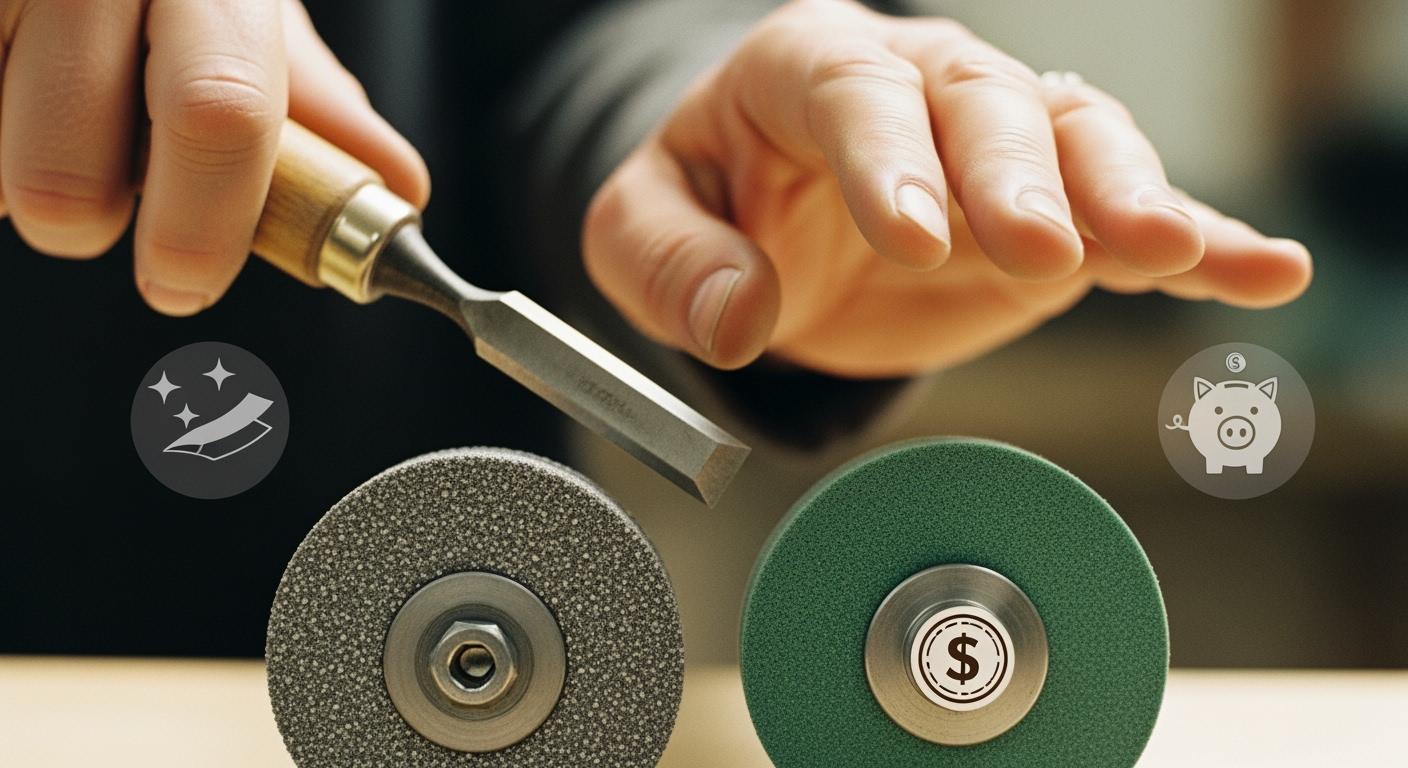
You want the most economical grinding wheel for sharpening hand tools. Aluminum oxide-based conventional bonded abrasives offer the best value. Aimgrind delivers expert solutions with high-quality products in this area. These wheels give you a strong balance of affordability, durability, and performance. You can sharpen tools efficiently and keep costs low.
Key Takeaways
- Aluminum oxide wheels are the most economical choice for sharpening hand tools. They offer a great balance of price, durability, and performance.
- Silicon carbide wheels are ideal for harder materials, providing sharper grinding power for tough alloys and carbide tools.
- CBN and diamond wheels excel in specialized sharpening tasks. They last longer and require less maintenance, making them cost-effective for professional use.
- Regular maintenance of grinding wheels extends their lifespan. Clean them after use and inspect for damage to ensure safe and efficient sharpening.
- Choose the right grit size for your sharpening needs. Coarse grits reshape edges, while fine grits provide a polished finish.
Grinding Wheel Types Compared
Choosing the right grinding wheel for sharpening hand tools can save you money and improve your results. You have several options, each with unique features and benefits. Aimgrind offers high-quality conventional bonded abrasives made from aluminum oxide and silicon carbide, giving you reliable choices for most sharpening tasks.
Aluminum Oxide Wheels
You can use aluminum oxide wheels for sharpening steel tools like chisels and plane irons. These wheels balance durability and cutting efficiency. They provide a cooler grinding process, which helps maintain edge quality without overheating the blade. You will find that aluminum oxide grinding wheels withstand high temperatures and pressures, leading to a longer service life.
- Aluminum oxide grinding wheels are effective for sharpening most steel knives.
- They offer high durability and last longer under regular use.
- You get consistent performance and a smooth finish.
Silicon Carbide Wheels
Silicon carbide wheels work well for harder materials. You can use them for sharpening tools made from tough alloys or carbide. These wheels provide sharper, tougher grinding power. They are also affordable and available in different grit sizes.
| Product Type | Price |
|---|---|
| Silicon Carbide Grinding Wheel-Fine | $25.66 |
| Silicon Carbide Grinding Wheel-Medium | $20.29 |
You can choose silicon carbide wheels when you need extra grinding strength for harder materials.
CBN and Diamond Wheels
CBN and diamond wheels offer advanced performance for specialized sharpening needs. CBN wheels run smoothly without vibration and do not require truing. They keep tools cool during grinding, which can extend the life of your tools. CBN wheels are best for ferrous metals like hardened steels and high-speed steel.
Diamond wheels excel in precision and fine sharpening with minimal material removal. You should use diamond wheels for carbide, glass, ceramics, and stone. Avoid using diamond wheels for steel, as they wear out quickly.
| Abrasive | Best For | Worst For (Avoid) |
|---|---|---|
| CBN | Ferrous Metals: All hardened steels, HSS, stainless steel | Carbide, Aluminum, Glass, Ceramics |
| Diamond | Carbide (Tungsten), Glass, Ceramics, Stone | Ferrous Metals (All steels) – it will be destroyed |
You can save time with CBN wheels because they eliminate the need for wheel dressing. These wheels absorb heat, preventing overheating and damage to your tools.
Tip: For most hand tool sharpening, you will find aluminum oxide wheels and silicon carbide wheels from Aimgrind offer the best balance of cost and performance.
Economical Grinding Wheel Choice
Why Aluminum Oxide Stands Out
You want grinding wheels for sharpening that give you the best value. Aluminum oxide wheels stand out as the most economical choice for sharpening hand tools. You can find these wheels at a reasonable price, and they offer a strong mix of quality and durability. Many users, from beginners to experts, choose aluminum oxide because these abrasives are easy to use and available in many shapes and sizes. You get a versatile shop staple that fits most grinders and sharpening stations.
Aluminum oxide grinding wheels for sharpening work well because they grind away imperfections and restore a sharp edge. You can repair nicks and reestablish angles with ease. These wheels help you achieve burn-free edges, which means your tools stay cool and do not lose their hardness. You also get a fine finish on hardened steel, making your sharpening edge smooth and ready for work. If you want a budget cool-cutting choice, aluminum oxide wheels deliver water-cooled precision without extra equipment.
You can see how aluminum oxide compares to other types of abrasive wheels in the table below:
| Wheel Type | Price Range | Durability Characteristics | Maintenance Costs |
|---|---|---|---|
| Aluminum Oxide | Inexpensive | Suitable for light work on mild steel | Lower maintenance required |
| Ceramic | $9 to $16 | Best performance on hard metals, stays sharp longer | Higher maintenance costs |
| Zirconia | $5 to $12 | Efficient for heavy stock removal on carbon steel | Moderate maintenance costs |
You save money on the initial price and on long-term use. Aluminum oxide wheels need less maintenance, so you spend less time and money keeping them in top shape. You get long wheel life, which means fewer replacements and more sharpening for your dollar.
Aimgrind Conventional Bonded Abrasives for Sharpening
You can trust Aimgrind’s conventional bonded abrasives when you need grinding wheels for sharpening. Aimgrind uses high-quality aluminum oxide to make wheels that last and perform well. You get consistent results every time you sharpen your tools. These wheels are designed for ideal applications like chisels, plane irons, and other hand tools.
Aimgrind grinding wheels for sharpening come in many sizes and grits. You can pick the right wheel for your needs, whether you want a coarse grind or a fine finish. The wheels fit standard grinders, so you do not need special equipment. You get a heavy-duty hss solution for tough jobs and a fine finish for delicate sharpening.
You will notice the low cost of Aimgrind wheels compared to other brands. The price stays affordable, and you do not sacrifice quality. You get abrasives that handle daily sharpening tasks with ease. The long wheel life means you replace wheels less often, which saves you money over time.
You can count on Aimgrind for grinding wheels for sharpening that combine price, quality, and performance. These wheels help you keep your tools sharp, your costs low, and your work efficient.
Tip: Choose Aimgrind aluminum oxide grinding wheels for sharpening if you want a reliable, budget-friendly, and effective solution for your workshop.
Sharpening Performance in Real Use
Grinder Wheels for Chisels and Plane Irons
You can sharpen chisels and plane irons with Aimgrind grinder wheels. These wheels help you restore a sharp edge quickly. You place the tool against the grinder and move it steadily. The grinding action removes nicks and shapes the edge. You notice that the wheel keeps the edge cool, which prevents damage. You achieve a smooth finish on the edge. The grinder wheels fit most grinders, so you do not need special equipment. You get consistent results every time you sharpen. The grinding process is easy to control. You see a clean edge after each session.
Sharpening Other Hand Tools
You use grinder wheels for sharpening knives, screwdrivers, and garden tools. The grinding wheels handle different shapes and sizes. You adjust the grinder to match the tool. The grinding wheel removes old material and forms a new edge. You check the edge for sharpness. You see a fine finish on the blade. The grinder wheels work well for both coarse and fine grinding. You can sharpen tools for woodworking, metalworking, or home use. You get a reliable edge that lasts longer. The grinding wheels from Aimgrind make sharpening simple.
Tip: Always check the edge after grinding. You can use a piece of paper to test sharpness. A sharp edge cuts cleanly.
Improving Sharpening Performance
You improve sharpening performance by following a few steps. You keep the grinder wheels clean. You use the right grit for the tool. You avoid pressing too hard against the grinding wheel. You move the tool smoothly across the grinder. You cool the edge with water if needed. You finish with a finer grit for a polished edge. You inspect the edge for burrs and remove them. You store grinder wheels properly to prevent damage.
| Step | Action | Result |
|---|---|---|
| Clean grinder wheel | Remove debris | Better grinding |
| Use correct grit | Match tool and finish | Sharper edge |
| Smooth movement | Steady grinding | Even edge |
| Final inspection | Check edge and finish | Quality sharpening |
You get the best sharpening performance when you follow these steps. You keep your tools ready for work. You enjoy a smooth finish and a strong edge every time.
Cost-Saving Tips for Grinding Wheels
Maximizing Wheel Lifespan
You want your grinding wheels to last as long as possible. You can follow several best practices to extend their lifespan and save money.
- Wear safety goggles or a face shield every time you sharpen tools.
- Inspect your grinder and accessories before you start. Look for cracks or signs of wear.
- Keep your work area clean. Remove clutter to prevent accidents.
- Use your grinder at the recommended speed. Apply only the right amount of pressure.
- Stay focused while you work. Avoid distractions.
- Clean and sharpen your tools regularly. This prevents clogging and keeps grinding efficient.
- Adjust machine settings to match the tool and material. Set the speed and feed rate correctly.
Tip: You protect your grinding wheels and your tools when you follow these steps. You also reduce the risk of injury.
Proper Use and Maintenance
You keep your grinding wheels economical by using and maintaining them correctly.
- Use your grinder to create a hollow grind. This reduces wear on your sharpening tools.
- Maintain the cutting edge with a leather strop and polishing compound. This keeps your tools sharp and minimizes sharpening time.
- Perform maintenance as soon as the edge starts to dull. Do not wait until it becomes very worn.
| Maintenance Task | Benefit |
|---|---|
| Hollow grind | Less tool wear |
| Leather strop | Faster sharpening |
| Early maintenance | Longer wheel lifespan |
Note: Regular maintenance helps you avoid costly replacements and keeps your tools ready for work.
When to Replace Grinder Wheels
You need to know when to replace your grinding wheels.
- Replace the wheel if you see deep cracks or chips.
- Change the wheel if it becomes uneven or wobbles during use.
- Swap out the wheel if it no longer sharpens tools efficiently.
- Replace the wheel if it has worn down to a size that does not fit your grinder safely.
You save money and stay safe when you replace grinding wheels at the right time. You keep your sharpening process smooth and your tools in top condition.
When to Consider Other Grinding Wheels for Sharpening
Specialized Tool Materials
You may need to sharpen tools made from special materials. In these cases, cbn and diamond wheels can be more economical than aluminum oxide wheels. If you work with hardened tool steels or high-speed steel, cbn wheels give you better results. Cbn wheels stay sharp and do not wear out quickly when grinding hard, ferrous metals. Diamond wheels work best for non-ferrous metals, technical ceramics, and carbide tools. You get a longer lifespan from cbn and diamond wheels, so you replace them less often. This means you save money over time, even if the initial price is higher.
| Material Type | Optimal Grinding Wheel Type |
|---|---|
| Ferrous materials | cbn wheels |
| Non-ferrous/non-metallic | diamond wheels |
| Hardened tool steels (>45 HRC) | cbn wheels |
| Technical ceramics | diamond wheels |
| Non-ferrous metals | diamond wheels |
Note: Cbn wheels do not react with iron at high temperatures, so they keep their shape and sharpness longer than diamond wheels when sharpening steel.
High-Volume or Professional Use
You may sharpen many tools every day in a professional shop. In this setting, cbn and diamond wheels can help you save money and time. Cbn wheels last much longer than regular wheels. You do not need to change or dress them as often. This means you spend more time sharpening and less time on maintenance. Diamond wheels also offer a long life for non-ferrous and ceramic tools. You get a lower cost per part because you do not replace wheels as often. The table below shows how premium wheels compare to low-cost wheels in a busy shop.
| Cost Factor | Low-Cost Wheel | Premium Wheel (cbn/diamond) |
|---|---|---|
| Unit Price | Low | High |
| Parts Per Wheel | Low | Very High |
| Wheel Changes Per Shift | Frequent | Rare |
| Changeover Labor Cost | High | Low |
| Surface Finish Quality | Variable | Consistent |
| Rework / Scrap Rate | Higher | Lower |
| True Cost Per Part | Often higher | Often lower |
Tip: If you run a sharpening business or work in a factory, cbn and diamond wheels can boost your productivity and lower your long-term costs.
Unique Sharpening Needs
You may have special sharpening tasks that need more than a standard wheel. Cbn and diamond wheels are designed for precision and tough jobs. If you need a very fine edge or a smooth finish, fine-grit cbn or diamond wheels can help. Industries like automotive, bearing, or optical parts often use these wheels for their accuracy. You may also need superabrasives for grinding the hardest materials. Cbn and diamond wheels give you better performance and a longer service life in these cases. You get a sharper edge and a smoother surface, which is important for special tools or high-precision work.
- Fine grain cbn and diamond wheels help you achieve very smooth surfaces.
- Superfine cbn and diamond wheels are growing in demand for tasks that need sub-nanometer finishes.
- You can use cbn and diamond wheels for both rough and precision grinding, depending on your needs.
Remember: Choose cbn or diamond wheels when you need to sharpen hard, special, or high-value tools. You get better results and save money in the long run.
You want the best value when sharpening your hand tools. Aluminum oxide-based conventional bonded abrasives from Aimgrind give you a smart balance of price, durability, and performance. You can see how different factors matter in the table below:
| Factor | What It Means for You |
|---|---|
| Abrasive Material | Aluminum oxide saves money and works well for steel. |
| Grit Size | Coarse for fast work, fine for sharp edges. |
| Wheel Hardness | Hard wheels last longer. |
| Bond Type | Vitrified bonds give you precision. |
You should match your needs to these factors. Explore Aimgrind’s products to get the best results for your workshop.
FAQ
What grit size should you choose for sharpening hand tools?
You should use a coarse grit (36–60) for reshaping or repairing edges. For regular sharpening, select a medium grit (80–120). Use a fine grit (150–220) for finishing. Match the grit to your tool’s condition and the sharpness you want.
How do you know when to replace your grinding wheel?
You should replace your grinding wheel if you see cracks, chips, or wobbling. If the wheel no longer sharpens efficiently or has worn down too much, it is time for a new one. Safety comes first.
Can you use Aimgrind aluminum oxide wheels on all types of steel?
You can use Aimgrind aluminum oxide wheels on most carbon and tool steels. For very hard or specialty steels, consider CBN wheels. Always check your tool material before choosing the wheel.
What safety tips should you follow when sharpening with a grinding wheel?
- Wear safety goggles or a face shield.
- Check the wheel for damage before use.
- Keep your hands clear of the spinning wheel.
- Use light pressure.
- Let the wheel reach full speed before sharpening.
How do you maintain your grinding wheel for longer life?
| Maintenance Task | Why It Matters |
|---|---|
| Clean after use | Removes debris |
| Store in dry place | Prevents moisture damage |
| Dress regularly | Keeps wheel balanced |
You keep your wheel effective and safe with these steps.
Contact Us
For More Grinding Solution or Customized Abrasive Tools