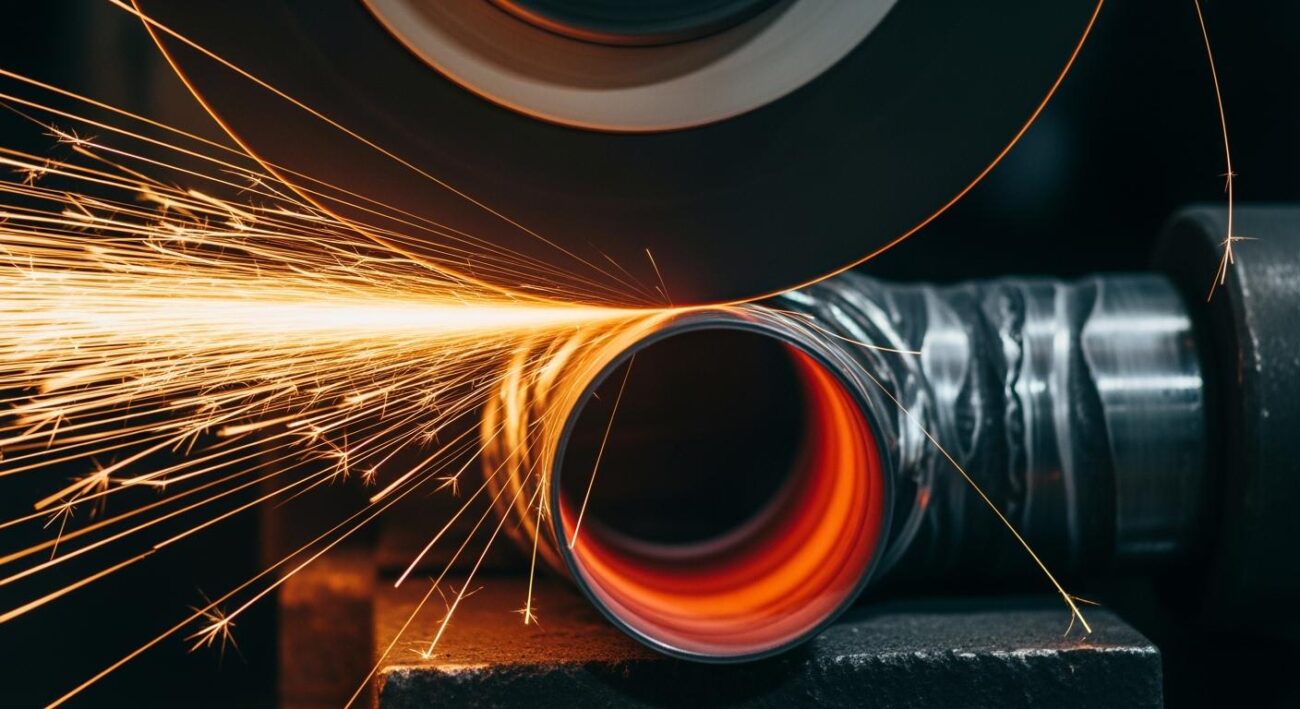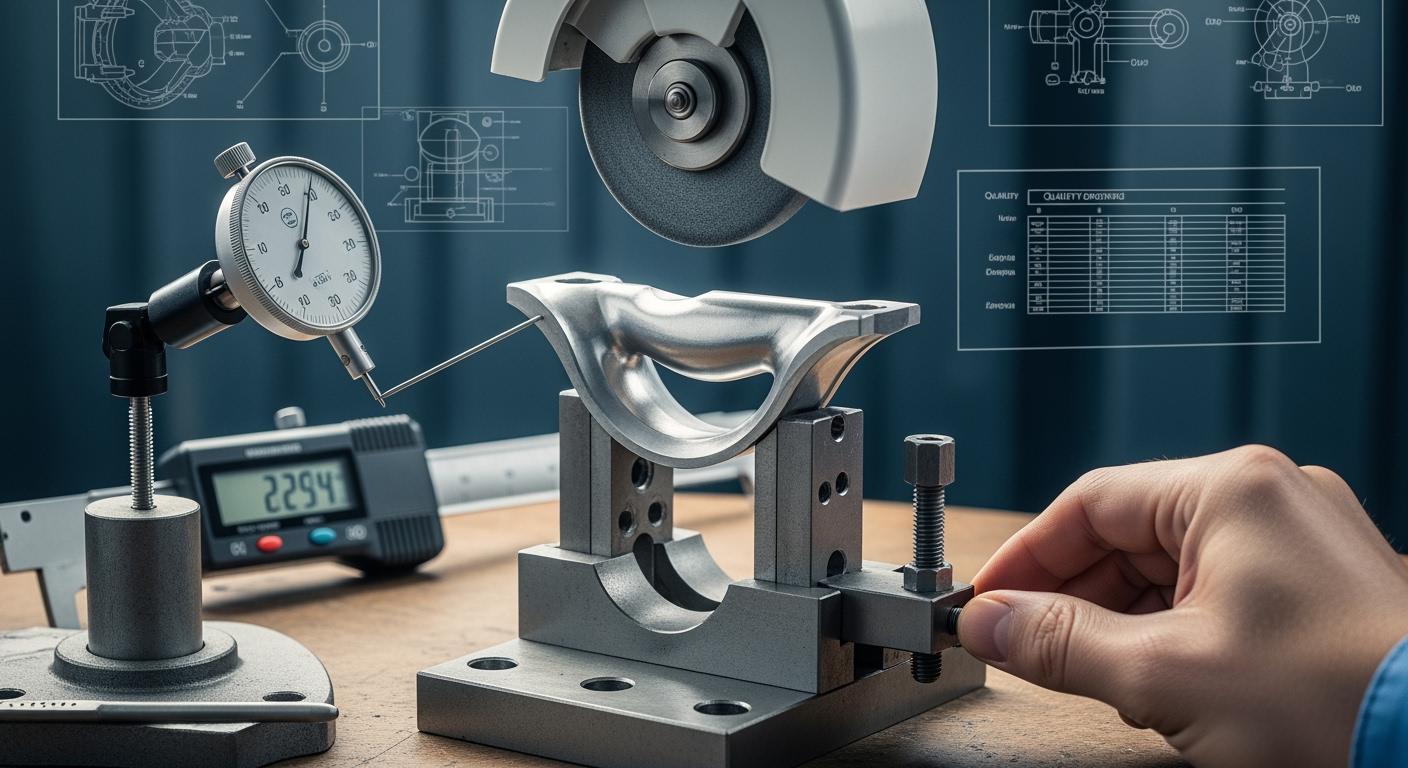
You can prevent deformation in thin-walled parts by focusing on a few key strategies. Start by optimizing your grinding parameters. Use proper fixturing to support your parts during grinding. Choose the right grinding tools, such as Aimgrind diamond grinding wheels, for high precision and minimal distortion. Many engineers also recommend these steps:
- Select shorter, sharp tools with smaller diameters.
- Take light cuts and slow feed rates to reduce vibration.
- Add external supports and use soft jaws for extra stability.
These methods help keep your parts accurate and strong.
Key Takeaways
- Optimize grinding parameters to control cutting forces and reduce the risk of deformation in thin-walled parts.
- Use low-pressure clamping and soft fixtures to support thin-walled parts without causing damage during grinding.
- Implement balanced material removal to maintain part shape and prevent warping during the machining process.
- Utilize effective coolant systems to manage heat and protect thin-walled parts from thermal distortion.
- Choose high-quality tools like Aimgrind diamond grinding wheels for precision and reduced tool deflection.
Causes of Deformation in Thin-Walled Parts
Understanding why thin-walled parts deform during grinding helps you prevent distortion and warping. You need to know how mechanical and thermal factors affect part integrity. Thin-walled parts often lose their shape because of grinding forces, heat, poor support, and uneven material removal.
Excessive Grinding Force
Grinding forces play a big role in part distortion. When you apply large cutting forces, thin-walled parts can bend or show deflection. The low stiffness of these parts makes them sensitive to external forces. If you use too much force, you risk damaging part integrity and causing distortion. You can see higher deflection rates when the grinding force increases. Surface residual stress changes between compressive and tensile states, which affects part distortion. After grinding, compressive stress drops, making thin-walled parts more likely to deform.
Heat Generation and Thermal Effects
Heat builds up during grinding because of friction between the tool and the workpiece. Thin-walled parts absorb heat quickly, which leads to distortion and warping. High-speed cutting helps remove chips faster and reduces thermal deformation. Using cutting fluids lowers temperatures and protects part integrity. Thermal stress is often complex and localized, causing non-uniform dimensional changes in thin-walled parts.
Improper Clamping and Support
Clamping methods affect the stability of thin-walled parts. If you concentrate clamping forces in small areas, you can cause local deformation. Over-clamping crushes or bends thin-walled parts, while under-clamping lets them vibrate and deflect. Inaccurate positioning leads to inconsistent forces and more distortion. Standard fixtures may not support fragile thin-walled parts, risking part integrity.
Unbalanced Material Removal
Unbalanced material removal causes deflection and distortion. If you remove material unevenly, thin-walled parts lose their shape. The geometry of the tool and the way you plan the grinding process matter. When you remove too much material from one side, you create stress and part distortion. Balanced removal keeps thin-walled parts stable and maintains their integrity.
Tip: Always check your grinding parameters, clamping methods, and material removal plan to protect thin-walled parts from deformation.
Prevent Deformation with Optimized Grinding Parameters
You can prevent deformation in thin-walled parts by adjusting your grinding parameters. These adjustments help you control cutting forces, reduce tool deflection, and keep part integrity high. When you set the right parameters, you lower the risk of part distortion and keep your thin-walled parts accurate.
Shallow Cut Depths and Light Passes
Start with shallow cut depths. Thin-walled parts bend easily under heavy loads. Light passes help you avoid tool deflection and keep the surface smooth. If you use deep cuts, you increase forces and risk deflection. Take several light passes instead of one heavy cut. This method keeps your parts stable and reduces the chance of distortion.
Slower Feed Rates for Thin-Walled Parts
Feed rate plays a big role in grinding thin-walled parts. Slower feed rates help you prevent tool deflection and keep the grinding process smooth. You should also pay attention to the number of cutter teeth and the sharpness of your tools. Here are some tips:
- Use fewer milling cutter teeth to increase chip space, especially for aluminum alloys.
- Keep the cutting edge roughness below Ra=0.4μm to reduce heat and prevent deformation.
- Watch tool wear. Do not let tool wear exceed 0.2 mm. Worn tools cause more surface roughness and deflection.
By following these steps, you keep your thin-walled parts safe from part distortion and maintain high accuracy.
Effective Coolant Use to Reduce Heat
Heat can cause thin-walled parts to warp or lose shape. You need to use coolants to keep temperatures low and protect part integrity. Coolant delivery methods matter. Tools with coolant holes perform better than traditional rods. They help you reduce warpage and keep dimensional errors small.
| Feature | Traditional Rods | Rods with Coolant Holes |
|---|---|---|
| Service Life (workpieces) | 40-60 | 80-120 |
| Edge Regrinding Interval (hours) | 2 | 4-5 |
| Safe Cutting Speed (m/min) | 80-100 | 100-125 |
| Warpage of 2mm-thick Parts (mm) | 0.1 | 0.03 |
| Dimensional Accuracy Error (mm) | ±0.005 | ±0.005 |
You can see that rods with coolant holes double the service life and cut warpage by more than half. This means your thin-walled parts stay flat and accurate. Always check your coolant flow and use the best delivery system for your grinding setup.
Choosing Aimgrind Diamond Grinding Wheels
Tool selection is key when you want to prevent deformation in thin-walled parts. Aimgrind diamond grinding wheels give you high precision and long life. These wheels keep their shape and sharpness, so you get less tool deflection and more consistent results. You can use them for both wet and dry grinding. They work well on hard alloys, ceramics, and composites.
Aimgrind diamond grinding wheels help you control cutting forces and reduce tool deflection. This keeps your thin-walled parts safe from part distortion. You also get a better surface finish and longer wheel life. When you choose the right grinding wheel, you protect part integrity and boost your productivity.
Tip: Always match your grinding wheel to your material and process. Aimgrind offers custom solutions to fit your needs.
By using these strategies, you can prevent deformation, keep your thin-walled parts accurate, and maintain high part integrity.
Fixturing and Clamping for Thin-Walled Parts
You need the right fixturing and clamping methods to prevent deformation in thin-walled parts. These methods help you keep part integrity and avoid part distortion. Many best practices for machining focus on supporting thin-walled sections and controlling clamping force. You can use several industry-proven techniques to keep your parts stable and accurate.
Low-Pressure Clamping Techniques
Low-pressure clamping works well for thin-walled parts. You should avoid using too much force. Excessive clamping force can deform thin-walled sections before you even start grinding. You want to apply only enough force to resist cutting loads. This keeps your parts secure without causing deflection or distortion.
- Use specialized fixtures that spread force evenly.
- Check that your work holding keeps thin-walled parts stable during grinding.
- Minimize localized stress to protect part integrity.
Tip: Always use the lowest clamping force that holds your part safely. This reduces the risk of tool deflection and keeps your parts in shape.
Soft Fixtures and Disc Springs
Soft fixtures and disc springs help you support thin-walled parts without causing damage. Soft fixtures use materials like machinable foam or wax fill. These materials support the walls and reduce tool deflection. Disc springs give you controlled clamping force. They help you avoid over-tightening and keep pressure even.
- Place soft fixtures under thin-walled sections.
- Use disc springs to maintain steady clamping force.
- Combine these tools to prevent deflection and part distortion.
You can also try alternative workholding methods. Vacuum, adhesive, freeze, or magnetic chucks hold thin-walled parts without mechanical clamping. These methods lower the risk of tool deflection and keep your parts accurate.
Open-Loop Thick Sleeve Support
Open-loop thick sleeve support gives extra stability to thin-walled parts. You can machine in stages and leave extra stock for support. This method helps you reduce tool deflection and keeps your parts from bending. Start clamping from the thickest section and move to thinner areas. This sequence spreads forces evenly and prevents deflection.
- Support thin-walled parts with thick sleeves during roughing.
- Remove the sleeves only for finishing passes.
- Make sure you distribute forces across the whole part.
You should always support the walls and use the right clamping sequence. These steps help you prevent deformation and keep your thin-walled parts strong and accurate.
Supporting Thin-Walled Parts During Grinding
Backup Supports and Temporary Inserts
You can keep thin-walled parts stable by using backup supports and temporary inserts. These methods help you avoid distortion during grinding. Place backing plates behind thin-walled sections to stop them from moving under cutting forces. You can also fill internal spaces with wax or use temporary inserts. This support keeps the parts from vibrating or bending. Higher support density gives you more stability, but you should plan for easy removal after grinding. When you use these techniques, you protect the integrity of thin-walled parts and keep their shape accurate.
- Backing plates support thin floors or walls from behind.
- Temporary wax filling or inserts prevent movement and vibration.
- Extra tabs or webs can hold thin-walled parts steady until finishing.
Tip: Always check that your supports do not contaminate the parts and can be removed cleanly.
Sandwich Clamping for Heat Control
Sandwich clamping helps you control heat and keep thin-walled parts from warping. Place your thin-walled parts between two flat plates. This setup spreads the clamping forces evenly and reduces the risk of bending. The plates also act as heat sinks, pulling heat away from the thin-walled sections. You should use the minimum clamp force needed to hold the parts. Keep the clamp contact on stiffer regions, not directly on thin walls. Symmetric clamping helps you avoid bending and keeps the parts flat.
- Use flat plates to sandwich thin-walled parts.
- Apply even, low clamp force.
- Position clamps on strong areas, not thin walls.
Custom Fixture Design for Thin-Wall Machining
Custom fixture design gives you the best results in thin-wall machining. You can create fixtures that match the shape of your thin-walled parts. These fixtures help you spread clamping forces and reduce the chance of deformation. Axial clamping sleeves work better than radial clamps for thin-walled parts. You can add special process ribs to the fixture or the part to increase rigidity. This design helps you keep the parts stable and accurate during grinding.
- Custom fixtures distribute forces evenly.
- Axial clamping sleeves keep thin-walled parts rigid.
- Process ribs in the fixture or part help prevent deformation.
Note: Custom fixture design improves accuracy and efficiency in thin-wall machining. You can protect the integrity of thin-walled parts and avoid distortion by using the right fixture.
Machining Thin-Walled Parts: Process Planning
Planning your process is one of the most important steps when machining thin-walled parts. Good planning helps you avoid deformation and keeps your parts accurate. You need to think about every step, from the first cut to the last finish. Careful process planning in cnc machining lets you control stress, heat, and force on thin-walled parts.
Balanced Material Removal
Balanced material removal is key for machining thin-walled parts. If you remove material unevenly, you can create stress inside the parts. This stress can cause bending or warping. You should always try to remove material in a way that keeps the part balanced. Symmetrical removal helps you keep thin-walled parts stable.
- Remove material evenly from both sides of the part.
- Plan your tool paths to keep the forces balanced.
- Avoid cutting too much from one area at a time.
When you use balanced removal in cnc machining, you lower the risk of deformation and keep the integrity of your thin-walled parts.
Roughing and Finishing Sequences
The order of your machining steps matters a lot for thin-walled parts. You should separate roughing, semi-finishing, and finishing. This helps you control stress and keep the part shape. Start with roughing to remove most of the material, then move to finishing for accuracy.
| Operation Type | Recommended Action |
|---|---|
| Roughing | Separate roughing, semi-finishing, and finishing |
| Datum Surfaces | Machine datum surfaces first for accurate positioning |
| Inner Features | Machine inner features (holes/slots) before outer walls |
| Stock Removal | Leave uniform stock for final finishing |
| Machining Strategy | Apply balanced and symmetric machining |
| Final Outcome | Correct sequencing prevents warping and ensures tolerance consistency |
You should always machine datum surfaces first in cnc machining. This gives you a good base for the rest of the process. Machining inner features before outer walls helps keep thin-walled parts from moving or bending.
Stress Management in Thin-Wall Machining
Managing stress is important when machining thin-walled parts. You can use several techniques to keep stress low and prevent deformation.
- Optimize your machining parameters, like cutting speed and tool path, to reduce stress.
- Use smart fixturing, such as vacuum or temporary supports, to stabilize thin-walled parts.
- Try post-machining treatments, like shot peening, to lock in dimensional stability.
- Use specialized tooling and advanced cnc machining strategies for better quality.
- Temporary supports, like wax or low-melting-point alloys, can help keep thin-walled parts stable during cnc machining.
- Adaptive fixturing systems can detect part deflection in real time and adjust as needed.
When you plan your cnc machining process with these steps, you protect thin-walled parts from deformation and keep your parts accurate.
Monitoring and Quality Control in Thin-Wall Machining
Real-Time Deformation Detection
You can prevent problems in thin-walled machining by using real-time monitoring systems. These systems help you spot changes before they cause defects. You should add cutting force sensors and vibration monitors to your machines. These tools let you track load changes as you grind. When you see a sudden spike, you can adjust the feed or spindle speed right away. This action reduces cutting force swings by up to 25%. Real-time monitoring also helps you catch tool wear and vibration early. You can stop tool breakage and avoid scrapping parts. Sensor-based systems let you check the condition of your part and fixture during grinding. You can take quick action to prevent warping or bending.
- Use effective coolant setups to manage heat.
- Reduce dwell times when working with materials like aluminum.
Tip: Real-time monitoring and quick adjustments help you keep thin-walled parts accurate and safe from warping.
Post-Grinding Inspection Methods
After grinding, you need to check your thin-walled parts for accuracy. Proper setup and inspection methods are important for keeping your parts within tolerance. You should control deformation and watch for grinding cracks. Pay close attention to feed size and coolant use during fine grinding. The grinding wheel you choose also matters for precision. Many shops use a sampling plan with an Acceptable Quality Level (AQL). For high quality, AQL 1.0 c=0 means you reject any batch with defects. You should agree on inspection methods before you start. Use pass-fail gauges, microscopes, or laser micrometers to check your parts. These steps help you find warping or cracks before the parts leave your shop.
- Set up inspection tools in advance.
- Use advanced measurement methods for thin-walled sections.
Process Feedback and Adjustment
You can keep thin-walled parts from warping by using process feedback. Understanding where stress comes from helps you make better choices. Pick materials like pre-stretched or annealed alloys for a strong start. Change machining parameters such as cutting speed and tool path to lower stress. Smart fixturing, like vacuum or temporary supports, keeps your parts steady. You can use computer simulations to predict problems before they happen. After grinding, treatments like shot peening lock in the shape of your thin-walled parts. When you use feedback and adjust your process, you stop warping and keep your parts accurate.
Note: Process feedback and smart adjustments help you prevent defects and improve quality in thin-walled machining.
You can prevent deformation in thin-walled parts by using proven strategies. Optimize your grinding parameters and select the right tool geometry. Improve clamping methods to keep parts stable. Control cutting heat and force for better results. Aimgrind diamond grinding wheels help you achieve high precision and reliability. The table below shows the most effective methods:
| Strategy | Explanation |
|---|---|
| Optimize cutting tool geometry | Larger chip space and fewer cutter teeth help with aluminum parts. |
| Improve clamping methods | Specific clamping keeps thin-walled parts from bending or warping. |
| Control cutting parameters | Proper settings reduce heat and force, keeping parts accurate. |
| Employ specific machining techniques | High-speed cutting and heat management protect thin-walled parts. |
Apply these strategies to improve part quality and process reliability.
FAQ
What causes thin-walled parts to deform during grinding?
You often see deformation from too much grinding force, heat buildup, poor support, or uneven material removal. These factors make thin walls bend or warp. You can prevent this by adjusting your process and using the right tools.
How do Aimgrind diamond grinding wheels help reduce deformation?
Aimgrind diamond grinding wheels keep their shape and sharpness. You get less tool deflection and more precise results. These wheels also last longer, so you spend less time changing tools and more time making accurate parts.
What is the best way to clamp thin-walled parts?
You should use low-pressure clamping and soft fixtures. These methods spread force evenly and protect thin walls from bending. Try vacuum or magnetic chucks for extra support without direct pressure.
Why is coolant important in thin-wall grinding?
Coolant keeps your parts cool and reduces heat buildup. This stops warping and helps you keep tight tolerances. Always check your coolant flow and use the best delivery method for your setup.
Can I use Aimgrind wheels for both wet and dry grinding?
Yes, you can use Aimgrind diamond grinding wheels for both wet and dry grinding. They work well on hard alloys, ceramics, and composites. You get reliable performance in many grinding environments.
Contact Us
For More Grinding Solution or Customized Abrasive Tools