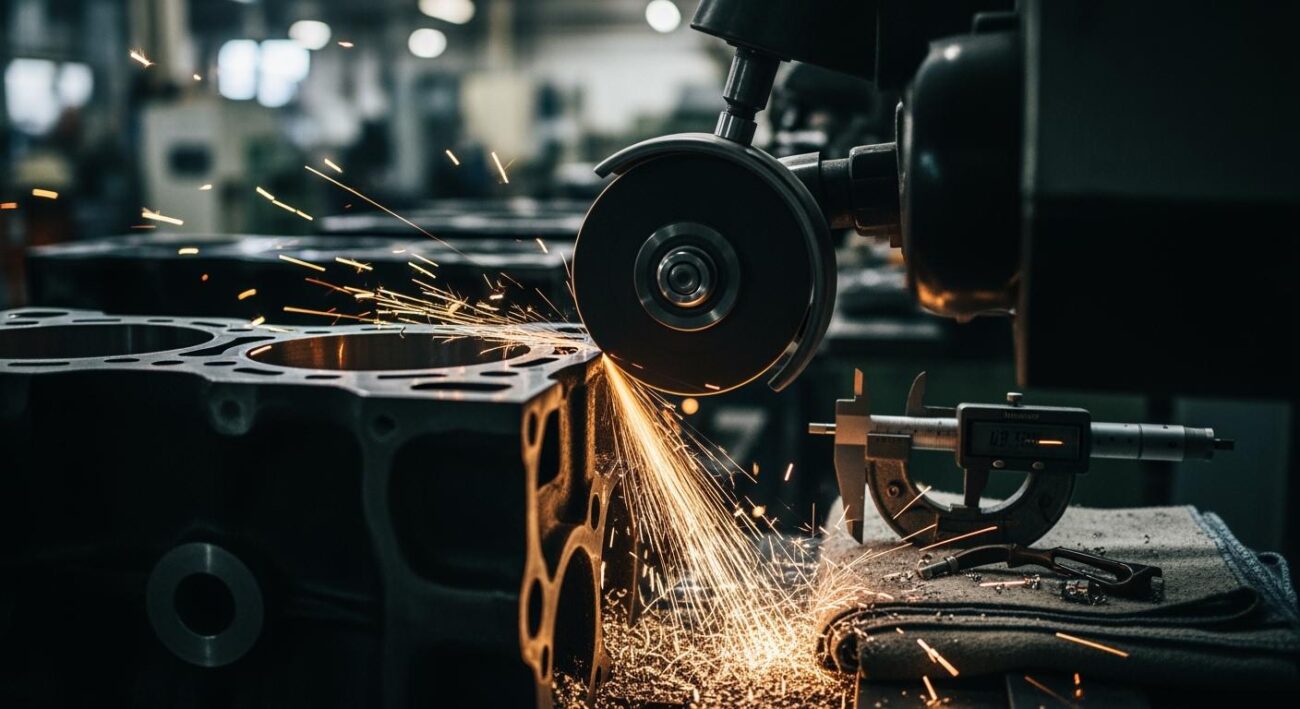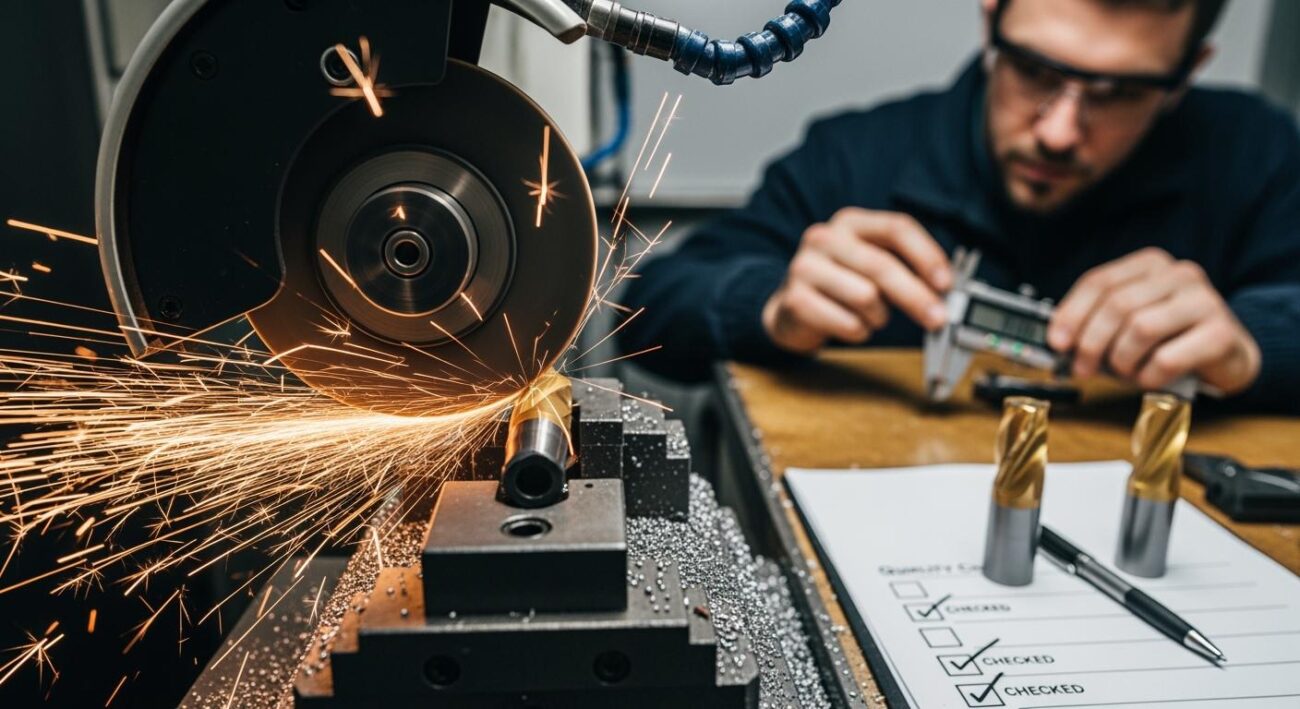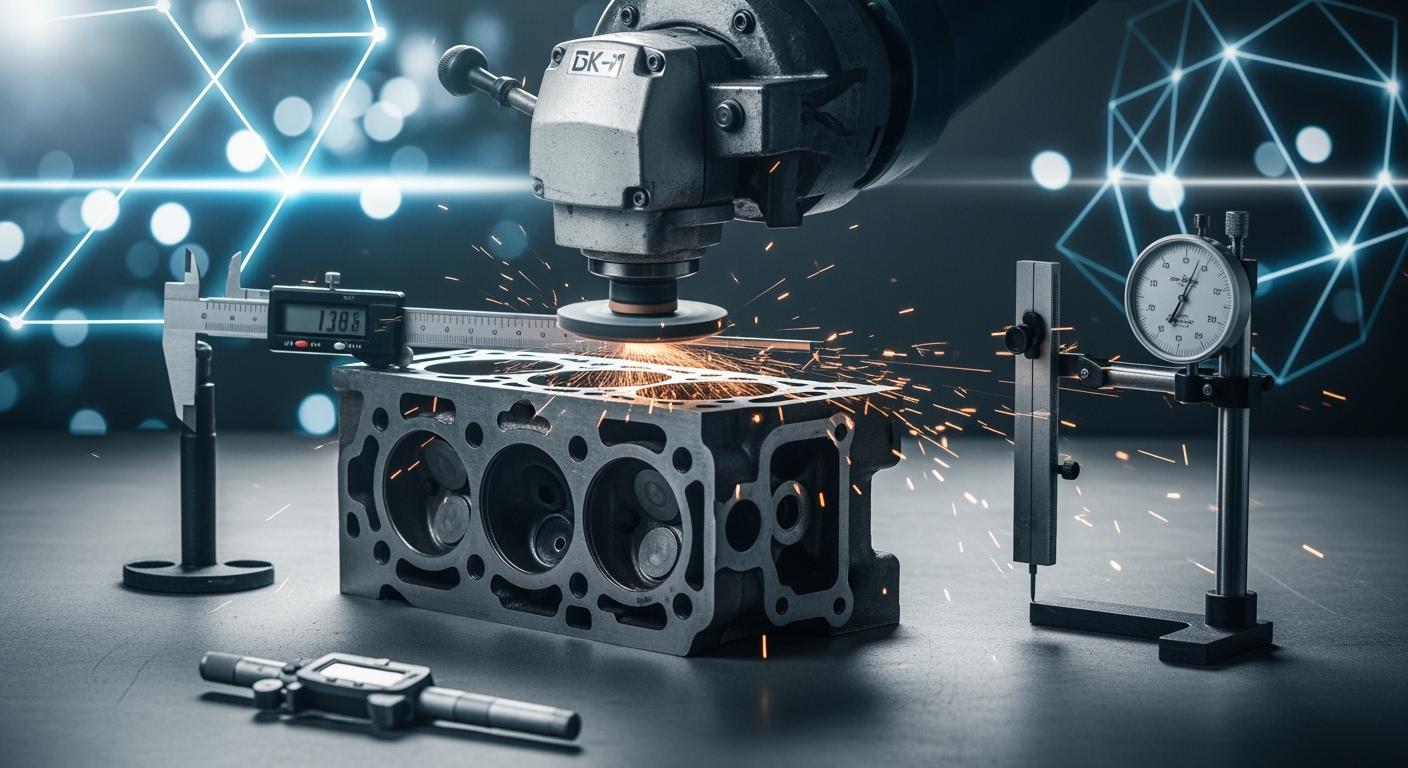
If you ignore the precision grinding process when repairing an engine cylinder block, you risk poor engine performance and lower reliability. You must use cnc surface grinding and advanced quality control systems to keep dimensional tolerances tight. High-precision surface grinding helps you maintain engine reliability and performance. Aimgrind’s diamond grinding wheels support the manufacturing process with quality assurance at every step. The right manufacturing tools and precision manufacturing process guarantee quality and boost engine performance, reliability, and quality assurance for your engine. You protect engine reliability with strict quality assurance and quality in your manufacturing.
Key Takeaways
- Precision grinding is essential for restoring engine cylinder blocks. It ensures flat surfaces, improving sealing and overall engine performance.
- Use Aimgrind’s diamond grinding wheels for consistent quality. These wheels provide durability and a smooth finish, enhancing your manufacturing process.
- Control distortion by securing the engine block during grinding. Proper fixturing and temperature management prevent warping and maintain quality.
- Follow strict inspection protocols at each step. Regular checks for flatness and surface finish help ensure high-quality engine repairs.
- Adopt best practices in machining and repair. This reduces errors, enhances reliability, and ultimately lowers maintenance costs for engines.
Precision Grinding Process for Cylinder Blocks
What Is Precision Surface Grinding?
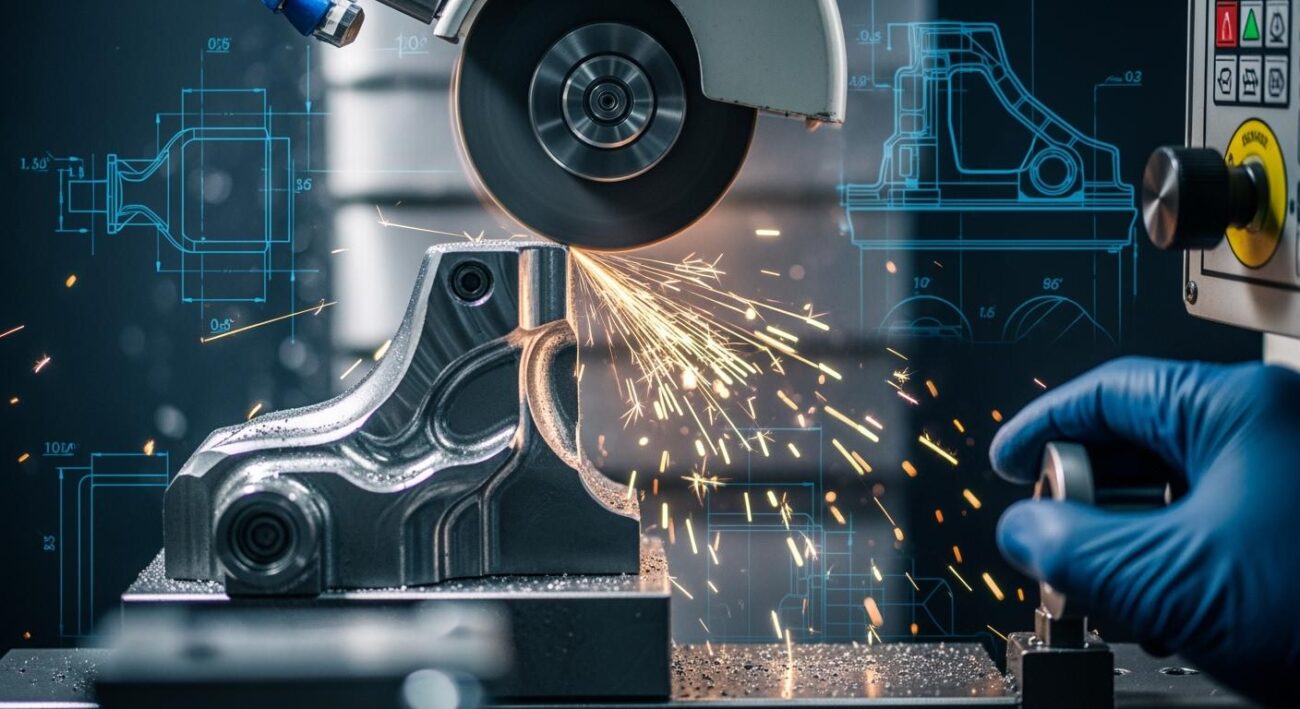
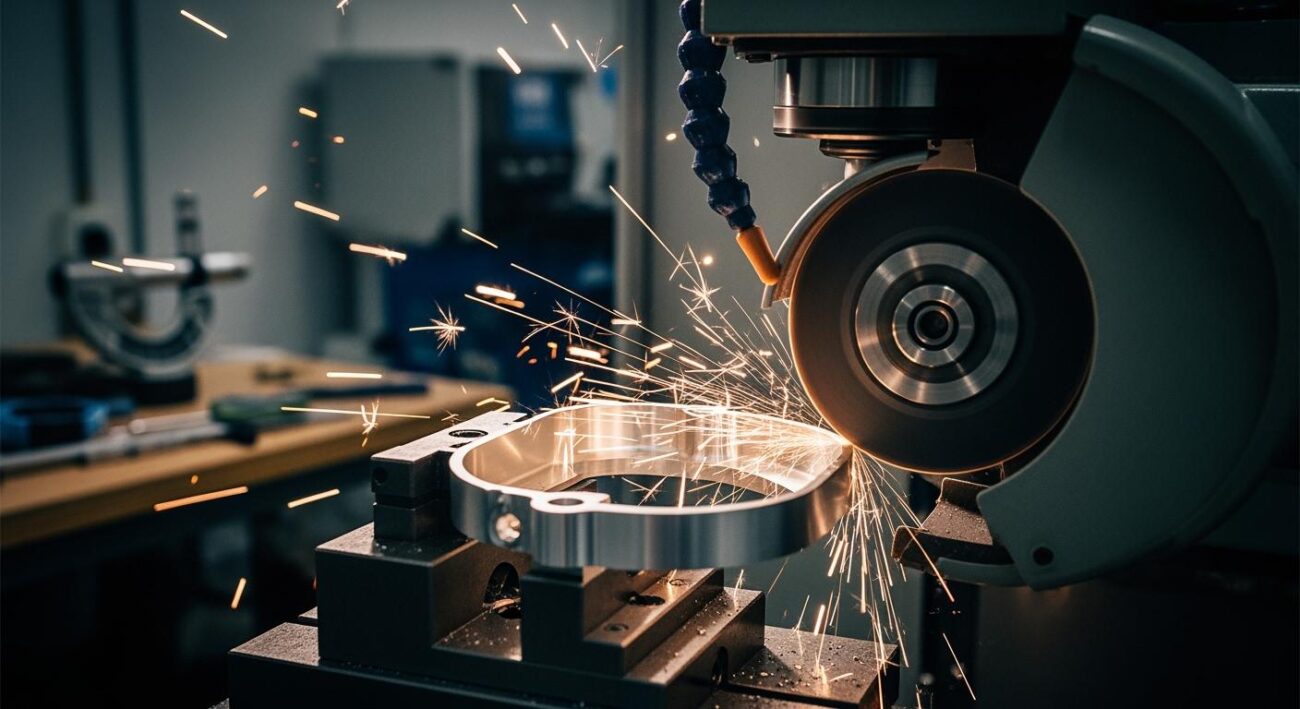
You use precision surface grinding to create flat, smooth surfaces on engine cylinder blocks. This process removes small amounts of material with high accuracy. You rely on surface grinding machines to achieve the tight tolerances needed for engine repair. These machines use abrasive wheels to cut away imperfections and restore the block’s surface. Precision surface grinding helps you keep the block flat and true, which is important for sealing and engine performance.
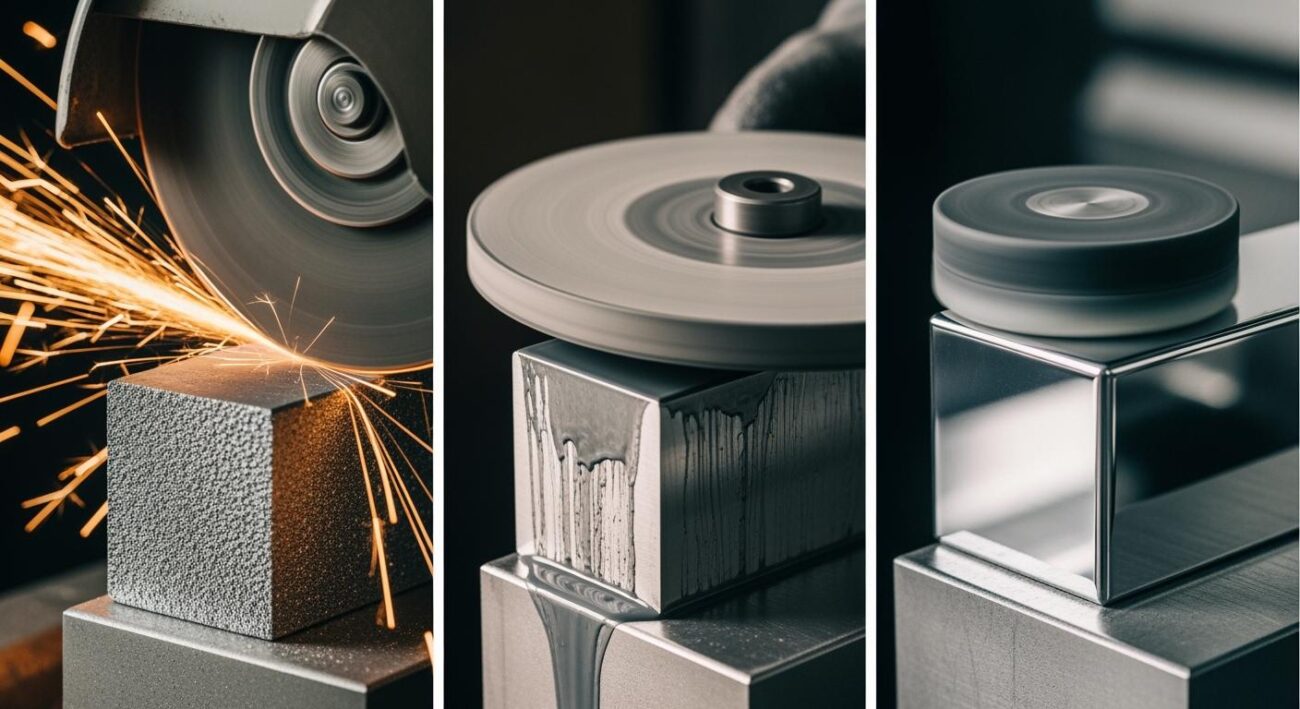
You follow a specific process to repair cylinder blocks. First, you rapidly remove most machining allowances through grinding. Then, you use honing to finish the surface and improve the accuracy of the cylinder bore. Surface grinding machines play a key role in each step. You must check the surface often to make sure you meet the required flatness and finish. Precision surface grinding gives you control over the final quality of the block.
Importance for Engine Performance
You need high-precision surface grinding to keep engine performance at its best. If the cylinder block surface is not flat, you can have leaks or poor sealing. This can lower engine power and reduce reliability. Precision surface grinding ensures that the block meets strict industry standards. You must achieve a certain degree of roughness in the cylinder walls for the piston rings to seal well. The honing technique creates a crosshatch pattern that helps with oil retention and sealing.
You aim for an average surface roughness (Ra) between 15 to 20 microinches. This level of finish supports engine performance and extends the life of the engine. Surface grinding machines help you reach these standards. You check the surface quality at each stage of the process. High-precision surface grinding makes sure that every engine you repair runs smoothly and lasts longer.
Role of Diamond Grinding Wheels by Aimgrind
You can improve your results by using Aimgrind’s diamond grinding wheels. These wheels are designed for high-precision surface grinding on hard materials like engine blocks. You get consistent quality and a smooth finish with every pass. Aimgrind’s diamond grinding wheels fit many types of surface grinding machines. You can choose from different bond types and sizes to match your process.
You benefit from the durability and sharpness of diamond grinding wheels. They help you remove material quickly and keep the surface flat. You spend less time changing wheels and more time focusing on quality. Aimgrind offers customized solutions for your manufacturing needs. You can trust their expertise to match the right wheel to your process and equipment. This support helps you achieve the best possible quality in every engine repair.
Tip: Always check your surface grinding machines and wheels before starting the process. This helps you avoid errors and maintain high quality.
You use surface grinding machines throughout the process to keep the block flat and true. High-precision surface grinding is the key to reliable engine performance. You can rely on Aimgrind’s diamond grinding wheels to deliver the quality you need for every job.
High-Precision Surface Grinding Steps
Preparation and Inspection
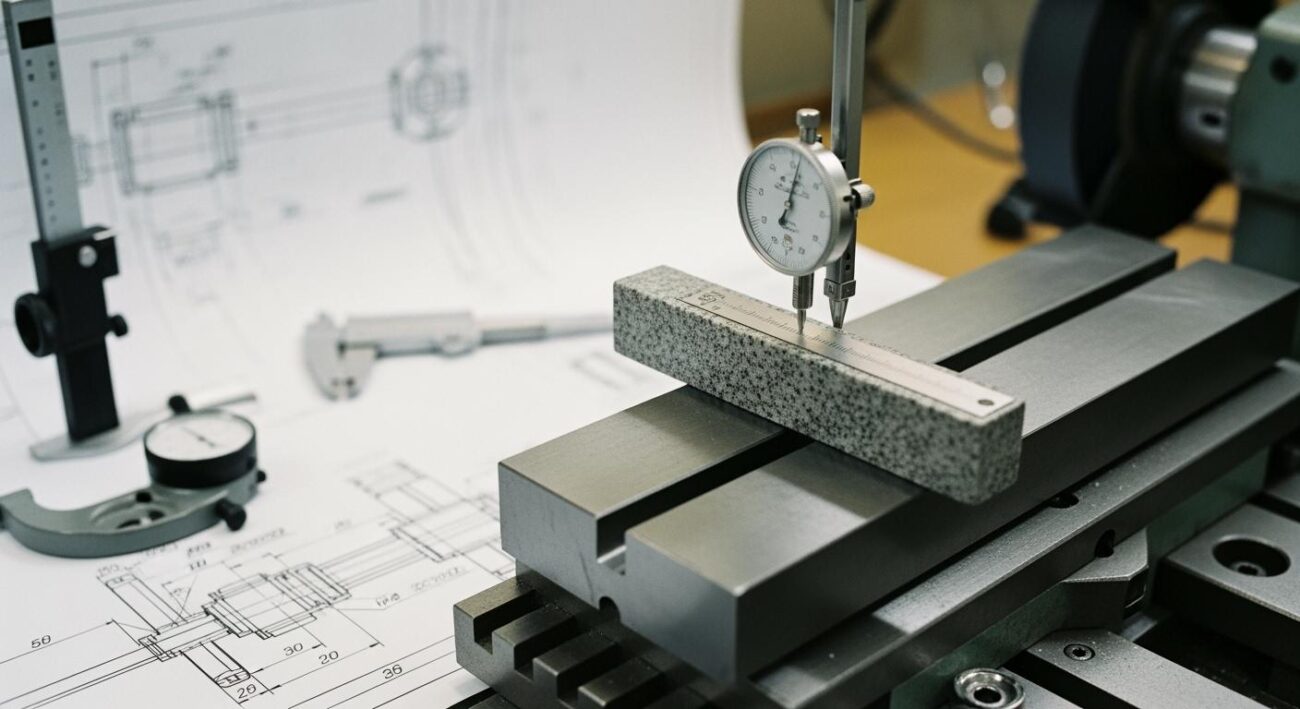
You start the high-precision surface grinding process with careful preparation and inspection. First, remove the engine head and clean the block. You must check for any leftover gasket material and clean it off. Use a straight edge and feeler gauge to measure the flatness of the deck. This inspection helps you find warping or damage. Always compare your measurements to the manufacturer’s specifications. If you see cracks or leaks, you need to inspect those areas closely. Pressure-test the block to make sure it is strong and ready for grinding. Careful inspection at this stage protects the engine and ensures high quality in the next steps.
- Begin with a visual inspection of the engine block.
- Clean off any gasket material.
- Inspect the deck for cracks, especially in high-risk spots.
- Use a straight edge and feeler gauge for flatness.
- Pressure-test for leaks and block integrity.
Equipment and Parameter Selection
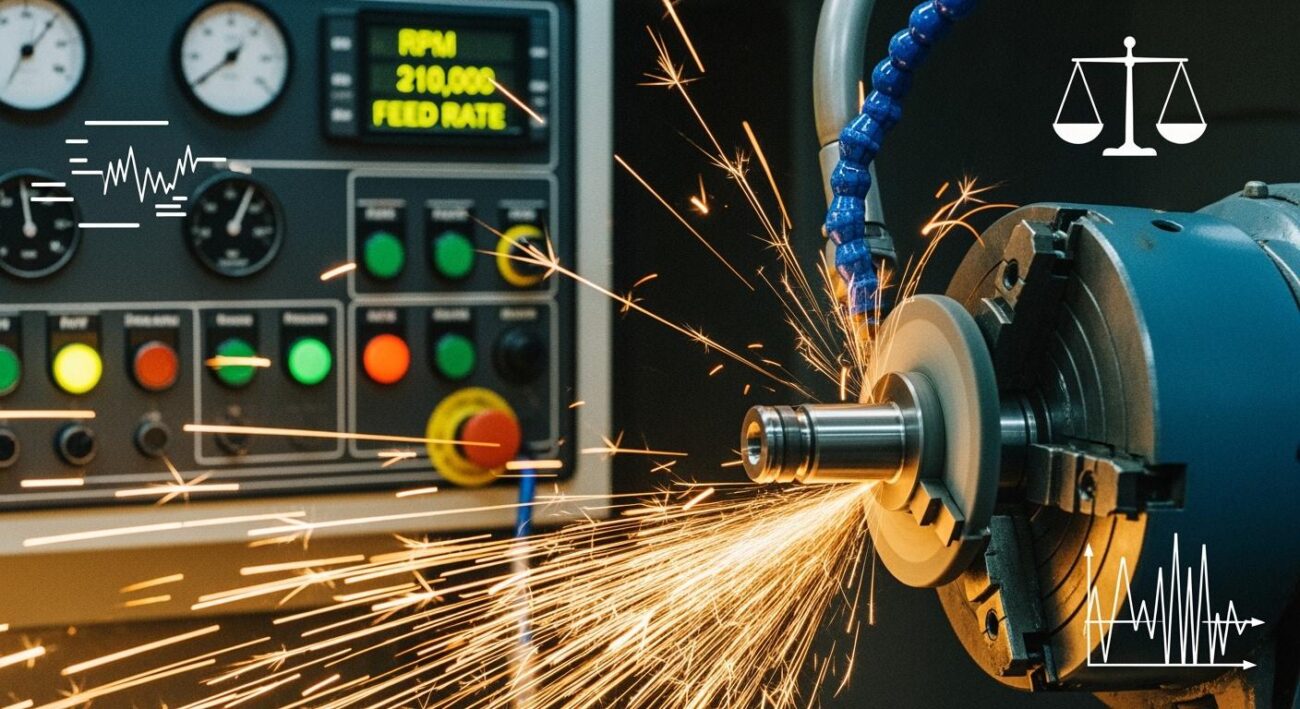
You must choose the right equipment and parameters for high-precision surface grinding. The type of grinding machine, wheel, and settings all affect the quality and performance of the engine. Aimgrind’s diamond grinding wheels work well for both cast iron and aluminum alloy blocks. You can select the right bond type and grit size for your manufacturing needs. The table below shows common machine parameters:
| Attribute | Details |
|---|---|
| Workbench dimension | 1500X500mm |
| Max working length | 1500mm |
| Max working width | 350mm |
| Max working height | 800mm |
| Emery wheel disk diameter | 360mm |
| Workpiece speed | 20 m/min |
| Longitudinal feed | 6 m/min |
| Transverse feed | 0.02 mm |
| Coolant flow rate | 1.43 l/min |
You must match these parameters to the engine block material and size. Aimgrind offers customized grinding wheels to help you achieve the best quality and performance in your manufacturing process.
Grinding Techniques and Quality Checks
You use careful grinding techniques to keep the engine block flat and smooth. Start with slow passes and check the surface after each one. Use coolant to control heat and protect the block. Aimgrind’s diamond grinding wheels help you remove material evenly and keep the surface true. You must perform inspection after each grinding step. Measure the surface finish and flatness. Typical tolerances for high-precision surface grinding include surface finish from 0.20 to 0.81 microns and accuracy up to +/- 0.0001. These checks ensure the quality and performance of the engine. You repeat inspection until you reach the required standards. This process guarantees that your manufacturing meets the highest quality.
Tip: Always document each inspection and grinding step. This helps you track quality and improve your manufacturing process.
Distortion Causes and Control Methods
Why Distortion Occurs
You see distortion when the grinding process changes the shape of the engine cylinder block. Heat from the process can cause the metal to expand and warp. Uneven pressure or incorrect fixturing can also lead to distortion. If you do not control these factors, you risk damaging the block and lowering engine performance. Distortion affects the structural integrity and surface finish requirements of the block. You must understand how these issues impact quality and manufacturing.
| Issue | Impact on Performance |
|---|---|
| Misalignment of rotating assembly | Reduces overall engine efficiency and increases wear |
| Reduced sealing efficiency | Leads to increased blow-by and compromised compression |
| Increased wear on components | Accelerates the need for repairs and affects reliability |
| Structural fatigue | Compromises the block’s ability to withstand combustion pressures |
You must meet surface finish requirements to protect engine quality and performance. Distortion can make it hard to achieve surface finish quality and manufacturing goals.
Control Strategies and Fixturing
You control distortion by using the right fixturing and process strategies. Secure the engine block tightly during grinding. Use clamps and supports to keep the block stable. Choose the correct grinding wheel for your process. Aimgrind’s diamond grinding wheels help you maintain quality and reduce distortion. You select the best wheel for your manufacturing needs. Adjust the process parameters to match the block material and size. Precision control during machining is essential for quality and performance.
- Precision control during machining minimizes distortion.
- Select machining methods and cutting parameters based on block material and size.
- Choose tool material and manage errors to maintain dimensional accuracy.
- Use thermal management to prevent distortion from temperature changes.
- Design internal coolant channels to distribute cooling evenly.
You must follow these steps to keep the process stable and achieve high surface finish requirements.
Temperature and Incremental Grinding
You manage temperature during the grinding process to prevent distortion. Grinding generates heat, which can cause warping. Control cutting parameters and use coolant to keep the block cool. Apply thermal treatment cycles after rough machining to stabilize the block. This process helps maintain bore alignment and deck flatness. Incremental grinding techniques let you remove material slowly and evenly. You use incremental bits for precise cuts. Tack welding and back-to-back assembly help balance heat and reduce distortion. Stiffening with braces or ribs keeps the block in shape.
- Tack welding secures workpieces and reduces movement.
- Back-to-back assembly balances heat distribution.
- Stiffening adds structural support.
- Incremental bits allow controlled grinding for better surface finish quality.
You must use these process strategies to protect engine quality and manufacturing performance. Aimgrind’s expertise helps you match the right grinding wheel and process to your manufacturing needs.
Best Practices and Common Mistakes
Tips for High-Precision Piston Machining
You need to follow strict guidelines for high-precision piston machining to achieve the best engine performance. Start by selecting aerospace-certified alloys. This material grade supports safety and reliability. Use advanced machining techniques like 5-axis CNC machining. These methods help you reach tight tolerances and smooth finishes. Always check your work with in-process inspection and quality control. Operator skill and the use of advanced measurement systems, such as CMM and laser scanning, make a big difference in the process.
Here is a table that shows the main requirements for high-precision piston machining:
| Requirement | Specification | Purpose |
|---|---|---|
| Material Grade | Aerospace-certified alloys | Safety compliance |
| Surface Finish | Ra 0.4 μm or better | Reduced friction |
| Dimensional Tolerance | ±0.005mm | Perfect fit |
| Weight Variation | ±0.1g maximum | Balance requirements |
You must also manage tool wear and heat treatment effects. Quality control is key in this process. It ensures every piston meets strict specifications for engine manufacturing and performance.
Avoiding Errors in Precision Grinding
You can avoid common mistakes in the precision grinding process by following best practices. Always use advanced repair techniques, such as metal stitching or specialized welding, to restore engine block integrity. Select repair materials with matching thermal expansion properties. This reduces stress and distortion during the process. Use precise machining and inspection methods to combine repair with distortion control.
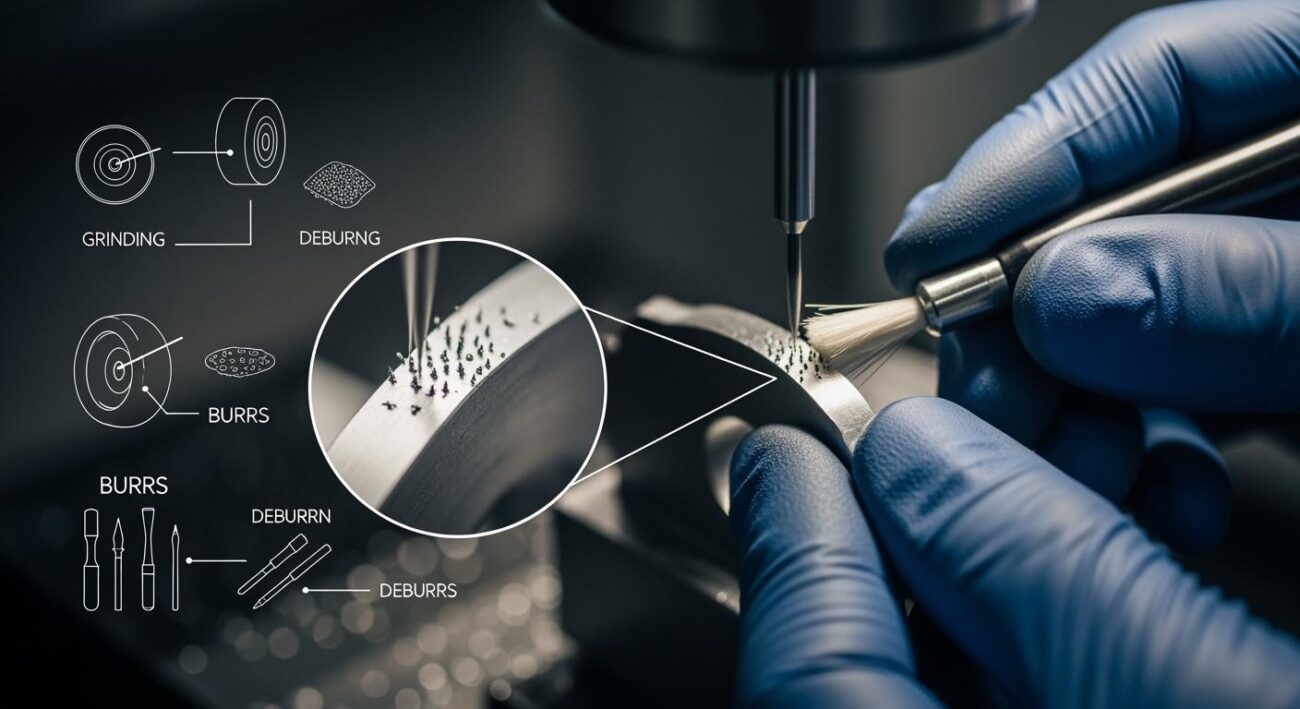
Non-destructive testing, like ultrasonic or radiography, helps you find cracks early. This prevents further damage to the engine. PCD tools, such as boring bars and reamers, allow you to machine cylinder bores with tight tolerances. These tools generate less heat, which helps control distortion and improves engine performance.
For diamond grinding wheels, regular cleaning and inspection keep the process stable. Use coolant to reduce heat buildup. Adjust feed rates and speeds to prevent excessive wear. Always select the right wheel and bond type for your manufacturing needs.
Tip: Keep detailed records of each process step. This helps you track quality and improve future manufacturing.
By following these best practices, you protect engine quality, maintain high performance, and ensure reliable manufacturing results.
You follow a careful process to restore engine cylinder block surfaces. Precision machining returns the correct geometry and alignment, which improves engine performance and durability. As you repair, you prevent distortion and uneven stress, protecting new components from rapid wear. Aimgrind’s diamond grinding wheels support your manufacturing process with reliable tools that help you achieve flat surfaces and proper alignment. You see long-term benefits when you prioritize precision and quality in every manufacturing step. Engines repaired with these methods show higher performance, increased reliability, and reduced maintenance costs. You should always focus on precision and quality in your process to boost engine performance and ensure manufacturing success.
When you use the right tools and follow each process step, you protect engine performance and extend its lifespan.
- Precision grinding process restores proper geometry.
- Distortion control prevents uneven stress and engine failure.
- Quality manufacturing reduces maintenance and improves performance.
FAQ
What is the main goal of precision grinding in engine repair?
You want to restore the engine block surface to its original flatness. This step helps you improve sealing and boost engine performance. Precision grinding also supports the quality of your manufacturing process.
How do diamond grinding wheels help in engine block manufacturing?
You use diamond grinding wheels to cut hard materials in engine block manufacturing. These wheels give you a smooth finish and help you keep the block flat. You also reduce tool changes, which saves time in your manufacturing process.
Why does distortion happen during engine block grinding?
You see distortion when heat builds up during the grinding process. This heat can change the shape of the engine block. You must control temperature and use the right fixturing to protect engine performance and manufacturing quality.
How can you check the quality of your engine block surface?
You measure the surface with special tools after each grinding step. You look for flatness and smoothness. These checks help you keep engine performance high and support your manufacturing standards.
What are the benefits of following best practices in engine block manufacturing?
You improve engine reliability and performance when you follow best practices. You also reduce mistakes and lower repair costs. Good manufacturing steps help you get the best results for every engine.
Contact Us
For More Grinding Solution or Customized Abrasive Tools