

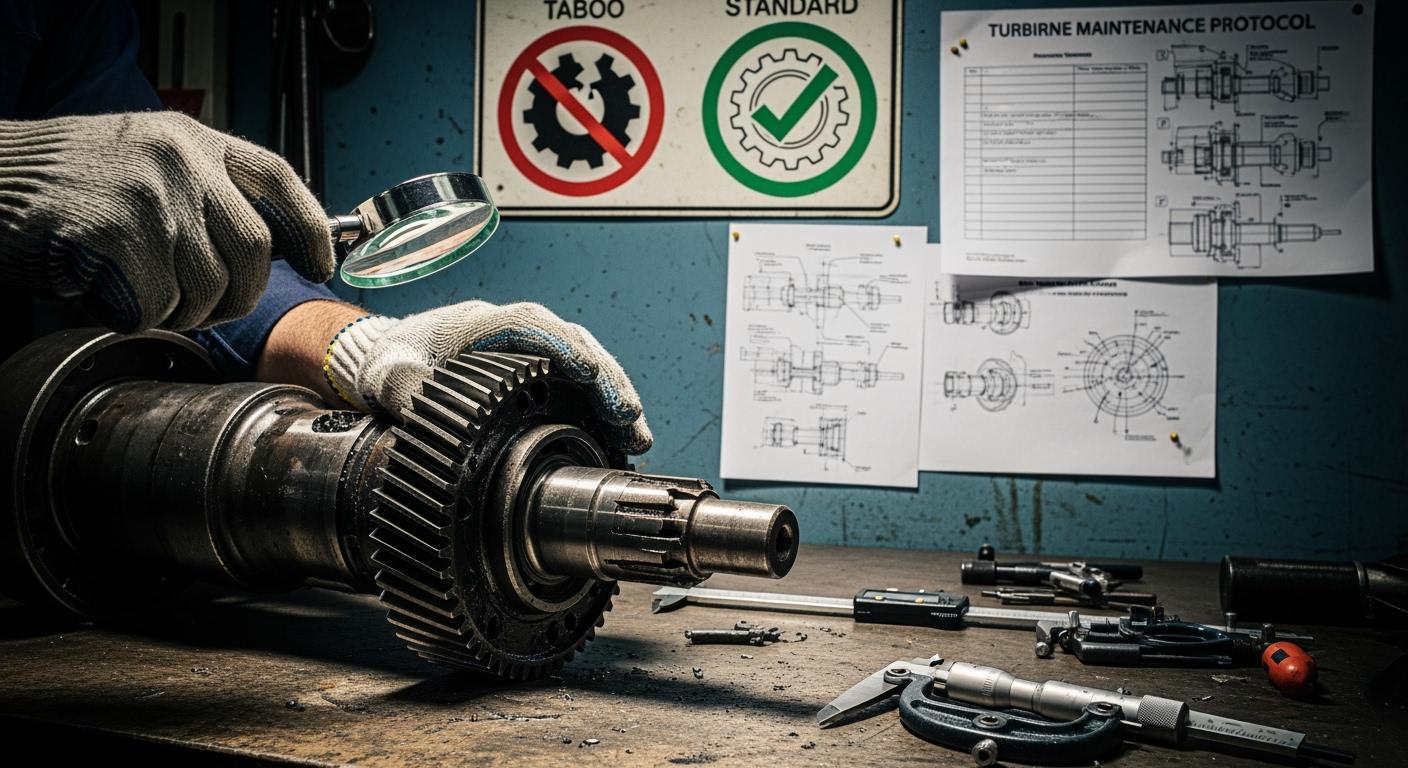
Grinding repairs demand strict attention to taboos and standards. You must avoid overheating, excessive material removal, and improper blade sharpening. The grinding process affects performance and safety. Missing guards at the point of operation cause 33% of accidents. Inadequate safeguards for mechanical hazards outside the operation lead to 28% of incidents. Aimgrind offers conventional bonded abrasives that help you achieve reliable blade sharpening and precise grinding. You maintain the right process and protect rotating parts. The grinding process ensures consistent blade sharpening and quality results. You gain actionable guidance to improve blade grinding and sharpening.
| Statistic Description | Percentage |
|---|---|
| Guards at the point of operation missing or inadequate | 33% |
| Guards missing in MN-MGS study | 38% |
| Safeguards lacking for mechanical hazards outside operation | 28% |
Key Takeaways
- Avoid overheating during grinding. Keep temperatures between 550 to 650°C to prevent damage and ensure blade longevity.
- Control material removal. Follow manufacturer guidelines to maintain blade shape and strength, preventing unsafe conditions.
- Ensure proper alignment and balance of grinding machines. Regular checks prevent errors and enhance efficiency, leading to better results.
- Use the right tools and abrasives. Selecting appropriate materials reduces risks of accidents and improves grinding quality.
- Follow safety protocols consistently. Always wear protective gear and ensure machine guards are in place to protect against hazards.
Key Taboos in Grinding Repairs
Grinding repairs of rotating parts require you to avoid several safety taboos. Ignoring these taboos can lead to accidents, poor blade performance, and costly downtime. You must understand why each taboo matters and how to prevent mistakes during the grinding process. Aimgrind helps you avoid these risks by offering the right abrasive tools for blade sharpening and grinding.
Overheating Risks
Overheating during grinding can cause serious damage to rotating parts. When you grind a blade, friction creates heat. If the temperature rises too high, you risk thermal damage. Research shows that the best grinding temperature range is 550 to 650°C. This range helps minimize crack growth. If the surface temperature reaches 1000°C, you can expect severe thermal stress and damage. For water-based coolants, temperatures above 130°C reduce their effectiveness. Oil coolants work better up to about 300°C.
Tip: Control grinding parameters like wheel speed, coolant type, and abrasive material to manage heat. Use sharper wheels and softer grades to reduce heat exposure.
Aimgrind’s conventional bonded abrasives help you keep temperatures in check. These abrasives work well for bandsaw blade sharpening and carbide bandsaw blade sharpening. You get consistent results and avoid overheating.
Excessive Material Removal
Removing too much material during grinding repairs can weaken the blade. You must avoid grinding away more than necessary. Excessive removal changes the blade’s shape and balance. This mistake can shorten the blade’s life and reduce its strength. In bandsaw blade sharpening, you need to keep the original profile. Grinding too much can make the blade unsafe for use.
You should always follow the manufacturer’s guidelines for material removal. Aimgrind’s abrasives allow you to control the grinding process. You can achieve precise sharpening without damaging the blade.
Unbalanced Grinding
Unbalanced grinding is a major risk for rotating parts. If you do not keep the grinding wheel balanced, you create vibration. This vibration leads to wear on bearings and reduces efficiency. You may notice increased noise and shorter equipment lifespan. Unbalanced grinding can even cause catastrophic wheel failure.
- Increased vibration causes bearing wear.
- Reduced efficiency comes from dynamic loads.
- Safety risks rise with operational instability.
- Shorter equipment lifespan results from excessive wear.
- Poor surface finishes and geometric inaccuracies appear on the blade.
- Costly repairs and downtime follow unchecked imbalances.
You can detect unbalanced grinding by using vibration analysis. Dynamic balancing corrects the problem by redistributing mass. After balancing, check vibration levels to confirm success. Aimgrind’s products help you maintain balance during bandsaw blade sharpening and carbide bandsaw blade sharpening.
Surface Integrity Issues
Improper grinding repairs often cause surface integrity problems. These issues affect the blade’s fatigue life and performance. Common problems include:
- Grinding burn from excessive heat.
- Cracks that form due to overheating.
- Chatter, which is a vibration defect.
- Heavy cuts, poor wheel dressing, and misalignment.
| Evidence | Explanation |
|---|---|
| Surface treatments introduce residual stresses | These stresses are crucial in determining the fatigue performance of rotating parts, particularly in damage-prone regions. |
| Standard fatigue testing may not represent actual performance | The geometry and size of treated areas can lead to discrepancies in residual stress distribution, affecting test results. |
| Testing must be done on actual components or feature specimens | This approach ensures that the results accurately reflect the residual stress distribution and potential performance of the component. |
You must avoid these defects to keep the blade strong and reliable. Aimgrind’s abrasives provide a smooth finish and help prevent surface damage during the grinding process.
Wrong Tools or Abrasives
Using the wrong tools or abrasives during grinding repairs can cause accidents and poor results. If you use an incorrect abrasive, the wheel may break or explode, especially at start-up. Always inspect your tools and select the right abrasive for the job. Stand clear of the wheel’s rotation plane until it reaches full speed. Use safety guards and wear eye protection.
- Incorrect abrasives can cause wheel failure.
- Workers must avoid standing in the wheel’s rotation plane.
- Portable grinders need safety guards.
- Always use proper eye or face protection.
- Inspect tools before use and follow manufacturer instructions.
When you choose Aimgrind’s conventional bonded abrasives, you get the right match for your grinding repairs. These abrasives fit standard machines and support safe, effective blade sharpening and grinding.
Note: Select abrasives based on the material, grinding pressure, required finish, area of contact, wheel speed, coolant use, and machine horsepower.
By following these guidelines and using Aimgrind’s expertise, you avoid common grinding mistakes. You protect your blades, improve sharpening results, and keep your grinding process safe and efficient.
Standards for Grinding Repairs
Grinding repairs of rotating parts must follow strict standards. You need to meet industry safety standards and quality requirements to keep your equipment running smoothly. Following these standards helps you avoid costly mistakes and ensures long-lasting performance. Aimgrind’s conventional bonded abrasives support you in meeting these standards for every grinding process.
Manufacturer Specifications
You must always follow the manufacturer’s specifications during grinding. These specifications tell you how to grind each component for the best fit and function. If you ignore these details, you risk damaging the blade or voiding the warranty. The table below shows common parts and their grinding requirements:
| Component | Specification Description |
|---|---|
| Housing | Must be ground to provide the proper bearing fit as specified by the bearing manufacturer. |
| Shaft | Needs to be ground to ensure the correct bearing fit as per the manufacturer’s specifications. |
| Drawbar | Requires grinding to improve tool changing performance and address wear issues. |
If you use parts that do not match the manufacturer’s specifications, you can lose warranty protection. Non-OEM parts may not fit well or last as long. OEM parts guarantee the right fit and safety. They also help you keep your compliance documents in order. Always use the correct parts and grinding methods to protect your equipment and your team.
Alignment and Balance
Proper alignment and balance are key to safe and efficient grinding. You need to check machine alignment before every grinding process. Misalignment can cause errors in blade sharpening and reduce grinding efficiency. You should pay attention to work rest blade height, wheel angle, and wheel position. Regular maintenance and alignment checks help you avoid costly mistakes.
- Proper machine alignment is crucial in grinding operations, especially in centerless grinding.
- Misalignment can lead to significant dimensional errors, affecting the quality of production runs.
- Key alignment parameters include work rest blade height, regulating wheel angle, and grinding wheel positioning.
- Regular maintenance and scheduled alignment verification are essential to prevent quality issues over time.
- Investing in precision alignment procedures can lead to reduced scrap and improved productivity.
You can use different tools to check alignment and balance. The table below lists some common techniques:
| Technique | Description |
|---|---|
| Laser Alignment | Highly precise method that detects misalignments as small as microns, essential for rotating machinery. |
| Dial Indicators | Precision instruments ideal for measuring displacement or misalignment in less complex equipment. |
| Coaxial Indicators | Useful for alignment, especially in complex setups. |
| 3D Sensors | Specialized sensors for balancing, providing accurate measurements. |
| Grinding Wheel Adapters | Essential for ensuring proper fit and balance during grinding repairs. |
You can also use optical alignment for long-distance measurements. These tools help you keep your grinding process accurate and your blades sharp. Aimgrind’s conventional bonded abrasives work well with these alignment tools, giving you reliable results in bandsaw blade sharpening and carbide bandsaw blade sharpening.
Surface Finish and Tolerances
You must achieve the right surface finish and tolerance for every grinding job. A smooth surface helps your blade last longer and work better. For example, bearing journals need a finish of 16 microinches RMS or better. Mechanical seal faces need even finer finishes. Precision grinding can keep tolerances as tight as ±0.0001 inches.
- Bearing journals require a surface finish of 16 microinches RMS or better to avoid premature wear.
- Mechanical seal faces need even finer finishes for effective sealing.
- Precision grinding can maintain dimensional tolerances of ten-thousandths of an inch.
- Precision grinding achieves accuracy levels of up to ±0.0001 inches.
- It is used for parts with delicate features and tight tolerances.
- Grinding can eliminate the need for additional finishing processes.
- Enhances corrosion resistance.
- Reduces friction.
- Improves sealing capabilities.
- Ensures parts meet required specifications.
If you do not meet these standards, you risk poor fit and faster wear. Rough surfaces can cause friction and damage. Smooth surfaces reduce friction and help your blade move easily. Aimgrind’s conventional bonded abrasives help you achieve the right finish and tolerance every time. You get consistent results in every grinding process, especially in bandsaw blade sharpening.
Quality Control Steps
Quality control keeps your grinding repairs on track. You need to document your blade settings and standardize your process. Written setup procedures help you keep every grinding job consistent. Operators should fill out setup sheets and sign them. This step makes it easy to find and fix problems.
- Document blade settings for different part families and standardize configurations that consistently yield quality results across shifts and operators.
- Develop and maintain written setup procedures including wheel speeds, feed rates, blade positions, and dressing intervals, making them accessible at the machine.
- Use setup sheets that operators complete and sign to ensure accountability and provide data for troubleshooting quality issues.
- Train all operators on standardized procedures to maintain consistency, prevent quality surprises, and reduce scrap rates.
If you skip these steps, you may see burnt or cracked workpieces, inaccuracy, or chatter marks. Burn marks show too much heat. Chatter marks mean vibration or instability. Aimgrind’s abrasives help you avoid these problems by supporting a stable and repeatable grinding process. You get better blade sharpening and fewer mistakes.
Safety Protocols
You must follow safety standards every time you use a grinding machine. Safety protocols protect you from hazards like flying debris, sparks, and rotating parts. The table below lists some important safety protection measures:
| Safety Protocols | Description |
|---|---|
| Machine Guarding Standards | Outlined in OSHA regulation 1910.212, these standards protect workers from hazards associated with industrial machinery. |
| Safety Guards | Required for grinding machines to cover spindle ends, nuts, and flange projections, ensuring operator safety. |
| Personal Protective Equipment | Mandated to protect workers from flying debris, sparks, and other hazards during grinding operations. |
You should always use personal protective equipment such as safety glasses, gloves, and face shields. Follow safety operating procedures and keep guards in place. Watch for hazards like running nip points and electrical risks. Aimgrind’s conventional bonded abrasives are designed to work safely with standard machines. You can trust them to help you meet safety standards in every grinding process, from blade sharpening to bandsaw blade sharpening.
By following these standards, you improve grinding efficiency, protect your equipment, and keep your team safe. Aimgrind’s conventional bonded abrasives give you the tools you need for safe, precise, and efficient grinding repairs.
Practical Tips and Aimgrind Solutions
Technician Checklist
You need a clear checklist before starting any grinding repairs. This checklist helps you follow standards and avoid mistakes. You inspect the grinding wheel for cracks, chips, and proper installation. You check guards to make sure they are secure and in good condition. You adjust the work rest within 1/8 inch of the wheel and fasten it tightly. You examine electrical connections for safe wiring and grounding. You test the emergency stop feature for easy access. You lubricate moving parts as the manual suggests. You check coolant levels and quality, making sure there are no blockages. You confirm that dust collectors or air filters work well.
| Item | Description |
|---|---|
| Grinding Wheel | Inspect for cracks, wear, chips, and ensure proper installation and RPM rating. Run a ring test before mounting. |
| Guards | Ensure all necessary guards are installed, securely attached, and in good condition. |
| Work Rest | Adjust the work rest within 1/8 inch of the wheel and ensure it is securely fastened. |
| Electrical Connections | Check for safe wiring, correct grounding, and undamaged plugs. |
| Emergency Stop | Confirm the emergency stop feature is operational and easily accessible. |
| Lubrication | Ensure moving parts are well-lubricated according to the manufacturer’s manual. |
| Coolant System | Check coolant levels and quality, and ensure there are no blockages. |
| Ventilation/Dust Collection | Ensure dust collectors or air filters are functioning properly if applicable. |
Avoiding Common Mistakes
You often see mistakes during grinding repairs. Valve problems affect timing and force control, which impacts blade quality and production efficiency. Drive system problems cause speed instability and irregular motor operation, making grinding inconsistent. Sensor failures lead to erratic machine behavior and false alarms, confusing operators and lowering efficiency. You prevent these mistakes by using preventive maintenance, inspecting wear parts, and verifying machine settings.
| Recommendation | Description |
|---|---|
| Preventive Maintenance | Implement a robust program with frequent inspections to catch small issues before they escalate. |
| Inspect Wear Parts | Conduct visual inspections of wear parts to ensure proper geometry and replace when necessary. |
| Verify Machine Settings | Check and calibrate machine settings to ensure they are correct and have not shifted during operation. |
You trace grinding problems back to basic principles. You consider the material removal process from the perspective of individual cutting points.
Choosing Conventional Bonded Abrasives
You select the right abrasive for grinding repairs. Conventional bonded abrasives from Aimgrind offer hardness, toughness, tensile strength, thermal conductivity, and chemical stability. Hardness lets the bond hold abrasive grains securely. Toughness helps withstand high grinding forces during blade sharpening. Tensile strength allows sharp cutting action, preventing excessive heat and force. Thermal conductivity promotes cooler cutting, which avoids overheating during bandsaw blade sharpening. Chemical stability prevents adverse reactions, ensuring durability and performance. You use Aimgrind’s abrasives for grinding, sharpening, and bandsaw blade sharpening. You also use cbn grinding wheel and diamond grinding wheel for special tasks. You improve efficiency and keep your process safe. You trust Aimgrind for equipment maintenance and reliable blade sharpening.
Tip: You choose Aimgrind’s conventional bonded abrasives for grinding repairs. You achieve consistent blade sharpening, high efficiency, and safe grinding every time.
You protect every blade by following the right grinding standards. Always inspect each blade before sharpening. Replace worn parts on your blade to keep it strong. Use the correct abrasive for every blade. Clean your blade and grinding area to prevent dust buildup. Track temperature and vibration to avoid blade damage. Train your team to handle each blade safely. Start with a fine grit for blade sharpening and use wet grinding to keep the blade cool. For blade sharpening, use the right pressure and angle. Aimgrind’s conventional bonded abrasives help you achieve safe, precise blade sharpening. You get reliable blade sharpening and extend the life of every blade.
- Regular inspections and diagnostics for every blade
- Timely replacement of blade wear parts
- Training for blade sharpening and grinding
- Cleaning and dust control for blade safety
Remember, strict standards and the right tools keep your blade sharp and your team safe.
FAQ
What is the most important safety rule for grinding repairs?
You must always wear safety glasses and use machine guards. These steps protect your eyes and body from flying debris. Never skip these checks before you start grinding.
How do you choose the right abrasive for grinding repairs?
You look at the material, the finish you want, and your grinding machine. Aimgrind’s conventional bonded abrasives fit most standard machines and work well for metals and composites.
Why does overheating matter during grinding?
Overheating can weaken or crack your part. You should control speed, use coolant, and pick the right abrasive. Aimgrind’s products help you keep temperatures safe.
How often should you check grinding wheel balance?
You check wheel balance before every grinding job. A balanced wheel gives you smooth results and keeps your machine safe.
Contact Us
For More Grinding Solution or Customized Abrasive Tools