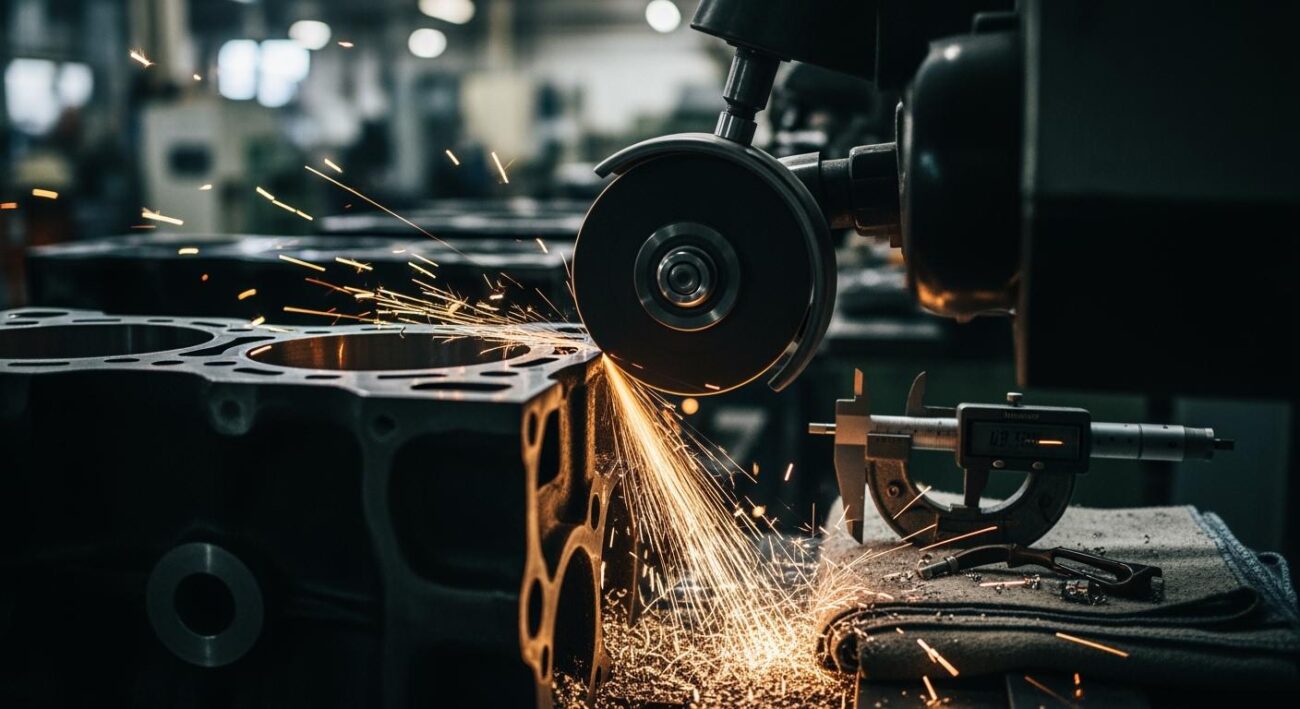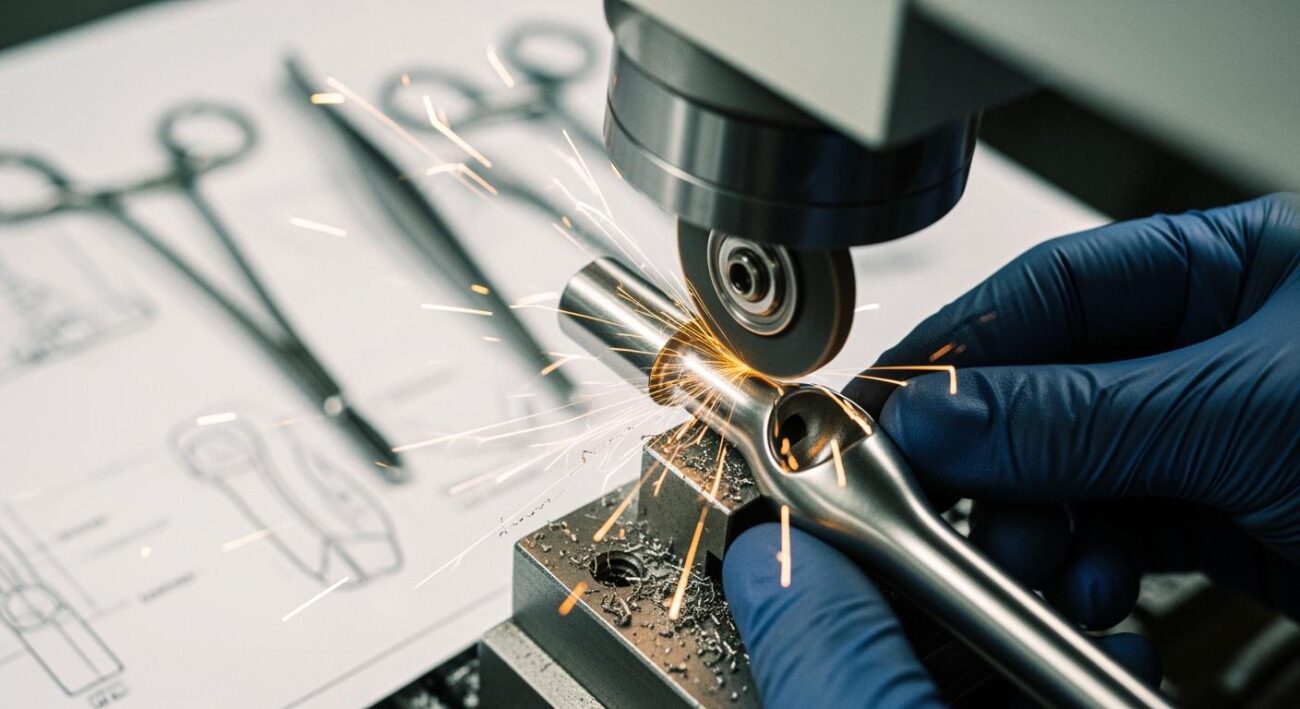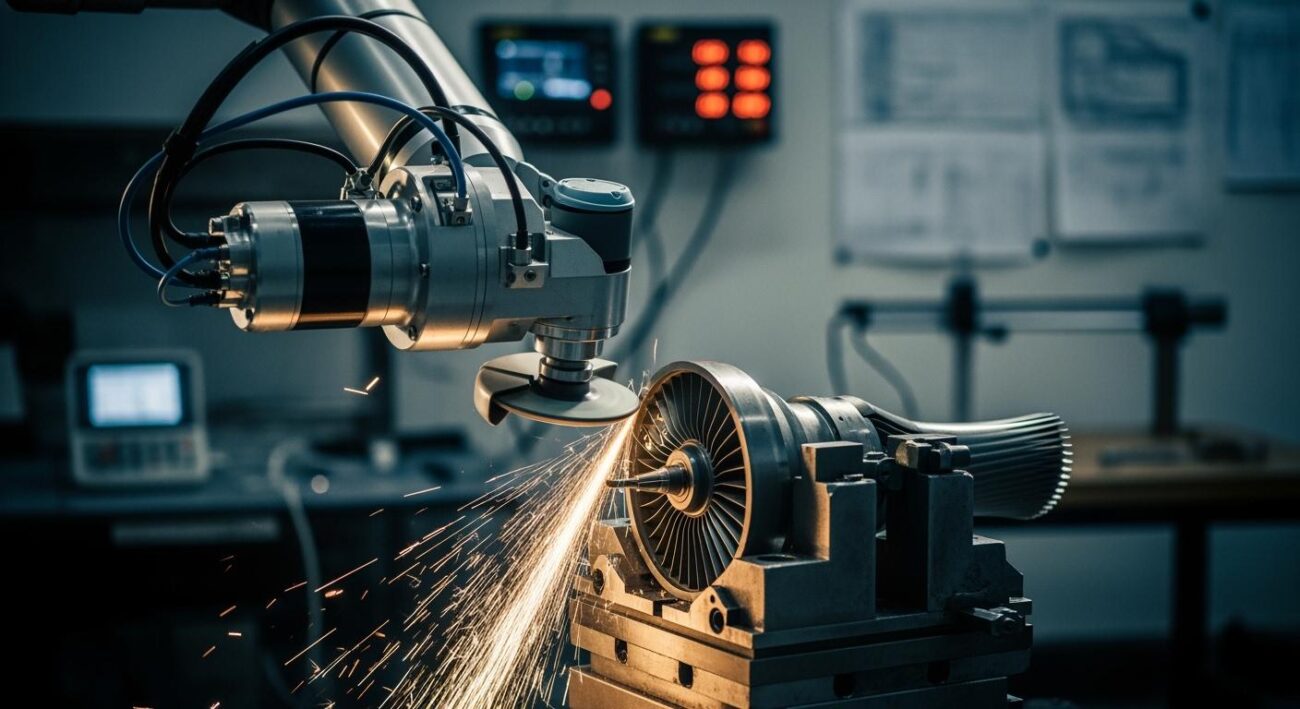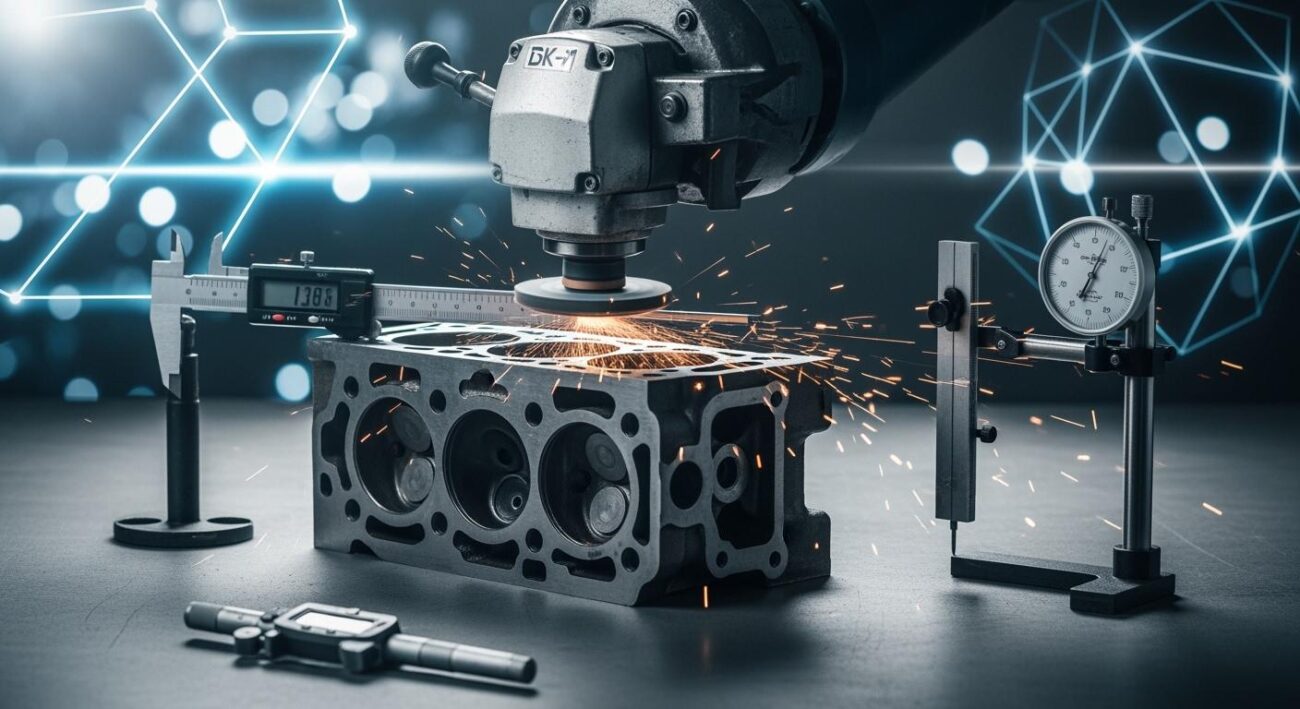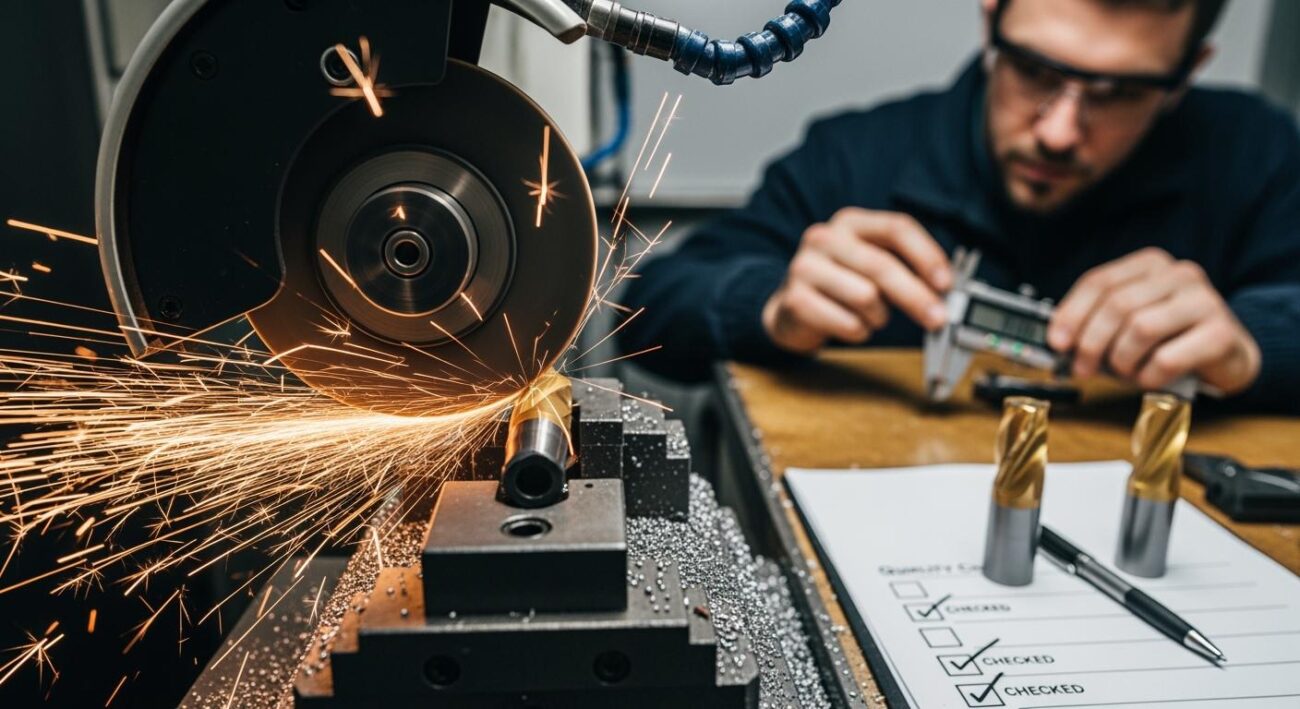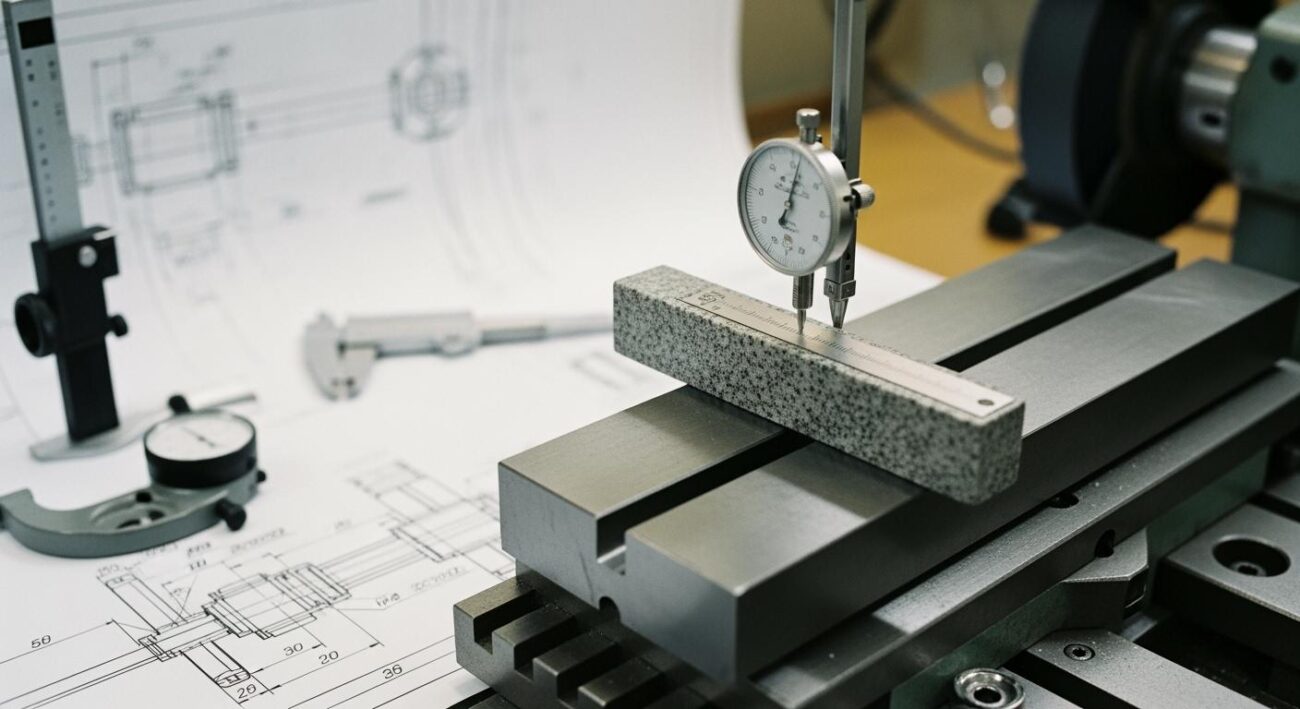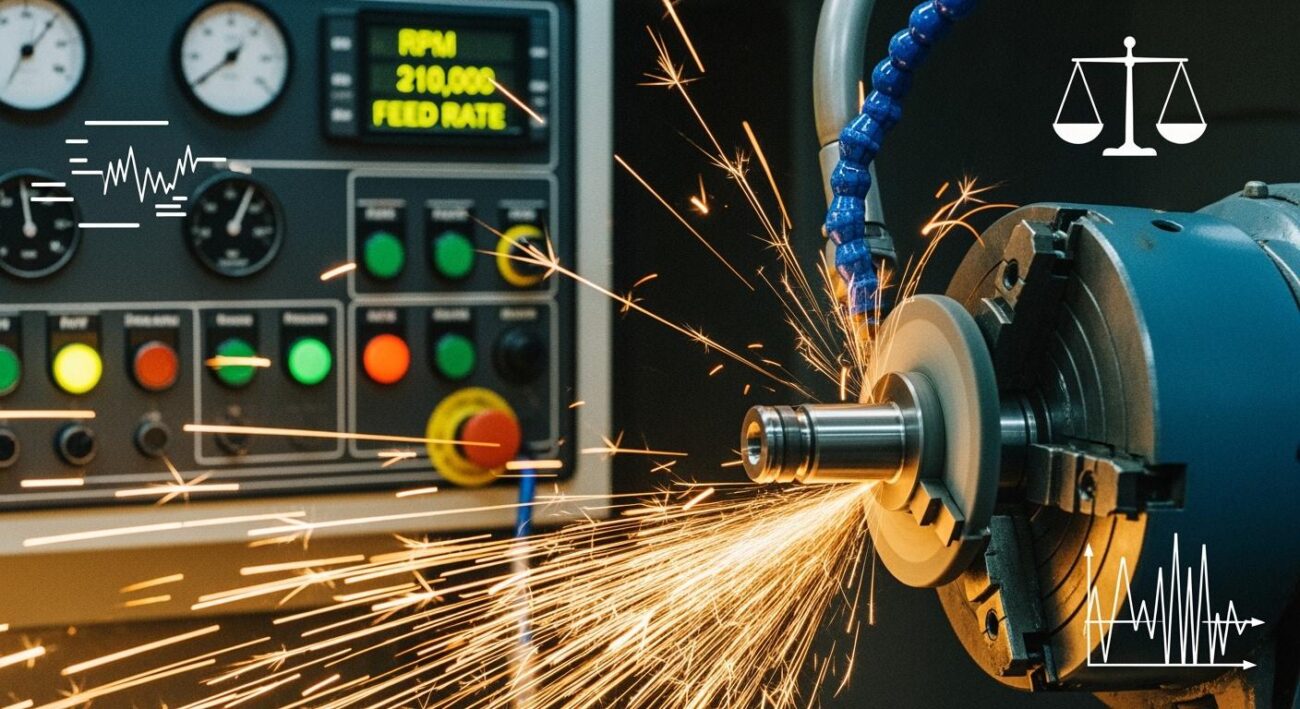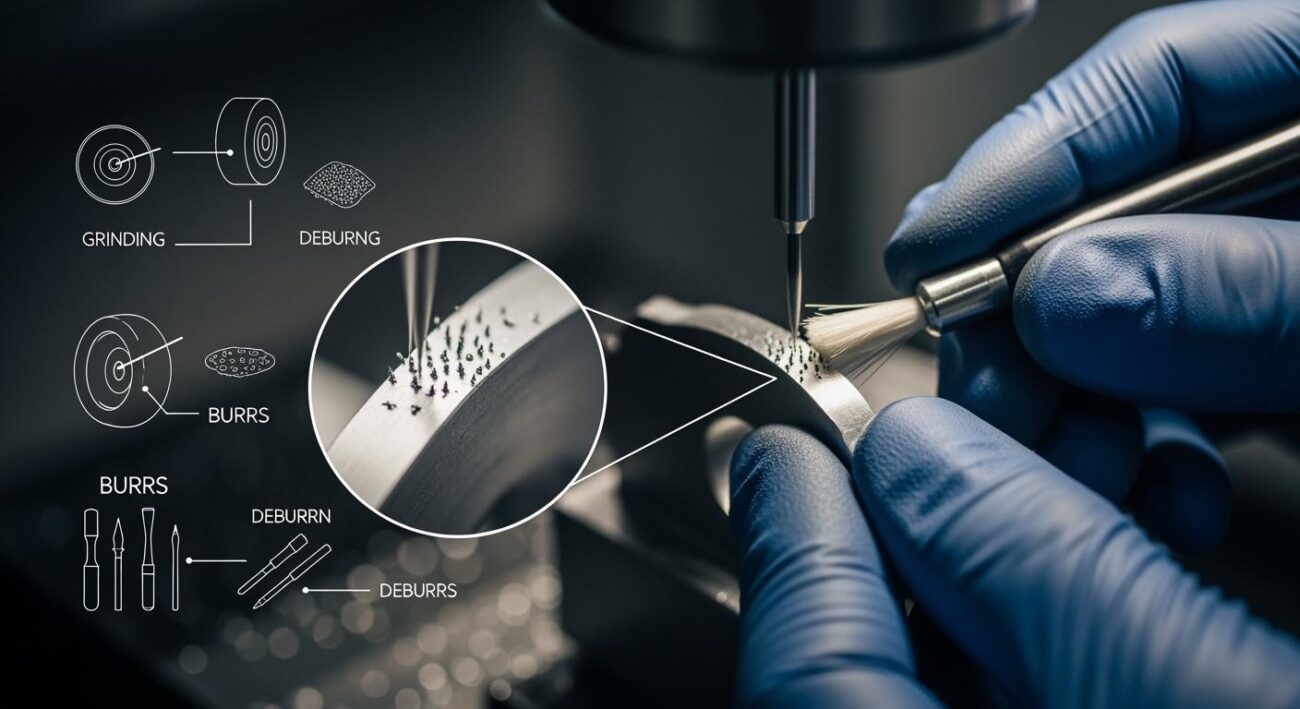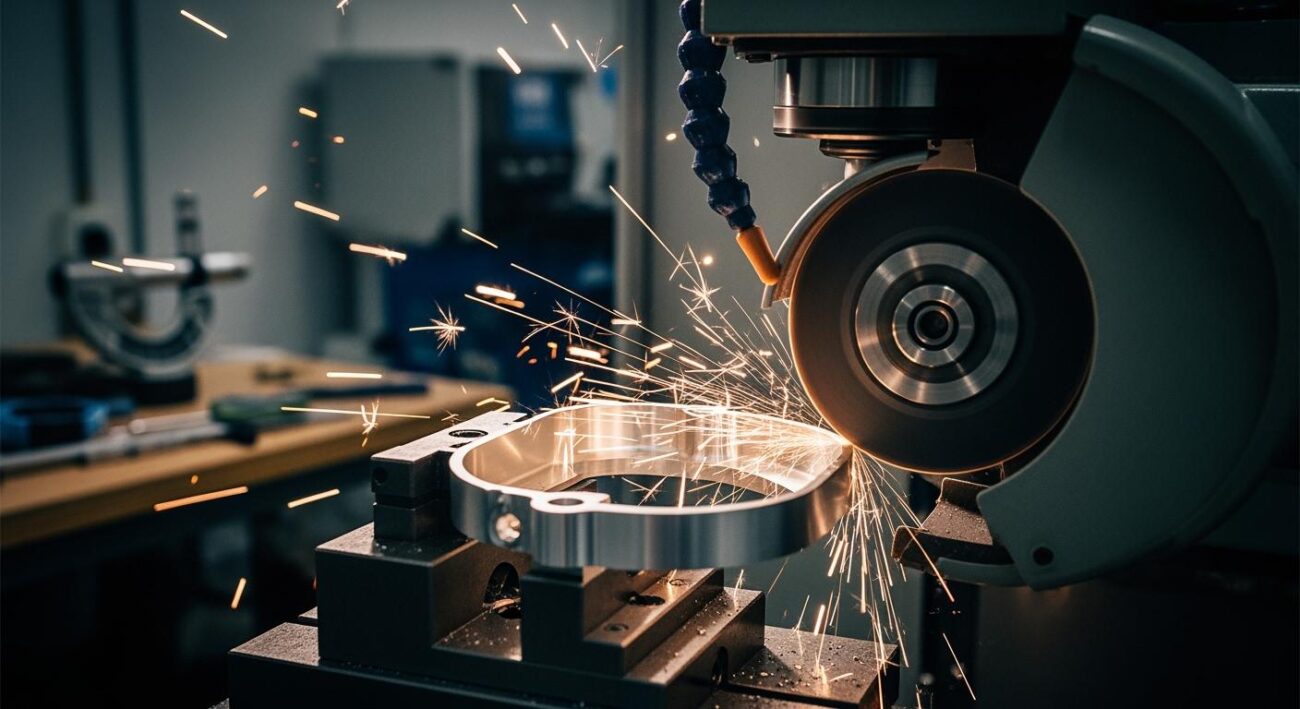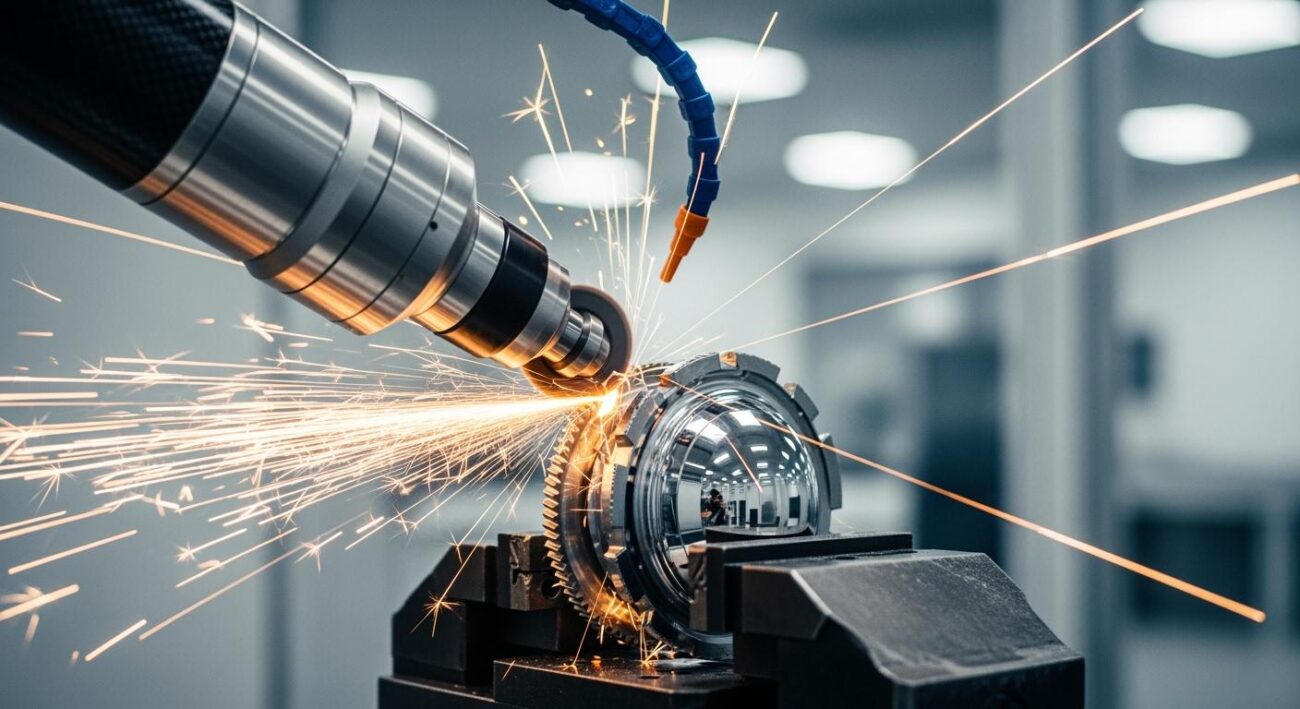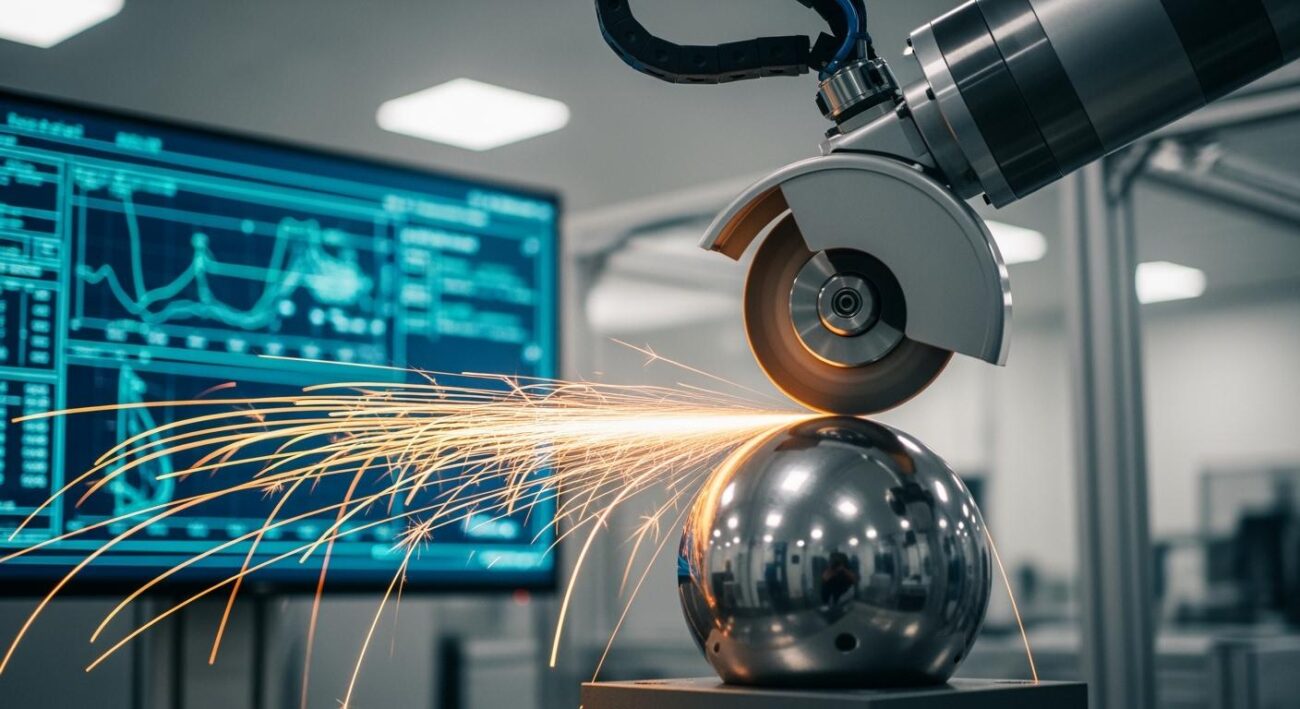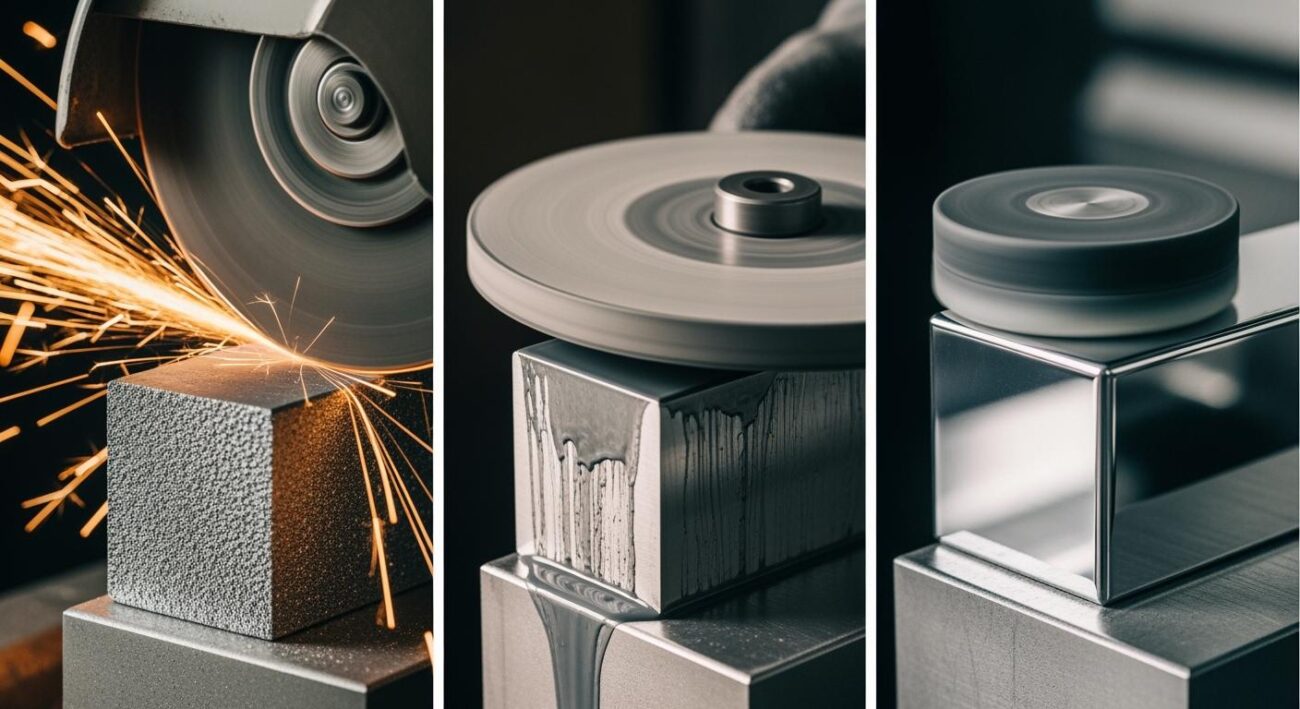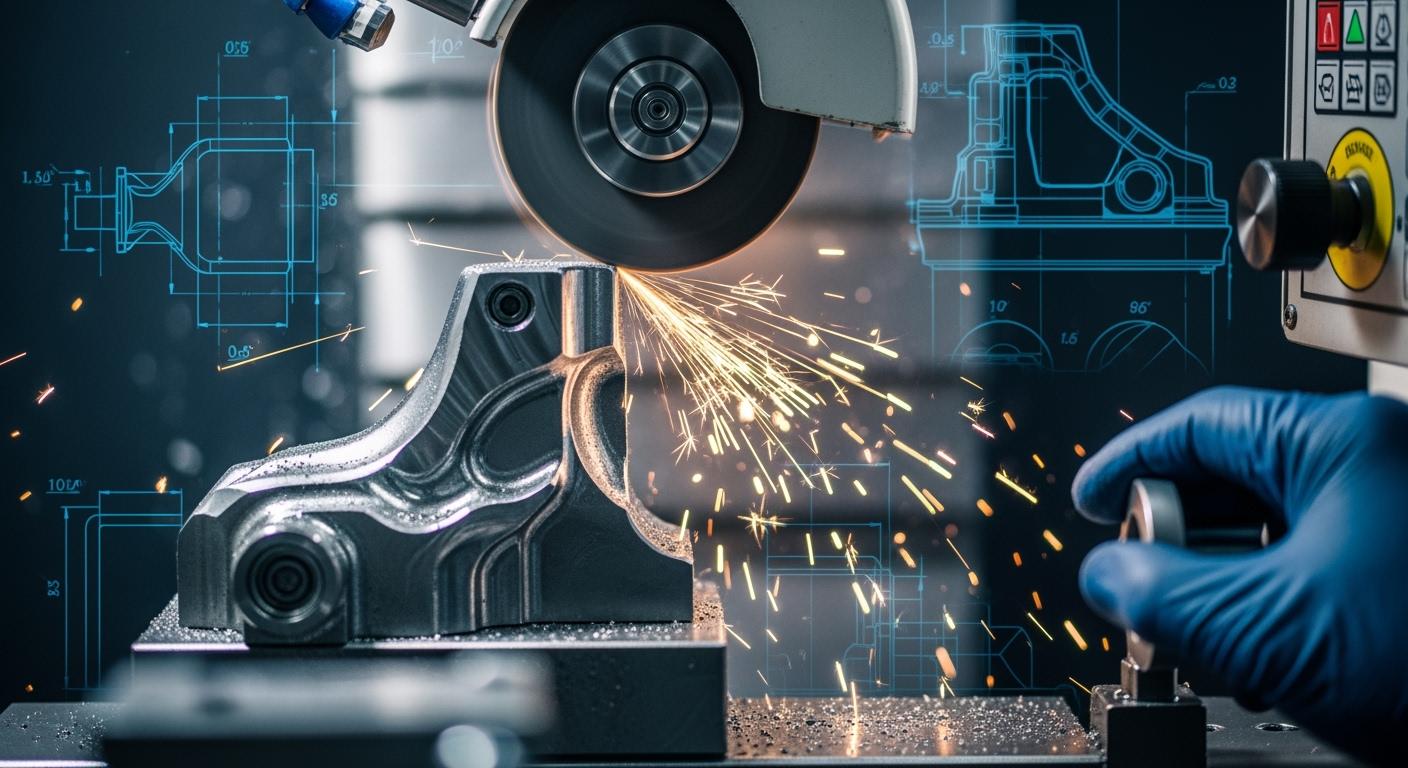
You need efficient precision grinding to achieve high-quality results on complex profiles. Advanced tools, such as diamond grinding wheels, play a vital role in this process. Brands like Aimgrind offer wheels with precise engineering and rigorous manufacturing, which help you maintain tight tolerances and boost productivity. The table below shows how these advanced wheels enhance performance:
| Feature | Benefit |
|---|---|
| Superior materials | Enhances durability and performance |
| Precise engineering | Maintains tight tolerances |
| Rigorous manufacturing | Ensures high-quality surface finishes |
| Efficient material removal | Increases productivity and reduces downtime |
| Compatibility with hard materials | Essential for precision grinding of complex profiles |
Grinding intricate shapes can be challenging. When you adopt proven tips, you can reduce machining time and improve both quality and consistency.
Key Takeaways
- Choose the right grinding wheel and settings based on your material and desired finish to improve accuracy and tool life.
- Use diamond grinding wheels for harder materials to get better precision, longer lifespan, and cost savings over time.
- Control grinding parameters like speed, feed rate, and coolant flow to reduce heat, improve surface quality, and boost productivity.
- Regularly dress and maintain your grinding wheels to keep them sharp and consistent for smooth finishes.
- Use advanced techniques like CNC programming and on-machine measurement to achieve repeatable, high-quality results on complex profiles.
Efficient Precision Grinding Fundamentals
Key Principles for Complex Profiles
You need to understand the basics before you can master efficient precision grinding for complex profiles. The process depends on several important parameters. Each one affects the final result. The table below explains these parameters and their roles:
| Parameter | Description |
|---|---|
| Grinding Wheel Speed | Controls the cutting action. You must match the speed to the wheel type and workpiece material. |
| Workpiece Speed | Changes the surface finish and cycle time. You need to balance speed for quality and production. |
| Feed Rate | Affects how fast you remove material and the surface finish. Use slower rates for finishing passes. |
| Depth of Cut | Shows how much material you remove per pass. Use larger depths for roughing and smaller for finishing. |
| G-ratio (Grinding Ratio) | Measures efficiency. Higher values mean longer wheel life and better cost-effectiveness. |
| Surface Finish (Ra) | Tells you how smooth the surface is. Precision grinding can make surfaces very smooth. |
| Coolant Application | Stops thermal damage and keeps accuracy. You must control flow rate and pressure. |
You should always pay attention to these principles:
- Learn how feeds and speeds change the surface finish.
- Pick the right grinding wheel for each metal or material.
- Use coolants to keep the grinding process stable and accurate.
When you follow these steps, you can achieve better results. Studies show that the mean value of the line profile error can drop to 0.019 mm. The standard deviation of the surface profile error can improve by 32%. The root mean square error (RMSE) for predicted contours can range from 6.45 to 9.48 micrometers. Uniform material removal can reach a mean error as low as 0.013 to 0.016 mm for a removal depth of 0.3 mm. These numbers prove that efficient precision grinding makes a big difference in accuracy and quality.
Tip: Always check your grinding parameters before starting. Small changes can have a big impact on your results.
Role of Diamond Grinding Wheels
Diamond grinding wheels play a key role in efficient precision grinding, especially for complex profiles. You get many benefits when you use these wheels. The table below compares diamond grinding wheels to other types:
| Feature | Diamond Grinding Wheels | Other Wheel Types |
|---|---|---|
| Hardness | 10 on Mohs scale | Lower (e.g., aluminum oxide) |
| Lifespan | Significantly longer | Shorter |
| Precision | Higher | Variable |
| Cost-Effectiveness | Economical over time | Less economical |
| Versatility | Tailored for applications | Limited customization |
You can see that diamond grinding wheels have higher hardness and last much longer. They give you better precision and are more cost-effective over time. You can also customize them for special jobs, which is important when you need to grind complex shapes.
When you use diamond grinding wheels, you can achieve smoother surfaces and tighter tolerances. This is why many industries choose them for efficient precision grinding. You can trust these wheels to help you reach your quality goals and reduce downtime.
Note: Always select the right diamond wheel for your material and profile. This ensures the best performance and finish.
Tool Selection with Aimgrind
Choosing the Right Wheel Type
You need to select the right grinding wheel for each complex profile. This choice affects your results and the life of your tools. Aimgrind helps you make this decision with expert guidance and a wide range of diamond grinding wheels. You should consider several important criteria:
- Material being ground
- Grinding pressure
- Required form and finish accuracy
- Area of contact
- Wheel speed
- Coolant use
- Machine or spindle horsepower
You must focus on the surface finish you want, the tolerances you need, and how well the wheel holds its shape. Finer grits and harder grades help you achieve close geometric accuracy. Softer bonds keep the grains sharp, which improves finish and stock removal. Aimgrind diamond grinding wheels give you unmatched hardness. You can grind tough materials like carbide, ceramics, and hard alloys with ease. These wheels handle shocks and stresses well, so you avoid chipping or breaking your workpiece. Many industries trust Aimgrind for shaping and polishing hard materials.
Tip: Always match your wheel type to your material and machine. This step ensures the best performance and finish.
Custom Bond Formulas for Materials
You get better results when you use a grinding wheel with a bond formula designed for your material. Aimgrind specializes in custom bond formulas. The company works with you to match the wheel to your exact needs. You can choose from resin, metal, or vitrified bonds. Each bond type offers unique benefits for different applications.
- Resin bonds work well for high-speed grinding and tough materials.
- Metal bonds provide durability and shape retention for hard alloys.
- Vitrified bonds offer cool cutting and easy dressing for ceramics and composites.
Aimgrind’s team helps you select the right bond for your job. You can expect a wheel that fits your equipment and process. This approach leads to higher productivity and better quality. You also reduce downtime because the wheel lasts longer and needs fewer changes.
Wheel Shape and Grit Optimization
You need to pay attention to wheel shape and grit size when grinding complex profiles. The right shape lets you reach tight corners and intricate features. The correct grit size gives you the finish and accuracy you want. Aimgrind offers many shapes and grit sizes to fit your needs.
- Special wheel shapes help you grind unique contours and profiles.
- Fine grits give you smooth finishes and tight tolerances.
- Coarse grits remove material quickly during roughing.
Recent studies show that dressing conditions have a big impact on grinding performance. For example, the grinding ratio changes a lot based on how you dress the wheel. Advanced models now predict how wheel shape and grit affect grinding forces and wear. New techniques let you check wheel wear without changing the setup. You can use graphite sheets to see how the wheel topography changes over time. This method helps you understand how different shapes and grits perform.
Aimgrind’s experts guide you in choosing the best wheel shape and grit for your application. You get consistent results and longer wheel life. You also achieve efficient precision grinding, even on the most complex profiles.
Note: Regularly check your wheel’s condition and dressing to maintain top performance.
Grinding Techniques for Accuracy
Contour vs. Surface Grinding
You need to understand the difference between contour grinding and surface grinding when working with complex profiles. Contour grinding uses CNC-controlled machines with programmable axes. This lets you follow intricate shapes with high accuracy. You can repeat the same profile many times and get the same results. Advanced programming and multiple passes help you refine the shape and size. Laser profiling and dressing technologies make contour grinding even more precise. You can control the V-tip arc radius of diamond grinding wheels to between 10 and 20 micrometers. This level of control is hard to achieve with traditional methods. Trajectory planning also boosts efficiency, especially for complex shapes. Surface grinding, on the other hand, works best for flat or simple cylindrical surfaces. It does not give you the same precision for complex geometries.
- Contour grinding uses advanced CNC and laser technologies for high accuracy.
- Surface grinding focuses on flat surfaces and lacks the precision for complex profiles.
Research shows that laser profiling can keep material allowance at about 10 micrometers. This makes contour grinding the better choice for efficient precision grinding of complex profiles.
Optimal Angles and Feed Rates
You must set the right angles and feed rates to get the best results. The angle between the grinding wheel and the workpiece affects how much material you remove and the quality of the finish. Small changes in angle can make a big difference. You should start with manufacturer recommendations, then adjust based on your results. Feed rate controls how fast the workpiece moves under the wheel. A slower feed rate gives you a smoother finish. A faster feed rate removes material quickly but can cause roughness or errors. Always check your settings before you start. Make small adjustments and measure the results to find the best combination for your job.
Tip: Use test pieces to fine-tune your angles and feed rates before working on the final part.
Heat Management and Coolant Use
You need to manage heat during grinding to protect your workpiece. Grinding creates a lot of heat, which can cause burns or change the size of your part. Coolant plays a key role in controlling temperature and keeping your results accurate.
| Method | Description |
|---|---|
| Coolant Application | Controls thermal expansion and prevents grinding burn. |
| Specialized Nozzle Designs | Directs coolant where it is needed most for better heat removal. |
| Temperature Monitoring | Keeps thermal conditions stable and reduces size changes in the workpiece. |
Modern grinding machines use advanced cooling systems. These systems deliver coolant exactly where it is needed. They also help remove fine particles and keep the grinding area clean. Good coolant flow absorbs heat, reduces friction, and improves the surface finish. You should always check your coolant system and keep it in good condition for efficient precision grinding.
Material-Specific Strategies
Matching Wheels to Workpiece
You need to match your grinding wheel to the workpiece material for the best results. Each material acts differently during grinding. Hard metals, ceramics, and composites all need special wheels. For example, you should use diamond grinding wheels for tough materials like tungsten carbide or ceramics. These wheels cut hard surfaces without losing their shape. If you work with softer metals, you can use wheels with a different bond or grit. Aimgrind offers many options, so you can always find a wheel that fits your job. When you choose the right wheel, you get better surface finishes and longer tool life.
Tip: Always check the material type before you start grinding. This helps you avoid mistakes and saves time.
Adjusting for Hard Alloys and Ceramics
You must make special adjustments when grinding hard alloys and ceramics. These materials can crack or chip if you use the wrong settings. The table below shows important adjustments you should make:
| Adjustment Type | Description |
|---|---|
| Grinding Wheel Selection | Choose the right abrasive type, grit size, and bond to match the material. |
| Cooling Strategies | Use extra cooling to stop thermal damage and keep the material strong. |
| Process Parameter Optimization | Change how much material you remove to avoid softening and keep the surface smooth. |
| Residual Stress Management | Control grinding conditions to stop harmful stresses from forming. |
| Dynamic Wheel Balancing | Use balancing systems to cut down on vibrations and keep the finish and size accurate. |
You can keep your profiles accurate and your parts strong by following these steps. Always monitor your process and make small changes as needed.
Microcrystalline Abrasives Benefits
Microcrystalline abrasives give you many advantages in precision grinding. These abrasives have tiny crystals that break and renew during use. This means you get a sharp cutting edge for a long time. The table below lists the main benefits:
| Benefit | Description |
|---|---|
| Enhanced Precision | Lets you finish parts with very fine details, like in optics or electronics. |
| Improved Surface Integrity | Reduces hidden damage under the surface, making parts last longer. |
| Reduced Heat Buildup | Cuts cooler, so your parts do not overheat. |
| Extended Service Life | Lasts 5–10 times longer than regular abrasives. |
| Thermal Stability | Stays strong even at high temperatures, up to 1,200°C. |
| Cost Efficiency | Saves money over time, even if the first cost is higher. |
| Sustainability | Creates less waste, which helps the environment. |
You can use microcrystalline abrasives for efficient precision grinding, especially when you need high accuracy and long-lasting tools. These abrasives help you get better results and save money in the long run.
Process Optimization with Aimgrind
CNC Programming for Precision
You can achieve high precision in complex profile grinding by using advanced CNC programming techniques. CNC grinding lets you create tiny features with great accuracy. You control cutting speed, feed rate, and depth of cut to match each job. Fine-tuning these parameters helps you remove material efficiently and keeps heat buildup low. You also optimize cutting paths and toolpaths to reduce vibration and tool deflection. This improves cutting accuracy and surface quality. CNC grinding stands out in manufacturing because it combines precision, versatility, and automation. You get consistent results and can handle a wide range of applications.
Aimgrind supports you with parameter matching and process optimization. Their experts help you set up CNC programs for the best results in Efficient Precision Grinding.
Setup and Repeatability
You need a reliable setup to keep your grinding process consistent. Aimgrind’s comprehensive service process includes problem diagnosis and sample optimization. You use stable fixtures to reduce variation. In-process gauging gives you real-time size control. Proper coolant delivery prevents overheating and keeps parts strong. Wheel dressing keeps the abrasive wheel sharp and open. You integrate CNC technology for adaptive control. Inspection becomes part of your process, both during and after grinding. These best practices help you maintain repeatability and high quality.
| Best Practice | Explanation |
|---|---|
| In-process gauging | Provides real-time size control to ensure precision during grinding. |
| Proper coolant delivery | Aimed at the grinding zone to prevent overheating and maintain part integrity. |
| Wheel dressing | Keeps the abrasive wheel sharp and open, ensuring consistent form and surface quality. |
| Integration of CNC technology | Allows for adaptive control, enhancing repeatability and precision in complex profile grinding. |
| Use of stable fixtures | Reduces variation in manufacturing processes, especially during long runs. |
| Inspection as part of the process | Incorporates both in-process and post-process gauging for comprehensive quality control. |
Monitoring Speeds and Feeds
You must monitor speeds and feeds to optimize grinding performance and quality. Grinding speed controls material removal and surface finish. Infeed determines depth of cut and efficiency. Feed rate affects how much material you remove and how much heat you generate. Coolant type and flow rate impact cooling and tool life. You use probing and sensing for in-situ measurement. Force monitoring detects tool wear or heat issues. Statistical process control lets you collect real-time data and improve your process.
| Parameter | Effect |
|---|---|
| Grinding Speed | Controls the rate of material removal and surface finish. |
| Infeed | Determines the depth of cut and affects grinding efficiency. |
| Feed Rate | Influences the amount of material removed per unit time and heat generation. |
| Coolant Type | Affects thermal management and surface finish quality. |
| Coolant Flow Rate | Impacts cooling efficiency and tool life. |
Aimgrind’s team helps you match parameters to your equipment and materials. You get support for process optimization and customer success.
Maintenance and Quality Control
Wheel Dressing and Conditioning
You need to keep your grinding wheel in top shape for accurate results. Dressing and conditioning help you restore the wheel’s sharpness and shape. Here are some effective methods:
- Use specialized abrasive materials and grain sizes to keep the wheel geometry consistent.
- Try continuous dressing systems to maintain precision during long grinding runs.
- Choose diamond dressing tools for restoring sharpness and preventing surface finish problems.
Electrical discharge conditioning (WEDC) gives you a modern way to profile and dress superabrasive wheels. This method does not wear out the wheel and helps you keep high accuracy and repeatability.
Wheel conditioning and dressing are vital for keeping the cutting edge sharp. These steps stop the wheel from losing its shape and help you get a smooth finish every time.
Inspection and Measurement
You must check your work to make sure it meets quality standards. On-machine measurement (OMM) lets you verify the profile and size of complex shapes right on the grinder. This saves time and avoids errors from moving parts between machines. You can use both contact and non-contact sensors for high precision.
| Inspection Method | Description |
|---|---|
| 3D Measurement Tools | Use CMMs and image systems for detailed checks of complex profiles. |
| On-Machine Measurement (OMM) | Get real-time feedback with contact or optical sensors for accuracy. |
| Automated Optical Inspection | Measure many dimensions quickly, great for large batches. |
- OMM avoids errors from re-clamping parts.
- Optical sensors give you high-resolution checks but need a stable environment.
- Combine tactile probes with fast scanning for better inspection of complex profiles.
Troubleshooting Profile Issues
When you see problems with your grinding profiles, you need to act fast. Start by checking machine alignment and calibrate your equipment often. Keep your grinding wheel in good condition by dressing and balancing it regularly.
- Check spindle bearings to prevent grinding errors.
- Make sure your coolant system works well to stop overheating.
- Verify that your clamping is stable to reduce vibration and keep accuracy.
Regular maintenance keeps your machines running well. You reduce mechanical problems and improve the quality of Efficient Precision Grinding. Consistent care also helps your machines last longer and boosts production quality.
You can boost your results in Efficient Precision Grinding by following proven tips:
- Keep your workspace tidy and organized.
- Maintain stable coolant and ambient temperatures.
- Dress and condition your grinding wheels regularly.
- Use high-quality blanks and the right tool for each job.
- Follow the machine manual and maintenance schedule.
Evaluate your grinding practices by checking your tools, processing parameters, and material choices. Aimgrind offers nearly two decades of expertise and personalized solutions to help you solve tough grinding challenges.
Visit Aimgrind’s website or contact their team for tailored grinding solutions that fit your needs.
FAQ
What materials can you grind with Aimgrind diamond wheels?
You can grind hard alloys, ceramics, and composites. Aimgrind diamond wheels work well for tungsten carbide, glass, and advanced engineering materials. You get reliable performance and smooth finishes.
How do you choose the right grit size for complex profiles?
You select fine grits for smooth finishes and tight tolerances. Coarse grits remove material quickly. Aimgrind experts help you match grit size to your profile and material.
Tip: Test different grits on sample pieces before final grinding.
Can you use Aimgrind diamond wheels for both wet and dry grinding?
Yes, you can use Aimgrind diamond wheels for wet and dry grinding. Wet grinding helps manage heat and improves surface quality. Dry grinding works for quick jobs and certain materials.
How often should you dress your grinding wheel?
You should dress your grinding wheel regularly. Frequent dressing keeps the wheel sharp and maintains its shape. Aimgrind recommends checking the wheel before each grinding session.
| Dressing Frequency | Benefit |
|---|---|
| Regular | Consistent performance |
| As needed | Longer wheel life |
Contact Us
For More Grinding Solution or Customized Abrasive Tools