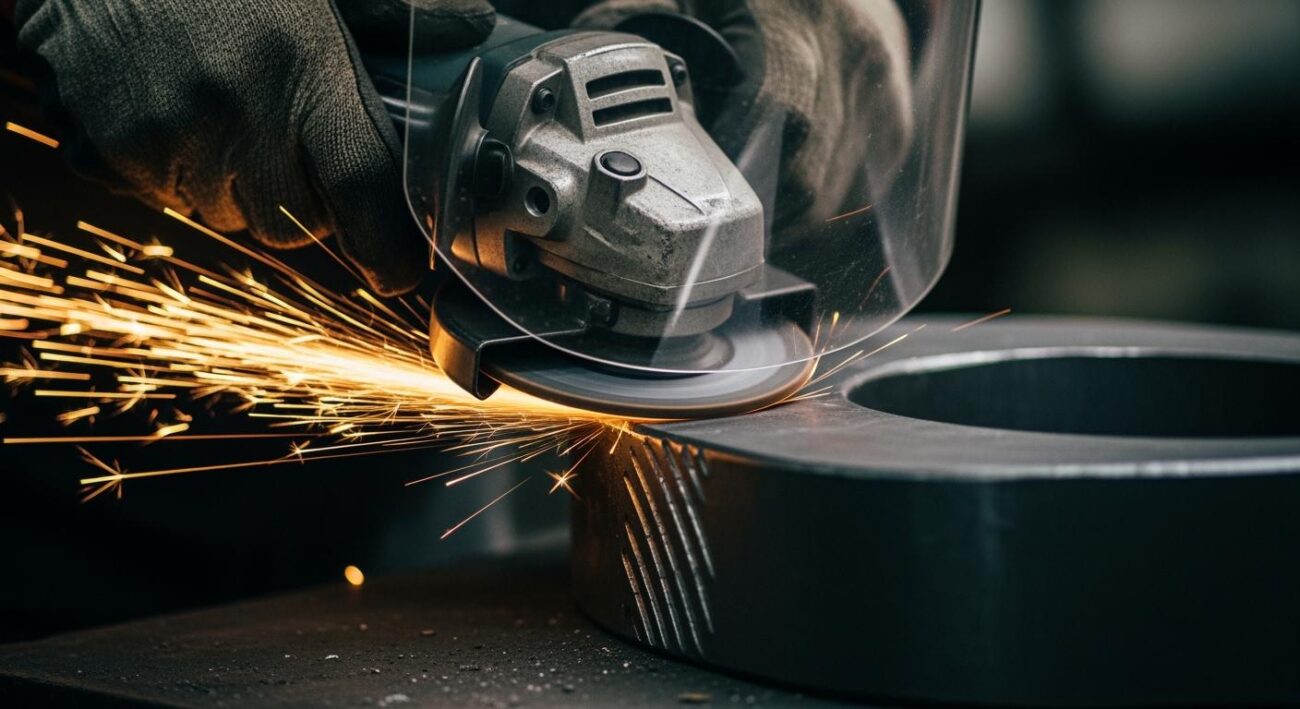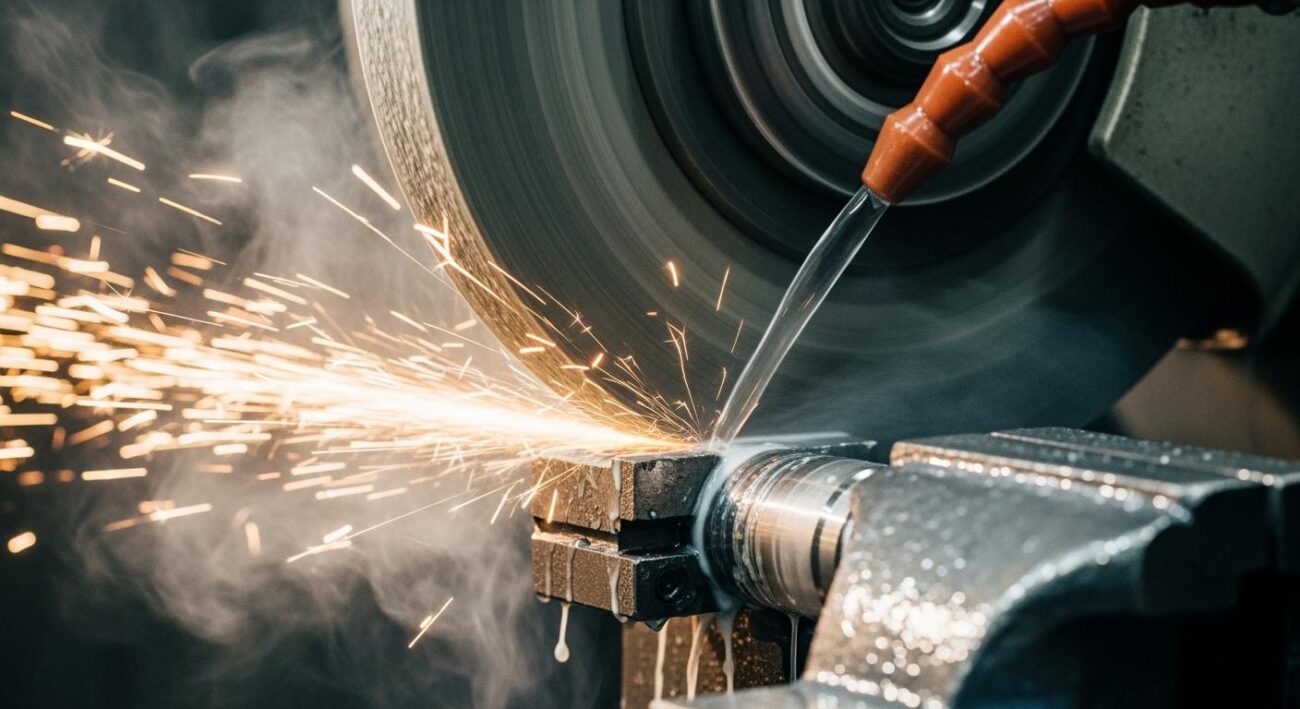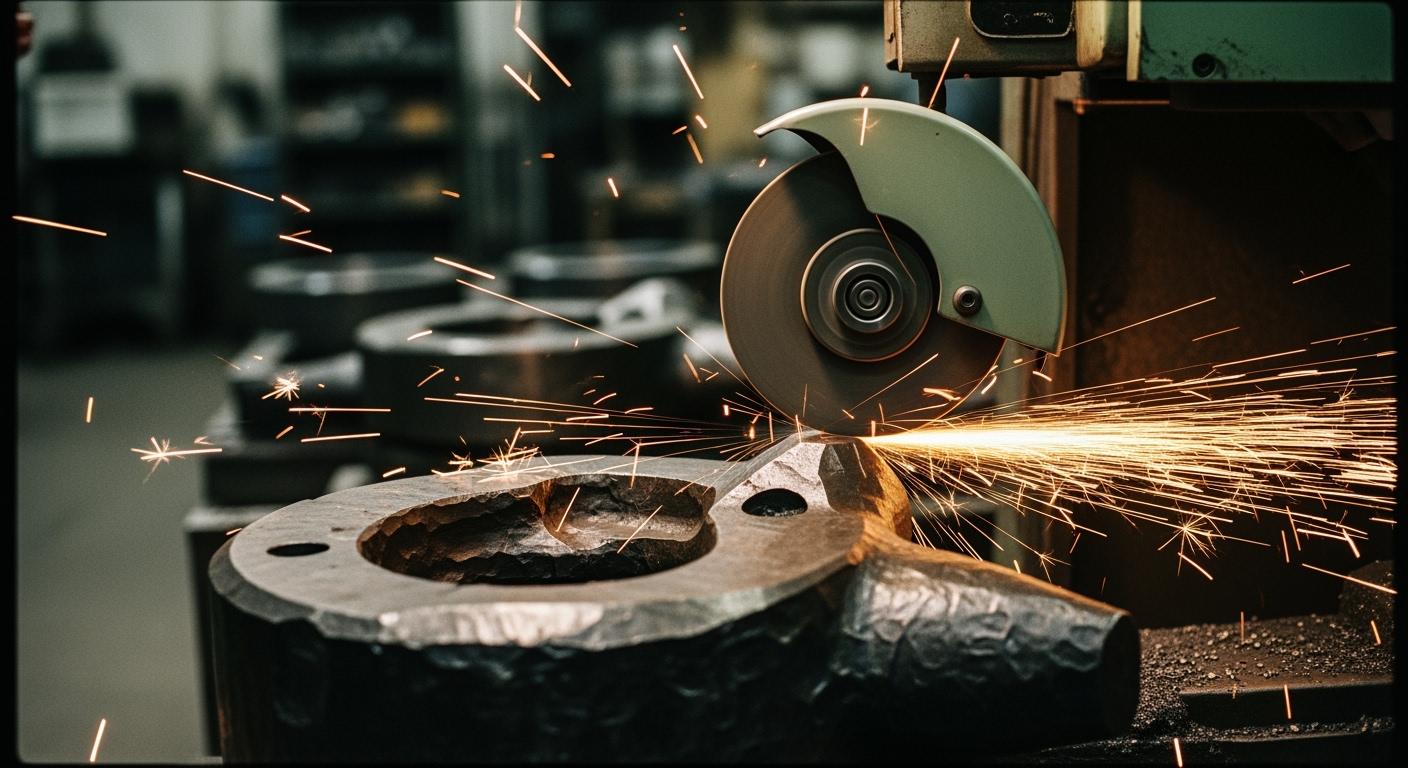
You face unique challenges when working with high-strength forging materials. Grinding solutions must deliver efficiency and handle toughness. You need grinding solutions that provide custom results and maintain efficiency. Super hard abrasives, like those from Aimgrind, offer custom grinding solutions for tough materials. Efficiency improves with the right grinding tools. Custom forging solutions focus on precision engineering and particle size reduction. Recent studies show grinding solutions vary in efficiency. For example:
| Type of Grinding Solution | Characteristics | Applications |
|---|---|---|
| Cast Steel Grinding Balls | Less durable, cost-effective, suitable for lower-intensity grinding | Chemical industry, budget-conscious operations |
| High Chrome Steel Grinding Balls | Excellent wear resistance, high hardness, suitable for abrasive use | Mining industry, hard ores |
Aimgrind helps you select custom grinding solutions for efficiency and toughness.
Key Takeaways
- Choose super hard abrasives like diamond and CBN for grinding tough materials. They reduce tool wear and improve surface finishes.
- Use proper coolant to manage heat during grinding. This prevents burns and extends the life of your grinding tools.
- Select the right bond type and grit size for your grinding wheels. This ensures better performance and meets your specific grinding needs.
- Implement advanced grinding techniques like creep feed and high-speed grinding. These methods increase efficiency and reduce costs.
- Prioritize safety by wearing protective gear and checking equipment before use. This helps prevent accidents and ensures a safe working environment.
Grinding Challenges in Forging Materials
Forging processes change the microstructure of steel and other materials. You see improved strength and abrasion resistance after forging. The forging process aligns grain flow and refines grains. This makes the material tougher and increases hardness. High-strength steel from forging processes resists impact and fatigue. You face new challenges when grinding these materials.
Tool Wear and Heat Issues
Grinding high-strength steel causes rapid tool wear. Abrasion resistance increases after forging, so conventional abrasives struggle. You notice cracking and oxidation on grinding tools. Abrasive wear happens during intense milling. Nonmetallic inclusions in steel, like aluminum oxides, can cause tool fracture. Heat builds up during grinding. High temperatures speed up oxidation and tool cracking. The table below shows common causes of tool wear:
| Cause of Tool Wear | Description |
|---|---|
| Cracking | High stresses cause fatigue cracks along bands. |
| Oxidation | Heat speeds up oxidation, leading to more wear. |
| Abrasive Wear | Intense material flow increases abrasion on tool surfaces. |
| Tool Cracking | Heat treatment and carbide separation cause cracks. |
| Nonmetallic Inclusions | Elements like aluminum oxides and manganese sulfides cause tool fracture. |
Grinding generates heat. High-strength steel, like Inconel 718, has poor thermal conductivity. Surface integrity suffers when heat builds up. You need solutions that manage heat and reduce tool wear.
Surface Finish and Tolerance Control
Forging creates tough surfaces with high abrasion resistance. You must achieve precise surface finishes and tight tolerances. Aerospace and automotive parts need finishes of 16 µin. Ra or better. Sometimes you need near-polish quality below 8 µin. Ra. Conventional abrasives often fail to reach these standards. You may spend hours milling and grinding to remove forging scale and polish the material. Advanced solutions help you meet strict requirements faster.
- Aerospace parts need mirror finishes.
- Multiple grinding sessions may be required.
- Forging scale removal and polishing take time.
Distortion and Residual Stress
Grinding induces residual stress in high-hardness steel. Tensile residual stresses can cause distortion. You must assess residual stress to ensure safety and strength. Residual stresses affect fatigue life and tribological properties. Distortion risks increase with improper grinding solutions. You need solutions that minimize residual stress and protect the material.
- Residual stress leads to distortion.
- Fatigue life depends on stress control.
- Grinding solutions must address these risks.
Grinding high-strength forging materials requires advanced solutions. You must select abrasives that handle hardness, abrasion resistance, and wear. Aimgrind offers solutions for tough steel and forging processes. You achieve better results with optimized grinding and milling.
Grinding Solutions and Abrasive Selection
Super Hard Abrasives by Aimgrind
You need grinding solutions that handle the toughness and hardness of forging materials. Aimgrind offers super hard abrasives that use diamond and CBN grains. These abrasives cut through high-strength steel with ease. You see less tool wear and better surface finishes. Super hard abrasives work well for forging applications where conventional grinding media options fail. You get custom grinding media that matches your needs.
You choose super hard abrasives for their durability. Diamond and CBN grains keep their sharpness longer. You spend less time replacing tools. You achieve consistent results in grinding high-strength steel. Aimgrind provides custom grinding media options for forging processes. You select the right abrasive for your steel and hardness requirements.
You benefit from Aimgrind’s expertise in media selection. You get support for matching abrasives to your equipment. You see improved efficiency and quality in your forging operations.
Choosing the Right Bond and Grit
You must consider several factors when making a grinding media selection for forging materials. The bond type and grit size play a big role in grinding performance. You select between vitrified, resin, metal, and electroplated bonds. Vitrified bonds give you strength and rigidity. You maintain precise shapes during grinding. Resin bonds offer flexibility for less critical surfaces.
You choose grit size based on the grinding stage. Lower grit numbers (60-80) work for rough grinding. Higher grit numbers (120-180) help you finish and polish steel surfaces. You match the grinding wheel to your machine specifications. You check RPM safety ratings and arbor hole size.
In round tool manufacturing, you must keep the corner radius on the wheel very specific. If the radius changes due to wear, you see a drop in grinding performance.
You see how bond and grit influence surface finish and removal rate:
- Larger grit sizes cut more aggressively. You remove material faster.
- Finer grits produce smoother surfaces. You get better finishes but slower removal rates.
- The bond type affects how abrasives are held and released. You control cutting aggressiveness and surface quality.
You can review the table below for quick reference:
| Parameter | Description | Impact on Surface Finish |
|---|---|---|
| Grit Size | Ranges from coarse to fine. | Finer grits produce smoother surfaces but may reduce material removal rates. |
| Bond Type | Types include vitrified, resin, or metal. | Vitrified bonds are ideal for fine finishes, while resin bonds offer flexibility for less critical surfaces. |
You make your media selection based on your forging material, hardness, and grinding stage. You get custom grinding media from Aimgrind that fits your needs.
Alternatives: Ceramic and Zirconia Abrasives
You see other grinding media options for forging materials. Ceramic and zirconia abrasives offer solutions for high-strength steel. Ceramic abrasives have higher hardness than zirconia. You use ceramic abrasives for harder stainless steels. Zirconia abrasives work well for durability in stainless steel applications.
You must know the advantages and limitations of these alternatives:
- Ceramic abrasives outperform zirconia on harder materials.
- Ceramic abrasives have brittleness and poor impact resistance.
- Zirconia abrasives are durable but have less hardness compared to ceramic.
The brittleness of ceramic binders leads to poor impact resistance and thermal conductivity. This can limit their use in high-strength forging applications.
You can compare these grinding media options in the table below:
| Abrasive Type | Advantages | Limitations |
|---|---|---|
| Ceramic | Higher hardness, outperforms zirconia | Brittleness, poor impact resistance |
| Zirconia | Durable in stainless steel applications | Less hardness compared to ceramic |
You make your media selection based on your forging process, steel type, and hardness requirements. You choose custom grinding media that fits your grinding needs. Aimgrind helps you select the best solutions for your forging operations.
Grinding Techniques and Process Optimization
Creep Feed and High-Speed Grinding
You can boost efficiency and precision by using creep feed and high-speed grinding. These grinding methods let you remove more material in less time. Creep feed grinding uses a deep cut with a slow feed. High-speed grinding uses a fast wheel speed with a shallow cut. Both methods improve milling efficiency and reduce tool wear. You get better performance because the grinding wheel stays sharp longer. You also see less vibration and fewer cracks in your workpiece. These solutions help you finish parts faster and lower your costs. You can use these grinding techniques to achieve high precision and stable performance in your forging and milling operations.
- Increased efficiency from deeper cuts and faster speeds
- Longer tool life due to less wear
- High precision and smooth surfaces
- Lower production costs
Coolant and Thermal Management
Proper coolant use is key for grinding and milling efficiency. You need to control heat to protect your workpiece and grinding wheel. Coolant helps remove chips and keeps the grinding zone cool. This reduces the risk of burns and rough surfaces. High-pressure coolant systems improve performance by reaching deep into the grinding area. You also keep your grinding wheel clean and sharp. Using vitrified bond grinding wheels with engineered porosity lets coolant flow better, which helps prevent thermal damage. You can also dress your grinding wheel often to keep cutting edges sharp. These steps improve both grinding and milling performance.
Tip: Always check your coolant flow and pressure. Good coolant management leads to better surface quality and longer tool life.
Machine Requirements and Automation
Modern grinding machines give you more control and precision. CNC integration lets you program grinding and milling steps for high performance. Automatic wheel dressing keeps your grinding wheel sharp, which improves efficiency and precision. Multi-axis machines let you grind complex shapes with high accuracy. Real-time monitoring systems track grinding conditions and adjust settings for the best performance. High-throughput machines let you do several grinding and milling steps in one setup, which boosts milling efficiency and productivity. Aimgrind supports you by matching grinding parameters to your equipment and process needs. You get custom solutions that improve your grinding and milling results.
| Feature | Description |
|---|---|
| CNC Integration | Automates grinding and milling for high precision and less manual work |
| Automatic Wheel Dressing | Keeps grinding wheels sharp for better performance and less downtime |
| Multi-Axis Flexibility | Lets you grind complex shapes with high precision |
| Real-Time Monitoring | Adjusts grinding parameters for stable performance and quality |
| High Throughput | Handles multiple grinding and milling steps in one setup for more efficiency |
You can rely on Aimgrind for parameter matching and process optimization. This support helps you reach top performance in grinding, milling, and overall production.
Best Practices and Industry Examples
Prolonging Tool Life and Efficiency
You can extend the wear life of grinding tools in forging applications by following proven practices. You use a large positive rake angle and clearance to reduce contact and friction. For roughing, you apply small reinforcement land on the cutting edge with large cutting depths and feed rates. You keep cutting speeds lower to minimize wear. You leave enough material for finishing to avoid excessive flank wear. For finishing, you use climb milling and avoid interruptions. You select larger lead angles when possible. You implement dynamic milling cutter paths to optimize toolpaths and extend tool wear life. You use air blasts to clear chips and maintain temperature stability during forging and milling. You also perform regular maintenance routines to keep grinding tools in top condition.
- You schedule preventive maintenance to increase uptime and protect equipment lifespan.
- You check tools based on spindle hours to detect wear before unplanned stops.
- You maintain grinders for better efficiency and lower energy use.
- You prevent major breakdowns and avoid expensive repairs.
- You save costs over time with routine maintenance.
- You improve performance and achieve faster production times.
- You reduce downtime and enhance safety.
- You keep production stable and quality consistent.
- You prevent overheating, excessive wear, and unexpected breakdowns.
Safety in Grinding High-Hardness Forgings
You protect yourself and your equipment when working with high-strength stainless steel forging solutions. You always wear safety goggles and gloves. You check grinding wheels for cracks before use. You secure workpieces tightly to avoid movement during forging and milling. You use proper coolant flow to prevent overheating and reduce wear. You keep the grinding area clean to avoid accidents. You follow machine guidelines for speed and feed rates. You never force grinding wheels beyond their rated limits. You monitor temperature and surface quality to prevent burns and distortion. You train your team to handle high-strength steel safely in all applications.
Case Studies: Aimgrind in Action
You see measurable improvements in productivity and quality when you use Aimgrind’s customized grinding solutions for high-strength stainless steel forging solutions. In aerospace applications, you achieve better part quality and operational efficiency. You use slower belt speeds when grinding titanium alloys to minimize frictional heating. This leads to improved part quality and reduces the risk of ignition. You implement robotic automation in grinding and milling processes to maintain consistent contact pressures. This eliminates variability in manual operations and boosts productivity. You rely on Aimgrind for forging solutions that deliver stable results and longer wear life in steel applications.
You need the right grinding solutions for forging materials with high toughness and hardness. Aimgrind’s super hard abrasives help you achieve better grinding results and longer tool life. You improve efficiency by choosing the best abrasive for your forging process. You optimize grinding techniques and keep safety a priority. You see real benefits in forging applications when you use Aimgrind’s customized grinding wheels. You can contact Aimgrind for expert advice and ongoing support.
- Get custom grinding solutions for forging materials.
- Improve safety and efficiency in every grinding step.
FAQ
What makes super hard abrasives better for tough forging materials?
Super hard abrasives use diamond or CBN grains. These grains cut through hard steel easily. You get less tool wear and longer tool life. You also see smoother finishes on your parts.
How do you choose the right grinding wheel for high-strength steel?
You look at the material hardness and your grinding goals. You pick the right bond type and grit size. Aimgrind helps you match the wheel to your machine and process.
Why is coolant important during grinding?
Coolant keeps the grinding area cool. It removes chips and reduces heat. You prevent burns and cracks on your workpiece. You also help your grinding wheel last longer.
Can you use Aimgrind’s super hard abrasives on different machines?
Yes! You can use Aimgrind’s super hard abrasives on many types of grinding machines. You just need to match the wheel size and bond type to your equipment.
Contact Us
For More Grinding Solution or Customized Abrasive Tools