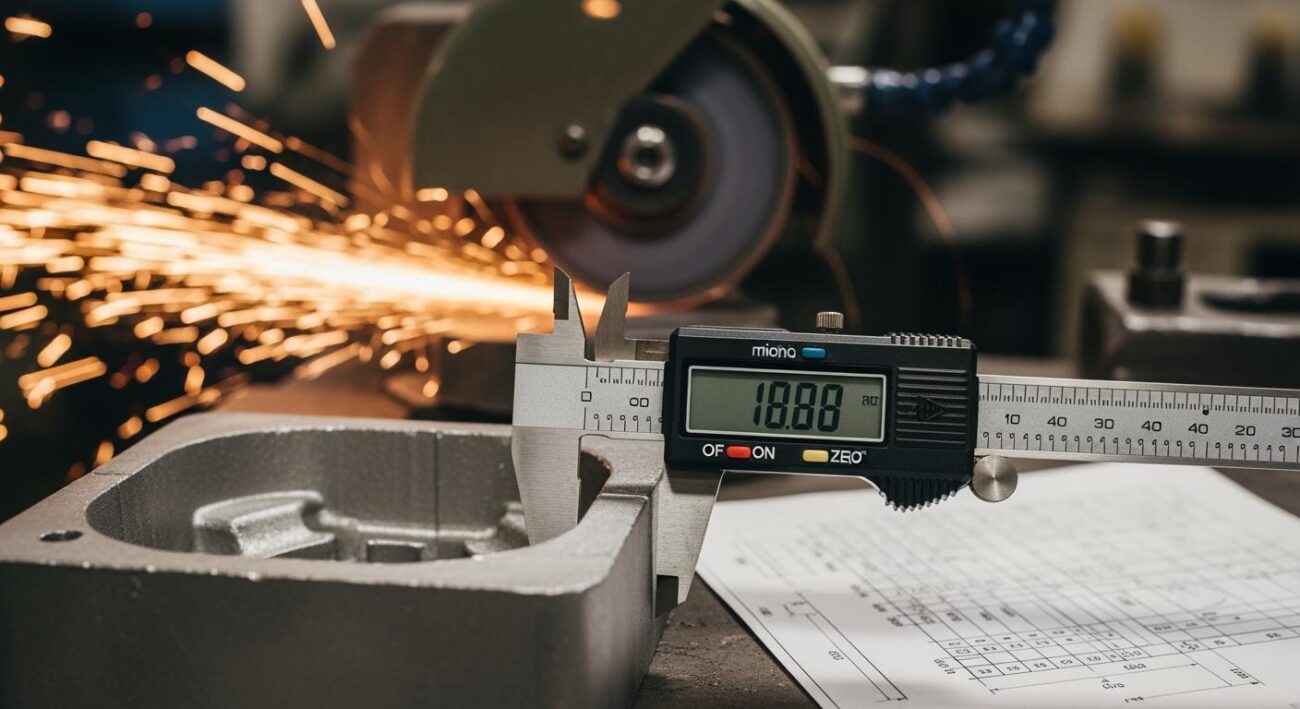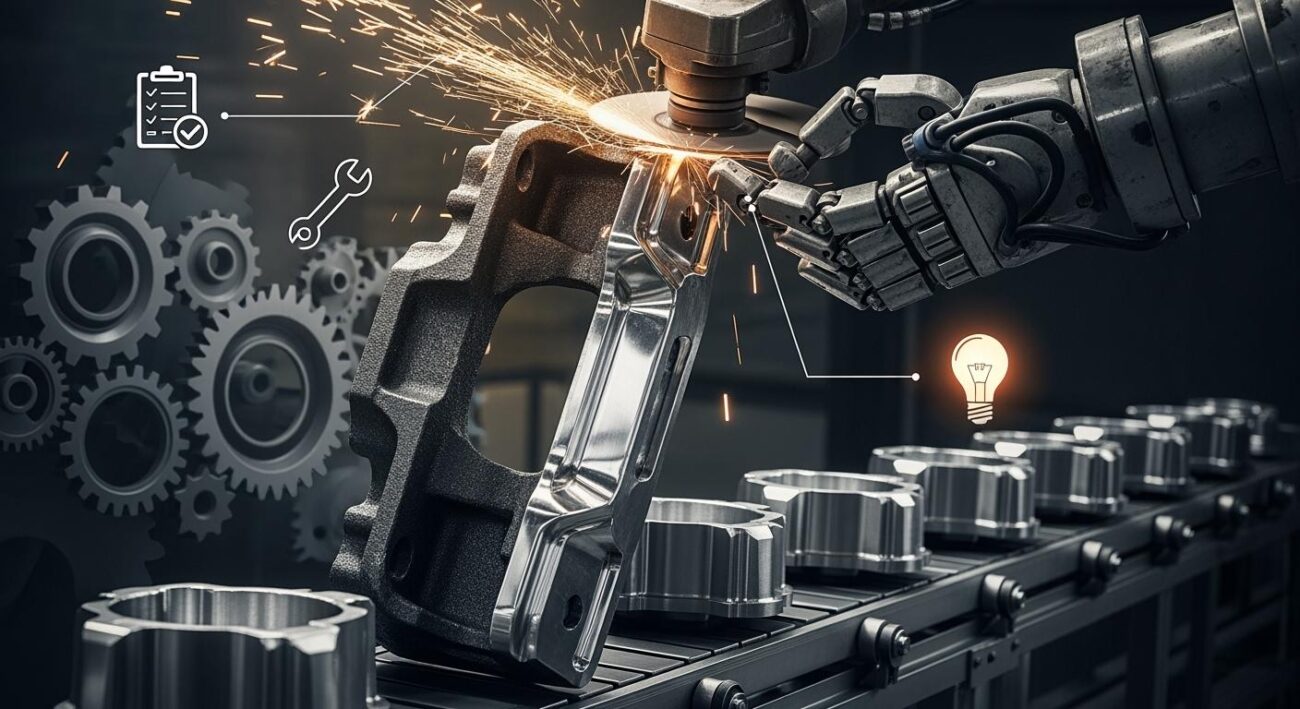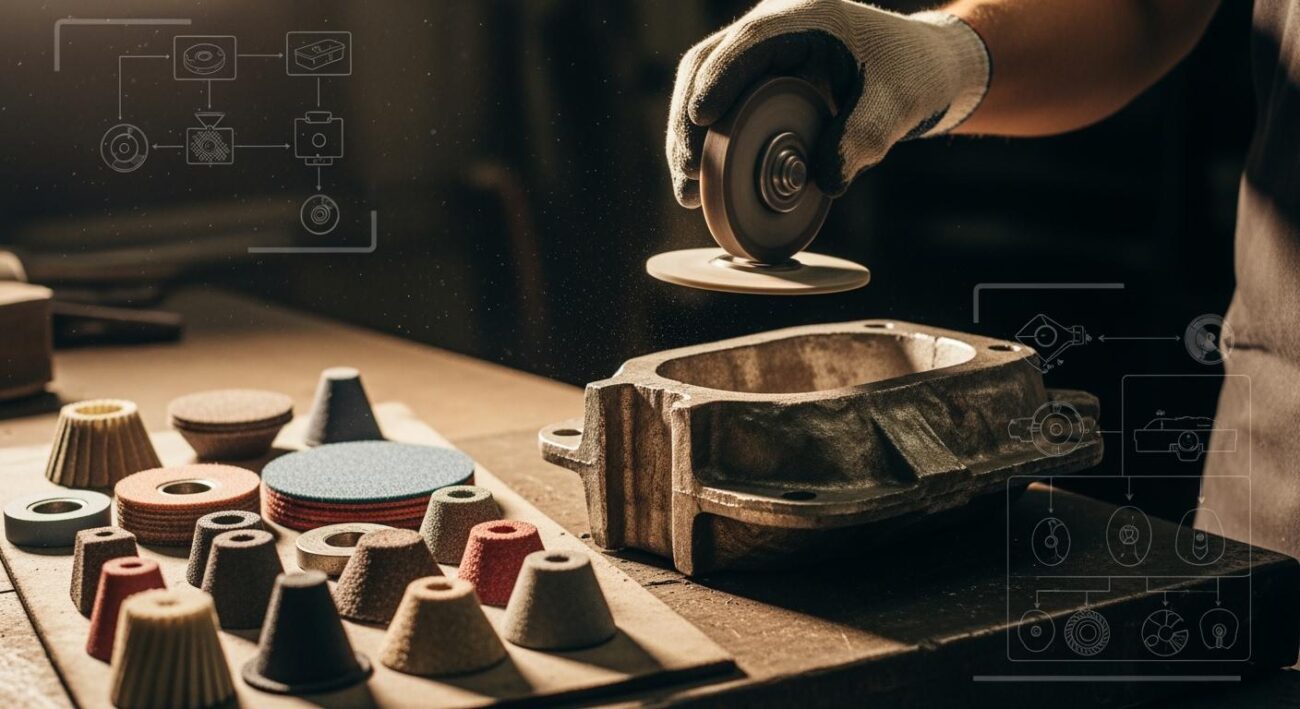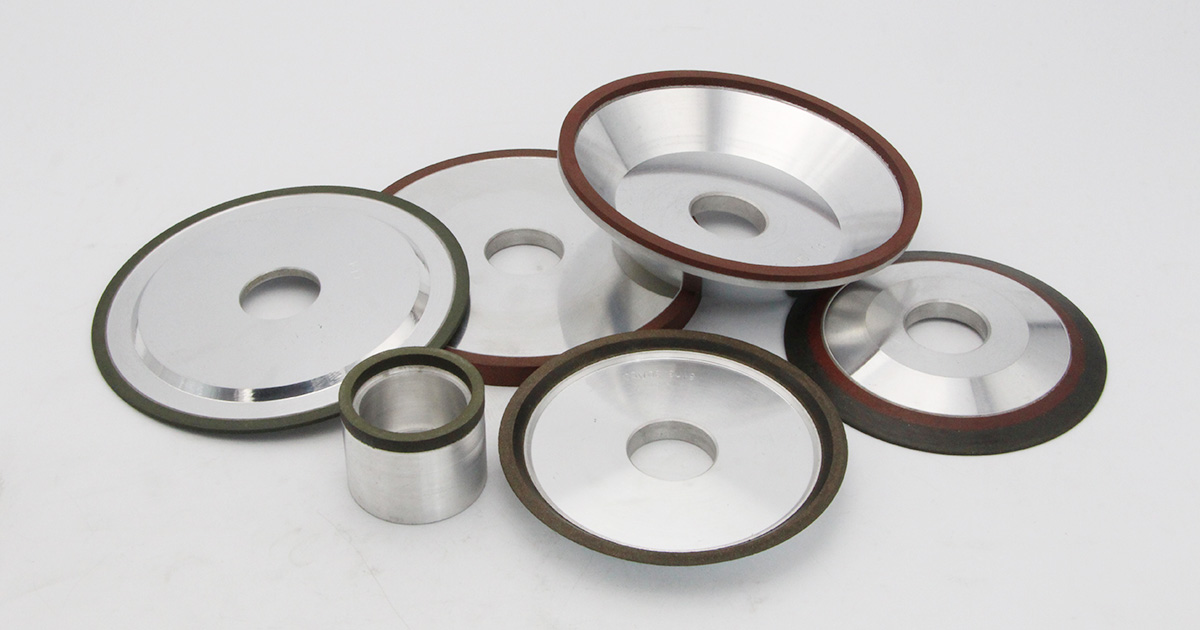
You can make a big impact by improving production efficiency in casting grinding processes. Upgrading machines, choosing the right abrasives, and using automation help foundries see real benefits. For example, foundries have seen a 42% drop in blade costs and longer tool life by selecting advanced grinding tools. The chart below shows how production efficiency grows worldwide with these methods. Aimgrind gives you customized grinding solutions, like CBN grinding wheels, to help you achieve measurable gains.
Key Takeaways
- Improving production efficiency in casting grinding can lead to significant cost savings and better tool life.
- Choosing the right grinding wheel is crucial; it affects quality, efficiency, and can reduce waste.
- Automation in foundries enhances monitoring and control, leading to faster cycle times and consistent results.
- Regular training for operators ensures safe equipment use and helps maintain high-quality standards.
- Continuous assessment of processes helps identify inefficiencies and improve overall production quality.
Common Challenges in Casting Grinding
Inefficiencies in Casting Foundry Operations
You face many challenges when trying to boost efficiency in a casting foundry. Heat management stands out as a major risk. Excessive heat can cause thermal failures and change the properties of the metal. If you do not control heat, you may see defects in the casting process. The choice of grinding media also plays a big role. Using the wrong grinding wheel can lead to poor results and wasted materials.
Here are some common issues you might encounter:
- Safety concerns arise when you use non-reinforced grinding wheels.
- Costs increase if you select abrasive products that do not match your casting needs.
- Waste grows when you dispose of grinding wheels too early.
- Refitting older manual grinding processes into automated cells can be tough. High capital costs and production time make this transition difficult. You may also face a steep learning curve when you start using robotics.
A casting foundry must address these problems to improve efficiency and reduce downtime.
Bottlenecks in Metal Grinding Processes
Metal grinding processes often slow down production in foundries. Improper equipment selection leads to high energy consumption and production losses. If you use the wrong grinding wheel, you may see poor product quality and rough surfaces. These problems affect both the appearance of the metal and the efficiency of the process.
You should watch for these bottlenecks:
- Failures in cement grinding processes can cause production losses.
- Inadequate evaluation of grinding wheels impacts machining accuracy.
- Grinding problems often stem from the selection of the grinding wheel.
- Surface roughness and production efficiency depend on the right grinding wheel.
You can solve these issues by choosing the correct equipment and grinding media. This helps you maintain high efficiency and consistent results in metal grinding operations.
Methods for Improving Production Efficiency
Optimizing Grinding Equipment and Alignment
You can boost production in your casting foundry by optimizing grinding equipment and alignment. Start by checking the alignment of gears and balancing grinding media. This step prevents vibration and keeps the grinding process stable. You should monitor internal components and replace them when needed. This practice extends the lifespan of your equipment and reduces downtime.
The grinding process depends on several factors. The table below shows how each factor affects surface quality and productivity:
| Factor | Description |
|---|---|
| Grinding Wheel Choice | Affects efficiency, surface finish, and precision of the grinding operation. |
| Wheel Speed | Higher speeds can increase material removal rate but may lead to thermal damage. |
| Workpiece Speed | Proper synchronization with wheel speed is vital for surface finish and accuracy. |
| Feed Rate | Higher feed rates increase productivity but can affect surface finish and precision. |
| Coolant Application | Reduces heat generation, minimizes thermal damage, and lubricates the grinding interface. |
| Dressing and Truing | Restores shape and cutting ability of the wheel, crucial for maintaining accuracy. |
| Grinding Pressure | Impacts material removal rate and potential for thermal damage; optimizing is vital. |
| Machine Rigidity | Higher rigidity leads to better precision and surface finish. |
You can maximize productivity by optimizing these factors. Regular maintenance and proper alignment help you avoid defects in the casting process. You also reduce downtime and keep your grinding process efficient.
Selecting Abrasives: Aimgrind CBN Grinding Wheels
Choosing the right abrasive is key to improving production efficiency in casting grinding. Aimgrind CBN grinding wheels offer many advantages over traditional abrasives. You can achieve faster material removal and reduce cycle times. These wheels maintain sharpness longer, so you spend less time replacing them and experience less downtime.
The table below highlights the benefits of Aimgrind CBN grinding wheels:
| Benefit | Description |
|---|---|
| Faster Material Removal | CBN wheels can remove material faster and more efficiently than conventional grinding wheels. |
| Reduced Cycle Times | Enhanced material removal rates lead to quicker grinding tasks, increasing overall productivity. |
| Longer Lifespan | CBN wheels maintain sharpness longer, reducing the need for frequent replacements and downtime. |
| Improved Workpiece Quality | CBN wheels provide high precision and consistency, essential for tight tolerances and quality finishes. |
| Reduced Thermal Damage | Excellent thermal conductivity minimizes risks of heat-related damage to workpieces. |
You can use Aimgrind’s customized grinding solutions to match your equipment and casting process. These wheels help you achieve high surface quality and consistent results. You also improve efficiency and reduce production costs in your casting foundry.
Automation and Systems Approach in Casting Foundry
Automation transforms the casting foundry by improving production efficiency and reducing downtime. You can collect and analyze time series data from equipment. This practice enhances monitoring and helps you make better decisions. Visualization tools let you see key processes and adjust parameters quickly.
You can integrate transactional data, such as melt temperature, into analytical software. This step improves process control and reduces errors in the casting process. Automation also helps you maintain consistent surface quality and speeds up cycle times. You gain more control over the grinding process and maximize productivity.
Recent research shows that advanced control methods, such as hybrid robot position control and adaptive impedance control, improve precision in grinding. You can use fuzzy force controllers and constant-force mechanisms to achieve better surface finishes. These technologies help you maintain high quality and reduce downtime in your casting foundry.
Operator Training and Safety in Metal Grinding
You must train your staff to operate grinding equipment safely and efficiently. Training programs teach safe use of hand and power tools. These courses help operators handle off-hand grinding machines and reduce risks in the casting process.
The table below lists training programs that improve performance and safety:
| Training Program | Description |
|---|---|
| Train your staff in the safe use of hand and power tools. | This program teaches safe and efficient operation of off-hand grinding machines, aimed at both professional and non-professional operators. |
| Safety for Metal Cutting 101 | This course provides an overview of safety hazards in metal cutting operations, including handling sharp tools and machine guarding. |
You can reduce downtime and improve surface quality by investing in operator training. Well-trained staff help you maintain efficiency and avoid accidents in the grinding process. You also protect your equipment and ensure consistent results in every cycle.
Tip: Combine equipment optimization, abrasive selection, automation, and training to improve production efficiency in casting grinding. Aimgrind’s CBN grinding wheels and customized solutions help you achieve high surface quality and maximize productivity in your casting foundry.
Quality Control and Process Monitoring
Inspection Procedures for Casting Grinding
You need strong inspection routines to keep casting quality high and prevent casting defects. Inspection starts with safety. Wear personal protective equipment like goggles, ear protection, and masks. Check your grinding equipment before use. Look for damage and make sure the grinding wheels are mounted correctly. Keep your work area clean and well-lit. This helps you spot problems early and keeps the foundry safe. Follow proper operating procedures. Use the grinder at recommended speeds and apply the right pressure. Stay alert and focused. Do not operate equipment if you feel tired or distracted. These steps help you maintain consistency and avoid casting defects.
- Wear personal protective equipment.
- Inspect equipment before use.
- Keep the work area clean and well-lit.
- Follow proper operating procedures.
- Stay alert and focused.
Data-Driven Improvements in Metal Grinding
You can use data to improve consistency and quality in metal grinding. Intelligent monitoring lets you optimize grinding parameters and reduce fault rates. Decision-making systems manage power data and help you handle multi-source information. Energy-saving strategies make your process more sustainable. Machine learning helps you find the best grinding settings.
| Key Findings | Description |
|---|---|
| Intelligent Monitoring | Optimizes grinding efficiency and reduces fault rates. |
| Decision-Making System | Manages power data for better process control. |
| Energy-Saving Strategies | Uses optimization for improved sustainability. |
| Key Outcomes | Results |
|---|---|
| Fault Rate Reduction | 77.83% fewer faults in grinding operations. |
| Cycle Time Improvement | 17.64% shorter process cycle times. |
| Machine Learning Application | Optimizes grinding parameters for better consistency. |
Preventive Maintenance for Equipment
You must use preventive maintenance to keep your casting foundry running smoothly. Regular equipment maintenance helps you catch small issues before they become big problems. Predictive maintenance uses monitoring technologies and data analytics to optimize machine performance. Spare parts management ensures you have quick replacements when needed. These strategies help you avoid casting defects and improve casting quality.
| Strategy | Description |
|---|---|
| Predictive Maintenance | Extends equipment life and reduces downtime. |
| Regular Maintenance Checks | Keeps machines precise and reliable. |
| Spare Parts Management | Prevents long downtime with fast replacements. |
Note: Reactive maintenance costs much more than preventive measures. Most unplanned downtime happens when you wait for machines to fail. A disciplined maintenance plan can raise overall equipment effectiveness and cut expenses. You improve consistency and quality in every process.
Practical Tips and Implementation Checklist
Assessing Current Casting Grinding Processes
You can start improving efficiency by assessing your current casting grinding process. Follow these steps:
- Process integration helps you reduce unnecessary steps. Use advanced machining centers to shorten cycles and minimize clamping times. This improves accuracy and sand quality.
- Upgrade your equipment. Move from manual operations to automation. This change increases stability and consistency in production.
- Control costs by optimizing tool life. Recycle coolant and edge materials to save money and improve sand quality.
Tip: Regular assessment helps you spot gaps in sand quality and efficient sand removal. You achieve consistent results and higher quality in every casting.
Equipment and Abrasive Selection Guide
You need to select the right equipment and abrasives for casting grinding. Choose machines that support automation and efficient sand removal. Aimgrind’s CBN grinding wheels deliver high precision and longer tool life. These wheels help you improve sand quality and maintain consistent results.
- Match grinding wheels to your casting material.
- Use equipment that supports automation for stable production.
- Select abrasives that provide efficient sand removal and high quality finishes.
Note: Proper selection ensures you get the best sand quality and reduce downtime in your casting process.
Integrating Automation in Foundries
Automation plays a key role in modern casting foundries. You face challenges like managing data flow and control complexities. You can solve these by using multi-agent capabilities. Connected agents streamline workflow and improve task execution.
- Integrate automation to boost production and sand quality.
- Use connected agents for efficient sand removal.
- Enhance workflow management for consistent results.
Tip: Automation helps you maintain high quality and improve sand quality in every casting.
Continuous Improvement Strategies
You can use proven strategies to drive continuous improvement in casting grinding. Programs like ME FIT® focus on production goals and efficiency. DMAIC methodology reduces flaws in casting processes.
| Strategy | Description | Measurable Gains |
|---|---|---|
| ME FIT® Programs | Tailored optimization solutions focusing on production goals and efficiency. | Enhanced operational efficiency. |
| DMAIC Methodology | Systematic approach to minimize flaws in casting processes. | Reduction in rejection rate from 6.53% to 2.5%. |
Callout: Continuous improvement helps you achieve higher sand quality, efficient sand removal, and consistent results in casting grinding.
Real-World Examples and Case Studies
Aimgrind Solutions in Metal Grinding
You can see the impact of Aimgrind solutions in many metal grinding operations. One foundry switched to Aimgrind CBN grinding wheels for their high-volume casting line. The team noticed a 25% increase in grinding speed. Tool changes dropped by half. Operators reported smoother finishes on every casting. You can use Aimgrind’s custom wheel formulas to match your equipment and material. This approach helps you reduce downtime and improve grinding consistency.
Tip: When you use the right grinding wheel, you can achieve better surface quality and lower your production costs.
CBN Grinding Wheels Improve Casting Efficiency
You can boost casting efficiency by choosing CBN grinding wheels. In a recent project, a manufacturer replaced conventional abrasives with Aimgrind CBN wheels. The grinding process became faster and more stable. Scrap rates fell by 18%. The foundry saved on energy costs because the wheels ran cooler. You can also see less thermal damage on your castings. These improvements lead to higher product quality and more reliable grinding cycles.
| Benefit | Result |
|---|---|
| Faster grinding | Shorter cycle times |
| Lower scrap rates | Less waste in casting |
| Cooler operation | Reduced thermal damage |
| Longer wheel life | Fewer replacements needed |
Lessons from Casting Foundry Optimization
You can learn important lessons from casting foundry optimization projects. Start with data gathering and set a baseline for defect rates. Use modeling tools to test changes and reduce defects. A data-driven approach can help you find hidden inefficiencies. Reports show that up to 30% of production time can be lost this way. Advanced analytics and machine learning give you better control over grinding. You can cut operational costs by up to 20%. Monitor key metrics like cycle times and scrap rates. This helps you improve product quality and spot problems early.
- Use shroud and tundish designs to protect molten metal during pouring.
- Focus on reducing defects caused by air exposure.
- Continuous monitoring leads to better grinding results and higher casting quality.
Callout: One shipbuilding project saved $6.5 million over five years by optimizing casting and grinding processes. You can apply these lessons to your own foundry for measurable gains.
You can improve production efficiency in casting grinding by optimizing equipment, selecting the right abrasives, and embracing automation. Focus on a flexible process and keep operations simple for your team. Use abrasives correctly to save time and reduce waste. Automation works best with stable processes and clear specifications. Watch for trends like sustainability, smart technologies, and advanced materials. Regularly assess your casting operations and take action to achieve better results.
FAQ
What is the main benefit of using Aimgrind CBN grinding wheels?
You get faster grinding, longer tool life, and cooler operation. These wheels help you achieve high-quality finishes and reduce downtime in your casting foundry.
How do you choose the right grinding wheel for casting?
You should match the wheel to your material and process needs. Aimgrind offers custom solutions. You can contact their experts for advice and sample optimization.
Can you use CBN grinding wheels for both wet and dry grinding?
Yes, you can use CBN grinding wheels for wet or dry grinding. These wheels work well in both conditions and maintain performance on hard materials.
How does automation improve casting grinding efficiency?
Automation helps you monitor processes, control parameters, and reduce errors. You can achieve consistent results, faster cycle times, and better quality with automated systems.
Contact Us
For More Grinding Solution or Customized Abrasive Tools