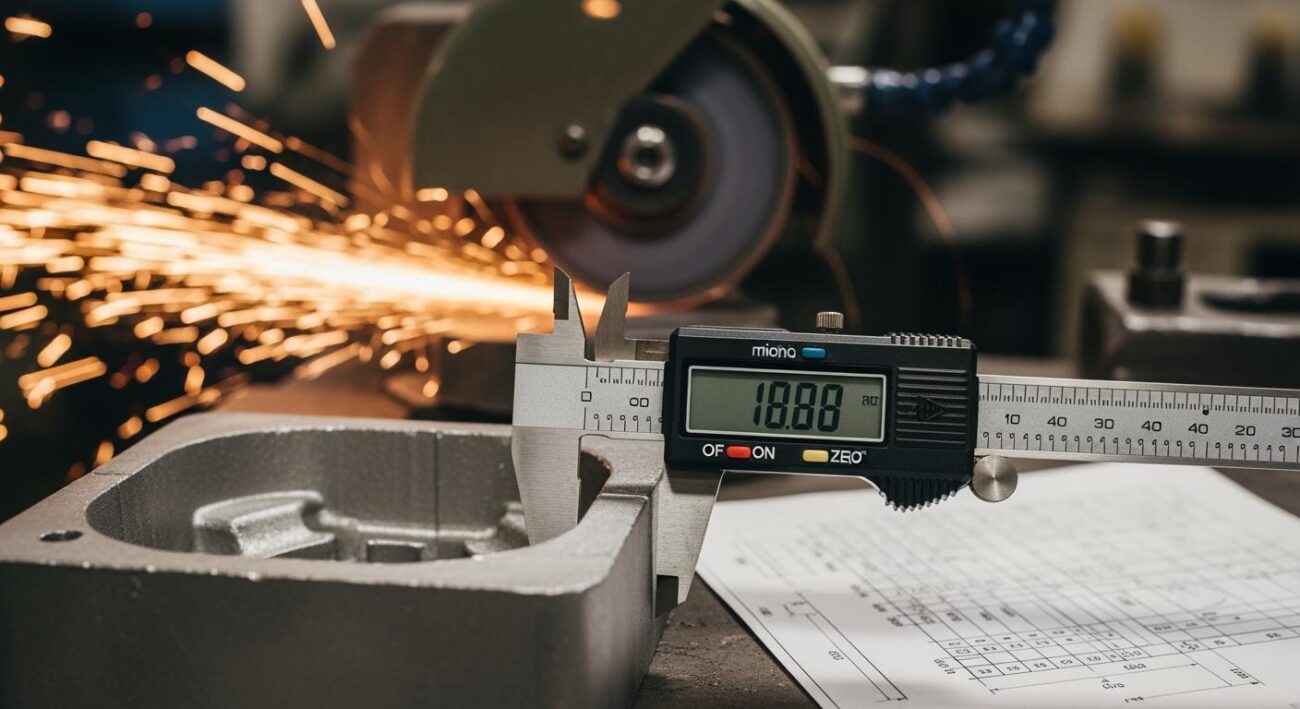
Do you struggle with stubborn surface defects in casting grinding? You can solve these problems by using full-process optimization. This approach helps you identify every surface issue before it affects your final product. Full-process optimization means you check each surface step, from raw casting to finished part, and you adjust your methods for the best results. The data shows that full-process optimization reduces rejection rate from 3.04% to 1.88% and lowers surface problems like pitting and flash by over 35%.
| Metric | Before Optimization | After Optimization | Improvement (%) |
|---|---|---|---|
| Rejection Rate | 3.04% | 1.88% | 38% |
| Pitting | N/A | Reduced by 38.07% | N/A |
| Flash | N/A | Reduced by 45.93% | N/A |
Aimgrind brings you advanced grinding solutions. CBN grinding wheels give you a smoother surface and better control. You gain higher quality and fewer surface errors by trusting experts. You can expect clear steps for full-process optimization that improve every surface you touch.
Key Takeaways
- Full-process optimization reduces casting defects by checking each step from raw casting to finished part. This approach can lower rejection rates significantly.
- Using CBN grinding wheels enhances surface quality and efficiency. These wheels provide smoother finishes and longer life, reducing overall costs.
- Regular maintenance of grinding equipment prevents defects and extends wheel life. Clean machines and inspect parts frequently to ensure smooth operations.
- Identifying and addressing common grinding issues like chatter, overheating, and surface defects is crucial. Use systematic troubleshooting to find root causes.
- Continuous improvement in the casting process leads to better quality. Review results regularly and implement small changes to enhance efficiency and reduce defects.
Why Full-Process Optimization Matters
Impact on Casting Quality
You want every casting to meet high standards. Full-process optimization helps you reach this goal. When you use a systematic approach, you can spot problems early and fix them before they affect the final product. You start by looking at the mold design. A good mold reduces the risk of surface defects and shape errors. You also check the mold ingate system. This step improves the flow of metal and lowers the chance of defects.
You can see the effect of these steps in industrial settings:
| Evidence Description | Impact on Quality |
|---|---|
| Integration of process knowledge into topology optimization and process simulations | Enhances overall quality of cast components |
| Optimization of mold design and ingate systems | Improves casting quality and reduces defects |
| Use of numerical simulations to analyze fluid flow and defect behavior | Provides insights into defect formation and process stability |
You also improve the surface by using the right grinding methods. Grinding removes rough layers and makes the surface smoother. Burnishing changes the microstructure under the surface. This step increases microhardness by up to 32% and makes the casting stronger. You also turn tensile stress into compressive stress, which helps the casting last longer.
Benefits for the Grinding Process
You gain many benefits when you optimize the grinding process. You make each step more efficient and consistent. You use data and technology to control the grinding process. This approach helps you keep the feed steady and the results repeatable.
Here are some key benefits you can expect:
- Faster cycle times mean you produce more castings in each shift.
- Lower scrap rates save material and money.
- Reduced tooling costs come from less need for fixturing.
You also see better labor use and less downtime. The grinding process becomes more cost-effective. You get higher quality and fewer errors. Aimgrind supports you with comprehensive solutions. The team helps you match grinding wheels and parameters to your mold and casting needs. You can trust Aimgrind to guide you through each process step for the best results.
Common Casting Grinding Problems
You face many common problems in grinding castings. Each issue affects the mold, surface, and finish of your parts. Aimgrind helps you diagnose these problems and improve your casting process.
Poor Surface Finish Issues
Poor surface finish is a frequent problem in casting grinding. You often see rough surface finish when the grinding wheel not cutting properly or when the mold leaves defects on the surface. Profilometer inspections show that cast parts with surface roughness above 125 RMS get rejected. The normal range for surface roughness is 60 to 200 RMS. You need a high-quality surface finish to meet industry standards and improve surface quality.
Chatter and Vibration
Chatter and vibration cause defects in the casting surface and finish. You notice these problems when the grinding wheel or mold setup is unstable. Experts say tool imbalances, lack of fixturing stiffness, non-isotropic part stiffness, out-of-round part centers, and worn equipment lead to vibration. Aimgrind’s diagnostic approach helps you find the source of vibration and correct it.
Grinding Burn and Overheating
Grinding burn and overheating damage the casting surface. You see discoloration, from straw yellow to blue or black, which means the grinding wheel not cutting efficiently. Temperatures can reach over 1000°C. Severe burn causes cracks and scrap parts. You must control grinding to avoid these defects and protect the mold.
Tip: Watch for color changes on the surface. Blue or black means deep damage.
Wheel Life and Wear
Grinding wheel life affects your casting process. Light grinding jobs last several months, but heavy grinding wears wheels every few weeks. Improper maintenance, excessive speed, and poor dressing cause wheel not cutting and premature wear. Aimgrind helps you select the right grinding wheel and maintain it for longer life.
Shape and Dimensional Errors
Shape and dimensional errors are casting defects that come from mold compliance and thermal expansion. You struggle to keep tight tolerances, especially on high-pressure sealing faces. Poor roundness and finish happen when the grinding wheel or mold setup is not correct. Aimgrind’s diagnostic tools help you plan and prevent these errors.
Porosity and Inclusions
Porosity and inclusions appear when you grind the casting and expose hidden cavities. These defects affect surface quality and performance, especially on critical surfaces like bearings. New detection methods, such as non-contact pneumatic sensors, help you spot porosity during grinding. Aimgrind supports you with advanced solutions for detecting and fixing these casting defects.
Note: Regular inspection and process monitoring help you catch defects early.
| Problem Type | Description | Solution |
|---|---|---|
| Safety | Non-reinforced cupstones pose safety risks. | Use reinforced grinding wheels for safety. |
| Costs | High cleaning room costs from inefficient products. | Consult Aimgrind for best abrasive selection. |
| Waste | Standard wheels discarded early due to glazing. | Choose wheels resistant to glazing for consistent performance. |
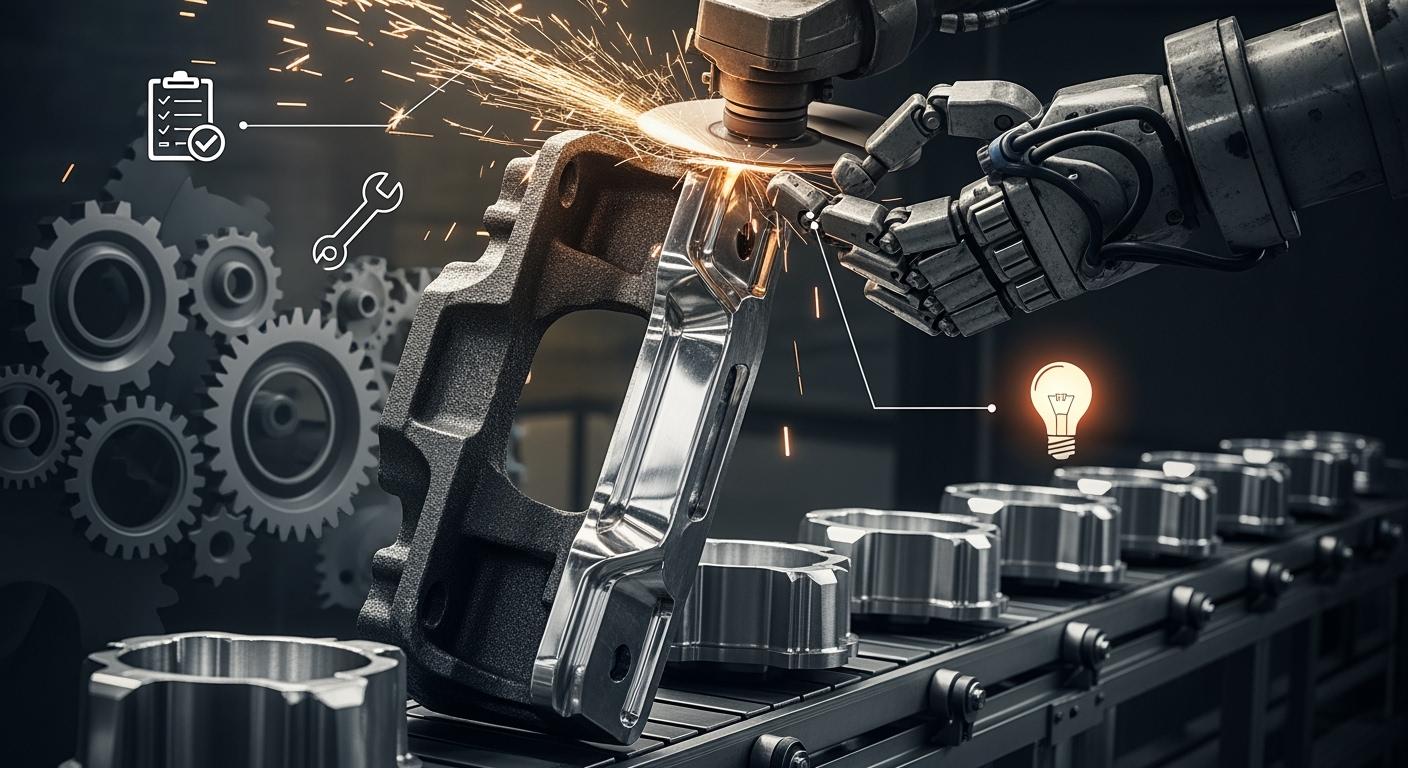
| Automation | Manual process upgrades are challenging. | Aimgrind offers support for automated grinding solutions. |
| Labor Shortage | Skilled labor shortages impact manual grinding. | Automated grinding improves efficiency and safety. |
Identifying and Diagnosing Grinding Issues
You need a clear process to find and solve problems in casting. Start by choosing a part to inspect, like an axisymmetrical aluminum casting. Set your goals for the inspection. Use customer standards to define what counts as a good part. Begin with a visual check to spot surface problems. If you see something wrong, ask “why” several times to find the real cause. This method helps you fix the root of the issue, not just the symptoms.
Surface Inspection for Poor Finish
You can use different tests to check the surface after grinding. Each test has its own strengths and limits.
| Inspection Technique | Description | Advantages and Limitations |
|---|---|---|
| Liquid Penetration Testing | Finds cracks and pinholes on smooth surfaces | Accurate for smooth surfaces; less so for rough ones |
| Eddy Current Testing | Detects defects below the surface up to 7mm | Shows position and depth; not visually descriptive |
| Magnetic Particle Testing | Uses magnets to find surface and near-surface defects | Works for many defects; some may not show if parallel to lines |
Aimgrind can help you choose the right inspection method for your casting defect detection needs.
Detecting Chatter and Vibration
You can use sensors to find vibration and chatter during grinding. These tools include accelerometers, microphones, and vibration sensors. They measure movement and sound to show if something is wrong.
| Sensor Type | Purpose |
|---|---|
| Dynamometer | Measures cutting forces |
| Accelerometer | Detects vibrations |
| Microphone | Captures acoustic signals |
| Vibration sensors | Monitors vibration levels |
| Acoustic emission | Detects sound emissions |
| Motor current sensor | Analyzes motor performance |
| Encoder signal | Tracks rotational position |
| Eddy current sensor | Measures displacement |
Aimgrind offers support in setting up these tools for your process.
Recognizing Burn and Overheating
You can spot overheating by looking for color changes on the casting. Thermal images also help. If you see blue or black marks, the temperature got too high. High heat can cause cracks and stress in the part. Watch for these signs to keep your casting safe.
Assessing Wheel Wear
Check your grinding wheel for wear. Look for small breaks, big cracks, or dull spots. Measure how much material you remove compared to how much the wheel wears down. Use sensors to track power and vibration. These steps help you know when to change the wheel.
Checking for Shape Defects
Use special tools to check the shape of your casting. AI vision systems find bulges or dips. 3D scanners measure the shape with high accuracy. X-ray inspection shows the inside of the casting and finds hidden problems.
| Measurement System | Accuracy | Defects Detected |
|---|---|---|
| AI Vision Systems | N/A | Bulging, taper deviation, off-corner depression |
| 3D Structured-Light Scanners | ±0.5 mm | Geometry & Shape Measurement |
| X-ray Inspection | N/A | Internal structures of castings |
Spotting Porosity and Inclusions
You can use liquid penetrant testing to find cracks and pores. Magnetic particle testing works for ferromagnetic castings. These methods help you find hidden defects without damaging the part.
Aimgrind supports you with expert advice and diagnostic services. You get help at every step, from inspection to finding the cause of problems.
Root Causes in the Grinding Process
Wheel Selection and Parameter Mismatch
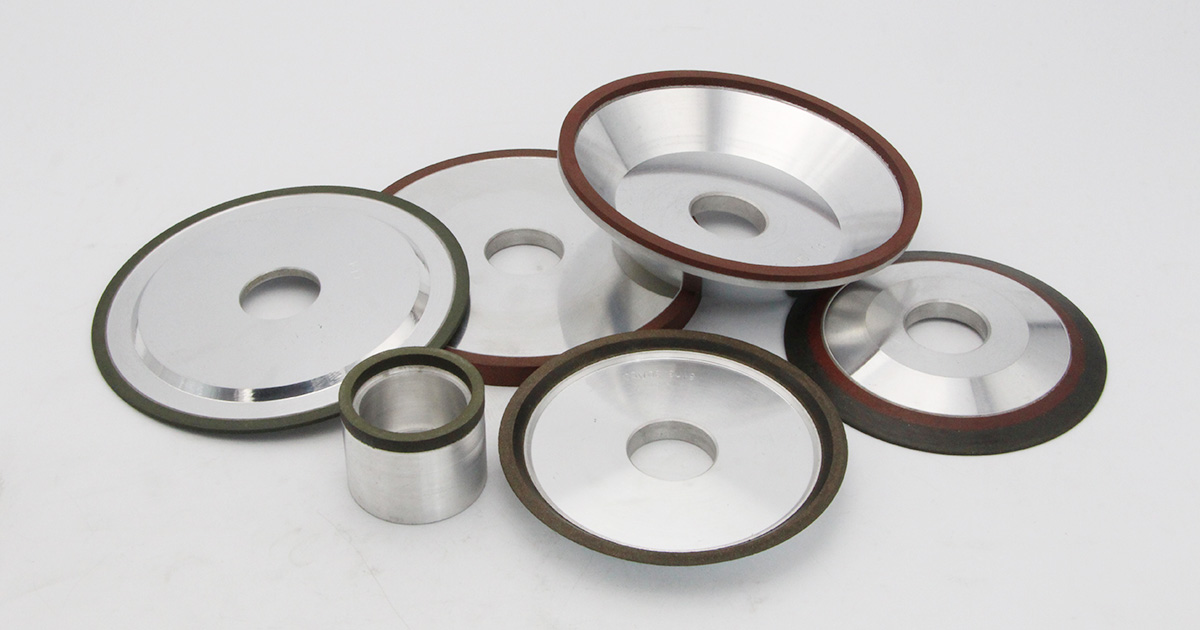
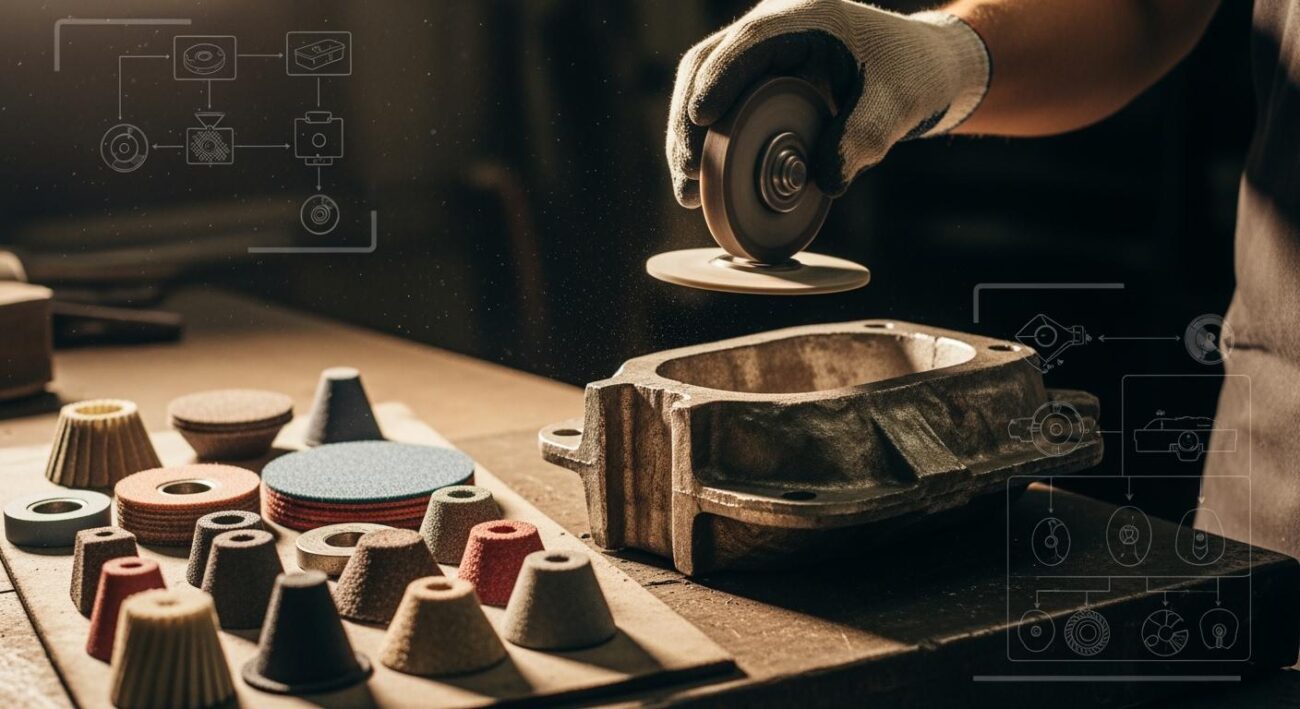
You must choose the right grinding wheel for each casting. If you use the wrong wheel or skip CBN grinding wheels, you risk surface defects and wheel life too short. Each mold has unique material and shape. You need to match the grinding wheel to the mold and casting defects. Aimgrind helps you select wheels that fit your casting and mold. You avoid rough finishes and shape errors by using the correct wheel and parameters.
Process Parameter Errors
You must set the right process parameters for each casting. Not all castings work well with precision grinding. You need to adjust speed, feed, and pressure based on mold material and casting defects. Common problems include low grinding efficiency, surface burn, and dimensional deviation. Overheating at certain spots causes grinding burns. Surface defects like oxidation burn, thermal softening, and residual stresses appear when temperatures rise too high. You prevent these defects by matching process parameters to the casting and mold.
- Overheating leads to grinding burns.
- Surface defects include oxidation burn and thermal softening.
- Main causes are thermal softening and re-hardening.
Equipment and Maintenance Issues
You must keep your equipment in good shape. Loose screws or damaged paper pads cause grinding wheel failure. Equipment failures, such as broken bearings or damaged chucks, make the grinding wheel hit the casting and create defects. Operational errors, like bumping the wheel against the casting, damage both the wheel and the mold. Poor adhesion or cracks in the grinding wheel lead to catastrophic failures. Regular maintenance prevents these problems and extends wheel life.
- Installation issues cause grinding wheel failure.
- Equipment failures lead to defects.
- Operational errors damage the casting and mold.
- Grinding wheel quality affects safety and performance.
Casting Defect Origins
Casting defects start in the mold and affect grinding later. Sand inclusions require extra chipping and grinding, often leading to scrapping the casting. Gas porosity weakens the casting and can cause catastrophic failure. Shrinkage defects hide inside the casting and escape visual checks. You must inspect the mold and casting for defects before grinding. Aimgrind supports you with diagnostic tools to spot casting defects early.
- Sand inclusions need extensive grinding.
- Gas porosity risks casting failure.
- Shrinkage defects escape visual inspection.
Tip: Always check the mold and casting for defects before grinding. Early detection saves time and prevents costly errors.
Solutions and Optimization Strategies
Improving Poor Surface Finish
You can improve the surface of your casting by following clear steps. These steps help you avoid defects and reach the finish you want. Operators need to know exactly what to do and when to stop. Here is a simple guide:
- Standardize angles and pressure windows. Keep your grinding operation within defined ranges. This prevents overcutting and underfinishing.
- Define grit progressions. Move through abrasive grits in logical steps. This helps you reach the target surface without unnecessary rework.
- Set a measurable “done” condition. Use a clear surface finish, scratch depth, or RA value. Operators know exactly when to stop.
- Make expectations visible. Provide visual or sample references. Every operator understands what a finished surface should look like.
You can use Aimgrind’s CBN grinding wheels for hard materials. These wheels give you a smoother surface and higher grinding efficiency. You get consistent results and fewer defects. Aimgrind helps you select the right wheel and process for your casting.
Tip: Show operators a sample part with the correct surface finish. This helps everyone aim for the same result.
Reducing Chatter and Vibration
Chatter and vibration can ruin the surface of your casting. You need to control these problems to keep your grinding operation stable. The table below shows proven methods:
| Method | Description |
|---|---|
| Proper Wheel Maintenance | Regularly maintain and dress the grinding wheel to keep it sharp and balanced. |
| Balancing and Mounting of Wheel | Balance and mount the grinding wheel correctly to prevent vibrations. |
| Optimal Workpiece Fixturing | Secure the workpiece properly and check for misalignments. |
| Use of Optimal Grinding Fluids | Use the right grinding fluid to cool, lubricate, and reduce friction. |
| Machine Condition and Setup | Maintain the grinding machine and optimize settings for each grinding operation. |
| Adjust Grinding Parameters | Change depth of cut, feed rates, and wheel speed to minimize chatter. |
| Use of Advanced Wheel Technologies | Choose special grinding wheels that reduce resistance and chatter. |
| Vibration Damping Techniques | Use anti-vibration mounts or pads to reduce machine vibrations. |
Aimgrind’s CBN grinding wheels help reduce vibration and chatter. You get a stable grinding operation and a better surface. You can consult Aimgrind for customized solutions that fit your casting and grinding needs.
Preventing Grinding Burn
Grinding burn damages the surface and weakens your casting. You need to control heat during grinding operations. Here are steps you can follow:
- Use grinding wheels with high thermal stability, like Aimgrind’s CBN wheels. These wheels keep the surface cooler and prevent burn.
- Set grinding parameters to avoid overheating. Lower feed rates and wheel speed if you see color changes on the surface.
- Dress the grinding wheel regularly. A sharp wheel cuts better and reduces heat.
- Use grinding fluids to cool the surface and remove heat.
- Monitor the process with thermal sensors. Stop grinding if you see blue or black marks.
You protect your casting and improve efficiency by following these solutions. Aimgrind can help you match grinding wheels and parameters to your casting.
Note: Grinding burn often starts with small color changes. Watch for yellow, blue, or black marks on the surface.
Extending Wheel Life
You can extend the life of your grinding wheel and save costs. Longer wheel life means fewer replacements and less downtime. Here are strategies that work:
- Increase the G-ratio. This means you remove more material with less wheel wear. Aimgrind’s CBN wheels offer high G-ratio and better material removal rate.
- Use innovative bond and wheel formulations. These prevent vibration and loading, keeping the wheel sharp.
- Dress the wheel regularly. Proper dressing keeps the wheel cutting and prevents glazing.
- Modify the grind program. Adjust power curves, feed rates, and dress parameters. This leads to faster grind cycles and reduced power consumption.
- Work with manufacturers like Aimgrind for tailored solutions. You get wheels that fit your casting and grinding operations.
You can achieve up to 34.2% cost savings and increase productivity by almost 49%. Aimgrind helps you optimize wheel life and grinding efficiency.
Correcting Shape and Dimensional Errors
Shape and dimensional errors affect the quality of your casting. You need to find the root cause and fix it. Here are actions you can take:
- Use a fishbone diagram to identify causes of defects like shrinkage porosity.
- Increase riser height in the mold to prevent shrinkage defects.
- Dress the grinding wheel to keep it sharp and accurate.
- Check machine setup and alignment before each grinding operation.
- Use Aimgrind’s diagnostic tools to plan and prevent errors.
You can minimize shape and dimensional errors by following these solutions. Aimgrind offers customized grinding wheels and process support for your casting.
Addressing Porosity and Inclusions
Porosity and inclusions are hidden defects that weaken your casting. You need to prevent and detect them during grinding operations. Here are successful techniques:
- Improve mold permeability. This helps gases escape and reduces porosity.
- Optimize gating systems. Proper metal flow minimizes voids.
- Use proper venting techniques. Position vents at last-fill areas to let gases out.
- Maintain vacuum pressure below 80 mbar before metal injection.
- Use shot sleeve vacuum systems to pull less than 50 mbar within 0.12 seconds.
- Apply vacuum assisted die casting with strategic mold venting.
- Dress the grinding wheel to expose hidden defects and check the surface.
- Use stringent quality control measures to prevent inclusions.
You can achieve higher yield rates and eliminate gas defects by following these solutions. Aimgrind supports you with advanced grinding wheels and process advice for your casting.
Tip: Regular inspection and process monitoring help you catch porosity and inclusions early.
You can solve casting defects and improve grinding efficiency by using Aimgrind’s CBN grinding wheels and consulting their experts. Aimgrind provides customized solutions for every casting and grinding operation. You get better surface quality, longer wheel life, and higher productivity.
Practical Tips for Full-Process Optimization
Systematic Troubleshooting
You can solve many casting problems by using a step-by-step approach. Start by looking for visible defects on each casting. Use a checklist to record what you find. Ask yourself questions like, “Where do these defects appear most often?” and “What changes when I adjust the process?” This method helps you find patterns and root causes. If you see the same defects on several castings, try changing one variable at a time. You will learn which step in the process creates the problem.
Tip: Keep a logbook for each casting batch. Write down every defect you see and what you did to fix it.
Preventive Maintenance
You can prevent many defects by taking care of your equipment. Clean your machines after every shift. Check grinding wheels for cracks or wear before you start. Replace worn parts right away. Lubricate moving parts to keep everything running smoothly. When you follow a regular maintenance schedule, you reduce the risk of sudden breakdowns. This keeps your casting process stable and helps you avoid unexpected defects.
| Maintenance Task | Frequency | Benefit |
|---|---|---|
| Clean equipment | Daily | Fewer defects |
| Inspect wheels | Before use | Safer casting process |
| Replace worn parts | As needed | Less downtime |
| Lubricate machines | Weekly | Smoother operation |
Continuous Improvement
You can make your casting process better over time. Review your results after each batch. Look for trends in defects and think about what you can change. Ask your team for ideas. Try new methods or tools, like Aimgrind’s support services, to solve tough problems. Set small goals, such as reducing one type of defect each month. Celebrate when you reach your goals. This habit helps you keep improving and stay ahead of casting challenges.
Note: Regular review and small changes lead to big improvements in casting quality.
You can improve every casting by focusing on full-process optimization. You find and fix defects before they harm the surface. You check each surface step and use the right grinding tools. You stop surface problems early and keep defects away from your final product. You get better results when you trust experts. Contact Aimgrind for advanced grinding solutions and keep your process strong. Review your process often to prevent new surface defects.
FAQ
What is full-process optimization in casting?
You check every step from raw casting to finished part. You look for problems early and fix them. This helps you get better quality and fewer defects.
How do CBN grinding wheels help with casting?
You use CBN grinding wheels to cut hard materials. These wheels last longer and keep the surface cooler. You get smoother finishes and save time.
How can you spot surface defects during grinding?
You look for color changes, cracks, or rough spots on the surface. You can use special tests like liquid penetration or magnetic particle testing to find hidden problems.
Why does preventive maintenance matter?
You keep your machines clean and check parts often. This stops sudden breakdowns. You avoid defects and keep your casting process safe.
Can you improve casting quality with better grinding tools?
You can improve casting quality by choosing the right grinding tools. Good tools help you get smooth surfaces and reduce errors.
Contact Us
For More Grinding Solution or Customized Abrasive Tools