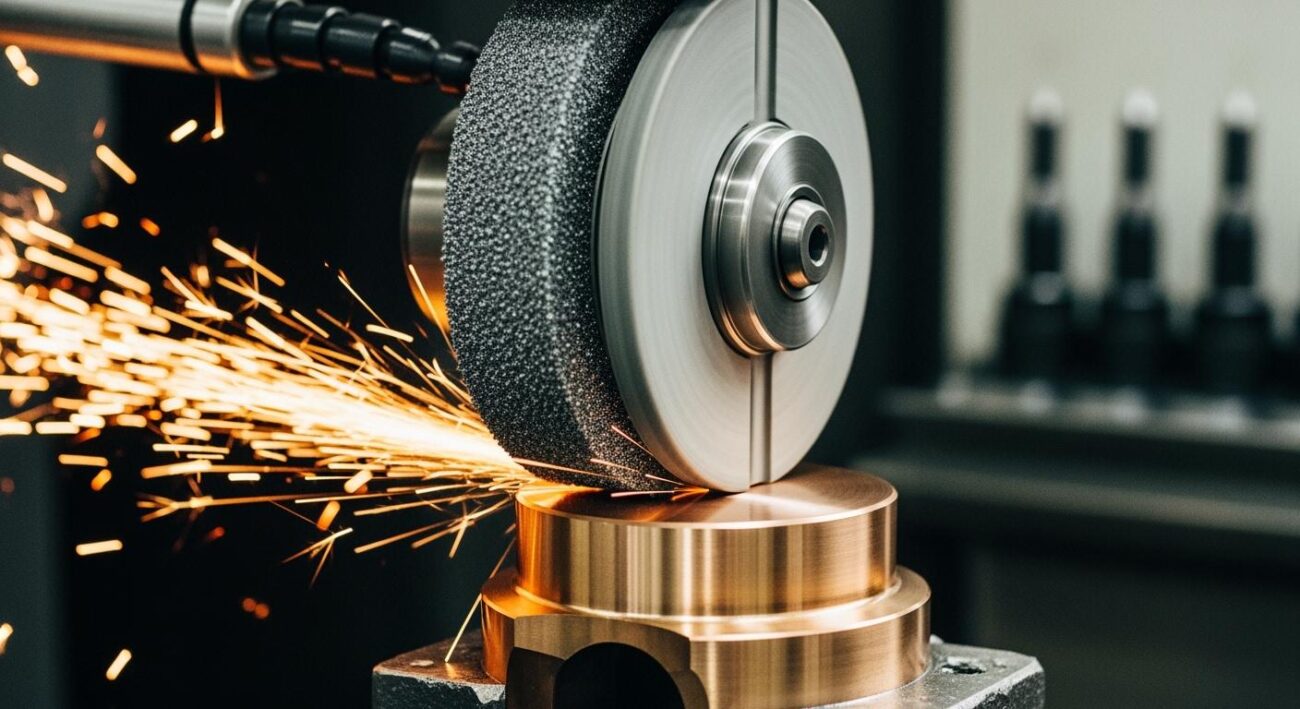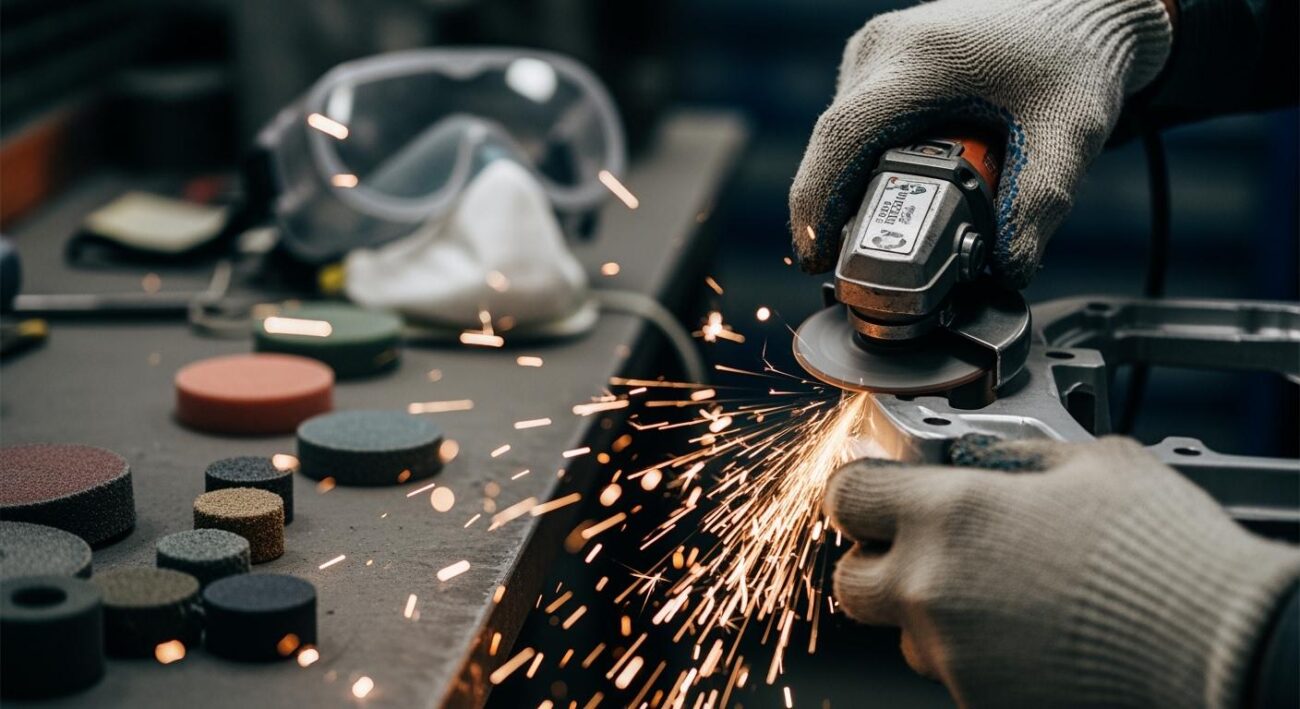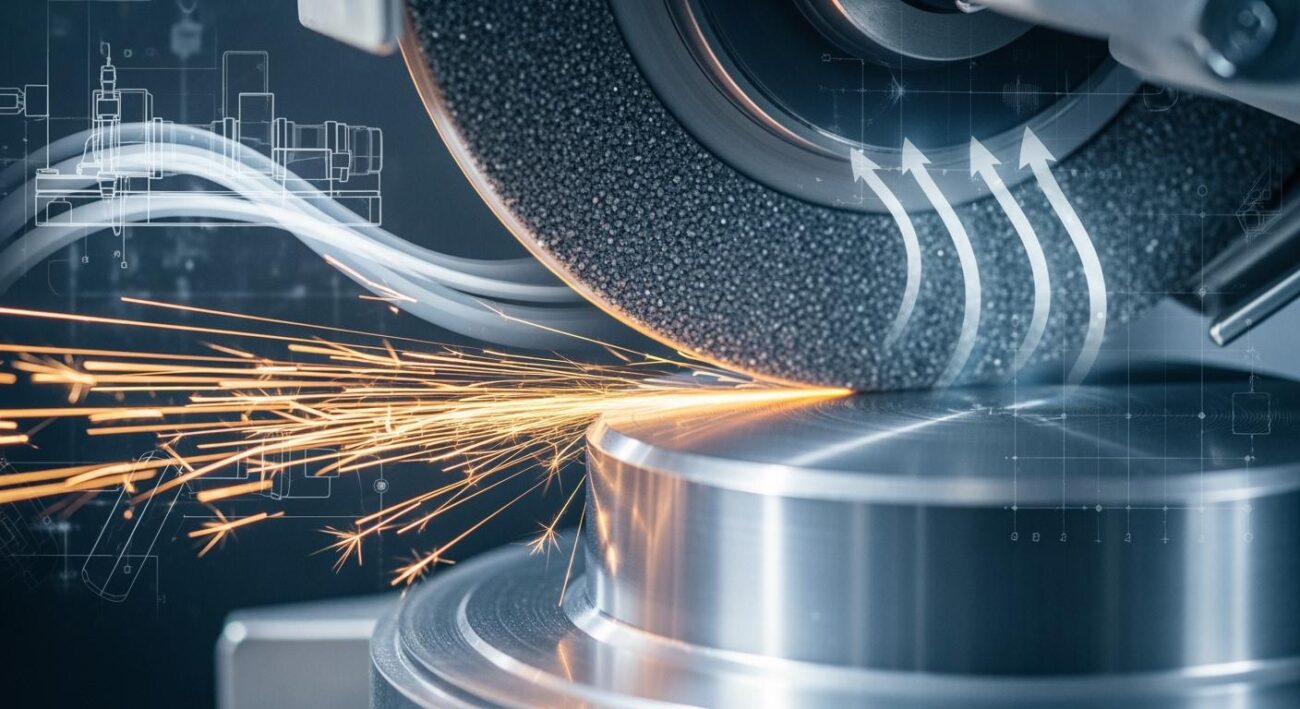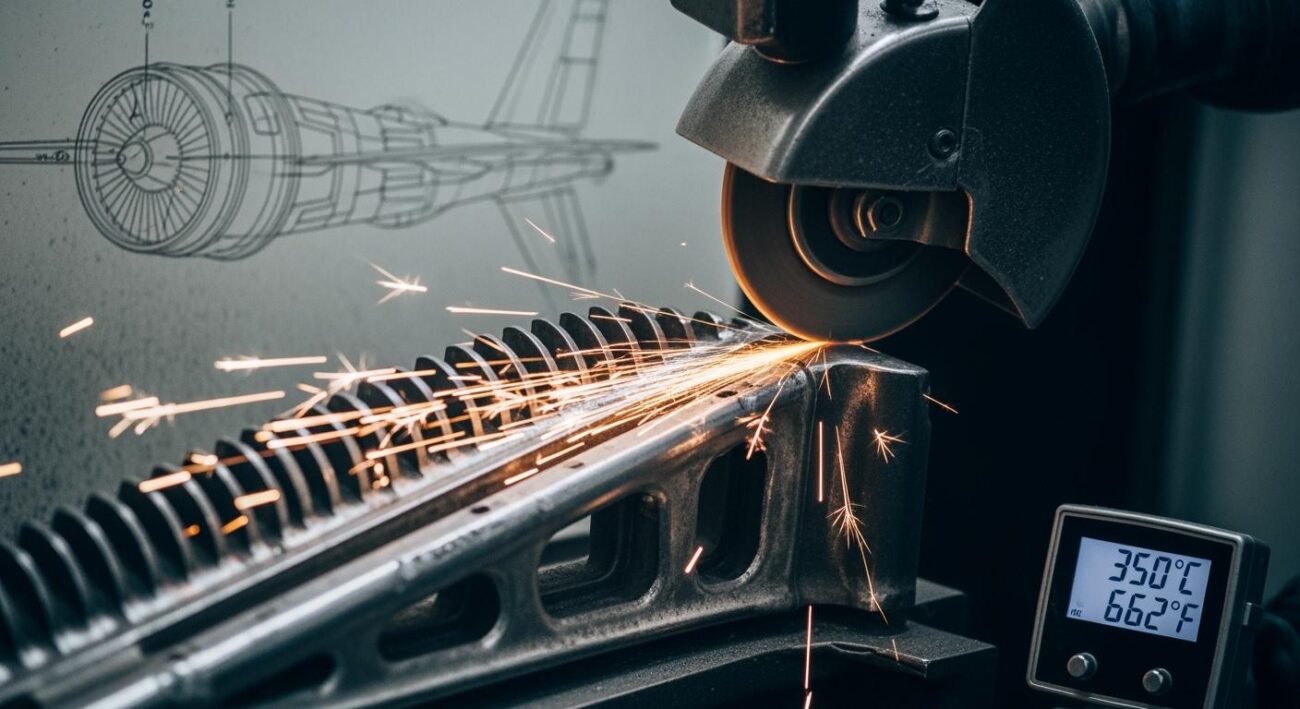
You face real challenges when you try to control grinding deformation in thin-walled aluminum alloy parts. Aluminum has unique properties that make it easy to machine but also prone to deformation. This can cause problems with quality and increase costs if not managed well. The anisotropic nature of aluminum means the mechanical properties change with the rolling direction. You need advanced grinding solutions to keep your aluminum parts precise and stable. Aimgrind offers customized diamond grinding wheels that help you reduce deformation and improve the final quality of your aluminum alloy thin-walled parts.
Key Takeaways
- Separate roughing and finishing steps to minimize deformation and improve surface quality.
- Use proper clamping techniques to evenly distribute force and prevent bending of thin-walled parts.
- Monitor temperature and apply coolant effectively to reduce heat buildup during grinding.
- Implement real-time monitoring to catch deformation early and adjust machining parameters as needed.
- Choose the right diamond grinding wheels to enhance efficiency and maintain the quality of aluminum parts.
Key Strategies for Grinding Deformation Control
Immediate Actions for Thin-Walled Parts
You can take several immediate steps to control grinding deformation in thin-walled parts. These actions help you keep your aluminum parts stable during machining and improve the final quality.
- Use roughing and finishing in separate steps. Start with reverse milling for roughing, then switch to down milling for finishing. This approach helps you minimize deformation and achieve better surface quality.
- Apply the right clamping techniques. Make sure the clamping force is strong enough to hold the part but not so strong that it causes deformation. For thin-walled parts, you can use vacuum suction cups or axial end face clamping to spread the force evenly.
- Drill holes before milling. This step improves chip removal and reduces heat buildup, which helps prevent deformation during the process.
- Choose a cutting speed that balances efficiency and temperature control. High speeds can raise the temperature and cause thermal deformation, so adjust the speed to keep the part cool.
- Remove material gradually. Use rough, semi-finish, and finish machining steps. This method reduces the impact of internal stress and helps you avoid sudden deformation.
- Machine both sides of the part symmetrically. Removing material evenly from both sides prevents stress from building up in one area.
- Preheat the workpiece before machining. Uniform preheating relieves internal stresses in the aluminum alloy and lowers the risk of deformation.
- Use intermittent annealing during the process. This step further reduces the chance of deformation by relaxing the material.
- Apply coolant throughout the process. Coolant keeps the temperature low and improves the stability of the part.
- Monitor the part in real time. Watch for any signs of deformation and adjust your process parameters, such as cutting depth and feed rate, as needed.
- Loosen the clamping before reaching the final dimensions. This action allows the part to return to its original shape and reduces residual stress.
Tip: Always check the part after each machining step. Early detection of deformation lets you correct it before it affects the final product.
Practical Tips for Aluminum Parts
You can use several practical tips to minimize deformation when working with aluminum parts. These tips help you maintain precision and improve production efficiency.
- Reduce the internal stress of the blank. Use natural or artificial aging and vibration treatment to stabilize the material before machining.
- Select tools with the right geometric parameters. A larger rake angle reduces cutting deformation and makes the process smoother.
- Improve the tool structure. Use milling cutters with fewer teeth and larger chip spaces. This design helps remove chips quickly and lowers the risk of deformation.
- Monitor tool wear closely. Replace tools before the wear exceeds 0.2 mm. Worn tools increase the chance of deformation and lower cutting efficiency.
- Use improved clamping methods. Axial end face clamping and vacuum suction cups provide uniform force and protect thin-walled components from damage.
- Choose a larger helix angle for your tools. This angle makes milling smoother and reduces the force on the part.
- Lower the principal deviation angle to improve heat dissipation. Better heat control keeps the aluminum cool and stable during cnc machining.
Note: Consistent monitoring and adjustment during the process help you maintain the shape and quality of your aluminum alloy parts.
By following these strategies and tips, you can control grinding deformation, protect your thin-walled parts, and achieve high-quality results in your production.
Causes of Grinding Deformation in Thin-Wall Aluminum Parts
Material Properties and Residual Stress
You need to understand how the properties of aluminum and its residual stress affect grinding deformation. Aluminum is soft and lightweight. It reacts quickly to heat and force during machining. When you work with a thin-wall aluminum part, the material can bend or twist easily. This happens because the microstructure changes during thermomechanical processes. These changes can make the part stronger or weaker.
| Evidence | Description |
|---|---|
| Thermomechanical processes | These processes modify the microstructure of aluminum alloys, affecting their corrosion resistance and strength. |
| Residual stress impact | Residual stress can lead to non-uniform plastic deformations, which may result in sudden failures during service. |
| Additive Manufacturing | The process leads to a hardness gradient influenced by thermal history and precipitation strengthening mechanisms. |
| Plastic deformation | Extreme plastic deformation results in a refined equiaxed grain structure, affecting the material’s performance. |
| Ultrasonic Impact Treatment (UIT) | UIT induces severe plastic deformation, creating a residual stress layer that enhances fatigue life. |
| Mechanical strengthening | This process improves strength, hardness, and fatigue resistance, counteracting tensile stresses and inhibiting crack propagation. |
Residual stress builds up inside aluminum during manufacturing. This stress can cause the part to change shape when you grind it. You may see sudden deformation or cracks. You can use treatments like ultrasonic impact or mechanical strengthening to help control these stresses. These treatments make the aluminum alloy stronger and less likely to deform.
Process-Induced Factors
You also need to look at how your machining process affects deformation. When you grind or cut aluminum, you create heat and force. Thin-wall aluminum parts cannot handle much heat or force. The part may warp or bend. If you use high-speed machining, the temperature rises fast. This can cause machining deformation.
You must choose the right grinding tools and control the process. If you use too much force or speed, the part will deform. You can reduce deformation by using proper cooling and by removing material slowly. You should monitor the parts during machining. This helps you catch any deformation early and adjust your process.
Tip: Always check the shape of your thin-wall aluminum part after each step. Early detection helps you fix problems before they get worse.
Material Pre-Treatment for Thin-Walled Parts
Stress Relief Methods
You can reduce the risk of deformation in thin-walled aluminum parts by using stress relief methods before grinding. One common approach is to create a stress relief groove on the blank. After you cut this groove, remove the part from the worktable and let it rest for one to two hours. This natural aging step helps the part release built-up stress. When you return to machining, the part will be more stable and less likely to change shape.
Stress-relief annealing is another effective method. This process can lower residual stress in aluminum from about 350 MPa to below 50 MPa. You can also try deep cryogenic aging. This method changes surface residual tensile stress into compressive stress, which can reach values below -150 MPa. These treatments make the parts stronger and less likely to deform during grinding.
You should also use optimized machining strategies. For example, start machining from the center and move outward. This approach helps spread out the stress. Use symmetrical machining and remove material in layers. Adjust your cutting parameters to keep heat low. These steps all help keep your aluminum parts in the right shape.
Tip: Always allow time for natural aging after stress relief steps. This gives the material a chance to stabilize before you continue.
Aging and Stabilization
Aging treatments play a key role in making aluminum alloy parts stronger and more stable. When you use aging, you heat the material at a set temperature for a certain time. For example, the T6 treatment heats the part at 120 °C for 24 hours. This process spreads tiny particles evenly through the material. These particles make the part stronger and less likely to deform.
Multi-stage aging can also help. It lowers the number of defects inside the material and removes leftover stress. This makes the parts more resistant to deformation during grinding. Direct aging works well for some alloys, like Scalmalloy. It avoids problems that can come from traditional heat treatments.
By using these pre-treatment methods, you prepare your aluminum parts for grinding. You lower the risk of deformation and improve the quality of your finished product.
Tool and Grinding Wheel Selection with Aimgrind
Choosing Diamond Grinding Wheels
You need to select the right grinding wheel for thin-walled aluminum parts. Aimgrind specializes in custom diamond grinding wheels that match your process and equipment. These wheels help you control deformation and achieve a smooth surface on your aluminum alloy parts.
When you choose a diamond grinding wheel, consider these criteria:
- Use fine grit wheels, usually 400 to 600 US Mesh. This range gives you a chipless cut and a polished finish.
- Fine grit wheels lower the surface roughness. This reduces friction and helps you avoid unwanted deformation.
- A polished tooth face prevents material from sticking. Aluminum chips slide off easily, which keeps your parts clean and precise.
Aimgrind diamond grinding wheels offer clear advantages over conventional wheels. You can see the differences in the table below:
| Advantage | Aimgrind Diamond Wheels | Conventional Grinding Wheels |
|---|---|---|
| Abrasive Material | Ultra-hard diamond powder | Standard abrasive materials |
| Service Life | Up to 80x longer than resin wheels | Shorter lifespan |
| Grinding Efficiency | High efficiency & stable dimensions | Lower efficiency |
| Environmental Impact | Minimal dust, odor & heat | Higher dust and heat generation |
| Application Suitability | Ideal for high-speed, high-precision tasks | Limited to standard applications |
You get longer service life, higher efficiency, and better results for your aluminum parts.
Optimizing Wheel Grit and Bond Type
You must also optimize the grit and bond type of your grinding wheel. The right combination helps you reduce deformation and keep your parts accurate.
| Property | Impact on Grinding Process |
|---|---|
| Hardness | Softer bonds allow the wheel to self-sharpen, which works well for aluminum. |
| Toughness | Tough bonds handle the forces from grinding without breaking down. |
| Thermal Conductivity | Bonds that keep the wheel cool prevent overheating and protect thin-walled parts from deformation. |
| Dimensional Accuracy | Rigid bonds resist wear and keep tight tolerances, so your parts stay within specification. |
Aimgrind can help you match the best grit and bond type for your aluminum alloy parts. You get a stable process and a high-quality surface every time.
Tip: Always consult with Aimgrind’s experts to select the right wheel for your application. The right choice makes a big difference in quality and efficiency.
Machining Techniques for Thin-Wall Aluminum Parts
Layered and Symmetric Cutting
You can improve the quality of thin-walled aluminum parts by using layered and symmetric cutting. When you use these techniques, you help control temperature and stress during machining. Thin-walled aluminum parts often change shape because of rapid temperature changes. This can cause warping or uneven surfaces. Layered cutting means you remove material in small steps. Each layer helps spread out the heat and stress. Symmetric cutting means you work on both sides of the part at the same time. This keeps the heat balanced and stops one side from getting too hot.
When you use symmetric machining, you prevent heat from building up in one area. This helps the part keep its shape. Layered processing spreads the stress across the whole part. You lower the risk of deformation and get a better surface finish. You can also use drilling then milling to help with chip removal and keep the part cool. These methods work well in cnc machining and help you reach high cutting efficiency.
Tip: Always check both sides of your part after each cutting step. This helps you catch any problems early.
Incremental Grinding Passes
Incremental grinding passes give you more control over the machining process. You remove a small amount of material with each pass. This method works well for thin-walled parts because it lowers the force on the part and keeps it from bending. You protect the geometric shape and keep the surface smooth.
Here is how incremental grinding passes help you:
| Key Points | Description |
|---|---|
| Lightweight Characteristics | Thin-walled components are lightweight and important in industries like aerospace and transport. |
| Susceptibility to Deformation | Low stiffness makes these parts easy to deform during machining, which affects precision. |
| Research Focus | Many studies focus on controlling deformation to improve machining efficiency and accuracy. |
- Pressure-assisted milling can make the part stronger during machining.
- You can reduce the maximum deflection by up to 80%. For example, deflection can drop from over 1.0 mm to just 0.2 mm.
- This method stops plastic deflection and keeps your machining process stable.
When you use incremental grinding passes, you get better results and protect your aluminum parts from unwanted deformation.
Temperature and Coolant Control
Coolant Application
You need to control temperature during grinding to protect aluminum parts from deformation. Coolant plays a key role in this process. When you use cooling minimum quantity lubrication (CMQL), you lower the thermomechanical loads on your parts. This method helps you keep the temperature down and reduces tensile residual stresses. Lower temperatures prevent distortion and improve the fatigue strength of your components.
You can see the benefits of different cooling methods in the table below:
| Method | Improvement in Flatness (%) | Increase in Milling Force (%) |
|---|---|---|
| Traditional Milling | N/A | N/A |
| Ice-Fixation Method | 16.4% to 60.0% | 5.8% to 40.3% |
Coolant also helps you remove chips and keeps the grinding area clean. You should apply coolant directly to the contact zone. This action prevents overheating and keeps the surface finish smooth.
Tip: Always check the coolant flow during grinding. Proper application protects your aluminum parts and keeps the process stable.
Minimizing Thermal Effects
Heat can cause deformation in thin-walled aluminum parts. Even small changes in temperature can lead to dimensional inaccuracies. Aluminum has a high thermal expansion rate, so you must pay close attention to thermal effects.
You can follow these best practices to minimize heat:
- Separate roughing and finishing steps. Remove bulk material quickly, then let the part cool before taking light finishing passes.
- Use high-quality coolant and control the ambient temperature in your workspace.
- Monitor the temperature of your machine and parts during grinding.
The table below shows how material type affects the approach:
| Material Type | Primary Challenge | Recommended Approach |
|---|---|---|
| Aluminum Alloys | High Thermal Expansion | Use high-quality coolant, control ambient temp, take finishing passes. |
Note: Heat from the cutting process, machine, or environment can affect precision. You need to manage temperature carefully to avoid deformation.
By using these strategies, you protect your aluminum parts from unwanted changes and achieve better results in grinding.
Clamping and Fixturing for Thin-Walled Parts
Reducing Clamping Force
You need to pay close attention to how you clamp thin-walled aluminum parts. If you use too much force, you can squeeze the walls and cause deformation. This is like pressing on a plastic bottle. The walls bend, and when you release the pressure, the shape changes. Even a small misalignment during clamping can lead to big problems with flatness. You may see inaccuracies in the final dimensions after grinding.
Here are some important points to remember:
- Over-clamping can distort thin sections and lead to errors after machining.
- Cantilever setups may cause bending moments, which create chatter marks and dimensional issues.
- Clamping force can flex thin-walled parts, making it hard to keep the correct shape.
- Misalignment of just 0.1mm can result in significant deviations in flatness.
You should use gentle and even pressure. Try to spread the force across the whole surface. This helps you keep the aluminum stable and reduces the risk of deformation. Proper clamping also improves surface finish and tool life. You protect your parts from damage and avoid costly mistakes.
Tip: Always check your clamping setup before you start grinding. Small changes can make a big difference in quality.
Adaptive Fixtures
Adaptive fixtures help you prevent deformation during grinding. These fixtures adjust to the shape of your aluminum parts. They use special materials that change with temperature or pressure. The fixture follows the movement of the workpiece, so you get better accuracy.
| Evidence Description | Contribution to Deformation Prevention |
|---|---|
| The adaptive clamp system utilizes phase change materials to adjust clamping positions dynamically. | Minimizes elastic deformation during machining of thin-walled aluminum parts. |
| The system follows the deformation of the workpiece. | Improves machining accuracy and reduces overall deformation. |
| The clamp system could avoid elastic deformation caused by re-clamping. | Ensures consistent clamping without introducing additional deformation. |
You can use adaptive fixtures to keep your parts stable. The fixture changes as the part moves, so you avoid extra stress. This method helps you get consistent results and high-quality surfaces.
Note: Adaptive fixtures are a smart choice for thin-walled aluminum parts. They help you control deformation and improve your grinding process.
Machining Path Optimization
Dynamic Toolpaths
You can improve the quality of aluminum parts by using dynamic toolpaths during machining. These toolpaths change direction and speed based on the shape of your parts. When you use dynamic toolpaths, you spread the cutting force evenly. This helps you avoid sudden deformation and keeps your parts accurate.
You should plan your cutting steps carefully. Start with rough cutting to remove most of the material. Then, use fine cutting to finish the surface. This method increases cutting efficiency and lowers the risk of errors. You can also adjust the toolpath to avoid thin areas that may bend or twist. When you use the right toolpath, you protect your aluminum parts from damage.
Tip: Always check your toolpath before you start machining. A good plan saves time and reduces mistakes.
Simulation and Planning
You can use simulation and planning tools to predict how your machining process will affect deformation. These tools let you see what will happen before you start cutting. You can test different toolpaths and find the best one for your aluminum parts.
- Simulation models can show how the contact between the tool and the part changes over time. This helps you optimize your process.
- You can use these tools to monitor tool wear and predict the surface quality of your parts.
- Digital modeling lets you plan the condition of your grinding wheel using data, not just experience.
- Simulated wheel surfaces match real ones very closely, so you can trust the results.
- You can study how grain size and shape affect deformation. This helps you make better choices for your machining process.
When you use simulation and planning, you lower the chance of mistakes. You get better results and protect your aluminum parts from unwanted changes.
Note: Simulation tools help you plan every step. You can avoid surprises and keep your machining process under control.
Post-Treatment and Stress Relief for Aluminum Parts
Low-Temperature Annealing
You can use low-temperature annealing to protect your aluminum parts from unwanted deformation after grinding. This process helps you remove the residual stress that builds up during machining. When you heat the aluminum at a low temperature, the material relaxes. The part keeps its shape and size. You get better dimensional accuracy and a stronger structure. Low-temperature annealing is important for thin-walled aluminum alloy parts. It makes sure your production stays on track and your parts meet quality standards. You can trust this method to keep your surface smooth and your parts stable.
Tip: Always check the temperature and time during annealing. Careful control gives you the best results for your aluminum parts.
Mechanical Stress Relief
You can use several mechanical stress relief techniques to reduce deformation in aluminum after machining. These methods help you keep your parts strong and accurate. The table below shows some common techniques and their key details:
| Technique | Purpose | Key Parameters |
|---|---|---|
| Stress-Relief Annealing | Balances mechanical strength and stress relief, reducing residual stress | Heating rate ≤ 100°C/h, holding time based on thickness, controlled cooling |
| Optimized Machining Parameters | Minimizes heat generation and cutting forces | Reduce cutting depth and feed rate, use high-speed machining, keep tools sharp |
| Deep Cryogenic Aging | Converts tensile stress to compressive stress | Three-step cycle: -185 °C for 1 hour, 100 °C for 30 min, 185 °C for 2 hours |
You can also follow these steps for better results:
- Preheat the workpiece to release internal stresses before you start.
- Use intermittent annealing during machining to keep the material stable.
- Finish with a final heat treatment to lock in the shape and reduce deformation.
When you use these methods, you help your aluminum parts stay strong and precise. You improve the quality of your production and make sure your parts last longer.
Process Parameter Optimization and Monitoring
Adjusting Grinding Parameters
You can control grinding deformation in aluminum parts by adjusting your process parameters. Start by choosing the right cutting tool geometry. Use milling cutters with fewer teeth and larger chip spaces. This design helps you reduce cutting deformation, especially since aluminum has high plasticity. Always monitor tool wear. If the wear exceeds 0.2 mm, you risk higher surface roughness and more heat, which can lead to deformation. Keep the temperature of your workpiece below 100°C during machining. High temperatures can cause aluminum to change shape.
Aimgrind diamond grinding wheels work best when you match them with the correct process parameters. You get better results when you use Aimgrind’s expertise to select the right wheel and adjust your grinding speed, feed rate, and depth of cut. Aimgrind offers a comprehensive service that helps you match parameters for your specific cnc machining setup. This approach improves machining efficiency and keeps your production stable.
| Method | Description |
|---|---|
| Cutting Tool Geometry | Reduce the number of teeth and increase chip space to minimize cutting deformation. |
| Tool Wear Monitoring | Monitor tool wear to keep surface roughness low and prevent excessive heat. |
| Clamping Methods | Use rigid clamping like axial end face clamping for thin-walled parts. |
| Vibration Control | Divide the cnc machining process into stages to manage vibrations and improve surface quality. |
Real-Time Deformation Monitoring
You need to monitor deformation in real time during machining. Use sensors and digital tools to track changes in your aluminum parts as you grind. Watch for any signs of bending or warping. If you see changes, adjust your process right away. This helps you avoid defects and keeps your parts within tolerance.
- Monitor cutting tool wear to prevent rough surfaces and high temperatures.
- Make sure the temperature of your aluminum parts stays low.
- Use clamping methods that provide strong support for thin-walled parts.
Aimgrind can help you set up real-time monitoring systems. Their team works with you to optimize your process and keep grinding deformation under control. You protect your production quality and reduce waste by catching problems early.
Tip: Regular monitoring and quick adjustments help you maintain high-quality aluminum parts and improve your overall process.
You can control grinding deformation in thin-walled aluminum parts by using smart process strategies. Choose the right tools and monitor your steps to keep quality high. Aimgrind’s diamond grinding wheels help you achieve precise results. Review your current methods and make changes where needed. For the best support, reach out to Aimgrind for customized solutions that protect your aluminum parts and improve your quality.
FAQ
What causes grinding deformation in thin-walled aluminum parts?
You see deformation when heat, force, or residual stress builds up during grinding. Thin walls bend easily. You must control temperature and stress to keep your parts accurate.
How do Aimgrind diamond grinding wheels help reduce deformation?
Aimgrind diamond grinding wheels cut smoothly and stay sharp. You get less heat and friction. Your parts keep their shape and surface quality.
What is the best way to clamp thin-walled aluminum parts?
You should use gentle, even pressure. Vacuum suction cups or adaptive fixtures work well. These methods protect your parts from bending or twisting.
Why is coolant important during grinding?
Coolant keeps your parts cool. You avoid overheating and reduce stress. Your aluminum parts stay stable and precise.
Can you customize grinding wheels for special aluminum alloys?
Yes! Aimgrind offers custom grinding wheels. You can match the wheel to your alloy and process. This gives you the best results for your parts.
Contact Us
For More Grinding Solution or Customized Abrasive Tools