Grinding magnesium alloys requires special care. Magnesium can catch fire easily and create dangerous dust. You need the safest abrasive solutions for this job. Aimgrind offers super hard abrasives like diamond and CBN that help you grind magnesium safely and efficiently. Choosing a specialized brand like Aimgrind gives you access to customized tools that fit your process and keep you safe every step of the way.
Key Takeaways
- Always choose specialized abrasives like diamond or CBN for grinding magnesium alloys. These options reduce fire risks and last longer.
- Use ethanol-based lubricants instead of water to prevent dangerous reactions. This keeps temperatures low and enhances safety.
- Implement proper ventilation and wear personal protective equipment (PPE) to protect against harmful dust and sparks during grinding.
- Regularly inspect your grinding equipment and workspace. Good maintenance prevents accidents and ensures optimal performance.
- Follow strict safety protocols, including having a Class D fire extinguisher nearby. This prepares you for emergencies and keeps your workspace secure.
Magnesium Alloy Grinding Risks
Flammability Hazards
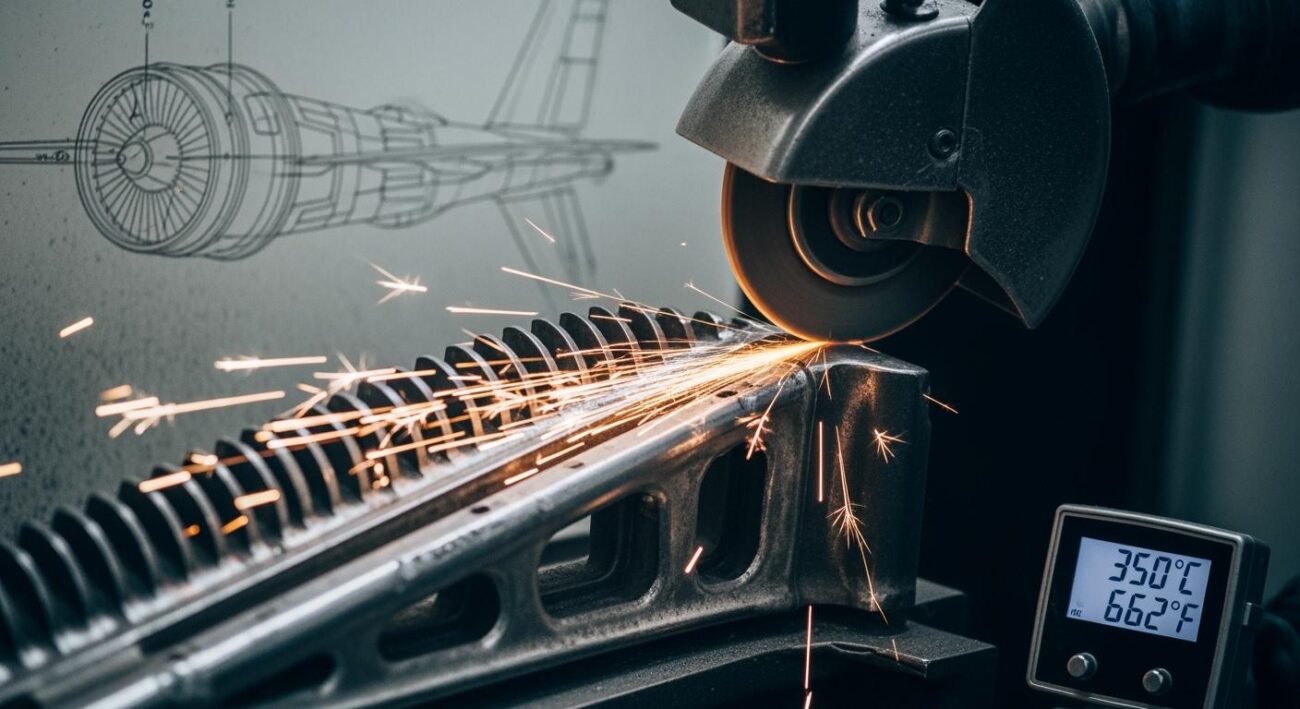
You face a serious fire risk when grinding magnesium alloys. Fine chips and dust from grinding can ignite easily. Research shows that magnesium alloys have high flammability, which has led to strict safety rules in many industries. Some alloys, like WE43, resist ignition better than others, but all magnesium alloys need careful handling. The danger increases with smaller particle sizes. For example, the minimum ignition temperature drops from 700 °C to 550 °C as the particles get finer. This means that grinding, which creates fine dust, makes the risk even higher. You must always use proper safety measures to prevent fires.
| Risk Type | Description |
|---|---|
| Fire Hazards | Fine chips and dust from machining are highly flammable, posing a significant fire risk. |
| Tool Wear | Magnesium alloys cause faster tool wear due to their softness and abrasiveness. |
| Heat Generation | Poor thermal conductivity leads to excessive heat, affecting tool life and workpiece integrity. |
| Surface Finish Deformation | Machining can lead to burr formation and distortion, complicating the achievement of quality finishes. |
Dust and Health Risks
Grinding magnesium alloys creates dust that can harm your health. You may breathe in fine particles, which can irritate your lungs and eyes. To stay safe, you should use local exhaust ventilation systems. You also need personal protective equipment like respirators, gloves, and safety goggles. Regular air quality checks help you know if the dust levels are safe. These steps protect you and everyone in your workspace.
- Exposure to metal dust, including magnesium alloy dust, poses several health risks due to fine particle size and potential for dust generation.
- Recommended safety measures include using local exhaust ventilation systems and personal protective equipment (PPE) such as respirators, gloves, and safety goggles.
- Regular air quality monitoring is essential to assess exposure levels and ensure compliance with safety standards.
Why Standard Abrasives Fail
Standard abrasives often do not work well for magnesium alloy grinding. They can create too much heat and spark, which increases the risk of fire. These abrasives also wear out quickly because magnesium is both soft and abrasive. You need abrasive solutions that stay cool and last longer. Specialized options, like those from Aimgrind, help you grind safely and keep your workspace secure.
Abrasive Solutions for Magnesium Alloys
When you grind magnesium alloys, you need to choose the right abrasive solutions. The right choice keeps you safe and helps you get the best results. Let’s look at the safest options and see why Aimgrind’s products stand out.
Silicon Carbide and Alumina Options
You can use silicon carbide and alumina abrasives for magnesium alloy grinding. Silicon carbide has sharp grains that cut quickly and stay cool. This helps you avoid heat buildup, which can cause fires. You will find silicon carbide wheels in many shops because they work well for soft metals like magnesium.
Alumina, also called aluminum oxide, is another good choice. It is tough and resists wear. You can use alumina wheels for general grinding tasks. They last longer than some other abrasives. Both silicon carbide and alumina help you control dust and reduce the risk of sparks.
Zirconium corundum is a special type of alumina. It gives you extra strength and durability. You can use it when you need a longer-lasting abrasive. These options give you a safe starting point for magnesium alloy grinding.
Tip: Always check the label on your abrasive wheel. Make sure it is rated for magnesium alloys. This helps you avoid unsafe choices.
Super Hard Abrasives by Aimgrind
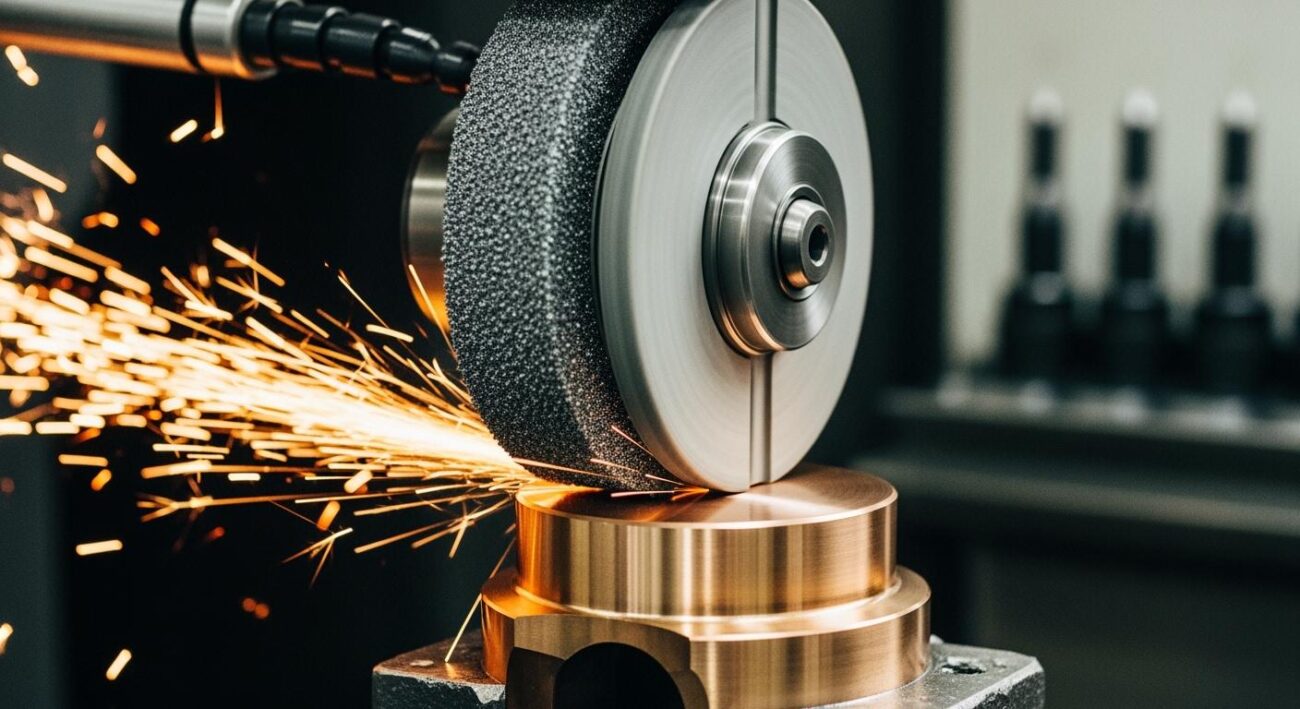
Aimgrind offers super hard abrasives that take safety and performance to the next level. You can choose diamond or cubic boron nitride (CBN) wheels for your magnesium alloy projects. These abrasives have unmatched hardness. They cut cleanly and stay sharp for a long time.
When you use Aimgrind’s super hard abrasives, you get several benefits:
- You reduce the risk of overheating. Diamond and CBN wheels have excellent thermal conductivity.
- You create less dust and fewer sparks. This makes your workspace safer.
- You spend less time changing wheels. These abrasives last much longer than standard options.
Aimgrind designs each abrasive solution to fit your process. You can ask for custom sizes, bonds, and grit levels. The team helps you match the right wheel to your machine and your material. This level of service helps you avoid mistakes and work with confidence.
| Abrasive Type | Key Benefits for Magnesium Alloys | Aimgrind Product Example |
|---|---|---|
| Diamond | Stays cool, cuts fast, lasts long | Super Hard Diamond Wheel |
| CBN | High thermal stability, sharp edges | Super Hard CBN Wheel |
| Silicon Carbide | Fast cutting, low heat | Silicon Carbide Grinding Wheel |
| Alumina | Tough, resists wear, general use | Alumina Grinding Wheel |
| Zirconium Corundum | Extra durability, long service life | Zirconium Corundum Wheel |
Diamond and CBN Advantages
Diamond and CBN abrasives give you the highest level of safety and efficiency. Diamond is the hardest material you can use for grinding. It keeps its shape and sharpness even after many hours of work. You can use diamond wheels for both rough and fine grinding of magnesium alloys.
CBN, or cubic boron nitride, is almost as hard as diamond. It works especially well for metals. CBN wheels resist heat and wear. You can use them for high-speed grinding without worrying about sparks or fires.
When you choose these abrasive solutions, you get:
- Cooler grinding temperatures
- Less risk of fire or explosion
- Cleaner finishes on your magnesium parts
- Longer wheel life and fewer replacements
Aimgrind’s diamond and CBN wheels come in different bonds and sizes. You can find the perfect match for your job. The team at Aimgrind helps you select the right abrasive solution for your needs.
Note: Using the right abrasive solutions protects you, your equipment, and your finished products. Always follow safety guidelines and consult with experts like Aimgrind for the best results.
Safety Practices
Grinding magnesium alloys requires strict safety practices. You must control heat, prevent fires, and protect your health at every step. Follow these guidelines to keep your workspace safe.
Coolant and Lubricant Use
You should always use the right coolant or lubricant when grinding magnesium alloys. Ethanol-based lubricants work well because they help keep the temperature low. This reduces the risk of fire. Some studies show that adding inhibitors like sodium phosphate or sodium alginate can stop dangerous hydrogen reactions in magnesium dust. These chemicals form a protective film on the metal surface. You can also use light mineral oil for grinding. Avoid water-based coolants, as they may react with magnesium dust.
| Study Title | Key Findings | Methodology |
|---|---|---|
| Study on hydrogen evolution risk and suppression methods of Mg–Al/Mg–Zn alloy waste dust | Sodium phosphate inhibits hydrogen evolution in magnesium dust | Experimental analysis |
| Hydrogen inhibition of sodium alginate and sodium phosphate on waste magnesium alloy dust | Sodium alginate and sodium phosphate together stop hydrogen evolution | Experimental results |
| Prevention of a hydrogen explosion accident in the wet aluminum waste dust collection process based on L-malic acid | L-malic acid suppresses hydrogen production in waste dust | Experiments and chemical analysis |
Tip: Always keep a fire extinguisher nearby. Potassium chloride extinguishers work best for magnesium fires.
Ventilation and Dust Control
Proper ventilation is key to a safe grinding area. You should use local exhaust systems to remove dust from the air. A wet vacuum system helps you clean up magnesium slag right away. Make sure the vacuum hose is short and straight for the best results. Keep your workspace clean and tidy to prevent dust buildup. Store chips and dust in a closed steel container.
PPE and Machine Setup
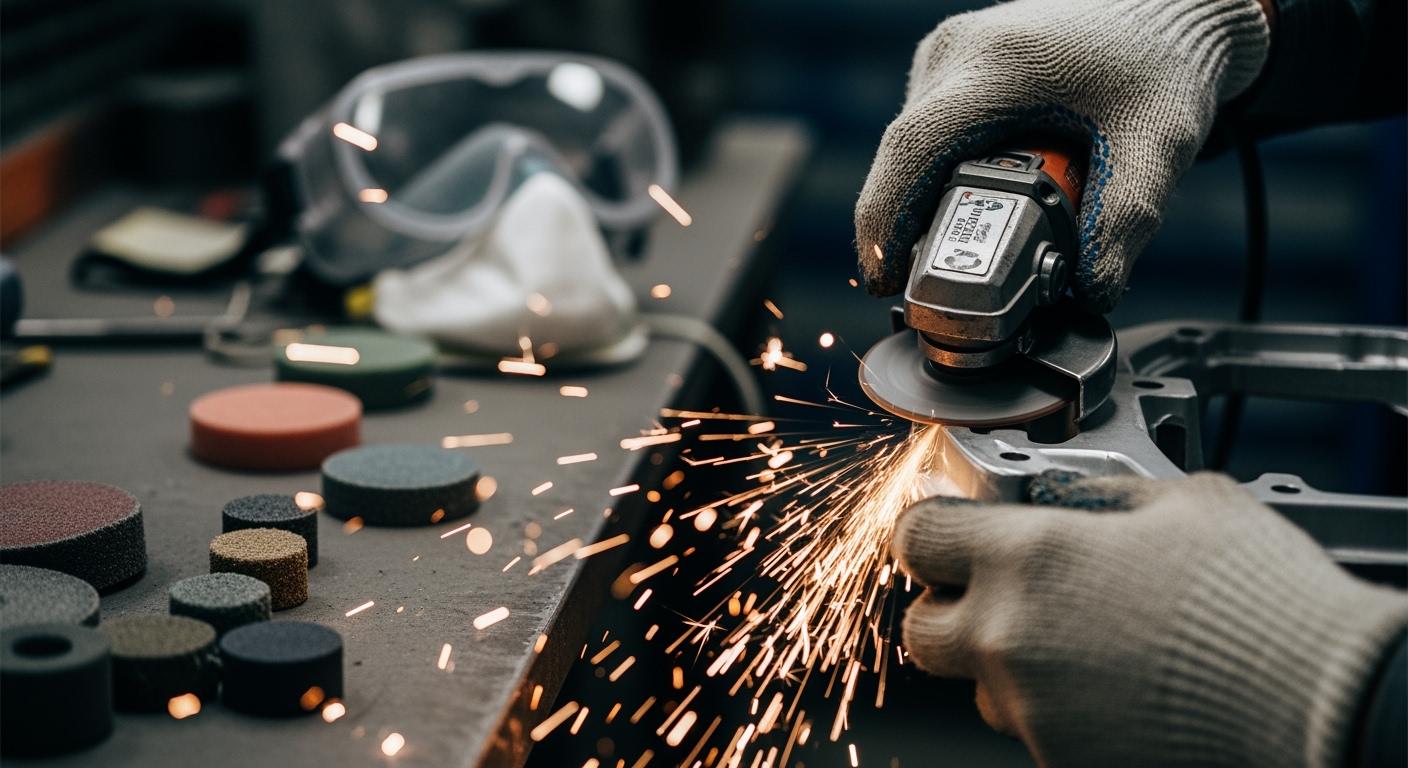
Personal protective equipment (PPE) protects you from dust and sparks. Wear a respirator, gloves, and safety goggles. Set up your grinding machine with fire-resistant enclosures. Always check that your equipment is in good condition before you start. Keep a potassium chloride fire extinguisher within reach. Remove any magnesium dust or chips as soon as possible.
- Use proper ventilation and cutting fluids.
- Invest in fire-resistant machine enclosures.
- Remove slag with a wet vacuum system.
- Store chips in closed steel containers.
- Keep the area clean to prevent dust buildup.
Note: Safe grinding starts with good habits. Always follow these steps to protect yourself and your workspace.
Safe Grinding Process
Preparation Steps
You must prepare carefully before grinding magnesium alloys. Start by cleaning your workpiece with ethanol. This removes any cutting fluid or debris. Dry the part right away using compressed air or a gentle warm air stream. Store the cleaned piece in ethanol or a desiccator until you are ready to grind. Work quickly to limit air exposure.
CRITICAL: Never use water during preparation or grinding. Even a small amount of water causes rapid oxidation and creates a white, powdery layer that hides the metal’s structure.
Grinding Techniques
You need to use the right grinding techniques to stay safe and get the best results. Follow these steps:
- Make sure your grinding wheel is sharp and in good condition. Sharp tools reduce fire hazards and improve the quality of your work.
- Avoid tight clearance angles. This prevents long, unbroken chips that can trap heat and increase fire risk.
- Use Aimgrind’s super hard abrasives, such as diamond or CBN wheels. These abrasives cut cleanly, stay cool, and last longer.
- Program your CNC machine or adjust your grinding method to create short, broken chips. This helps dissipate heat quickly.
- Always use a light mineral oil or ethanol-based lubricant. Avoid water-based coolants to prevent dangerous reactions.
Some advanced methods, like severe plastic deformation (SPD) and equal channel angular pressing (ECAP), can improve the machinability of magnesium alloys. These techniques help you achieve better grain structure and smoother finishes.
Cleanup and Inspection
After grinding, you must clean up and inspect your workspace:
- Collect all magnesium chips and dust using an explosion-proof vacuum. Never use a regular vacuum, as it can cause sparks.
- Place chips and dust in sealed metal containers. This prevents accidental ignition.
- Inspect your workpiece for any signs of overheating or surface defects.
- Check your grinding wheel and equipment for wear or damage before your next job.
Tip: Never use water to put out a magnesium fire. Always keep a Class-D fire extinguisher or dry sand nearby for emergencies.
Mistakes to Avoid
Grinding magnesium alloys can be safe if you avoid common mistakes. Paying attention to your choices and habits helps you prevent accidents and keep your workspace secure.
Unsafe Abrasives
You should never use the wrong abrasive for magnesium alloys. Standard abrasives can create too much heat and spark, which increases the risk of fire. Magnesium and its alloys can ignite at temperatures between 480–650 °C. If you use an abrasive that heats up quickly, you may reach this ignition point without warning. Small chips and dust from magnesium burn fast and are hard to put out. Always choose abrasives like diamond, CBN, silicon carbide, or alumina, which stay cool and cut cleanly.
Tip: Check your abrasive wheel before each use. Make sure it is rated for magnesium alloys.
Ignoring Safety Protocols
Ignoring safety steps puts you and others at risk. You must always wear personal protective equipment, use proper ventilation, and keep fire extinguishers nearby. Many accidents happen when people skip these steps. For example, if you do not control dust, small chips can ignite and cause a fire that spreads quickly. The shape, size, and temperature of chips are key safety indicators. Watch for changes in chip color or shape, as these can signal rising temperatures.
| Safety Indicator | What to Watch For | Why It Matters |
|---|---|---|
| Chip Temperature | Chips feel hot or change color | High temperature can cause ignition |
| Chip Size | Chips become fine dust | Fine dust ignites faster |
| Chip Shape | Long, unbroken chips | Traps heat and increases fire risk |
Poor Maintenance
Poor maintenance of your grinding equipment can lead to dangerous situations. Worn-out wheels, clogged dust collectors, or broken safety guards all increase risk. You should inspect your tools and machines before every job. Clean your workspace after each use. Store magnesium chips and dust in sealed metal containers to prevent accidental ignition.
Remember: Good habits and regular checks keep you safe and help you achieve the best results.
Aimgrind Product Recommendations
Super Hard Abrasives Selection
You need the right tools for safe magnesium alloy grinding. Aimgrind offers super hard abrasives that give you the best results. You can choose diamond or CBN wheels for your projects. These wheels cut cleanly and stay sharp for a long time. They help you avoid overheating and reduce the risk of fire. You can also use silicon carbide, alumina, or zirconium corundum wheels for less demanding jobs. Each type has its own strengths.
Here is a quick guide to help you pick the right abrasive:
| Abrasive Type | Best Use Case | Key Benefit |
|---|---|---|
| Diamond | Precision grinding, fine finishing | Stays cool, lasts longest |
| CBN | High-speed metal grinding | High thermal stability |
| Silicon Carbide | General grinding, soft metals | Fast cutting, low heat |
| Alumina | Everyday grinding tasks | Tough, resists wear |
| Zirconium Corundum | Heavy-duty, long service life | Extra durability |
Tip: You can ask Aimgrind for custom sizes and bonds. The team will help you match the abrasive to your machine and material.
Where to Buy Aimgrind Products
You can buy Aimgrind products directly from their official website. Visit Aimgrind’s product page to see all available options. You can also contact their team for advice or custom orders. Aimgrind’s experts will guide you through the selection process. They will help you find the best Abrasive Solutions for your needs.
You can reach Aimgrind by phone at +86-13733809594 or email at brian@aimgrind.com. The company has almost twenty years of experience. You can trust their service and support. When you choose Aimgrind, you get quality products and expert help every step of the way.
You must use the right abrasive solutions and follow strict safety practices when grinding magnesium alloys. Magnesium can ignite easily, so always choose ethanol-based lubricants and avoid water. The table below highlights key safety tips:
| Safety Warning | Description |
|---|---|
| Flammability | Magnesium is highly flammable. Use a Class D fire extinguisher. Never use water. Work in a ventilated area. |
| Lubricant | Use ethanol-based solutions only. |
Aimgrind gives you expert support and custom abrasive tools. For safe, effective grinding, trust Aimgrind’s experience.
FAQ
What is the safest abrasive for magnesium alloy grinding?
You should use diamond or CBN wheels. These super hard abrasives stay cool and cut cleanly. They reduce fire risk and last longer than standard wheels.
Can I use water as a coolant when grinding magnesium?
Never use water. Water reacts with magnesium and creates dangerous hydrogen gas. You should use ethanol-based lubricants or light mineral oil for safe grinding.
How do I prevent magnesium dust from causing health problems?
Wear a respirator and safety goggles. Use local exhaust ventilation. Clean up dust with a wet vacuum. Store chips in sealed metal containers.
What should I do if a magnesium fire starts?
| Action | Why It Works |
|---|---|
| Use Class D extinguisher | Puts out magnesium fires |
| Never use water | Water makes fire worse |
Where can I get expert advice on abrasive selection?
You can contact Aimgrind for help. Visit Aimgrind’s website or email brian@aimgrind.com. The team will guide you to the best abrasive solution.
Contact Us
For More Grinding Solution or Customized Abrasive Tools