

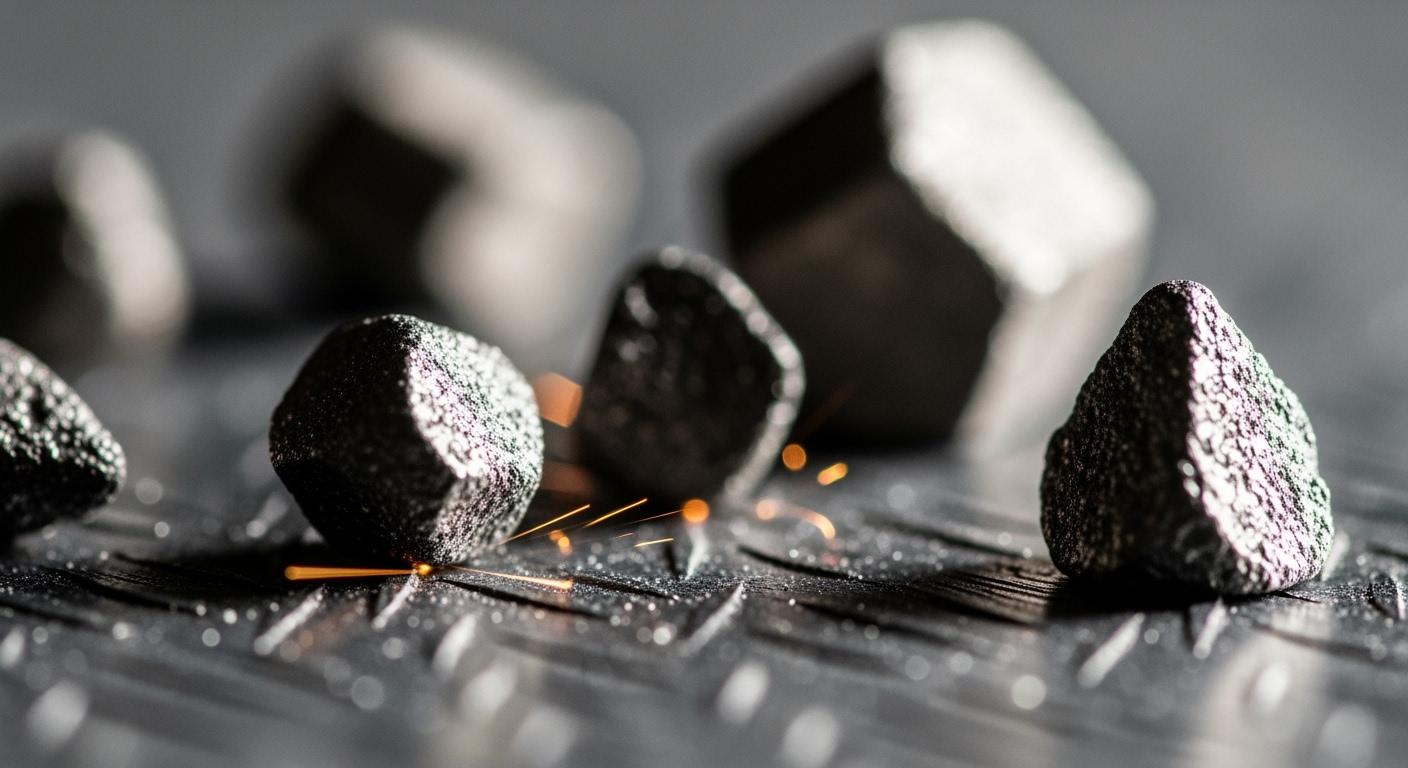
Abrasive grain shapes play a key role in how well you can grind steel. When you choose the right grain shape, you help control material removal, surface quality, and tool life. Industry data shows that changing grain shapes affects both the energy needed for grinding and the final finish you get:
- The specific grinding energy drops as the depth of cut increases.
- CBN grinding wheels remove material more efficiently than SG wheels.
- Surface quality and removal rates both improve when you select the right grain shape.
- Wheels made from SiC give a smoother finish and greater precision.
Aimgrind uses these facts to create grinding solutions that fit your needs and boost your productivity.
Key Takeaways
- Choosing the right abrasive grain shape boosts grinding efficiency. Different shapes affect material removal, surface quality, and tool life.
- Polyhedral grains are best for fast material removal. Use them for rough grinding tasks to achieve high cutting efficiency.
- Spherical grains provide a smooth finish and longer wheel life. They are ideal for high-precision grinding where surface quality matters.
- Cylindrical grains offer a balance between speed and finish. They work well for general grinding tasks.
- Aimgrind can customize grinding solutions to match your specific needs. This helps you achieve better performance and productivity.
Abrasive Grain Shapes Overview
When you start grinding steel, you will notice that abrasive grain shapes make a big difference in how the process works. Each shape has its own geometric features. These features affect how much material you can remove, the finish you get, and how long your grinding wheel lasts.
Here is a table that shows some important geometric parameters for abrasive grains and how they impact grinding performance:
| Geometric Parameter | Description | Impact on Grinding Performance |
|---|---|---|
| Height | Measured using advanced analysis methods | Higher height can increase material removal |
| Normal | Shows how grains are spread in space | Affects the quality of the finished surface |
| Curvature | Changes as grains wear down | Influences how grains wear during grinding |
Aimgrind can customize abrasive grain shapes for your specific needs. This means you get the best results for your steel grinding tasks.
Spherical Grains
You will find that spherical grains have smooth surfaces. These grains create smaller cutting forces. They work well when you need high-precision grinding and a fine surface finish.
Cylindrical Grains
Cylindrical grains give you good cutting performance. They produce moderate cutting forces. You can use them for general grinding tasks where you want a balance between speed and finish.
Polyhedral Grains
Polyhedral grains have many flat faces and sharp edges. These grains create larger cutting angles. They help you remove material faster, which is great for rough grinding. Polyhedral grains also form a plastic deformation layer on the steel surface. This layer strengthens the surface and improves material removal rates.
Other Common Shapes
You may also see other abrasive grain shapes in steel grinding. Here is a table with some common types and their typical uses:
| Abrasive Grain Type | Characteristics | Typical Applications |
|---|---|---|
| Ceramic alumina | Self-sharpening, cool operation, long life | Hard-to-grind metals like armored steel |
| Zirconia alumina | Fast cut, long life, self-sharpening | Steel and stainless steel |
| White aluminum oxide | Fast cut-rate, long lifespan | Stainless steel and harder-grade steel |
| Aluminum oxide | Hard, durable, sharp initial cut | Steel, iron, and other metals |
| Silicon carbide | Extremely hard, sharp, fast cutting | Hard materials |
You can always ask Aimgrind to match the right abrasive grain shapes to your grinding needs. This helps you get the best performance and finish for your steel parts.
Impact on Grinding Efficiency
Cutting Action and Material Removal
You can see how different abrasive grain shapes change the way steel gets ground. Each shape has a unique cutting action. Polyhedral grains have sharp edges. These edges cut into steel quickly and remove more material. Spherical grains have smooth surfaces. They cut less and remove less material. Cylindrical grains fall in the middle. They give you a balance between speed and finish.
Here is a table that shows how each shape performs:
| Abrasive Shape | Cutting Efficiency | Material Removal Rate | Surface Quality |
|---|---|---|---|
| Polyhedral | High | High | Moderate |
| Spherical | Low | Low | High |
| Cylindrical | Moderate | Moderate | Moderate |
You should know that the way grains are arranged on the wheel also matters. If grains are spread out well, you get better cutting and a smoother finish. When you use Aimgrind’s diamond grinding wheels, you get grains that are engineered for top performance. These wheels use advanced materials and shapes. You can remove material faster and keep your grinding process efficient.
Different shapes of abrasive grains, such as polyhedral, spherical, and cylindrical, have unique characteristics that directly affect their cutting efficiency and the overall material removal rate during steel grinding. Understanding these differences helps you pick the right shape for your job.
Heat Generation and Surface Finish
You need to control heat when you grind steel. Too much heat can damage your workpiece and your grinding wheel. The shape of the abrasive grains changes how much heat you make. Spherical grains create the most heat. Conical and pyramidal grains make less. The position and shape of each grain affect how heat spreads during grinding.
- The shape of abrasive grains significantly affects heat generation during steel grinding.
- Spherical abrasives produce the highest temperatures, followed by conical and pyramidal shapes.
- The temperature distribution in the grinding process is influenced by the position and shape of the abrasives.
Surface finish also depends on grain shape. Finer grains give you a smoother and more even finish. Coarser grains can leave marks or rough spots. The way grains cut and remove material is key for surface quality.
- The shape of abrasive grains affects cutting efficiency and material removal mechanisms, which are crucial for surface finish quality.
- Finer grains lead to more uniform material removal, resulting in better surface finishes.
- Coarser grains can cause inconsistent surface quality, highlighting the importance of grain shape in grinding processes.
Aimgrind’s diamond grinding wheels help you manage heat and surface finish. These wheels use special grain shapes and advanced bonds. You get less heat, a better finish, and more control over your grinding process.
Wheel Longevity
You want your grinding wheel to last as long as possible. The shape of the abrasive grains plays a big role in this. When grains create more heat, the wheel wears out faster. Spherical grains, for example, generate higher temperatures. This can lead to quicker wear. Polyhedral and other engineered shapes help spread heat and reduce wear.
The shape of abrasive grains significantly influences the grinding temperature distribution, which is crucial for the longevity of grinding wheels. Different shapes of abrasive particles, such as spherical, conical, and pyramidal, affect the maximum temperature reached during grinding, with spherical abrasives generating the highest temperatures. This variation in temperature can lead to different wear rates of the grinding wheel, thereby impacting its overall longevity in steel processing.
Aimgrind’s diamond grinding wheels are designed for long life. The grains keep their shape and sharpness. You spend less time changing wheels and more time grinding. This means you save money and boost your productivity.
Tip: Choose the right abrasive grain shapes and high-quality wheels like those from Aimgrind to get the best results in steel grinding.
Grain Shape Performance Comparison
Polyhedral vs. Spherical Grains
When you compare polyhedral and spherical grains, you see clear differences in how they work during steel grinding. Polyhedral grains have many sharp edges. These edges cut into steel quickly. You get high cutting efficiency and fast material removal. However, these grains can create higher cutting forces. This may lead to a rougher surface if you do not use the right grinding settings.
Spherical grains have smooth, rounded surfaces. They produce lower cutting forces. You get a smoother finish with fewer scratches. Spherical grains also help your grinding wheel last longer because they wear down more slowly. If you need high precision and a fine surface, spherical grains are a good choice.
Here is a table to help you see the differences:
| Grain Shape | Cutting Efficiency | Surface Quality | Wheel Life |
|---|---|---|---|
| Polyhedral | High | Moderate | Shorter |
| Spherical | Low | High | Longer |
Application Scenarios in Steel Grinding
You should choose your abrasive grain shape based on your grinding goals. Here are some common scenarios:
- If you want to remove a lot of steel quickly, use polyhedral grains. They work well for rough grinding and heavy stock removal.
- If you need a smooth, precise finish, pick spherical grains. These grains are best for finishing and fine grinding.
- For jobs that need a balance between speed and finish, cylindrical grains are a smart option.
Note: Industry benchmarks show that polyhedral abrasives give you the fastest material removal, while spherical grains provide the best surface quality and longest wheel life. Cylindrical grains offer a middle ground.
Aimgrind’s diamond grinding wheels use advanced abrasive grain shapes. You get the right balance of speed, finish, and wheel life for your steel grinding needs. Aimgrind helps you match the best abrasive grain shapes to your specific application, so you always get top performance.
Choosing the Right Abrasive Grain Shape
Factors to Consider
When you choose abrasive grain shapes for steel grinding, you need to think about your goals and the type of steel you work with. Each grain shape gives you different results. Here are some important points to help you decide:
- Spherical grains work best for high-precision grinding. Their smooth surfaces create smaller cutting forces. You get a better surface quality with these grains.
- Cylindrical grains give you good cutting performance and stability. They are great for general grinding jobs. You get moderate cutting force and a balanced finish.
- Polyhedral grains have many sharp edges. These grains cut steel quickly and remove more material. They are perfect for rough grinding. If you do not control them well, they may affect your surface quality.
You should also think about your finish requirements and how fast you want to work. The shape and toughness of the grains change how your grinding wheel performs. Friable grains break easily and show new cutting edges, but they wear out faster. Tougher grains last longer, but they may not cut as freely. Your choice depends on what you need for your job.
Tip: Always match your grain shape to your steel type, finish needs, and productivity goals. This helps you get the best results.
Aimgrind Recommendations
You can trust Aimgrind to help you pick the right abrasive grain shapes for your grinding tasks. Aimgrind uses years of experience to match grain shapes and diamond grinding wheels to your needs. The team looks at your steel type, your finish goals, and how much material you want to remove.
Aimgrind offers custom solutions for every job. If you need a smooth finish, Aimgrind may suggest spherical grains. For fast material removal, polyhedral grains could be the best choice. If you want a balance, cylindrical grains work well. Aimgrind’s diamond grinding wheels use advanced materials and engineered grain shapes. You get better performance, longer wheel life, and higher productivity.
You can contact Aimgrind for expert advice. The team will help you choose the best tools for your steel grinding projects.
You can boost your steel grinding results by choosing engineered ceramic grains with controlled microstructures. These grains, like SG and TG2, give you higher hardness and better chip control. Matching the grain shape to your job is key for the best outcome.
- Test higher-quality abrasives for better productivity.
- Use the right grit size for your finish goals.
- Pick the right bond type for your process.
Aimgrind offers custom diamond grinding wheels to help you achieve top performance. Reach out to Aimgrind for expert grinding solutions.
FAQ
What grain shape works best for fast steel removal?
You get the fastest steel removal with polyhedral grains. These grains have sharp edges. They cut quickly and remove more material. You should use them for rough grinding jobs.
How do abrasive grain shapes affect surface finish?
| Grain Shape | Surface Finish Quality |
|---|---|
| Spherical | Smooth |
| Cylindrical | Moderate |
| Polyhedral | Rougher |
You achieve a smoother finish with spherical grains.
Can Aimgrind customize grinding wheels for my needs?
Yes! Aimgrind offers custom grinding wheels. You can request specific grain shapes, sizes, and bonds. Aimgrind matches your needs to the right solution.
Why should I choose diamond grinding wheels for steel?
You get longer wheel life, faster material removal, and better finishes with diamond grinding wheels. These wheels use advanced grain shapes. You save time and boost productivity.
Contact Us
For More Grinding Solution or Customized Abrasive Tools