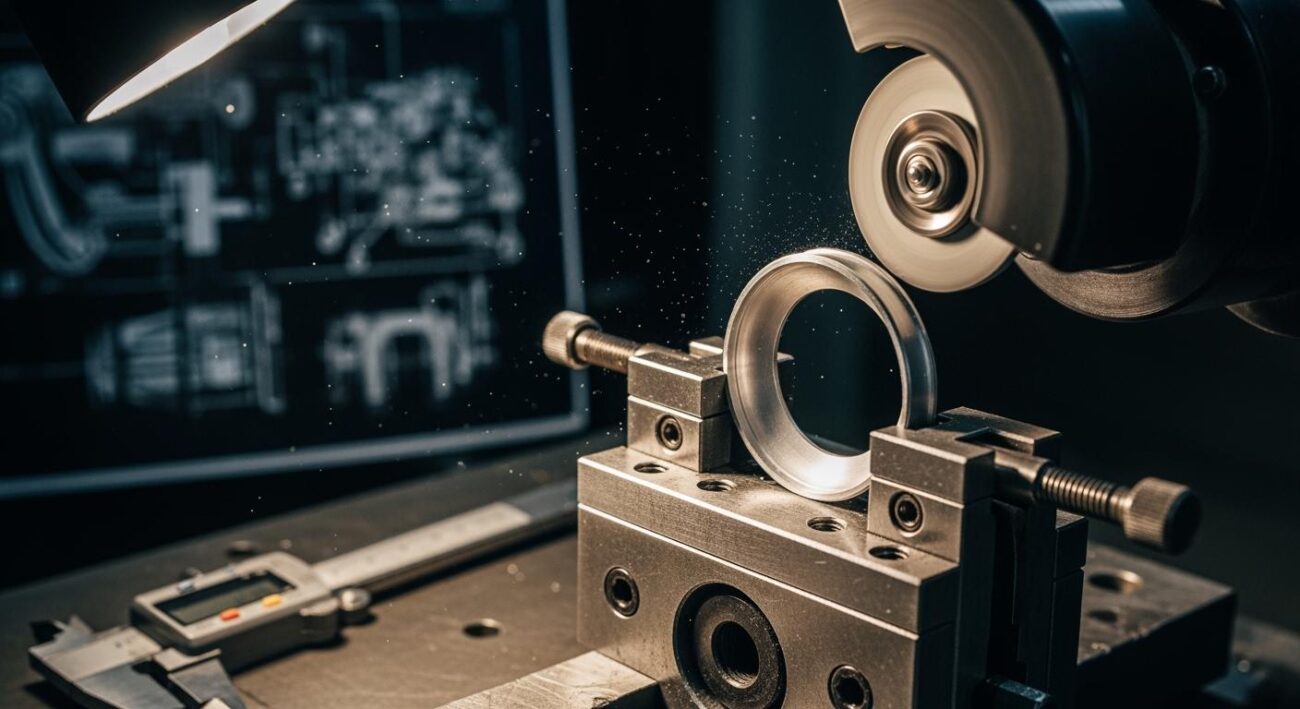
You face critical challenges when working with heat-sensitive aerospace alloys. Improper grinding can introduce excessive temperatures, which may change the microstructure of your components. This jeopardizes both integrity and performance. Industry studies show that oxidative discoloration and hardness reduction signal reduced lifespan in aerospace parts. The table below highlights key findings:
| Findings | Implications |
|---|---|
| Excessive grinding temperatures lead to changes in microstructure | Compromises integrity and performance of aerospace components |
| Oxidative discoloration and hardness reduction observed | Indicates potential lifespan reduction of components due to thermal damage |
| Thickness of metamorphic layer is about 40 µm | Suggests significant thermal impact on surface integrity |
You need effective Grinding Strategies to prevent these issues and ensure your parts meet the highest standards.
Key Takeaways
- Control grinding temperatures to protect aerospace alloys. Excessive heat can change microstructure and reduce component lifespan.
- Select appropriate grinding parameters, such as speed and feed rate, to minimize heat buildup. This ensures precision and prevents surface damage.
- Utilize effective coolant and lubrication methods, like Minimum Quantity Lubrication (MQL), to enhance heat management and improve surface integrity.
- Choose diamond grinding wheels for their superior heat dissipation and durability. They maintain sharpness and provide consistent surface finishes.
- Adopt sustainable practices in grinding operations. Use eco-friendly coolants and remanufactured tools to reduce environmental impact.
Heat Sensitivity in Aerospace Alloys
Alloy Properties and Challenges
You work with alloys that push the boundaries of performance in aerospace manufacturing. These materials often have high hardness, which makes them difficult to grind. You also face low thermal conductivity in many aerospace alloys. This means heat generated during grinding does not dissipate quickly. As a result, you must control temperature carefully to avoid damaging the part.
Complex physicochemical characteristics add another layer of challenge. You see alloys that react differently under stress, pressure, and heat. If you do not manage grinding parameters, you risk altering the microstructure. This can lead to reduced strength or unexpected failures in service. You need to understand these properties to select the right grinding strategy for each aerospace application.
Common Heat-Sensitive Materials
You encounter a range of heat-sensitive materials in aerospace environments. Some of the most common include:
- Aluminum alloys, such as 5xxx, 2xxx, and 7xxx series, which offer a high strength-to-weight ratio for structural components.
- Titanium alloys like Ti6Al4V, which perform well under stress and temperature changes.
- Nickel alloys, including WASPALOY, Inconel 718, and Inconel 625, which provide strength and corrosion resistance in high-stress aerospace settings.
- Cobalt alloys, such as L-605, valued for oxidation resistance and strength at elevated temperatures.
- Stainless steel alloys, including 304, 316, and 17-4Ph, which resist corrosion and heat.
In aerospace, you also work with materials designed for specific functions:
- Jet engine components often use high-strength stainless steels and nickel-based superalloys for fuel control valves and turbine blades.
- Braking systems rely on carbon-based composites for thermal stability and wear resistance.
- Insulation barriers use advanced ceramics and carbon-based fire retardants to protect sensitive equipment.
- Precision machined components, such as landing gear, require heat-resistant and fire-retardant alloys.
You must recognize these materials and their unique challenges to ensure safe and effective aerospace grinding.
Grinding Heat and Its Effects
Sources of Grinding Heat
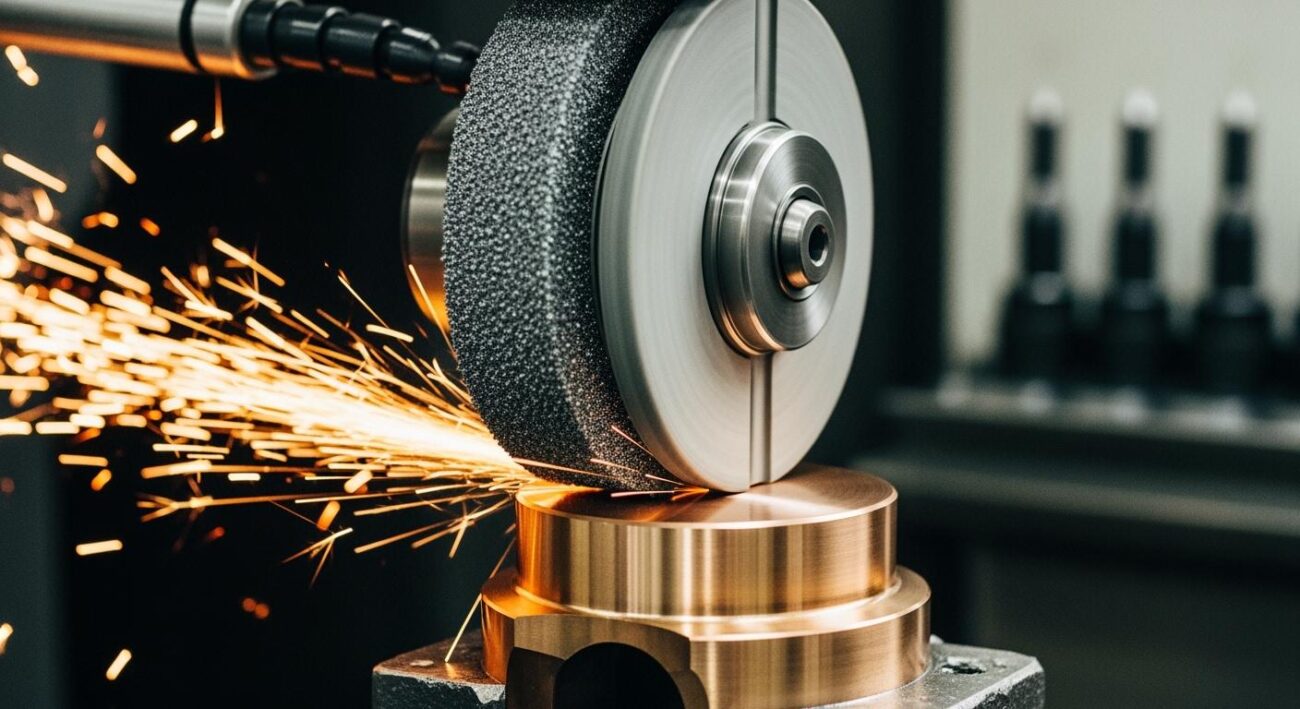
You face many challenges when you grind aerospace alloys. Grinding generates heat because you use high energy to remove material. This heat can build up quickly, especially with alloys that do not let heat escape easily. Nickel-based superalloys, for example, have low thermal conductivity. They hold onto heat, which can lead to grinding burn and surface damage. The grinding process also depends on the power you use, the force you apply, and the speed of both the grinding wheel and the workpiece.
Here is a table that shows the main sources of grinding heat:
| Source of Grinding Heat | Description |
|---|---|
| High energy input | Material removal in grinding requires significant energy, which is dissipated as heat, leading to thermal damage. |
| Low thermal conductivity | Nickel-based superalloys have low thermal conductivity, making them susceptible to thermal damage during grinding, known as grinding burn. |
| Heat generation components | The total heat generated is linked to the grinding power, influenced by cutting force and speeds of the grinding wheel and workpiece. |
You must control these factors to prevent overheating and protect your aerospace components.
Impact on Alloy Performance
Excessive grinding heat can cause serious problems for aerospace alloys. You may see parts expand from thermal stress, which leads to dimensional errors. High temperatures can change the surface and microstructure, making the alloy softer or weaker. Surface burns may appear, which reduce the part’s strength and life. Grinding at high temperatures also wears out your tools faster and can glaze the grinding wheel, lowering efficiency. If you do not manage heat, you may introduce stresses that cause warping or shorten the fatigue life of your aerospace parts.
- Thermal expansion causes dimensional inaccuracies, which are critical in aerospace applications.
- Surface integrity and microstructure changes can degrade hardness and tensile strength.
- Surface defects and burn compromise performance and longevity.
- Tool wear and wheel glazing reduce grinding efficiency.
- Residual stresses may lead to warping and reduced fatigue life.
You need to monitor grinding heat closely to keep your aerospace parts safe and reliable.
Grinding Strategies for Aerospace Alloys
Parameter Selection for Heat Control
You must select grinding parameters carefully when working with aerospace alloys. Grinding strategies focus on controlling heat to protect the microstructure and maintain surface finish. You can adjust grinding speed and feed rate to minimize heat buildup. Higher grinding speeds, such as 600 m/min, lower cutting forces and reduce heat generation. At lower feed rates, you see a significant difference in cutting force, which drops as you increase the feed rate. Wet machining further reduces cutting forces compared to dry machining, especially at lower speeds and feed rates. These adjustments help you achieve precision grinding and prevent surface burn.
You should also consider the hardness and thermal conductivity of the material. Titanium alloys, for example, require careful parameter selection because they hold heat and are prone to surface damage. Nickel alloys behave similarly. You need to match grinding wheel specifications to the material and application. This ensures efficient material removal and a high-quality surface finish. Hybrid cooling systems, such as Minimum Quantity Lubrication (MQL) combined with cryogenic cooling, significantly reduce heat generation. MQL uses a minimal amount of cutting fluid, lowering grinding forces and preventing surface burn. You gain superior results compared to traditional cooling methods.
Tip: Always monitor grinding temperature and adjust parameters to maintain optimal heat management. This prevents microstructural changes and extends component life.
Coolant and Lubrication Methods
You must use effective coolant and lubrication methods to control grinding heat in aerospace applications. Grinding is thermally dominated, and improper cooling leads to surface damage and economic inefficiencies. You need to remove energy from the workpiece quickly to avoid high local temperatures and phase transformations. Inadequate cooling causes reduced fatigue life and surface cracking. Cooling and lubricating fluids are critical, along with optimized process parameters, to minimize heat generation.
You have several options for coolant and lubrication methods:
- Flood cooling delivers a large volume of fluid to the grinding zone, helping dissipate heat and improve surface finish.
- Minimum Quantity Lubrication (MQL) uses a small amount of lubricant, reducing friction and heat generation. MQL improves tool wear and surface integrity, especially in titanium and nickel alloy machining.
- Hybrid MQL combines MQL with other techniques, offering optimal thermal management for precision grinding.
- Straight oils provide a stable lubricating film, minimizing friction and heat at the grinding interface.
The table below summarizes the benefits of different lubrication methods:
| Lubrication Method | Performance | Film Formation | Heat Management |
|---|---|---|---|
| MQL | Reduces friction, tool wear, and heat generation | Unique lubrication behaviors with nanolubricants | Improved surface integrity in titanium and nickel alloys |
| Hybrid MQL | Optimal thermal management | Combines advantages of multiple techniques | Superior results for aerospace grinding strategies |
| Straight Oils | Stable film reduces friction | Effective heat management | Minimizes heat at grinding interface |
You must select the right coolant and lubrication method based on the material and grinding strategies. This ensures you achieve precision grinding, maintain surface finish, and protect aerospace components from thermal damage.
Grinding Solutions with Aimgrind Diamond Wheels
Tool Selection for Heat-Sensitive Alloys
You need the right grinding solutions when working with heat-sensitive aerospace alloys. Choosing the correct tool is not just about material removal. It is about protecting the integrity of your aerospace components and ensuring consistent results in your manufacturing process. Aimgrind understands these challenges and offers diamond grinding wheels designed for the unique demands of aerospace manufacturing.
When you select grinding tools for aerospace alloys, you must consider several important criteria. The table below outlines the key factors you should evaluate:
| Criteria | Explanation |
|---|---|
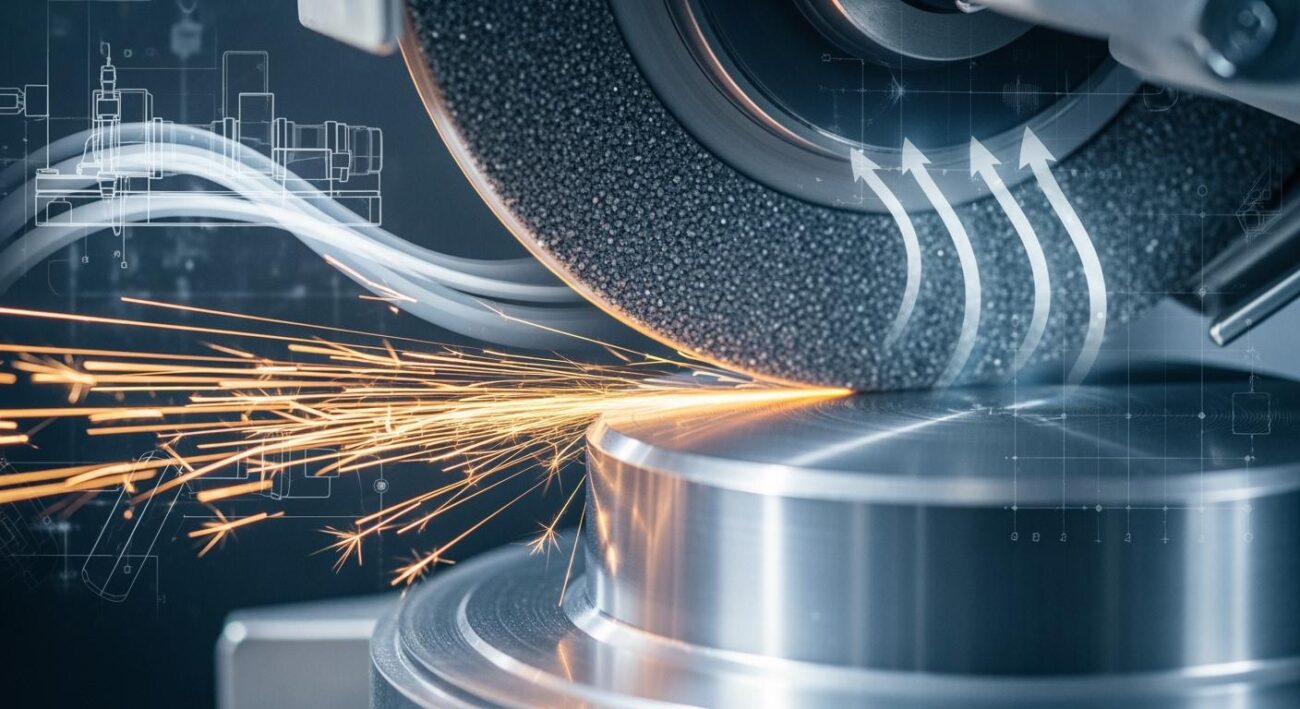
| Thermal Management | Active heat dissipation and debris discharge channels help manage heat during grinding. |
| Structural Optimization | Internal cooling channels and heat pipe devices improve grinding tool efficiency. |
| Intelligent Monitoring | Machine learning and multi-sensor fusion predict grinding wheel wear and surface roughness. |
Aimgrind’s diamond grinding wheels meet these criteria. You benefit from advanced thermal management features and optimized structures that keep grinding temperatures low. Intelligent monitoring options help you maintain quality and extend tool life. These grinding solutions ensure you achieve the precision and reliability required in aerospace manufacturing.
Advantages of Diamond Grinding Wheels
You gain significant advantages when you use diamond grinding wheels for aerospace manufacturing. Diamond is the hardest known material, making it ideal for grinding tough alloys like titanium, nickel, and advanced composites. Aimgrind’s diamond grinding wheels deliver high performance and durability, which are essential for demanding aerospace applications.
Here are the main benefits you experience with diamond grinding wheels:
- You reduce thermal damage during grinding. Diamond grinding wheels, classified as superabrasive, keep grinding temperatures lower than conventional wheels.
- You achieve higher grinding efficiency. Studies show that superabrasive wheels outperform conventional Al2O3 wheels in aerospace manufacturing.
- You benefit from a higher G-ratio. This means you spend less time dressing the wheel, which increases productivity and reduces heat generation.
- You enjoy consistent surface finishes. Diamond grinding wheels maintain their shape and sharpness, ensuring uniform results across aerospace components.
- You extend tool life. The durability of diamond means fewer wheel changes and less downtime in your manufacturing process.
Aimgrind offers diamond grinding wheels in a variety of bond types, including resin, metal, and vitrified. You can select the best option for your specific grinding solutions, whether you need high-speed grinding, precision edge work, or intricate finishing. These wheels support both wet and dry grinding, giving you flexibility in your aerospace manufacturing operations.
Note: Diamond grinding wheels from Aimgrind help you achieve superior results in aerospace grinding solutions. You minimize heat, improve efficiency, and protect your valuable components.
Custom Solutions from Aimgrind
You face unique challenges in aerospace manufacturing, and off-the-shelf grinding solutions may not always meet your needs. Aimgrind specializes in providing customized diamond grinding wheels tailored to your specific requirements. With nearly two decades of experience, Aimgrind works closely with you to diagnose problems, match parameters, and optimize samples for your grinding applications.
You can request diamond grinding wheels in a wide range of sizes, shapes, and grit levels. Aimgrind’s engineers design each wheel to fit your equipment and process, ensuring seamless integration into your manufacturing line. The brand’s comprehensive service process includes:
- Personalized selection and formula design for your aerospace alloys.
- Problem diagnosis and parameter matching to optimize grinding solutions.
- Sample optimization to ensure the grinding wheel meets your performance expectations.
- Ongoing support to help you adapt to new aerospace materials and manufacturing challenges.
Aimgrind’s commitment to innovation and quality means you always receive grinding solutions that keep you ahead in aerospace manufacturing. You can trust Aimgrind to deliver diamond grinding wheels that enhance productivity, reduce costs, and maintain the highest standards in your aerospace components.
Tip: If you need a specialized diamond grinding disc or a custom grinding solution for your aerospace manufacturing, contact Aimgrind for expert guidance and support.
For more information about Aimgrind’s diamond grinding wheels and grinding solutions, visit Aimgrind’s official website.
Optimizing Grinding Performance
Machine Setup and Monitoring
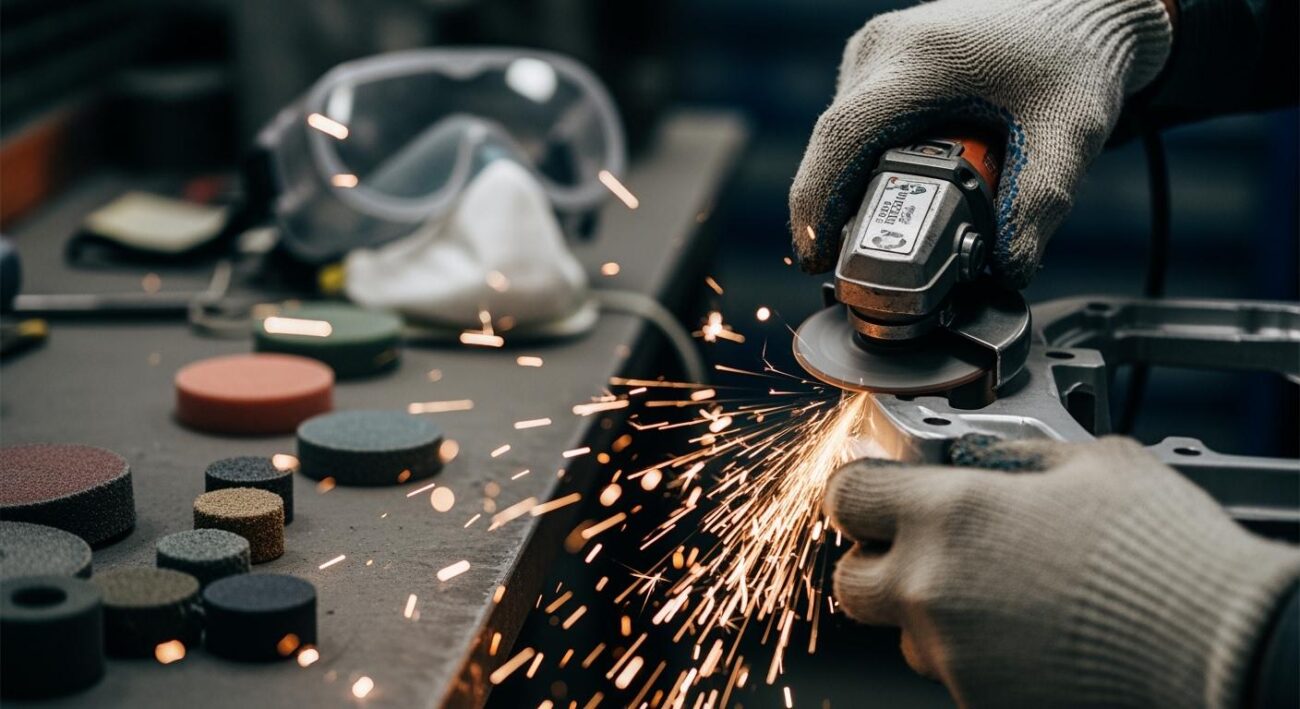
You need to set up your grinding machine with precision to achieve the best results for aerospace components. Regular maintenance is essential. You should check calibration and alignment every 500–1000 hours. This keeps your grinding machine accurate and ensures a consistent surface finish. Managing heat generation is a top priority. You must select grinding wheels that match the properties of heat-sensitive alloys. Machine stability is also important. If your grinding machine vibrates or shifts, you risk part distortion.
Follow these steps to optimize your setup:
- Maintain spindle runout below 0.002 mm for even wheel contact.
- Ensure machine rigidity and stability to reduce vibrations.
- Balance the grinding wheel to within 0.1 g·mm for a smooth surface finish.
You can prevent thermal damage and grinding burn by following these practices. When you focus on these details, you improve grinding performance and protect your aerospace parts.
Automation and Real-Time Feedback
Automation brings a new level of control to aerospace grinding. Robotic grinding systems use adaptive force control and multi-axis arms to deliver precise and consistent results. These systems can handle payloads from 60 to 2300 kg. They maintain steady pressure on complex surfaces, which is vital for grinding nickel and titanium alloys. The table below highlights key features of automated grinding systems:
| Feature | Description |
|---|---|
| Robotic Systems | Adaptive force control, multi-axis arms |
| Precision | Consistent surface finishing |
| Payload Range | 60–2300 kg |
| Customization | Designed for nickel and titanium alloys |
| Automation | Real-time path correction, enclosed cell with dust extraction |
Real-time monitoring uses sensors to track acoustic emission, grinding force, vibration, and temperature. This technology helps you detect abnormal wear on grinding wheels early. You can compare sensor signals to normal conditions and take action before thermal damage occurs. Computer controls allow you to adjust the grinding process instantly. This reduces defects and improves quality control for aerospace alloys.
Tip: Use real-time feedback to keep your grinding process within safe limits. You will maintain the integrity of your aerospace components and achieve reliable results.
Grinding and Polishing Innovations
Advanced Abrasive Technologies
You see rapid changes in grinding and polishing for aerospace manufacturing. New abrasive technologies help you manage heat and improve surface quality. You need to choose the right abrasive grain for each grinding and polishing task. The type of abrasive grain affects how much heat you generate during grinding and polishing. You can select from traditional blocky grains or advanced self-sharpening crystals. Each abrasive grain performs differently under pressure, which changes your heat management results.
- The type of abrasive grain significantly influences heat generation during grinding and polishing.
- Different abrasive grains, from traditional blocky types to engineered self-sharpening crystals, exhibit varying performance under pressure, affecting their heat management capabilities.
You benefit from innovations like Quantum Prime technology. This technology uses micro-fracturing to keep abrasive edges sharp and reduce heat. You also gain from the Vitrium3 bonding system, which extends wheel life and boosts cutting efficiency. These advancements give you cooler cuts and better part quality.
Quantum Prime technology enhances grinding of heat-sensitive aerospace alloys by micro-fracturing, which maintains sharp edges and reduces heat generation. The advanced Vitrium3 bonding system improves wheel life and cutting efficiency, allowing for cooler cuts and better part quality.
You can achieve precise grinding and polishing on aerospace alloys with these advanced abrasive tools. You protect your components from thermal damage and improve your productivity.
Sustainable Grinding Practices
You must consider sustainability in your grinding and polishing operations. Aerospace manufacturing now uses practices that lower environmental impact and save resources. You can remanufacture grinders to reduce waste and carbon footprints. You also see more use of bio-composites and recycled fibers in grinding and polishing tools.
| Evidence | Description |
|---|---|
| Remanufacturing Grinders | This practice reduces waste and lowers carbon footprints, contributing to sustainability in aerospace manufacturing. |
| Bio-composites | Using bio-composites can reduce carbon footprint and energy consumption by 38%, although it increases water consumption by 45%. |
| Recycled Fibers | Recycled fibers require up to 90% less energy during manufacturing compared to new carbon fiber, significantly lowering environmental impact. |
You can improve grinding and polishing performance with eco-friendly coolants and lubricants. Technologies like UVAG use high-frequency vibrations to enhance chip formation and reduce grinding forces. HPGW with phase-change heat pipes transfers over 65% of grinding heat, which cuts energy use and emissions. MQL delivers tiny lubricant droplets, reducing lubricant use and waste treatment costs. You can also use cryo-MQL systems for titanium alloys, which extend tool life by up to 30 times.
- Cryo-MQL system developed for machining Ti-based superalloy extended tool longevity by 30 times compared to traditional flooded cooling.
You make your grinding and polishing process more efficient and environmentally friendly by adopting these sustainable practices.
You play a vital role in aerospace manufacturing by ensuring every surface meets the highest standards. Effective grinding strategies—such as using coolants, optimizing grinding parameters, and selecting advanced abrasives—help you control heat and maintain precision. You achieve tight tolerances and flawless surface preparation, which are essential for reliable aerospace components. Always upgrade your cutting fluids and grinding methods to improve surface quality and extend tool life. Stay informed about new technologies in sample preparation and precision grinding to keep your aerospace manufacturing process efficient and consistent.
- Use generous coolants for every grinding surface.
- Choose grinding parameters that protect surface integrity.
- Select abrasives that maintain precision and surface finish.
- Upgrade fluids for better surface preparation and sample preparation.
- Rely on automated systems for consistent surface results and tight tolerances.
| Long-Term Benefit | Details |
|---|---|
| High stock removal with minimal heat | Electroplated wheels support aggressive surface preparation while protecting heat-sensitive alloys. |
| Longer tool life | Consistent surface preparation reduces downtime and maintains precision. |
| Cost savings | Reusable cores and rotary dressers ensure efficient surface preparation in aerospace manufacturing. |
Tip: Precision in surface preparation and sample preparation ensures your aerospace manufacturing meets strict tolerances and delivers reliable performance.
FAQ
What makes aerospace alloys heat-sensitive during grinding?
You work with alloys that have low thermal conductivity and high hardness. These properties cause heat to build up quickly. You must control grinding temperatures to prevent surface damage and maintain component integrity.
How do Aimgrind diamond grinding wheels help reduce grinding heat?
You benefit from diamond abrasives that dissipate heat efficiently. Aimgrind wheels maintain sharpness and shape, which lowers grinding temperatures. You achieve consistent surface finishes and protect heat-sensitive alloys.
Can you use Aimgrind diamond wheels for both wet and dry grinding?
You can use Aimgrind diamond wheels for wet and dry grinding. Wet grinding improves heat management and surface quality. Dry grinding offers flexibility for specific applications. You select the method based on your material and process needs.
What grinding parameters should you monitor for heat-sensitive alloys?
You monitor grinding speed, feed rate, and coolant flow. You adjust these parameters to minimize heat generation. You ensure optimal surface finish and prevent microstructural changes in aerospace components.
Contact Us
For More Grinding Solution or Customized Abrasive Tools