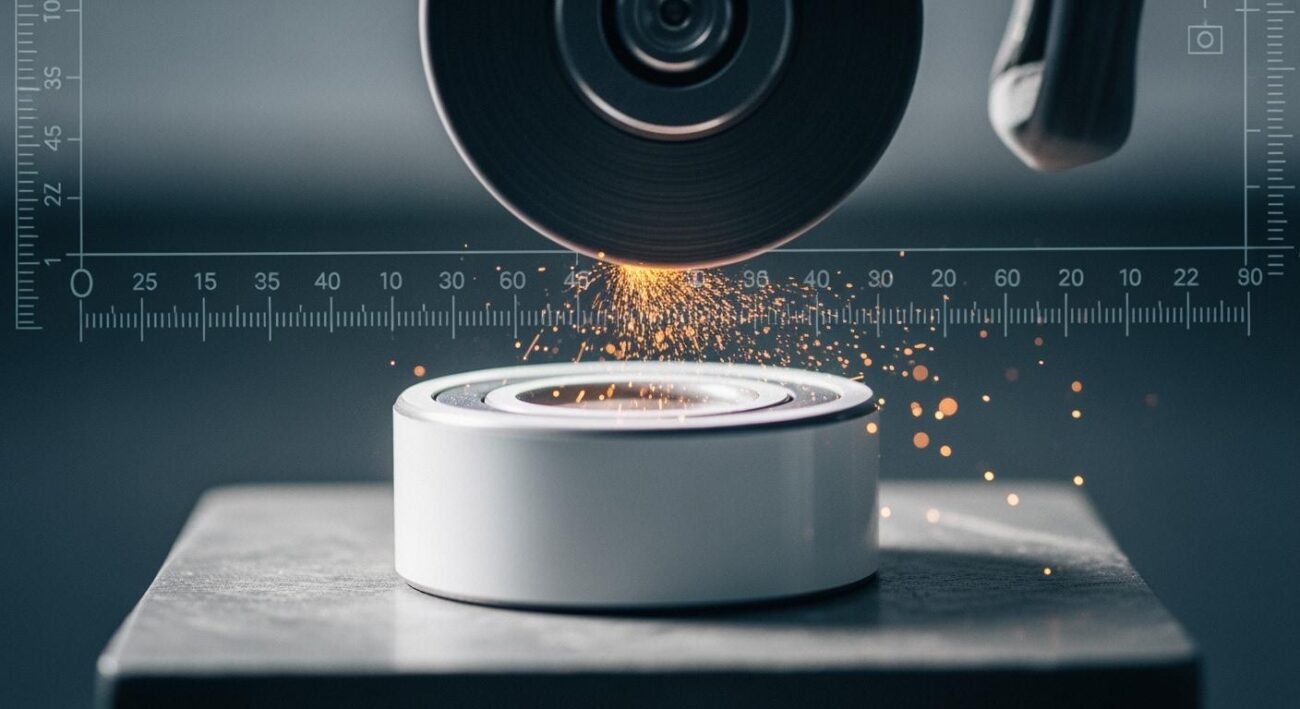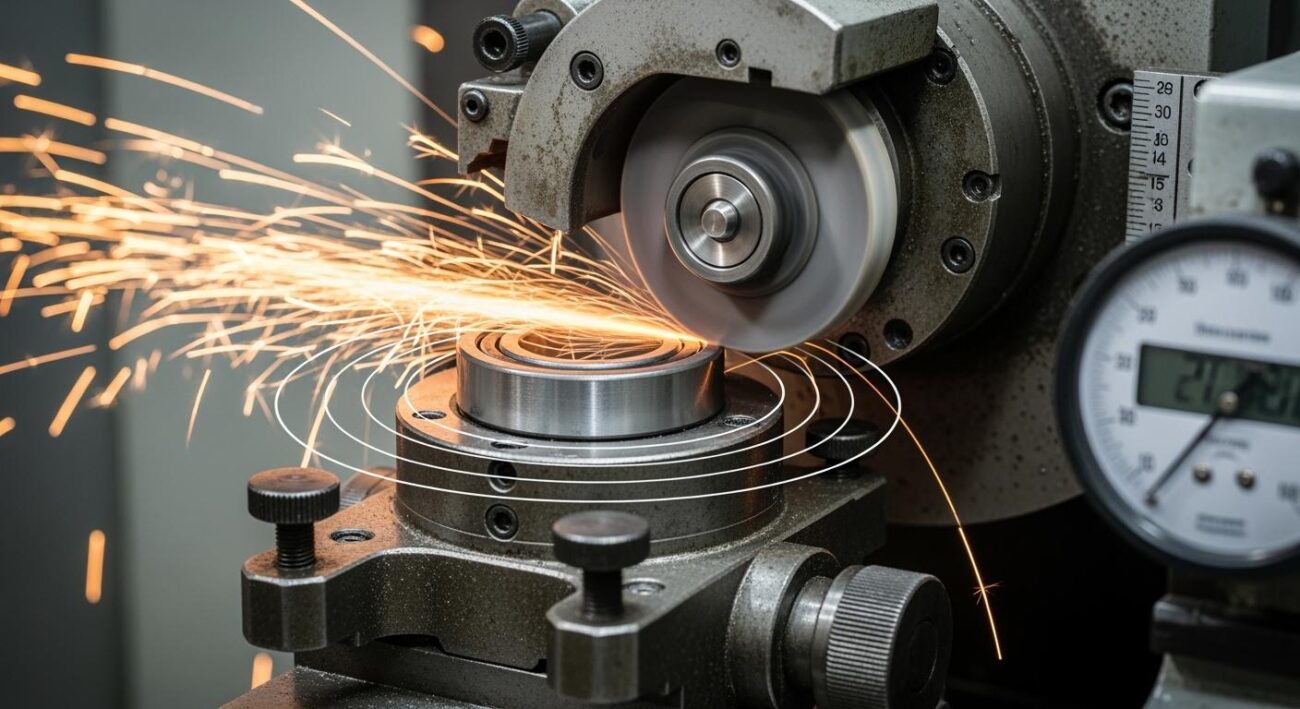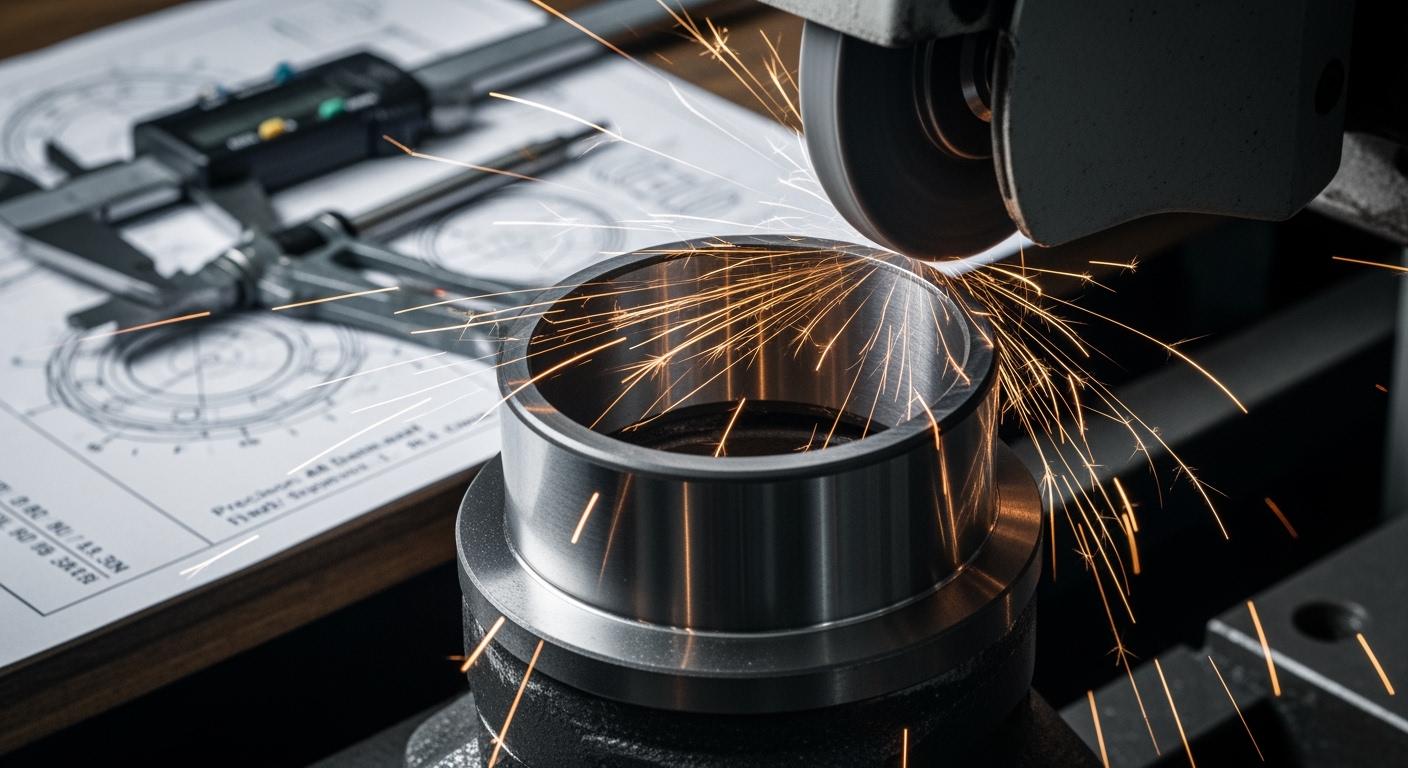
You achieve the best results in bearing race grinding when you eliminate taper with accurate tools and careful process control. Precision in grinding reduces friction and wear, helping your bearing races last longer and perform better. Consistent results matter because even small size variations can lead to early failure. Aimgrind offers expert solutions with customized grinding wheels, including diamond grinding wheels, to help you maintain top-quality standards in your production.
Key Takeaways
- Regularly check machine alignment to prevent uneven material removal and size variation in bearing races.
- Maintain grinding wheels by dressing them frequently to restore cutting power and accuracy, reducing dimensional errors.
- Securely clamp the workpiece before grinding to avoid movement that can lead to taper and size variation.
- Control heat during grinding with proper coolant flow to prevent thermal expansion and maintain consistent dimensions.
- Invest in operator training to enhance skills in machine setup and measurement, ensuring high-quality bearing race production.
Causes of Taper and Size Variation
Understanding why taper and size variation happen in bearing race grinding helps you improve quality and reduce waste. You can find the root causes by looking at both mechanical and process factors. Aimgrind uses a diagnostic approach to help you identify these issues and match solutions to your grinding setup.
Machine Alignment
You need to check machine alignment often. If the grinding spindle or workpiece axis is not aligned, you will see uneven material removal. This misalignment leads to size variation and can cause one side of the bearing race to be thicker than the other. Regular checks and adjustments keep your machine running true.
Wheel Wear and Dressing
The condition of your grinding wheel changes over time. You may notice that the wheel loses cutting power because abrasive grains become dull or debris clogs the surface. Uneven wear on the wheel causes dimensional errors in your bearings. Dressing the wheel restores its shape and cutting ability.
- The grinding wheel’s condition affects cutting power and accuracy.
- Dull grains and debris reduce efficiency.
- Uneven wear leads to size variation, so frequent dressing is important.
Clamping and Fixturing
Proper clamping holds the bearing race steady during grinding. If the fixture is loose or uneven, the part can shift. This movement creates size variation and can introduce taper. You should always check that the workpiece is secure before starting the process.
Thermal Effects
Grinding generates heat. If you do not control the temperature, the bearing race can expand or contract. This thermal change causes the size to vary. Using the right coolant and grinding parameters helps you manage heat and keep the process stable.
Tip: Watch for grinding burn and micro-grooves. These defects can weaken the surface and cause cracks in bearings.
Process Parameters
You control several process parameters that affect the final result. The table below shows how each parameter influences taper and size variation:
| Process Parameter | Influence on Taper and Size Variation |
|---|---|
| Wheel Speed (V s) | Related to surface hardness |
| Work Speed (V w) | Related to surface hardness |
| In-feed (f) | Most related to bearing ratio |
| Spark-out Time (t s) | Related to roundness error |
| Coolant Flow (C f) | Affects overall grinding quality |
| Dressing Feed (f d) | Affects grinding precision |
You can reduce errors by adjusting these parameters and monitoring results. Aimgrind helps you analyze your process and select the right grinding wheel for your bearings.
Precision Detection and Measurement
You need precision to guarantee quality in bearing race grinding. Accurate measurement helps you spot errors early and keeps your process under control. When you use the right tools and methods, you can catch taper and size variation before they affect your product. Aimgrind supports you with solutions that improve detection and feedback, so you can maintain high standards.
In-Process Gauging
In-process gauging lets you measure parts while grinding. You get real-time feedback, so you can adjust the process right away. This method helps you keep precision at every stage. You can use sensors or probes to check the size and shape of the bearing race. If you see a problem, you can stop and fix it before it gets worse.
Tip: In-process gauging reduces waste and saves time. You do not need to wait until the end to find mistakes.
Post-Grinding Inspection
After grinding, you must inspect the bearing race. You use tools like micrometers, calipers, or coordinate measuring machines. These tools check if the part meets your precision requirements. You can compare the finished part to your reference standards. If you find taper or size variation, you can trace the issue back to the grinding process.
- Inspection tools:
- Micrometer
- Caliper
- Coordinate measuring machine (CMM)
Data Analysis
Data analysis helps you understand the grinding process. You collect measurements from each part and look for patterns. By analyzing wear and deviations, you can find the root causes of taper and size variation. You use coordinate measuring systems to assess wear volume and linear deviations. This approach reveals inconsistencies in your process or material properties. Aimgrind’s solutions help you use this data to improve precision and make better decisions.
Note: Precision detection and measurement give you control over your grinding process. You can fix problems quickly and keep your products consistent.
Eliminate Taper with Practical Solutions
Machine Setup and Maintenance
You eliminate taper in spindle grinding by focusing on machine setup and maintenance. You keep your grinding process stable when you follow these steps:
- Lubricate bearings regularly. This keeps spindle grinding smooth and prevents wear.
- Clean bearings often. Dirt and debris cause uneven spindle grinding and affect the finish.
- Install bearings correctly. You avoid damage and maintain the desired finish.
- Monitor bearing housings. You spot misalignment early and eliminate taper before it starts.
- Use soft steel drifts to tap outer races into place. This protects the finish and avoids tapered grinding.
- Heat the housing to expand the bore. You get a tight fit and keep spindle grinding accurate.
- Chill the outer race for easier installation. You prevent condensation and maintain the finish.
Tip: You check alignment and lubrication before every spindle grinding session. This helps you eliminate taper and achieve a consistent finish.
Diamond Grinding Wheels by Aimgrind
You achieve a high-quality finish and eliminate taper when you use Aimgrind’s diamond grinding wheels. These wheels support spindle grinding with precision and durability. You select the right grinding tool for your application by considering abrasive material, bond type, grit size, and wheel shape.
- Diamond grinding wheels deliver consistent spindle grinding results.
- Vitrified bond wheels remove material quickly. You shorten grinding process cycles and maintain the finish.
- Durable diamond abrasives keep cutting sharpness longer. You reduce downtime and eliminate taper.
- You match wheel specifications to your spindle grinding needs. This ensures you reach the desired finish every time.
Note: Selecting the right grinding tool is essential for spindle grinding. Aimgrind helps you choose the best wheel for your grinding process.
Wheel Dressing Techniques
You use proper wheel dressing techniques to eliminate taper and maintain a smooth finish. Dressing restores the shape and sharpness of your grinding wheel. You control spindle grinding performance by adjusting dressing depth, crush ratio, and traverse rate.
| Dressing Factor | Impact on Spindle Grinding and Finish |
|---|---|
| Dressing Depth | Too deep causes macrofracture and loss of abrasive grains. |
| Crush Ratio | Higher ratios remove more bond but increase wheel wear. |
| Traverse Rate | Proper rates keep wheel sharp and effective. |
| Surface Roughness | Dressing creates a layer with lower CBN concentration. |
You dress the wheel after each spindle grinding session. This keeps the finish consistent and eliminates taper.
Tip: You minimize stroke length and use plunge grinding to reduce tapered grinding. This improves the finish and keeps spindle grinding accurate.
Clamping Best Practices
You secure the bearing race during spindle grinding to eliminate taper. You follow these best practices:
- Use tight, even clamping. You prevent movement and keep the finish uniform.
- Check fixtures before every spindle grinding session. You avoid tapered grinding and maintain the desired finish.
- Avoid over-tightening. You protect the surface grinding and prevent distortion.
Callout: You always inspect clamping setups. This ensures spindle grinding produces a consistent finish and eliminates taper.
Optimizing Parameters and Coolant
You optimize grinding process parameters to eliminate taper and achieve a smooth finish. You adjust wheel speed, workpiece speed, and infeed rate for spindle grinding. You manage coolant flow to control heat and prevent dimensional changes.
Optimizing spindle grinding parameters gives you consistent bearing race dimensions. You maintain surface integrity and reach the desired finish. Effective coolant strategies keep the grinding process stable and eliminate taper.
- Adjust wheel speed for spindle grinding. You improve the finish and reduce errors.
- Set workpiece speed for high-speed grinding. You keep the finish consistent.
- Control infeed rate. You avoid tapered grinding and maintain the finish.
- Use proper coolant flow. You manage heat and protect the finish.
Tip: You monitor spindle grinding parameters and coolant during every grinding process. This helps you eliminate taper and achieve quality grinding results.
Quality Assurance and Improvement
Standard Procedures
You build a strong foundation for quality by following standard operating procedures. These procedures guide every step in bearing race grinding. You use them to keep your process consistent and repeatable. When you document each step, you make it easier to spot mistakes and correct them quickly. You also help new operators learn the right way to do each task. Aimgrind supports you by offering clear process guidelines and helping you match grinding wheels to your equipment. This support keeps your quality high from start to finish.
Operator Training
You improve quality when you invest in operator training. Skilled operators know how to set up machines, dress wheels, and check measurements. They can spot problems early and fix them before they affect the final product. You give your team hands-on practice and regular updates on new techniques. Aimgrind provides training resources and technical support to help your team stay sharp. Well-trained operators keep your grinding process safe and efficient, which leads to better quality in every bearing race.
Feedback and Audits
You maintain quality by using regular feedback and audits. Audits check that you follow every procedure and keep your records up to date. Feedback from operators and inspectors helps you find areas for improvement. Studies show that regular audits keep your grinding process consistent and compliant. Feedback systems help you spot trends and make changes before problems grow. You can see the impact of continuous improvement in the table below:
| Evidence Description | Impact on Defect Rates |
|---|---|
| Implementation of statistical process control enables tracking of quality trends over time. | Helps identify maintenance needs before they affect quality, reducing defects. |
| Statistical analysis of dimensional data provides insights for process optimization. | Maintains consistent product quality, minimizing defects and downtime. |
Aimgrind’s service process includes ongoing support, audits, and feedback. You use these tools to keep your quality high and your process reliable.
You can eliminate taper and size variation by using precise measurement, regular machine maintenance, and the right grinding wheels. Systematic process control, such as predictive modeling and real-time monitoring, helps you achieve long-term dimensional stability and better surface quality. Customized grinding solutions from Aimgrind let you reach tight tolerances and consistent results.
| Benefit | Description |
|---|---|
| Enhanced Productivity | Improve production rates and efficiency. |
| Superior Quality Control | Maintain high standards in quality assurance. |
| Exceptional Dimensional Accuracy | Achieve tight tolerances and precise dimensions. |
| Advanced Technologies Integration | Use modern technologies for better operational efficiency. |
You can contact Aimgrind for expert support and ongoing process improvement.
FAQ
What causes taper in bearing race grinding?
You often see taper when the spindle alignment is off or the grinding wheel wears unevenly. Poor clamping or incorrect process parameters can also lead to taper. You should check your machine setup and maintain your equipment to prevent this issue.
How do you measure size variation in bearing races?
You use tools like micrometers or coordinate measuring machines to check the surface and dimensions. In-process gauging helps you spot errors during grinding. Post-grinding inspection ensures you meet tolerances and keep your bearing races consistent.
Why is wheel dressing important for spindle grinding?
You need to dress the grinding wheel to keep the surface sharp and true. Regular dressing helps you avoid taper and maintain the right tolerances. This step keeps your spindle grinding process stable and your bearing races accurate.
How do you control heat during the grinding process?
You use proper coolant flow and adjust grinding parameters to manage heat. This keeps the surface from expanding or contracting. Good heat control helps you maintain tolerances and prevents damage to the bearing race.
What role do Aimgrind diamond grinding wheels play in achieving tight tolerances?
You achieve precise tolerances and a smooth surface with Aimgrind diamond grinding wheels. These wheels support your spindle grinding process by providing durability and consistent results. You can match the wheel to your application for the best bearing race quality.
Contact Us
For More Grinding Solution or Customized Abrasive Tools