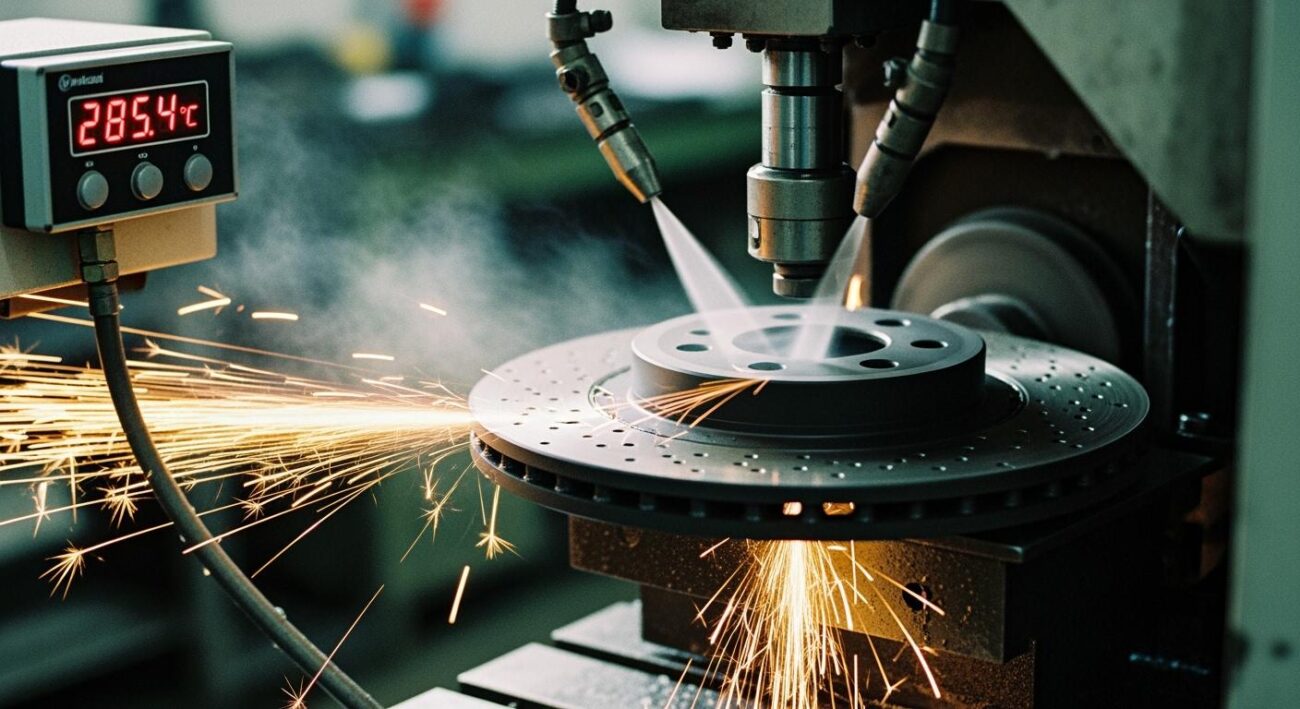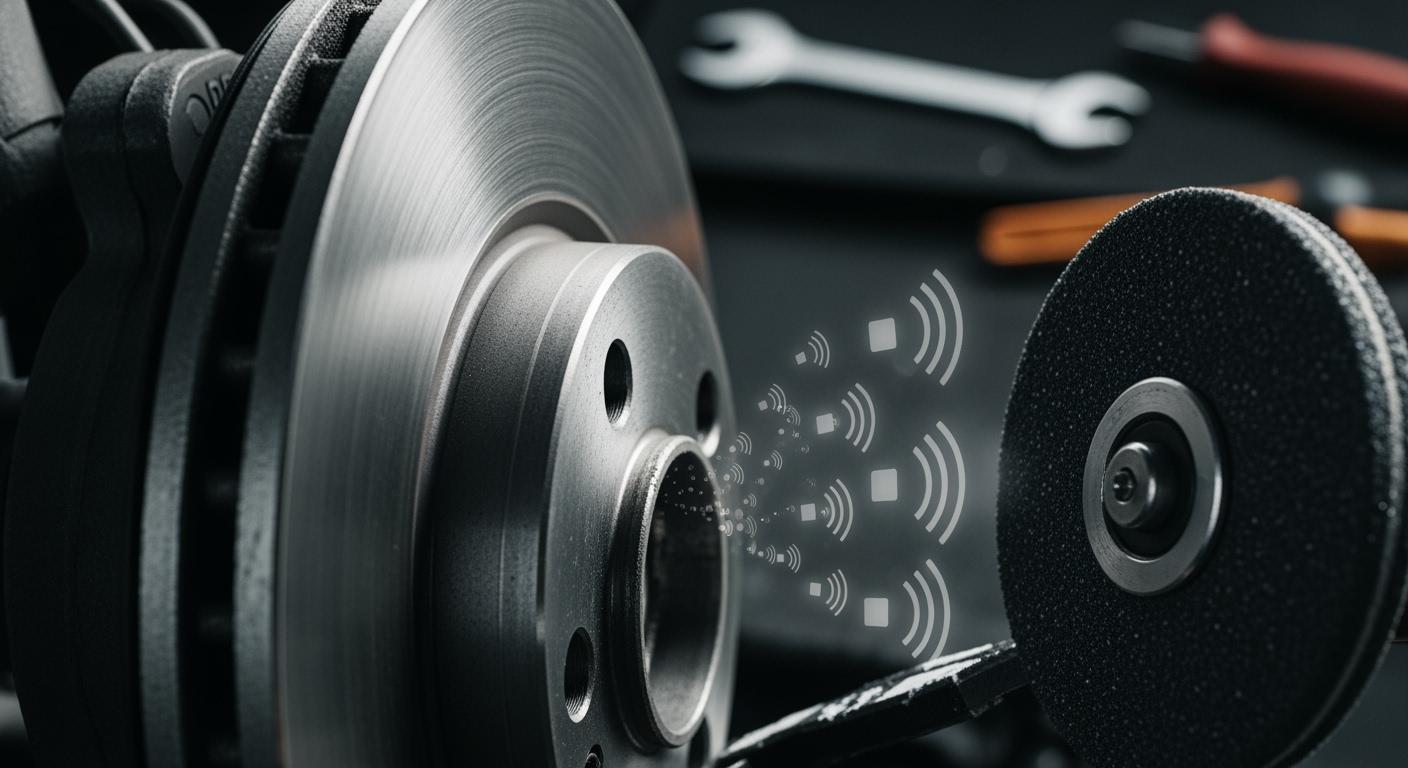
You can reduce grinding noise during brake disc grinding by choosing the right grinding wheel. The type, material, and specification of the wheel play a big role in how much noise you hear when working on brake discs. Aimgrind offers diamond grinding wheels that help make brake grinding quieter and more effective. If you want to avoid brake judder and grinding noise, pay attention to both the products you use and the best practices for grinding brake discs.
Key Takeaways
- Choose the right grinding wheel to reduce noise during brake disc grinding. The correct wheel type and material can significantly lower grinding sounds.
- Select a finer grit size for smoother surfaces. A fine grit reduces rough spots, leading to quieter grinding and longer-lasting brake discs.
- Ensure compatibility between the grinding wheel and brake disc material. Mismatched components can cause increased noise and premature wear.
- Regularly maintain and dress your grinding wheel. This practice keeps the wheel effective and minimizes noise during the grinding process.
- Consult with experts like Aimgrind for tailored advice on grinding wheel selection. Their guidance can help you achieve optimal results and quieter operations.
Causes of Grinding Noise in Brake Disc Grinding
Common Sources of Grinding Noise
You often hear grinding noise when you work on brake disc grinding. Several mechanical and material issues can cause this sound. You need to know these problems so you can fix them and get a smoother result.
- Worn brake pads press against the disc and create grinding noise.
- Rust builds up on rotors if a vehicle sits for a long time. When you drive, the rust causes grinding sounds.
- Bent backing plates touch the disc and make a grinding noise.
- Uneven rotors put different pressure on brake pads. This leads to uneven wear and grinding noise.
- Caliper misalignment makes the caliper press unevenly on the disc. This increases wear and noise.
- Debris gets stuck between the pad and disc. It stops smooth movement and causes grinding noise.
- Rust can block brake parts and add to grinding noise.
You should check these issues before you start grinding the disc. Fixing them helps you avoid brake judder and keeps your brakes working well.
Impact of Grinding Wheel Choice on Noise
The grinding wheel you pick affects the grinding noise you hear during brake disc grinding. If you use the wrong wheel, you can make these problems worse. For example, a wheel with the wrong grit size or material can leave rough spots on the disc. This increases grinding noise and makes the disc wear faster.
A wheel that matches the disc material helps you get a smooth finish. It reduces grinding noise and keeps the disc in good shape. You should also look at the wheel’s hardness and bond type. These features help you control the grinding process and lower noise.
When you choose the right grinding wheel, you make brake disc grinding quieter and more effective. You protect the disc and avoid brake judder. Aimgrind offers wheels designed for this purpose, so you can get better results and less noise.
Grinding Wheel Selection for Brake Noise Reduction
Wheel Material and Noise
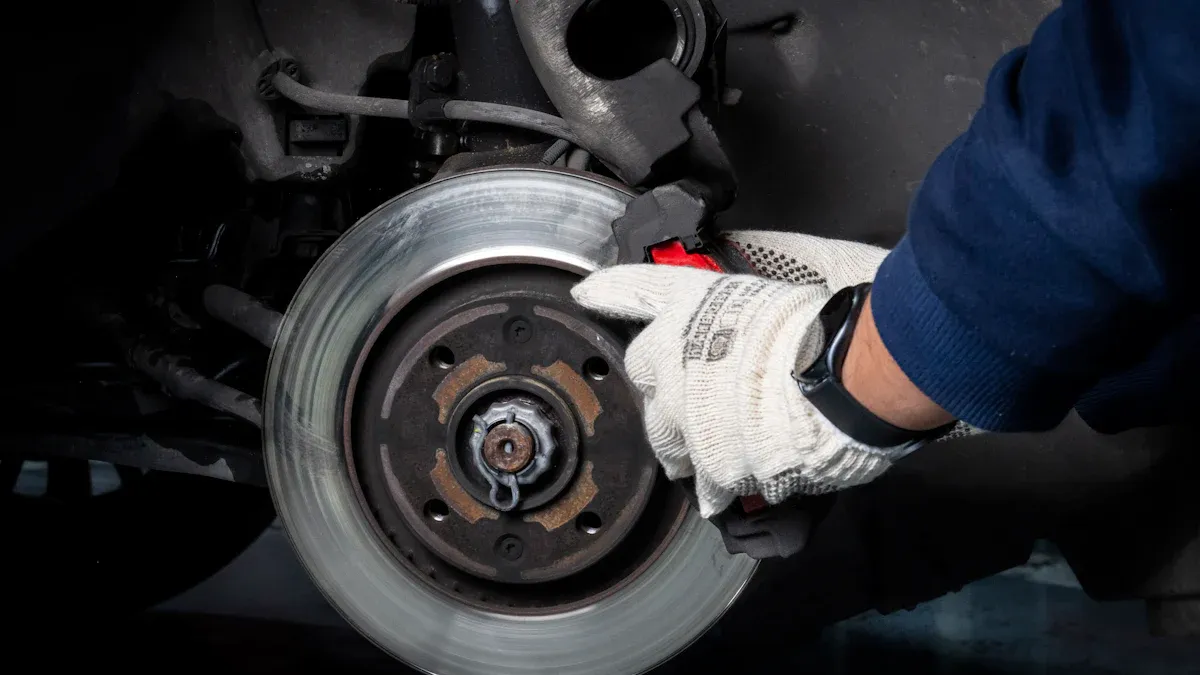
You need to pay attention to the material of the grinding wheel when you work on brake disc grinding. The wheel material affects how much grinding noise you hear. Some materials create rough surfaces and hot spots on the disc. These rough spots make the grinding noise louder and can cause brake judder.
Here is a table that shows how different materials affect noise and roughness during brake disc grinding:
| Material Type | Noise Generation Level | Roughness Effect | Additional Notes |
|---|---|---|---|
| Cast Iron | Higher | Higher roughness | Generates hot spots quickly |
| Composite | Lower | Lower roughness | Hot spots build up slowly |
| Sintered | Lower | Lower roughness | May emit copper particles |
Cast iron brake blocks lead to higher dynamic wheel-rail contact forces. This results in increased noise levels. Wheels equipped with cast iron brake blocks are linked to higher rolling noise because they develop surface irregularities. Composite and sintered materials help you reduce grinding noise and keep the disc smoother.
Aimgrind offers diamond grinding wheels that use advanced materials. These wheels help you achieve a quieter grinding process and a smoother disc finish. You get less grinding noise and better brake performance.
Grit Size and Surface Finish
You must select the right grit size for your grinding wheel. Grit size controls how smooth the disc surface becomes after grinding. If you use a coarse grit, you leave deep scratches and rough spots. These rough areas increase grinding noise and make the disc wear faster.
Fine grit wheels produce a smoother surface. You hear less grinding noise and the disc lasts longer. Aimgrind can help you choose the best grit size for your brake disc grinding needs. Their diamond grinding wheels come in many grit sizes. You can match the wheel to your disc and get a quiet, smooth finish.
Tip: Always check the grit size before you start grinding. A finer grit helps you reduce grinding noise and avoid brake judder.
Hardness and Bond Type
You need to look at the hardness and bond type of the grinding wheel. Hardness tells you how tough the wheel is. If the wheel is too hard, it can damage the disc and make grinding noise worse. If the wheel is too soft, it wears out quickly and leaves uneven spots.
Bond type connects the abrasive material to the wheel. Resin, metal, and vitrified bonds each work best for different grinding jobs. Aimgrind offers diamond grinding wheels with resin, metal, and vitrified bonds. You can pick the right bond for your brake disc grinding process. This helps you control grinding noise and get a better disc finish.
Compatibility with Brake Disc Materials
You must make sure the grinding wheel matches the disc material. If the wheel and disc are not compatible, you risk premature wear and overheating. These problems cause more grinding noise and can affect brake performance.
Using brake pads or wheels that do not fit the disc’s design leads to noise and vibration. This makes driving less comfortable and can damage the disc. Aimgrind specializes in customized grinding wheel solutions. They help you match the wheel to your disc material. Their diamond grinding wheels work well with many disc types. You get less grinding noise and a longer-lasting disc.
Note: Always ask Aimgrind for help with parameter matching and sample optimization. You get the best grinding wheel for your brake disc grinding job.
Recommended Grinding Wheels for Quiet Brake Disc Grinding
Diamond Grinding Wheels by Aimgrind
You can achieve quiet and efficient brake disc grinding with Aimgrind’s diamond grinding wheels. These wheels use a tough diamond abrasive layer that gives you a smooth disc surface and reduces grinding noise. You get a high-quality finish on the disc, which helps prevent brake judder and keeps your brakes working well. Diamond grinding wheels from Aimgrind come in resin, metal, and vitrified bonds. You can choose the right bond for your grinding process. Aimgrind also offers custom sizes and grit options, so you can match the wheel to your disc material and grinding machine.
Tip: If you want the best results, ask Aimgrind for help with parameter matching and sample optimization. Their team will help you select the perfect grinding wheel for your brake disc grinding needs.
Other Low-Noise Wheel Types
You can also use CBN (cubic boron nitride) wheels for brake disc grinding. CBN wheels help you reduce noise and improve the surface finish of the disc. Many factories use CBN wheels in double-disc grinding to get better rotor performance and less noise from the brake system. These wheels also give you better tolerances and cost savings over time. You can use CBN wheels if you want a quiet grinding process and a long-lasting disc.
Here is a table that shows the long-term cost benefits of using low-noise grinding wheels for brake disc production:
| Benefit | Description |
|---|---|
| Maximized Cost Savings | Reduces abrasive consumption and extends service life, lowering operational overhead. |
| Increased Productivity | High-performance grain structure ensures rapid material removal and durability, improving overall output. |
| Durability | Extended service life reduces downtime for wheel changes and lowers replacement costs. |
Practical Applications and Case Examples
You can see the benefits of low-noise grinding wheels in real-world brake disc grinding. Many manufacturers report less noise and better disc quality when they use diamond or CBN wheels. For example, one company switched to CBN wheels for double-disc grinding and saw a big drop in brake noise. The improved surface finish also helped reduce brake judder and made the brakes last longer. Aimgrind’s diamond grinding wheels have helped many customers achieve quiet, smooth grinding and better disc performance. You can trust Aimgrind for expert support and custom solutions for your brake disc grinding jobs.
Best Practices for Using Grinding Wheels to Minimize Noise
Proper Setup and Machine Adjustment
You can reduce noise during brake disc grinding by setting up your equipment the right way. Start by mounting the grinding wheel with the “mount up” arrow facing upward. Always perform a ring test before you mount the wheel to check for cracks or damage. Use the correct size blotters and make sure the flanges are flat and clean. If your grinder does not have an automatic balancing system, balance the wheel before mounting. Check that the spindle speed matches the wheel size and type. After grinding, let the wheel run without coolant for a minute before stopping. This helps prevent imbalance. Follow the right truing and dressing steps to keep the wheel in top shape.
Wheel Maintenance and Dressing
Regular maintenance keeps your grinding wheel working quietly and safely. Dress the wheel often to remove debris and keep the surface even. Clean the wheel and machine after each use. Replace worn or damaged wheels right away. These steps help you avoid extra noise and get a smooth finish on every brake disc.
Operational Tips for Quiet Grinding
You can follow a few simple tips to keep grinding noise low. Inspect and adjust brake components often. This helps you find misalignments or worn parts that cause noise. Use high-quality brake lubricants to reduce friction and sound. Sometimes, you may need professional brake maintenance services for the best results. Experts can spot problems and suggest the right solutions.
Tip: For the quietest and most effective grinding, consult Aimgrind for parameter matching and sample optimization. Their team can help you choose the best wheel and settings for your brake disc grinding job.
Mistakes in Grinding Wheel Selection That Increase Brake Noise
Incorrect Wheel Material or Grit
You might notice more noise if you pick the wrong wheel material or grit for your brake disc project. A wheel that is too hard or too coarse can leave scratches on the disc. These scratches make the grinding process louder. If you use a softer grade or a finer grit, you can reduce noise and get a smoother finish. Always check the wheel type before you start. Here are some common mistakes:
- Choosing a wheel that is too hard for the disc.
- Using a grit that is too coarse for brake work.
- Forgetting to match the wheel to the disc material.
Tip: Select a softer grade or finer grit to help lower noise during grinding.
Overlooking Hardness and Bonding
You need to pay attention to the hardness and bonding of the wheel. If you ignore these factors, you can cause more noise and even damage the disc. Hardness tells you how tough the wheel is. Bonding holds the abrasive grains together. If the wheel is too hard, it can create hot spots and loud sounds. If the bond is not right, the wheel may wear out too fast or break apart. Always check these features before you start grinding.
- Wheel imbalance can lead to extra noise.
- Damaged wheels, like those with cracks, can cause vibrations and loud sounds.
- Regular checks for wheel damage help prevent problems.
Ignoring Machine Compatibility
You should always make sure the grinding wheel fits your machine. If the wheel does not match, you can get more noise and poor results on the brake disc. Machine misalignment also adds to the noise. Always align the grinder parts and balance the wheel after truing. Consistent lubrication of work-rest centers helps prevent noise from a poor fit.
- Machine misalignment increases grinding noise.
- Improper wheel balancing causes vibrations.
- Lack of lubrication can make the process louder.
Note: Always align your machine and balance the wheel to keep grinding noise low and protect your brake disc.
You can reduce brake noise and improve disc quality by choosing the right grinding wheel. Matching wheel type, grit, and bond to your disc and brake application is key. Experts recommend asking these questions:
| Consideration | What to Ask | Best Bond Choice |
|---|---|---|
| Disc Material | Is it hard or soft? | Vitrified, Metal, or Resinoid |
| Grinding Goal | Stock removal or fine finish? | Fine grit for smooth disc |
For custom support, reach out to Aimgrind.
FAQ
What causes loud grinding noise during brake disc grinding?
You often hear loud grinding noise from worn pads, rough wheels, or debris on the disc. You can reduce this noise by choosing the right grinding wheel and keeping your equipment clean.
How do diamond grinding wheels help reduce noise?
Diamond grinding wheels from Aimgrind give you a smoother finish. You hear less noise because these wheels cut cleanly and do not leave deep scratches on the disc.
Can I use the same grinding wheel for all brake disc materials?
No, you should match the grinding wheel to the disc material. Using the wrong wheel can cause more noise and damage. Aimgrind helps you pick the right wheel for each job.
How often should I dress or maintain my grinding wheel?
You should dress your grinding wheel regularly. This keeps the wheel surface even and helps you avoid extra noise. Check your wheel before each use for the best results.
Where can I get help choosing the right grinding wheel?
You can contact Aimgrind for expert advice. Their team helps you with parameter matching, sample optimization, and custom solutions for your brake disc grinding needs.