
Grinding Strategies for Heat-Sensitive Aerospace Alloys

Grinding strategies for heat-sensitive aerospace alloys focus on heat control, optimal parameters, and advanced abrasives to ensure surface integrity.
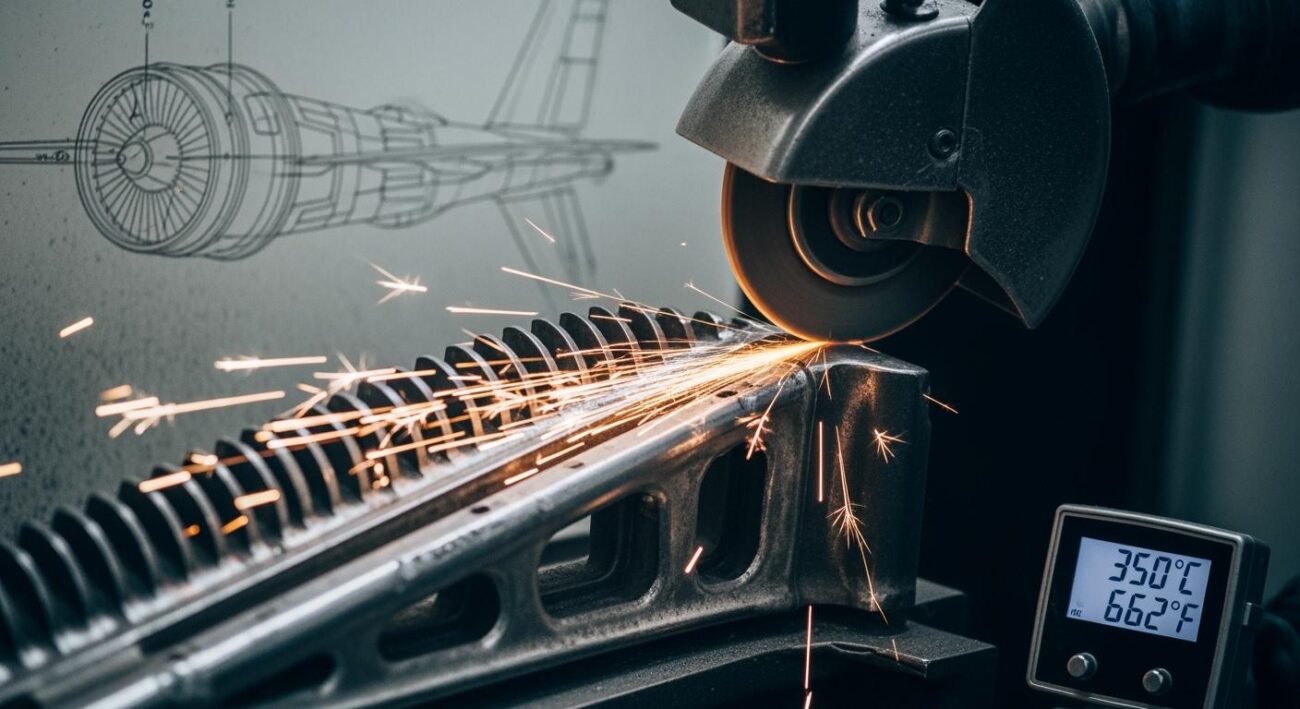
Grinding strategies for heat-sensitive aerospace alloys focus on heat control, optimal parameters, and advanced abrasives to ensure surface integrity.
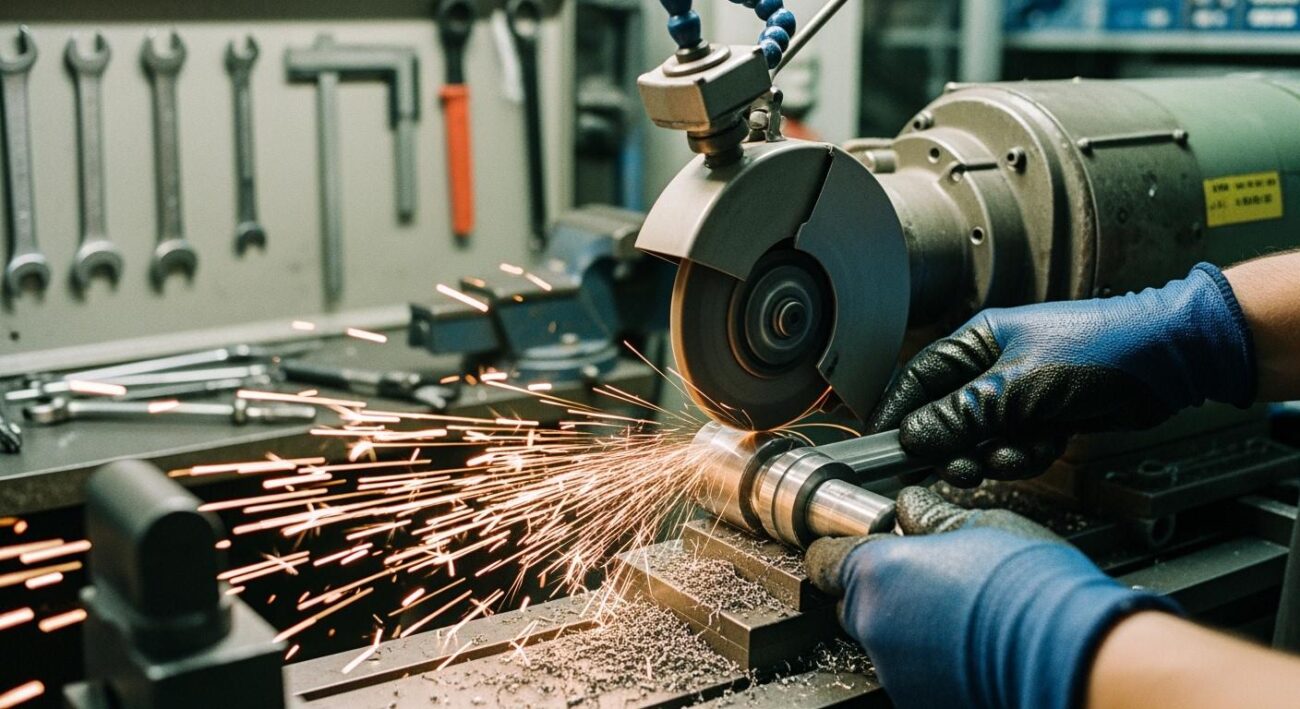
Grinding high-hardness materials requires super hard abrasives, proper coolant use, and steady pressure for efficient, safe, and precise results.
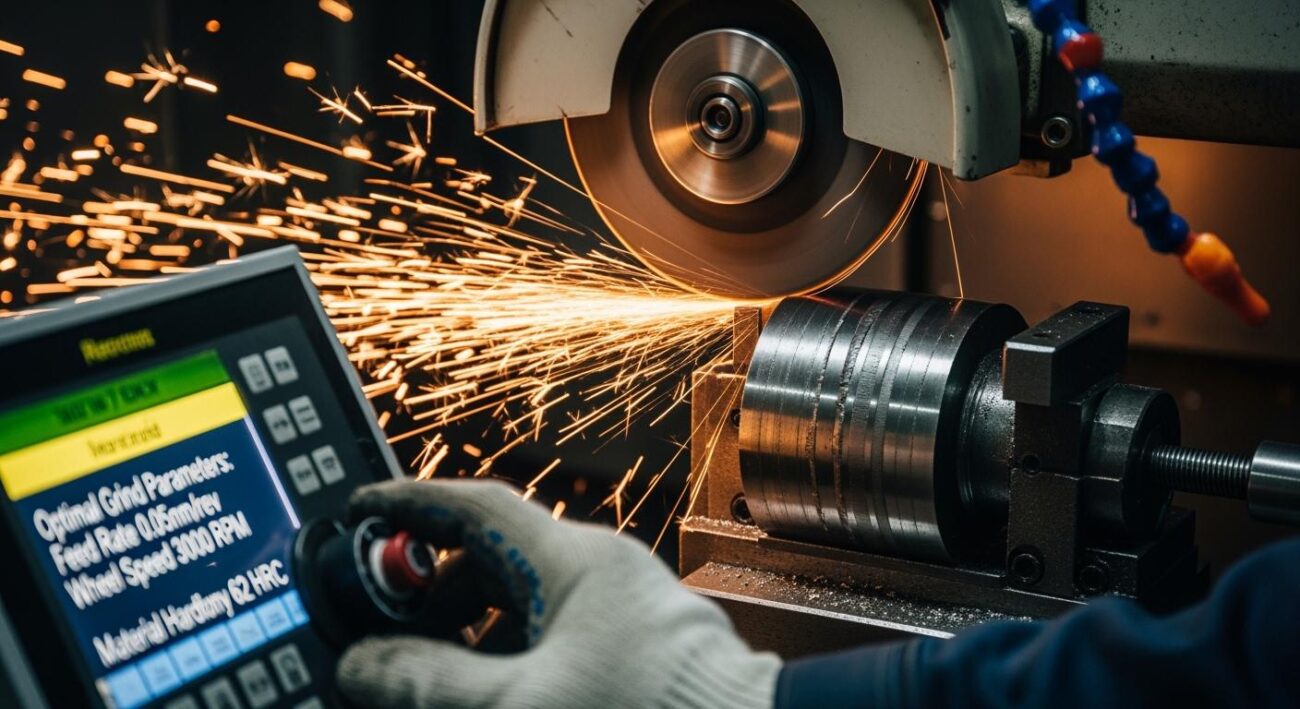
Grinding Hard Materials requires the right abrasives, optimized parameters, and maintenance to reduce tool wear, prevent wheel loading, and ensure surface quality.
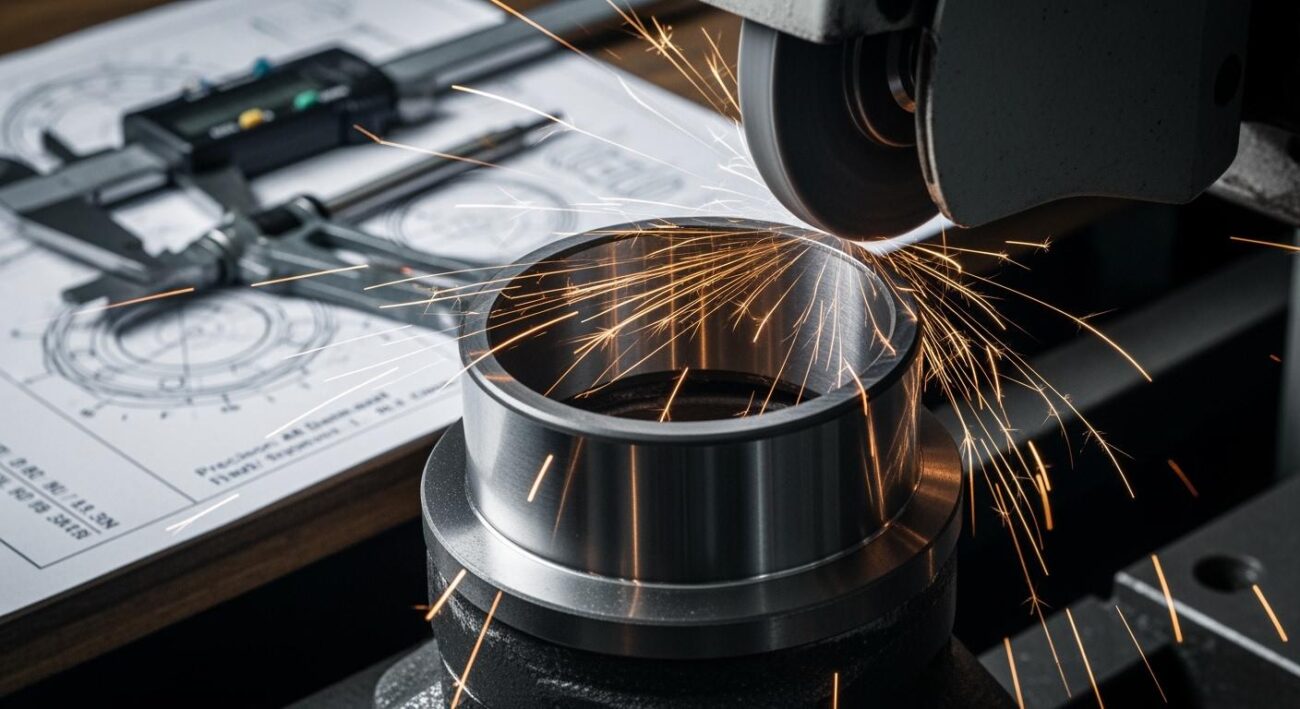
Eliminate taper and size variation in bearing race grinding with precise measurement, process control, and optimized grinding tools.
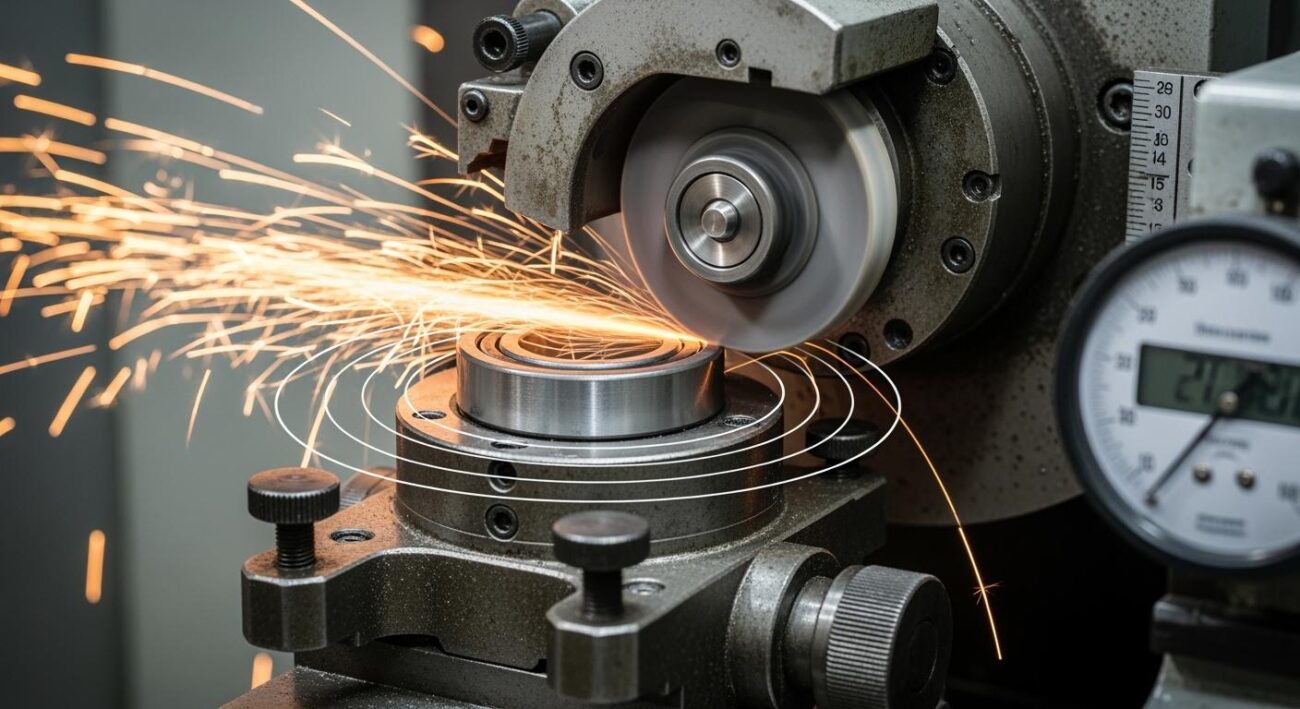
Solve chatter and vibration in bearing ring grinding by adjusting process setup, selecting proper grinding wheels, and ensuring machine stability for better results.
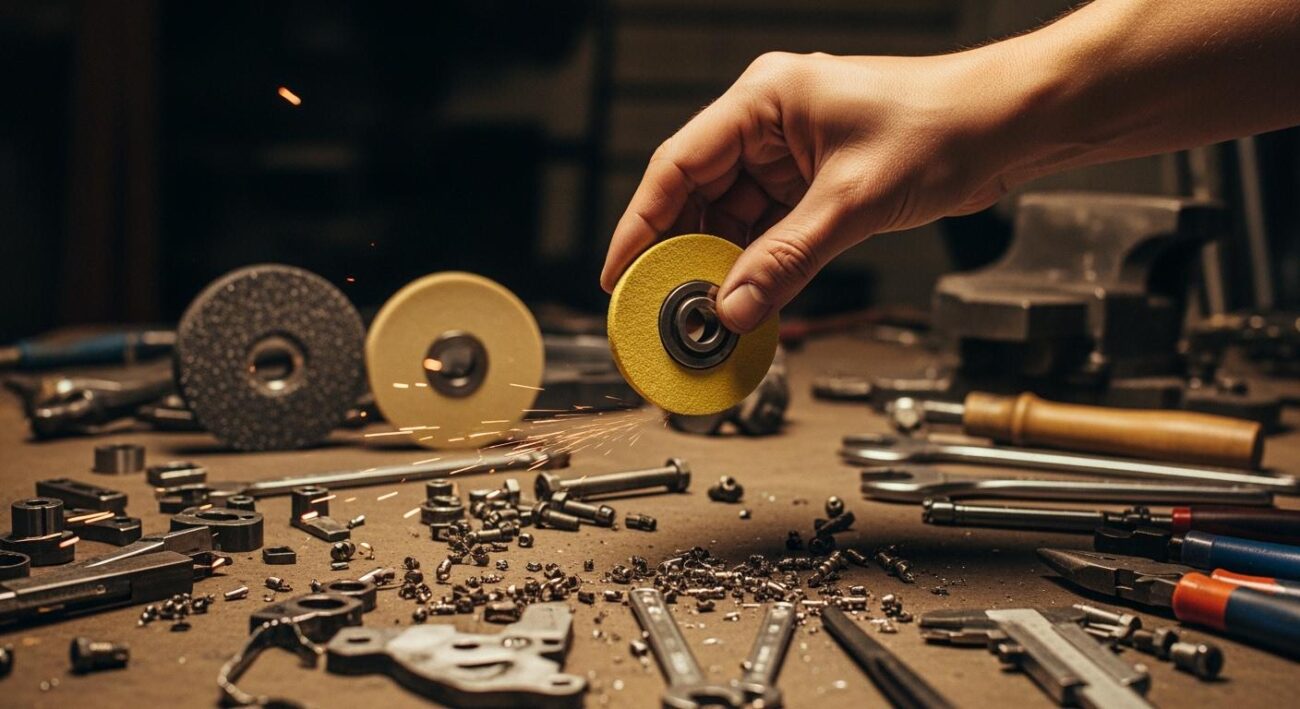
Choose a sulphurized grinding wheel for ferrous metals when you need heat control, smooth finishes, and longer tool life in demanding applications.
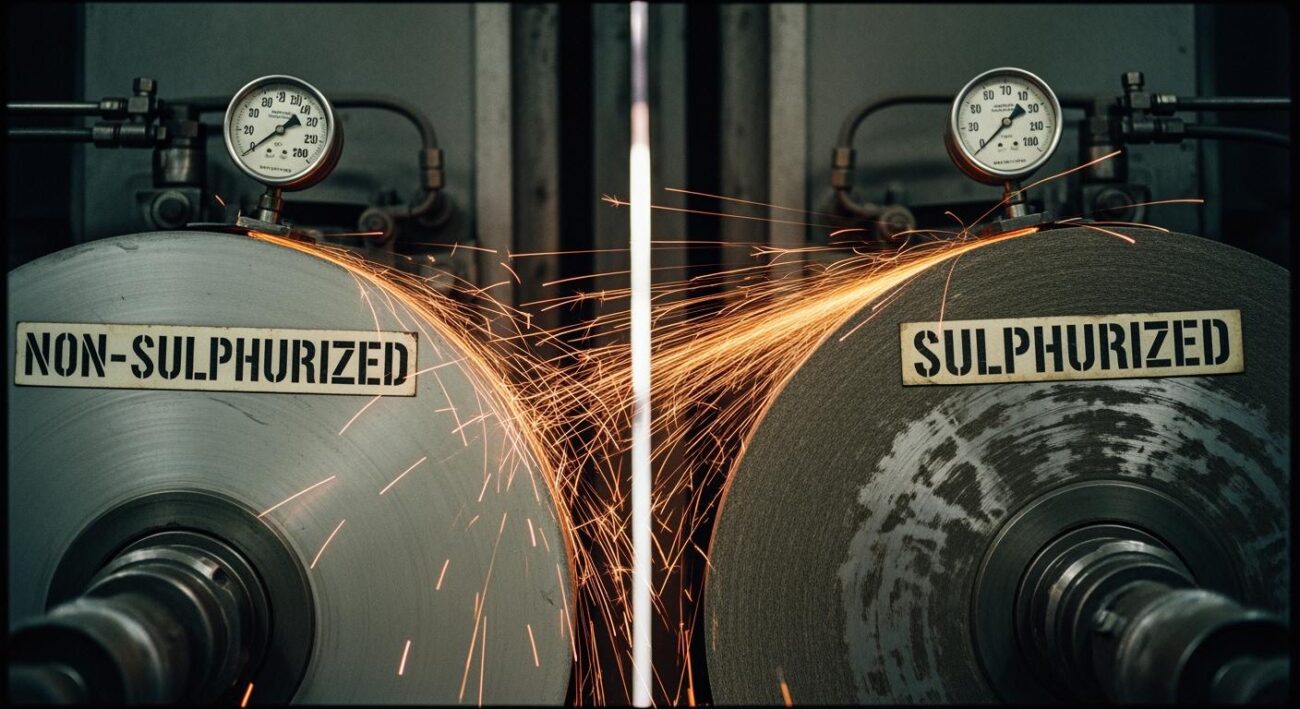
Compare non-sulphurized and sulphurized grinding wheel performance for durability, heat control, and material removal in metalworking and precision jobs.
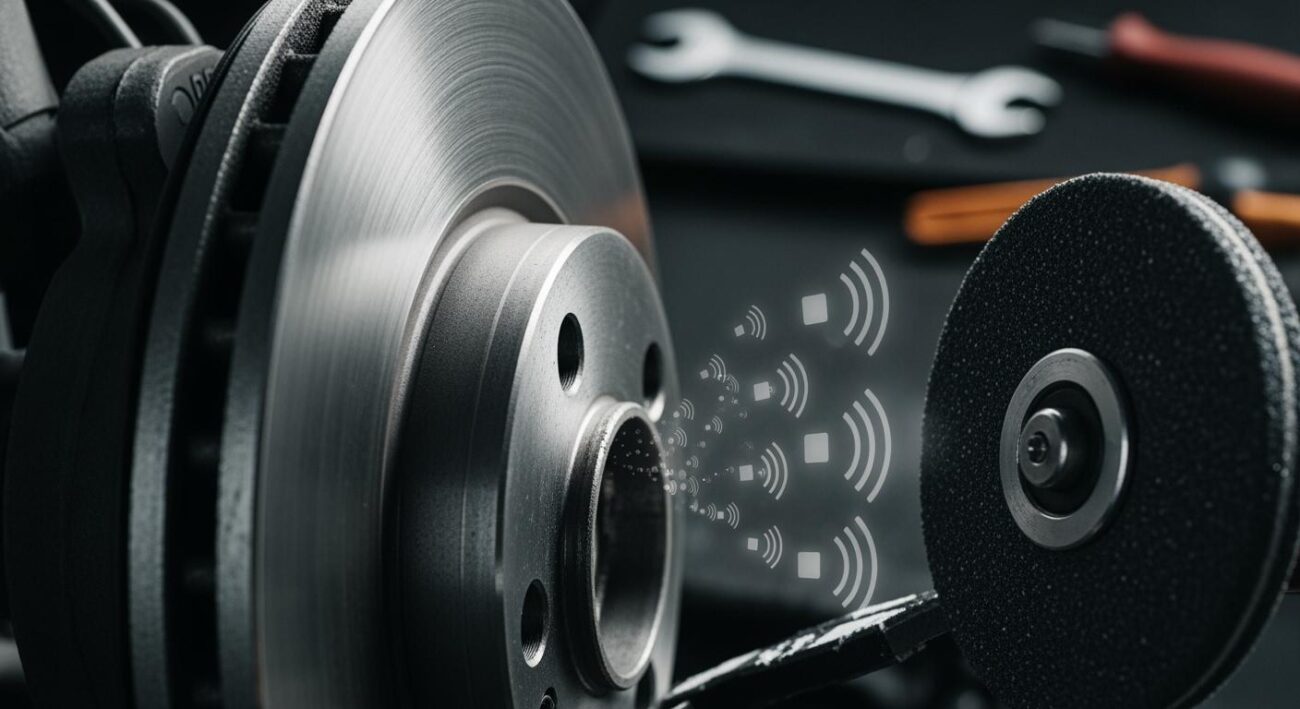
Brake Disc Grinding noise can be reduced by choosing the right grinding wheel material, grit, and bond for quieter, smoother brake disc results.
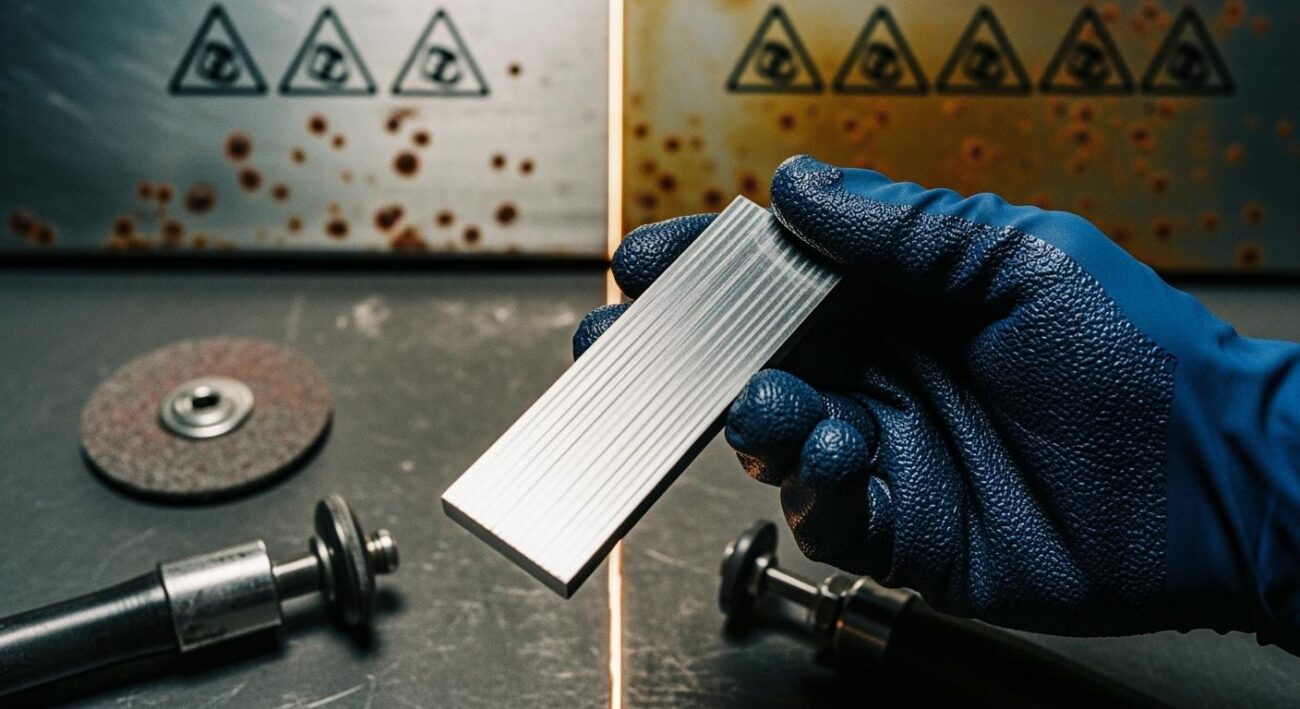
Prevent corrosion and discoloration when grinding surgical stainless steel by using contaminant-free tools, controlling heat, and proper handling.
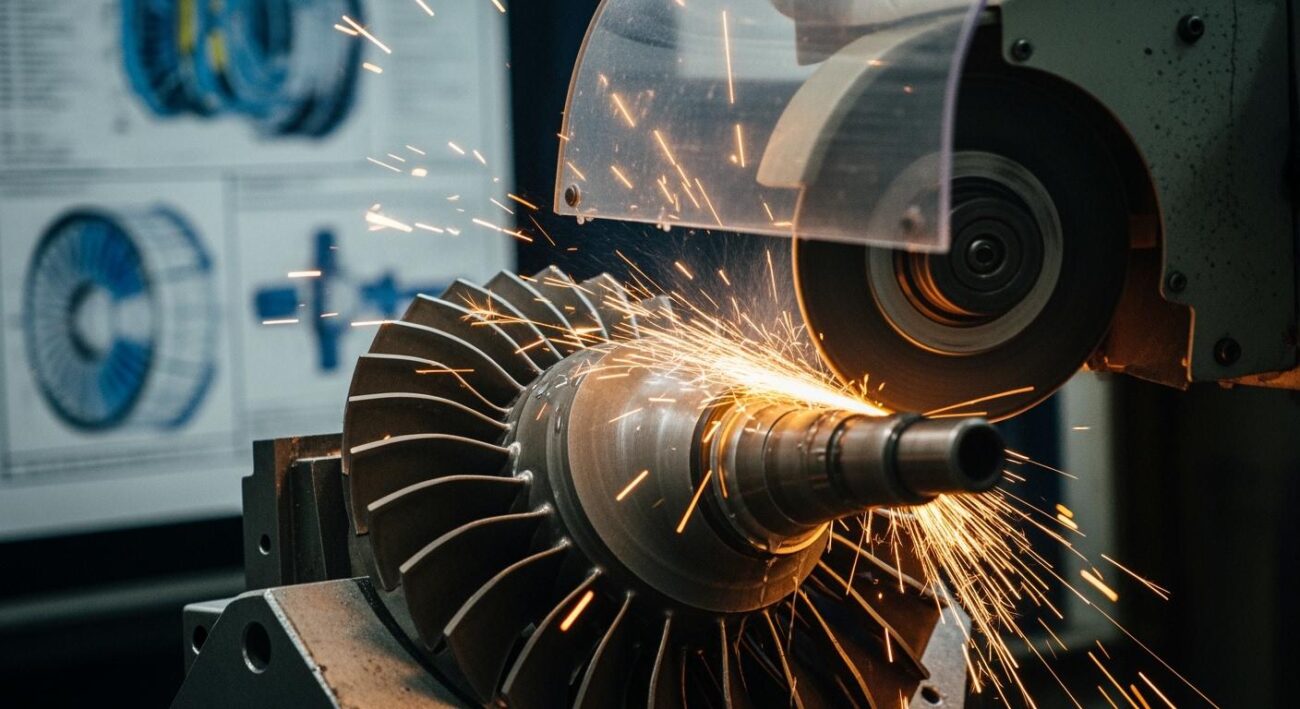
Prevent thermal damage in jet engine component grinding by optimizing parameters, ensuring coolant supply, and selecting the right grinding wheels.
No account yet?
Create an Account