
Titanium Alloy Grinding Wheel Solutions for Aerospace Parts

Titanium Alloy Grinding Wheel solutions enhance precision, tool life, and surface quality for aerospace parts, meeting strict manufacturing standards.
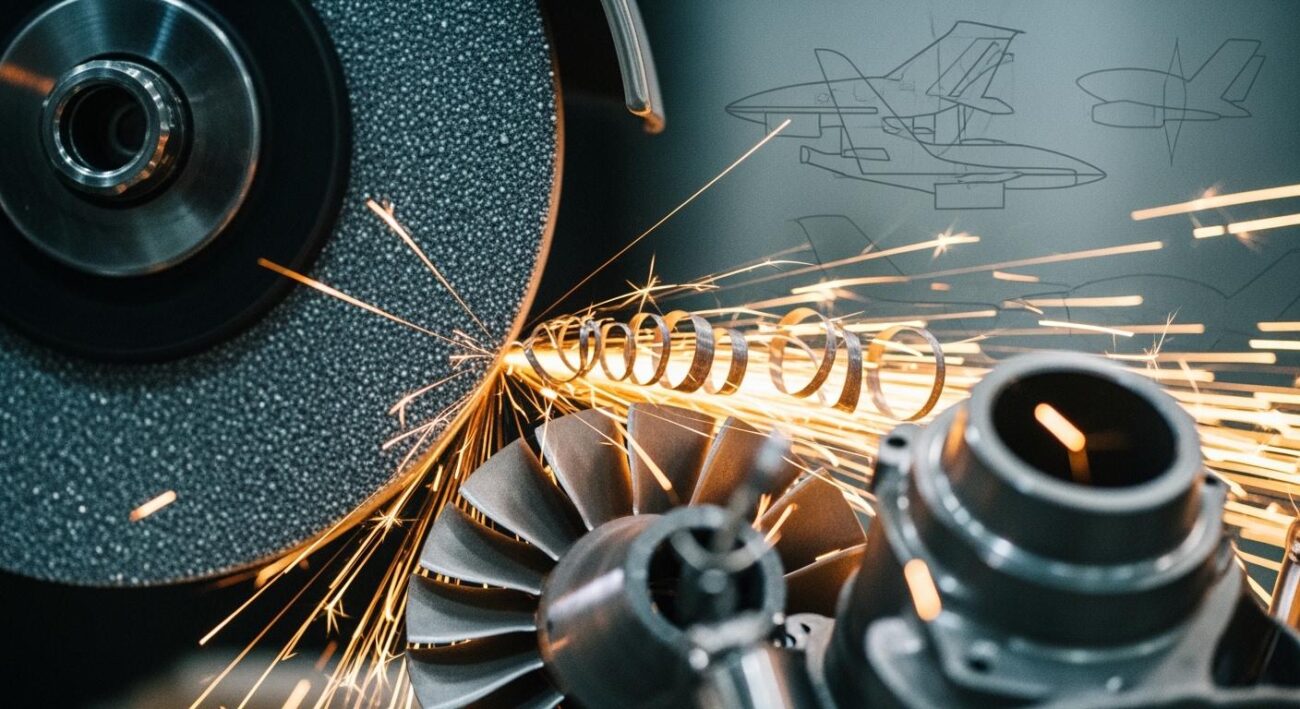
Titanium Alloy Grinding Wheel solutions enhance precision, tool life, and surface quality for aerospace parts, meeting strict manufacturing standards.
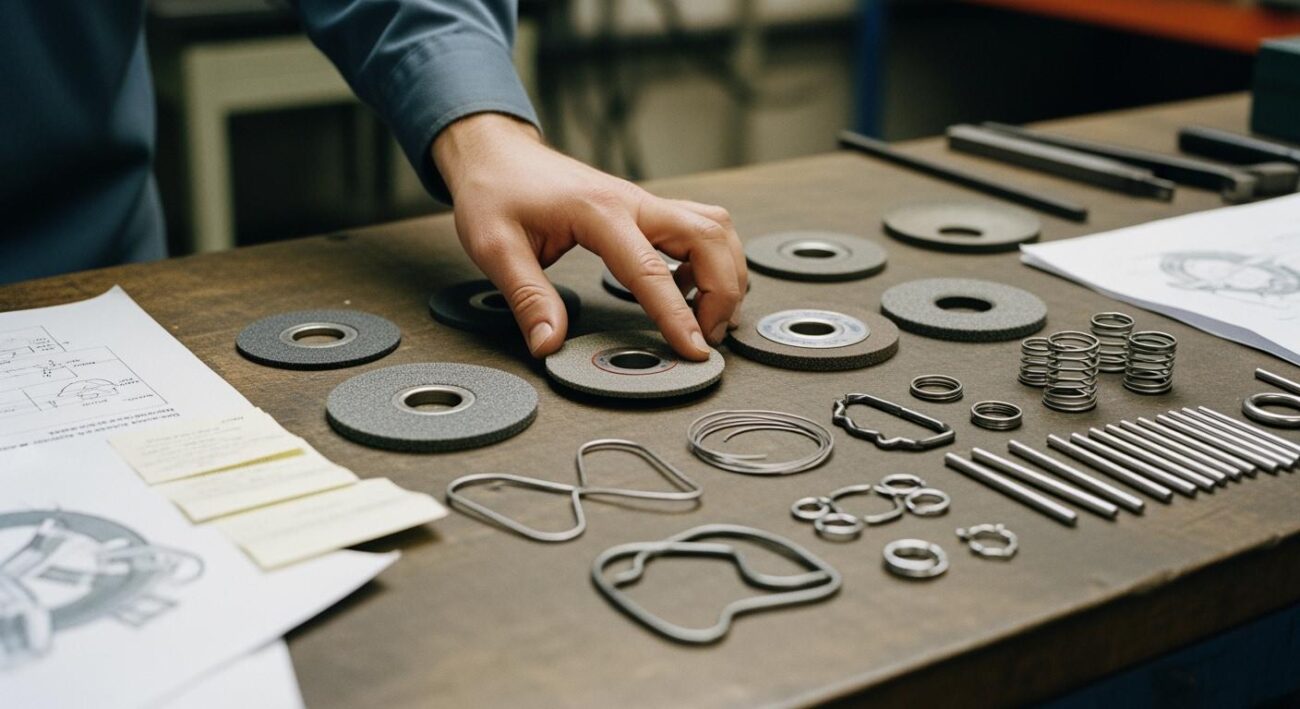
Choose the right grinding wheels for shape memory alloys by matching abrasive, bond, and grit to your project for optimal performance and tool life.
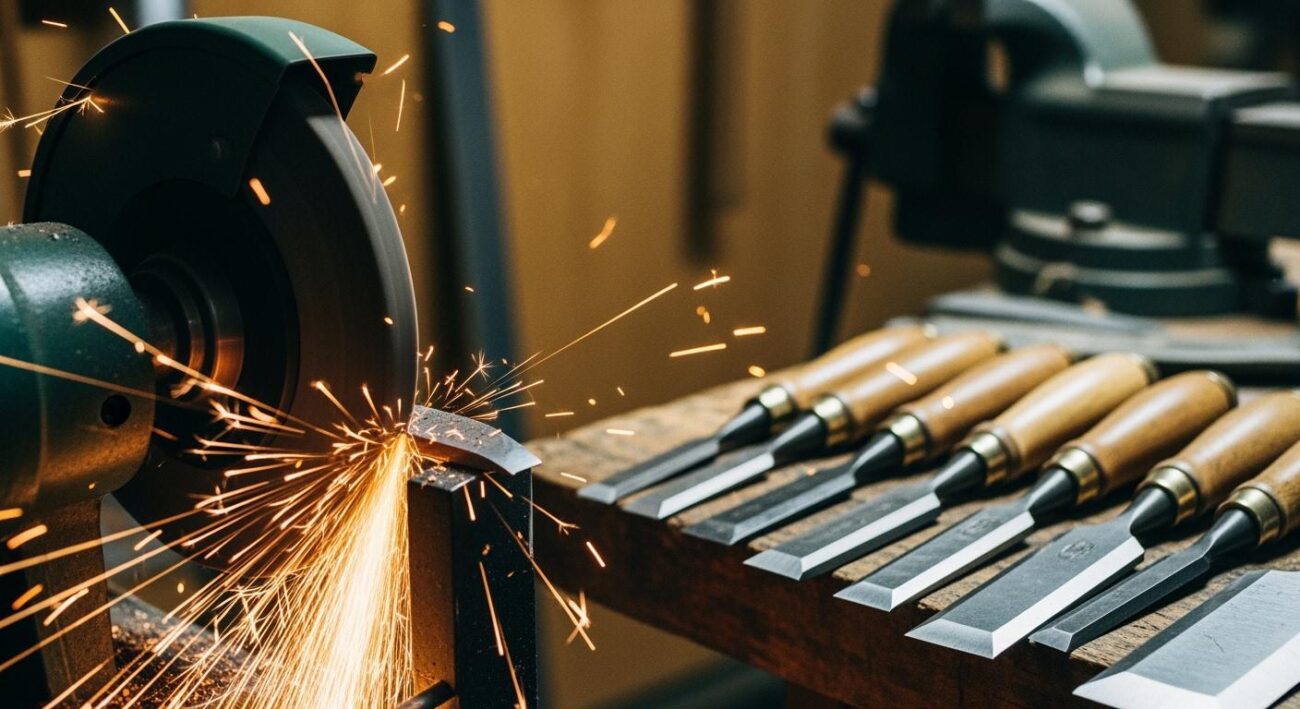
Choose the best grinding wheel for sharpening woodworking tools: aluminum oxide for steel, diamond for carbide, plus grit and shape tips for top results.
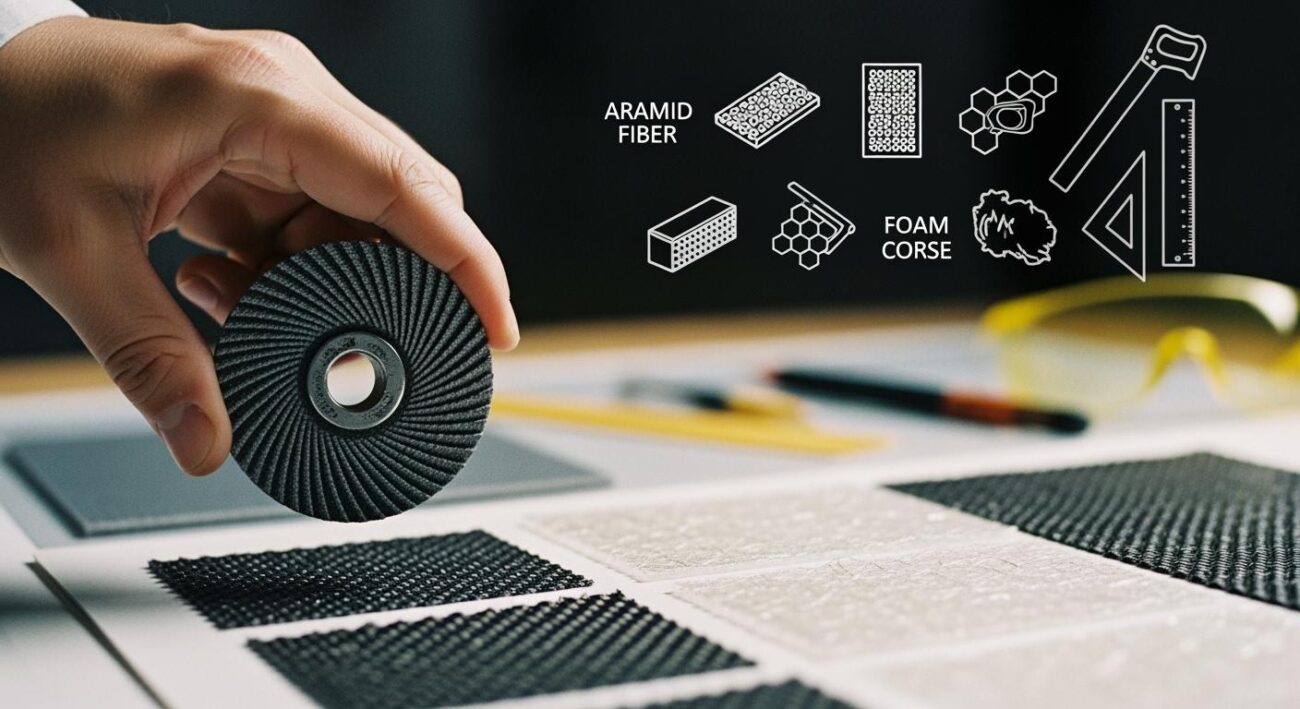
Choose the right grinding wheel for composites by matching abrasive, grit, and bond to your material for optimal performance and safety.
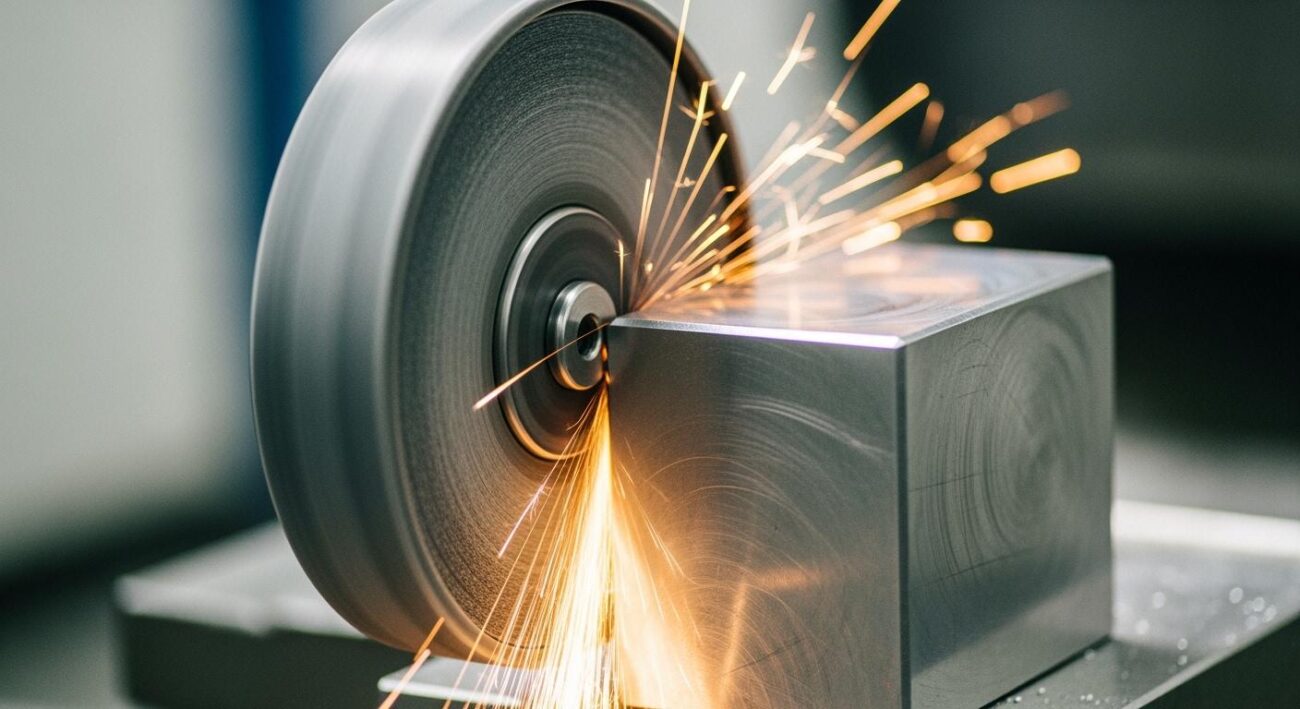
Grinding Wheel choice matters for titanium alloys—diamond wheels offer long life, low heat, and smooth finishes, reducing wear and workpiece damage.
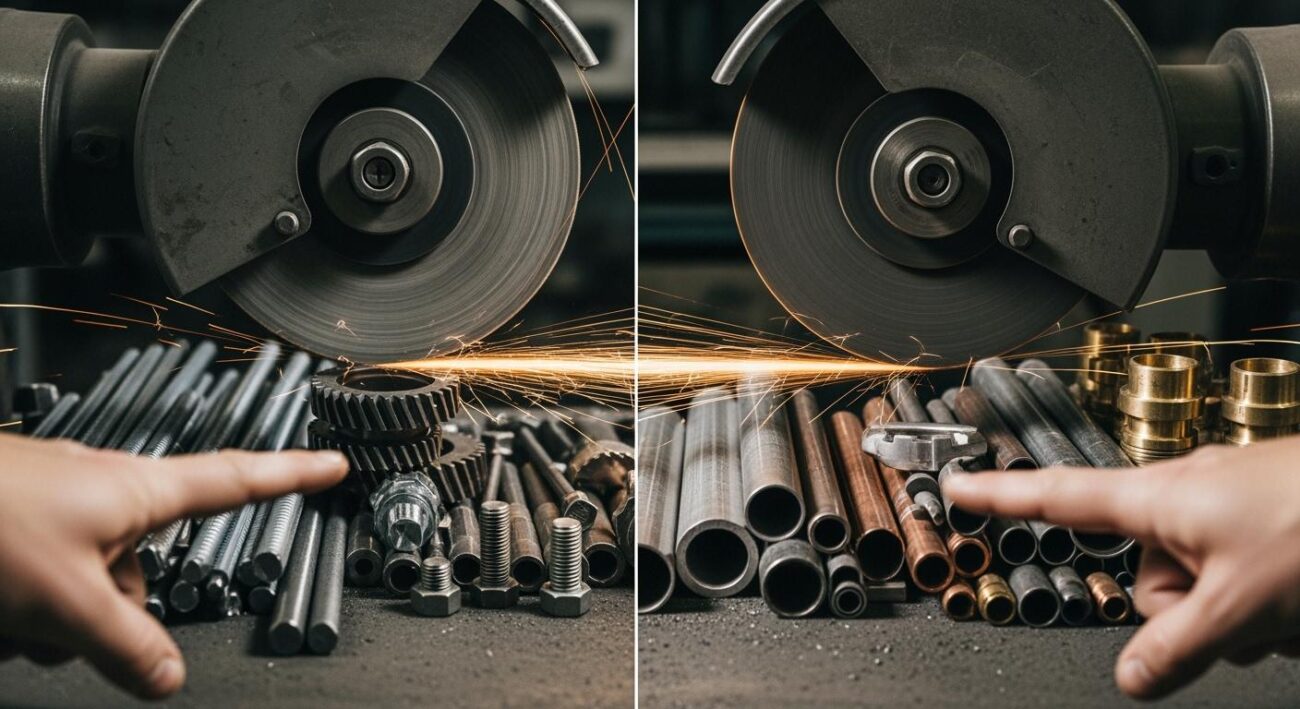
Grinding wheel selection differs for ferrous and non-ferrous metals. Learn which abrasives work best for each to improve performance and extend tool life.
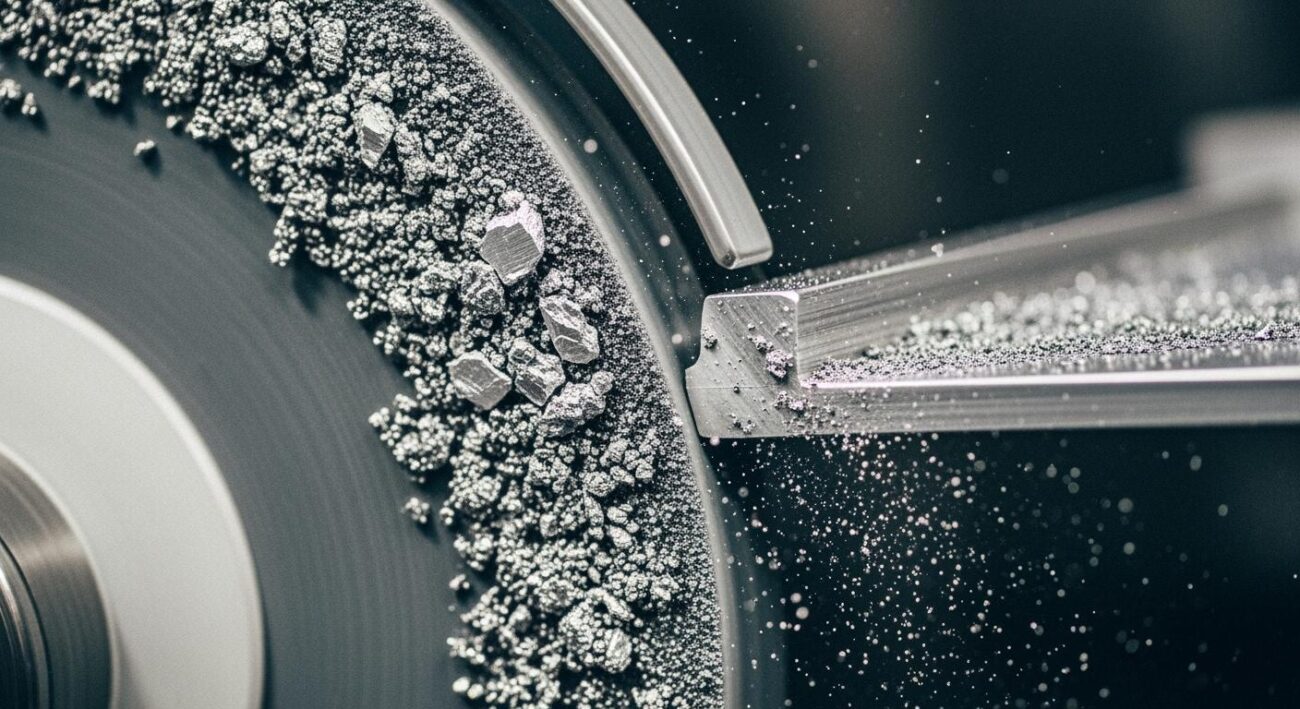
Grinding wheel clogs easily with aluminum due to the metal’s softness, ductility, and low melting point, causing chips to fill abrasive gaps and reduce efficiency.
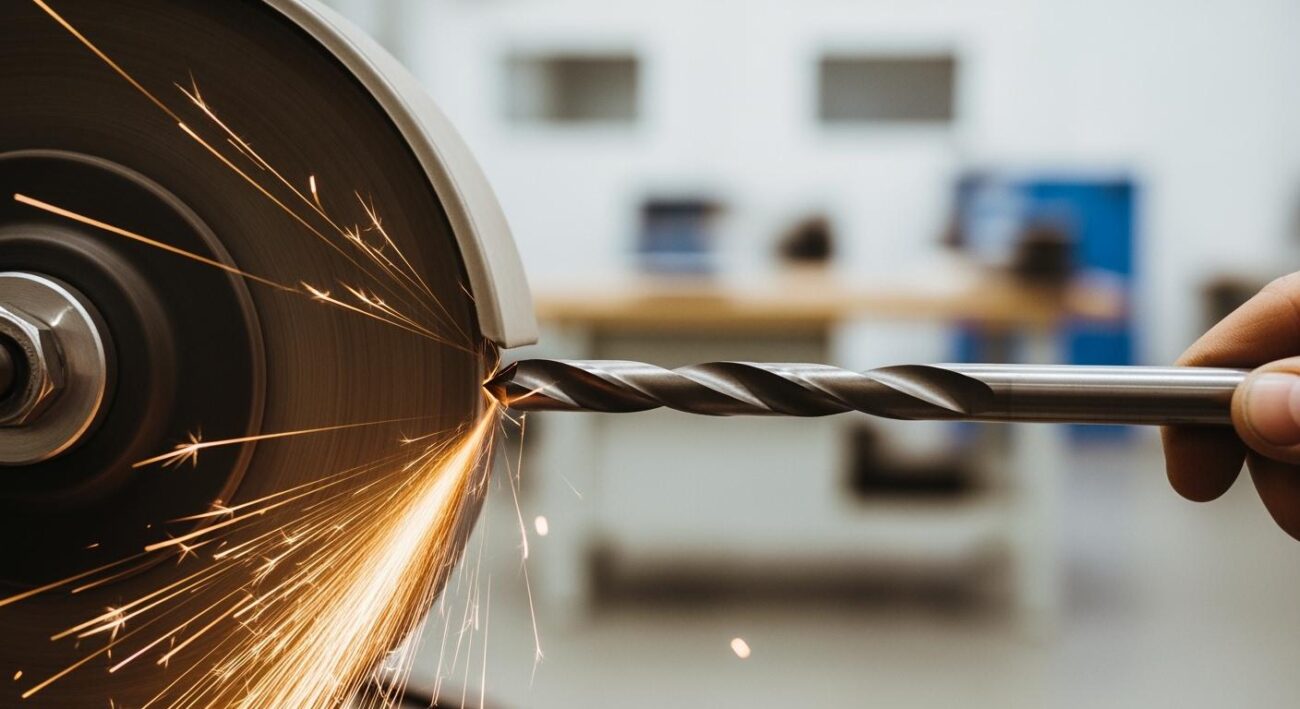
Extend grinding wheel life for HSS tools by selecting the right wheel (like CBN), optimizing speeds and coolant, and performing regular truing and dressing.
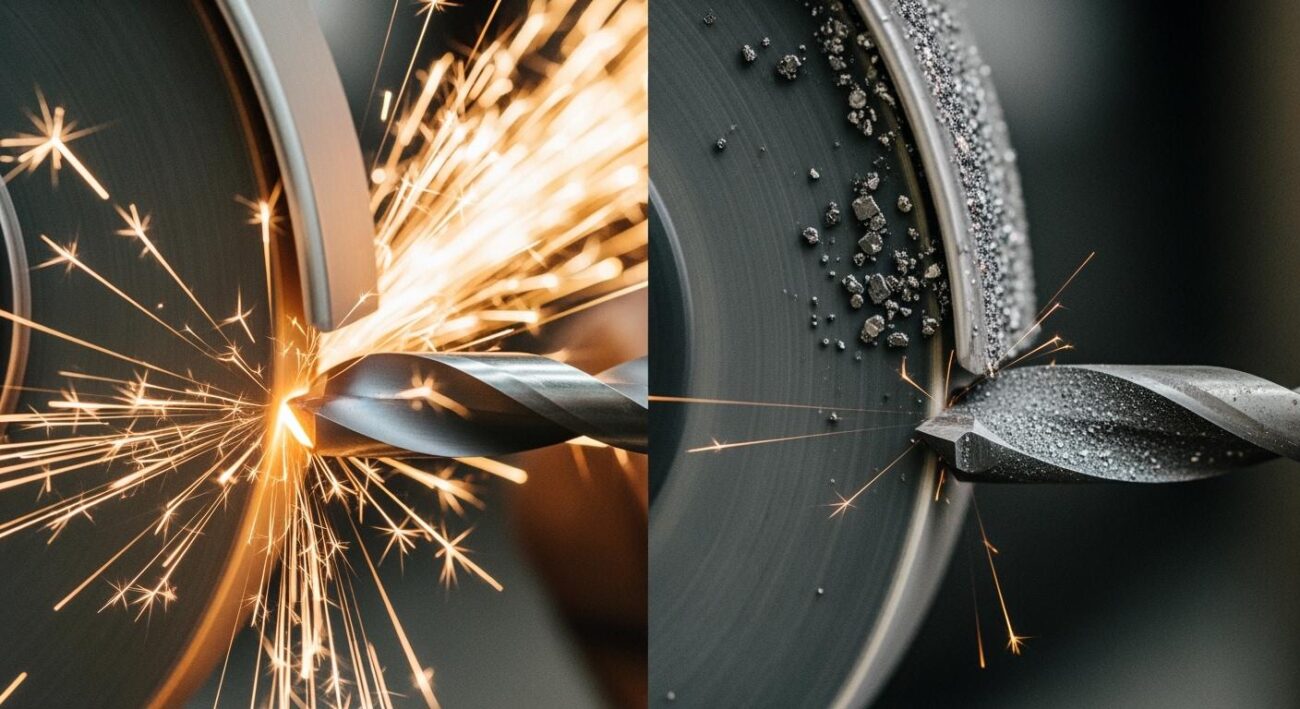
Prevent wheel loading in HSS grinding by using a porous CBN wheel, dressing it regularly, and applying proper coolant. These steps ensure a sharp cutting edge.
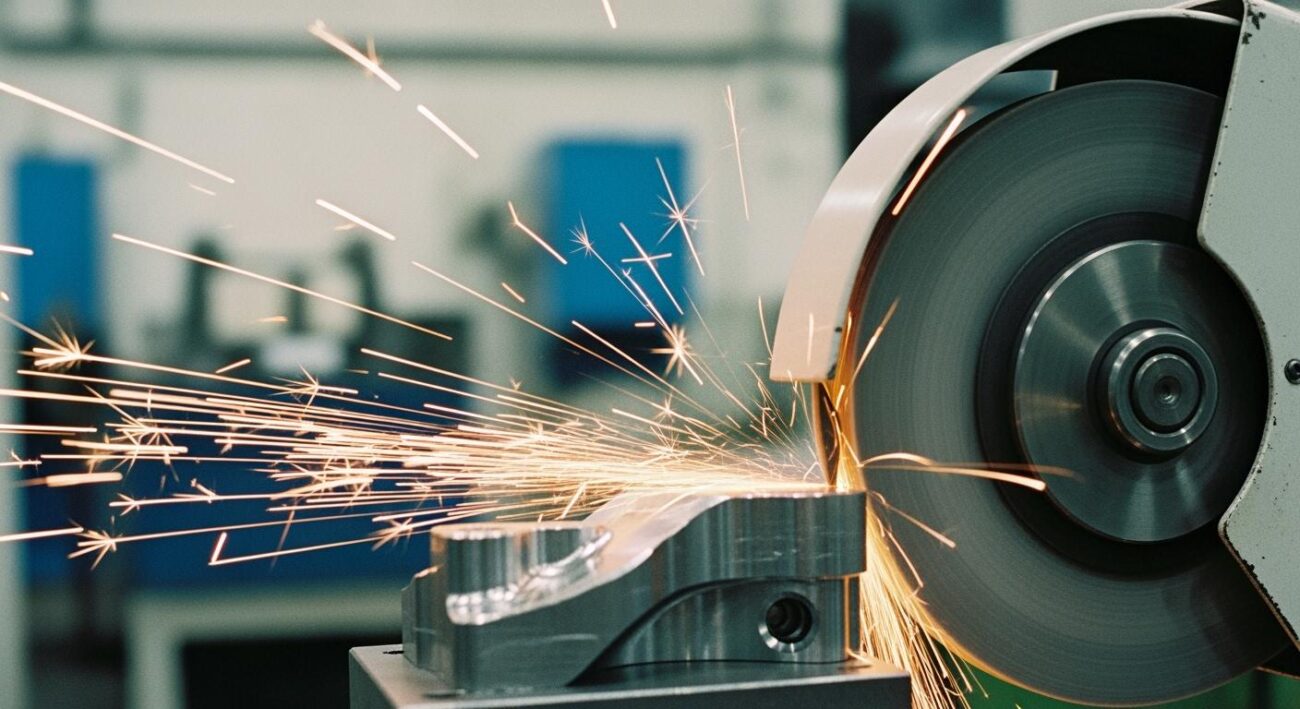
Achieve optimal form grinding wheel selection by matching the abrasive, grain, grade, and bond to your material. This ensures a balance of wear resistance and profile integrity.
No account yet?
Create an Account