Are You Using Your Cut-Off Wheels Correctly?
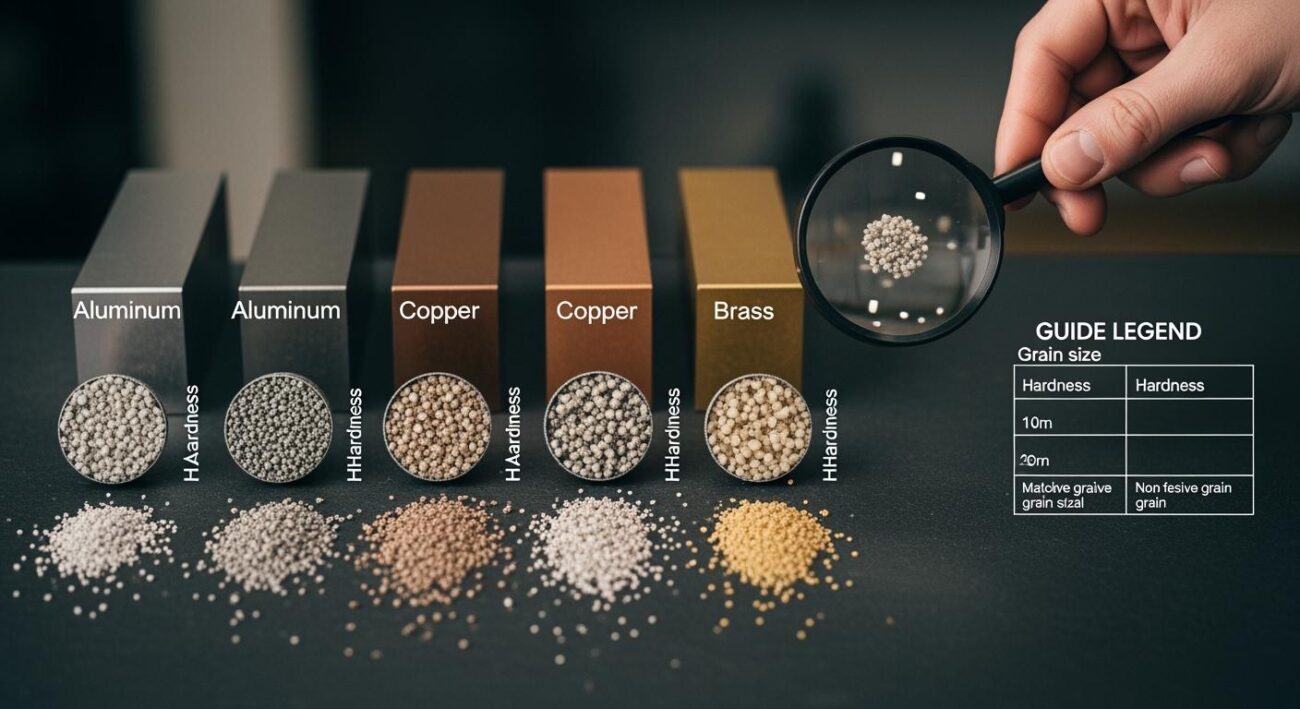
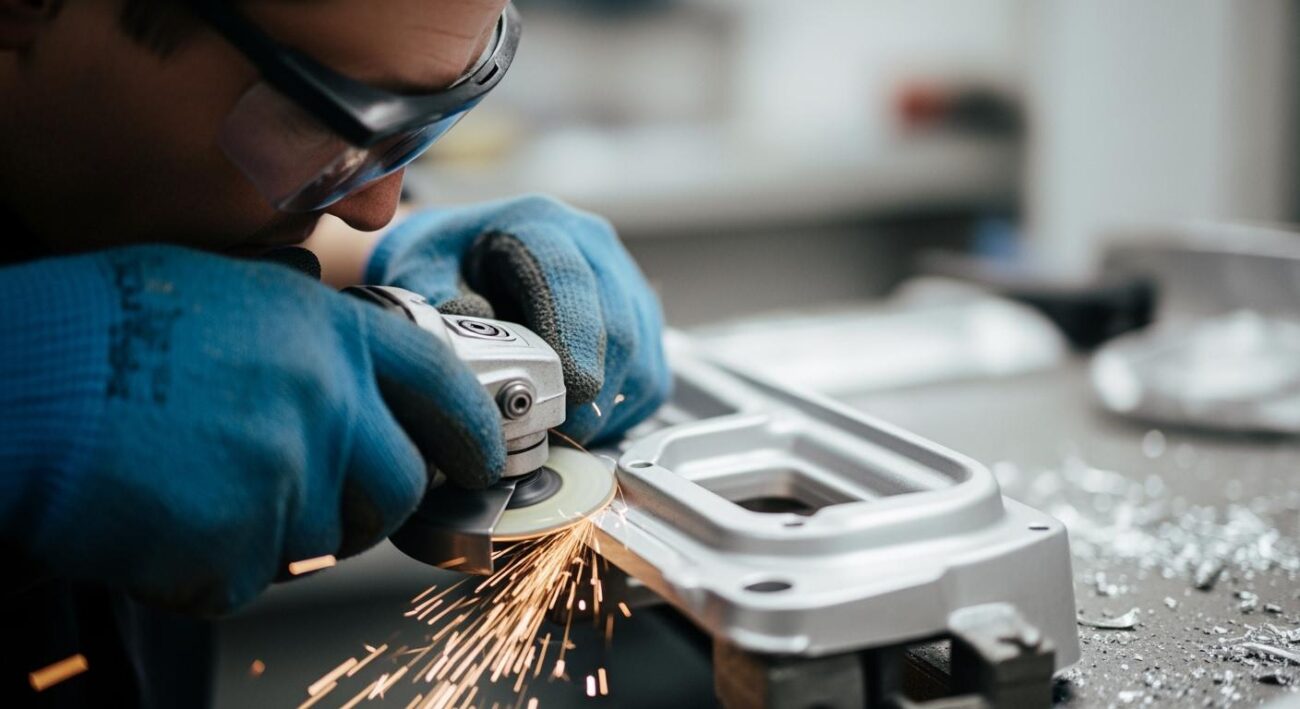
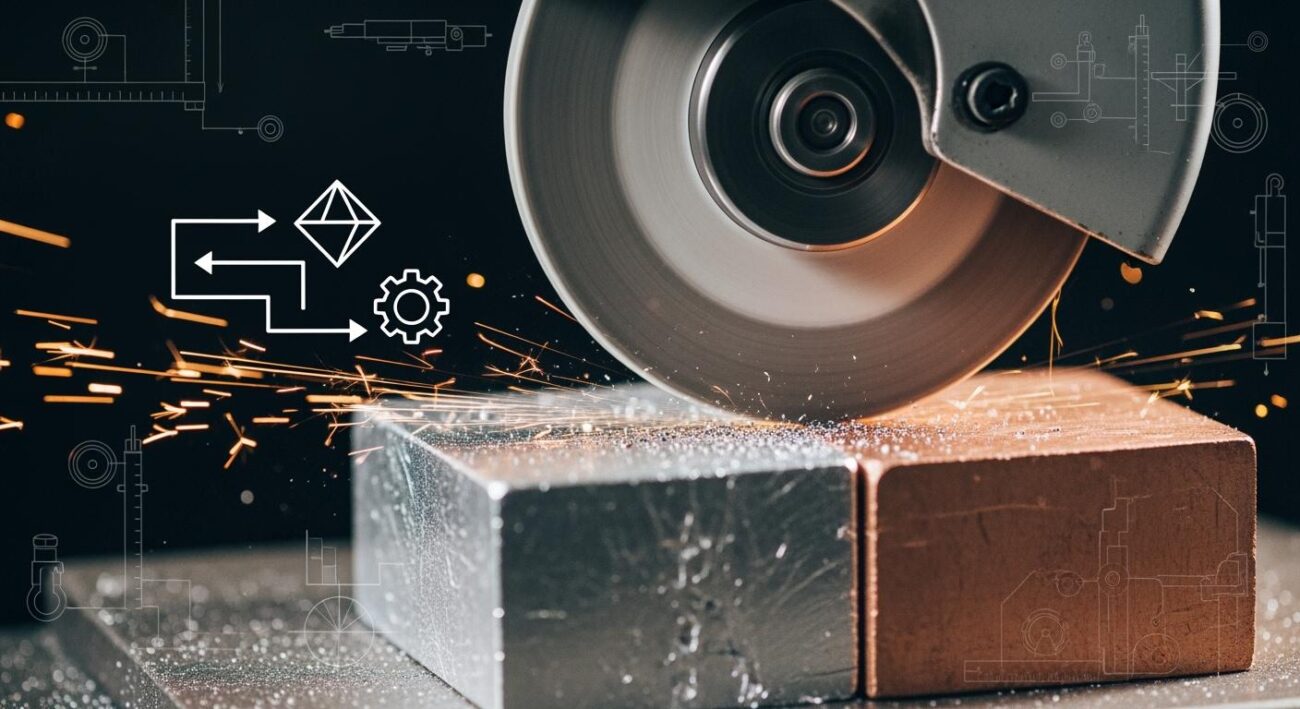
Using cut-off wheels correctly means matching the wheel to your material, verifying tool RPM, and maintaining a strict 90-degree angle with light pressure.
Master profile grinding for custom woodworking knives. This guide details the process, from creating templates and choosing CBN wheels to final sharpening techniques.
Achieve perfect optical clarity by following the three core stages of glass restoration. This guide details the process from grinding to final polishing.
Avoid ruining your cuts by learning the common mistakes in sharpening band saw blades, like using wrong tools, ignoring tooth angles, and overheating the steel.
Sharpening carbide requires an abrasive harder than the tool itself. Standard wheels cause heat damage, but diamond wheels offer superior hardness for a fast, cool cut.
To grind HSS tools without burning, use a friable or CBN wheel, apply light pressure in short bursts, and quench the tool in water after each pass.
Your coolant strategy is key to preventing thermal damage and poor surface finish. The right fluid and management boosts quality, extends wheel life, and cuts costs.
Master grinding titanium with superabrasives for superior precision and surface quality. This guide covers wheel selection, coolant use, and safety protocols.
Achieve a perfect finish by selecting the right wheel, optimizing speed and feed rates, and performing regular wheel dressing to ensure a sharp, clean cut.
Abrasive technology provides precise methods for cutting difficult materials. Waterjet, wire sawing, and grinding with superabrasives cut hard or heat-sensitive materials.
No account yet?
Create an Account