
Common Defects in Crankshaft Grinding and Corrective Actions

Common Defects in crankshaft grinding include out-of-round journals, cracks, and burn marks. Find corrective actions to improve engine reliability.
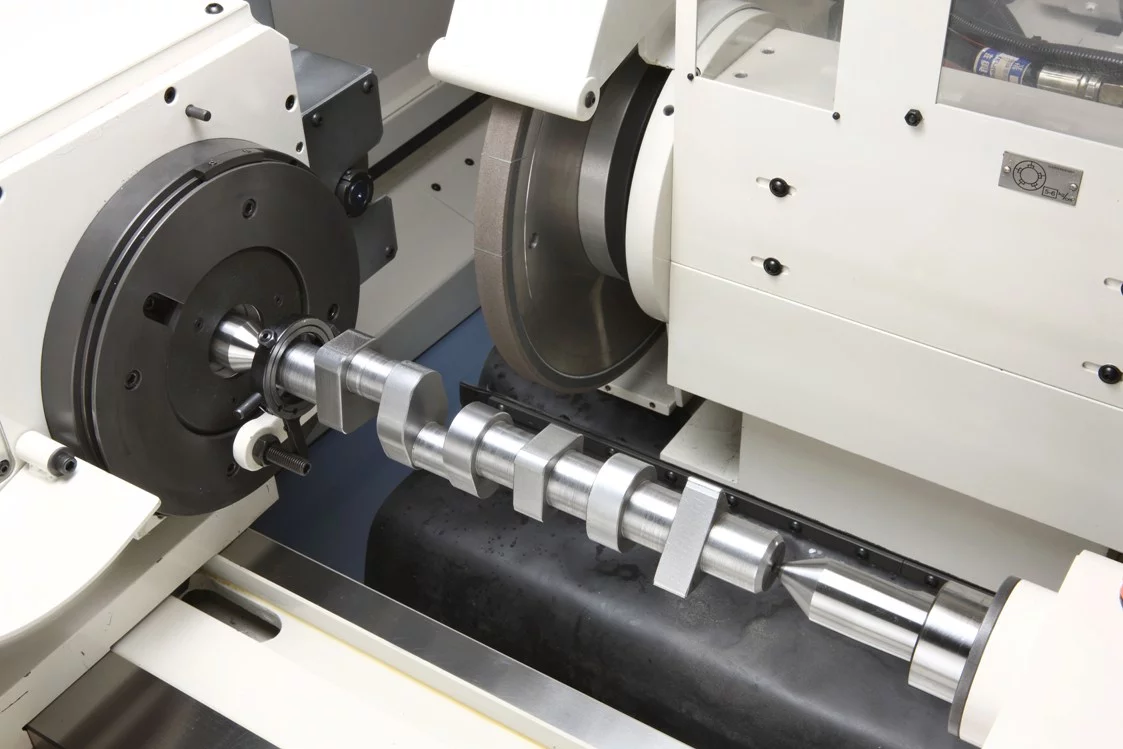
Common Defects in crankshaft grinding include out-of-round journals, cracks, and burn marks. Find corrective actions to improve engine reliability.
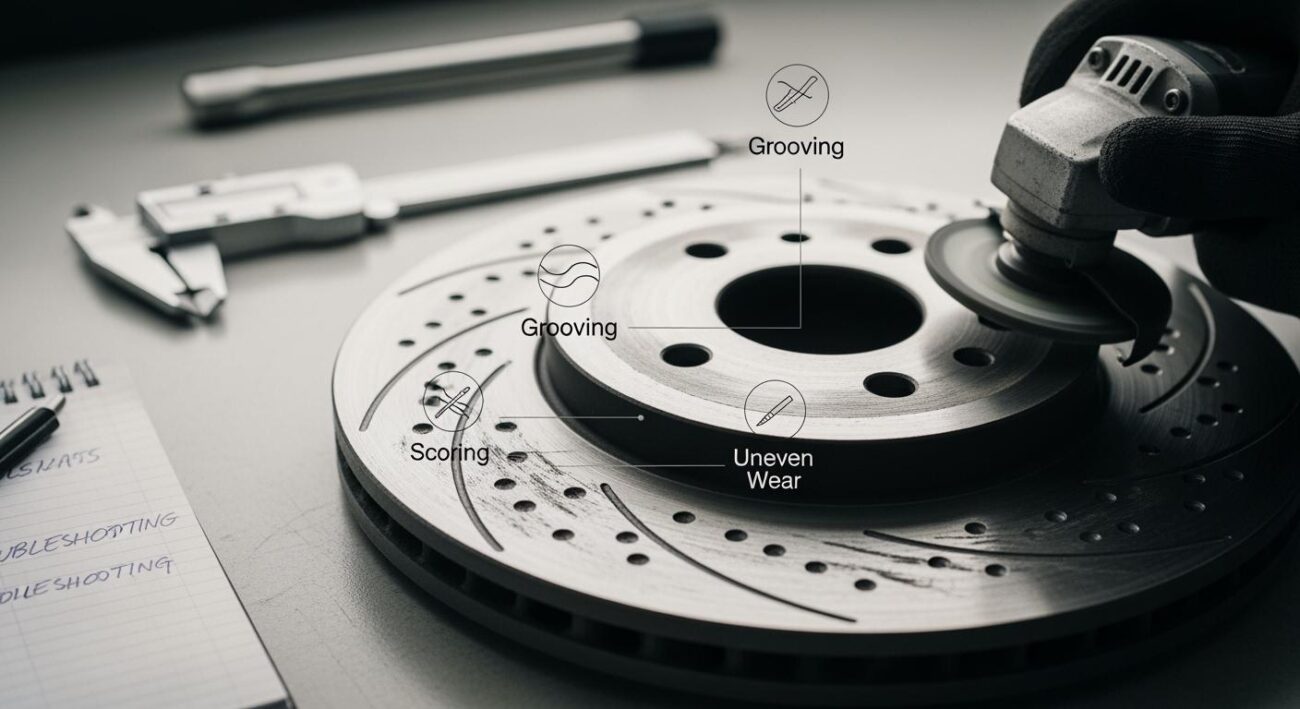
Troubleshoot brake rotor grinding defects like uneven surfaces, runout, scoring, and noise. Find solutions for safe, efficient brake maintenance.
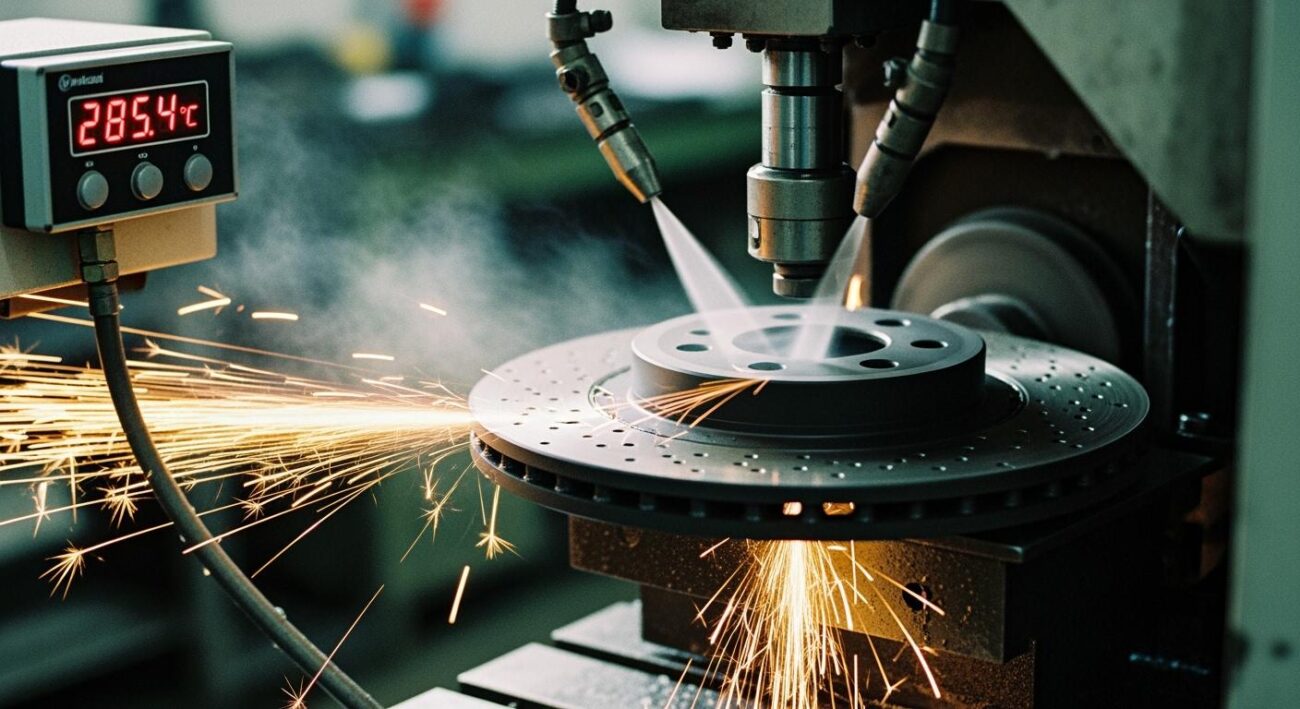
Prevent thermal cracking and distortion during brake disc grinding by controlling temperature, using proper tools, and ensuring adequate cooling.
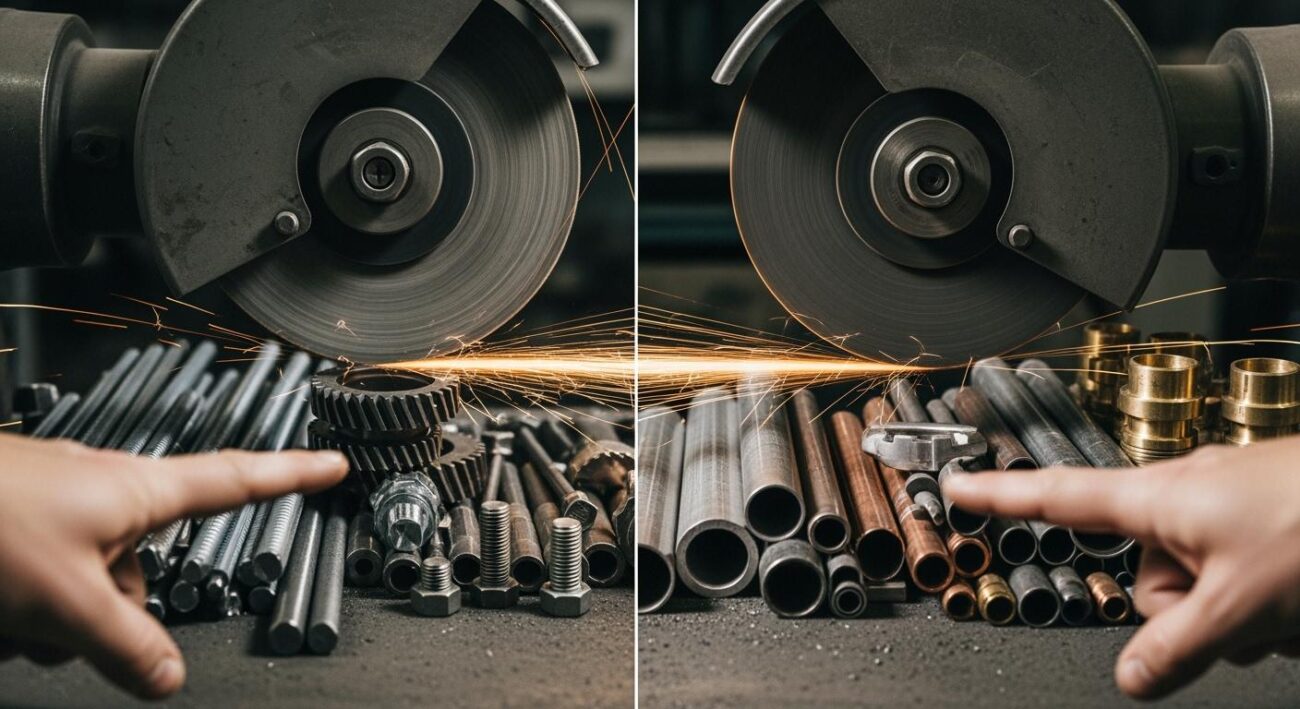
Grinding wheel selection differs for ferrous and non-ferrous metals. Learn which abrasives work best for each to improve performance and extend tool life.
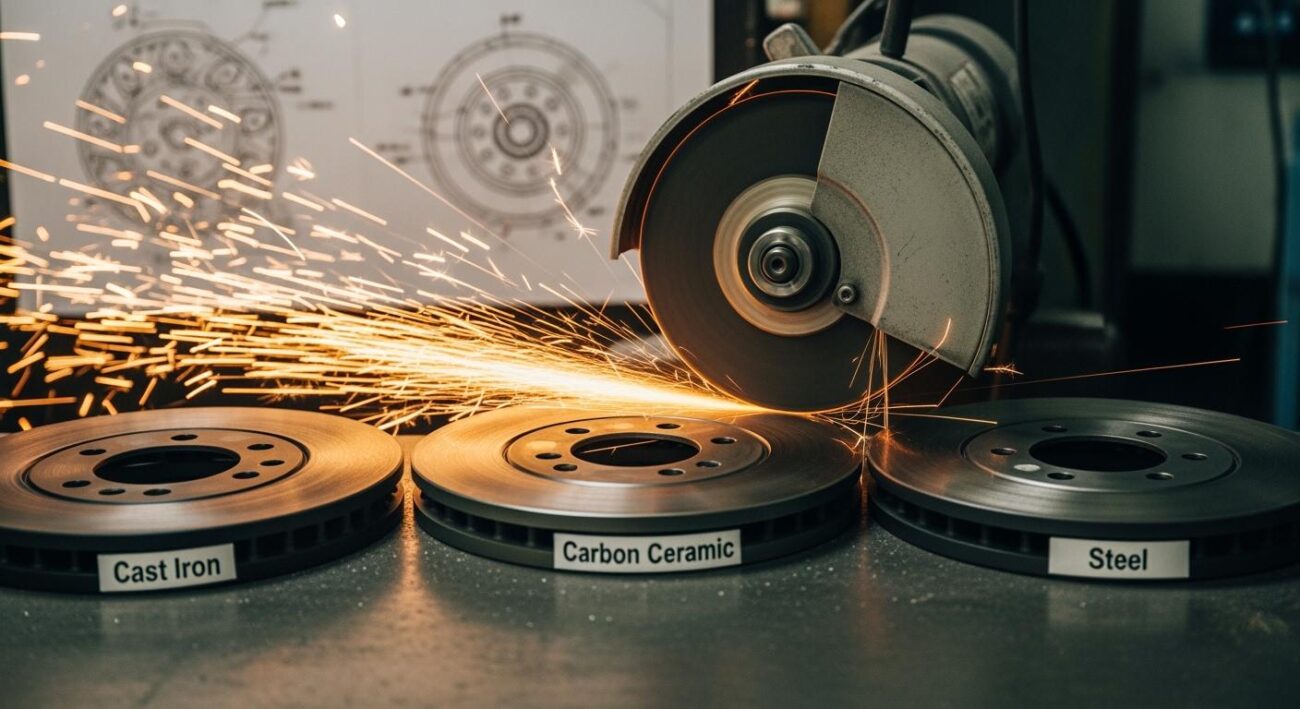
Grinding challenges with brake disc materials include tool wear, heat damage, and surface finish issues. Find solutions for cast iron, carbon-ceramic, and steel.

Metal grinding challenges like poor finish, wheel wear, and overheating are solved with universal troubleshooting and safety practices.
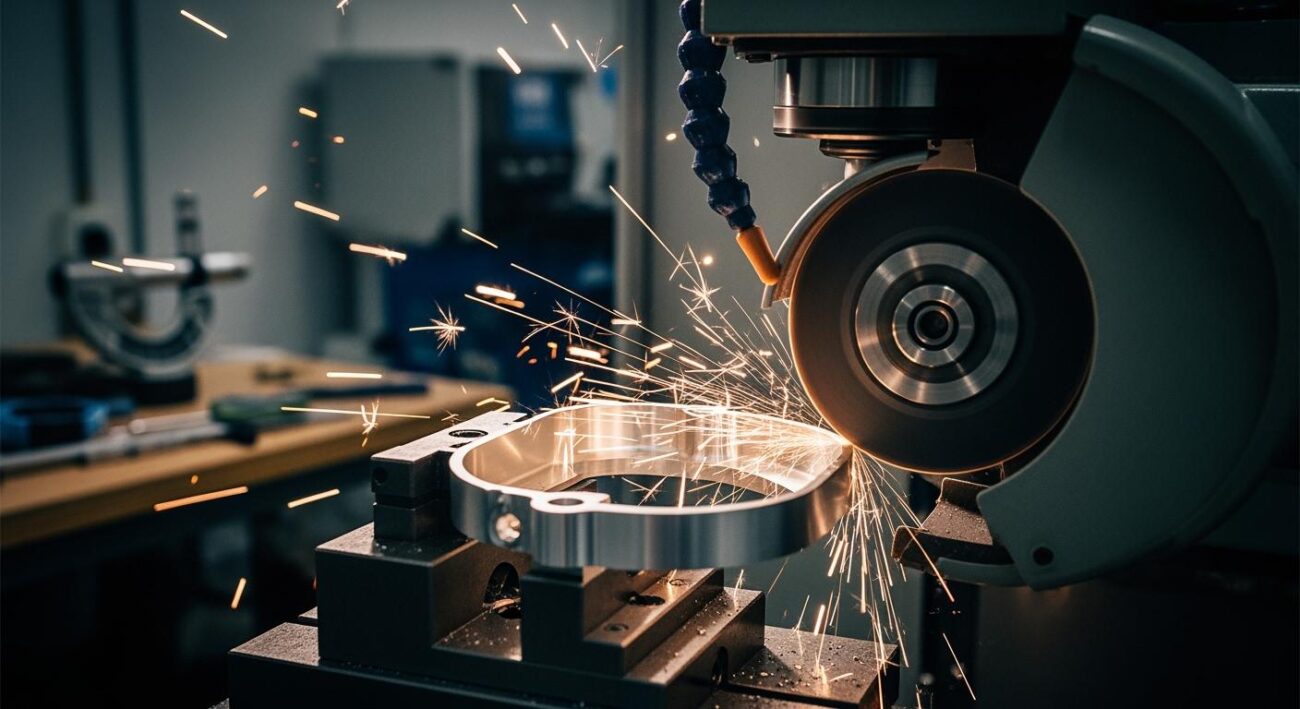
Achieve distortion-free precision grinding of thin-wall aluminum parts with expert tips on setup, fixturing, coolant, and grinding wheel selection.
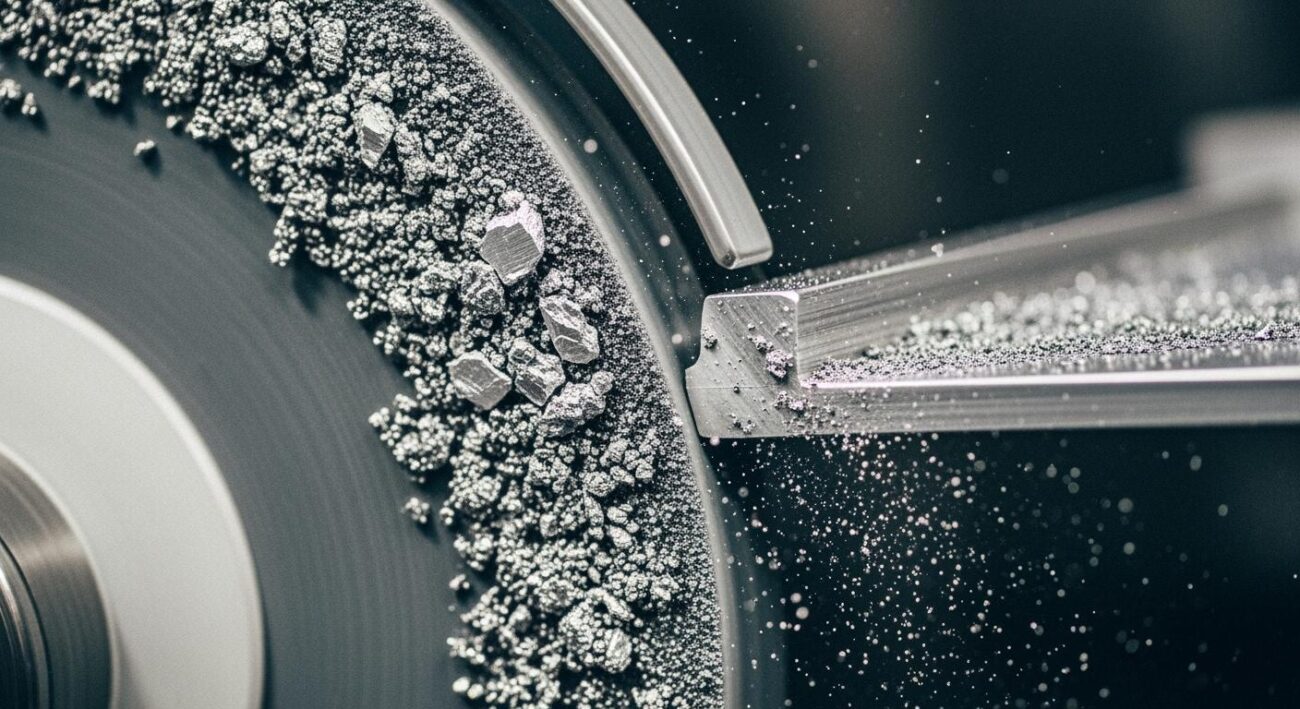
Grinding wheel clogs easily with aluminum due to the metal’s softness, ductility, and low melting point, causing chips to fill abrasive gaps and reduce efficiency.
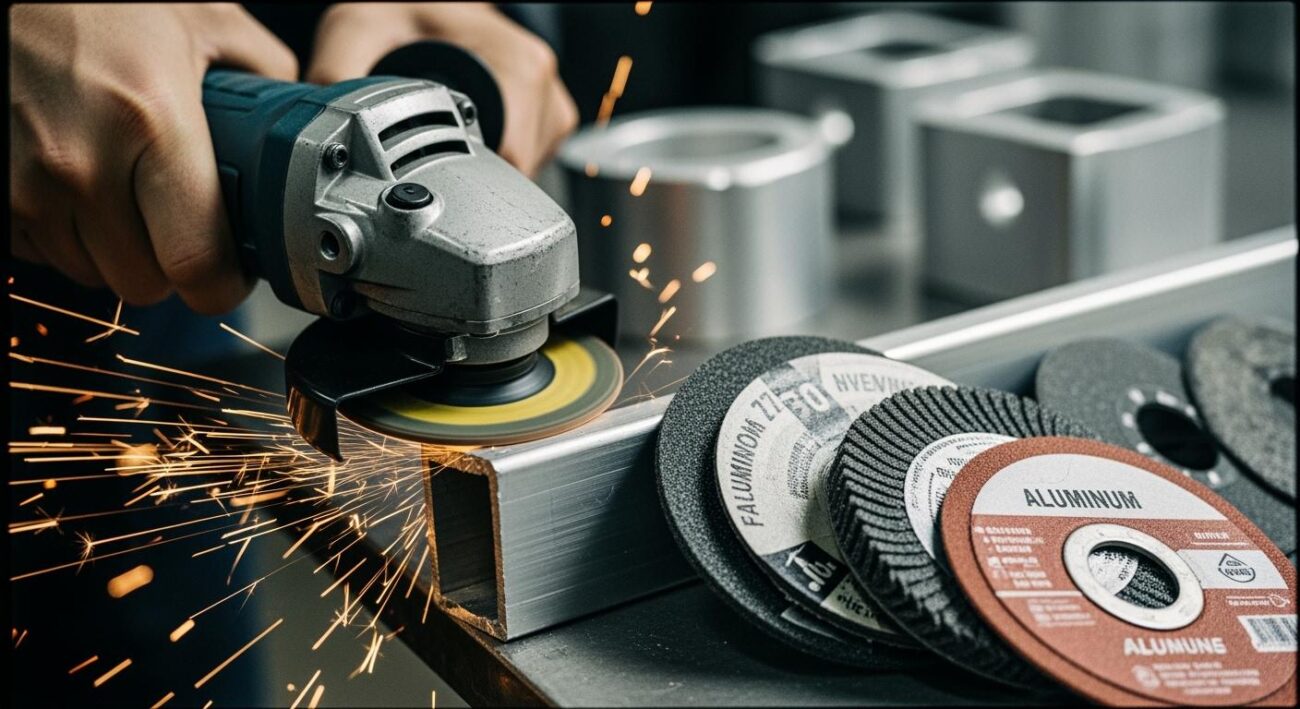
Abrasive wheels like flap discs, silicon carbide, and diamond wheels ensure effective, cool, and clog-free aluminum grinding for smooth, safe results.
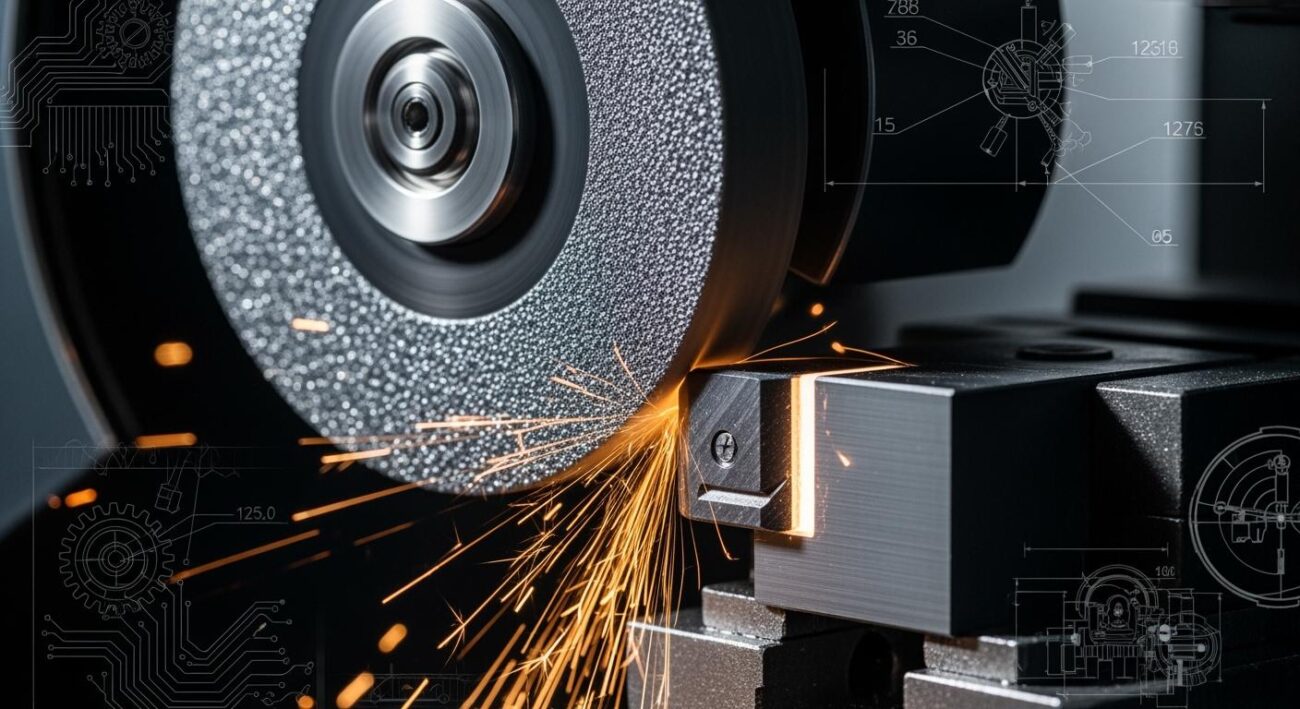
Achieve high-efficiency grinding of carbide with electroplated diamond wheels for superior precision, faster material removal, and longer tool life.
No account yet?
Create an Account