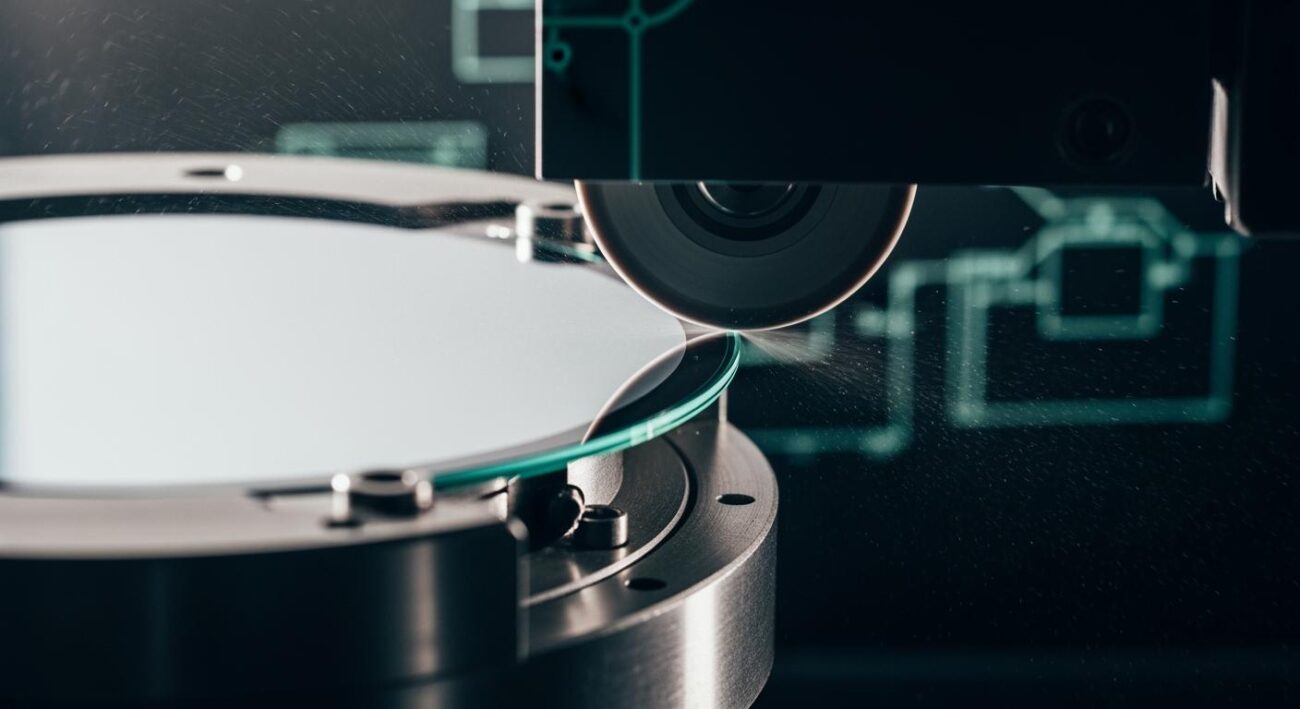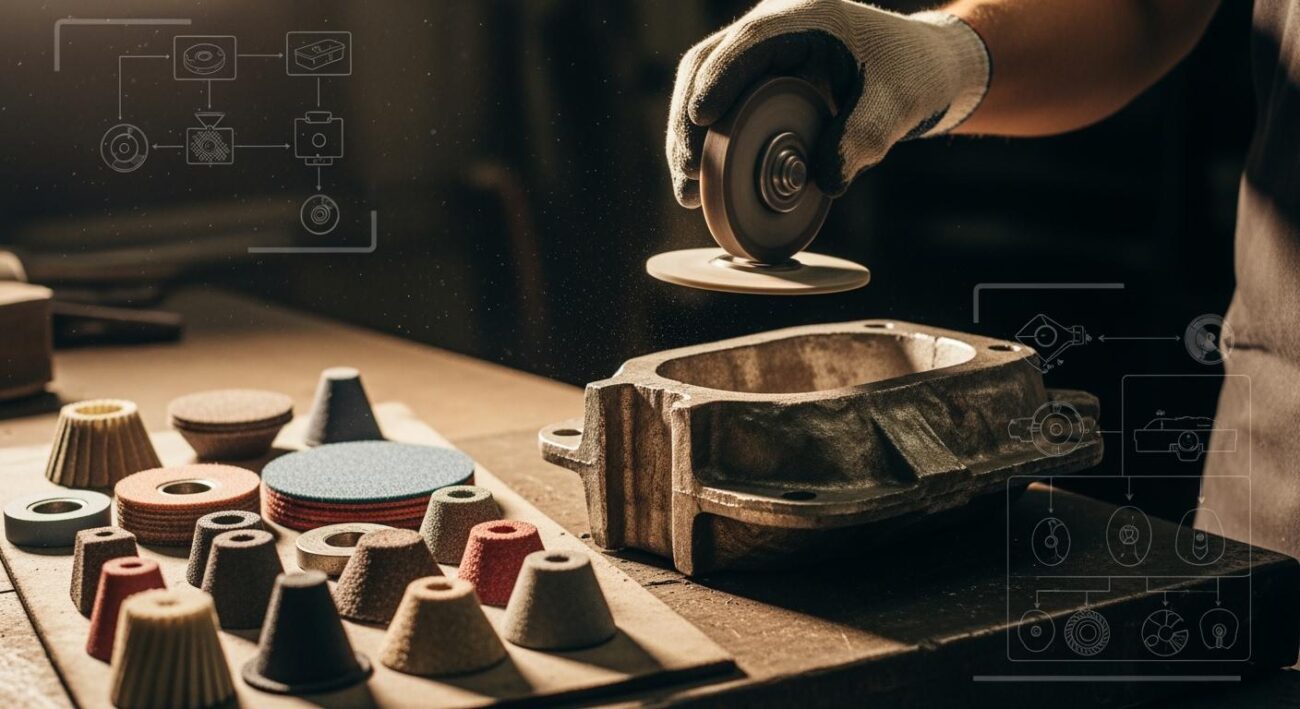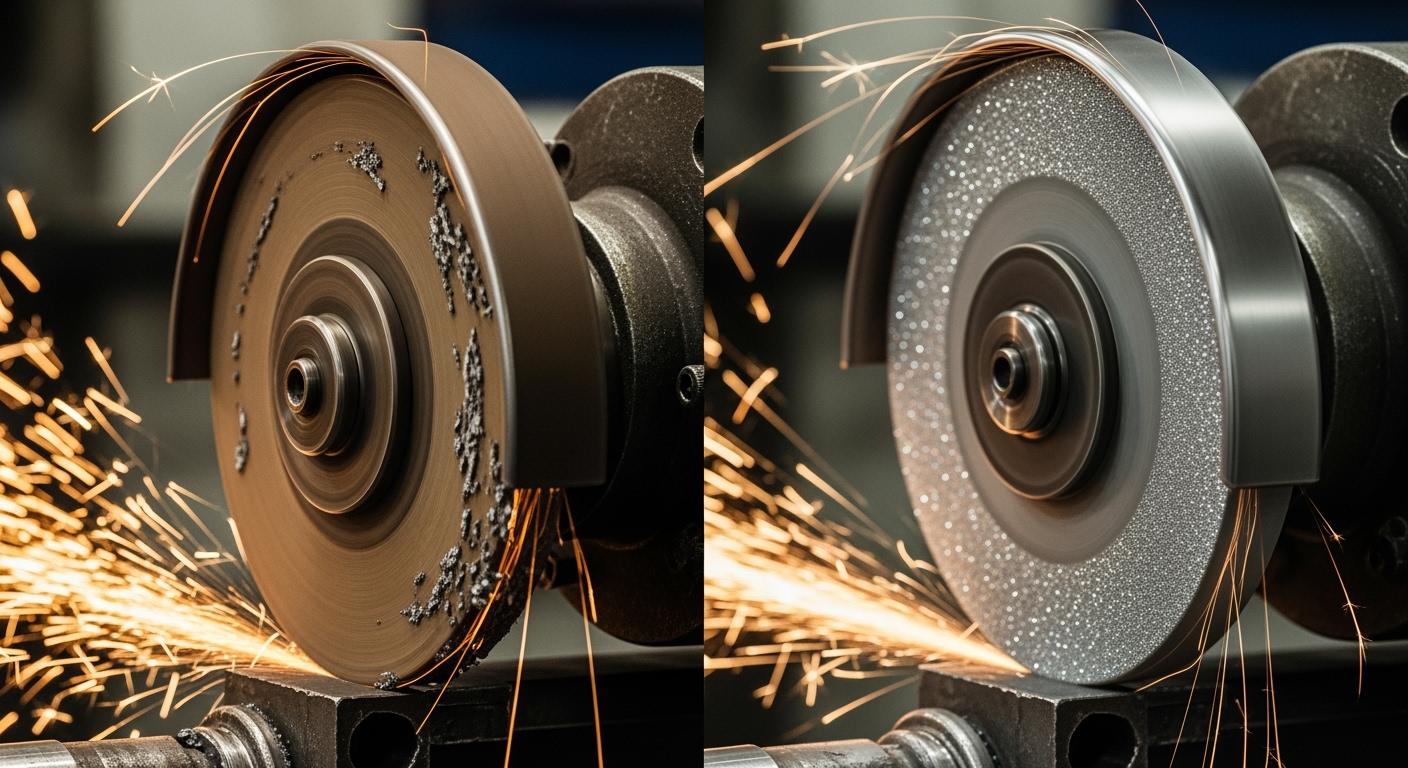
You should switch to superabrasive grinding wheels when your total cost-per-part is lower. This change also makes sense when performance demands exceed the limits of conventional abrasives, especially for grinding very hard materials.
This move is a strategic process optimization, not just a tool upgrade. Choosing the right grinding wheel with superabrasives enhances your entire grinding operation for better results and efficiency.
Key Takeaways
- Switch to superabrasive wheels when they lower your total cost per part.
- Use CBN wheels for hard steels and diamond wheels for hard non-metals like carbide.
- Superabrasives reduce downtime and make part quality consistent.
- Superabrasives help you achieve very precise shapes and finishes.
- Superabrasives save you money over time, even if they cost more at first.
When to Use Superabrasive Grinding Wheels
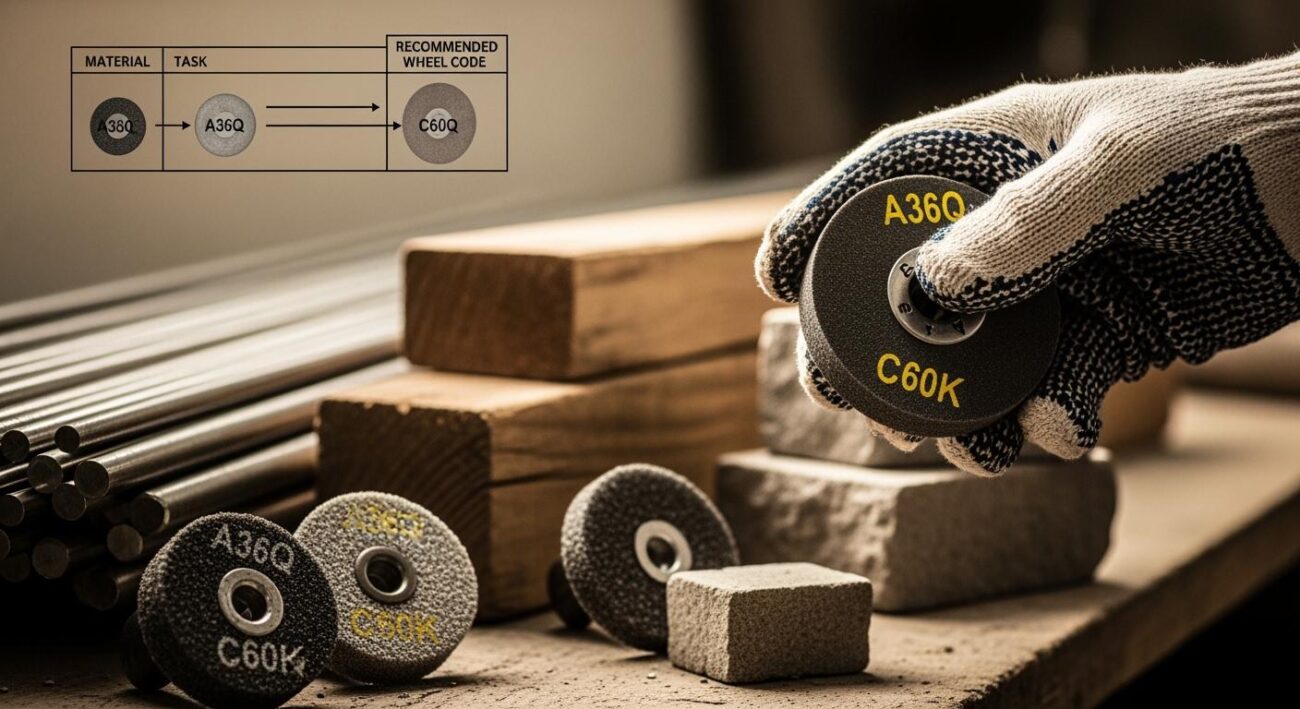
The decision to use superabrasive grinding wheels depends heavily on the material you are working with. The unique superabrasive properties of Cubic Boron Nitride (CBN) and diamond make them ideal for specific applications where conventional abrasives fall short. Understanding which superabrasive to use for which material is the first step toward process optimization.
For Hardened Steels with CBN Wheels
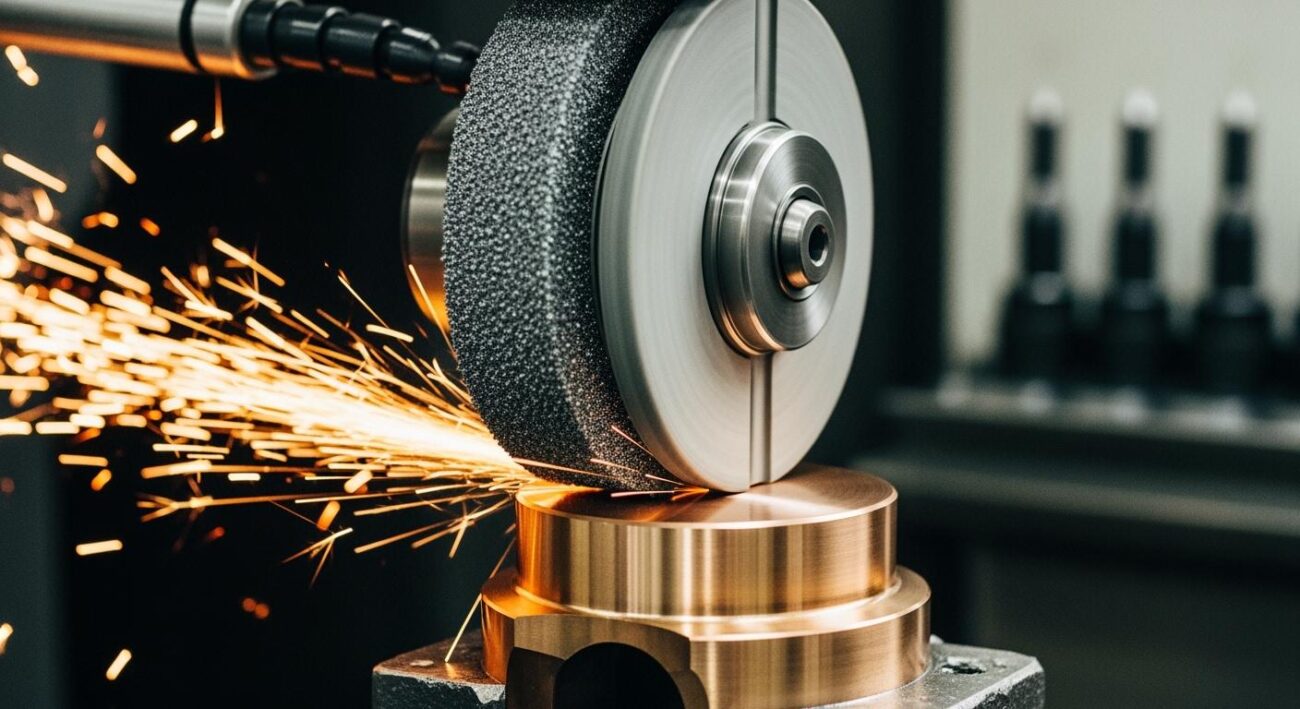
You should choose CBN wheels for grinding hard ferrous metals. This includes materials like tool steels, die steels, and hardened alloys. Conventional abrasives struggle once steel hardness exceeds 45 HRC. CBN excels in this range, easily handling materials like M2 tool steel, which has a hardness of HRC 60-62.
Why not diamond for steel?
At the high temperatures generated during grinding, a chemical reaction occurs between diamond and iron. The iron acts as a catalyst, causing the diamond’s carbon atoms to change their structure and transform into soft graphite. This leads to rapid wheel wear and poor performance. CBN, however, is chemically stable with ferrous metals, making it the superior choice for grinding steel.
Using CBN ensures you can perform efficient grinding on tough steels without compromising the wheel’s integrity or your part’s quality.
For Carbides and Ceramics with Diamond Wheels
You will find that diamond wheels are not just better but often necessary for grinding extremely hard, non-ferrous materials. These materials include:
- Tungsten Carbide
- Advanced Ceramics
- Glass and Quartz
- Composite Materials
Tungsten carbide, for example, is exceptionally hard and wear-resistant. On the Mohs scale of hardness, diamond scores a perfect 10, while tungsten carbide ranks around 9 to 9.5. This small difference is critical. The superior hardness of diamond allows it to effectively penetrate and machine carbide surfaces, while other abrasives simply wear away.
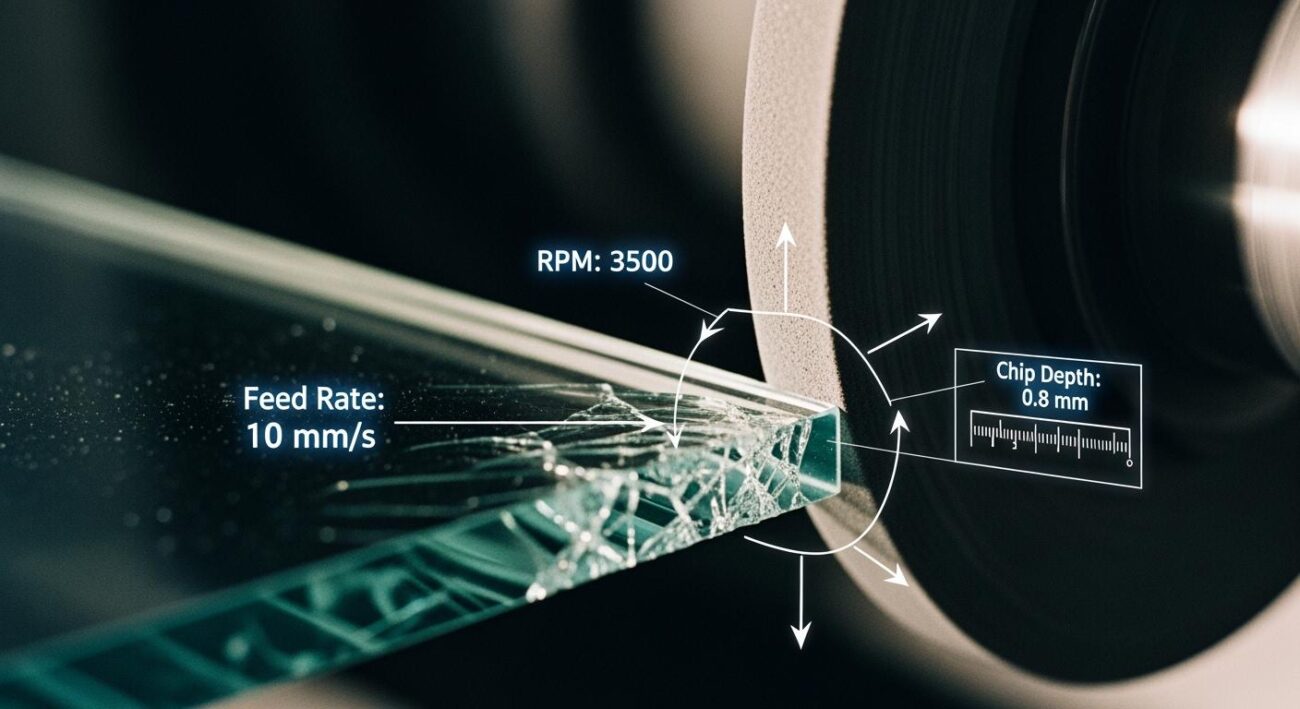
For these challenging materials, you need a specialized solution. Aimgrind‘s expertise shines here. Our specialized diamond grinding wheels are engineered for superior performance and longevity when grinding ceramics, glass, and carbides. A high-quality metal bond grinding wheel ensures a pristine finish and efficient material removal.
The bond system of the grinding wheel is also crucial. Different materials require different bonds for optimal grinding.
| Material | Recommended Bond | Primary Use |
|---|---|---|
| Tungsten Carbide | Metal Bond | Shaping and sharpening cutting tools. |
| Glass & Ceramics | Metal Bond | High-durability stock removal and edging. |
| Glass & Ceramics | Rubber Bond | Fine finishing and polishing operations. |
| Advanced Ceramics | Electroplated Bond | Aggressive grinding and creating complex shapes. |
Choosing the right metal bond grinding wheel or another specialized option from our superabrasives lineup ensures you get the best results. These superabrasive grinding wheels deliver the precision and durability required for the toughest jobs.
Boosting Production with Superabrasives
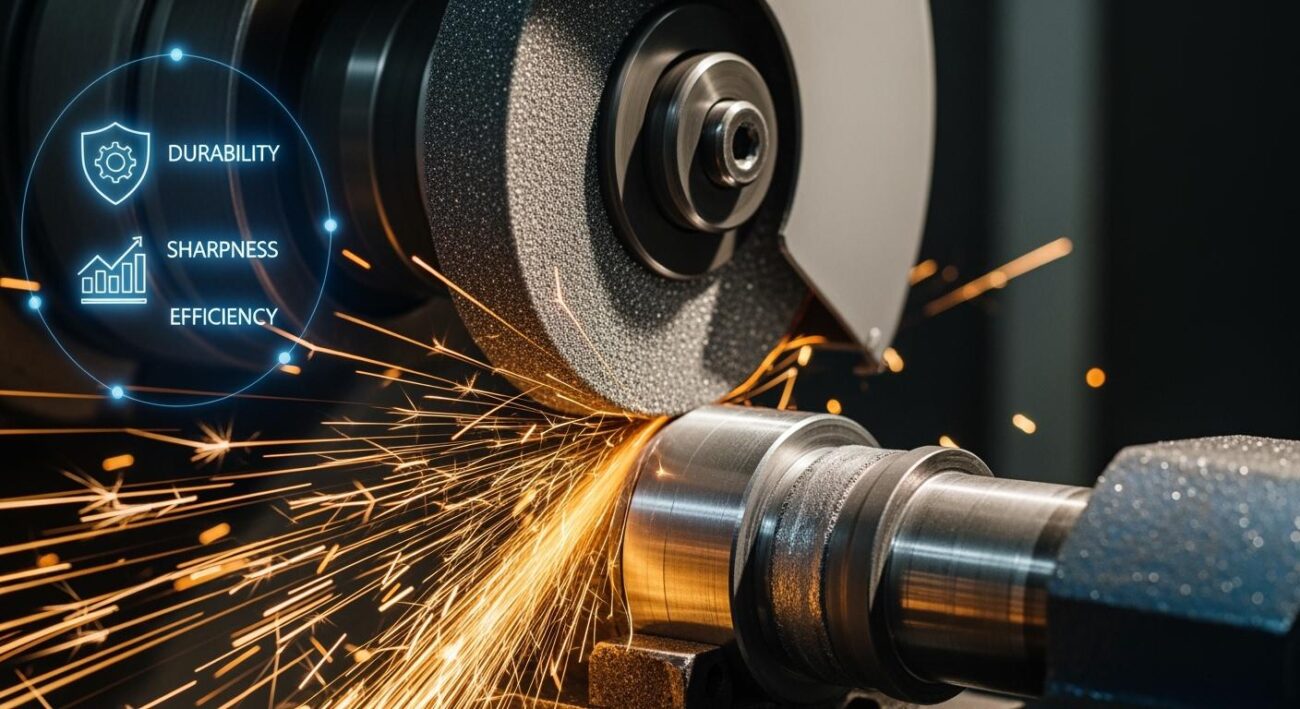
Beyond material compatibility, you should switch to superabrasives to significantly boost your production output. The durability and performance of these advanced abrasives translate directly into higher throughput and greater overall efficiency on the shop floor. This upgrade streamlines your entire grinding process.
Minimize Downtime from Wheel Changes
You can dramatically reduce downtime by using a superabrasive grinding wheel. Conventional wheels wear out quickly, sometimes needing replacement monthly. In contrast, superabrasives can last for over a year in some high-volume applications. This extended lifespan means fewer interruptions for wheel changes.
Saving just one wheel change per shift can add 15 to 30 minutes of valuable production time back to your day. Over a year, this saved time significantly improves your grinding efficiency.
Ensure Consistent Quality in Long Runs
You will achieve superior part-to-part consistency with superabrasives, especially in automated or long production runs. These abrasives wear slowly and evenly. This stability ensures that the first part you make is identical to the last, which helps lower scrap rates.
For example, one automotive plant reduced its part rejection rate by 18% after upgrading its grinding stations. The extreme hardness of superabrasive grinding wheels allows each particle to cut effectively for a long time. This consistent cutting action is key to maintaining tight tolerances throughout an entire production cycle.
Maintain a Cleaner Work Environment
You will also create a cleaner and safer work environment. Because superabrasives wear down so slowly, they generate far less dust and debris compared to conventional abrasives. This reduction in airborne particles improves air quality for your operators. A cleaner workspace also means less time spent on machine cleanup, further boosting your operational efficiency.
Achieving Precision Tolerances and Finishes
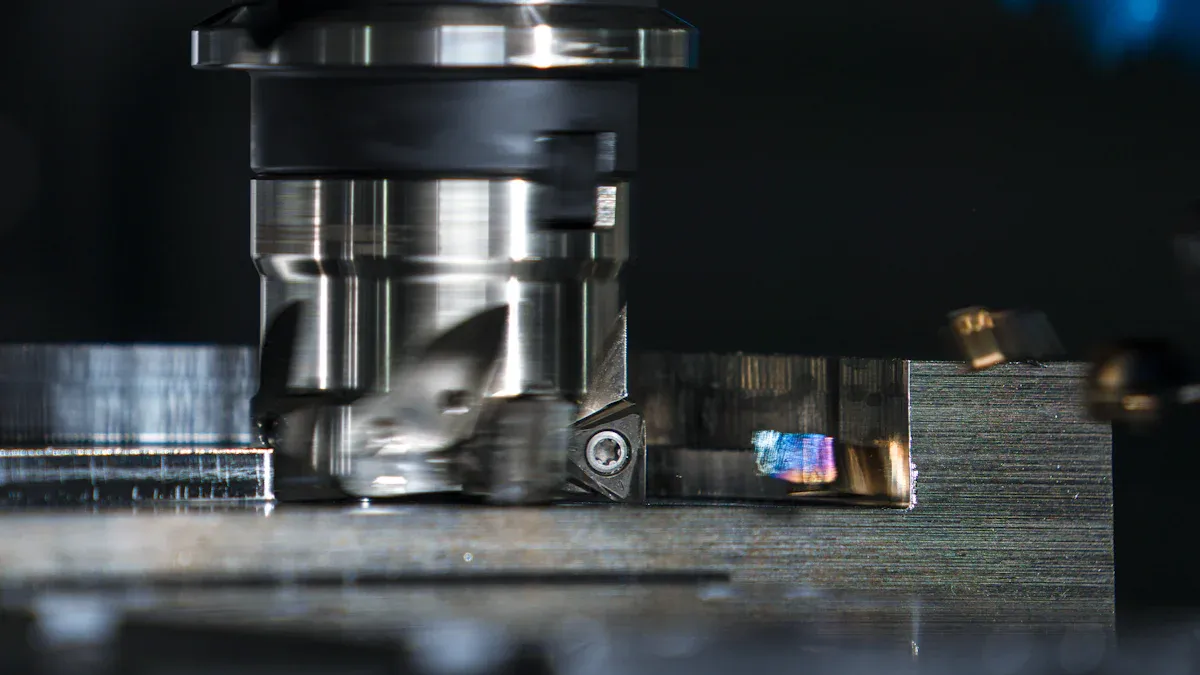
You should switch to superabrasives when your parts require exceptional precision. The unique physical properties of these advanced abrasives allow you to hold tight tolerances and achieve superior surface finishes that conventional wheels cannot consistently deliver.
Hold Tight Geometric Forms
You can maintain precise geometric forms on your parts with greater reliability. Superabrasive wheels wear very slowly and hold their shape for an extended period. This form-holding ability is crucial for applications requiring sharp corners, flat surfaces, and complex profiles.
A conventional wheel breaks down quickly, rounding its edges and altering its profile. This forces you to dress the wheel frequently to restore its shape. A durable metal bond grinding wheel, however, maintains its integrity, ensuring every part you produce meets exact specifications.
This stability means your grinding process remains consistent, delivering accuracy from the first part to the last.
Prevent Thermal Damage on Sensitive Materials
You can protect heat-sensitive materials from damage during grinding. Both diamond and CBN are excellent thermal conductors. They efficiently transfer heat away from the grinding zone, preventing the workpiece from overheating. This property minimizes the risk of burns, warping, or changes in material hardness. In fact, the thermal conductivity of these abrasives can be tens to hundreds of times greater than that of conventional abrasives.
This makes superabrasives ideal for grinding materials that are prone to thermal damage. You will see significant benefits when working with:
- Tool steels and hardened steels
- High-temperature alloys
- Stainless steels and most chrome-nickel alloys
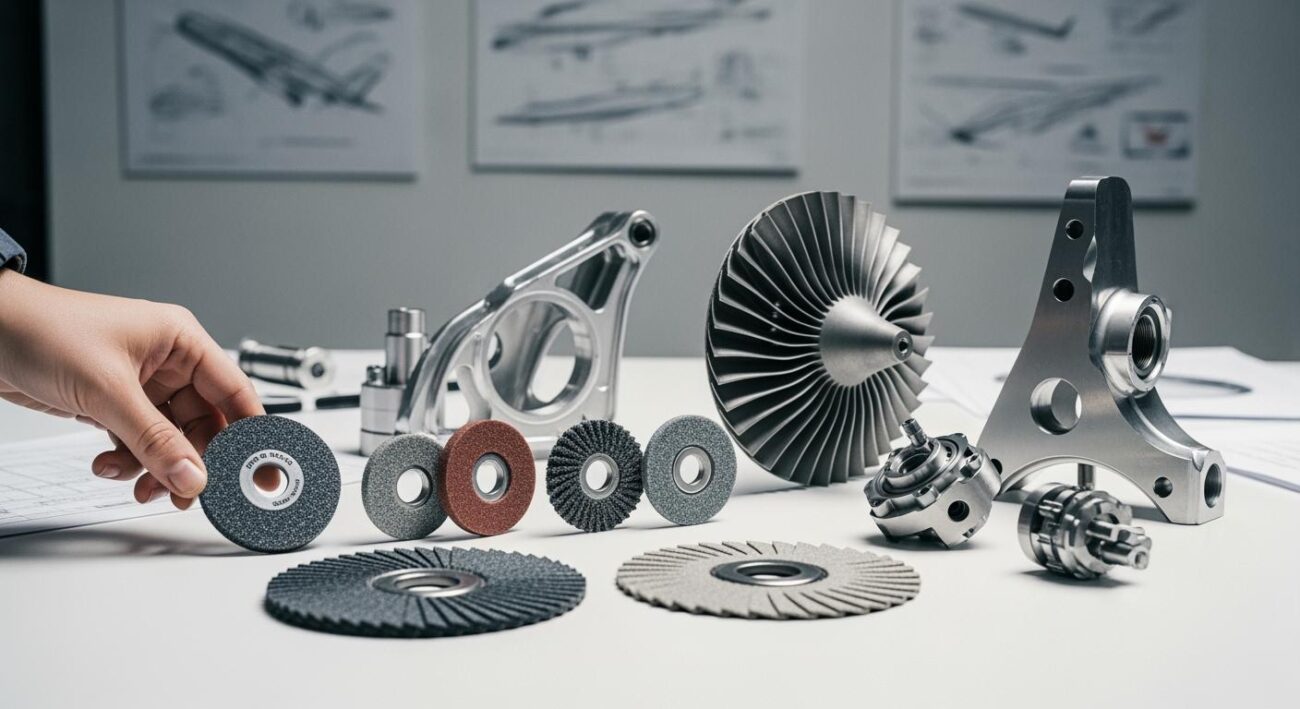
- Aerospace-grade components
Using the right wheel prevents costly part rejection and ensures the final component retains its intended structural integrity.
Focusing on Total Cost-Per-Part
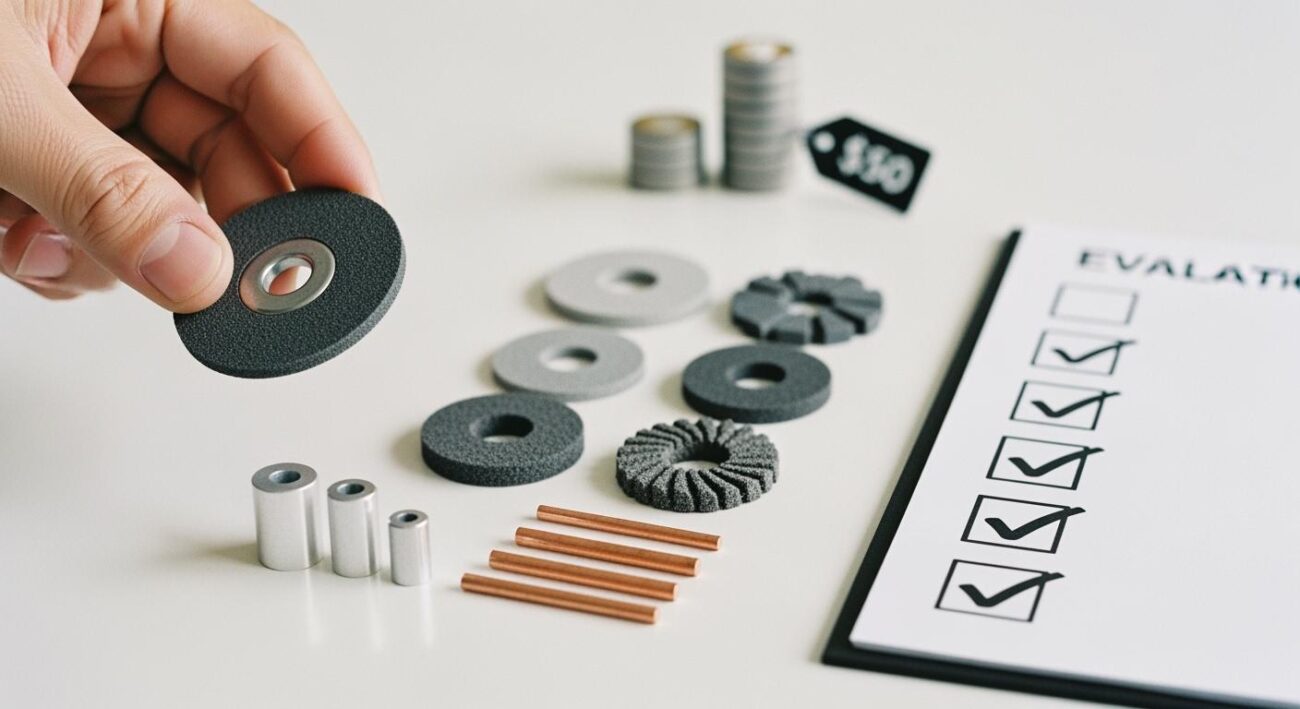
You should shift your focus from the initial tool price to the total cost of ownership. A higher upfront cost for a superabrasive wheel often leads to significant savings across your entire operation. This smart investment lowers your cost-per-part by optimizing the grinding process and reducing waste.
Lower Long-Term Abrasive Costs
You will spend less on abrasives over time. Conventional wheels wear out quickly and require frequent replacement. Superabrasive wheels, however, offer exceptional durability and a much longer service life. This longevity comes from their superior hardness and wear resistance.
A key performance metric in grinding is the G-ratio. It measures the volume of material removed from the workpiece divided by the volume of wheel wear. A higher G-ratio means the wheel lasts longer and performs more efficiently.
The G-ratio for superabrasive wheels can be thousands of times higher than that of conventional abrasives. This means you get far more work out of a single wheel.
The difference is especially clear when grinding hardened steel.
| Wheel Type | G-ratio (Water-based coolant) | G-ratio (Oil) |
|---|---|---|
| Vitrified CBN | ~3,000 | Up to 10,000 |
| Conventional Abrasive | Significantly lower | N/A |
This dramatic difference in wear means you purchase fewer wheels, directly cutting your long-term spending on abrasives.
Reduce Secondary Operational Costs
You can also lower several secondary costs that impact your bottom line. These “hidden” expenses add up quickly with conventional wheels but are minimized with superabrasives. The improved efficiency translates into major savings.
Your operational savings will come from:
- Reduced Labor for Wheel Changes: Your team will spend less time stopping production to swap out worn wheels. This keeps your machines running and making parts.
- Less Frequent Dressing: Superabrasive wheels hold their form, so you do not need to dress them as often. This saves time and reduces wear on your dressing tools.
- Lower Part Rejection Rates: The consistent performance of a superabrasive wheel ensures every part meets specifications. This reduces scrap and the costs associated with rework or disposal.
Viewing the higher initial price as an investment in process improvement is key. The savings in labor, dressing, and rejected parts deliver a strong return, making superabrasives the more economical choice for demanding applications.
You should switch to superabrasive grinding wheels when your process demands more. The right choice optimizes your entire grinding operation, even if the initial investment is higher.
Consider making the switch for:
- Grinding Hard Materials: You need to cut tough materials like tungsten carbide, ceramics, or hardened steels.
- High-Volume Production: You want to reduce downtime and increase throughput.
- Tight Tolerances: Your parts require extreme precision and fine finishes, common in aerospace or medical fields.
- Total Cost Reduction: You aim to lower your long-term operational costs.
Partners like Aimgrind can diagnose your needs and provide customized solutions to perfect your grinding process.
FAQ
What is the main difference between CBN and diamond wheels?
You use CBN (Cubic Boron Nitride) wheels to grind hard ferrous metals like tool steel. CBN is chemically stable with iron. You should choose diamond wheels for extremely hard, non-ferrous materials like tungsten carbide, ceramics, and glass.
Do I need special equipment for superabrasive wheels?
You can often use your existing equipment. Your grinding machine should be rigid and stable for best results. A high-quality coolant system is also important. These factors help you achieve maximum performance and extend the life of the wheel.
Is the high initial cost of superabrasives worth it?
Yes, you will achieve a lower total cost-per-part. The wheel lasts much longer, which reduces replacement costs. You also save money through less machine downtime and fewer scrapped parts. This makes superabrasives a smart long-term investment.
How do I choose the right superabrasive wheel?
You must consider your specific material, machine parameters, and desired surface finish. For a perfect match, you should consult an expert. Partners like Aimgrind can diagnose your unique needs and provide a customized wheel for optimal results.