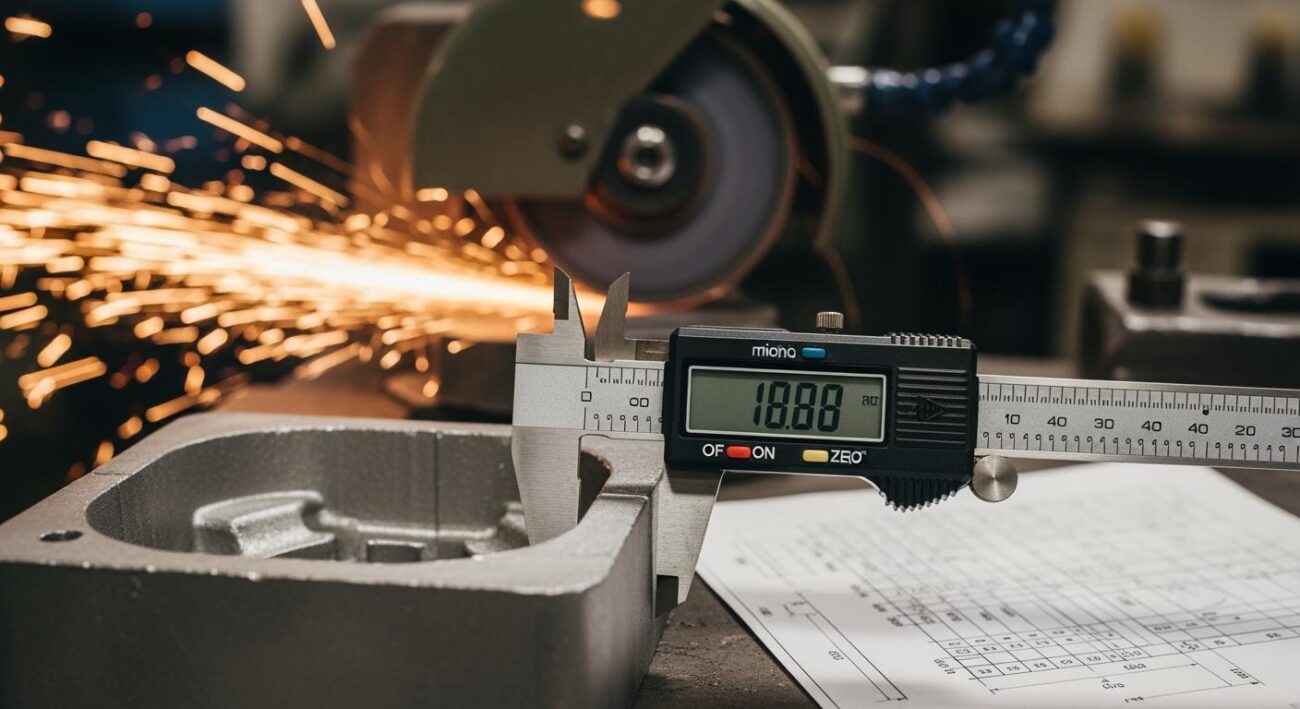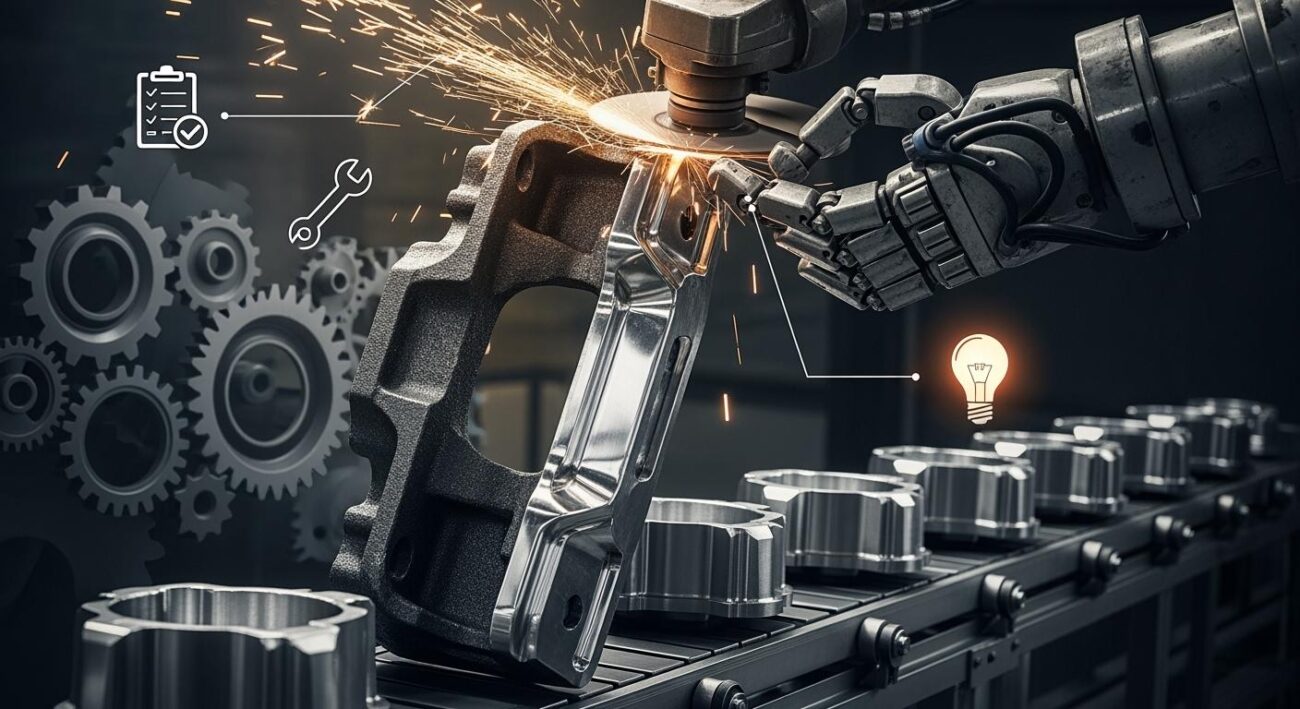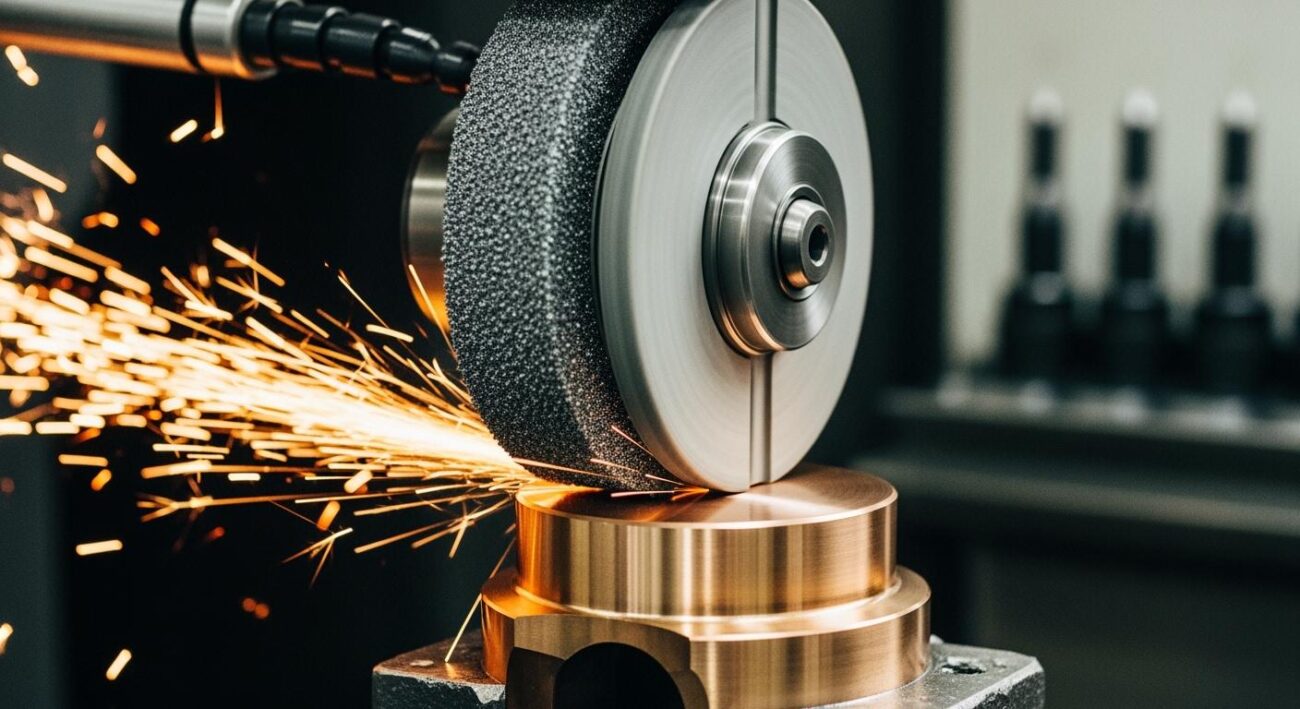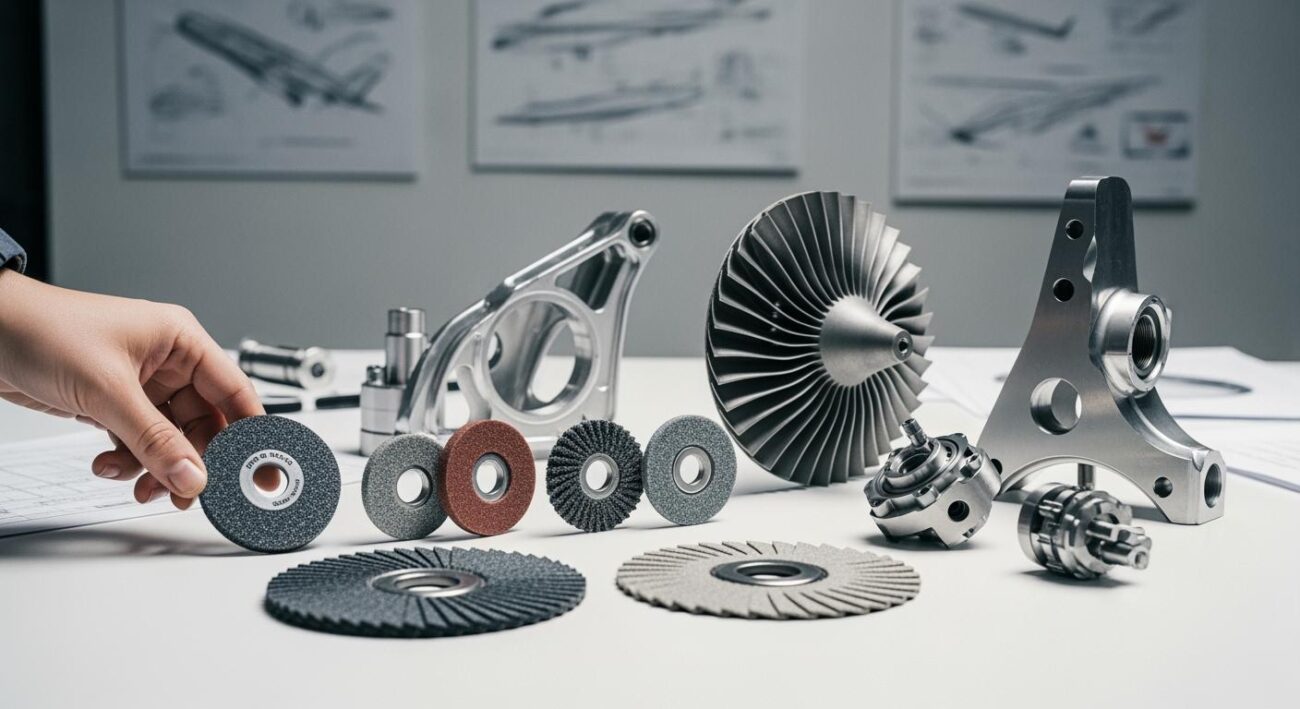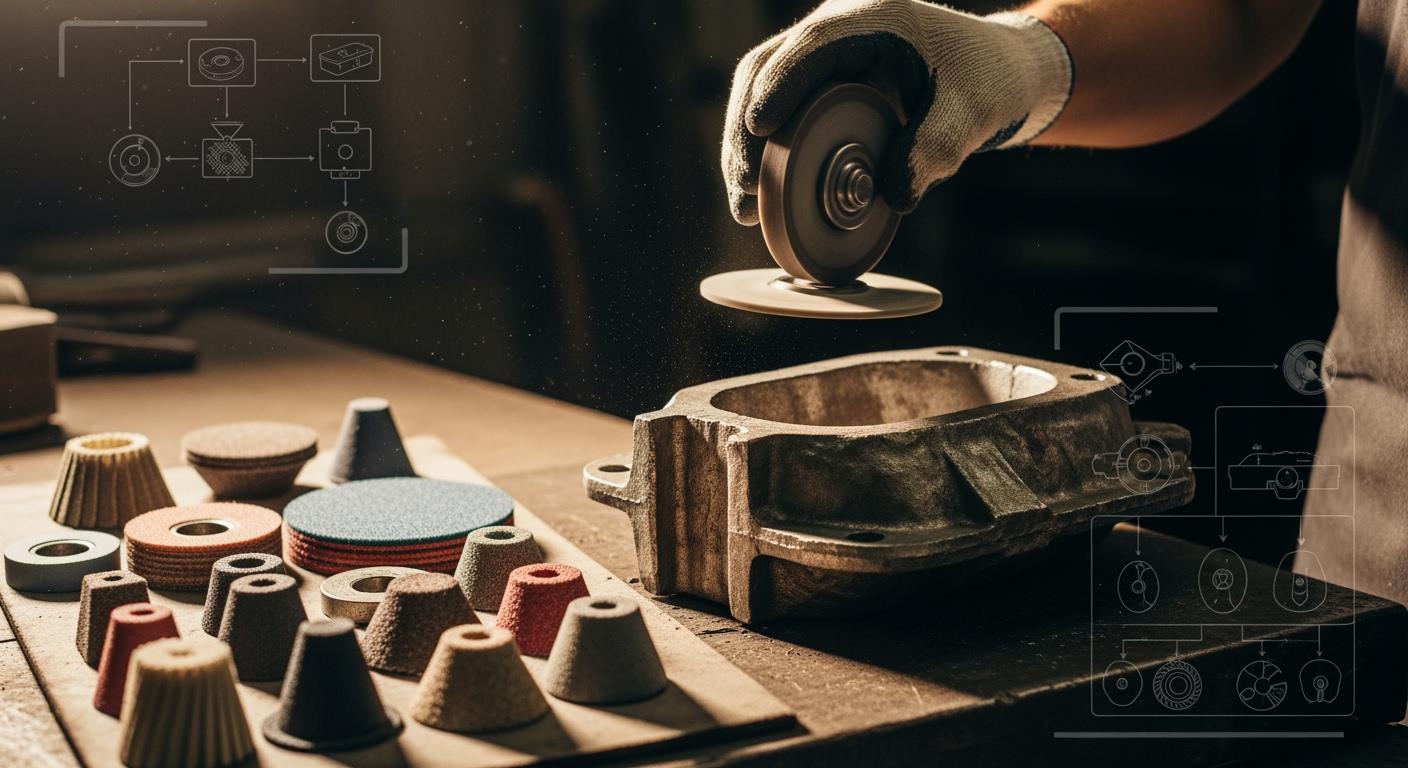
You need to choose universal grinding wheels carefully for casting cleaning. Each wheel type, abrasive material, grit size, and hardness affects grinding efficiency and surface finish. Industry studies show that finer silicon carbide particles improve grindability, and diamond wheels reduce grinding force and temperature. The table below shows how different wheel choices impact performance in casting cleaning applications.
| Grinding Wheel Type | Abrasive Material | Grit Size | Hardness | Impact on Efficiency |
|---|---|---|---|---|
| Ceramic Alumina | Yes | Varies | Varies | Optimizes grinding for specific metals |
| Zirconia Alumina | Yes | Finer | Harder | Higher material removal rate |
| Aluminum Oxide | Yes | Coarser | Softer | Good for general applications |
| Silicon Carbide | Yes | Varies | Varies | Effective for non-ferrous metals |
Aimgrind’s custom solutions help you match the right wheel to your application, ensuring you achieve the best finish and performance.
Key Takeaways
- Choose the right grinding wheel based on the casting material for optimal performance and finish.
- Select the appropriate grit size: coarse for fast material removal and fine for a smooth surface finish.
- Match wheel hardness to the casting material to enhance grinding efficiency and reduce wear.
- Consider wheel size and thickness to ensure safety and productivity in your workspace.
- Utilize Aimgrind’s custom solutions for tailored grinding wheels that meet your specific casting cleaning needs.
Role of Universal Grinding Wheels in Casting Cleaning
Purpose of Casting Cleaning
You need to clean castings to remove extra material, sand, and surface defects. This process helps you get a smooth and even finish. When you use grinding, you can shape the casting and prepare it for the next steps. Grinding also helps you find hidden cracks or flaws. You can use a wheel to reach tight spots and corners. Many factories use universal grinding wheels because they work on different metals and shapes. You can trust these wheels for many grinding applications.
Tip: Always check the casting before you start grinding. This helps you choose the right wheel for the job.
Why Proper Grinding Wheel Selection Matters
You must pick the right wheel for your application. The wrong wheel can slow down your work and damage the casting. When you use the correct wheel, you get better performance and a cleaner finish. Each wheel has a special design for certain grinding wheel applications. You need to match the wheel to the material and the type of grinding. If you use the wrong wheel, you may waste time and materials. The right wheel also keeps your grinding machine safe. You can improve grinding speed and reduce costs with the best wheel. Universal grinding wheels help you handle many grinding applications with one tool. You can see better results and higher quality in your finished products.
- Choose a wheel that fits your casting material.
- Check the wheel size and hardness.
- Match the wheel to your grinding machine.
You can trust universal grinding wheels for many grinding applications. They give you strong performance and help you finish your work faster.
Types of Grinding Wheels for Casting Cleaning
Common Wheel Shapes and Uses
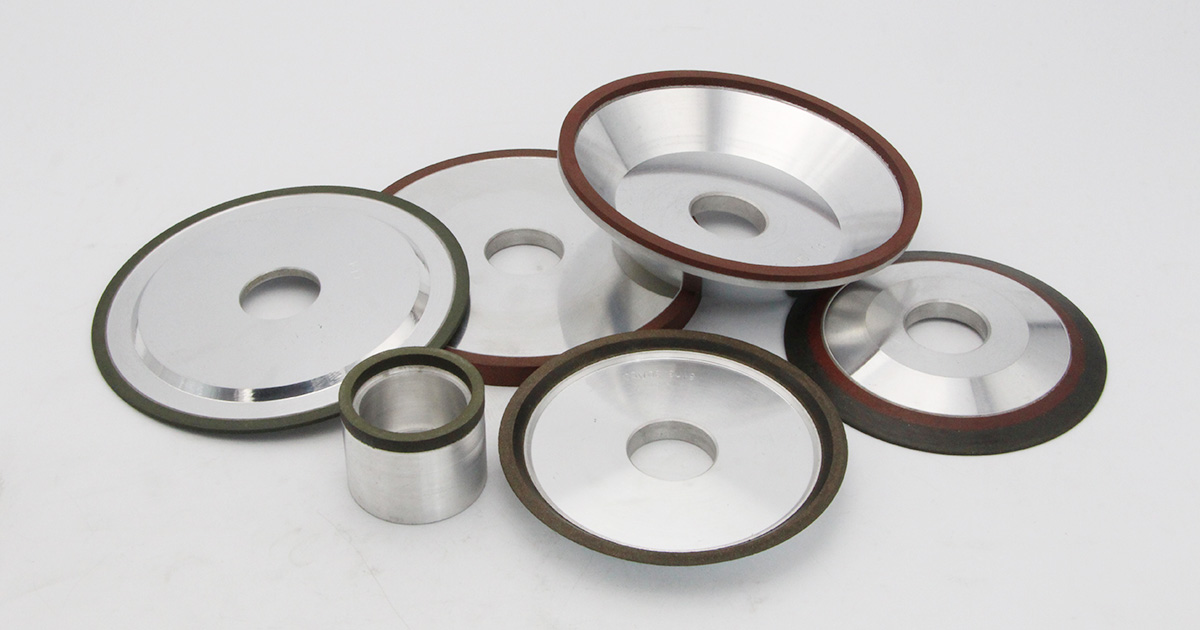
You will find many types of grinding wheels for casting cleaning. Each wheel shape fits a different job. Straight wheels work well for flat surfaces. You can use cup wheels to clean large areas or remove heavy material. Dish wheels help you reach tight corners and edges. Cylinder wheels are good for deep grinding tasks. You should pick the right wheel shape for your casting to get the best results.
You can use universal grinding wheels for many casting materials. These wheels handle steel, iron, and non-ferrous metals. Diamond grinding wheels work best for hard alloys and ceramics. You will see better grinding speed and surface finish when you match the wheel to your casting.
Today, you can choose from advanced types of grinding wheels. Some new wheels have smart sensors inside. These sensors help you track wheel wear and grinding performance. Other wheels use hybrid bonds. These bonds mix different materials to make the wheel more adaptable. Some wheels even have internal cooling. This feature keeps the wheel cool and helps you grind faster in foundry work.
Note: Always check the wheel label for the right shape and use. This step helps you avoid mistakes and keeps your grinding safe.
Aimgrind Diamond Grinding Wheels Overview
Aimgrind offers a wide range of diamond grinding wheels for casting cleaning. You can use these wheels for hard metals, ceramics, and composite materials. Aimgrind designs each wheel to give you high grinding efficiency and a smooth finish. You can pick from resin, metal, or vitrified bonds to match your grinding needs.
You will find that Aimgrind’s diamond wheels last longer and keep their shape. This means you spend less time changing wheels and more time grinding. Aimgrind can also customize the wheel size, thickness, and grit for your special casting jobs. You get a wheel that fits your machine and your process.
Aimgrind’s team helps you choose the right wheel for your casting. You can ask for advice on wheel selection, parameter matching, and sample testing. With Aimgrind, you get a grinding solution that improves your casting cleaning and boosts your productivity.
Abrasive Materials and Suitability
Aluminum Oxide vs. Silicon Carbide
You need to know how abrasive materials affect casting cleaning. Aluminum oxide is a common choice for grinding. You can use it for steel, iron, and tough metals. This abrasive gives you good durability and steady wheel performance. Silicon carbide works best for non-ferrous metals and softer materials. You will see faster cutting with silicon carbide, but the wheel wears out quicker. Aluminum oxide wheels last longer and handle heavy grinding jobs. You can use silicon carbide wheels when you want a sharper cut and a smoother finish.
Tip: Always check the casting material before you pick an abrasive. Aluminum oxide wheels work well for steel and iron. Silicon carbide wheels suit softer metals and non-metal castings.
Diamond Grinding Wheels for Hard Materials
You can use diamond grinding wheels for hard casting materials. These wheels give you high grinding efficiency and a smooth finish. Diamond abrasive is extremely hard and cuts through ceramics and carbide with ease. You will see faster material removal and less heat buildup. Diamond wheels keep their shape and last longer than traditional grinding wheel materials.
Here is a comparison table:
| Type of Wheel | Hardness | Material Removal Rate | Surface Finish Quality | Suitability for Hard Materials |
|---|---|---|---|---|
| Diamond Grinding Wheels | Extremely High | Faster | Superior | Ideal for ceramics, carbide |
| Traditional Grinding Wheels | Lower | Slower | Moderate | Less effective for hard materials |
You can trust diamond wheels for tough jobs. These wheels help you clean castings quickly and improve your grinding performance.
Matching Abrasive to Casting Material
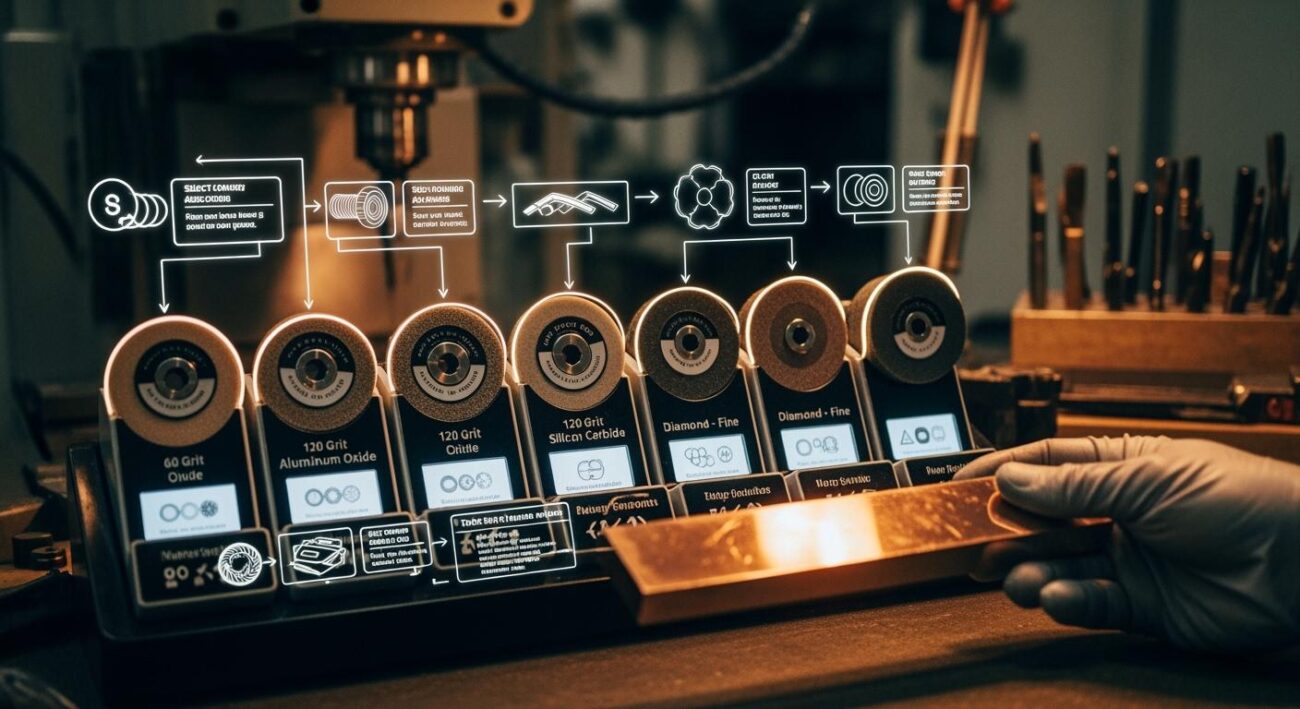
You need to match the abrasive to the casting material for the best results. Each wheel works best for certain applications. Aluminum oxide wheels fit steel and iron castings. Silicon carbide wheels suit softer metals and non-metal castings. Diamond wheels handle hard alloys and ceramics.
Here is a table to help you choose:
| Application | Best Hardness | Best Toughness | Best Friability |
|---|---|---|---|
| Cutting stainless steel | High | High | Medium |
| Sanding wood | Medium | Low | High |
| Grinding cast iron | High | Medium | High |
| Heavy weld removal | High | High | Low |
You can use this table to pick the right wheel for your casting. Always check the casting material and the grinding job. You will get better performance and a cleaner finish when you match the abrasive to the casting.
Note: Aimgrind offers wheels with custom abrasive blends. You can ask for advice to match your grinding wheel materials to your casting needs.
Grit Size and Surface Finish in Grinding
Coarse vs. Fine Grits
You need to understand how grit affects your grinding results. Grit means the size of the abrasive particles on your wheel. Coarse grit has larger particles. Fine grit has smaller ones. When you use a coarse grit wheel, you remove more material quickly. This process is called stock removal. You use coarse grit for heavy grinding and fast stock removal. Fine grit wheels work best when you want a smoother surface. These wheels remove less material but give you a better surface finish.
Here are some important points about grit and grinding:
- The choice of grit size changes the surface finish of your casting.
- Different grit sizes create different textures and cleaning speeds.
- Picking the right grit is important for the quality of your finished casting.
You should always match the grit to your grinding job. If you need fast stock removal, pick a coarse grit wheel. If you want a smooth finish, use a fine grit wheel.
Impact on Cleaning Speed and Finish
Grit size also changes how fast you clean your casting and the final look. Coarse grit wheels remove stock quickly. You use them when you need to take off a lot of extra material. Fine grit wheels work slower but give you a better surface finish. You use them for the last step of grinding when you want a clean and even look.
When you select the right grit, you improve your grinding performance. You save time and reduce waste. You also get the best finish for your casting. Here is what you should remember:
- Choosing the right abrasive and grit size is key for good grinding results.
- Understanding your project needs helps you get the best stock removal and surface finish.
- The right wheel and grit help you reach your goals faster and with less effort.
You can always ask for advice if you are not sure which wheel or grit to use. Aimgrind offers many wheels and can help you pick the best one for your grinding needs.
Wheel Hardness and Application Fit
Understanding Hardness Ratings
You need to understand wheel hardness before you start grinding castings. Hardness ratings show how easily a wheel releases worn abrasive grains. Industry standards use grades from soft to hard. Soft wheels release grains quickly. Hard wheels hold grains longer. Medium grades balance both features. You can use the table below to see how each grade fits different materials.
| Hardness Grade | Description | Suitable Materials |
|---|---|---|
| Soft Wheels (A–H) | Release worn grains easily, ideal for hard materials | Hardened steel, titanium |
| Medium Grades (I–M) | Balanced performance for general applications | General use |
| Hard Wheels (N–Z) | Retain grains longer, suitable for soft materials | Aluminum, mild steel |
You should check the hardness rating on every wheel before grinding. This step helps you match the wheel to your casting material and improves abrasive performance.
Tip: Soft wheels work best for hard castings. Hard wheels suit softer metals. Medium wheels fit most general grinding jobs.
Matching Hardness to Casting Material
You must match wheel hardness to your casting material for the best grinding results. If you use a soft wheel on hard materials, the abrasive grains break away easily. This keeps the wheel sharp and prevents overheating. Hard wheels work well on softer metals. They hold abrasive grains longer and give you steady performance.
You can follow these guidelines for matching wheel hardness:
- Use soft wheels for grinding hardened steel or titanium castings.
- Choose medium wheels for general casting cleaning applications.
- Pick hard wheels for aluminum or mild steel castings.
You should avoid using hard wheels on hard castings. This can cause excessive heat and damage. Soft wheels on soft metals wear out too fast. Always check your casting material before you select a wheel.
Note: Matching wheel hardness to casting material improves abrasive life and grinding performance. You get cleaner finishes and reduce wheel changes.
You can ask Aimgrind for help with wheel selection. Aimgrind offers custom abrasive blends and hardness ratings to fit your casting cleaning needs.
Selecting the Right Size Grinding Wheel
Wheel Size and Thickness
You need to pay attention to wheel size and thickness when you clean castings. The grinding wheel diameter affects safety and productivity. Larger diameter wheels last longer and reduce the need for frequent replacements. Smaller diameter wheels fit tight spaces and allow you to work on detailed areas. You must select the right diameter for your workspace and casting shape.
Thickness is another important factor. A quarter-inch thickness balances precision and wheel life. Thinner wheels let you cut and grind with more versatility. Thicker wheels provide stability and resist bending during heavy grinding. You should check your workspace configuration before you choose the diameter and thickness. The layout of your workspace can dictate the size of the wheel needed for effective access and operation.
Here is a table to help you understand the factors:
| Factor | Description |
|---|---|
| Diameter | Choosing the correct diameter enhances safety and productivity. Larger wheels last longer and reduce the need for frequent replacements. |
| Thickness | The thickness affects performance. A quarter-inch thickness balances precision and wheel life. Thinner wheels allow for versatile cutting and grinding. |
| Workspace Configuration | The layout of the workspace can dictate the size of the wheel needed for effective access and operation. |
Tip: Always measure your casting and workspace before selecting the right size grinding wheel. This step helps you avoid mistakes and improves grinding results.
Bond Types and Application Scenarios
You must consider the bond type when you select a wheel for casting cleaning. The bond holds the abrasive grains together and affects wheel performance. Vitrified bonds provide superior rigidity and form holding. You use these wheels for high precision and CNC grinding. Resin bonds offer moderate rigidity and good finishing. You choose resin bonds for general purpose grinding and tool sharpening. Metal bonds give you the highest rigidity and wear resistance. You use metal bonds for extreme wear conditions and cut-off operations. Electroplated bonds work well for complex forms and rapid initial stock removal.
Here is a comparison table:
| Feature | Vitrified Bond | Resin Bond | Metal Bond | Electroplated Bond |
|---|---|---|---|---|
| Rigidity/Form Holding | Very High | Moderate to Good | Highest | Moderate (depends on core) |
| Thermal Stability | Excellent | Moderate (can soften at high temps) | Very High | Good (limited by abrasive/core) |
| Common Use Case | High precision, form holding, CNC grinding, hard materials | General purpose, fine finishing, tool sharpening | Extreme wear resistance, cut-off, some profiling | Complex forms, rapid initial stock removal |
You need to match the bond type to your casting cleaning scenario. Vitrified bonds help you maintain dimensional accuracy. Resin bonds give you smooth finishes. Metal bonds resist wear and last longer. Electroplated bonds let you work on complex shapes.
Note: Aimgrind can customize wheels with different bond types, diameter, and thickness to fit your unique casting cleaning needs.
Wet vs. Dry Grinding Considerations
You must decide between wet and dry grinding methods. Dry grinding gives you higher shine and light reflection. You get faster and cleaner jobs with immediate results. Dry grinding is easier to maintain, but it creates dust and can lead to health hazards. Equipment costs may be higher, and you risk glazing the wheel.
Wet grinding increases diamond lifespan and removes scratches. You avoid dust and use less costly pads. Wet grinding is more familiar to contractors. However, it uses more water and creates a slurry mess. The process takes longer and gives lower shine.
Here is a table to compare the methods:
| Method | Advantages | Disadvantages |
|---|---|---|
| Dry Grinding | Higher shine and light reflection Better for soft concrete Faster and cleaner job Immediate results Easier maintenance | Health hazards from dust Higher equipment costs Risks of glazing |
| Wet Grinding | Increases diamond lifespan Removes scratches No dust More familiar to contractors Less costly pads | Wasteful water usage Lower shine Creates a slurry mess Lengthier process |
You should choose the method based on your casting material, workspace, and desired finish. Wet grinding works well for hard materials and longer wheel life. Dry grinding suits quick jobs and high shine.
Tip: Always check the wheel diameter, thickness, and bond type before you start grinding. Aimgrind can help you select the best wheel for your casting cleaning process.
Wheel Speed, Area of Contact, and Severity of Operation
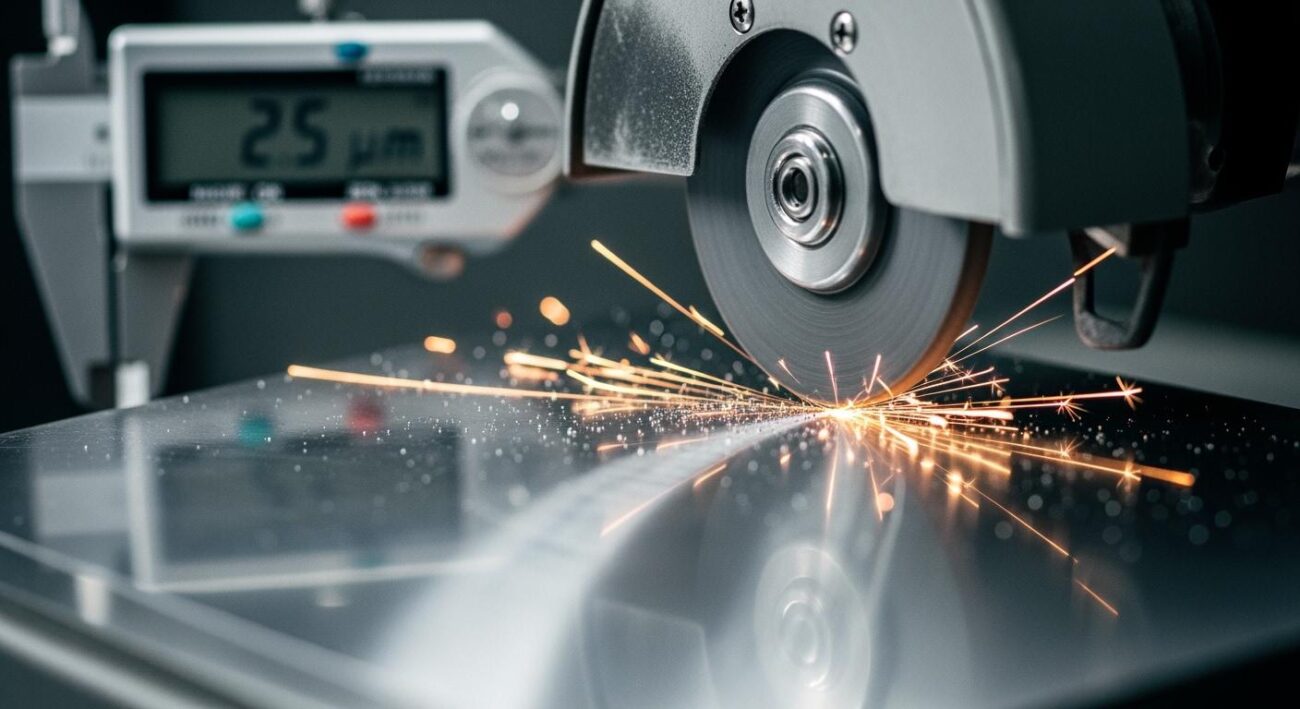
You need to pay attention to wheel speed. Higher speeds increase material removal rate. You must avoid overheating the casting. The area of contact between the wheel and casting affects material removal efficiency. Larger contact areas remove more material but can load the wheel with chips. You must balance wheel loading and surface integrity for the best grinding results.
Here is a table to show the relationship:
| Aspect | Description |
|---|---|
| Wheel Loading | Accumulation of chips in the grinding wheel space affects wheel life and cutting forces. |
| Material Removal Efficiency | The contact area influences how effectively material is removed during grinding. |
| Surface Integrity | The relationship between contact area and wheel loading is crucial for achieving desired surface quality. |
You must select the right diameter, thickness, and bond type for your casting cleaning needs. Aimgrind offers custom wheels to match your equipment and process. You get better grinding performance and longer wheel life.
Note: Selecting the right size grinding wheel improves safety, productivity, and finish. You can ask Aimgrind for technical support and custom solutions.
Universal Grinding Wheels Selection Checklist
Step-by-Step Selection Logic
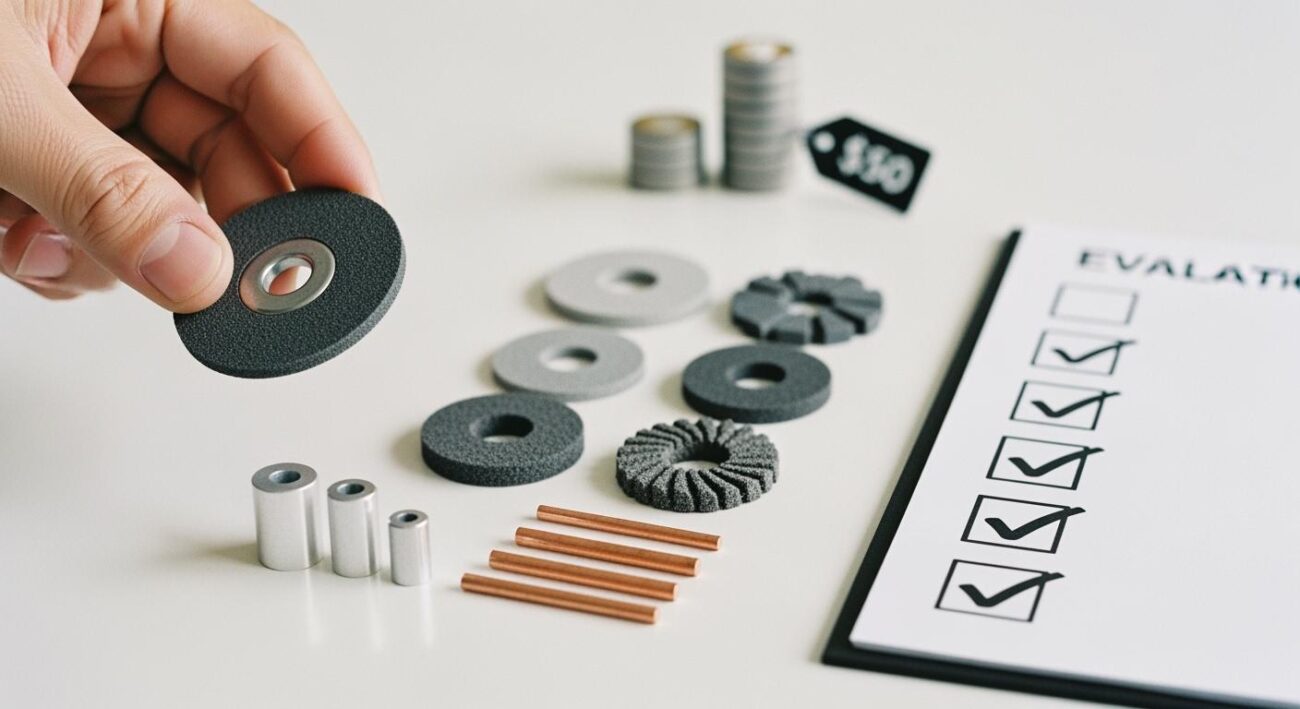
You can follow a clear process to select universal grinding wheels for casting cleaning. This checklist helps you avoid mistakes and improves your grinding results:
Check spindle speed compatibility
Make sure the wheel’s maximum RPM matches your grinder’s speed. Using a wheel at the wrong speed can cause dangerous breakage.Confirm arbor hole size and tolerance
Measure the arbor hole and compare it to your grinder’s spindle. A proper fit prevents wobbling and uneven grinding.Calculate effective diameter at the working point
Look at where you will apply pressure on the wheel. The working diameter affects how much material you remove and the control you have.Assess coolant delivery path
See if coolant can reach both the apex and the sides of the wheel. Good coolant flow keeps the wheel cool and prevents overheating.Validate wheel balance
Use a static balancer to check for uneven weight. A balanced wheel runs smoother and lasts longer.
Tip: Always match the abrasive to your casting material. For example, use aluminum oxide for steel and zirconia alumina for stainless steel.
You should also avoid common mistakes when choosing universal grinding wheels:
- Pick the right abrasive for your material.
- Choose the correct wheel for your application, such as aggressive wheels for weld removal or finer wheels for surface preparation.
- Think about speed and efficiency. High-performance wheels help you finish faster.
- Select wheels with good durability to reduce downtime.
- Match the tool’s size and shape to your application. Large wheels work for big areas. Small wheels help with detail work.
- Use wheels with advanced bonds to manage heat during grinding.
Decision Table for Quick Reference
You can use this table to make fast decisions when selecting universal grinding wheels for casting cleaning. The table shows what to ask and how your answers affect your choice.
| Consideration Category | Key Question(s) to Ask | General Implication for Bond Choice |
|---|---|---|
| Workpiece Material | What is the material? What is its hardness, toughness, and thermal sensitivity? | Hard/Brittle: Vitrified, Metal. Soft/Ductile: Resinoid, softer grade Vitrified, Rubber. Heat Sensitive: Porous Vitrified, Rubber. |
| Grinding Objective(s) | What is the primary goal: high stock removal, fine surface finish, or tight dimensional/form accuracy? | High Stock Removal: Resinoid, porous Vitrified. Fine Surface Finish: Rubber, fine grit Vitrified/Resinoid. Tight Tolerance: Vitrified, Metal. |
| Machine & Conditions | What is the machine’s power, rigidity, and available spindle speed? Is coolant used? | High Speed: Resinoid. Low Power: Softer grade bonds. Precision Machine: Harder, precise bonds like Vitrified. Dry Grinding: Bonds with cool cut. |
| Abrasive Type | Are you using conventional or superabrasives? | Conventional: Vitrified, Resinoid. Superabrasives: Metal, specialized Vitrified. |
| Economic Factors | What is the required wheel life versus initial cost? | Long life on hard materials: Metal. Cost-Effective: Vitrified, Resinoid. |
Note: You can improve grinding performance by reviewing this table before each application. This helps you match the right wheel to your casting and avoid costly errors.
You can use universal grinding wheels for many applications. Always check your checklist and decision table before you start grinding. This process ensures you get the best results for your casting cleaning tasks.
You improve casting cleaning when you follow clear steps for wheel selection. You check the wheel size, grit, hardness, and bond. You match the wheel to your casting material and grinding job. You get a better finish and a smoother surface. Experts agree that the right wheel boosts finish, reduces cycle time, and increases surface quality. See the table below:
| Expert | Key Points |
|---|---|
| Franke at Flexovit | The lowest priced wheel may not give the best value for material removal rates. |
| Genemaras at Norton | Cycle time reduction saves labor and overhead, making the right wheel essential. |
| Brunet Gagné at WALTER | The choice of abrasive grains affects wheel lifespan, leading to more completed projects and reduced costs. |
Aimgrind helps you find the best wheel for your grinding needs. You get custom wheels for your casting and finish goals. Contact Aimgrind for technical support and product selection.
FAQ
What is a universal grinding wheel?
A universal grinding wheel works for many casting cleaning jobs. You can use this wheel on different metals and shapes. It gives you flexibility and saves you time when you switch between tasks.
How do I know which wheel size to choose?
You should measure your workspace and casting. Pick a wheel that fits your grinder and reaches all areas. Large wheels cover big surfaces. Small wheels help with details. Always check the machine’s manual for the right wheel size.
Why does wheel hardness matter in casting cleaning?
Wheel hardness affects how fast the wheel wears down. Soft wheels work well on hard metals. Hard wheels last longer on soft metals. You get better performance when you match the wheel hardness to your casting material.
Can I use one wheel for both wet and dry grinding?
Some wheels work for both wet and dry grinding. You need to check the wheel label. Wet grinding keeps the wheel cool and reduces dust. Dry grinding gives a shiny finish. Always follow safety tips for each method.
How does Aimgrind help with wheel selection?
Aimgrind helps you pick the best wheel for your casting cleaning. You get advice on wheel type, size, and bond. Aimgrind offers custom wheels to match your machine and improve your grinding performance.
Contact Us
For More Grinding Solution or Customized Abrasive Tools