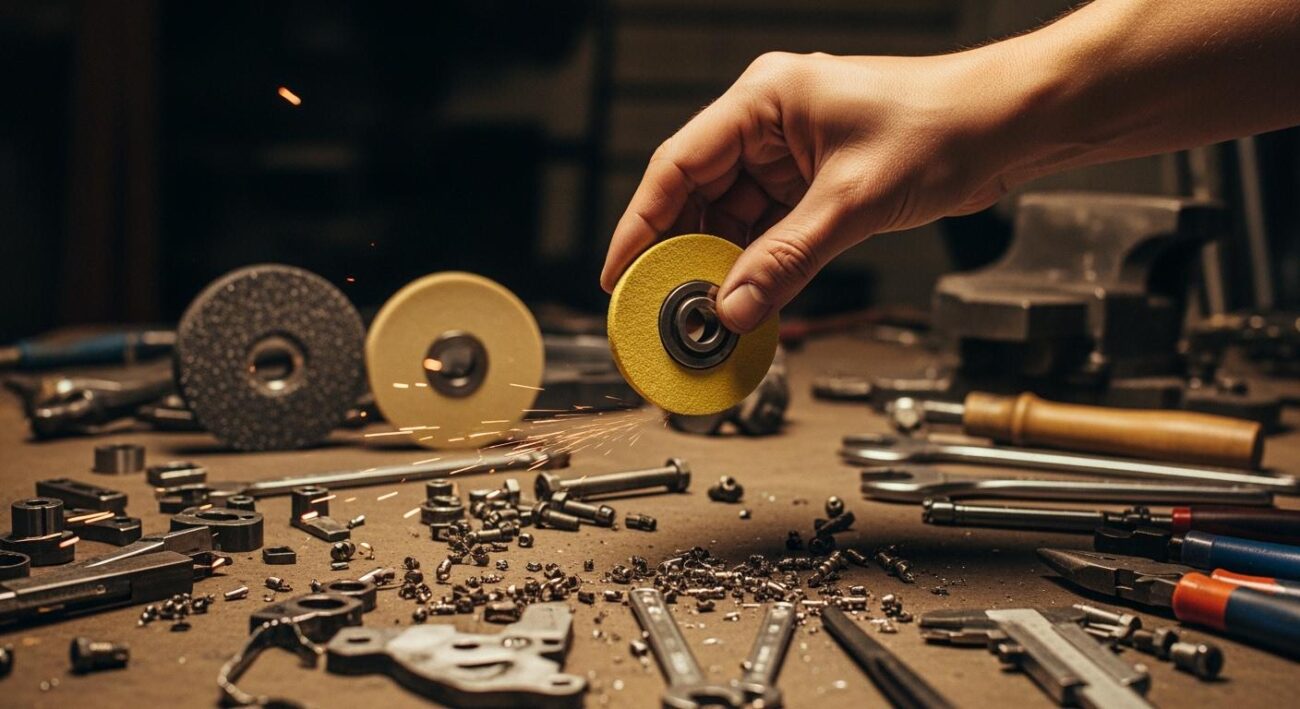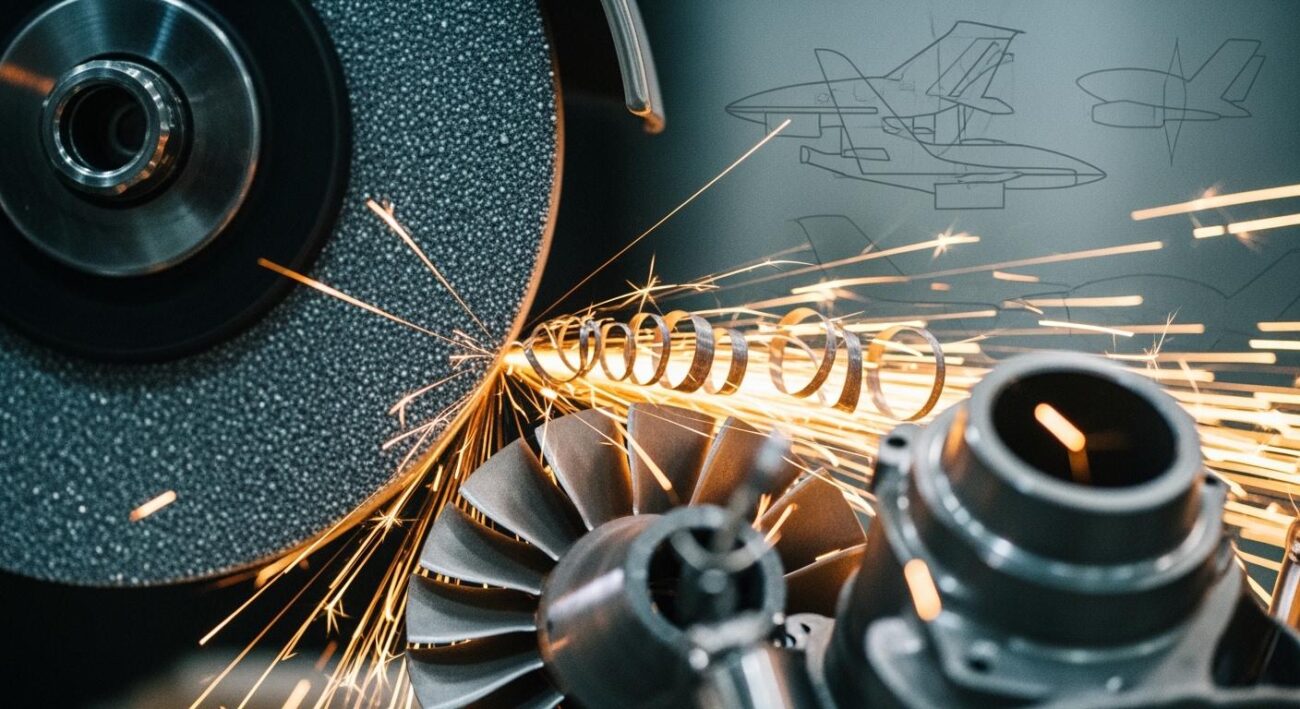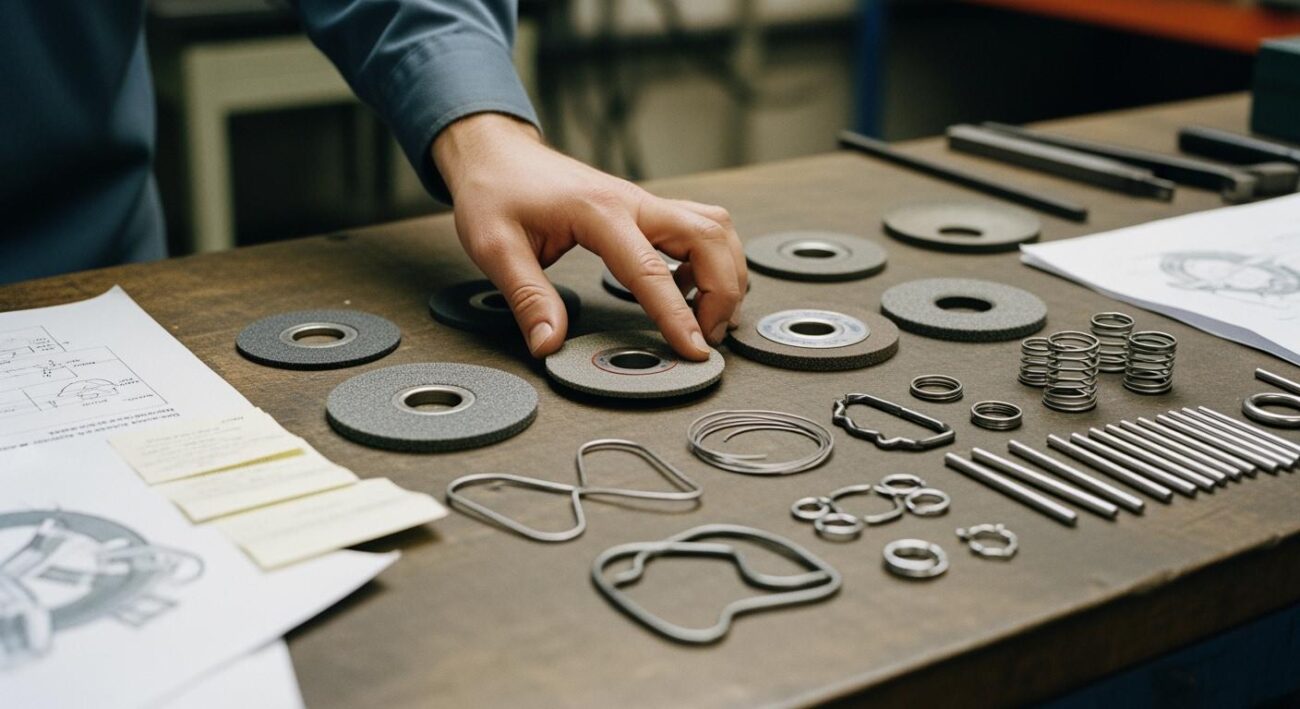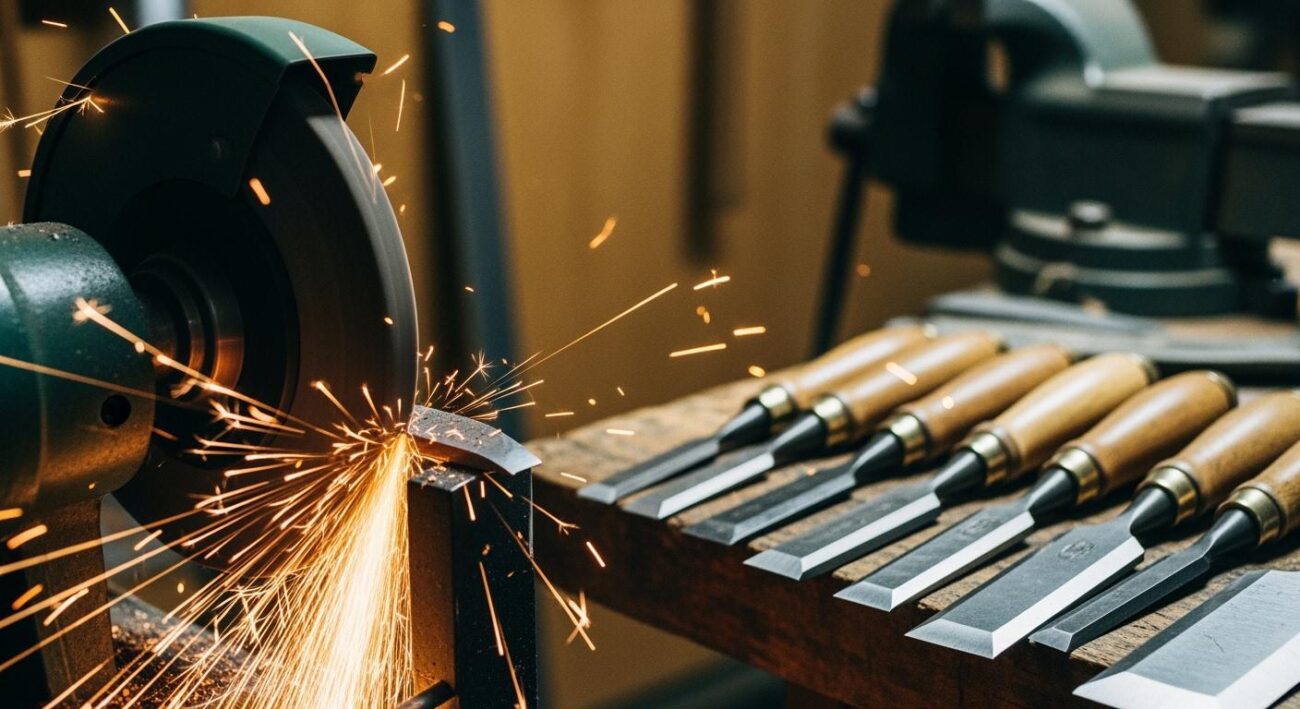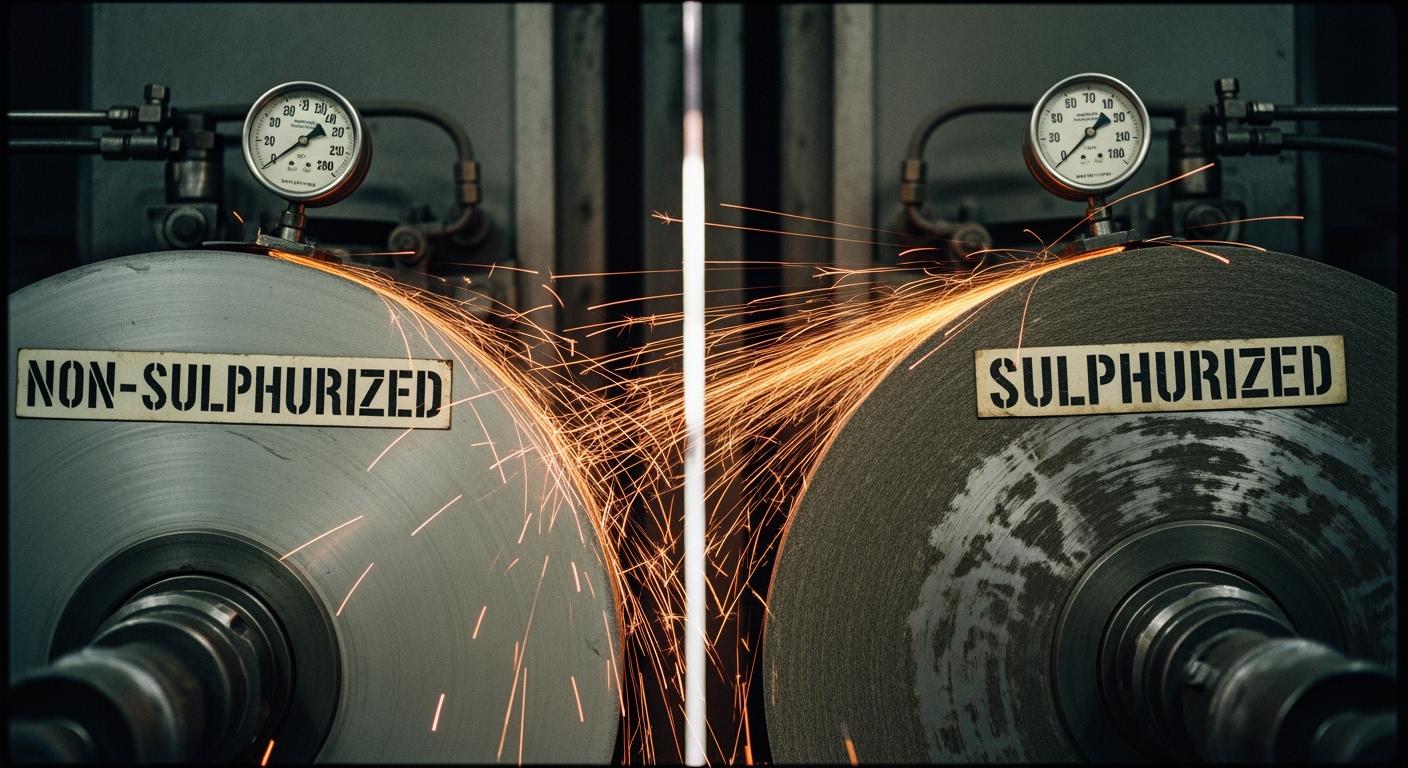
You want the best results in your workshop. Grinding Wheel Performance matters when you work with tough materials. Aimgrind gives you expert solutions with custom grinding wheels. You can choose from non-sulphurized or sulphurized types to match your needs. Aimgrind’s diamond grinding wheels help you get precise results on hard metals and ceramics. You get tools designed for your unique tasks, so your work stays sharp and efficient.
Key Takeaways
- Choose the right grinding wheel type based on your project needs. Non-sulphurized wheels are ideal for clean jobs, while sulphurized wheels excel in heavy-duty tasks.
- Aimgrind offers custom grinding wheels tailored to your machine and material. This ensures optimal performance and efficiency in your workshop.
- Consider the bond type of the grinding wheel. Ceramic, metal, and resin bonds each provide different performance characteristics for various applications.
- Invest in Aimgrind diamond grinding wheels for long-term value. They offer high material removal rates and durability, reducing downtime and replacement costs.
- Always match your grinding wheel to your specific material and application. This helps achieve the best surface finish and precision results.
Differences in Grinding Wheel Performance
Composition and Bond Types
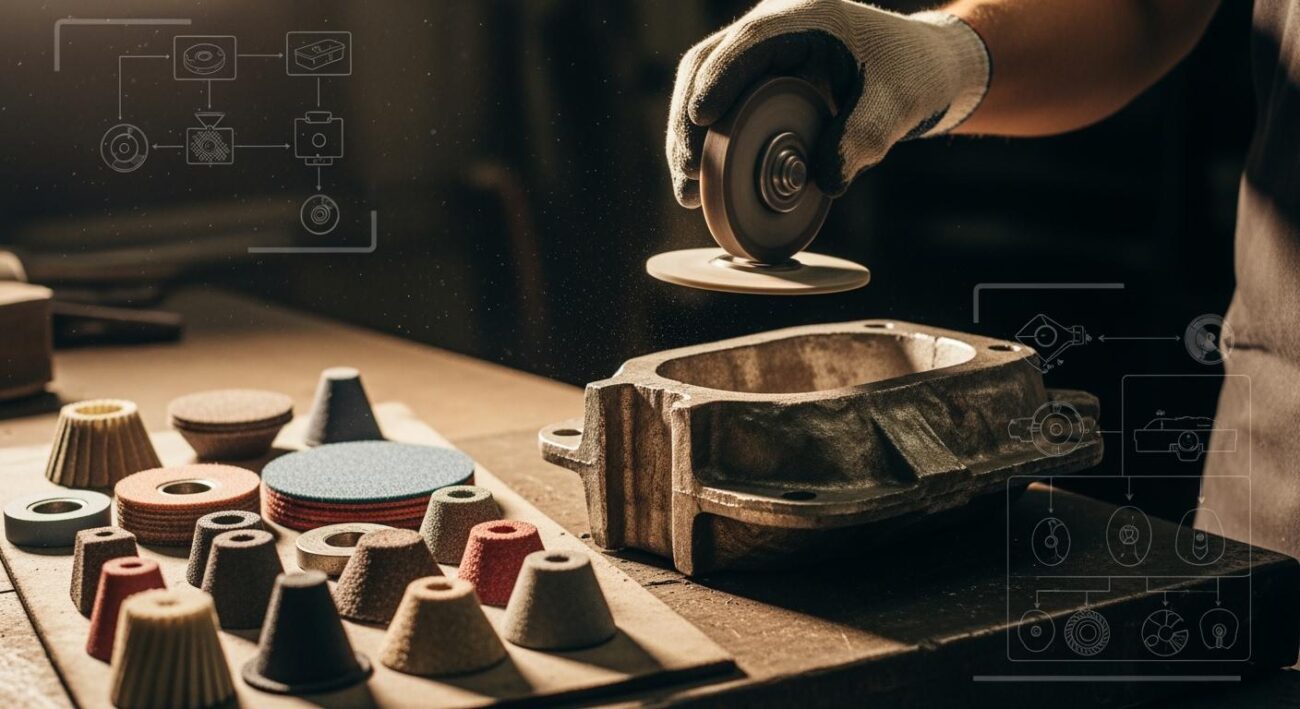
You need to know what makes each grinding wheel different. Non-sulphurized wheels do not have sulphur in their mix. Sulphurized wheels have sulphur added. This small change can affect grinding wheel performance in your shop. You can ask Aimgrind to customize the wheel formula for your needs. Aimgrind can match the right wheel to your machine and material.
The bond type also changes how a wheel works. You can see the main bond types and their effects on grinding wheel performance in the table below:
| Bond Type | Performance Characteristics |
|---|---|
| Ceramic Bond | Increased wear under harsh conditions due to thermal shock. |
| Metal Bond | Exhibits excellent performance, especially under increased cutting allowance. |
| Resin Bond | Wear and grinding force generally between ceramic and metal bonded wheels. |
Aimgrind offers diamond grinding wheels with all these bond types. You get a wheel that fits your job, whether you need high speed, long life, or a smooth finish.
Application Scenarios
You use non-sulphurized wheels when you want a clean process. These wheels work well for food tools, medical parts, and electronics. Sulphurized wheels help when you need better heat control. They work best for heavy-duty jobs and tough metals.
You can use a segment grinding wheel for large surfaces or when you need to remove a lot of material fast. Segment grinding wheel options from Aimgrind help you finish big jobs with less effort. You can also choose a segment grinding wheel for flat grinding or shaping. Aimgrind’s diamond grinding wheels give you even more choices. You get better grinding wheel performance and longer life, no matter the task.
Tip: Ask Aimgrind for help if you are not sure which grinding wheel performance fits your project. Their team can design a segment grinding wheel or diamond wheel just for you.
Efficiency in Grinding
Material Removal Rates
You want to finish your grinding jobs quickly and with less effort. Material removal rates show how fast you can cut through tough surfaces. Non-sulphurized wheels often give you steady grinding for clean jobs. Sulphurized wheels help you cut faster when you need to remove a lot of material. You see the difference in grinding when you work with hard metals or ceramics.
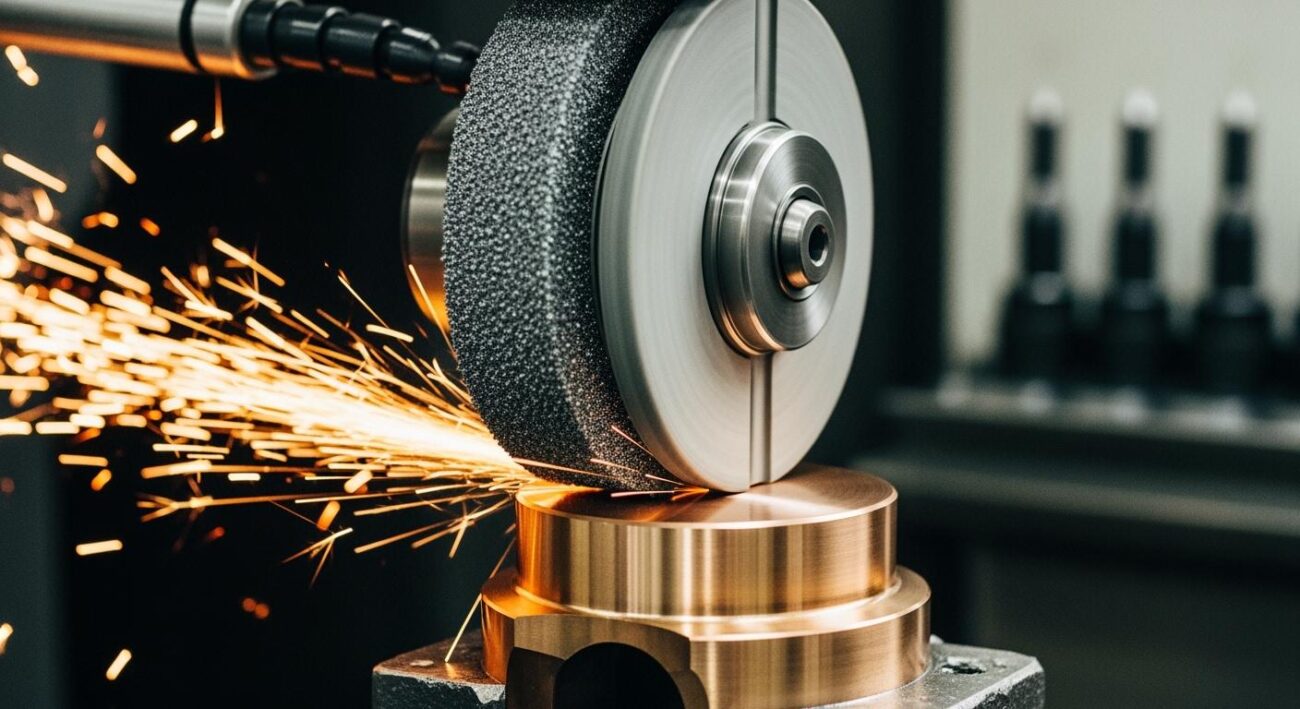
Diamond grinding wheels from Aimgrind help you achieve high material removal rates. You can cut hard alloys and ceramics with less tool wear. These wheels keep their shape and sharpness, so you get consistent grinding. You save time and keep your grinding performance strong. You notice less downtime and fewer wheel changes. Aimgrind’s diamond wheels let you cut, grind, and finish with speed and precision.
Note: You can ask Aimgrind to match the grinding wheel to your machine and material. This helps you get the best material removal and grinding performance.
Segment Grinding Wheel Applications
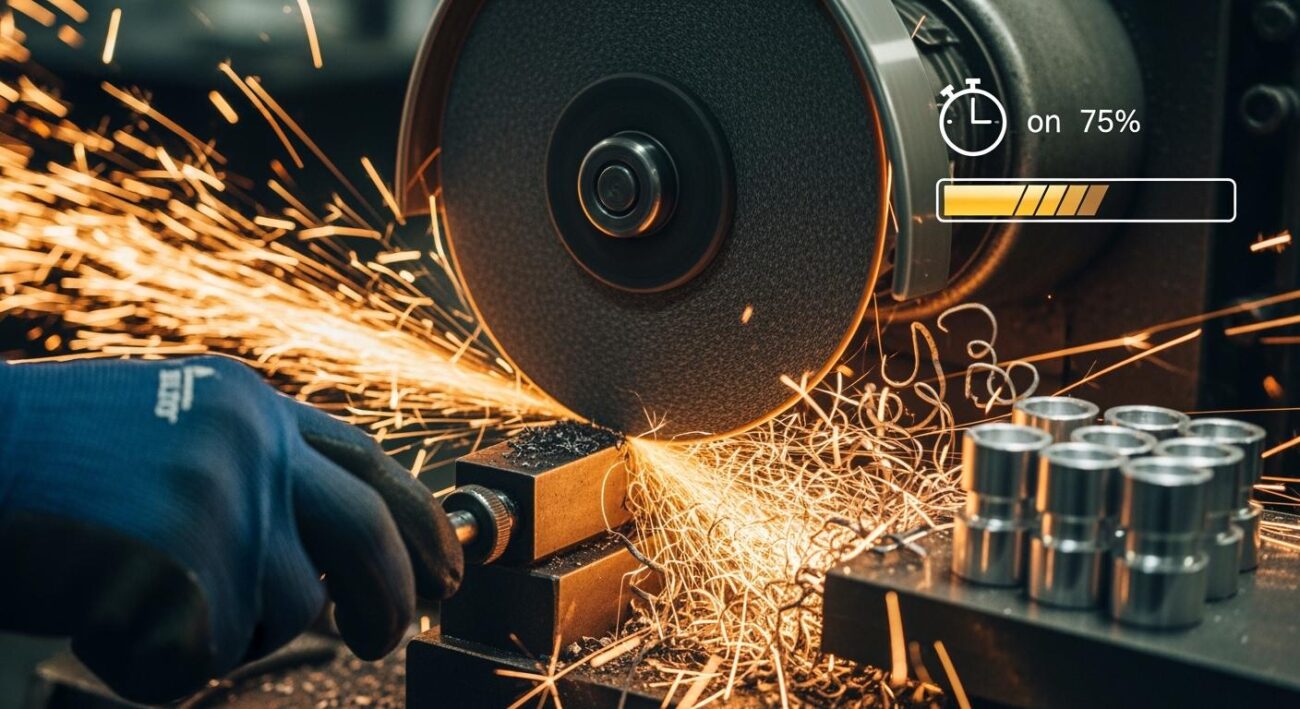
Segment grinding wheels play a big role in metalworking. You use them to cut hardened steel and other tough materials. These wheels help you grind large surfaces and remove material quickly. You get a smooth finish and accurate results. You do not need much pressure, so you avoid damage and reduce fatigue.
Here are common segment grinding wheel applications in metalworking:
- Cut hardened steel for challenging jobs.
- Produce a smooth finish for professional results.
- Achieve quick and accurate material removal.
- Require minimal pressure to protect your workpieces.
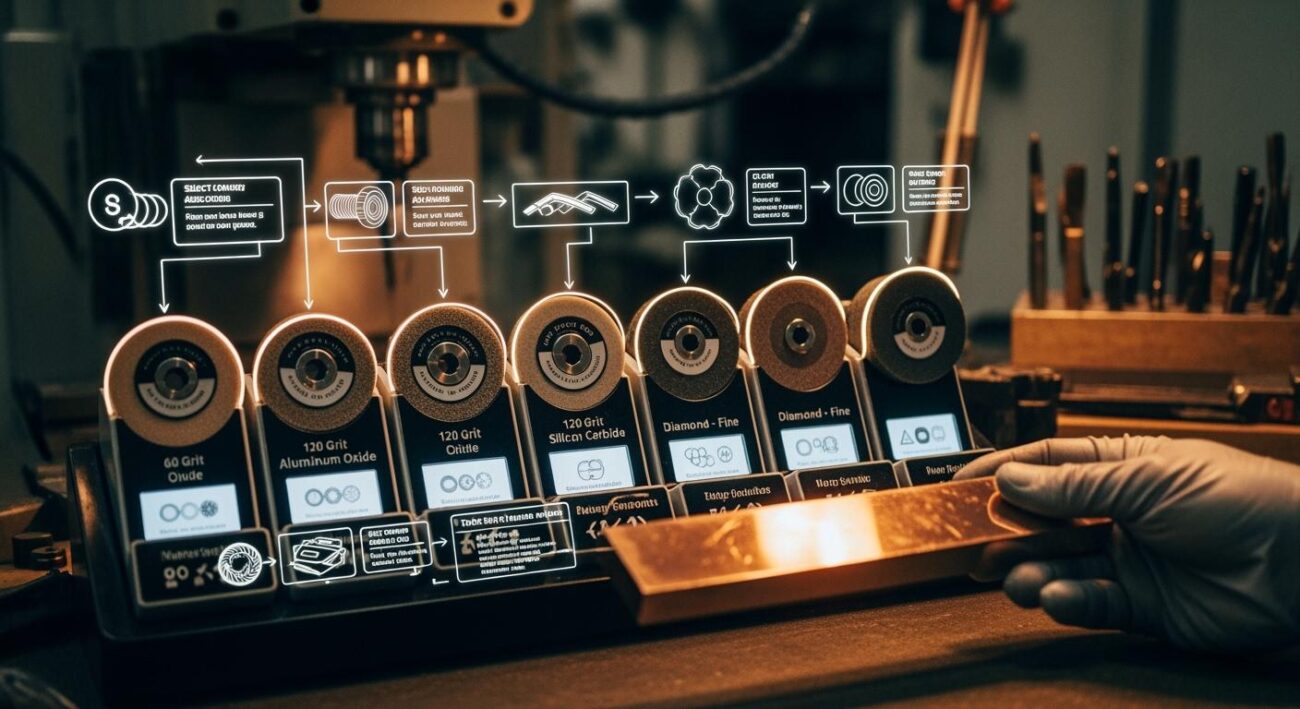
You choose the right wheel for your grinding job. Aluminum oxide wheels work well for ferrous metals. They are versatile and cost-effective. Silicon carbide wheels suit non-ferrous metals. They offer hardness and strength for precision grinding.
- Aluminum oxide wheels: Good for grinding ferrous metals.
- Silicon carbide wheels: Best for grinding non-ferrous metals with high precision.
You see how segment grinding wheels improve grinding efficiency in metalworking. You get faster material removal and better finishes.
Aimgrind Diamond Grinding Wheels
Aimgrind diamond grinding wheels give you advanced grinding solutions. You use these wheels for hard alloys, ceramics, and composites. You get high material removal rates and less tool wear. These wheels last longer and keep their grinding performance steady.
You can choose from resin, metal, or vitrified bonds. Each bond type fits different grinding needs. You use resin bond wheels for high-speed grinding. Metal bond wheels help you cut tough materials. Vitrified bond wheels give you precise grinding and smooth finishes.
Aimgrind diamond grinding wheels help you cut, grind, and finish with accuracy. You get wheels that fit your machine and your job. You see less downtime and more productivity. You can trust Aimgrind to deliver grinding wheels that boost your grinding efficiency.
Tip: You can contact Aimgrind for custom grinding wheel solutions. Their team helps you select the best wheel for your grinding job.
Durability and Performance
Wear Resistance
You want your grinding wheel to last a long time. Wear resistance tells you how well a wheel holds up during tough jobs. Non-sulphurized wheels often give you steady performance for clean and light grinding. Sulphurized wheels can handle heavy-duty tasks and resist breakdown when you grind hard metals. Diamond grinding wheels from Aimgrind stand out because they keep their shape and sharpness for many uses. You can grind hard alloys, ceramics, and composites without worrying about the wheel losing its edge. This means you spend less time changing wheels and more time getting work done.
Heat Management
Heat can damage both your grinding wheel and your workpiece. You need a wheel that manages heat well to avoid burns, cracks, or warping. Non-sulphurized wheels usually run cooler for delicate jobs. Sulphurized wheels use added sulphur to help control heat during heavy grinding. Aimgrind diamond grinding wheels give you even better heat management. You can choose a wheel with an open structure for cooler operation and better chip clearance. This design helps you avoid overheating and extends the life of your wheel. If you pick a dense structure, you get a stronger wheel, but you may see more clogging and heat buildup.
- Open structure: Lets chips escape easily and keeps the wheel cool.
- Dense structure: Makes the wheel strong but can trap heat and chips.
You can ask Aimgrind to help you pick the right structure for your job. This way, you keep your grinding safe and your results smooth.
Aimgrind Quality Standards
You want to trust the tools you use. Aimgrind follows strict quality standards to make sure every diamond grinding wheel meets your needs. The company checks each wheel for size, shape, and material. You get wheels that match industry rules for safety and performance.
- Aimgrind follows ANSI and OSHA standards for grinding wheels.
- Each wheel comes with certificates to show it meets all requirements.
- The company keeps records of every batch and material source for traceability.
- You can check the specifications to make sure the wheel fits your machine.
You get peace of mind knowing your grinding wheel is safe, reliable, and built for your job.
Finishing Quality in Metalworking
Surface Finish
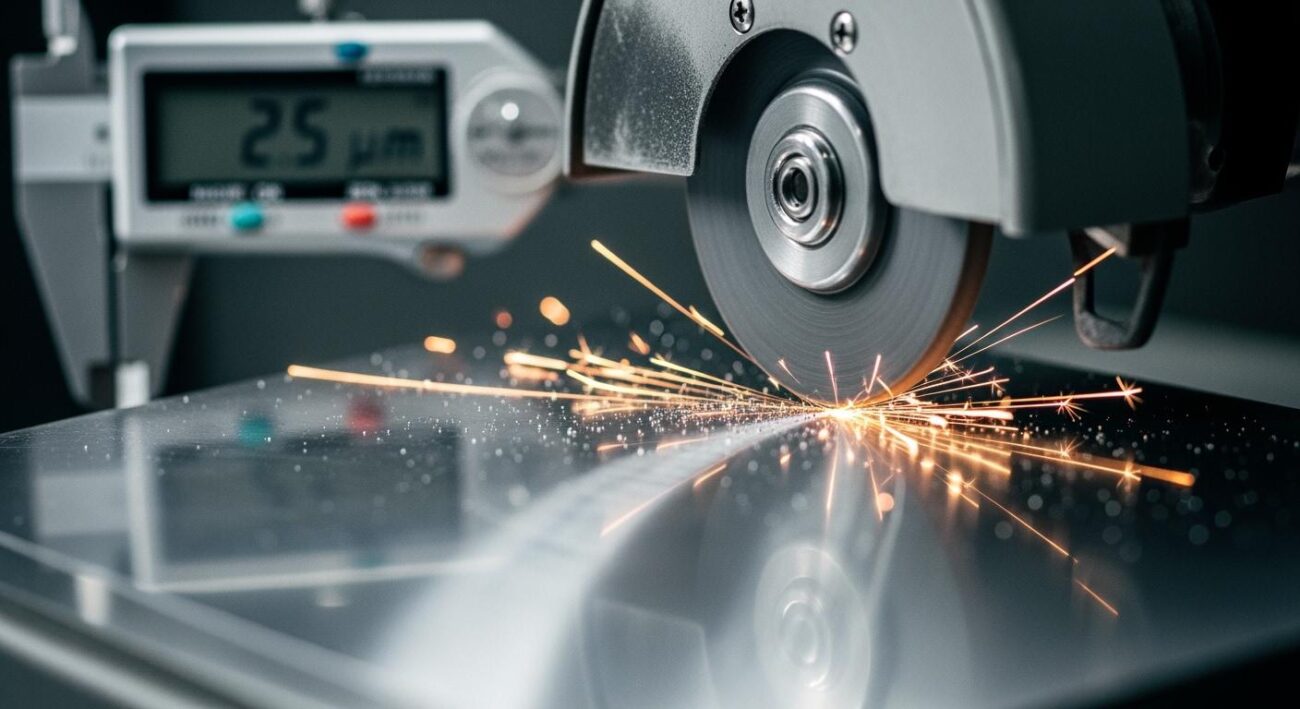
You want your metal parts to look smooth and professional. The surface finish matters because it shows the quality of your work. Non-sulphurized grinding wheels help you get a clean and bright surface. You use these wheels when you need a fine touch, like on medical tools or electronics. Sulphurized wheels give you a good finish on tough metals. They help you avoid scratches and marks, even when you grind hard materials.
Aimgrind diamond grinding wheels help you reach a high level of surface finish. You can use these wheels for hard alloys, ceramics, and composites. The diamond abrasive cuts cleanly and leaves a smooth result. You see fewer lines and less roughness on your parts. You can ask Aimgrind to match the wheel to your job for the best finish.
Tip: Always check your grinding wheel before you start. A good wheel helps you get the best surface finish every time.
Precision Results
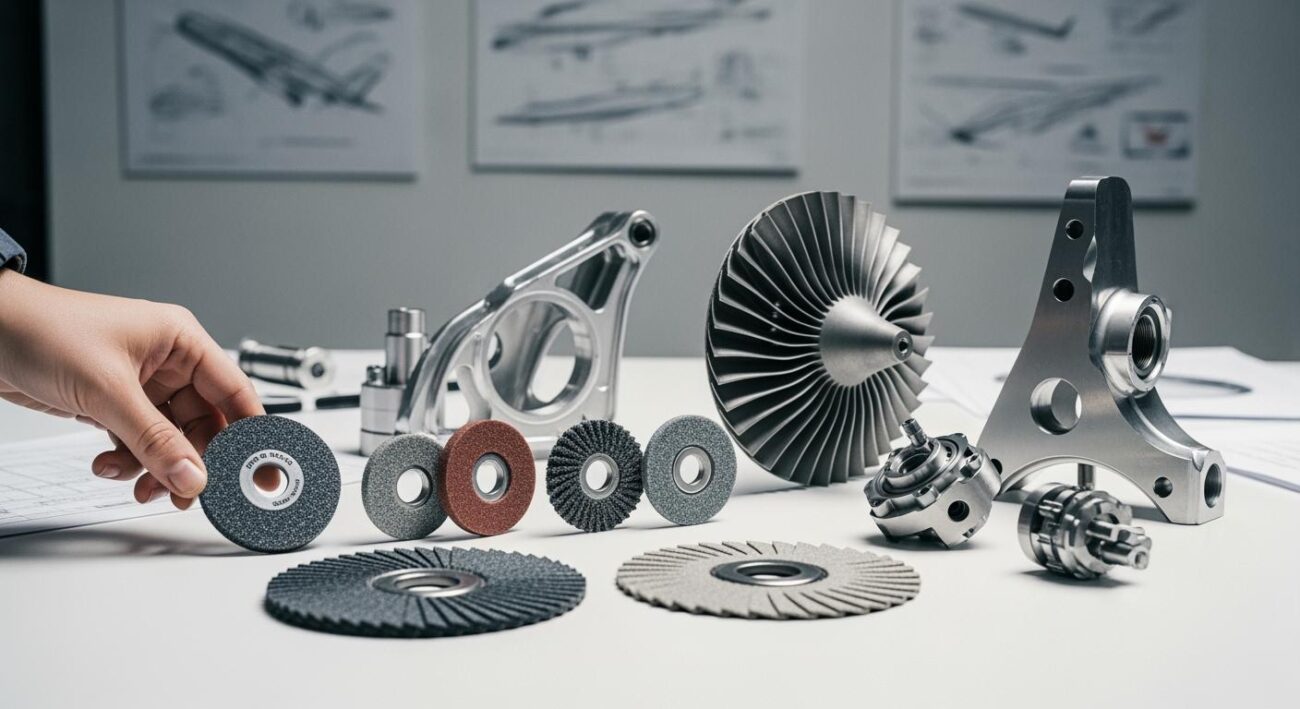
You need precision when you make parts for aerospace, electronics, or tools. Precision means your parts fit together perfectly. Non-sulphurized wheels give you steady control for small details. Sulphurized wheels help you keep accuracy during heavy grinding. You can trust Aimgrind diamond grinding wheels for the highest precision. These wheels keep their shape and size, so you get the same result every time.
Here are ways you can improve your precision results:
- Choose the right wheel for your material.
- Set your machine to the correct speed.
- Use a steady hand and check your work often.
You can contact Aimgrind for advice on picking the best wheel for your project. Their team helps you get the finish and accuracy you need for every job.
Cost and Value
Initial Cost
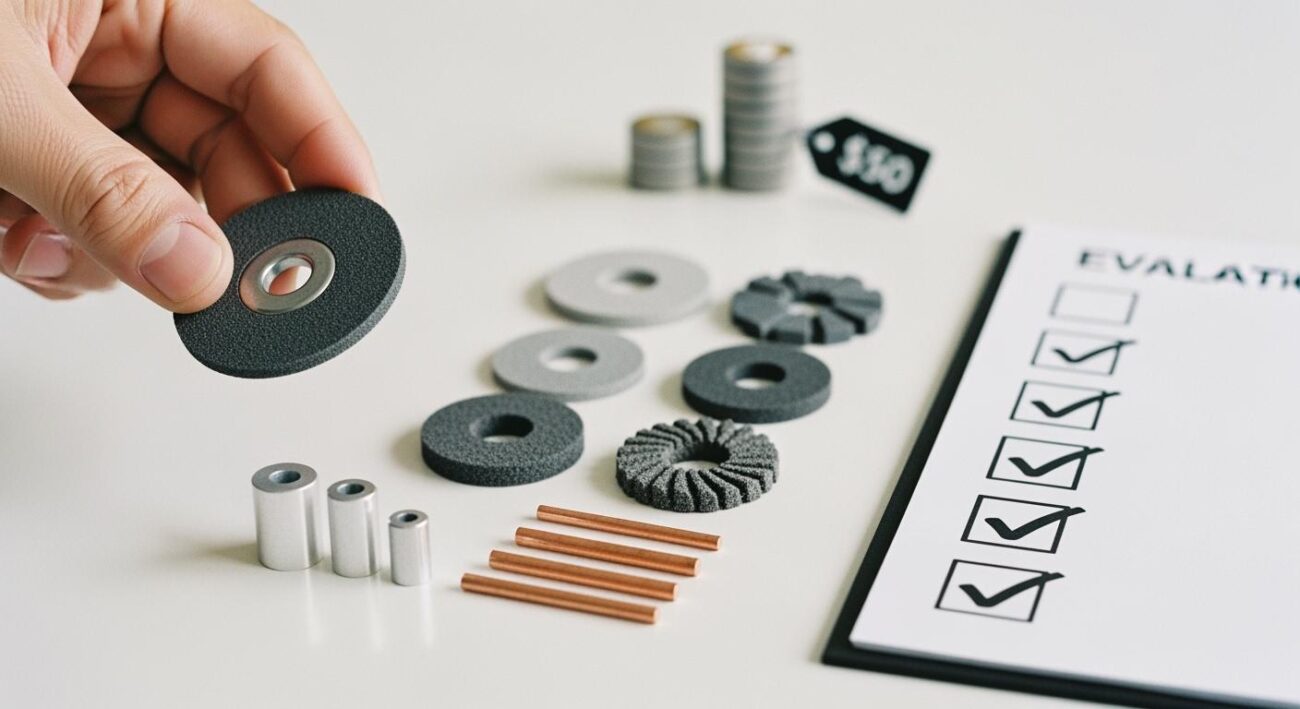
You want to know how much you will spend at the start. Non-sulphurized grinding wheels usually cost less. You can use them for many basic jobs. Sulphurized wheels may cost a bit more because they have extra materials. You pay for better heat control and longer life. Diamond grinding wheels from Aimgrind have a higher initial price. You get advanced materials and special bonds. You invest more at first, but you get top performance.
Here is a simple table to compare the starting cost:
| Wheel Type | Typical Initial Cost | Main Benefit |
|---|---|---|
| Non-Sulphurized | Low | Good for basic jobs |
| Sulphurized | Medium | Better for tough jobs |
| Diamond (Aimgrind) | High | Best for hard materials |
Long-Term Value
You should look beyond the first price. Non-sulphurized wheels wear out faster. You may need to buy more wheels over time. Sulphurized wheels last longer, so you change them less often. Diamond grinding wheels from Aimgrind give you the best value in the long run. You use them for many jobs before you need a new one. You save money on replacements and downtime. You also get better results with each use.
Tip: Think about how often you change wheels. Fewer changes mean more time working and less money spent.
Aimgrind Investment Benefits
You get more than just a grinding wheel when you choose Aimgrind. You get expert help to pick the right wheel for your job. You can ask for custom sizes and bonds. Aimgrind tests every wheel for safety and quality. You get a product that fits your machine and your needs.
- You save time with less wheel changing.
- You get better finishes and higher precision.
- You reduce waste and improve your workflow.
You make a smart investment with Aimgrind. You boost your shop’s performance and get support from grinding experts. You can learn more or ask for a quote at Aimgrind’s website.
Recommendations for Grinding Applications
Heavy-Duty Use
You need a grinding wheel that stands up to tough jobs. Heavy-duty grinding means you work with hard metals and need tools that last. The table below shows top choices for these tasks:
| Grinding Wheel Type | Composition | Performance Characteristics |
|---|---|---|
| Ruby | High-purity calcined alumina fused with chromium oxide | Keeps its shape well, works for tool steels |
| Ceramic | Ceramic alumina blend | Gives you top productivity, lasts the longest |
| Diamond | Synthetic diamond | Extremely durable, can last up to 20 times longer |
| CBN | Cubic boron nitride | Great for grinding hardened steels and tough materials |
You can use Aimgrind diamond grinding wheels for the most demanding jobs. These wheels help you finish large projects without frequent changes. You get more work done and keep your machines running longer.
Precision Work
You want accuracy when you grind small parts or need a smooth finish. Choosing the right wheel helps you avoid mistakes and keeps your work sharp.
- Picking the correct grinding wheel is important for precision.
- The wrong wheel can damage your workpiece or slow your process.
- High-performance wheels for steel and special discs for stainless steel help you get the best results.
Here are some wheels you can use for precision work:
- Standard grinding wheels with aluminum oxide grains cut well and last long.
- Flap discs help you blend and finish surfaces smoothly.
- Bench grinding wheels work for sharpening tools and shaping small parts.
Aimgrind offers custom wheels for every precision application. You can ask for advice to match your needs.
Industry-Specific Advice
You work in different industries, so your grinding needs change. In aerospace, you need wheels that give you tight tolerances and smooth finishes. In woodworking, you want wheels that keep saw blades sharp. For glass processing, you need wheels that prevent chipping and cracking.
Tip: Always match your grinding wheel to your material and machine. This helps you get the best results and keeps your workflow safe.
You can contact Aimgrind for help with your specific application. Their team helps you choose the right wheel for your industry, so you boost productivity and get reliable results.
You want the right grinding wheel for your job. Hard materials like tungsten carbide need diamond abrasives to cut cleanly and avoid heat damage. The table below helps you match wheel types to your needs:
| Core Material Type | Application Context | Cost Consideration |
|---|---|---|
| Ceramic Cores | Flute grinding, medical drill bits | Budget-friendly, balanced performance |
| High-Tensile Steel | High-speed, high-heat jobs | Premium, long-lasting |
| Carbon Fiber | High-speed, lightweight machining | Premium, saves money over time |
| Aluminum/Standard Steel | Medium-duty, general use | Mid-range, good value |
| Hybrid Cores | Optimized, innovative applications | Balanced cost and performance |
You can ask Aimgrind for custom wheels. Their team helps you choose the best tool for your work. Explore more at Aimgrind’s website.
FAQ
What is the main difference between abrasive and abrasive segments?
You use abrasive for general grinding. Abrasive segments are special shapes of abrasive material. You choose abrasive segments when you need to cover large surfaces or want to grind with more control. Each segment uses high-quality abrasives for better results.
How do abrasive material characteristics affect grinding performance?
Abrasive material characteristics decide how well you grind. Harder abrasive material cuts tough material faster. Softer abrasive wears down quicker but gives a smoother finish. You pick abrasive material based on your job and the material you want to shape.
Why should you use metalworking fluids or coolant with abrasive segments?
You use metalworking fluids or coolant to keep abrasive segments cool. These fluids help remove heat from the abrasive material. You protect your material and keep abrasive segments from wearing out too fast. Metalworking fluids also improve mwf properties and grinding quality.
What makes high-quality abrasives important for material removal?
High-quality abrasives cut material faster and last longer. You get better surface finish and save time. High-quality abrasives also keep abrasive segments sharp. You spend less on replacements and get more value from each abrasive material.
Can you use abrasive segments on any material?
You can use abrasive segments on many types of material. You must match the abrasive material to your workpiece. Some abrasive segments work best on metals. Others suit ceramics or composites. Always check the characteristics of your abrasive segments before you start.
Contact Us
For More Grinding Solution or Customized Abrasive Tools