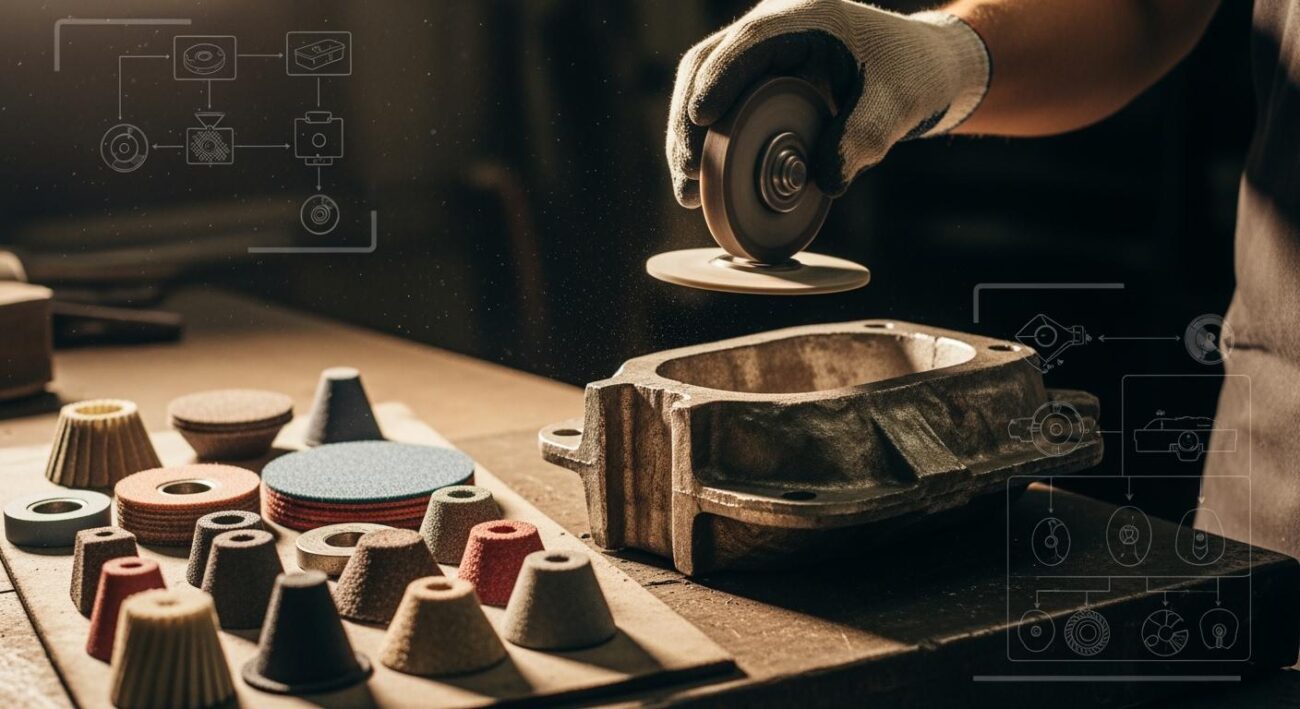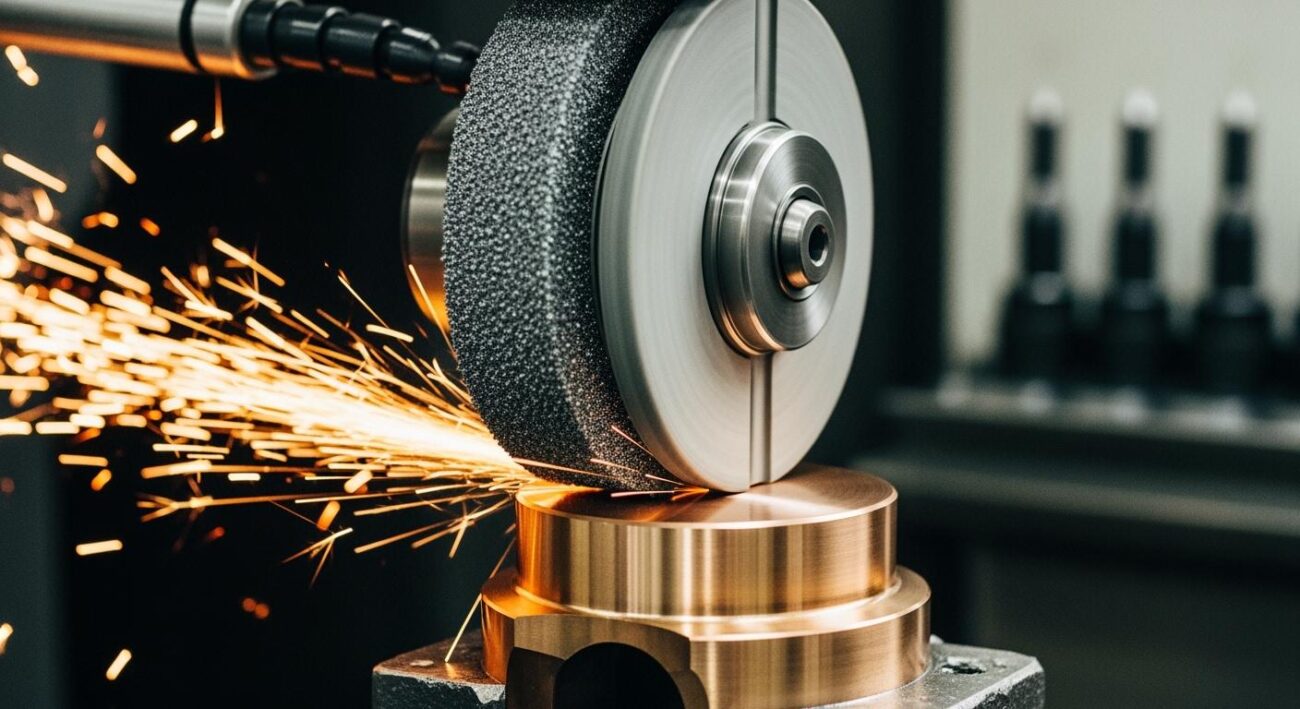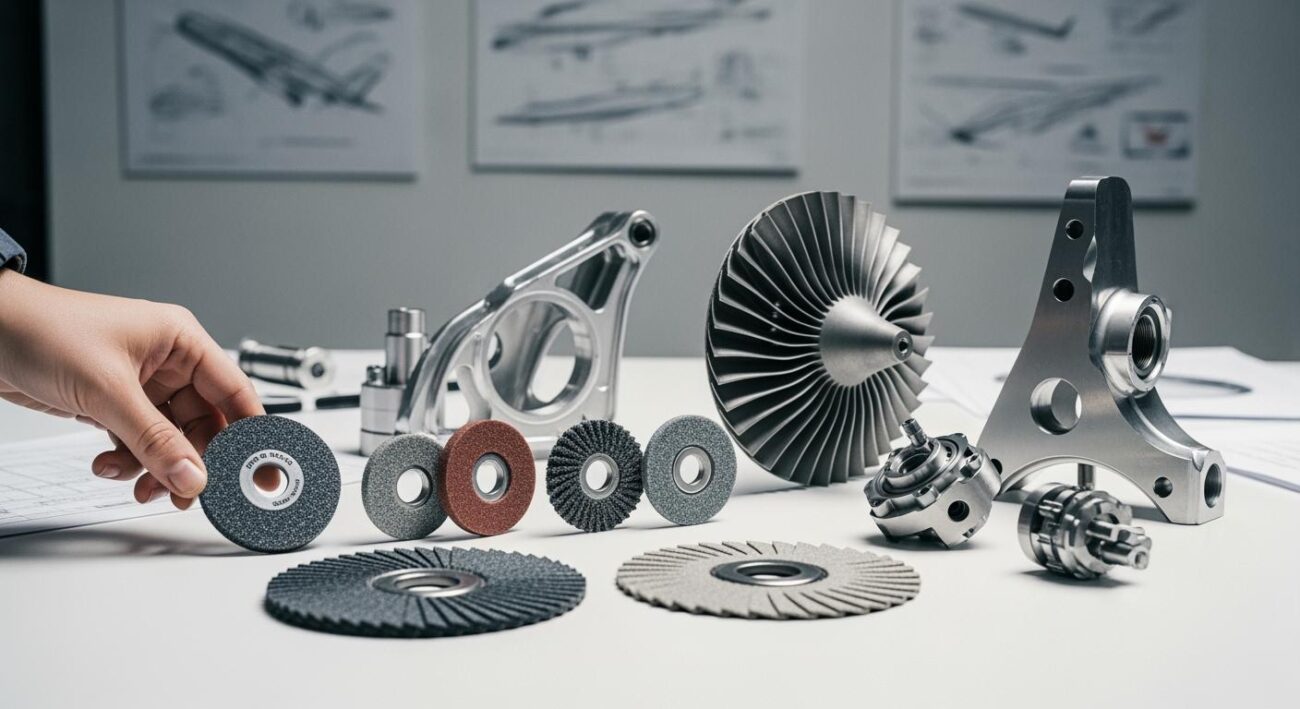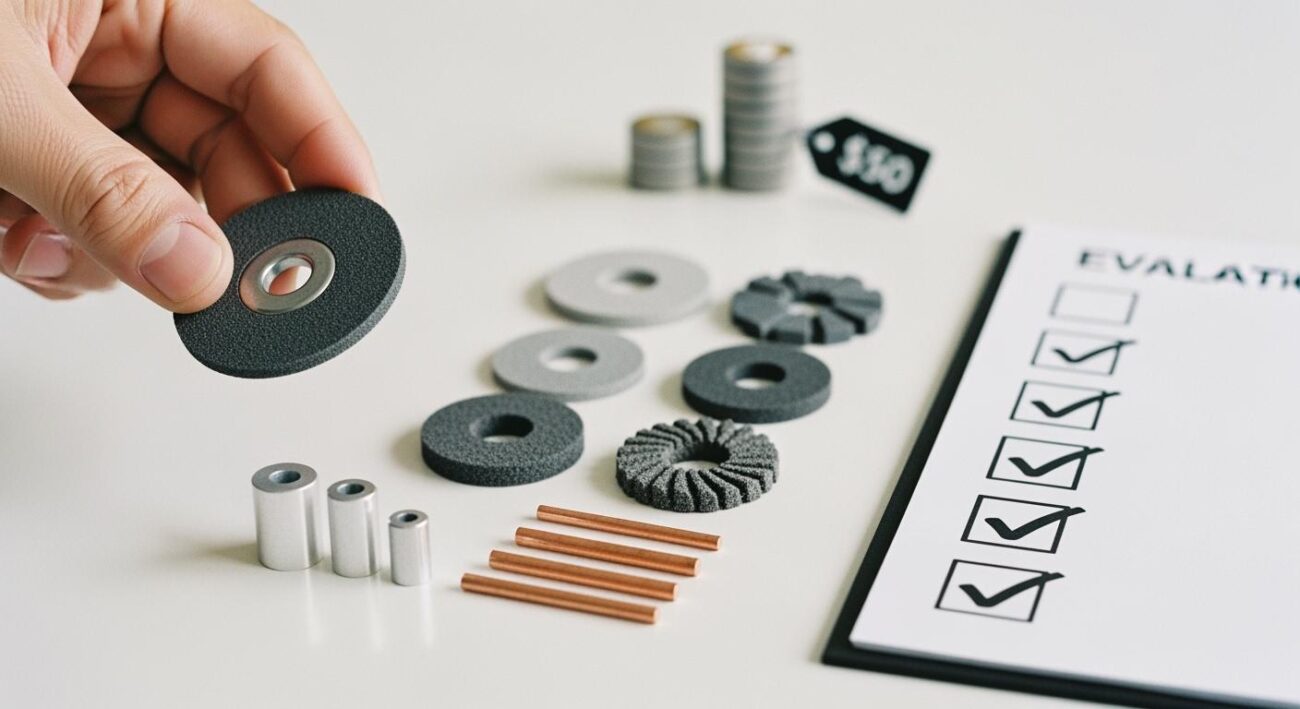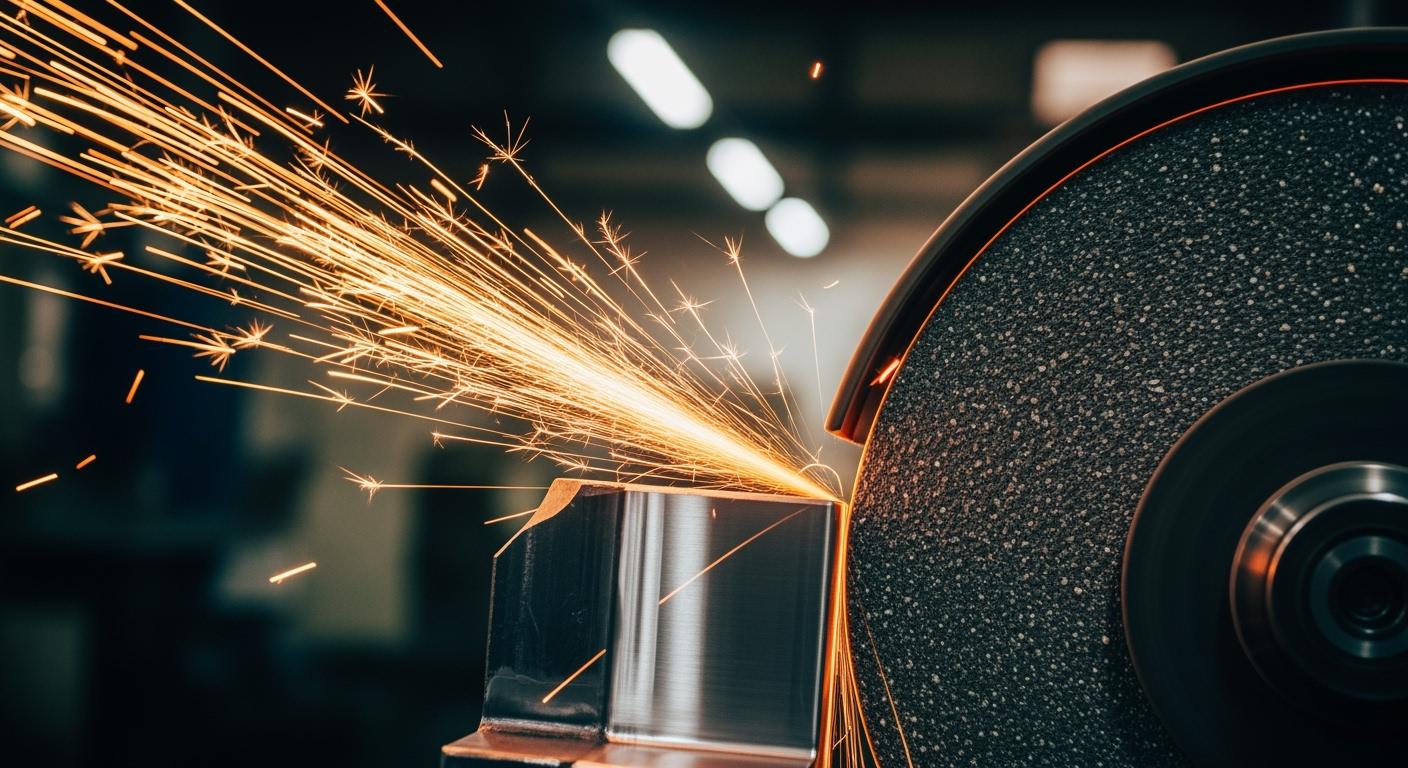
Grinding efficiency hinges on selecting the correct wheel hardness. The impact of hardness on grinding performance is significant, following a counterintuitive rule.
The Rule of Thumb:
- Soft Wheels for Hard Materials
- Hard Wheels for Soft Materials
This choice of hardness directly controls the wheel’s self-sharpening action. The right wheel hardness is key for effective material removal and a high material removal rate. This selection of hardness optimizes both performance and the final surface finish, making grinding wheel hardness a critical factor.
Key Takeaways
- Choose a soft grinding wheel for hard materials. This helps the wheel stay sharp.
- Choose a hard grinding wheel for soft materials. This makes the wheel last longer.
- The right wheel hardness helps you get a good surface finish. It also saves money.
- Consider the material, machine power, and contact area. These help you pick the best wheel hardness.
- Use special hard abrasives like Diamond or CBN for very tough materials. This gives the best performance.
Understanding Grinding Wheel Hardness and Self-Sharpening
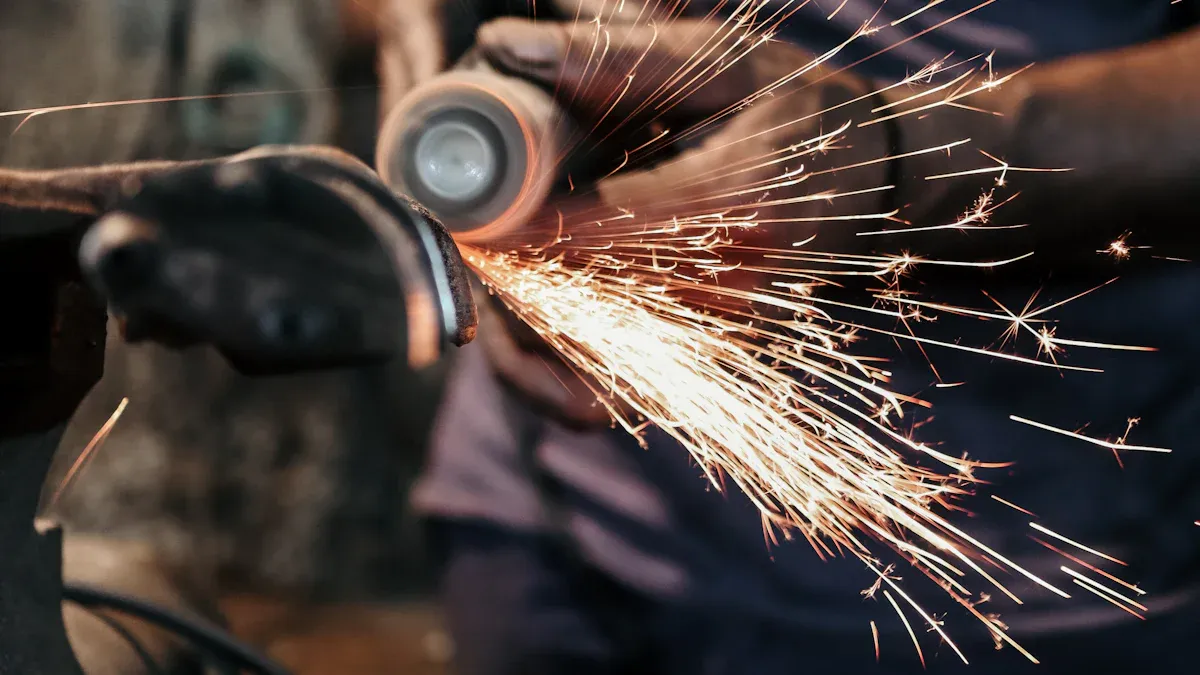
The concept of wheel hardness is central to grinding performance. It does not refer to the hardness of the abrasive grains themselves, but to the strength of the bond holding those grains together. This bond strength dictates the wheel’s “self-sharpening” ability, a critical process for maintaining cutting efficiency.
What is Self-Sharpening?
A grinding wheel self-sharpens when its bond releases dull or worn abrasive grains. This action exposes the fresh, sharp grains underneath. A proper self-sharpening rate prevents the wheel surface from becoming smooth and ineffective, ensuring consistent and rapid material removal. The correct grinding wheel hardness optimizes this cycle.
Soft Wheels for Hard Materials: Maximize Cutting
Using a soft wheel for hard materials is essential for effective material removal. Hard workpiece materials cause the abrasive grains on the wheel to dull very quickly. A softer bond has a lower strength. It cannot hold onto these flattened grains for long. The grinding forces easily fracture the bond, shedding the dull grains and revealing new, sharp cutting points. This continuous renewal keeps the wheel cutting freely and prevents excessive heat buildup.
The choice of abrasive bond type is also crucial. For instance, some applications on hardened steels use specific soft bonds for finishing.
- Rubber bonds offer excellent flexibility.
- They are used to achieve very fine surface finishes after the main grinding is complete.
- This demonstrates how a specific type of soft hardness is chosen to meet final quality requirements.
This self-sharpening action is the key to achieving a high material removal rate on tough materials. The correct wheel hardness ensures the process remains efficient.
Hard Wheels for Soft Materials: Prevent Wear
The opposite logic applies when grinding soft materials like aluminum or mild steel. These materials are not abrasive enough to dull the grinding grains quickly. Therefore, a wheel with a hard bond is necessary. The strong bond retains the sharp abrasive grains for a longer period. This prevents premature wheel wear and maximizes the tool’s lifespan, improving overall efficiency. The hardness of a material directly influences the required wheel hardness.
Using the wrong hardness can lead to significant problems. A hard wheel on a hard material is a recipe for failure. This mismatch prevents self-sharpening and causes a condition called “glazing.”
- Glazing starts when the abrasive particles become flat and worn down from grinding the hard surface.
- The surrounding bond material then smears over these dull points.
- This creates a smooth, glassy, non-cutting surface on the wheel.
- A hard bond makes this problem worse because it resists breaking down to expose new abrasive grains.
Proper abrasive selection, including the right hardness, is fundamental to avoiding such issues and maintaining optimal grinding performance.
The Impact of Hardness on Finish and Wheel Life
Selecting the correct wheel hardness extends beyond material removal rates. It creates a delicate balance between the final surface finish, the lifespan of the wheel, and overall operational costs. The right choice of hardness optimizes the entire grinding performance.
Fine-Tuning Surface Finish with Hardness
The hardness of a grinding wheel directly influences the final surface finish. A slightly harder wheel can often produce a better surface finish. For example, wheels with superior material hardness, like green silicon carbide, can achieve a finer and more stable surface finish for a longer duration. Many high-precision industries use harder grade wheels for their excellent shape retention, which is critical for achieving a superior surface quality.
However, this approach has risks. A wheel with a hardness level that is too high for the job can cause significant problems. It prevents self-sharpening, leading to glazing and excessive heat. This can damage the workpiece.
Warning Signs of Incorrect Wheel Hardness ⚠️
An overly hard wheel generates too much heat, resulting in visible defects and poor performance.
| Problem | Cause (related to hard wheel) |
| :— | :— |
| Material Discoloration | Too much heat generation during grinding |
| Material Micro Cracks | Wheel hardness is too high or grit is too fine |
| Excessive Power Consumption | Wheel is too hard or has become dull |
| Wheel Does Not Cut Effectively| Wheel bond is too hard |
The goal is to find the right wheel hardness that delivers the desired surface finish without causing thermal damage.
Balancing Wheel Wear vs. Dressing Costs
Finding the most cost-effective solution requires looking beyond the wheel’s purchase price. True efficiency is a balance between wheel wear and dressing costs.
- Softer Wheels: These wheels wear more quickly, leading to more frequent replacements. However, their self-sharpening nature means they require less frequent dressing, which minimizes machine downtime.
- Harder Wheels: These wheels last longer, reducing the number of wheels you need to buy. But they often require heavy dressing to stay sharp, which increases downtime and labor costs.
The optimal grinding wheel hardness minimizes the total cost per part. This calculation includes many factors: tool life, operator labor, machine downtime for tool changes, and even the cost of scrapped parts. The objective is to find the perfect hardness that balances wear and dressing to achieve the best surface finish at the lowest overall cost.
A Practical Guide to Selecting Wheel Hardness
Theoretical knowledge is valuable. Practical application is where efficiency is won or lost. This guide provides a starting point for selecting the correct wheel hardness for your specific application. The hardness of a material is the first and most important consideration.
Hardness Selection Chart for Key Materials
The fundamental rule—soft wheels for hard materials, hard wheels for soft materials—guides every choice. Different materials require different wheel grades to achieve optimal grinding performance. The chart below offers a general guideline for common material groups.
| Material Group | Recommended Wheel Hardness | Typical Application |
|---|---|---|
| Soft Metals (Aluminum, Brass, Copper) | Medium to Hard (I, J, K, L) | General purpose, shaping |
| General Metals (Mild Steel, Cast Iron) | Medium (H, I, J) | General purpose, stock removal |
| Hardened Steels (Tool Steels, HSS) | Soft to Medium (F, G, H) | Precision grinding, finishing |
| Extremely Hard Materials (Carbide) | Soft (E, F, G) | Tool sharpening, precision work |
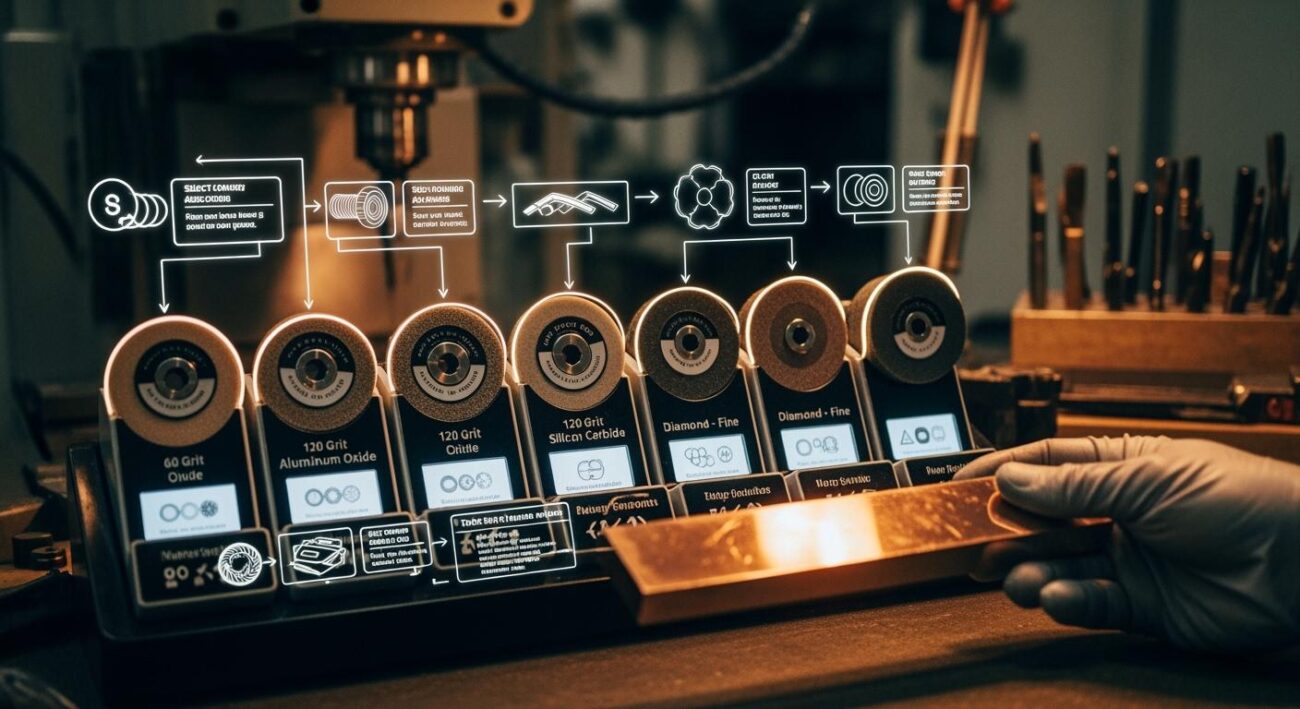
This chart is a strong starting point. Your choice of abrasive also plays a critical role. For instance, silicon carbide abrasives are effective for non-ferrous metals like aluminum and cast iron. A proper abrasive selection ensures the wheel interacts correctly with the workpiece to produce a quality surface finish.
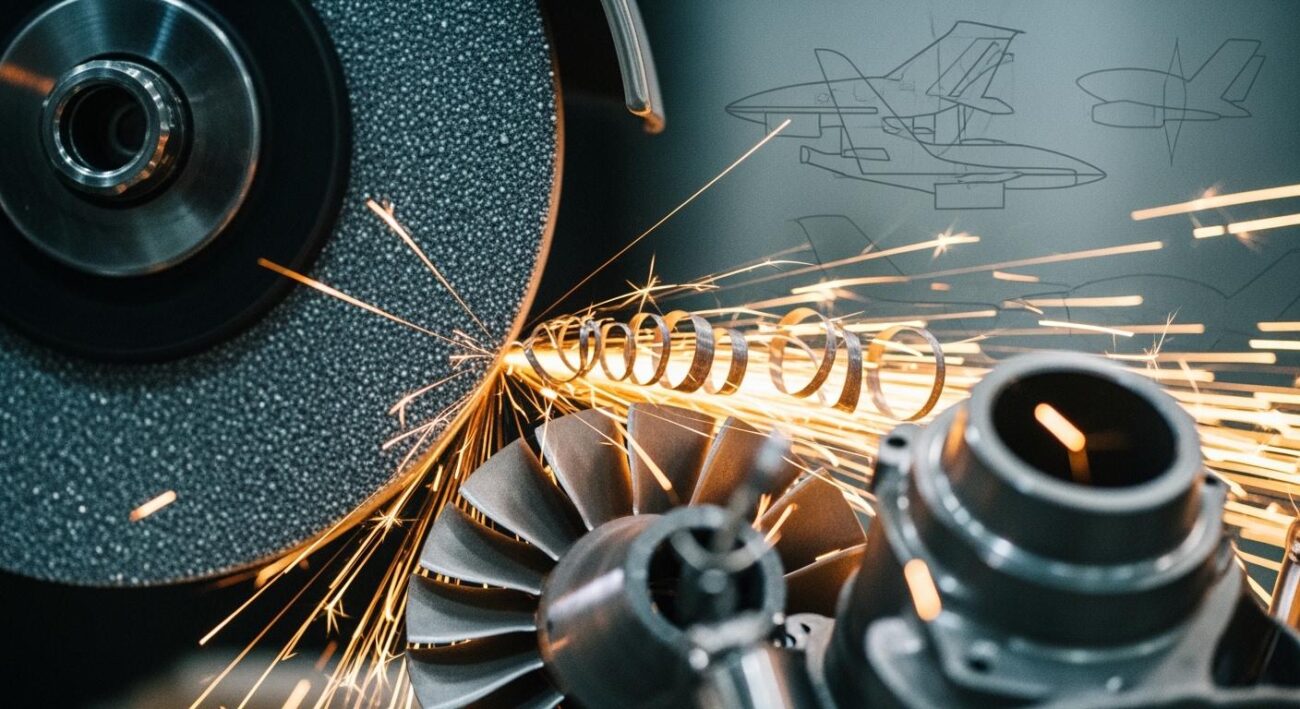
However, many modern industries work with materials that push conventional abrasives to their limits. Materials like hardened D2 tool steel (HRC 58-62), nickel-based superalloys like Inconel 718, ceramics, and tungsten carbide present unique challenges. Their extreme hardness or thermal properties can cause standard wheels to fail quickly.
When Standard Wheels Aren’t Enough ⚙️
For these demanding applications, a specialized approach is necessary. This is where Aimgrind excels. With nearly two decades of experience, we provide customized grinding solutions for the toughest materials. Conventional abrasive selection may not deliver the required performance or tool life.
For these advanced applications, the best choice of abrasive is often a super hard abrasive. Aimgrind’s customized solutions frequently utilize Diamond and Cubic Boron Nitride (CBN) wheels.
- Superior Hardness: Diamond and CBN are significantly harder than conventional abrasives, allowing them to cut extremely hard materials with ease.
- Enhanced Thermal Conductivity: They transfer heat away from the workpiece efficiently. This minimizes thermal damage and improves part integrity.
- Exceptional Wear Resistance: Super hard abrasives last much longer, reducing downtime for wheel changes and dressing. This dramatically boosts overall efficiency.
Using Aimgrind’s super hard abrasives ensures you are not just grinding, but optimizing performance for the most challenging jobs.
Adjusting for Contact Area and Machine Power
Material type is the primary factor, but not the only one. You must also consider your specific grinding operation to fine-tune your wheel hardness selection.
Contact Area The size of the contact area between the wheel and the workpiece influences the pressure exerted on each abrasive grain.
- Large Contact Area: A large contact surface (e.g., surface grinding) distributes the grinding force over more grains. This reduces the pressure on each grain. A softer hardness is needed to allow the bond to break down and expose new grains.
- Small Contact Area: A small contact surface (e.g., cylindrical grinding) concentrates the force. This high pressure can strip grains from a soft wheel too quickly. A harder wheel hardness is required to retain the grains and prevent excessive wear.
Machine Power The power of your grinding machine is also a critical variable.
A mismatch between machine power and wheel hardness can lead to poor performance and potential damage. Higher horsepower machines can support a harder wheel grade. The machine has enough power to fracture the durable bond and maintain self-sharpening. Lower horsepower machines require a softer wheel hardness. They may lack the force to break down a hard wheel, leading to glazing, burning, and a poor surface finish.
Ultimately, selecting the correct grinding wheel hardness is a balancing act. It requires a complete understanding of your material, your machine’s capabilities, and your desired outcome.
Selecting the correct wheel hardness is the most critical factor for your grinding performance. The right choice improves the material removal rate and overall efficiency. Remember the foundational rule: use soft wheels for hard materials and hard wheels for soft materials. This principle governs rapid material removal and finish quality. The hardness of a material dictates the necessary wheel hardness. Re-evaluate your process to ensure you are optimizing performance. For expert guidance, consult with Aimgrind to fine-tune your application’s hardness. Grind with Passion, Achieve with Aim.
FAQ
Why use a soft wheel for a hard material?
Hard materials dull abrasive grains very quickly. A soft wheel bond releases these dull grains to expose fresh, sharp cutting points. This self-sharpening process maintains cutting efficiency and prevents overheating.
What is wheel glazing and how do I prevent it?
Glazing happens when a wheel’s surface becomes smooth and non-cutting. This is caused by using a wheel that is too hard for the material. Prevent it by selecting the correct softer wheel hardness to ensure proper self-sharpening.
Does a harder wheel always give a better finish?
Not necessarily. A harder wheel can improve finish but increases the risk of glazing and heat damage. The best approach is finding the optimal hardness. It balances a quality finish with cool, efficient cutting action.
When should I use super hard abrasives like Diamond or CBN? 💎
Super hard abrasives are essential for the most demanding jobs. Use them for materials where conventional wheels fail.
- Tungsten Carbide
- Hardened Tool Steels
- Ceramics and Composites
Aimgrind offers specialized super hard abrasives for these exact applications, ensuring maximum performance.