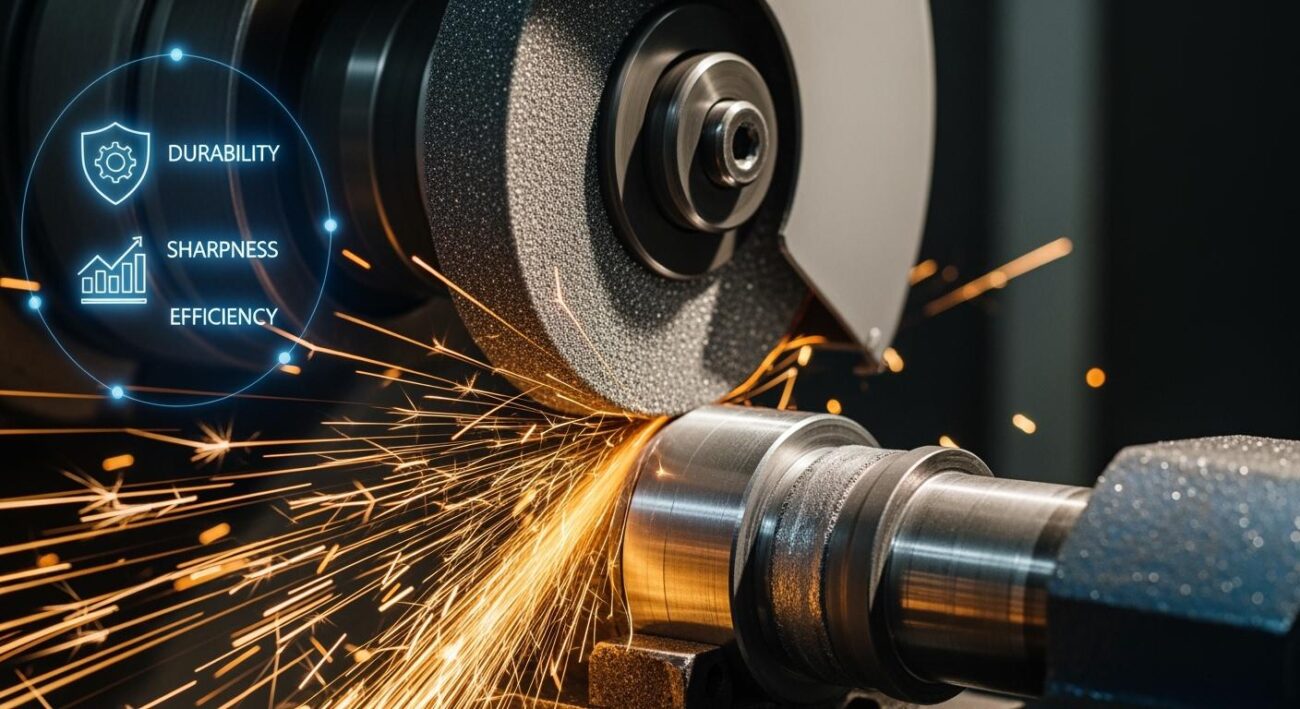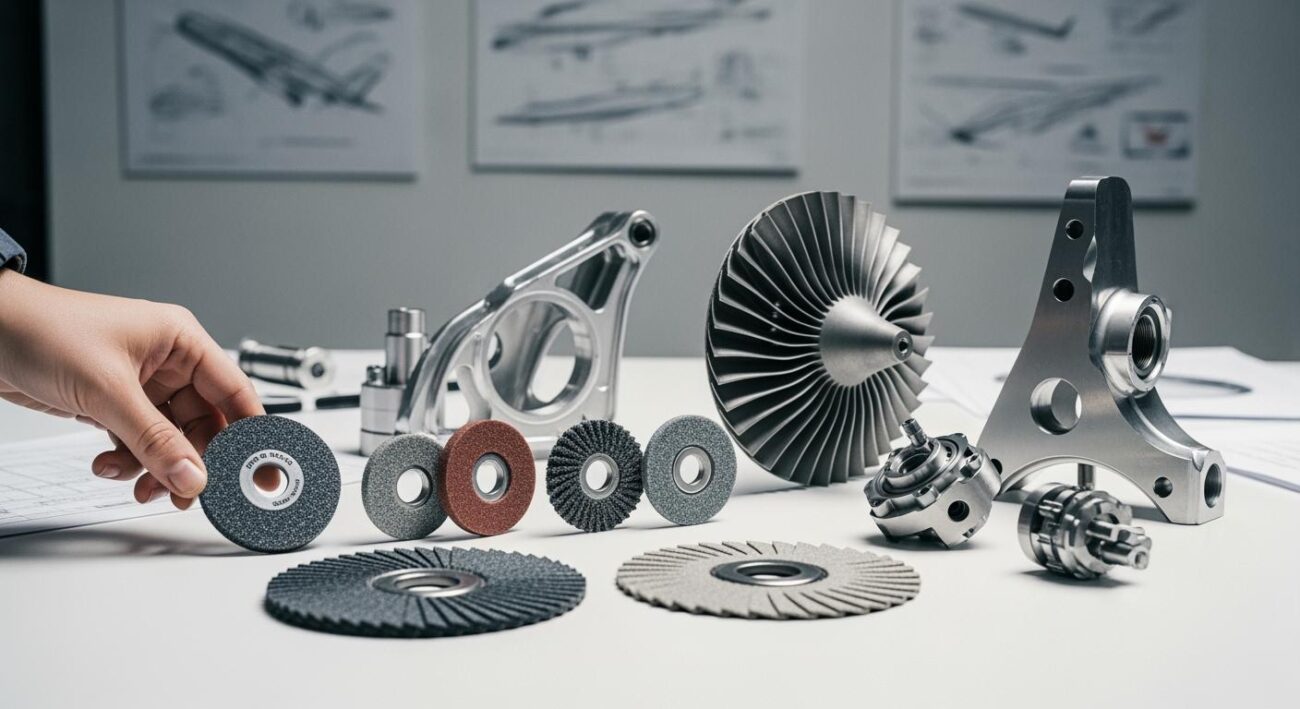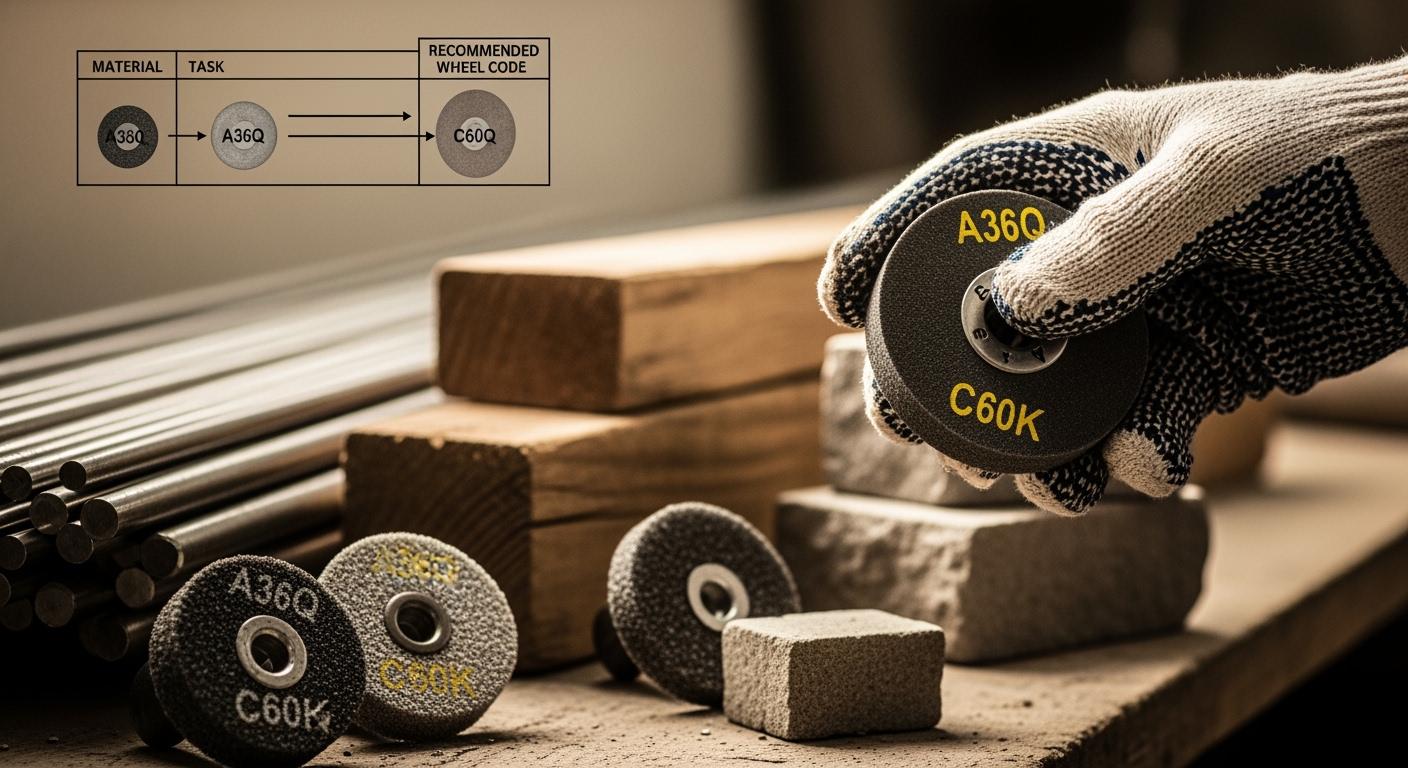
Grinding wheel codes help you identify the right wheel for your specific grinding job. These codes show important features like material type, grit size, and bond. When you understand grinding wheel codes, you can pick the wheel that works best for your task. This helps you avoid mistakes and keeps your work safe and efficient.
Understanding grinding wheel codes allows for the correct wheels to be used for specific applications, optimizing performance and reducing waste. Using a wheel for its full life reduces changeovers, which improves user productivity while reducing waste and abrasive spend.
Knowing how to read these codes lets you get better results with less downtime.
Key Takeaways
- Understanding grinding wheel codes helps you choose the right wheel for your job, improving safety and efficiency.
- Each part of a grinding wheel code reveals important details like material type, grit size, and bond, guiding your selection process.
- Selecting the correct abrasive type and grit size based on your material ensures better results and reduces the risk of damage.
- Always check the grinding wheel specifications before use to ensure compatibility with your machine and to maximize performance.
- Aimgrind offers custom solutions to help you find the perfect grinding wheel for your specific needs, enhancing productivity.
Understanding Grinding Wheel Codes
What Are Grinding Wheel Codes?
You see grinding wheel codes printed on every wheel you use. These codes look like a string of letters and numbers. Each part of the code tells you something important about the wheel. When you read a code, you learn about the wheel’s material, size, and how it works. International standards, such as ISO and ANSI, help keep these codes clear and useful.
Here is what you usually find in a grinding wheel code:
- Abrasive Type (for example, A): This shows what material does the cutting.
- Grit Size (for example, 60): This tells you how big the abrasive grains are.
- Grade (for example, K): This shows how hard the wheel is.
- Structure (for example, 8): This tells you how much space is between the grains.
- Bond Type (for example, V): This shows what holds the grains together.
- Manufacturer’s Code (for example, 17): This is a special code from the maker.
Each part of the code gives you a clue about the wheel’s job and how it will perform.
Why Grinding Wheel Codes Matter
You need to understand grinding wheel codes to choose the right wheel for your work. If you pick the wrong code, you might damage your material or your machine. The right code helps you match the wheel’s performance to your needs. You save time and money because you avoid mistakes and get better results.
Grinding wheel codes also keep you safe. When you use the correct wheel, you lower the risk of accidents. You also make sure the wheel fits your machine and matches the specification for your job. Knowing how to read each code helps you work smarter and safer every day.
Grinding Wheel Specification Breakdown
When you look at a grinding wheel, you see more than just a tool. You see a set of features that work together to give you the right performance for your job. Each grinding wheel specification tells you about the wheel’s material, shape, and how it will behave during grinding. Understanding these basic components of a grinding wheel helps you choose the best tool for your needs.
Abrasive Type and Grit Size
Abrasive types and their uses play a big role in how a grinding wheel works. You find different abrasive materials in wheels, each with its own job:
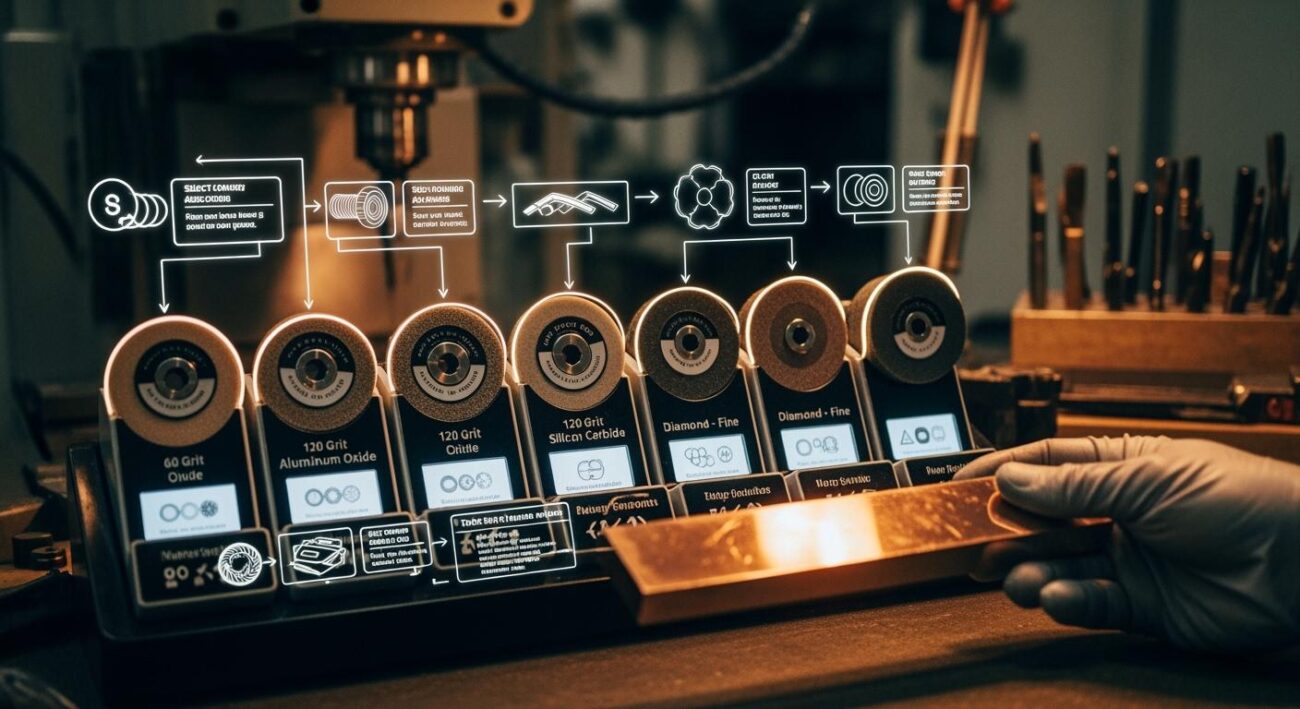
- Aluminum oxide works well for strong metals like carbon steel and stainless steel. You often see this in an aluminum oxide grinding wheel.
- Silicon carbide is best for soft materials like cast iron and non-metals.
- Diamond and CBN (cubic boron nitride) are used for very hard materials, such as ceramics and hardened tool steels.
- Zirconia alumina is good for heavy-duty grinding on tough metals.
- Ceramic alumina stays sharp and works well on tough materials.
Grit size is another important part of grinding wheel specifications. Grit tells you how big the abrasive grains are. Large grit sizes, like 24 to 40, remove material quickly and are good for rough shaping. Small grit sizes, like 120 to 220, remove material slowly but leave a smooth finish. If you want a polished surface, you should use a finer grit.
Aimgrind offers custom abrasive formulas. You can get wheels with special diamond abrasives for grinding hard alloys, ceramics, and composites. This means you always have the right grinding wheel specification for your job.
Grade, Structure, and Bond
The grade and hardness of a grinding wheel show how hard or soft the wheel is. Softer wheels are better for softer materials. Harder wheels work best on hard materials. If you grind hard materials, a soft wheel helps new sharp grains appear and keeps the wheel cool. This stops your workpiece from burning.
The structure of a grinding wheel tells you how much space is between the grains. More space means the wheel cuts cooler and faster. Less space gives you a smoother finish.
The bond holds the abrasive grains together. You find different bonds in bonded abrasive wheels. Each bond type changes how the wheel works:
| Bond Type | Key Properties and Impacts | Suitable Applications |
|---|---|---|
| Vitrified | Hard, stable, good for precision and high-speed jobs | Grinding hard materials like tool steels |
| Resinoid | Tough, handles high forces, good for fast material removal | Snagging tough castings, rapid removal |
| Rubber | Flexible, gives fine finishes, cuts cooler | Final passes on hydraulic cylinder rods |
| Metal | Very strong, used for superabrasives, great for hard materials | Grinding hardened steels, precision parts |
| Shellac | Flexible, makes mirror-like finishes | Special fine finish applications |
A vitrified bonded grinding wheel is a common choice for precision jobs. Metal bonds are often used in diamond grinding wheels for tough materials. Aimgrind can design the grade and hardness of a grinding wheel to match your exact needs, making sure you get the best results.
Wheel Shape and Dimensions
The shape and size of a grinding wheel affect how it fits your machine and your workpiece. The diameter of grinding wheel, thickness of grinding wheel, and arbor hole size are all part of the grinding wheel specification. These measurements follow standards like ISO 525 and ANSI B7.1.
Here is a simple table showing some standard grinding wheel specifications:
| Diameter | Thickness | Arbor Hole | Type | Bonding | Grain Size |
|---|---|---|---|---|---|
| 12 | 2 | 1-1/4 | T-1 | Vitrified | A36 |
You need to match the wheel’s shape and size to your machine and the job you want to do. Aimgrind can customize the shape and dimensions of diamond grinding wheels for special applications. This helps you get the best fit and performance.
Tip: Always check the grinding wheel specification before you start. The right choice keeps you safe and gives you the best results.
Aimgrind uses a custom approach for every grinding wheel. You get help with formula design, material selection, and matching the wheel to your process. This means you always have the right tool for your grinding job.
Decoding the Code: Step-by-Step Guide
Reading a Typical Grinding Wheel Code
You often see a string of numbers and letters on a grinding wheel. This is the code that tells you everything about the wheel. Decoding the specification code helps you understand what the wheel can do and how to use it safely. Here is a simple way to read a typical grinding wheel code from start to finish:
- Look for the speed stripe. This shows the maximum safe operating speed.
- Find the measurements in millimeters. These numbers tell you the diameter, thickness, and bore size.
- Check the mark of specification. This part includes the grit size, hardness, bond type, and structure.
- Notice the manufacturer’s code. This helps with quality assurance.
- See the highest possible speed of operation. This tells you how fast you can safely run the wheel.
- Read the installation guide. This gives you instructions for correct installation.
- Look for any limitations on use. This part warns you about any safety restrictions.
- Find the test document. This shows the wheel meets safety requirements.
- Check the ISO type. This displays measurements as per ISO standards.
- Look for the expire date. This tells you the safe usage window.
Tip: Always check each part of the code before using a new grinding wheel. This keeps your work safe and helps you get the best performance.
Interpreting Each Specification
Each part of the code matches a physical property of the grinding wheel. When you start decoding wheel markings, you learn how the wheel will behave during grinding. Here is what each part means:
- Abrasive type shows the material used for cutting. For example, diamond abrasives cut hard alloys and ceramics.
- Grit size tells you how big the abrasive grains are. A smaller number means bigger grains for fast material removal. A larger number means finer grains for a smooth finish.
- Grade shows how hard or soft the wheel is. A harder grade lasts longer but may cut slower. A softer grade wears faster but stays sharp.
- Structure tells you how much space is between the grains. More space means better coolant flow and faster cutting.
- Bond type is the material that holds the grains together. Resin, metal, and vitrified bonds each work best for different jobs.
- Wheel shape matches the grinding task. Flat wheels work for surface grinding. Cup wheels are good for edge work.
Let’s look at practical examples of reading specifications. If you see a code like “D150-6-32M-100R”, you can break it down:
- D150: 150 mm diameter
- 6: 6 mm thickness
- 32M: 32 mm bore, metal bond
- 100R: 100 grit, resin bond
When you use Aimgrind diamond grinding wheels, you get clear codes that make decoding the specification code easy. You can match the wheel to your job, whether you need to grind hard ceramics or precision tools.
Common Variations in Grinding Wheel Codes
Grinding wheel codes can look different depending on the manufacturer or the type of abrasive. There is no single standard, so you may see codes like “A60-I10-VS” for aluminum oxide wheels or “SDC150N100B” for diamond wheels. Each part of the code still tells you about the abrasive type, grit size, grade, structure, and bond type.
You will also see different types of grinding wheels in the market:
- Super hard abrasives, such as diamond and CBN grinding wheels
- Conventional bonded abrasives, like aluminum oxide and silicon carbide wheels
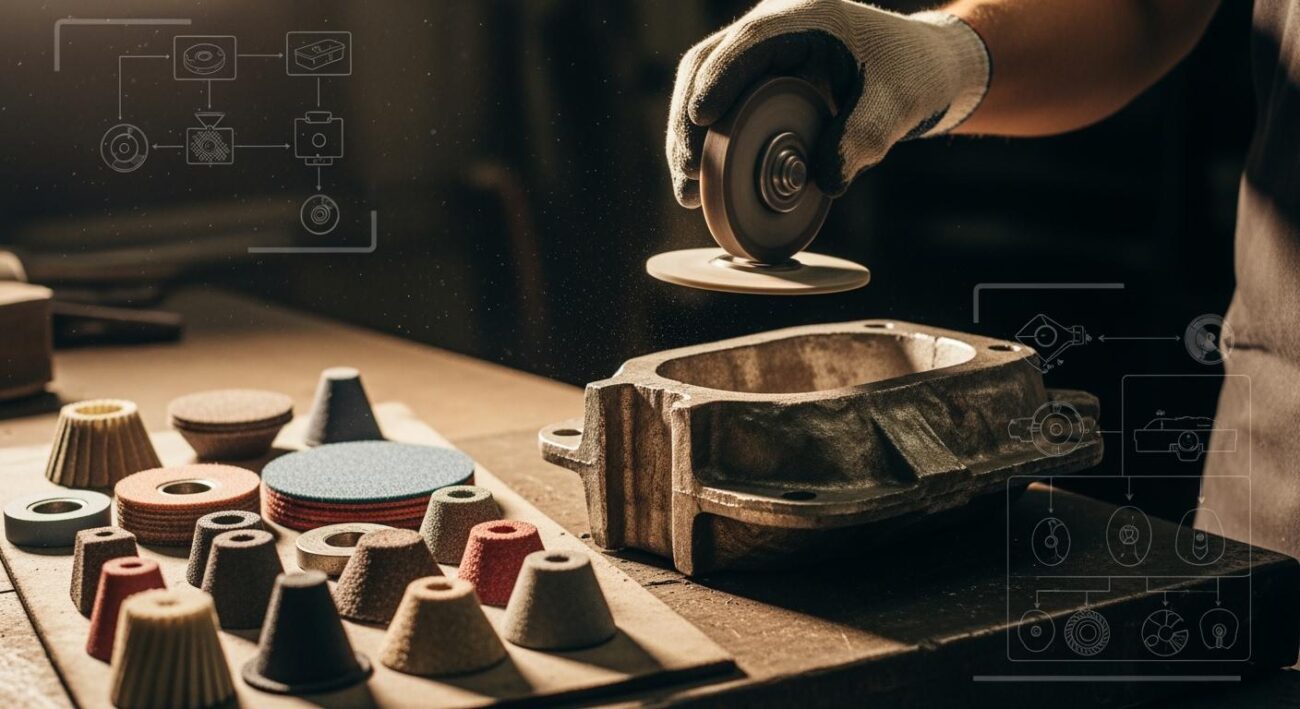
- Coated abrasives, such as abrasive papers and flap discs
When decoding wheel markings, always check the label for details about abrasive material, grain size, wheel grade, grain spacing, and bond type. These features can change from one manufacturer to another.
Aimgrind helps you with decoding the specification code by providing clear labels and expert support. If you have a special application, Aimgrind offers practical examples of reading specifications and helps you match the right wheel to your machine and material. You can contact Aimgrind for help with custom solutions, so you always get the best grinding results.
Note: Aimgrind’s team can guide you through decoding wheel markings and choosing the right wheel for your needs. This support ensures you get the best performance and safety every time you use a grinding wheel.
Selecting the Right Grinding Wheel for Your Job
Matching Wheel to Material and Application
When you start choosing the right grinding wheel, you need to think about the material and the application. Each workpiece has its own hardness and grinding needs. For example, grinding hard alloys or ceramics requires a different wheel than grinding soft metals. You should look at the abrasive type, grit size, and bond type. These features help you match the wheel to your application and get the best results.
Here are some tips for selecting the right grinding wheel:
- Check the workpiece material and its hardness.
- Pick the right abrasive type for your application.
- Choose the correct grit size for the finish you want.
- Select a bond type that fits your grinding job.
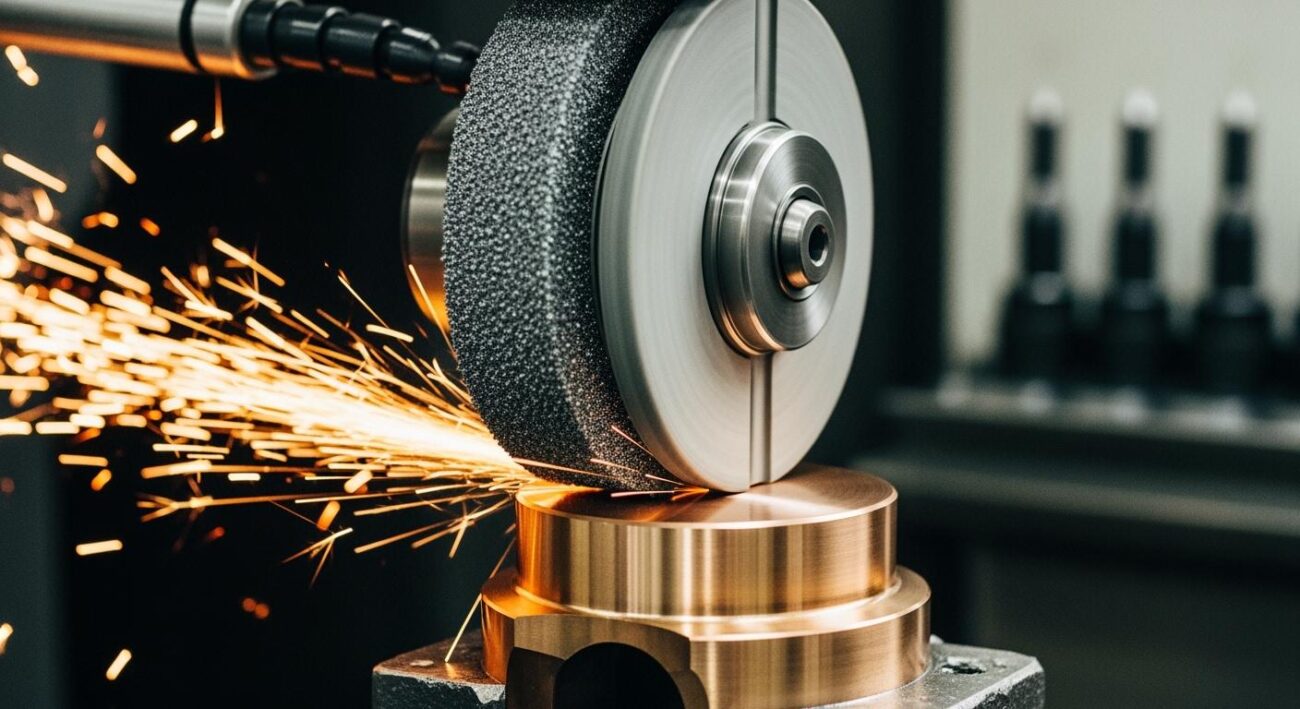
Aimgrind diamond grinding wheels work well for high-precision applications. They help you achieve a smooth finish on hard materials and keep your process efficient.
Machine Compatibility and Operational Factors
Before you install a grinding wheel, you must check if it fits your machine. The right selection keeps your grinding safe and effective. Use this table to check important machine compatibility factors:
| Factor | Description |
|---|---|
| Brand Compatibility | Make sure the wheel matches your machine’s brand. |
| RPM Safety Ratings | Check the wheel’s RPM rating for safe operation. |
| Arbor Hole Size | Confirm the arbor hole size fits your machine. |
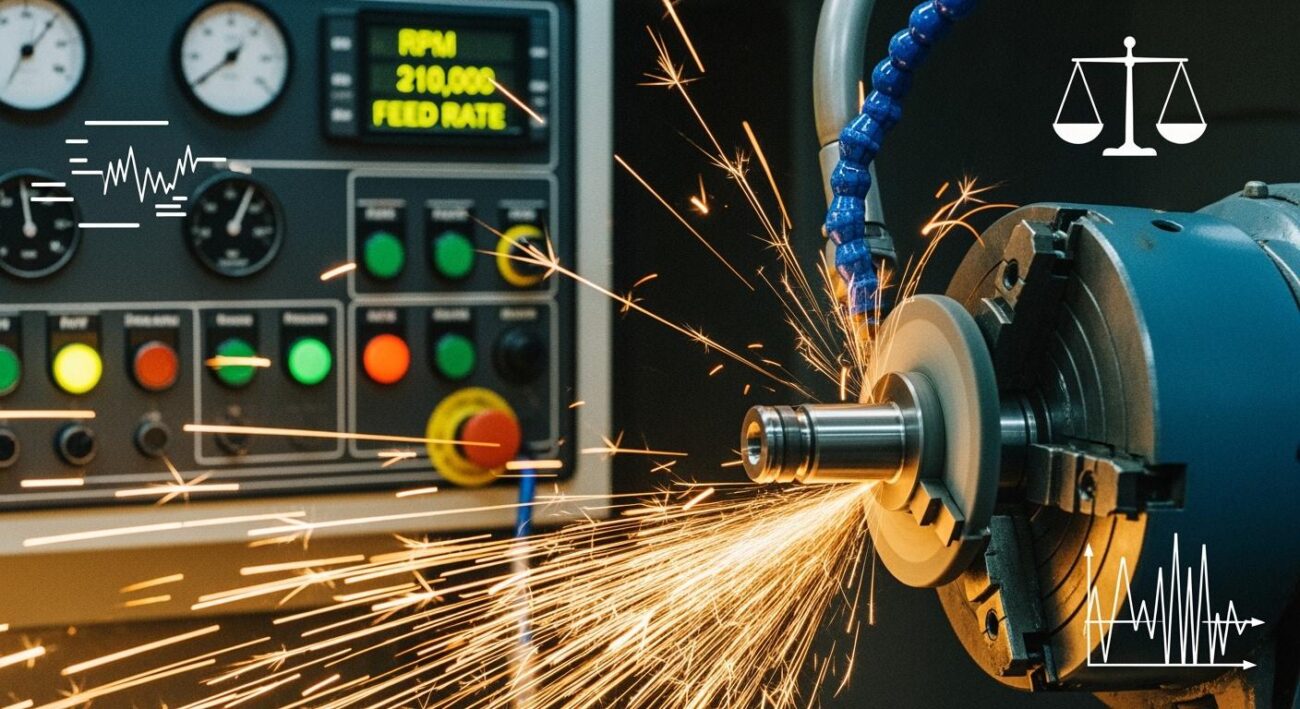
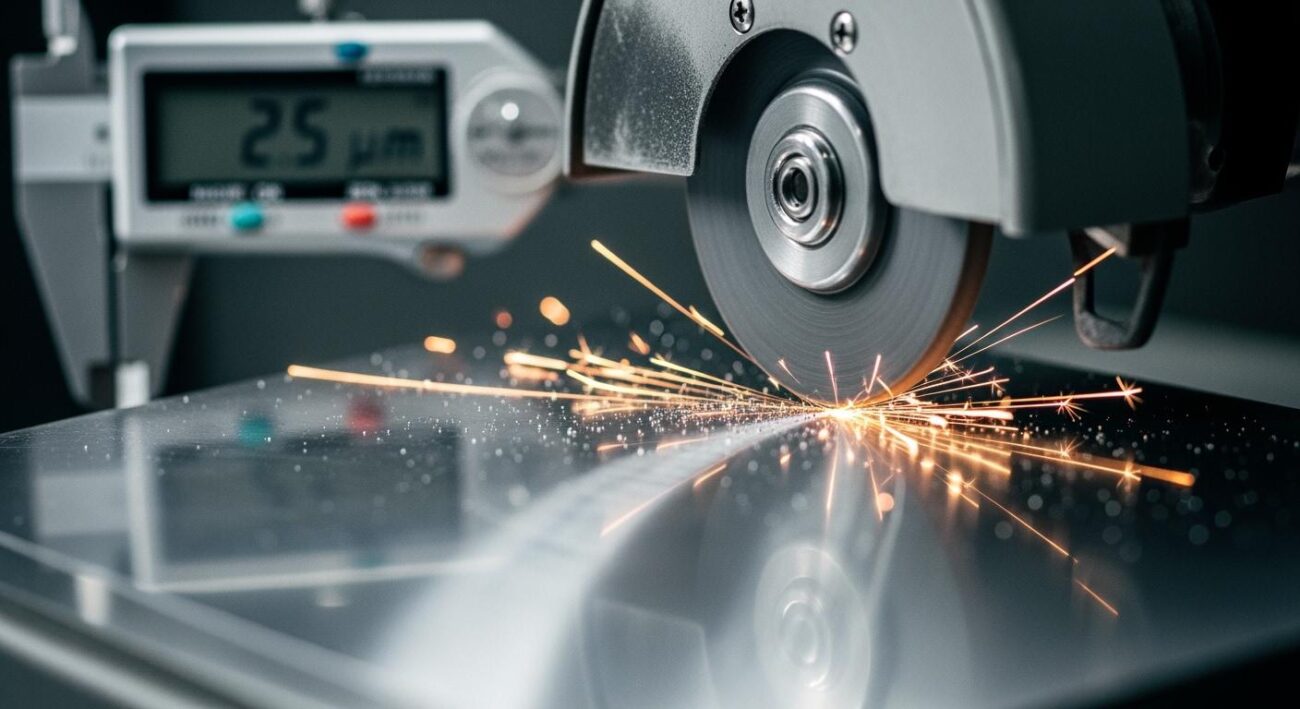
Operational factors also affect your grinding results. Speed, coolant use, and feed rate all play a role. High feed rates can remove more material but may cause more heat. Coolant helps keep the temperature down and improves the life of your high-performance grinder wheel. Always balance speed and coolant to get the best grinding results.
Aimgrind’s Custom Solutions and Checklist
Aimgrind offers custom solutions for every grinding application. You get personalized selection and parameter matching services. This means you always have the right wheel for your job. Aimgrind diamond grinding wheels give you many advantages:
| Advantage | Description |
|---|---|
| Ultra-hard abrasive | Grinds tough materials with high efficiency. |
| Long service life | Lasts much longer than traditional wheels. |
| High grinding efficiency | Keeps stable dimensions during operation. |
| Eco-friendly | Produces less dust and heat. |
| Precision applications | Perfect for high-speed, accurate grinding tasks. |
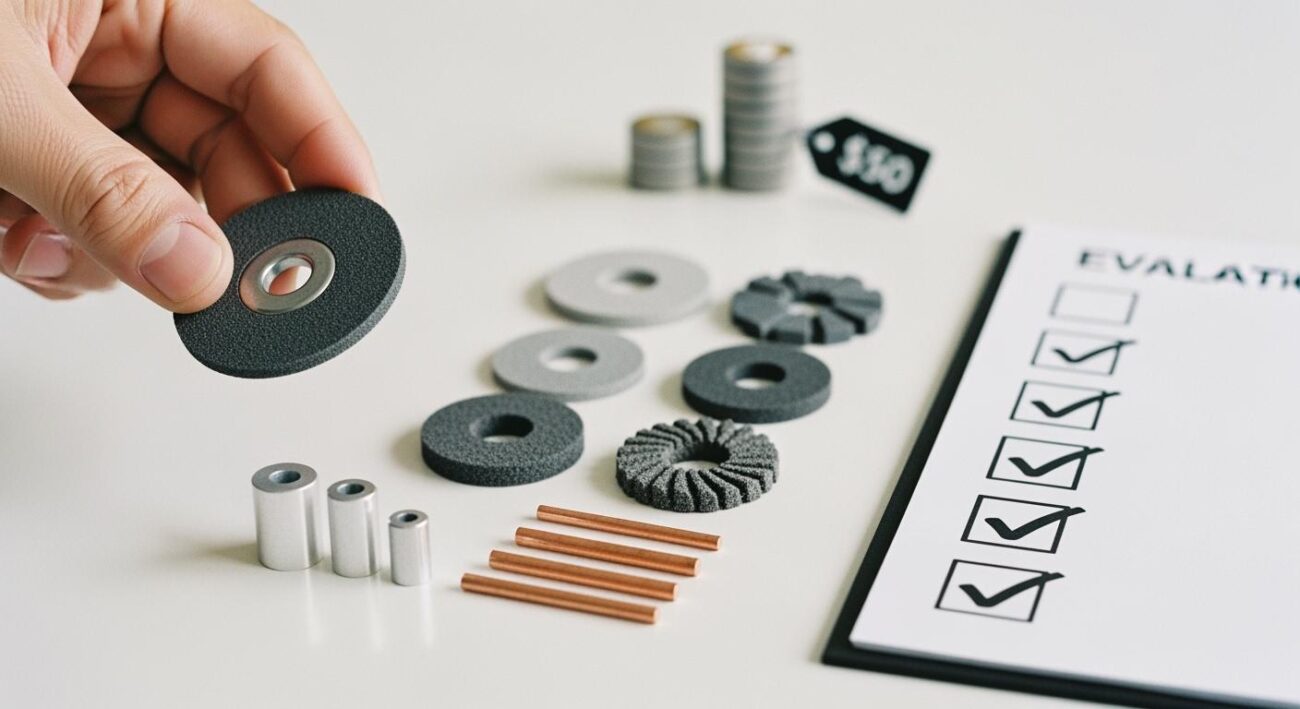
With Aimgrind’s help, you can reduce downtime and scrap rates. Consistent quality and reduced rework mean you save time and money. Use this checklist before installation:
- Confirm wheel and machine compatibility.
- Check all grinding wheel codes.
- Match the wheel to your application.
- Set the right operational parameters.
By following these steps, you make sure your grinding process is safe, efficient, and delivers the best results.
You improve safety and results when you understand grinding wheel codes and specifications. Industry standards around the world require clear markings and safety information, as shown below:
| Region | Key Requirement |
|---|---|
| China | Traceability codes and product details |
| Europe | Safety warnings and instructions |
| United States | Abrasive grain size requirements |
| Japan | Protective materials and safety indicators |
| South Korea | Traceability and carbon footprint reports |
Choosing the right wheel with Aimgrind’s help gives you these long-term benefits:
- You get better part quality and faster production.
- You save costs by using new grinding technologies.
- You increase efficiency and reduce cycle time.
Use the step-by-step guide and checklist for every grinding job. Aimgrind’s custom solutions help you grind with confidence.
FAQ
What does the grinding wheel code tell you?
You see the grinding wheel code on every wheel. It shows the abrasive type, grit size, grade, structure, bond, and size. You use this code to pick the right wheel for your job.
How do you choose the right grit size?
You select grit size based on your finish needs. Large grit removes material quickly. Fine grit gives you a smooth surface. Check your workpiece and decide which finish you want.
Can you use diamond grinding wheels on any material?
Diamond grinding wheels work best on hard alloys, ceramics, and composites. You should not use them on soft metals like aluminum. Always check the material before you choose your wheel.
Why is the bond type important?
The bond holds the abrasive grains together. You pick the bond type based on your grinding job. Resin bonds work for fast grinding. Metal bonds suit precision tasks. Vitrified bonds help with high-speed jobs.
Contact Us
For More Grinding Solution or Customized Abrasive Tools