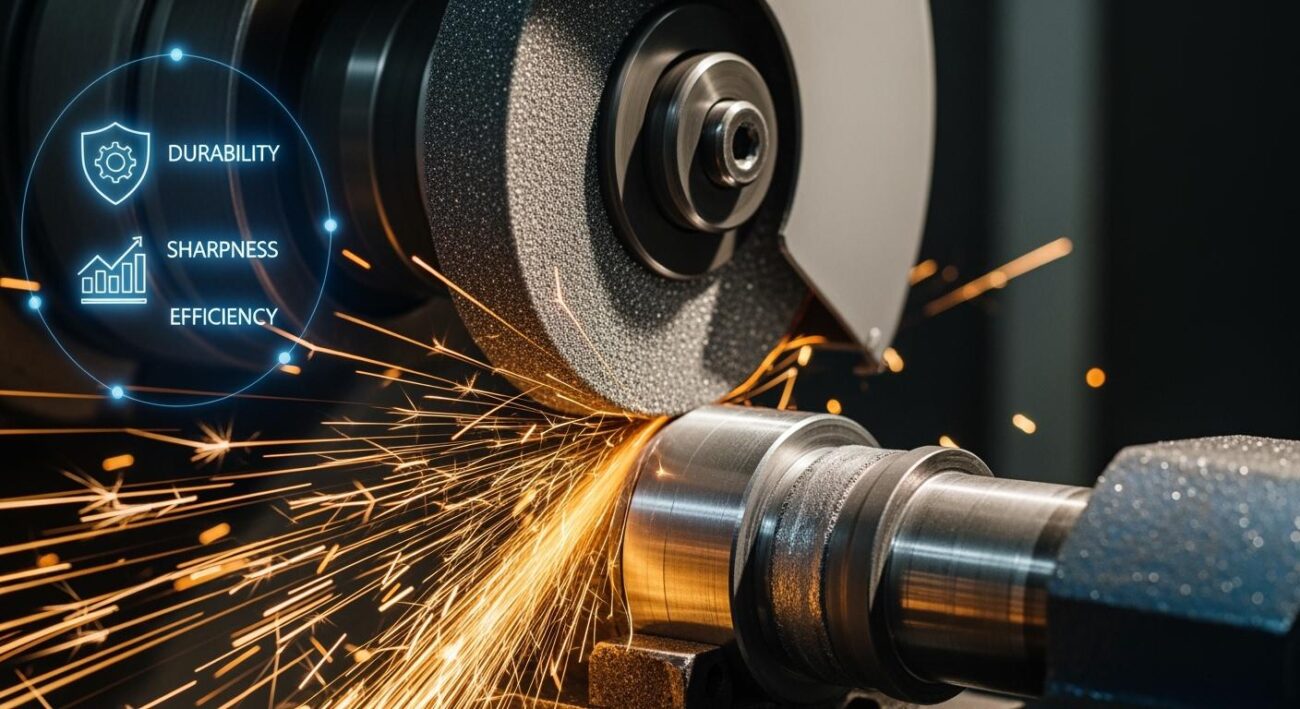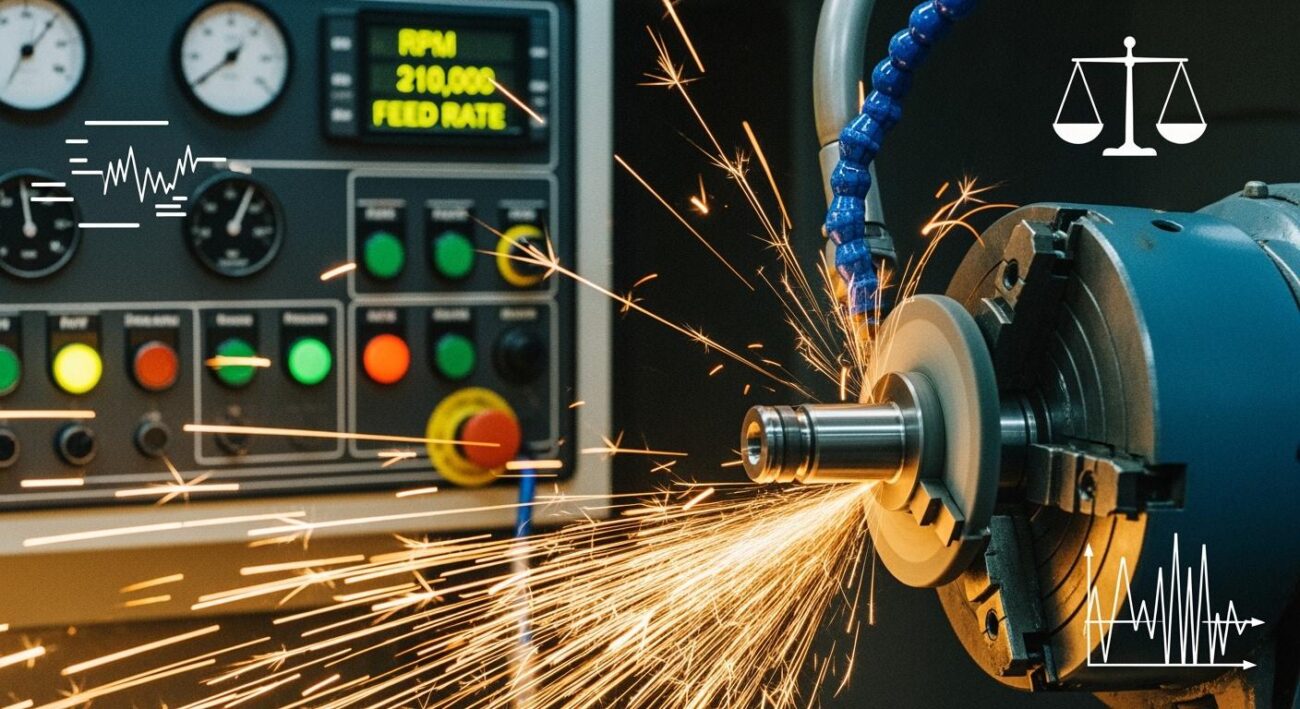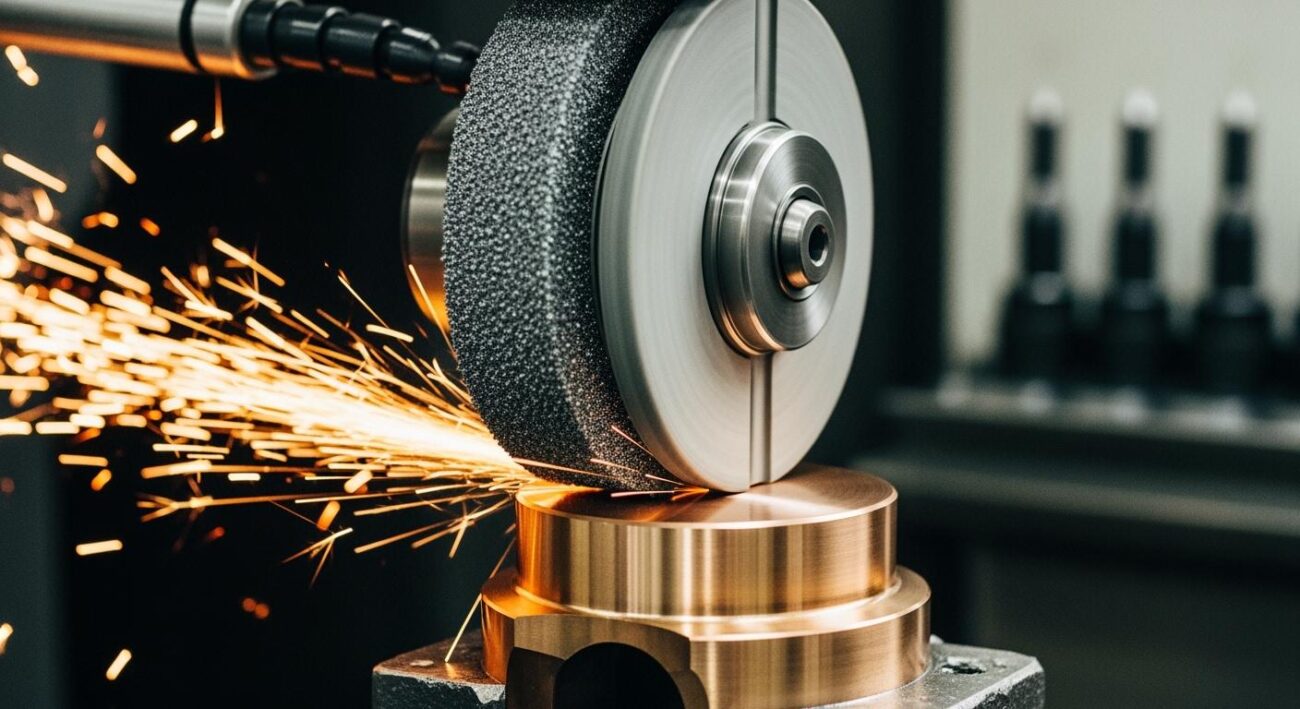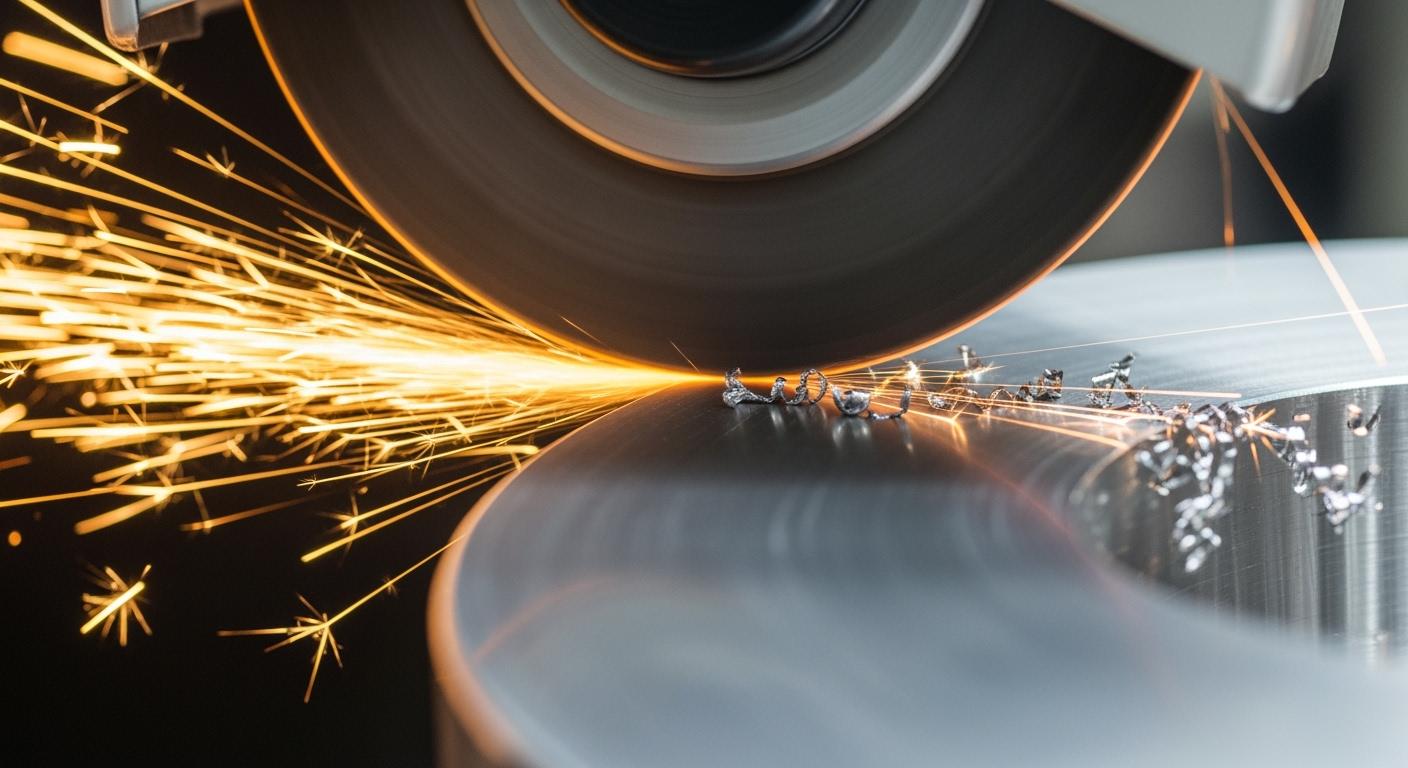
You can prevent chip adhesion during the grinding of tough material. This requires specific techniques for effective chip control. In ductile machining, success depends on your grinding wheel, coolant, and machine settings.
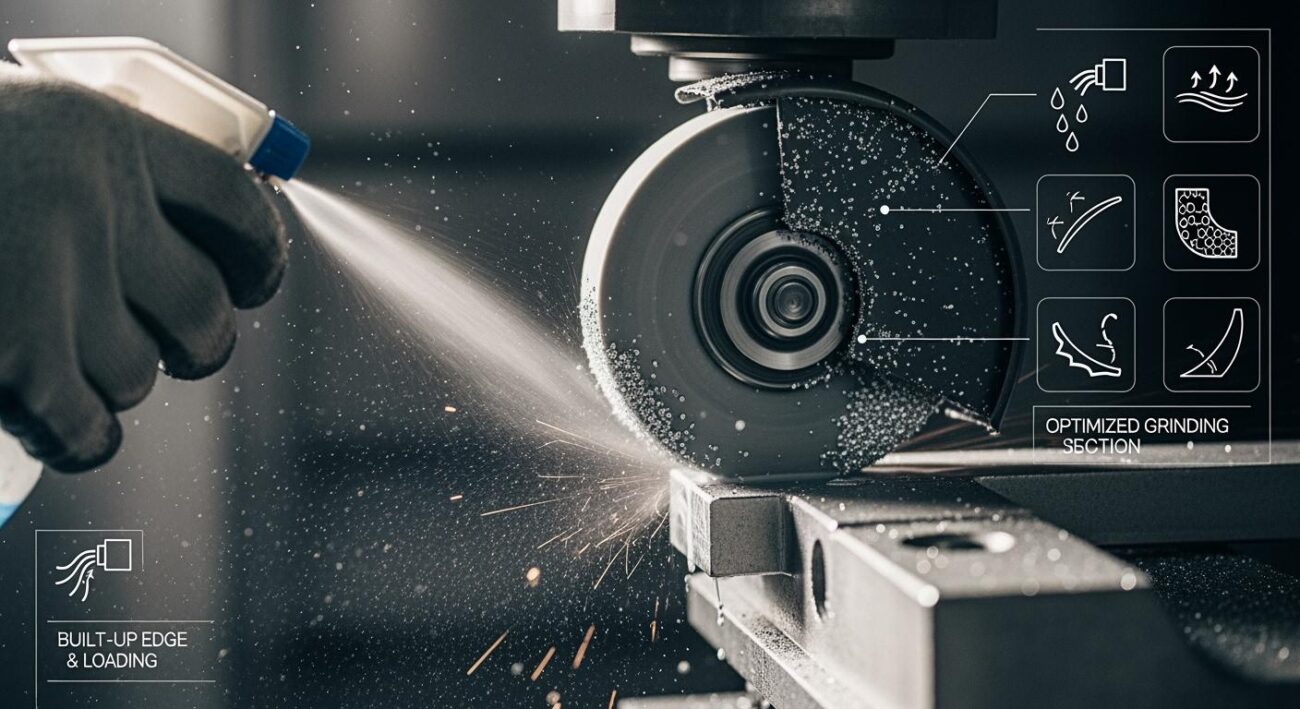
The Goal: Stop a hot chip from welding to the wheel. Proper coolant application helps you manage each chip. High-pressure coolant systems excel at this grinding task. They clear every chip, preventing a bad chip from ruining the grinding of your material. A single unwanted chip can cause problems. Excellent chip control ensures a clean grinding process for every chip.
Key Takeaways
- Choose the right grinding wheel. It should have sharp grains, a coarse grit, and an open structure. This helps chips move away easily.
- Use enough coolant with high pressure. This cools the grinding area and pushes chips away. It stops them from sticking to the wheel.
- Adjust your machine settings. Take lighter cuts and increase how fast the material moves. This creates less heat and thinner chips.
- Keep your grinding wheel clean. Dress it often to remove old material and keep it sharp. A sharp wheel cuts better and prevents chips from sticking.
Wheel Selection for Ductile Machining
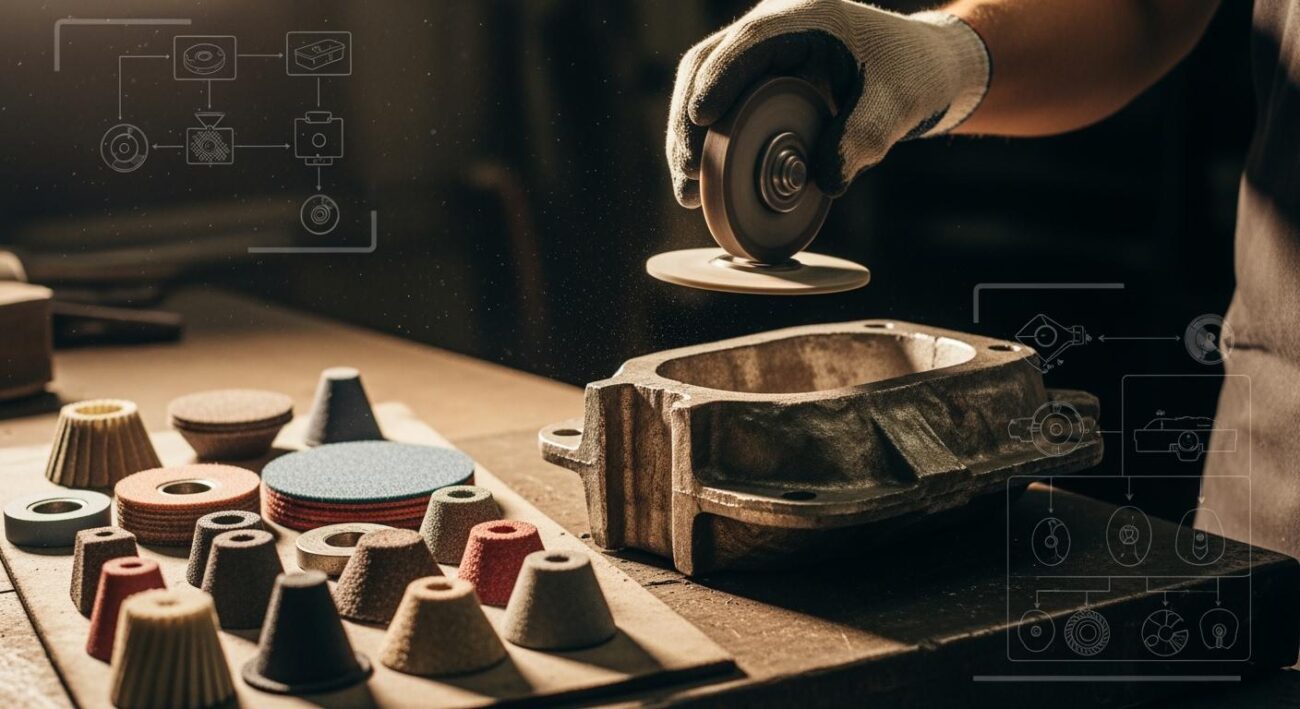
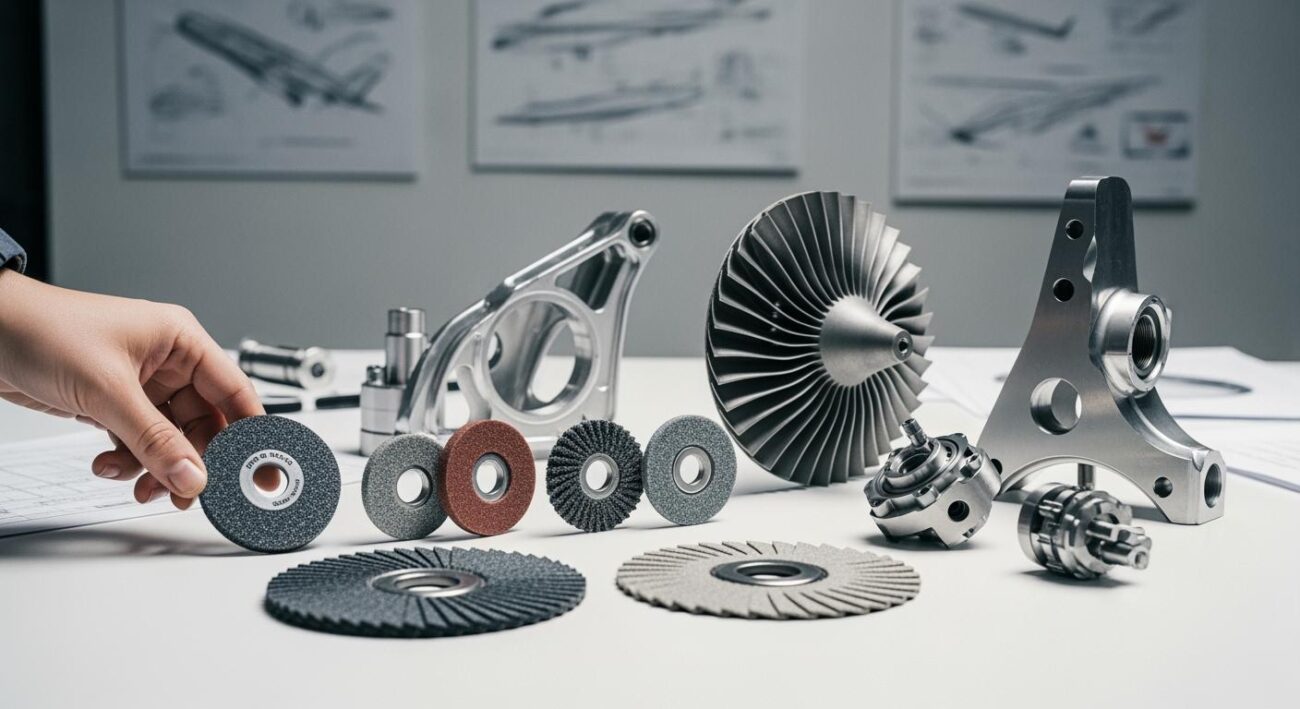
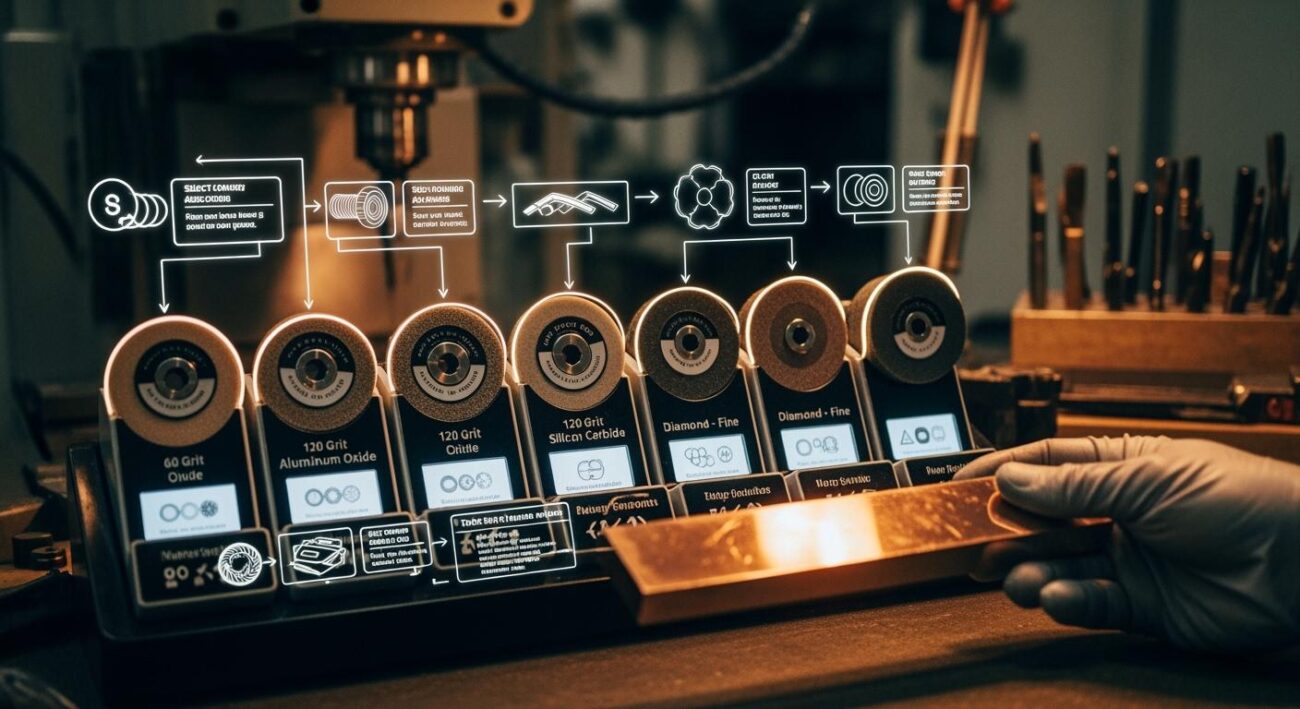
Your grinding wheel is your first and most important tool for effective chip control. When grinding tough and gummy materials, the wrong wheel will quickly load up, generate excess heat, and cause the chip to weld to its surface. Success in ductile machining starts with a wheel designed for the job.
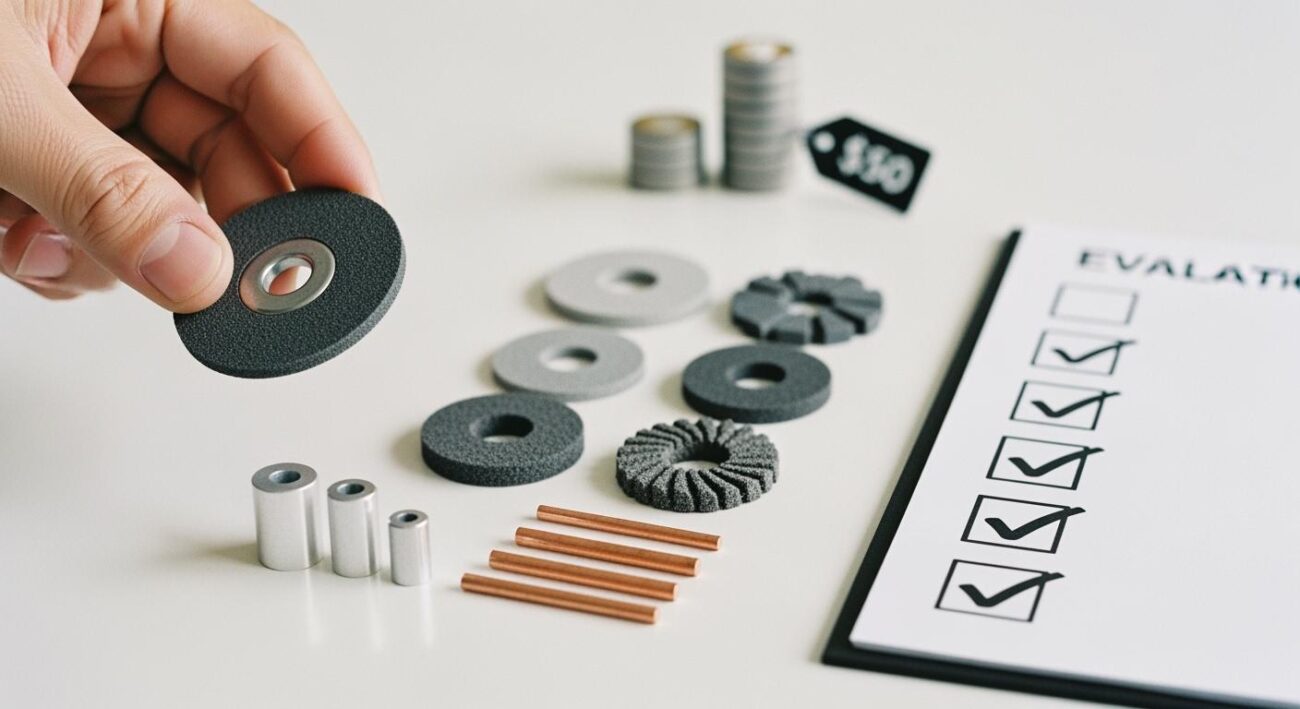
As a specialist in customized grinding solutions, Aimgrind understands that a one-size-fits-all approach fails with challenging materials. The right wheel formula involves a careful balance of four key elements.
Use Friable Abrasive Grains
You should use a wheel with friable abrasive grains. Friable grains are brittle. They fracture under pressure and break away as they begin to dull. This action constantly exposes new, sharp cutting points. Sharp grains cut cleanly instead of rubbing or plowing through the material. This clean cutting action is crucial for proper chip formation and reduces the friction that leads to heat buildup. Better chip formation means each chip is more likely to be evacuated cleanly.
Opt for a Coarser Grit Size
You need to choose a coarser grit size for better performance. A coarse grit (e.g., 36 to 60) creates larger voids or pockets between the abrasive grains. These pockets provide essential space for the long, stringy chips produced during ductile machining. This prevents the wheel face from becoming clogged. A coarser grit also creates a rougher surface texture, which can be measured in mils (thousandths of an inch).
| Grit Size | Typical Profile (mils) |
|---|---|
| 36–60 | 2.5 – 4.0 |
| 60–80 | 1.5 – 3.0 |
A rougher profile gives each chip more room to form and exit the grinding zone without sticking. This is a key factor in good chip control.
Choose a Porous, Open-Structure Wheel
You should select a wheel with a porous, open structure. Think of this structure as a network of channels within the wheel. These pores serve two critical functions:
- They act as temporary storage for each
chip, preventing them from being re-cut or smeared onto the workpiece. - They allow coolant to penetrate deep into the
grindingzone, cooling the cut and flushing away debris.
Did You Know? An open-structure wheel dramatically lowers
grindingtemperature. Studies show that a porous wheel with an optimized design can reduce the temperature rise in thegrindingzone by as much as 67%. This improved cooling is essential toprevent chip adhesionand enhancematerial removal.
This structure is one of the most effective techniques for managing heat and ensuring efficient chip evacuation. Proper chip breaking is more manageable when the wheel itself helps clear the way.
Select a Softer Grade Bond
You must use a wheel with a softer grade bond. The “grade” refers to the strength of the bond holding the abrasive grains. A softer bond (grades G-K) releases dull grains more easily. This process is called self-sharpening. It ensures the wheel maintains its cutting ability without needing constant dressing. For soft, tough materials that create high grinding pressure, a self-sharpening wheel is essential for efficient material removal. This continuous renewal of the cutting surface prevents glazing and loading, which are primary causes of chip adhesion. This is a fundamental part of chip breaking.
⭐ Pro Tip: The Aimgrind Solution for Tough Materials
For particularly hard and tough materials like stainless steel, titanium, or tungsten carbide, standard wheels may not be enough. This is where specialized
techniquesand advanced abrasives make a difference.Aimgrind’s resin bond diamond grinding wheels offer superior performance for these demanding applications. Their unique properties provide an excellent solution for difficult
chip breakingandmaterial removal.
- Lower Grinding Temperatures: The resin bond generates less heat, which is critical for heat-sensitive materials. This reduces the risk of metallurgical damage and workpiece warping.
- Excellent Surface Finish: The bond’s natural elasticity acts as a shock absorber, reducing chatter and producing a finer surface finish.
- Self-Sharpening Action: The bond wears at a controlled rate, preventing glazing and ensuring the diamond grains remain exposed and sharp for consistent cutting.
If you are struggling with
chipadhesion, our experts can diagnose the problem. We will design a custom wheel formula specifically for yourmaterialand process to achieve optimalchip control.
Mastering Coolant Application to Prevent Chip Adhesion
After selecting the right wheel, your next line of defense is mastering coolant application. Coolant performs two vital jobs in the grinding process: cooling and lubrication. Cooling carries heat away from the cut, which stops the workpiece and chip from reaching welding temperatures. Lubrication reduces the friction between the wheel and the material. Less friction means less heat is generated in the first place. Effective chip control depends on getting both of these functions right.
Increase Coolant Pressure and Flow
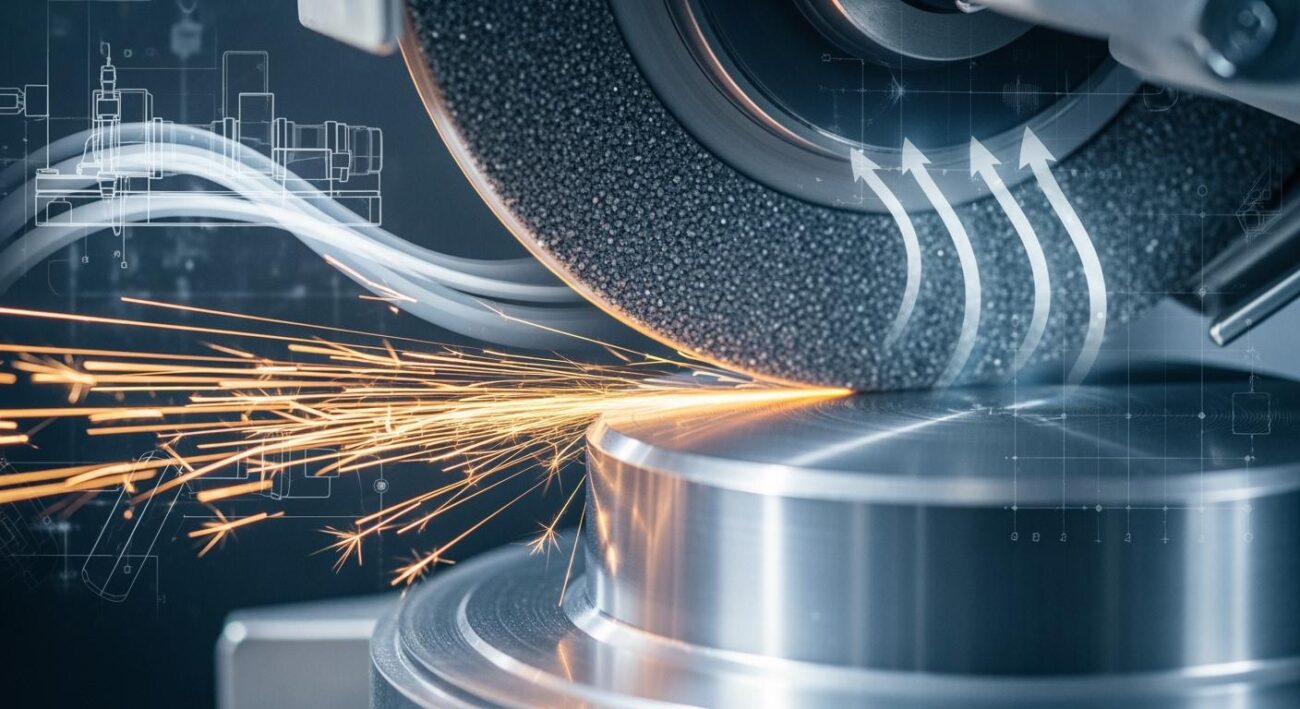
You must supply enough coolant to the grinding zone. A low-pressure trickle of fluid will not work when grinding tough materials. A fast-spinning grinding wheel creates a powerful air barrier around it. This barrier can deflect coolant, preventing it from ever reaching the point of cut.
High-pressure coolant systems are designed to overcome this problem. They deliver a powerful stream that penetrates the air barrier and floods the grinding zone. This high flow serves two purposes:
- It provides maximum cooling to manage the intense heat.
- It physically forces each chip away from the wheel, aiding in chip breaking and preventing it from getting stuck.
Proper pressure and flow are fundamental to efficient material removal and keeping the grinding process stable.
Use High-Efficiency Cooling Nozzles
The right nozzle is just as important as the right pressure. Standard plastic tubes or simple pipes are often inefficient. They create a turbulent, wide spray that loses energy and fails to penetrate the air barrier effectively. You should use high-efficiency nozzles, such as coherent-jet nozzles, for better results. These nozzles create a tight, focused stream of coolant that acts like a liquid tool.
💡 Coolant Fact: Modern nozzle technology dramatically improves grinding performance. A coherent jet of coolant can break through the air boundary layer on wheels spinning at 6,000 surface feet per minute (sfpm) or more.
Upgrading your nozzles delivers measurable benefits for chip control:
- Reduced Thermal Damage: Consistent cooling prevents the workpiece from getting too hot.
- Improved Lubrication: The coolant effectively reaches the cut, allowing its lubricating properties to reduce friction.
- Longer Wheel Life: A clean, cool wheel requires less frequent dressing.
- Greater Efficiency: Studies show that optimized composite nozzles can cut coolant waste by 30% and reduce pump pressure needs by 60-80%.
Choose the Right Coolant Type
Not all coolants are created equal. The type of coolant you choose has a major impact on chip formation and heat management. For tough and ductile materials that produce a gummy chip, you need a coolant with high lubricity. The three main types of coolant offer different balances of lubrication and cooling.
| Coolant Type | Lubricity | Cooling Properties |
|---|---|---|
| Straight Oils | Excellent | Poor |
| Semi-Synthetics | Good | Good |
| Synthetics | Fair to Good | Excellent |
-
Straight Oils: These offer the best lubrication. The oil provides a thick film that reduces friction, which is ideal for low-speed, heavy-duty grinding. However, they are poor at dissipating heat.
-
Semi-Synthetics: These fluids contain a blend of oil and synthetic polymers, offering a great balance of lubricity and cooling. The oil molecules provide lubrication at the cut, while the water base efficiently removes heat. This combination helps with chip breaking and extends tool life, making it a popular choice for grinding tough alloys.
-
Synthetics: These coolants contain no oil and use advanced polymers for lubrication. They provide the best cooling performance. While some synthetics have less lubricity than oils, modern formulas designed for difficult materials offer excellent performance. They are great for high-speed grinding where heat is the primary concern.
To further improve performance, you can select a coolant with specific additives. These chemical techniques are designed to prevent chip adhesion. Look for coolants with:
- Extreme-Pressure (EP) Additives: Ingredients like chlorine, sulfur, and phosphorus form a chemical film on the material surface. This film provides lubrication under the intense pressure and heat of grinding.
- Fatty Oils & Anti-Wear Additives: These natural or synthetic compounds enhance lubricity to reduce friction and wear on the grinding wheel.
Many advanced semi-synthetic and synthetic coolants are specifically formulated to provide superior lubricity and chip-weld protection when grinding difficult materials like titanium and high-nickel alloys. Choosing the right coolant formula is a critical step for successful material removal and achieving a perfect surface finish.
Grinding Parameters for Effective Chip Control
Your wheel and coolant are ready, but your machine settings are the final piece of the puzzle. Adjusting your grinding parameters is one of the most powerful techniques for managing heat and achieving excellent chip control. The right settings can make the difference between a smooth process and a failed part. Proper chip breaking starts with how you approach the material.
Decrease the Depth of Cut
You should reduce how deep the wheel cuts into the material on each pass. A heavy cut generates a large chip and immense heat, increasing the risk of adhesion. Taking lighter passes reduces the thermal load on the workpiece. This is a key strategy to prevent chip adhesion during ductile machining. For finishing passes, an ultra-light depth of cut is a great method for superior chip control.
💡 Pro Tip: Use Ultra-Light Passes
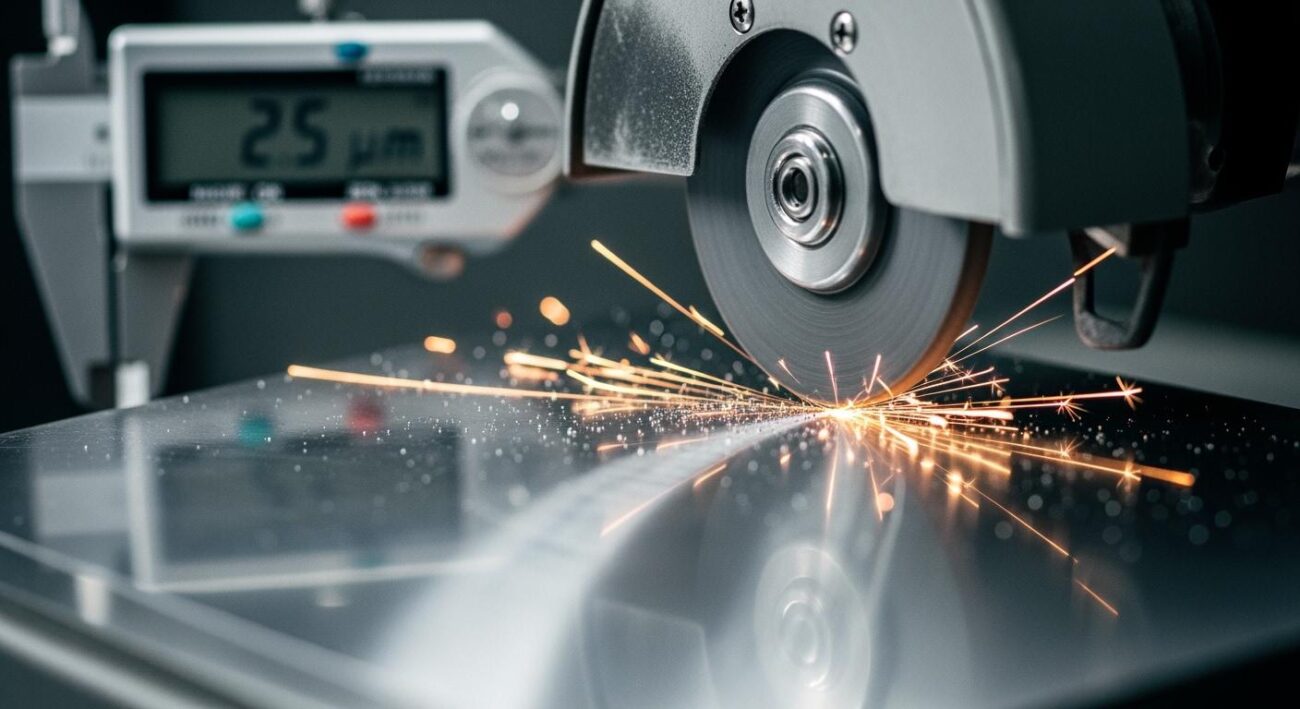
Decreasing the depth of cut to as little as 0.0005 inches helps you achieve better chip control. These light passes offer several advantages for your grinding process:
- They generate significantly less heat and pressure.
- They improve chip formation for easier material removal.
- They help you avoid recutting a chip, which can scratch the surface.
This approach ensures each chip is small and manageable, making chip breaking easier.
Increase the Workpiece Speed
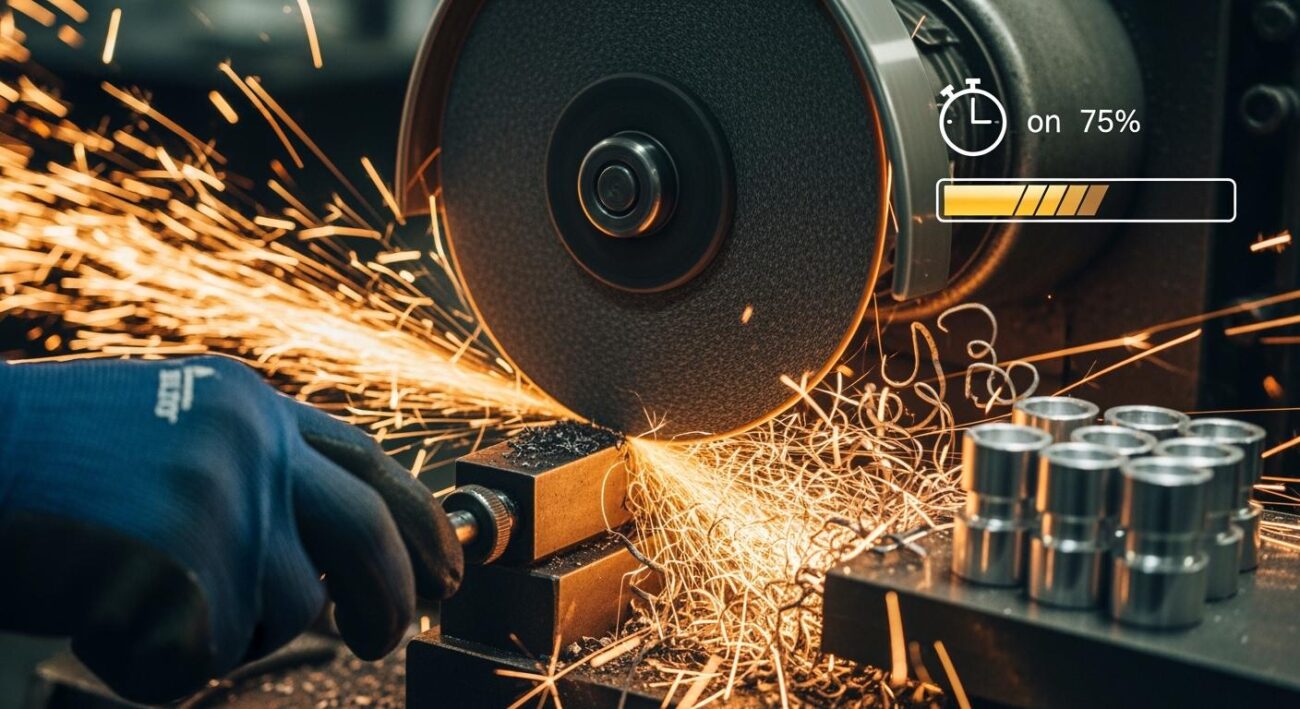
You can improve your grinding process by increasing the speed of the workpiece. A faster work speed reduces the time any single point on the wheel stays in contact with the material. This action spreads the thermal energy over a larger area, which keeps temperatures down. It also changes the shape of the chip. A faster speed produces a thinner, longer chip that is easier to evacuate from the grinding zone. This adjustment is crucial for effective chip breaking and efficient material removal. Good chip control relies on this balance between depth and speed.
Implement Frequent Wheel Dressing
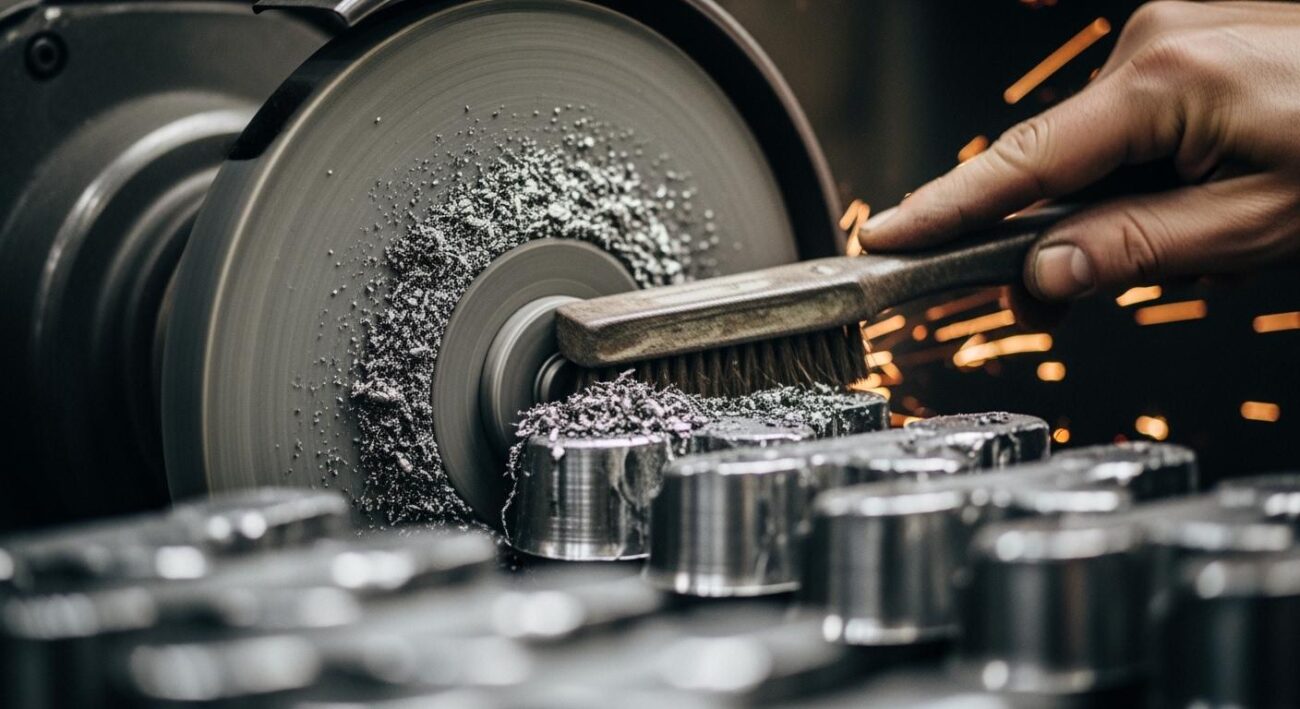
You must keep your grinding wheel sharp and clean. Over time, the wheel face can become loaded with material or glazed over. This dulls the abrasive grains, causing them to rub instead of cut. This rubbing action generates extreme heat and poor chip formation. Frequent dressing is the solution. Dressing removes the loaded material and exposes fresh, sharp grains. This process is essential for consistent grinding performance and chip breaking.
Modern methods like laser dressing offer high efficiency. A laser ablates the wheel’s bonding material to expose sharp grains without causing wear on a diamond tool. This ensures your wheel is always ready for optimal grinding and material removal. A well-dressed wheel is fundamental to good chip control.
You can prevent chip adhesion with excellent chip control. Your success in grinding depends on mastering your wheel, coolant, and machine settings. These techniques improve chip formation and chip breaking.
Key Actions for Grinding:
- Use a sharp wheel to cut each chip cleanly.
- Apply high-pressure coolant to flush every chip.
- Adjust grinding settings for better chip control.
Combining these methods ensures each chip is managed during grinding. This approach to chip breaking is vital for any material. For difficult grinding jobs, a specialist can perfect your chip control and ensure every chip is evacuated.
FAQ
Why does a faster work speed create a thinner chip?
A faster work speed pulls the material away from the wheel more quickly. This action stretches each chip, making the chip thinner. A thin chip is easier for the coolant to flush away. This process prevents a bad chip from causing surface defects on your workpiece.
How often should I dress the wheel to prevent chip problems?
You should dress the wheel when you see the surface finish decline. Frequent dressing removes any loaded material or a stuck chip. This keeps the wheel sharp, ensuring good chip formation. It stops a new chip from sticking to the wheel face.
What is the first sign of a chip adhesion problem?
The first sign is often a poor surface finish. You might see scratches or burn marks on your part. These marks indicate a chip has welded to the wheel. This single chip then damages the workpiece surface with every rotation.
Can the wrong coolant make my chip problem worse?
Yes, the wrong coolant can worsen your chip issue. A coolant with poor lubricity increases friction and heat. This makes it easier for a hot chip to weld to the wheel. Proper coolant selection is critical to help manage every single chip effectively.